

Allied Health Services Books in Medical Books
















About Allied Health Services Books in Medical Books - Walmart.com
Allied health services books help you match your coursework, exam goals, and study routine to the right learning materials. You can compare specialties, book types, formats, and education levels, so your selection fits your program requirements.
How to choose allied health services books
Start by checking whether your allied health services books match your medical field and required class topics. You should look for coverage that reflects your syllabus, lab work, and expected competencies.
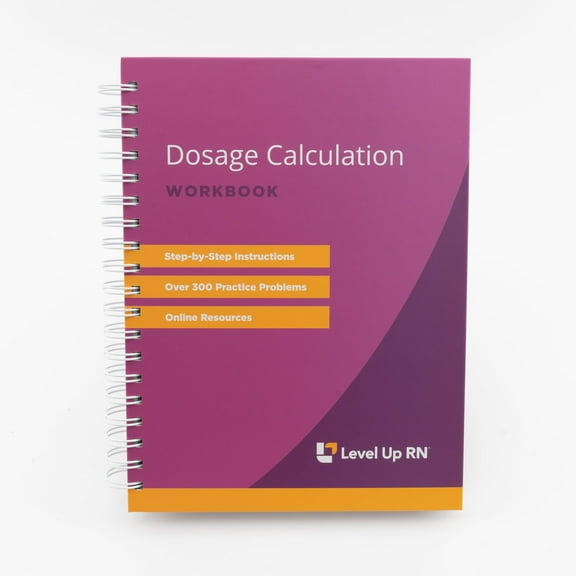
Next, compare book type based on how you plan to study each week. You may need a full textbook for coursework, a workbook for practice, or allied health exam prep for focused review.
You should also check format before you choose a title. Paperback and hardcover can support desk study, while spiral-bound pages can stay open during note taking.
- You can narrow choices by specialty, so your reading stays relevant to your program.
- You can compare study guides and reference manuals based on how you review terms, procedures, and exam topics.
- You can choose a format that fits commuting, classroom use, or home study.
- You can match education level to beginner, undergraduate, or professional certification expectations.
Choosing allied health textbooks by specialty
When you compare allied health textbooks, you should begin with the exact field named on your syllabus. You’ll get more useful coverage when chapters reflect your classroom topics and required competencies.
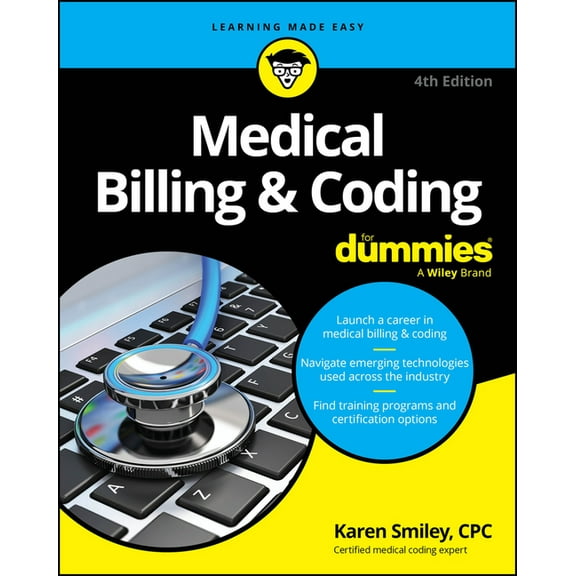
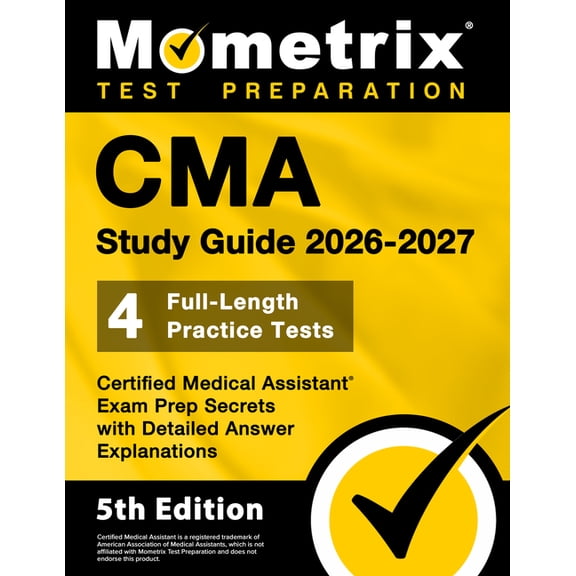
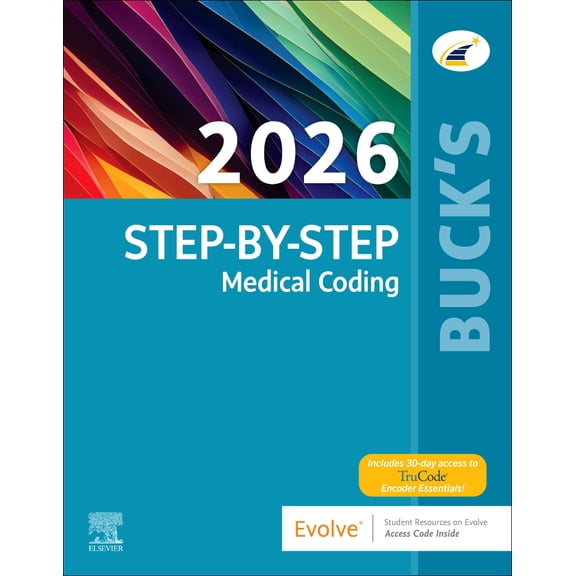
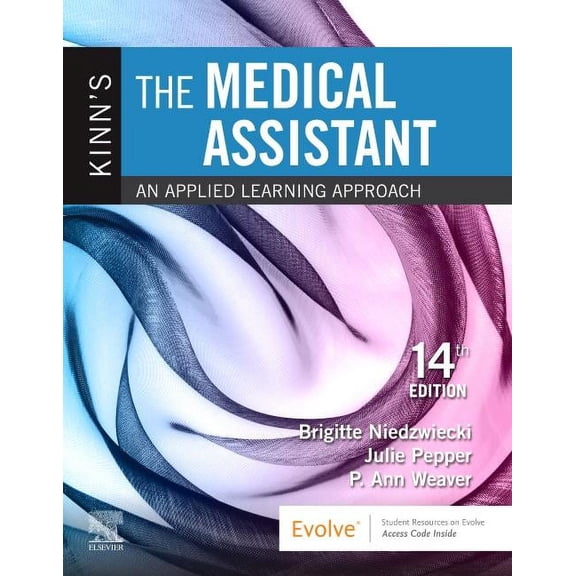
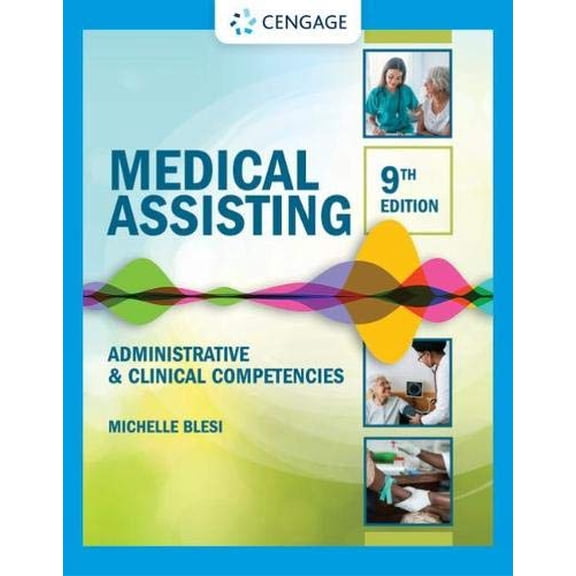
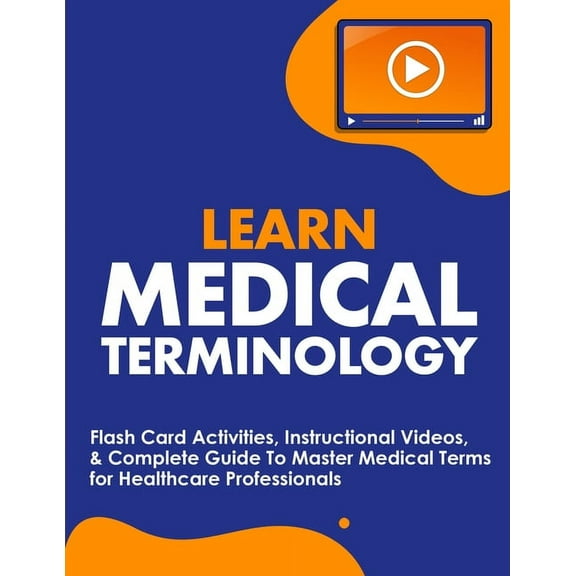
For medical assisting, you may look for medical terminology books, administrative procedures, and clinical skills review. You can also compare medical assistant study guides that organize CMA or RMA topics in a test-ready format.
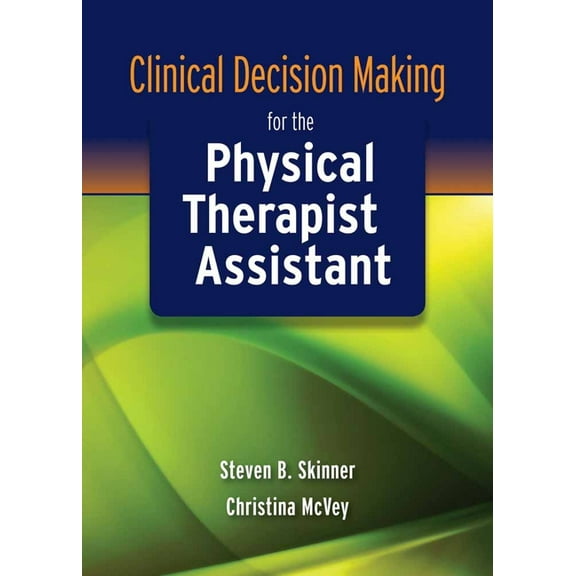
For physical therapy and occupational therapy, you may prefer books that explain movement concepts, patient support tasks, and rehabilitation terminology. You’ll often benefit from editions that break down complex ideas into chapter reviews and practice questions.
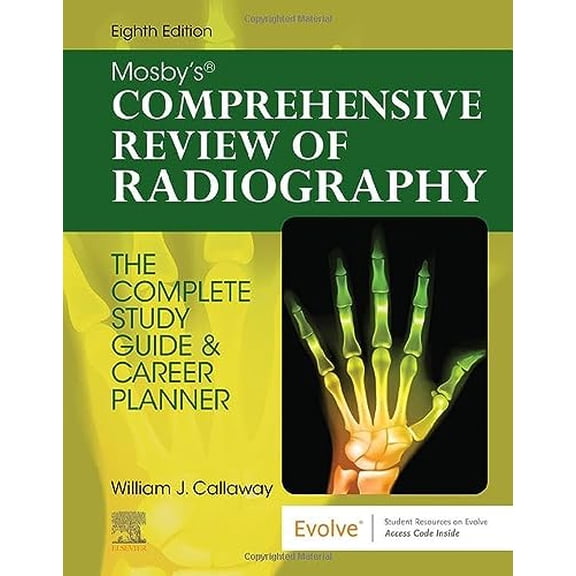
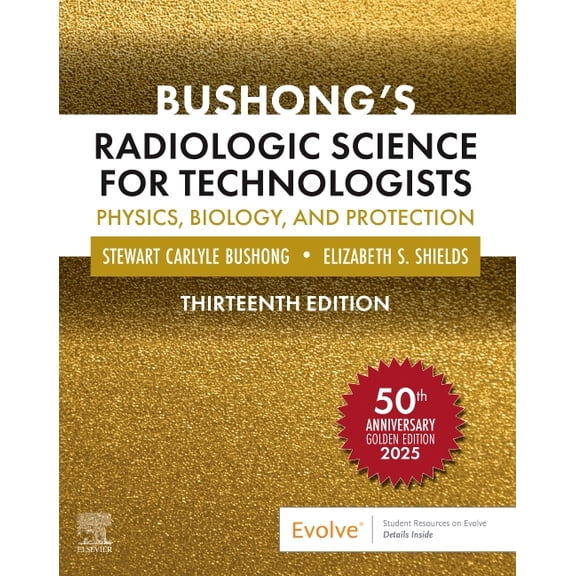
For radiology and dental assisting, you may want reference books that support terminology, imaging basics, instrumentation, and course vocabulary. You can use these titles to reinforce lectures and keep key concepts easy to revisit.
What to look for in medical assistant study guides and exam prep
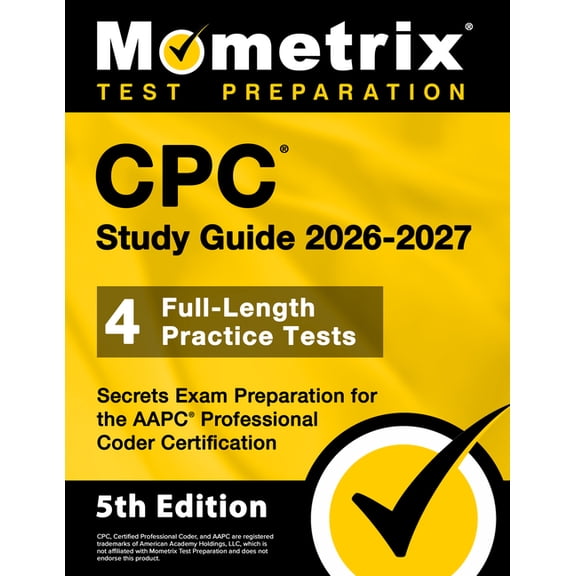
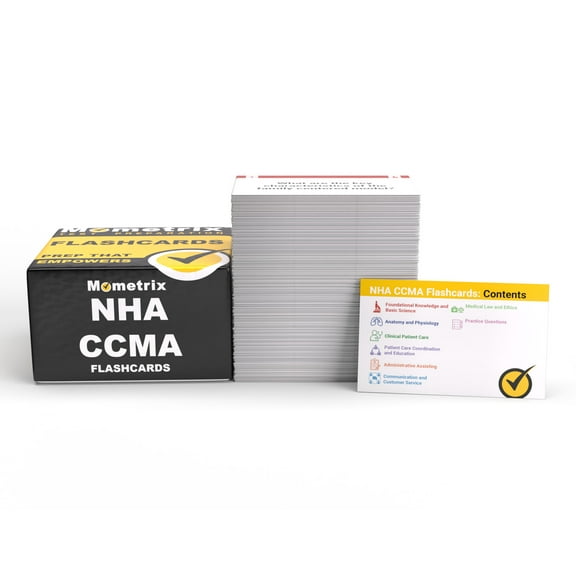
You should compare study guides by exam alignment before anything else. If you’re preparing for CMA, RMA, or PT certification terms, you’ll want chapters and practice sets that follow those tested subjects.
Edition currency matters because your instructor may assign a specific version. You can check whether a book reflects current coursework language, chapter order, and updated review material.
Digital extras can also shape your choice. You may prefer books with online study tools, flashcards, or practice tests when you want flexible review between classes.
Reference manuals work differently from exam books, so you should choose them for quick lookup instead of cover-to-cover reading. You can keep them nearby when you need definitions, abbreviations, and procedural language fast.
Matching format and level to your study routine
Your study routine should guide your format choice as much as the subject itself. You may prefer an e-book for portable reading, or you might want spiral-bound pages for easier desk use.
Paperback titles can be practical when you carry materials across campus or between shifts. Hardcover books may suit long-term shelf use when you plan to revisit the subject during later courses.
You should also compare the reading level before you choose. Beginner titles can introduce foundational vocabulary, while undergraduate books often expand on theory, chapter depth, and assigned exercises.
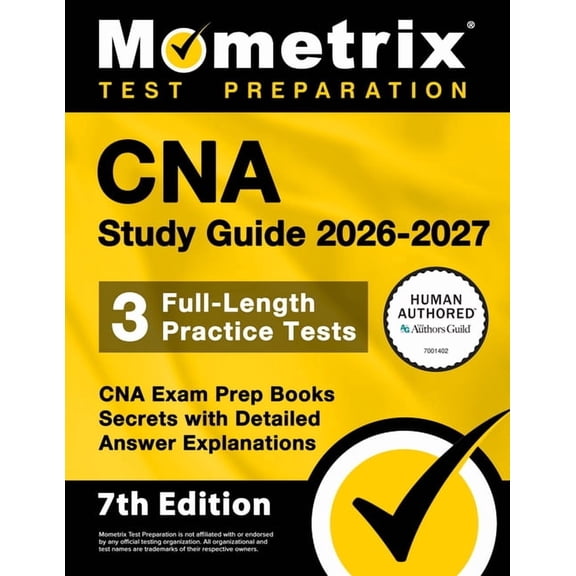
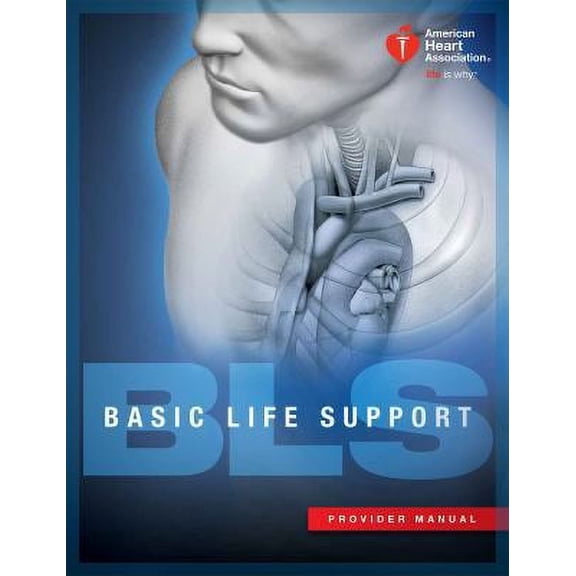
Professional certification materials usually focus on review structure, timed questions, and concise summaries. You can use them when you already know the course content and need targeted allied health exam prep.
Using allied health services books for real study goals
If you’re starting a new program, you may want a core text plus a workbook. You can build understanding first, then reinforce each chapter with guided exercises and note-taking prompts.
If you’re close to testing, you may choose medical assistant study guides and practice-focused review books. You can concentrate on exam structure, recall drills, and topic gaps that still need attention.
If your instructor requires a current edition, you should confirm the assigned version before comparing formats. You’ll avoid mismatched page numbers, outdated chapter layouts, and missing review sections.
If you’re balancing study around work or family schedules, you may want portable formats and digital support. You can review terminology during short breaks and return to practice tests when your schedule opens up.
For long-term career planning, you may also compare an allied health careers guide with your course materials. You can connect classroom learning to roles across clinics, therapy settings, imaging departments, and dental offices.
With the right allied health services books, you can study with clearer direction and choose resources that fit your field, exam path, and current level. You’ll move through coursework with materials aligned to your program. You’ll also prepare for exams with more focused review.