


Find auto parts that fit
Let’s search for parts that fit your vehicle.Automotive Winter Prep in Auto & Tires






















About Automotive Winter Prep in Auto & Tires - Walmart.com
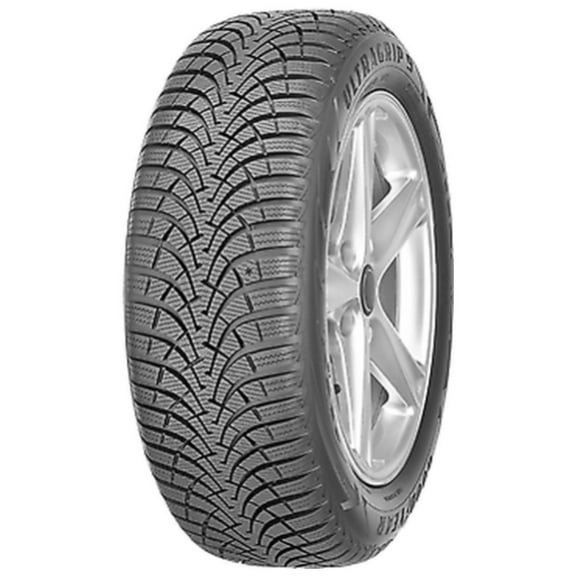
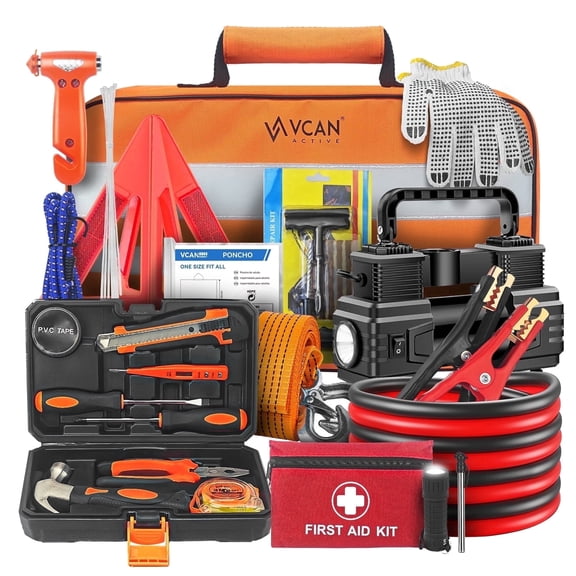
With automotive winter prep, you can get your vehicle ready for freezing mornings, messy roads, and low-visibility drives. You can find cold-weather essentials in one place, including wiper blades, winter fluids, ice scrapers, tire chains, and emergency kits.
When you prepare early, you can handle frost, slush, and snow with fewer surprises during your routine. You can also compare fitment, temperature ratings, and component types easily when your options follow real winter needs.
How to choose automotive winter prep essentials
You should start with the product category that matches your winter routine and your vehicle setup. You may need fresh wiper blades, antifreeze, an ice scraper, tire chains, or a compact emergency kit.
If you drive before sunrise, you may focus on clear glass and steady visibility first. If you face mountain roads or heavy snow, you may also compare chains and emergency supplies more closely.
You can use this category as a practical checklist for seasonal auto maintenance kits for winter. You can save time when you group your cold-weather needs by visibility, fluids, traction, and roadside readiness.
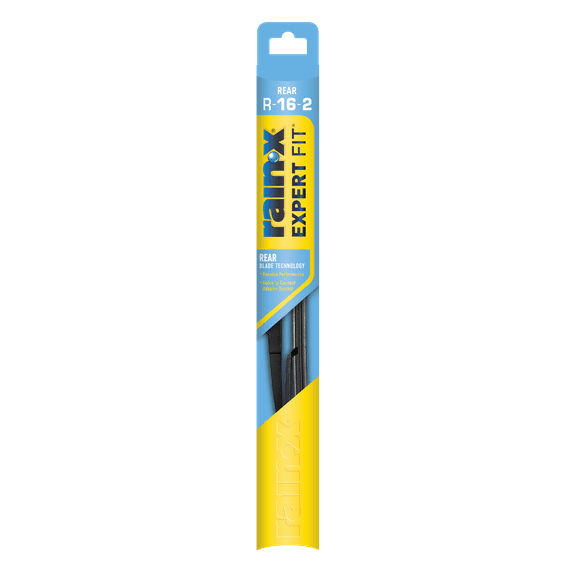
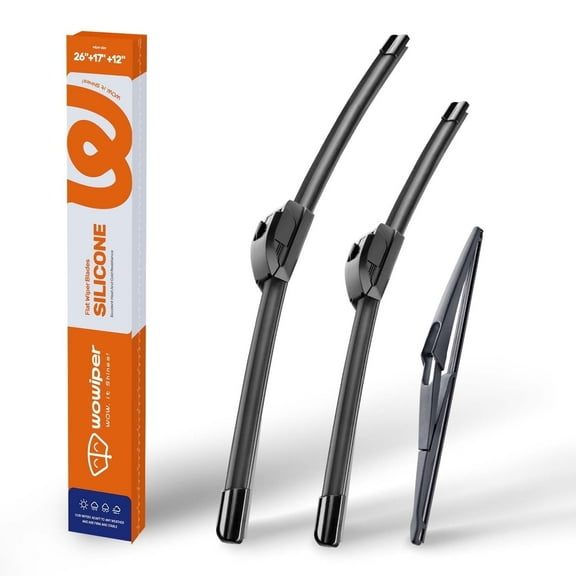
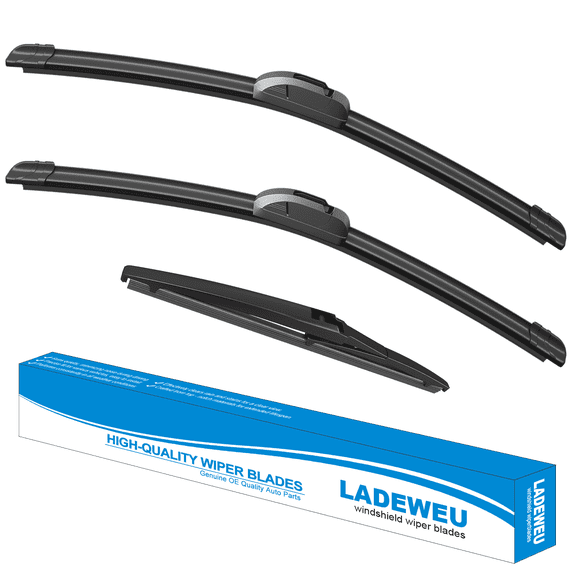
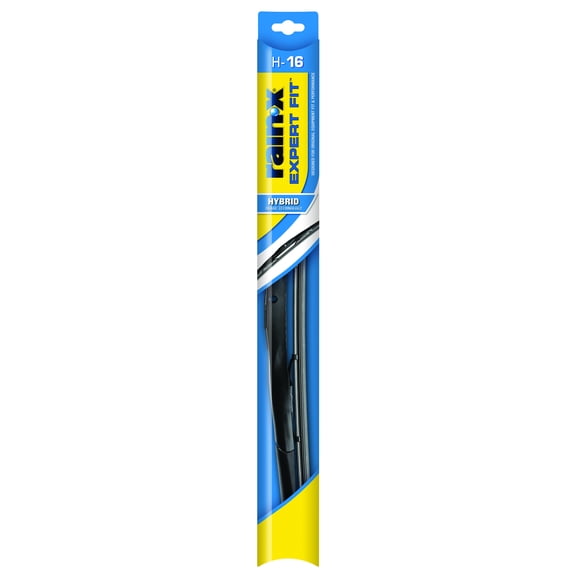
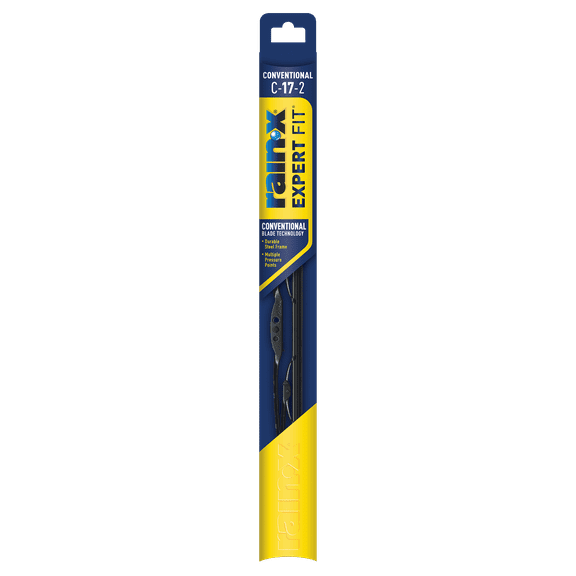
- You can improve windshield clearing with replacement blades and wiper refills sized for your vehicle.
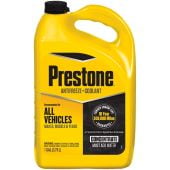
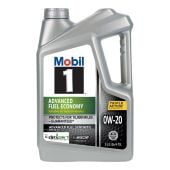
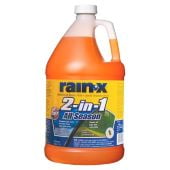
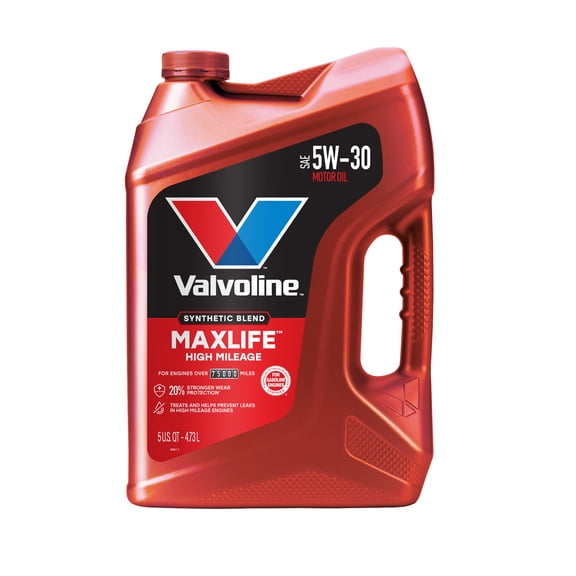
- You can stock winter fluids rated for colder temperatures, so your routine upkeep matches winter conditions.
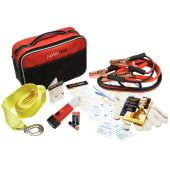
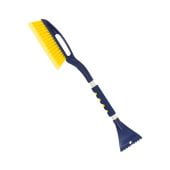
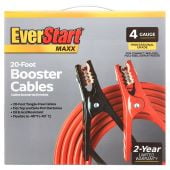
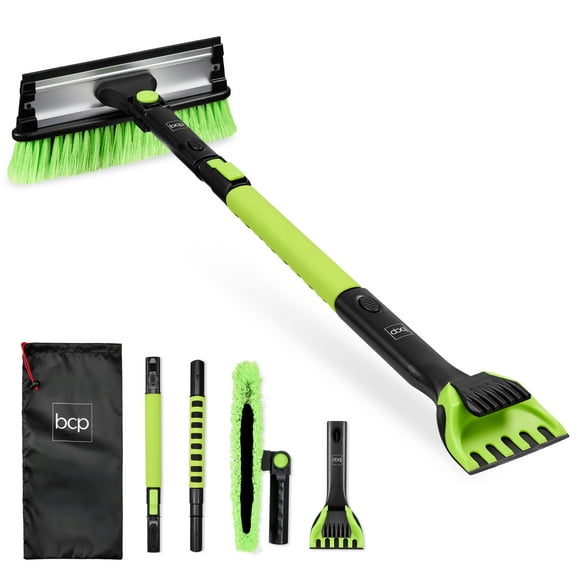
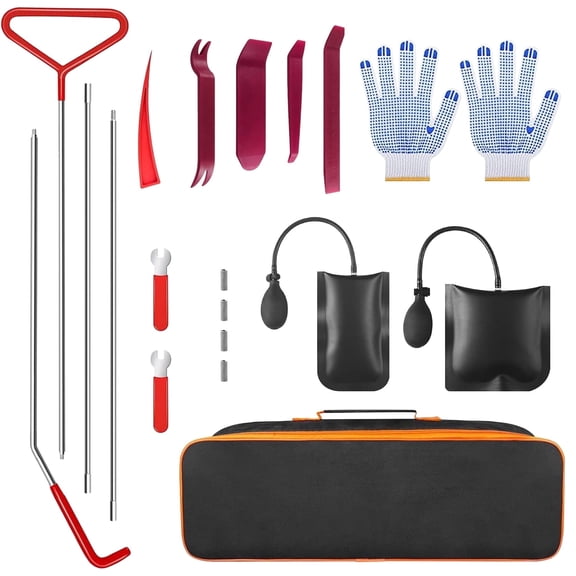
- You can keep an ice scraper and emergency kit in reach for fast access during frosty starts.
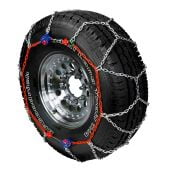
- You can compare tire chains by vehicle type when your route calls for added traction support.
Choosing product category, fitment, and temperature rating
You should check vehicle compatibility before you choose seasonal gear, especially for wiper blades and chains. You can look for options labeled for universal fit, passenger car, SUV, or truck use.
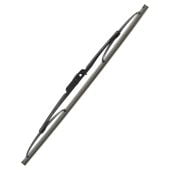
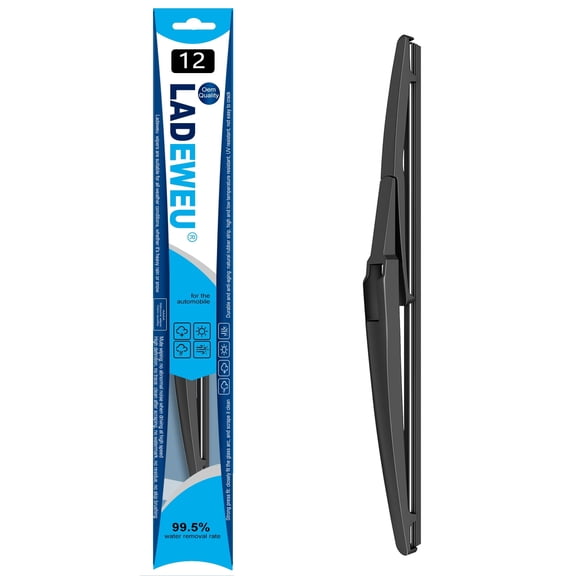
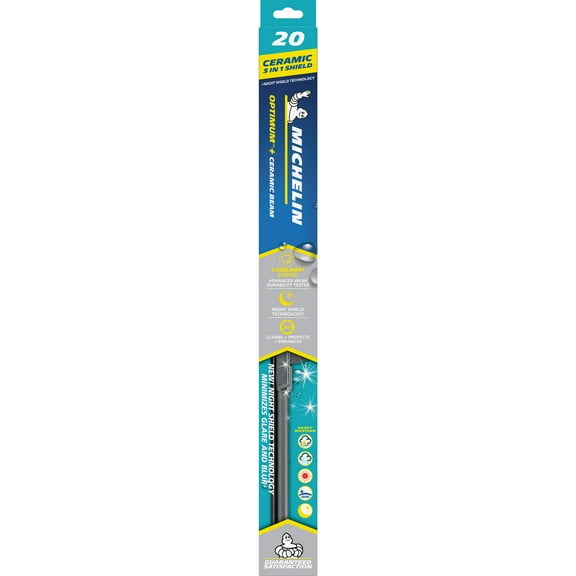
When you compare wiper blades, you should measure blade length and confirm connector style. This helps support a smoother installation when your size and attachment type match your existing arm.
You may also look for component types like rw fc26, wiper refills, and winter fluids. You can make a clearer choice when you know whether you need a full blade assembly or only a refill.
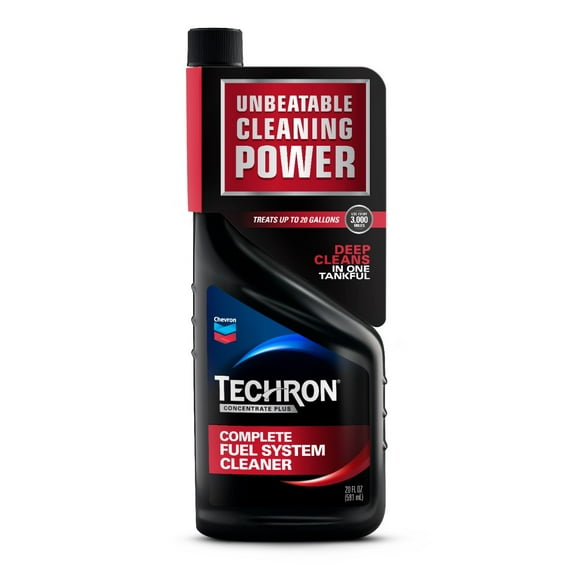
For antifreeze and winter fluids, you should check compatibility notes and intended use before checkout. You can look for fluid types that align with your vehicle requirements and your cold-weather driving pattern.
Temperature rating is another key decision point, because winter conditions vary widely by region. You can compare options rated to minus 20 degrees, minus 30 degrees, or minus 40 degrees.
If your mornings bring light frost, you may only need gear built for moderate cold. If your area sees deep freezes, you should look for lower temperature thresholds and highly durable materials.
What to look for in wiper blades and winter fluids
You can note that winter wiper shopping starts with fitment, but material design matters too. You should compare blade styles that help you clear sleet, road spray, and packed slush.
When you’re replacing worn blades, you may prefer full assemblies for a straightforward swap. If your frame still works well, you might choose wiper refills for a more targeted replacement.
You should also consider how often you drive in freezing rain, wet snow, or salted spray. You may need highly durable rubber performance when your windshield faces constant winter buildup.
For winter fluids, you should look at temperature guidance and intended application on the label. You can narrow choices faster when you know whether you need antifreeze or other winter fluids.
If you’re comparing value-tier wiper blades, you can keep your focus on fit and season-ready materials. You can get highly useful results when you compare by size, connector, and cold-weather use.
Matching combinations to your winter driving routine
You can build a practical cold-weather setup by matching products to how and where you drive. You should think about commute length, parking conditions, and how often your vehicle sits outside overnight.
If you drive a passenger car in a city, you may start with wiper blades, an ice scraper, and winter fluids. You can cover the basics for frosty windshields, slushy roads, and routine maintenance stops.
If you use an SUV or truck for longer routes, you may compare larger blade sizes and heavier-duty gear. You can also choose emergency kits that stay organized and easy to reach in a cargo area.
When your region sees deep cold, you should compare minus 30 degree and minus 40 degree options closely. This helps you drive with confidence when temperatures drop hard overnight.
If your route includes hills, rural roads, or chain-control areas, you may add tire chains to your checklist. You should confirm vehicle type guidance first, so your setup matches your driving conditions.
You can also keep a backup plan in your trunk with emergency kits and scraping tools. You can be highly prepared for icy glass, delayed starts, and winter roadside stops without piecing items together later.
Why this automotive winter prep category works
You’re not just replacing parts here, because you’re building a winter-ready routine around fitment, climate, and convenience. You can compare cold-weather essentials in a way that matches your vehicle and your season.
When your automotive winter prep list covers blades, fluids, traction gear, and emergency supplies, you can head into winter with fewer interruptions. You can feel highly prepared each time frost, slush, or snow shows up.