










Card Games and Casino Games







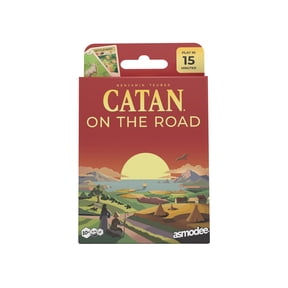


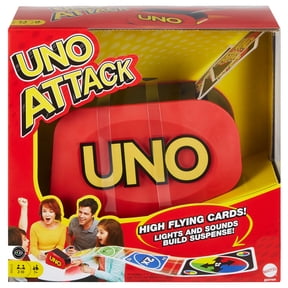


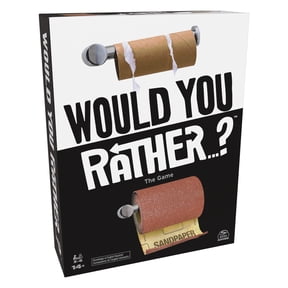
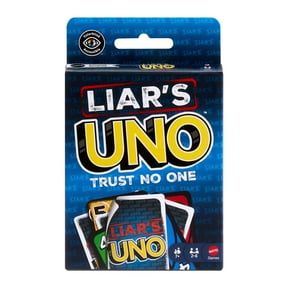













About Card Games and Casino Games - Walmart.com
Card games give you a simple way to bring people together, fill short breaks, and plan longer game nights. You can compare ages, player counts, and play time faster when you shop a category built for every kind of table.
If you're choosing for family time, travel, or adult game night, you'll want options that match your group and pace. You can find quick-play decks, deeper strategy formats, and easy rules that fit beginners or experienced players.
How to choose card games by game type
You can narrow card games faster when you start with game type. Your choice often shapes how much planning, bluffing, teamwork, or laughter you want in each round.
Family card games usually give you simple turns and easy scoring. You can teach them quickly, and your group can jump in without a long rules explanation.
Party card games work well when you want big reactions and flexible group play. You can pull them out for gatherings, and your guests can join even if they missed the first round.
Strategy card games fit you when you like planning ahead and managing resources or combinations. You can look for deck-building styles if you want changing choices from one session to the next.
- You can choose family card games when your group includes mixed ages and different skill levels.
- You can choose party card games when your group wants quick turns, social play, and easy drop-in rounds.
- You can choose strategy card games when you want layered decisions, longer sessions, and strong replay value.
- You can choose deck-building formats when you want your card pool and tactics to change during play.
Choosing card games by age range
You should check age range early because it affects rules, reading level, and turn length. Your game feels smoother when the instructions match the players at the table.
Card games for kids often use clear symbols, matching, or number play that feels easy to follow. You can keep younger players engaged when turns move quickly and the goals stay visible.
Teens may enjoy more planning, hidden information, and changing tactics across rounds. You can compare games with a little more depth when your group wants challenge without a long learning curve.
Card games for adults often add bluffing, negotiation, or combo building that rewards repeated play. You can also choose all ages options when your household wants one deck for mixed gatherings.
Comparing player count before you buy
You can avoid a mismatch when you check whether a game supports two players, solo play, or larger groups. Your ideal pick should fit your usual table without extra house rules.
Two player formats are useful when you want a head-to-head option for weeknights or travel. You can keep gameplay focused, and your turns usually move faster with fewer people involved.
Group games matter when you host friends, holidays, or classroom-style activities. You can look for party card games with flexible player counts if your attendance changes from one gathering to another.
Solo-friendly decks give you a way to learn systems or enjoy puzzle-style play on your own schedule. You can also use solo modes to practice before bringing a game to a larger group.
Checking play time and setup for family card games
You should compare play time because it changes how often you actually use a game. Your household may want quick rounds after dinner or longer sessions on weekends.
Quick games help you fill short windows without a long setup. You can shuffle, deal, and start fast, which works well for travel card games and busy family routines.
Standard-length games give you more room for scoring twists and changing tactics. You can enjoy a fuller game night feel without committing your entire evening.
Longer strategy sessions fit you when you enjoy planning across many turns. You should also consider setup needs, because fewer components usually mean faster cleanup and easier replay.
Key features to look for in card games
You can judge replayability by looking at variable setups, changing roles, and decks that create different outcomes. Your game stays fresh longer when each session asks you to adapt.
Some card games include expansion paths or deck-building systems that shift your options over time. You can grow into deeper play without replacing the whole experience right away.
You should also check portability, box size, and card count if you want a game for road trips or packed shelves. Your travel setup feels easier when a deck fits into a bag or carry-on.
Clear icon design and readable text matter when you want smooth turns across mixed age groups. You can keep everyone involved when players spend less time decoding cards.
Matching card games to real-life use
You can match family card games to birthdays, weekend nights, and screen-free time at home. Your group may want easy setup, broad age appeal, and turns that keep everyone participating.
Party card games fit holiday gatherings, dorm rooms, and casual nights with friends. You can choose flexible group sizes when your guest list changes and you want players to rotate in easily.
Strategy card games suit players who enjoy planning, combos, and repeat sessions with new approaches. You can revisit the same game often when variable decks or changing goals keep decisions interesting.
Travel card games work well for vacations, waiting rooms, and quick breaks between activities. You can pack light, start fast, and keep entertainment simple without a large game board.
Card games for adults can add social deduction, tactics, or longer rounds for dedicated game nights. Card games for kids can support simple matching and number play that feels approachable and fun.
You can shop card games with more confidence when you compare game type, age range, player count, and play time together. Your final pick is more likely to hit the table often and keep every round engaging.