











Dollhouses and Playsets




















About Dollhouses and Playsets - Walmart.com
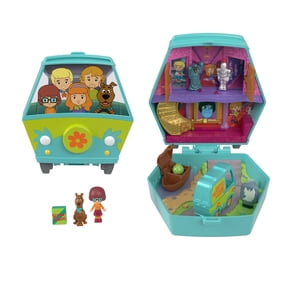
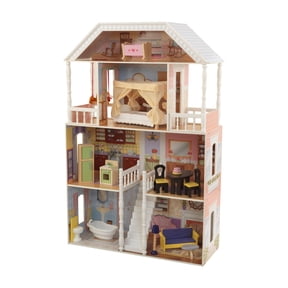
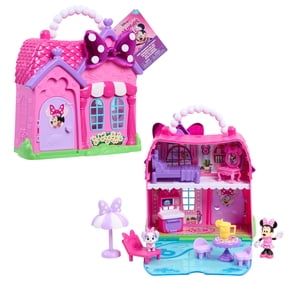
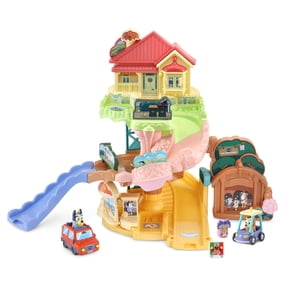
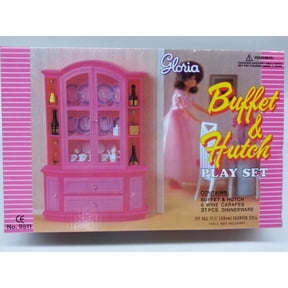
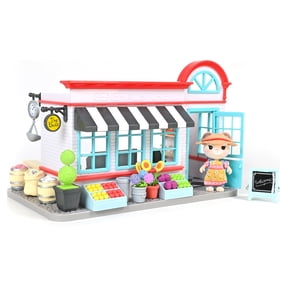
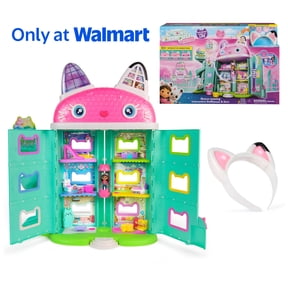
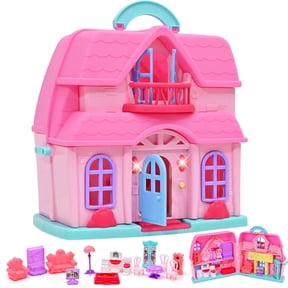
Dollhouses playsets help you create imaginative play at home with sizes, themes, and materials that match how your child likes to play. You can compare wooden dollhouse designs, furnished options, and age-focused layouts before you choose.
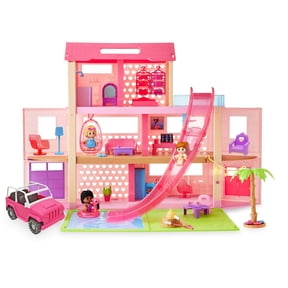
If you want a playroom centerpiece, you can look for multi-story homes with open sides and easy room access. If you need everyday flexibility, you can compare tabletop styles that fit smaller spaces.
How to choose dollhouses playsets
You can start with material because it shapes durability, weight, and the overall look in your space. You may prefer a wooden dollhouse for a sturdy feel, or you may choose plastic for lighter everyday movement.
Cardboard styles can work when you want a lighter setup with simple assembly and easy seasonal use. You should also check painted finishes, smooth edges, and sturdy connections when you compare materials.
Size matters because you need a playset that fits both your room and your child’s dolls. You can compare 1:12 scale homes for miniature figures, fashion doll size layouts for taller dolls, and tabletop builds for compact storage.
If you want a standout setup, you can consider a large dollhouse with multi-story rooms and wider play access. If you need a smaller footprint, you can choose a compact design that still gives your child several rooms.
What benefits you get from a wooden dollhouse or playset
You get more organized pretend play when your child has defined rooms, furniture spots, and character spaces. You can also keep play sessions fresh because different themes support new stories every day.
- You can match room size and scale to dolls your child already owns.
- You can choose furnished sets when you want play to start right away.
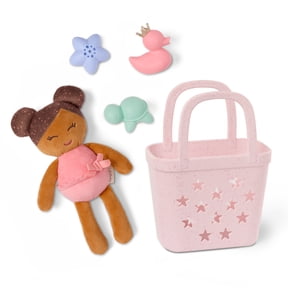
- You can pick toddler dollhouse layouts with larger pieces and simpler room access.
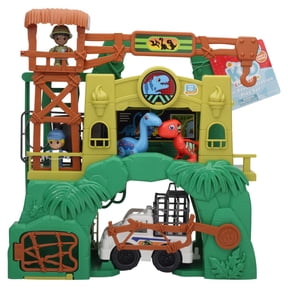
- You can compare castle playset, treehouse, mansion, and Victorian styles for different story themes.
Imaginative variety matters because your child may want a home one day and a fantasy setting the next. You can find modern mansion layouts, traditional Victorian details, castle rooms, and treehouse-inspired spaces.
You also get flexibility when you choose toy dollhouse playsets that grow with changing interests. You can add dollhouse accessories later, or you can start with a dollhouse with furniture included.
What to look for in furnishing status and accessories
You should decide early whether you want a fully furnished set, an unfurnished layout, or a model with accessories. That choice affects setup time, play variety, and how much mixing and matching you can do later.
A dollhouse with furniture helps you start play quickly because key rooms already feel complete. If your child likes arranging spaces, you may prefer an unfurnished option that leaves room for customization.
You can also compare accessory counts and room types before you choose. Look for kitchen pieces, beds, seating, bath items, and outdoor extras when you want fuller story options.
Compatibility is another major decision because you want existing dolls to fit doorways, beds, and room heights. You should check whether a set fits 12-inch fashion dolls, smaller figures, or classic miniature dollhouse collections.
If you already own several dolls, you can measure them before you buy. That quick step helps you avoid cramped rooms and helps your child use favorite characters right away.
Choosing the right age range and assembly style
You can narrow your options by age range because room scale, accessory size, and layout complexity often change by stage. A toddler dollhouse usually has larger pieces, easier access, and simpler play patterns.
For preschool ages, you may want recognizable rooms and durable accessories that support daily pretend routines. For kids six and up, you can explore more detailed homes with extra rooms and decorative pieces.
Assembly time can shape your choice, especially when you want play to begin without a long setup. You should look for pre-assembled parts when you want fewer steps and a faster path to play.
Step-by-step instructions also matter because you want the setup process to feel clear and manageable. If you prefer a bigger house, you can compare how many panels, floors, and accessories need assembly.
You may also want open-front construction because your child can reach rooms more easily during everyday use. That design can help you place furniture faster and keep story movement smooth between floors.
Matching themes, scale, and use cases
You can choose by theme when you want the playset to reflect your child’s favorite stories. A modern mansion can suit everyday family scenes, while a castle playset can support fantasy characters and royal settings.
A traditional Victorian style can appeal when you want classic architectural details and room-by-room decorating fun. A treehouse design can fit adventurous storylines and outdoor-inspired pretend play.
Holiday gifting often centers on ready-to-play sets, so you may prefer furnished dollhouses playsets during busy seasons. If you’re planning a christmas dollhouse gift, you can compare assembly needs before wrapping day.
You can also think about where the playset will live in your home. Tabletop options fit desks and play tables, while multi-story homes can anchor a bedroom or shared playroom corner.
If you want sibling play, you can look for wider layouts with multiple access points and several rooms. If you want collecting and decorating, you may prefer a miniature dollhouse with detailed room styling.
You’ll feel more confident when you compare material, scale, furnishings, age range, and theme together before choosing. The right dollhouse layout helps your child start imaginative play with rooms, accessories, and doll compatibility that fit your home.