














Shop Play Vehicles and Toy Cars










![Matchbox Italian Roads Diecast Vehicle 5-Pack [Alfa Romeo 4C, '67 Alfa Romeo Duetto, Gallardo Police, '04 Maserati MC12 & 2023 Alfa Romeo Tonale]](https://i5.walmartimages.com/seo/Matchbox-Italian-Roads-Diecast-Vehicle-5-Pack-Alfa-Romeo-4C-67-Alfa-Romeo-Duetto-Gallardo-Police-04-Maserati-MC12-2023-Alfa-Romeo-Tonale_eddeaef1-7317-4918-853a-9f6d19deaed5.bb31d57323d9c9a539aba04700c0b08a.jpeg?odnHeight=576&odnWidth=576&odnBg=FFFFFF)









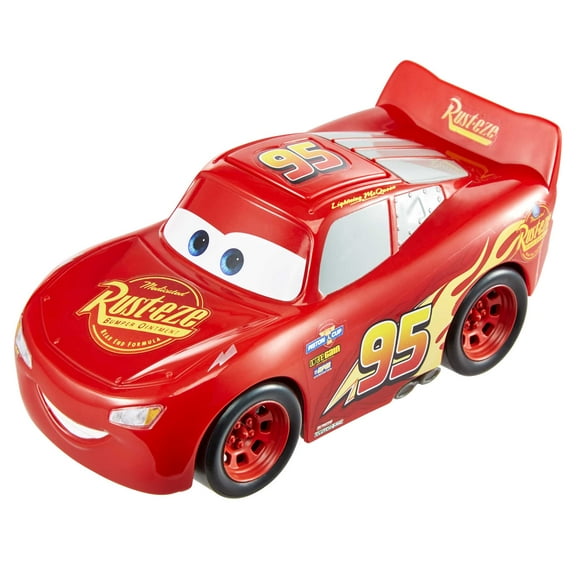
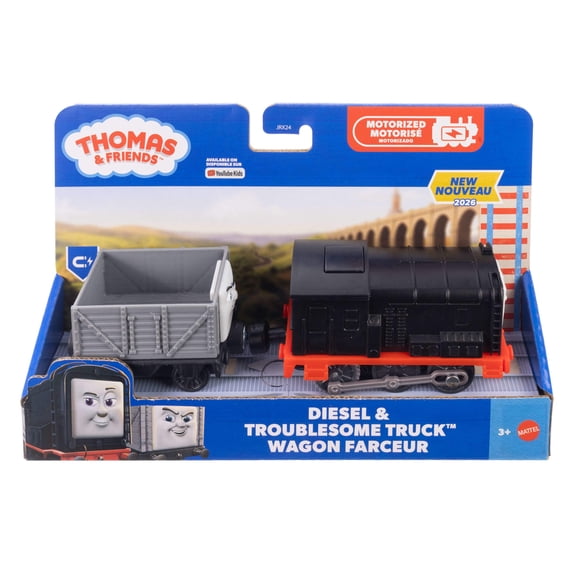
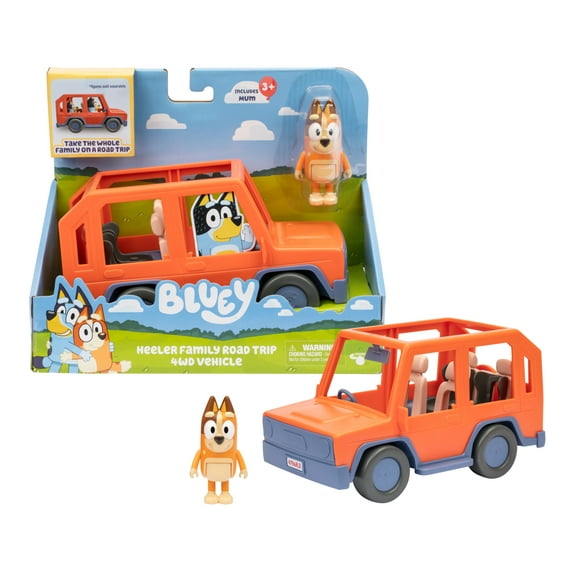
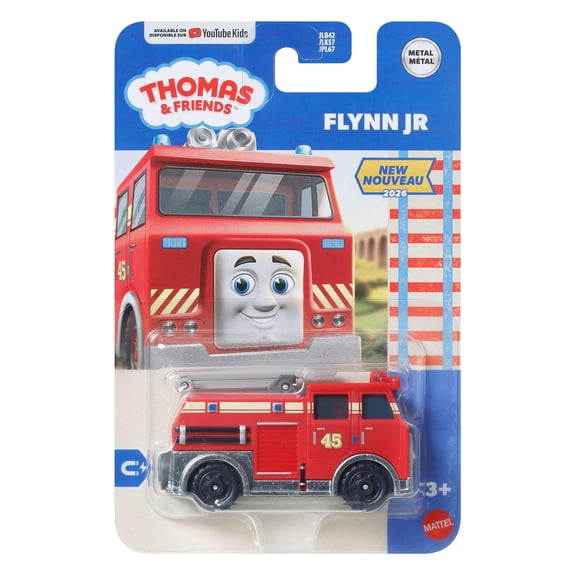




About Shop Play Vehicles and Toy Cars - Walmart.com
You can compare play vehicles by age range, power source, and size, so your child gets a toy that fits everyday play. You'll find a wide variety of options, from push cars to remote control play vehicles. You can choose styles that match indoor floors, backyard paths, or pretend rescue scenes.
How to choose play vehicles by age and play style
You'll want to start with age range, because your child uses toy vehicles differently at each stage. Your toddler may enjoy chunky shapes and simple rolling motion, while your older kid may want steering, speed, and detailed designs.
For toddler ages one to three, you should look for easy-grip shapes and simple manual movement. For preschool ages three to five, you can consider pull-back motion and lighter battery-powered options with easy controls.
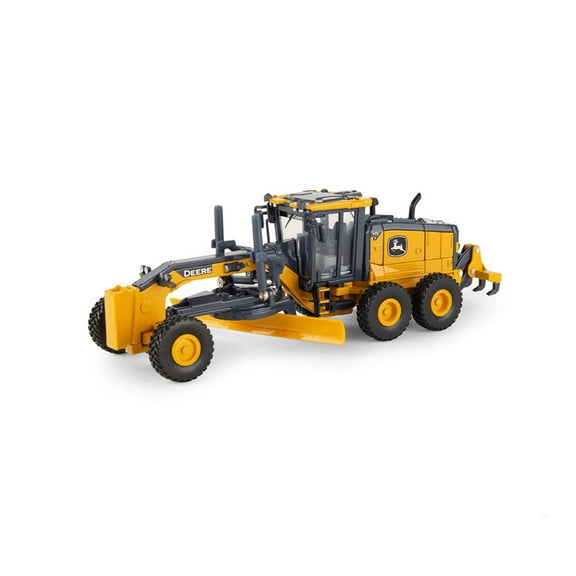
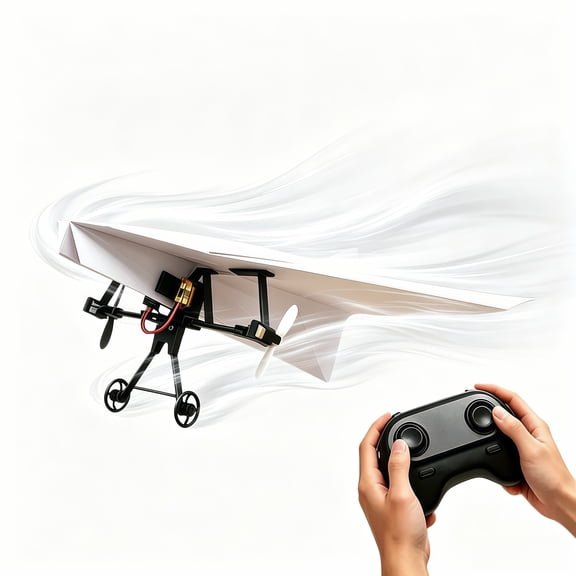
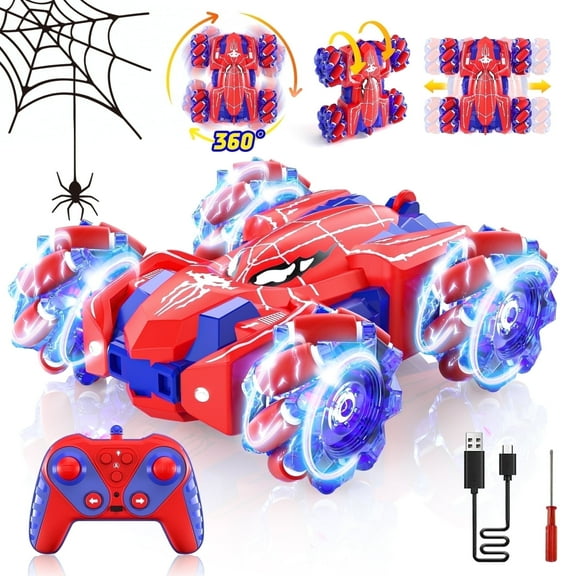
Once your child is six or older, you may compare remote control play vehicles with precise handling. You'll also notice older kids often enjoy construction vehicles, emergency models, and airplanes for themed play.
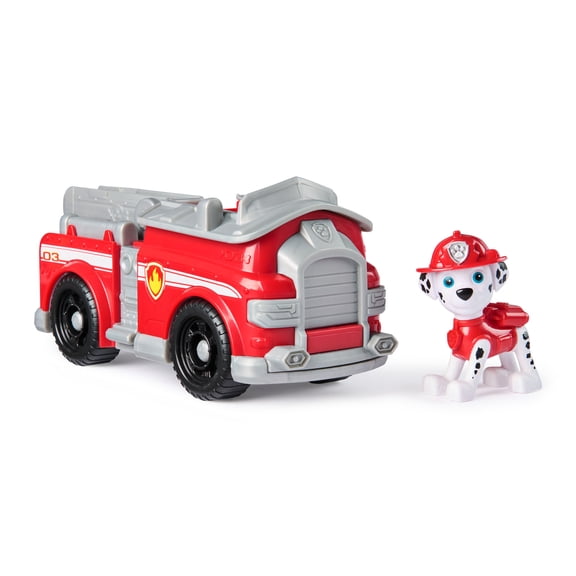
You can narrow choices faster when you match the vehicle type to your child's interests and routines. Your child may replay road trips with play cars, build worksites with toy trucks, or create action scenes with fire and rescue vehicles.
- You can choose manual or pull-back options for simple, hands-on play.
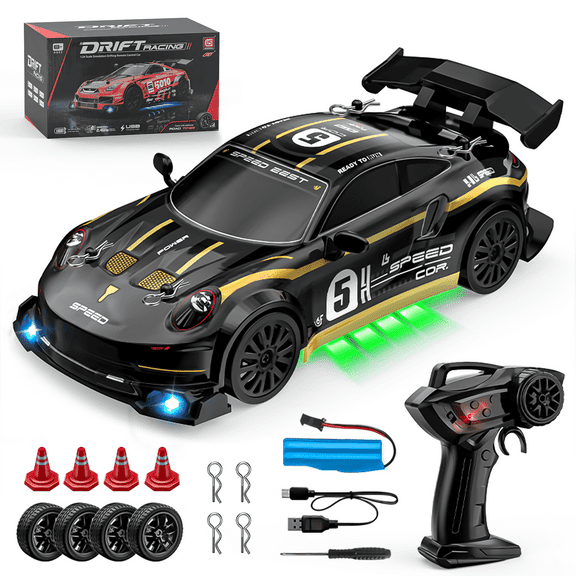
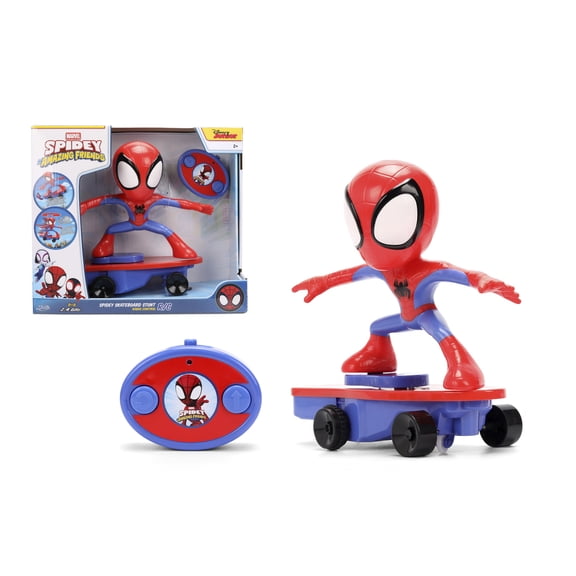
- You can compare battery-powered and remote control models for interactive movement.
- You can match cars, trucks, construction vehicles, emergency vehicles, and airplanes to favorite themes.
- You can pick age-appropriate sizes and controls for toddlers, preschoolers, or older kids.
Choosing power source, material, and vehicle details
You should compare power source next, because it shapes how your child plays each day. Your manual vehicles usually work well for quick grab-and-go play, while your remote control options add steering and distance control.
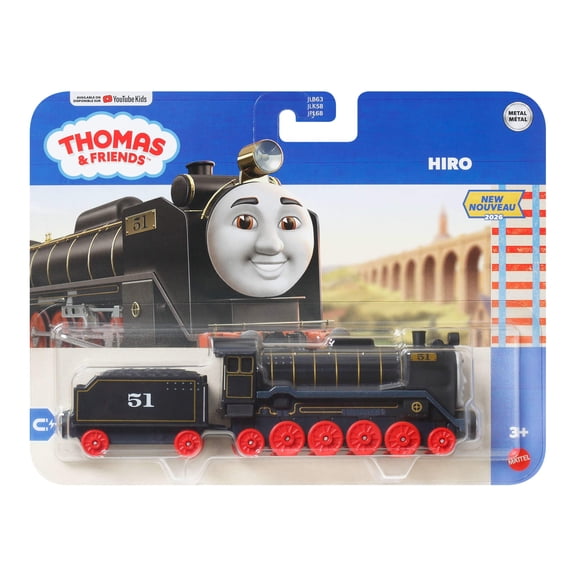
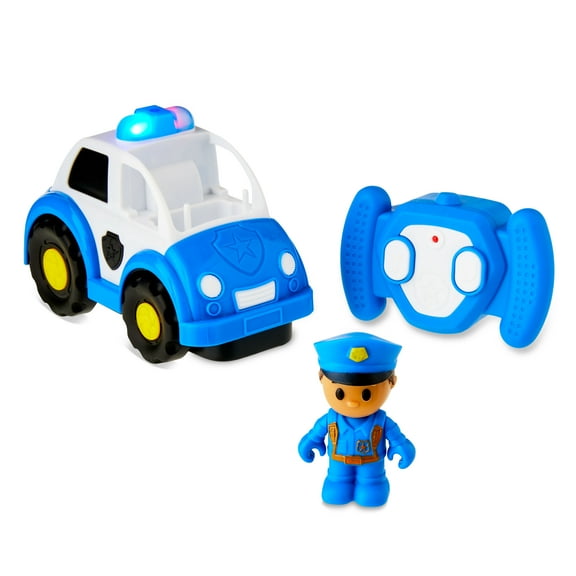
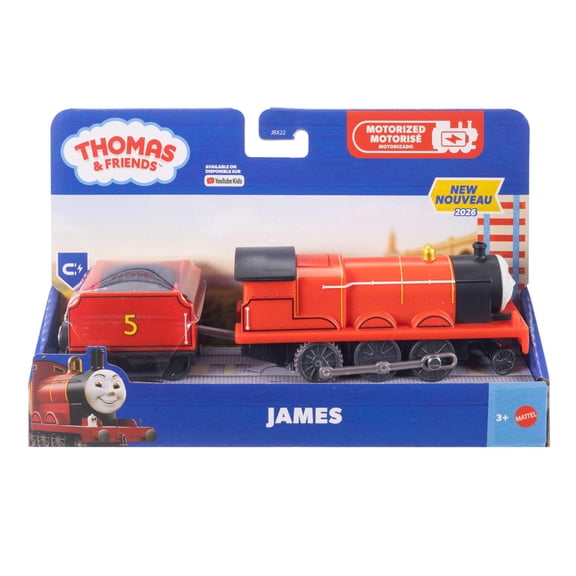
With pull-back toys, you can expect simple motion that feels active without extra setup. With battery-powered models, you should check whether your child wants lights, sounds, or motorized movement.
If you're comparing remote control play vehicles, you should think about where your child will drive them. Your indoor spaces may suit smaller cars, while your driveway or patio may suit larger trucks with wider wheels.
You can also use material as a shortcut when you compare durability and feel. Your die-cast metal choices often feel weightier in your hand, while durable plastic can feel lighter for everyday carrying.
Wood options can work well when you want a classic look and simple rolling play. You'll often find wood styles fit imaginative setups, storage bins, and shared playrooms with less visual clutter.
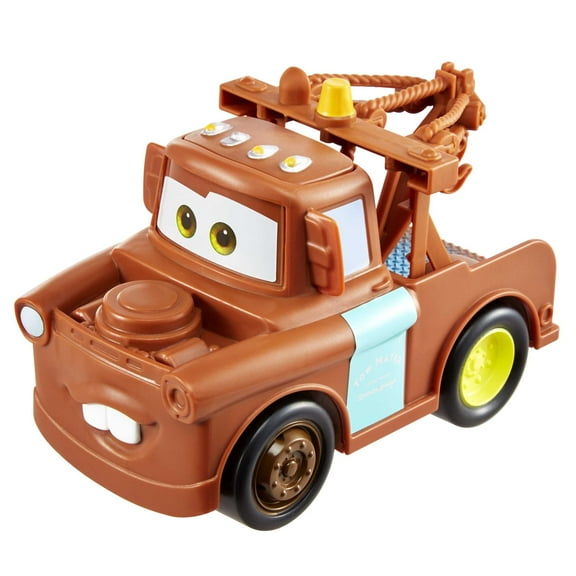
Vehicle type matters too, because each style supports a different play pattern in your home. Your child may race cars across hallways, load toy trucks with blocks, or stage construction scenes with dump trucks and diggers.
Understanding scale and toy cars and trucks
You should check scale before you buy, because size affects storage, handling, and floor space. Your 1:16 scale vehicle usually feels larger, while your 1:24 scale option often fits shelves more easily.
Miniature play vehicles can suit travel, party favors, and compact storage in bedroom bins. You'll likely appreciate smaller pieces when your child wants to carry several toy cars and trucks at once.
If your child plays in tighter spaces, you may prefer compact cars or smaller emergency vehicles. If your child has open play areas, you can consider larger trucks, haulers, or remote control styles.
You should also compare shape and body style when you're organizing a mixed toy collection. Your low-profile play cars may line up neatly, while your tall construction toys can take more shelf height.
For toy vehicles for kids who love pretend jobs, you can match scale to the scene they build. Your child may use larger construction trucks with blocks, or smaller police cars with play mats and garages.
Matching play vehicles to everyday use cases
You can make an informed choice when you picture where and how your child will use the toy. Your living room, playroom, sidewalk, or travel bag can each point you toward a different vehicle style.
For everyday indoor play, you may want manual cars, pull-back racers, or smaller toy trucks. You'll usually get easy setup, simple cleanup, and movement that works well on rugs, wood floors, and low tables.
For outdoor play, you can consider larger battery-powered trucks or remote control models with easy handling. Your child may enjoy driving across patios, smooth sidewalks, or open garage floors with more room to turn.
During holiday shopping, you may compare holiday toy vehicles by theme and age range first. Your child might connect quickly with emergency lights, construction details, or airplane shapes that match favorite stories.
If you're shopping for younger children, toy cars for toddlers often work well with simple push motion and rounded forms. You'll likely want easy holding, easy rolling, and a size that feels comfortable in small hands.
When siblings share toys, you can mix miniature cars with larger trucks to create varied play. Your older child may handle remote control driving, while your younger child rolls manual vehicles beside them.
You can feel confident choosing play vehicles when you compare age range, power source, material, and scale together. Your final pick can support imaginative scenes, active movement, and easy everyday play in the spaces your child uses often.