

In-Wall and In-Ceiling Speakers in All Home Speakers























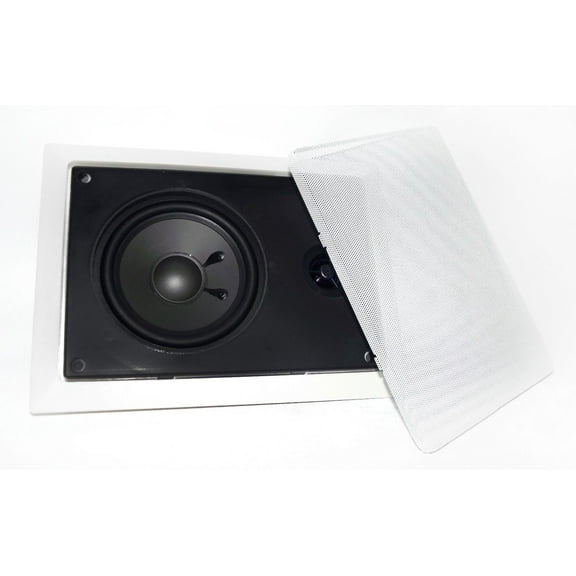
About In-Wall and In-Ceiling Speakers in All Home Speakers - Walmart.com
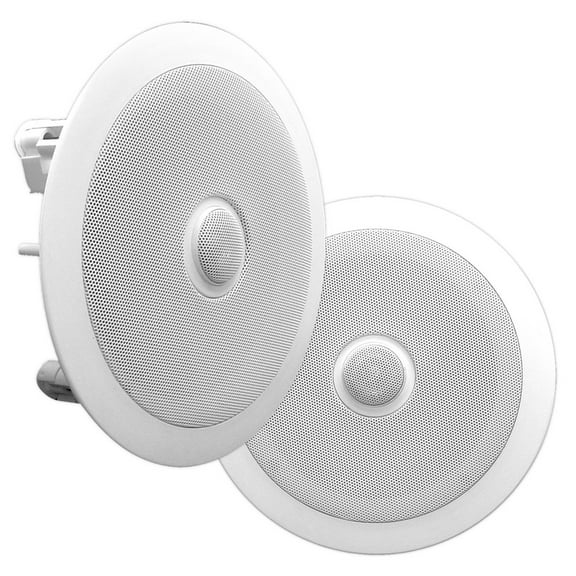
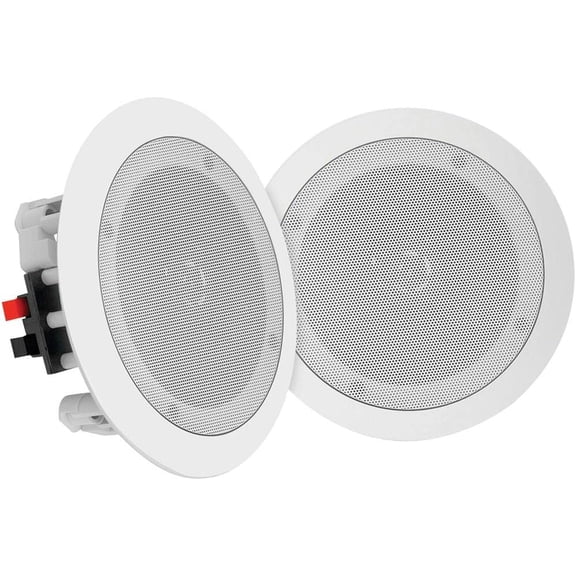
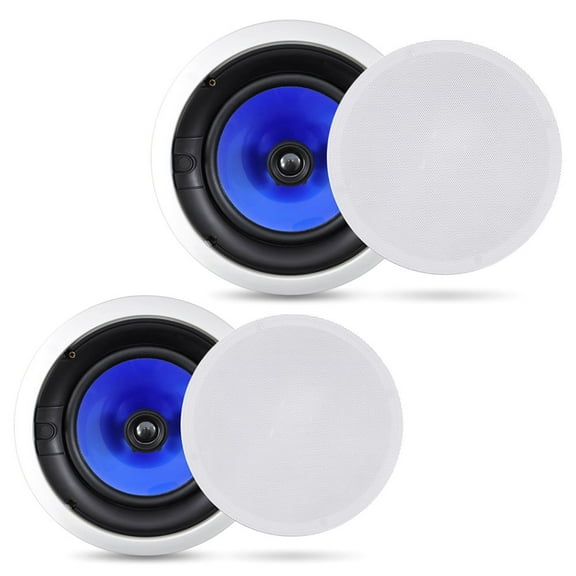
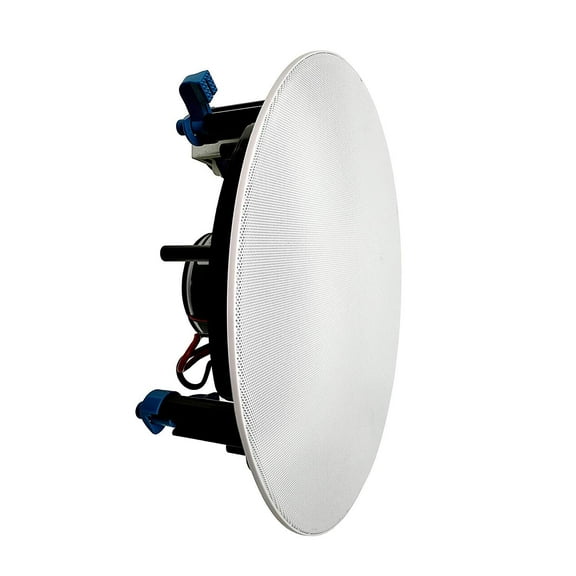
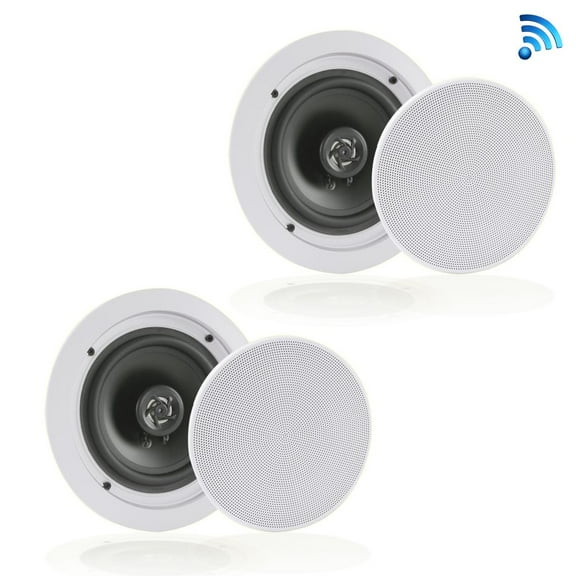
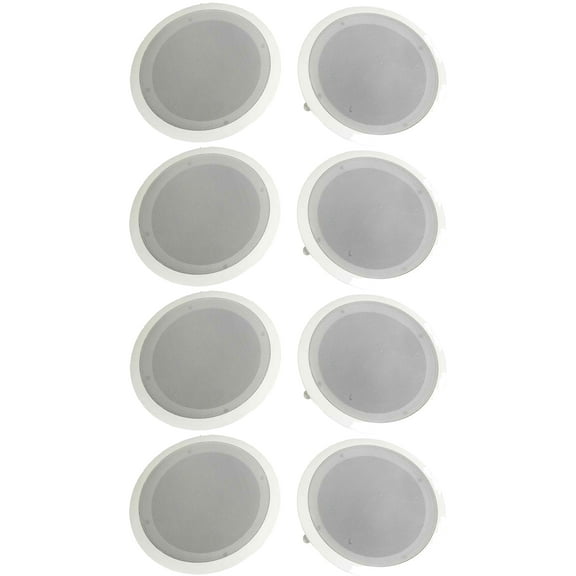
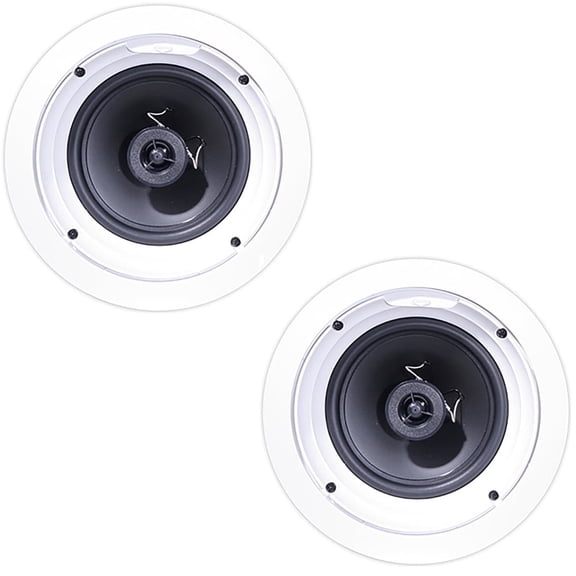
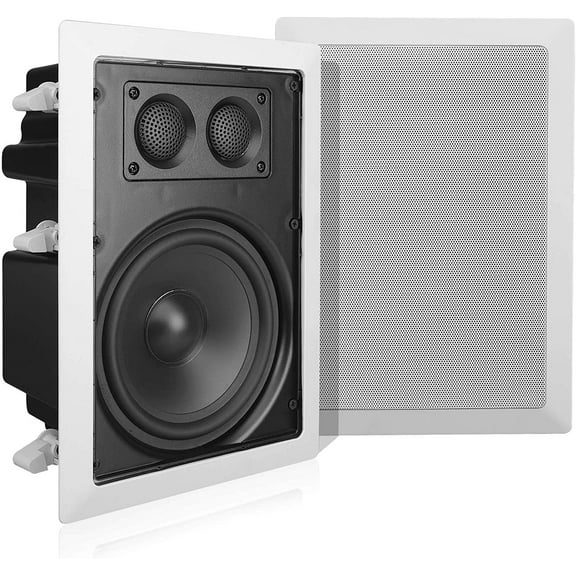
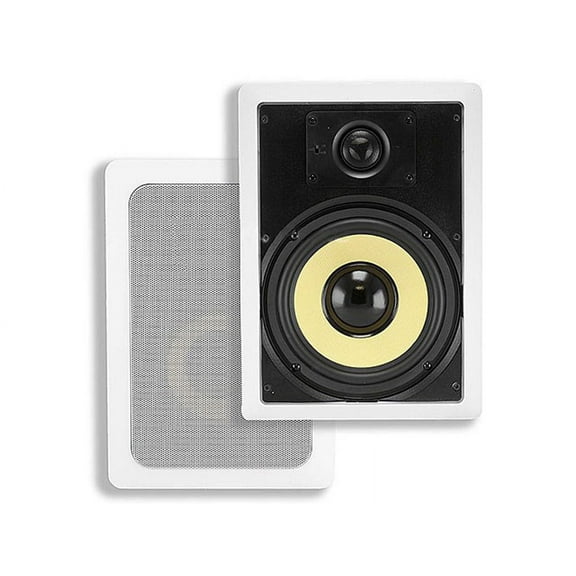
With in-wall and in-ceiling speakers, you can build a clean audio setup that blends into your room instead of crowding it. You get a built-in look for home theater, surround sound, and multi-room listening without bulky speaker cabinets.
When you compare wall and ceiling speakers, you should focus on placement, wire rating, enclosure style, and driver size. You can use those decisions to match your room layout, your listening habits, and your installation plan.
How to choose in-wall and in-ceiling speakers
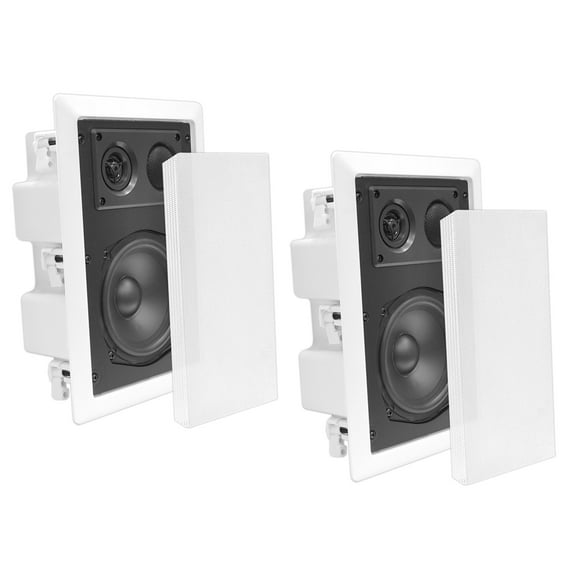
If you want front-channel sound near your screen, you may prefer in-wall placement for a direct listening path. If you want broad overhead coverage, you may prefer in-ceiling placement for even background audio.
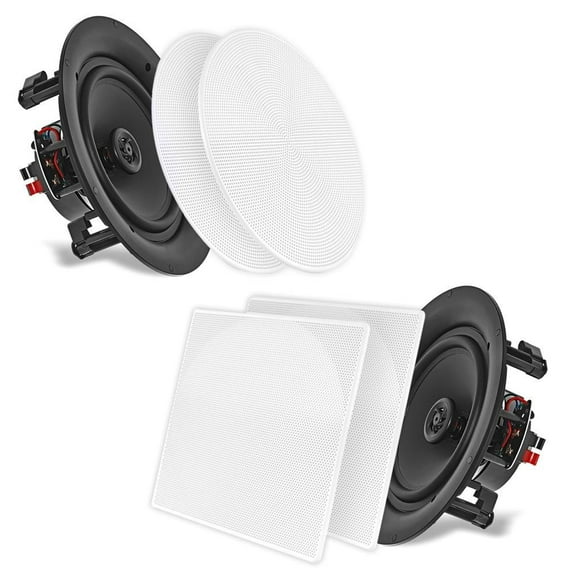
For surround sound, you can use in-wall models beside or behind seating for a theater-style layout. For ambient listening, you can use speakers in the ceiling to spread music across kitchens, hallways, and living areas.
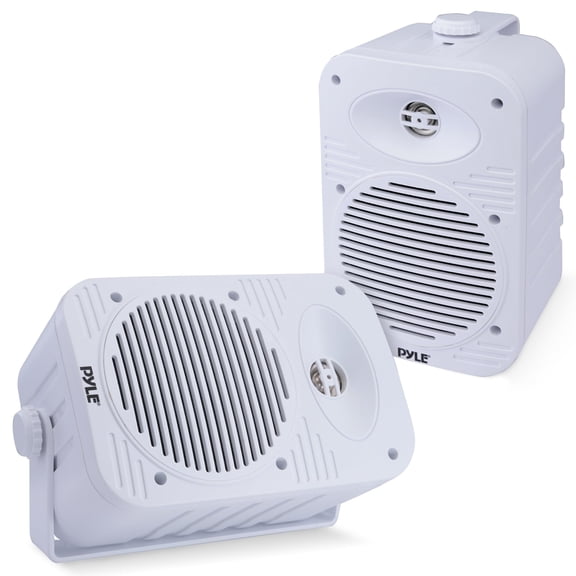
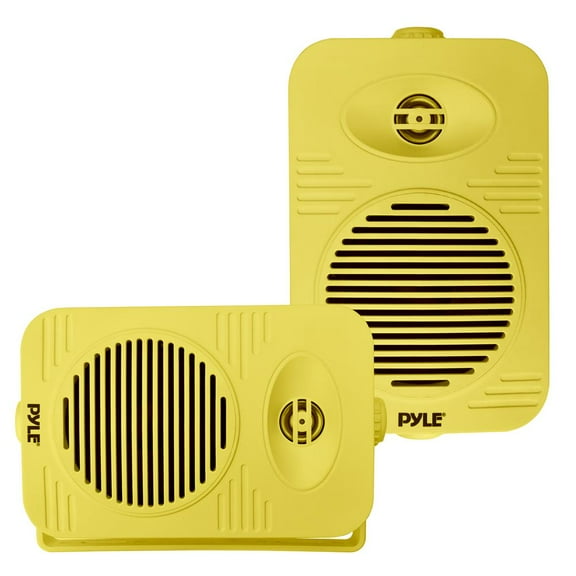
You'll also notice that on-wall options can help when you want a lower-cut installation approach. You can keep a slimmer profile while avoiding a fully recessed build in some rooms.
- You can create a clutter-free setup with less visible hardware.
- You can route sound through multiple rooms with a more unified look.
- You can match placement to movie watching, TV audio, or casual music.
- You can choose models that fit remodel projects or new construction plans.
Choosing the right in-ceiling speakers and indoor speakers
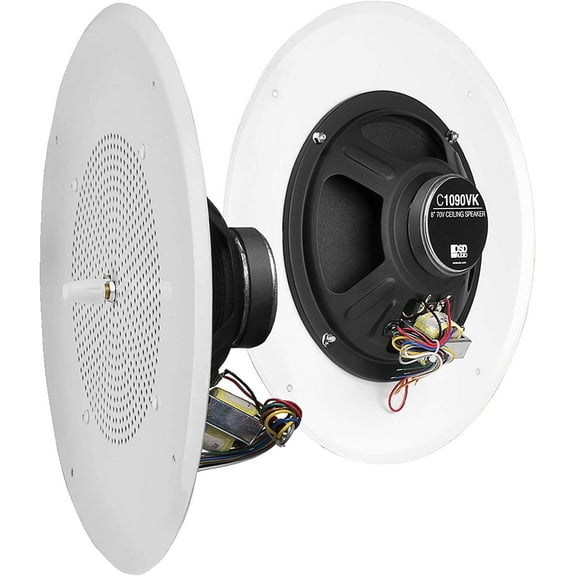
When you compare indoor speakers, placement should guide your sound goals first. You should look for in-ceiling speakers when you want wide dispersion and a discreet finish overhead.
If you want a stronger front-stage effect, you may lean toward in-wall models around a television or projector screen. You can often create clearer left, center, and right channel positioning that way.
Application matters just as much as placement, so you should match the speaker type to your room use. For home theater ceiling speakers, you may use overhead channels for immersive effects in compatible systems.
For multi-room audio, you can place matching pairs across shared living spaces for consistent sound from room to room. For a surround sound setup, you can mix wall and ceiling placements to fit your seating area.
What to look for in driver size and sound coverage
When you choose an interior speaker size, you should measure your room before you compare models. You can use smaller drivers in tighter rooms, while larger drivers can fill broader spaces.
A 5.25-inch driver can make sense when you want compact sound in a smaller office or hallway. A 6.5-inch driver often suits everyday family rooms where you want balanced coverage.
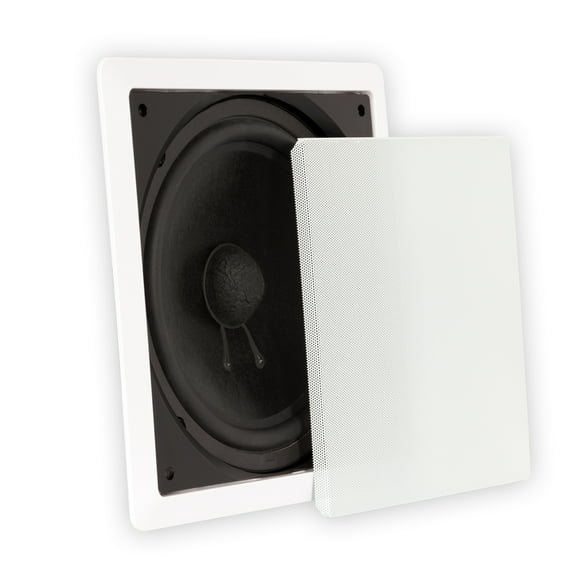
If you need fuller output in a larger media room, you may consider an 8-inch option. You can often get stronger low-end presence and wider room-filling sound.
You should also consider how many speakers your layout needs before you choose a size. You may prefer several smaller units for even coverage, or fewer larger units for focused listening zones.
Understanding wire ratings and enclosure choices
When you install in-wall and in-ceiling speakers, you should check whether your speaker wire is CL2 rated or CL3 rated. You can use those ratings to identify wire designed for in-wall routing.
If your installation plan includes longer runs or stricter code requirements, you should compare CL2 and CL3 details carefully. You can confirm what fits your project by checking your equipment specs and local installation requirements.
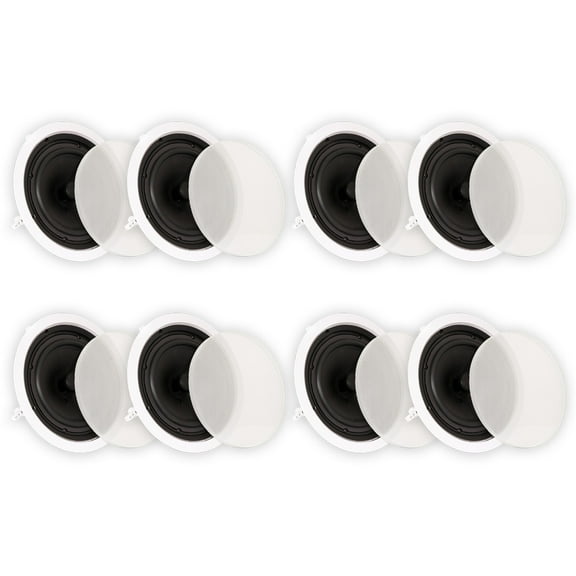
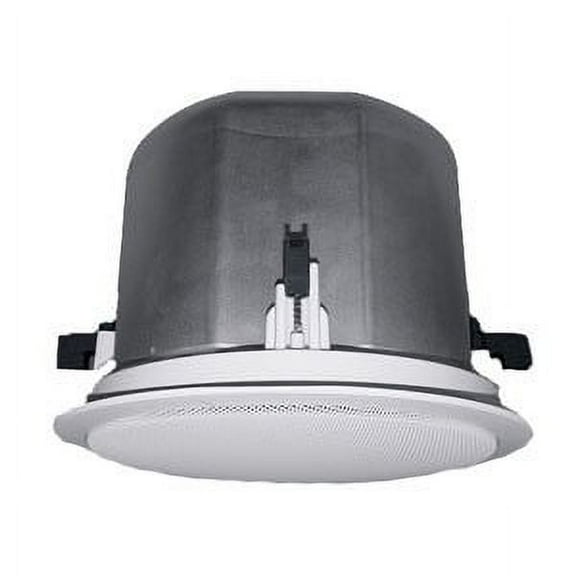
You should also compare open back and enclosed back designs before cutting into a wall or ceiling. An enclosed back or back box can help you manage acoustic isolation and create a more controlled speaker cavity.
If you want to reduce sound transfer into nearby spaces, you may prefer added enclosure support. You can also use a back box approach when you want a more defined installation footprint.
Matching wall and ceiling speakers to real rooms
In a living room theater, you can place in-wall speakers around the screen and use in-ceiling units for overhead effects. You get a setup that supports clear dialogue and immersive scene placement.
In a kitchen or open dining area, you may choose in-ceiling speakers for broad music coverage without taking counter space. You can keep the room visually clean while adding steady everyday listening.
For a hallway, office, or bedroom, you might use a smaller interior speaker to fit the space comfortably. You can avoid overpowering the room while still adding consistent audio.
If you're comparing ceiling speakers under 100 dollars, you should focus on placement fit, driver size, and wire compatibility first. You can narrow your options faster when you start with installation needs instead of extras.
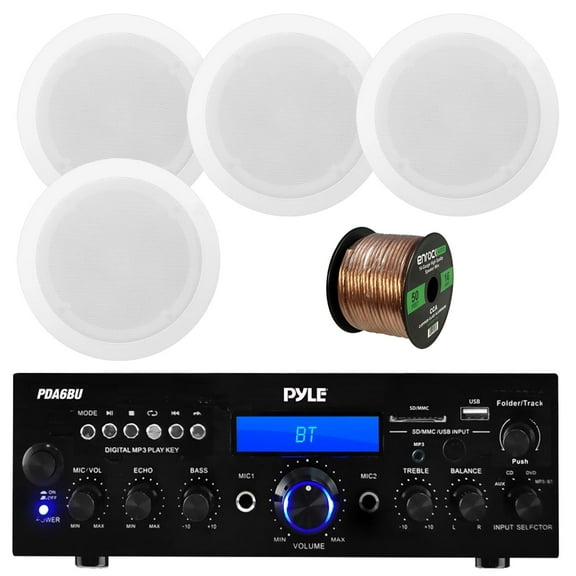
When you plan a larger audio system, you may also want speaker wire and an audio receiver that match your layout. You can build a more complete setup when your power, routing, and speaker positions work together.
With the right in-wall and in-ceiling speakers, you can create integrated sound that fits your room and your listening style. You get a cleaner finish, smarter placement, and audio that feels built into your home.
Popular in In-Wall and In-Ceiling Speakers in All Home Speakers - Walmart.com
- 5 1 Channel Home Theater System Speaker
- Befree Sound Channel Surround Sound Bluetooth Speaker System
- 5 1 Surround Sound System
- Outdoor Audio Speakers
- Bluetooth Surround Sound Systems
- Omni Sales Channel
- Arm Automation
- Throughout Shop
- Phillips Trading Co
- Active Equities
- Esm Enterprises
- The Postgresql Global Development Group