


Office Storage in Storage & Organization

























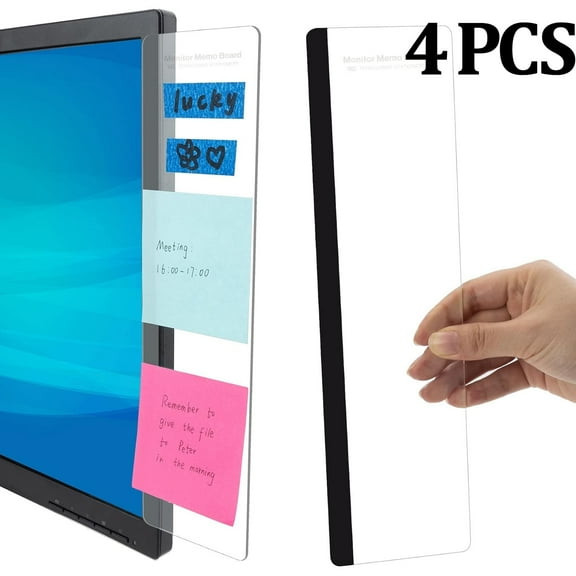

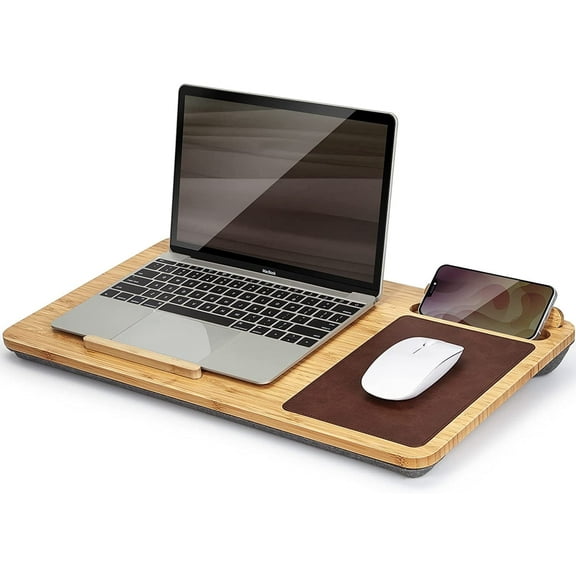




About Office Storage in Storage & Organization - Walmart.com
Office storage helps you turn crowded work surfaces into a cleaner, easier workspace. You can compare cabinets, desk organizers, and file boxes by footprint, capacity, and placement before you choose.
How to choose office storage by storage type
You should start with the kind of office storage that matches your daily workflow. You may want desktop organizers for supplies, file cabinets for records, or storage boxes for archived papers.
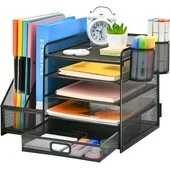
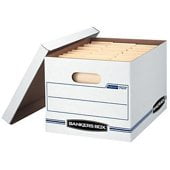
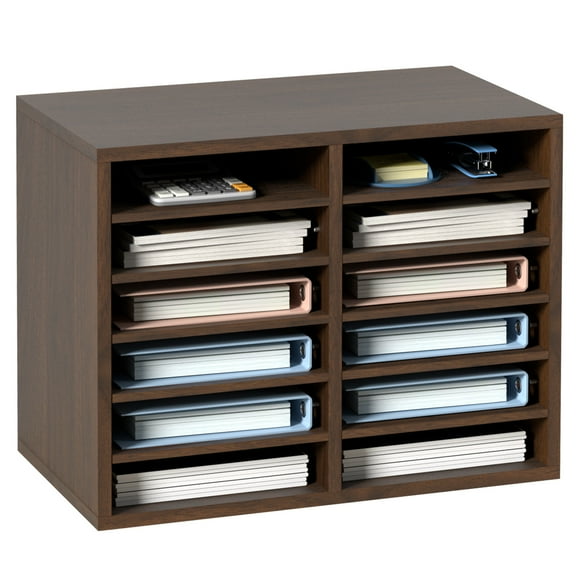
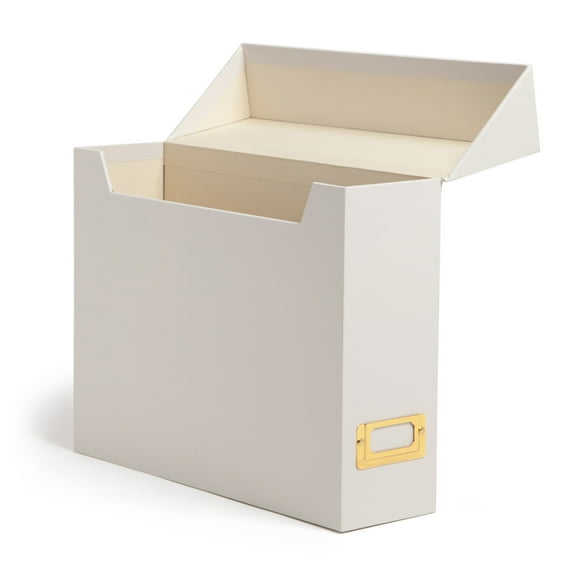
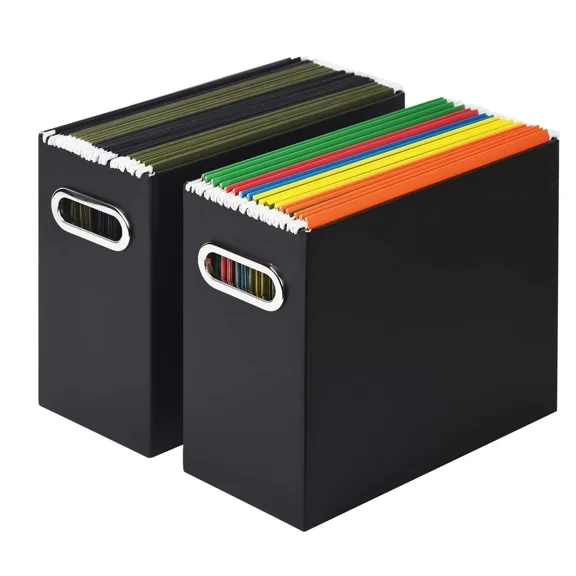
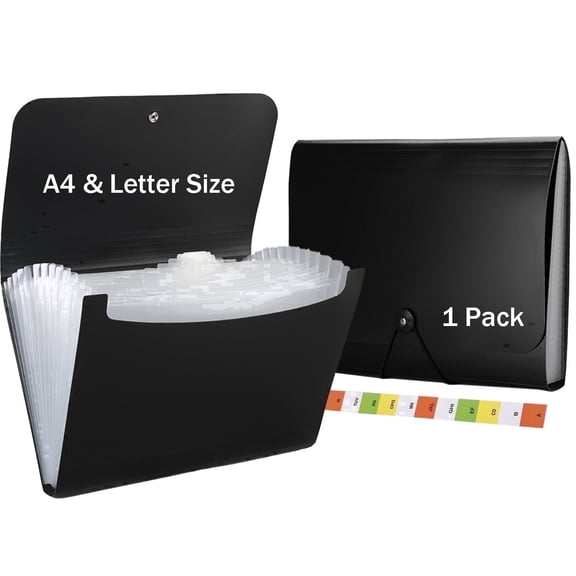
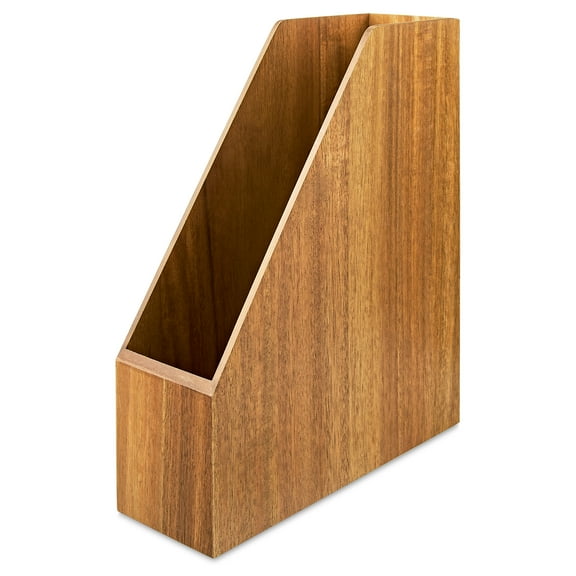
If you handle active documents, you can use desk organizers and paper organizers to keep folders, mail, and notebooks visible. If you store records longer, you can choose file storage boxes that stack neatly on shelves or in closets.
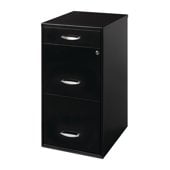
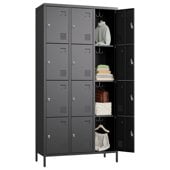
When you need enclosed capacity, you can compare office storage cabinets with drawers, shelves, or locking sections. You should measure your available floor space first, so your cabinet fits without crowding chairs or walkways.
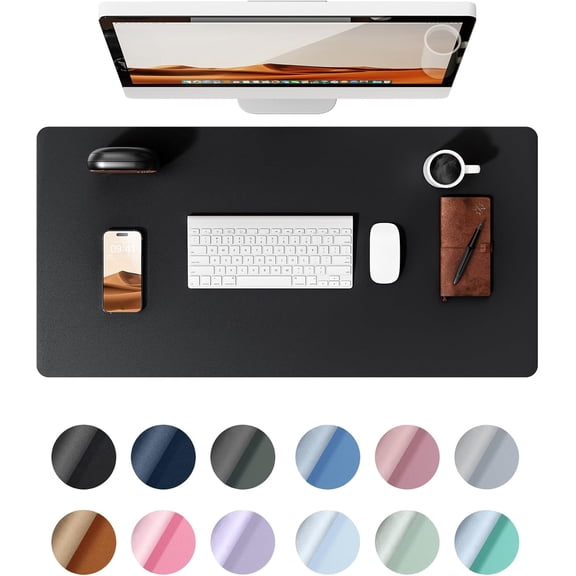
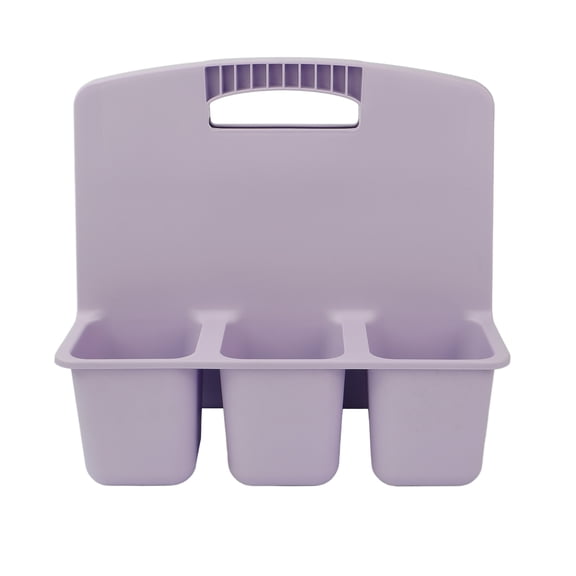
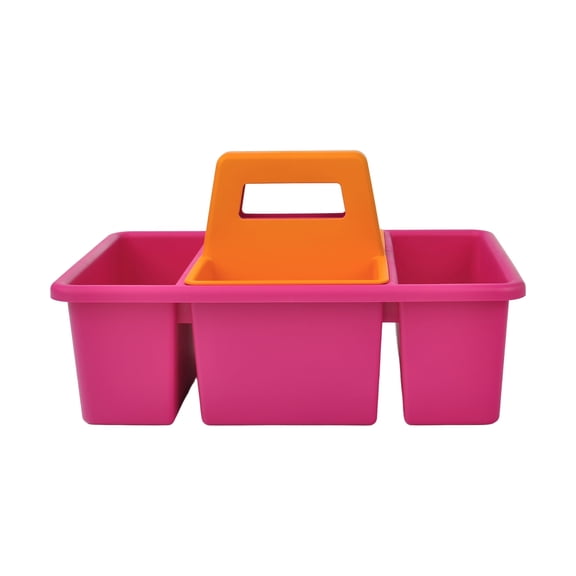
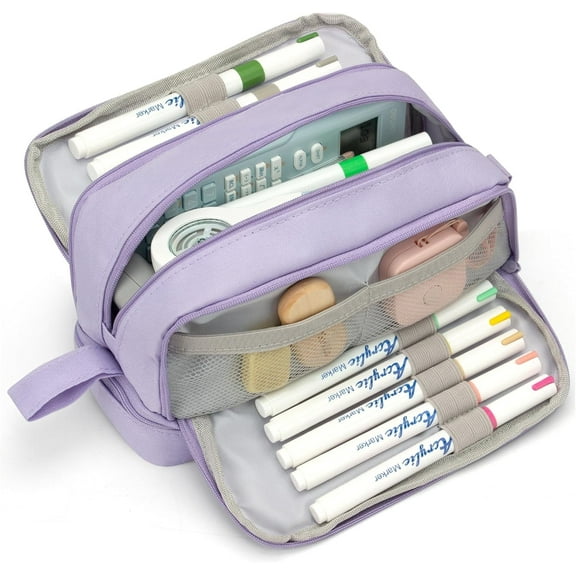
- You can keep pens, clips, and notes sorted with drawer organizers and desktop trays.
- You can file invoices, contracts, and manuals in file cabinets or file storage boxes.
- You can tuck supplies out of sight with under desk storage that uses open space below your work surface.
- You can separate daily-use items from archived papers, which makes your routine easier to manage.
Choosing materials for office storage cabinets and organizers
You should compare material first if you want office storage that matches your room and routine. You may prefer plastic for easy cleanup, metal for structure, wood for warmth, or acrylic for a clear view.
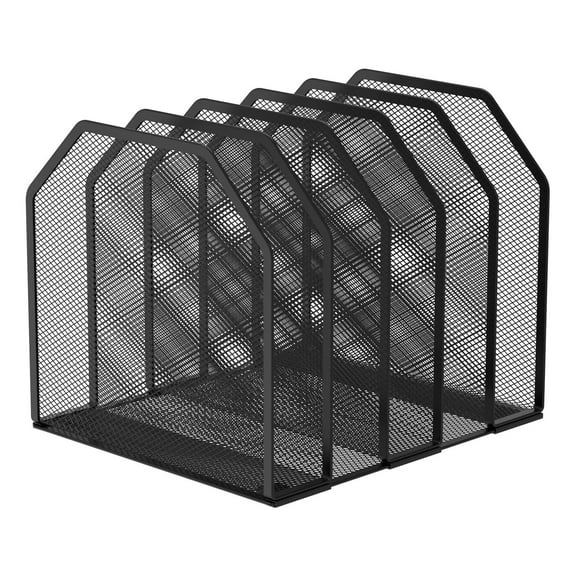
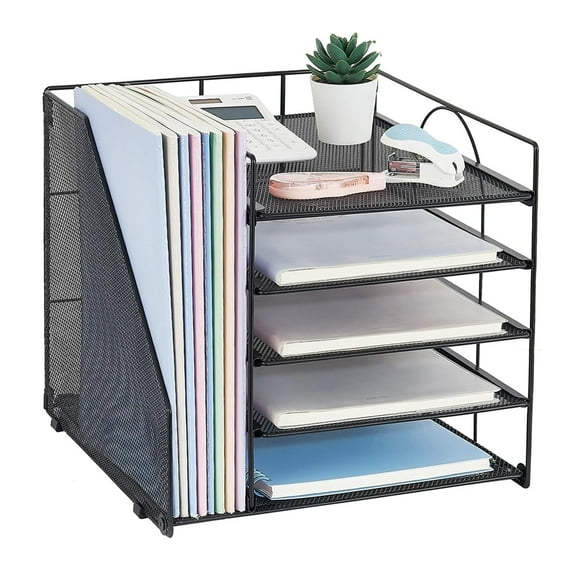
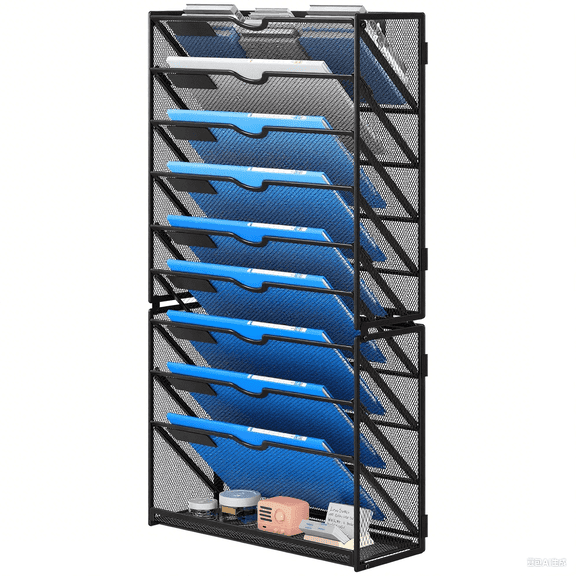
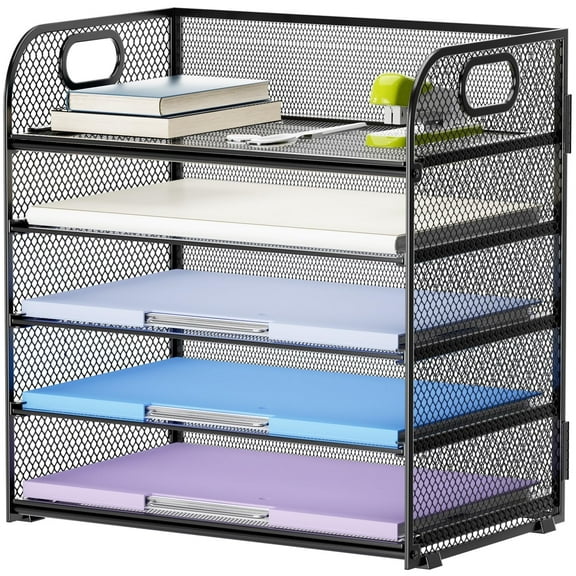
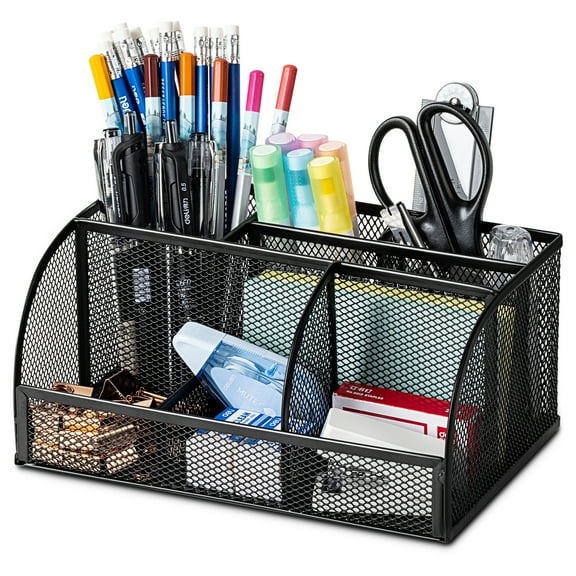
Mesh desk organizer styles let you see contents quickly, which helps when you reach for scissors, sticky notes, or envelopes. Solid wood or metal pieces give you a more enclosed look when you want a tidier visual line.
You can use plastic bins and storage boxes where you want lighter weight and simple portability. You can choose metal cabinets or drawers when you expect heavier stacks of files and office supplies.
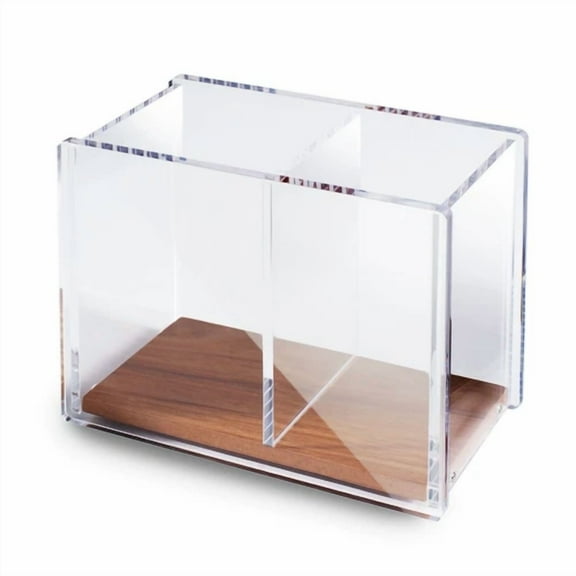
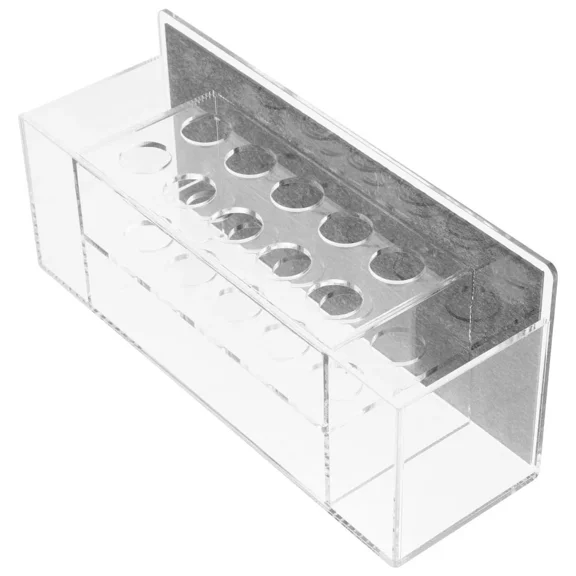
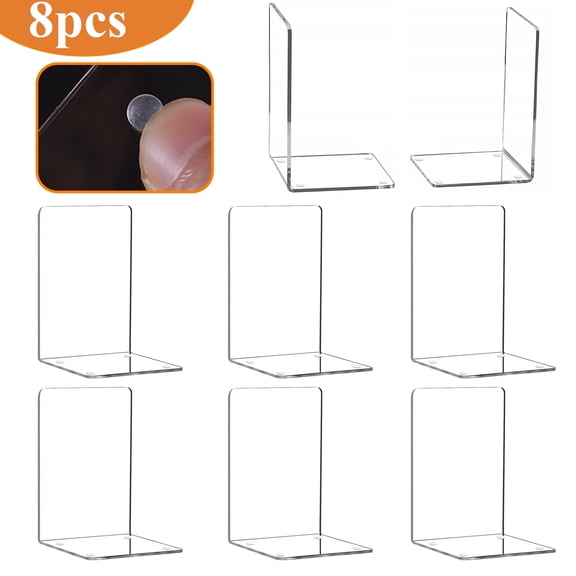
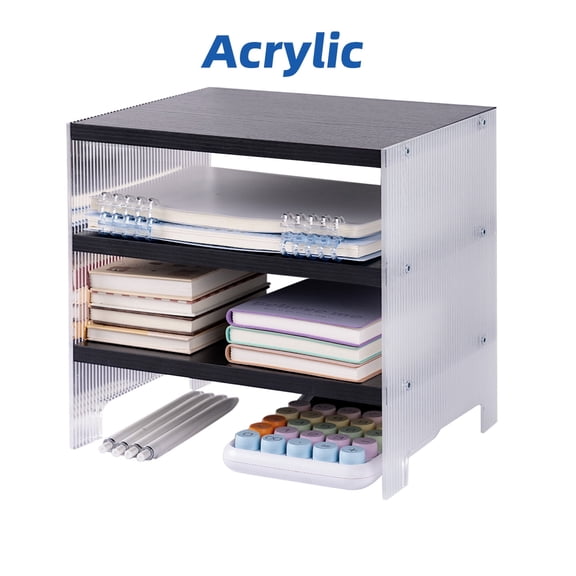
Acrylic organizers help you identify contents without opening each section, which can speed up busy mornings. You should check finishes and color tones, so your storage works with your desk, shelves, and chair.
Comparing placement, footprint, and under desk storage
You should measure width, depth, and height before you choose any piece for your workspace. You can avoid crowded walkways and blocked drawers when your office storage fits your available footprint.
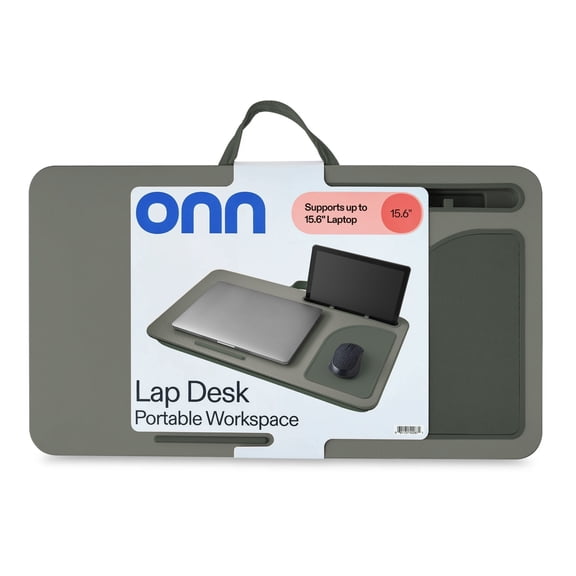
Desktop placement works well when you need daily access to pens, paper, and charging cables. Under desk storage helps you use open space below the work surface without taking over the desktop.
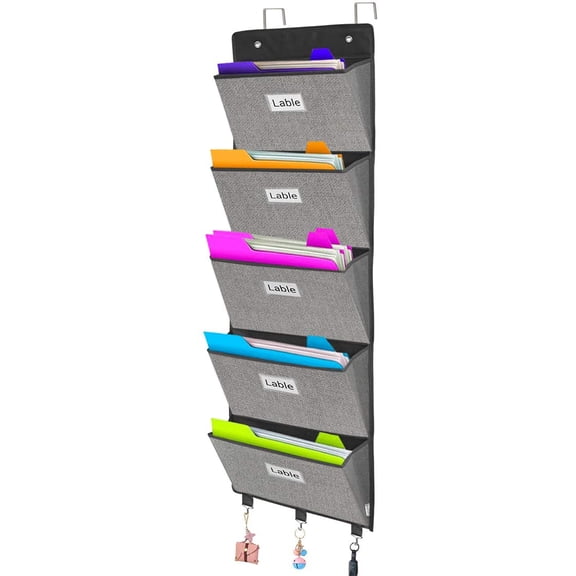
Wall-mounted options help you lift supplies off the desk when your surface feels crowded. Closet storage boxes help you separate archived records, tax season document organization, and backup supplies from everyday items.
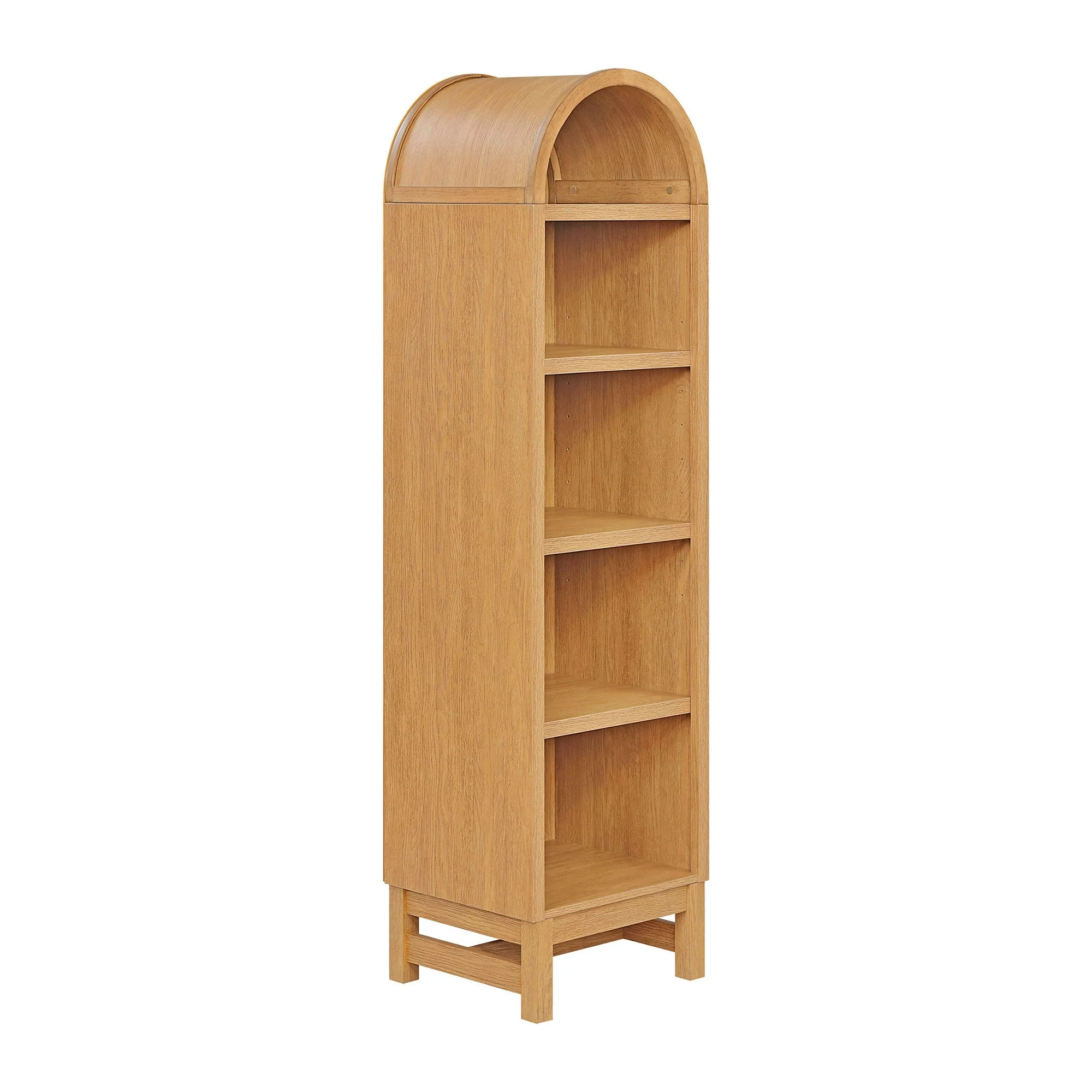
If you share a room, you may want a slim cabinet that fits beside a desk or printer stand. If you work in a corner nook, you should compare depth carefully, so doors and drawers open comfortably.
What features matter in office storage
You should compare features by how often you move items, access files, and protect paperwork. You may want locking, wheeled, stackable, or adjustable divider options based on what you store.
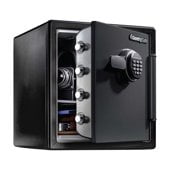
A locking file cabinet can help you keep sensitive documents in one designated place. You should check whether the lock uses a key or another mechanism, and whether replacement keys are available.
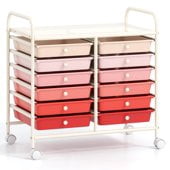
Wheeled units support flexible layouts when you move supplies between a desk, printer, and meeting area. Stationary units make sense when you want a stable spot for heavier loads and a fixed setup.
Stackable storage boxes help you build upward when floor space is limited. Adjustable dividers let you separate envelopes, receipts, and small tools, so your sections stay easier to scan.
You should also check drawer weight capacity when you store dense files, reams of paper, or office equipment. Clear capacity details help you match storage to contents without wasting space.
Matching office storage to real work routines
You can match office storage to the way you work instead of choosing by appearance alone. You should think about what stays within reach, what gets archived, and what needs added privacy.
If you manage bills, school papers, or home business records, you may want file storage boxes in a closet and paper organizers on the desk. That setup keeps current paperwork visible while older files stay sorted nearby.
For shared workspaces, you can use desktop organizers for everyday supplies and a locking file cabinet for private documents. That mix supports quick access for common items and a separate place for records.
If you work in a small room, under desk storage and stackable bins can open up your main surface. You can keep chargers, notebooks, and extra paper close without filling the desktop.
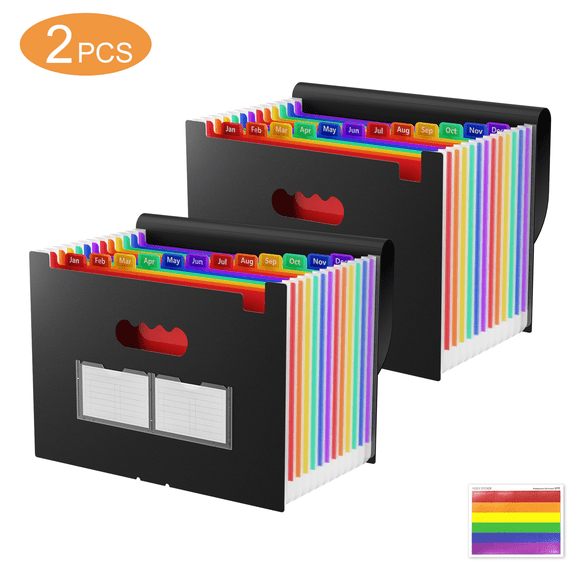
During tax season document organization, you may want labeled folders, boxes, and drawer sections for receipts and forms. You can sort by year, client, or category, which makes recurring paperwork easier to find.
You’ll get more from office storage when you compare type, material, placement, and features together. You can create a workspace that feels easier to navigate, with documents and supplies exactly where you need them.