







STEM Toys for Kids Educational Play




















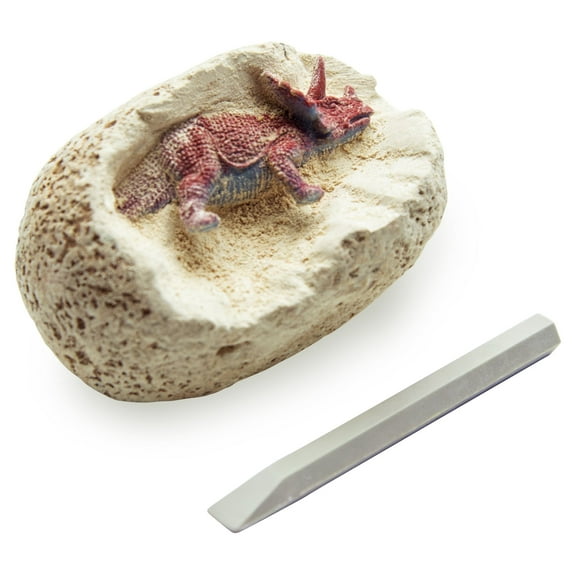
About STEM Toys for Kids Educational Play - Walmart.com
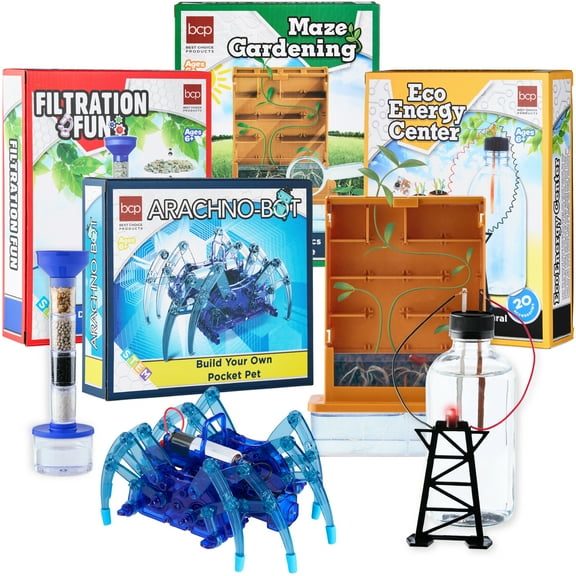
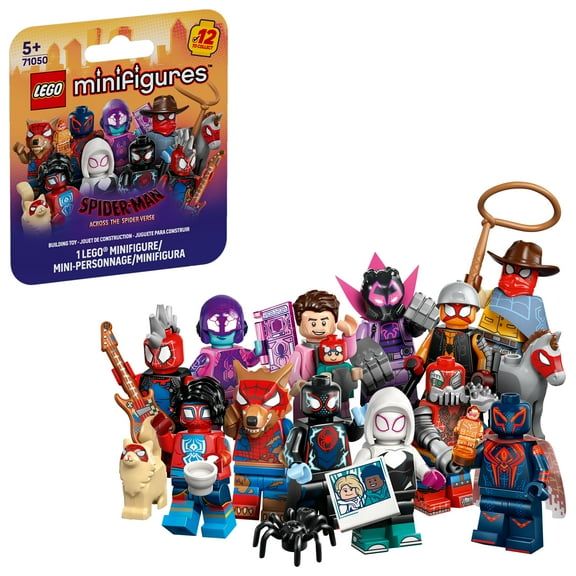
Stem toys help you turn playtime into hands-on discovery with projects that match your child’s age, interests, and growing skills. You can compare science, coding, engineering, and math options in one place, so your choice feels practical and engaging.
How to choose stem toys by subject area
Educational stem toys work well when you match the activity to what your child already enjoys. You can start with science experiments, coding games, engineering builds, or math-focused puzzles.
If your child likes mixing, observing, and testing, you may prefer stem science kits or microscopes. If your child likes sequences and screens, you may look for coding sets or robotics activities.
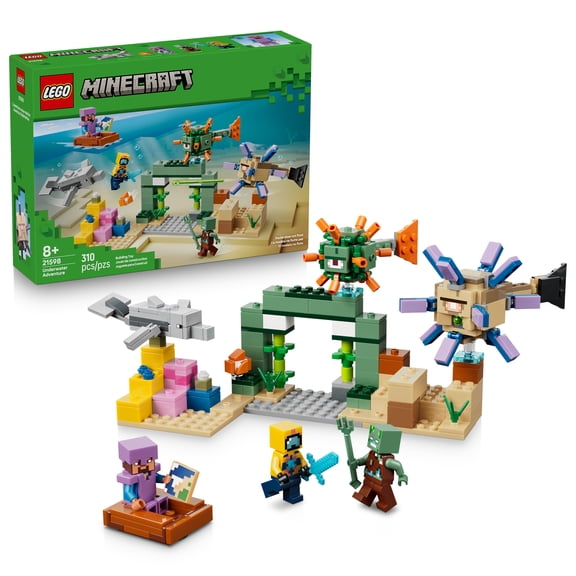
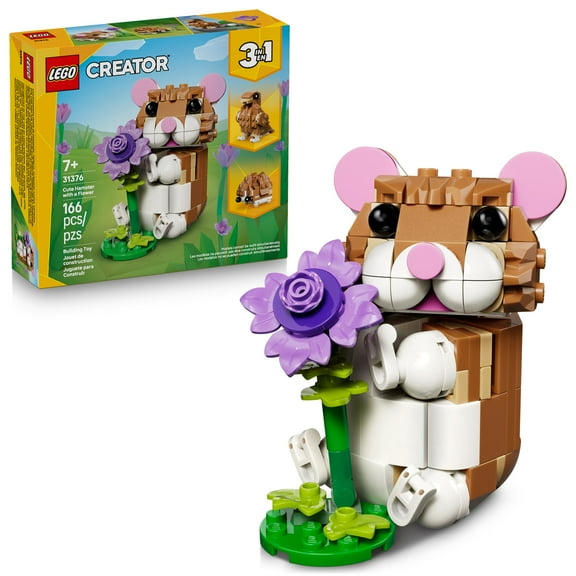
For hands-on builders, stem building toys and engineering toys can support trial, adjustment, and redesign. For number-focused learners, you can choose math games that make patterns, counting, and logic feel active.
- You can match science sets to kids who enjoy experiments and observation.
- You can choose coding toys for kids who like patterns, sequences, and digital play.
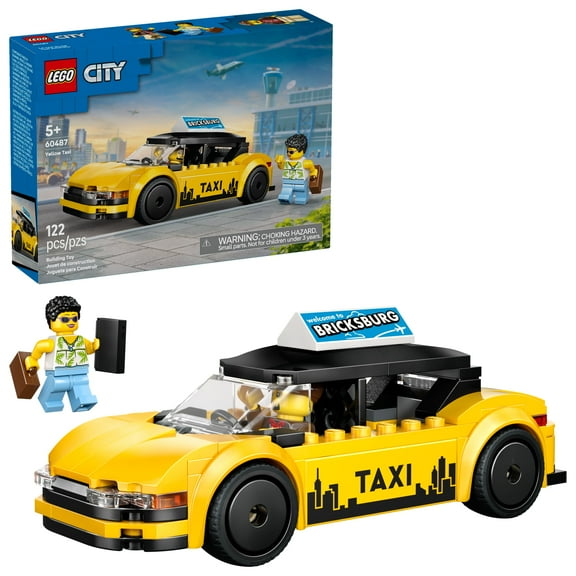
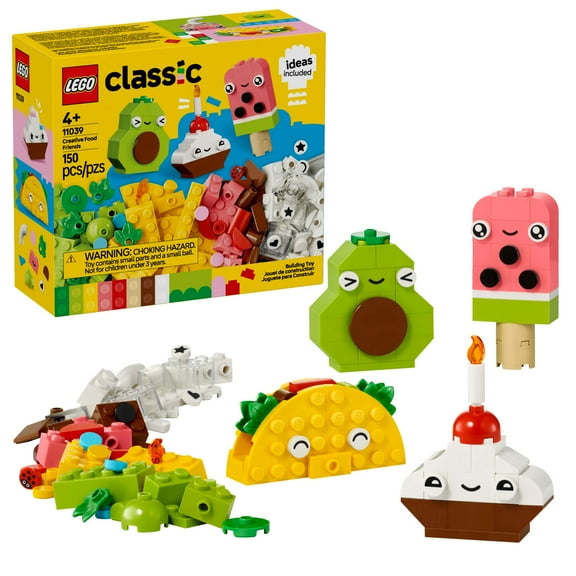
- You can pick building sets for children who prefer designing, stacking, and rebuilding.
- You can select math activities when your child enjoys numbers, sorting, and logic.
Choosing educational stem toys by age group
You should compare age guidance first, because complexity changes how easily your child can join in. You can use the recommended range to judge piece size, instructions, and project length.
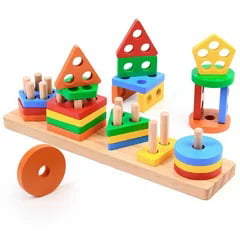
For toddlers and preschool kids, you may want larger parts, simple matching, and basic cause-and-effect play. You can look for chunky building pieces, color sorting, and easy motion activities.
For ages five to seven, you can step into beginner experiments, simple machines, and entry-level coding concepts. You may notice these options balance guided learning with enough independence to keep attention.
For ages eight to 12 and teens, you can compare robotics, chemistry sets, and advanced engineering builds. You should check whether the kit asks for reading, measuring, or multi-step assembly.
You’ll also want to review small parts and complexity notes before you choose. You can use those details to match the toy to your child’s stage and your comfort level.
What to look for in stem building toys and learning sets
Stem learning toys often differ primarily in toy type, setup, and how long the activity lasts. You can compare building sets, robotic kits, chemistry sets, and microscopes by how they fit your routine.
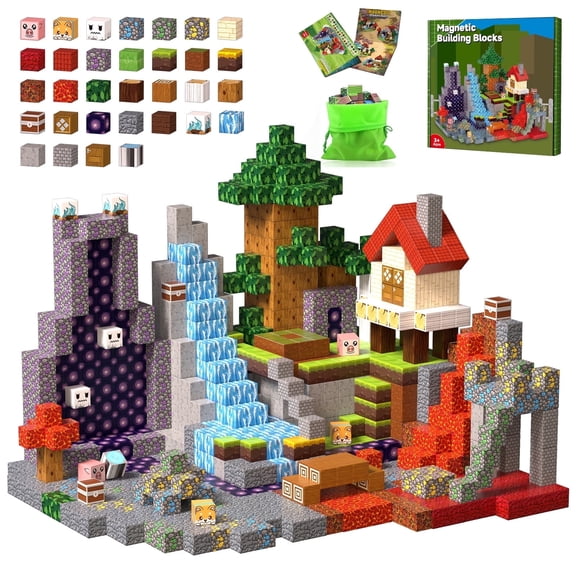
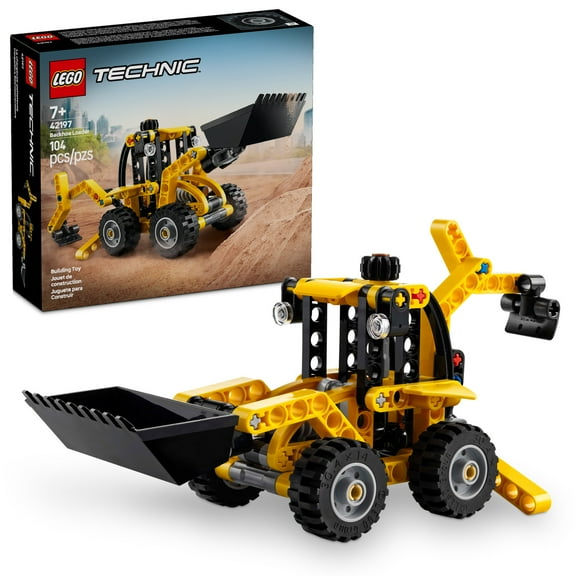
Building sets usually let you rebuild again and again, which can extend play across many sessions. You may prefer them when your child likes open-ended projects and visible progress.
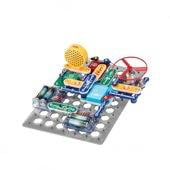
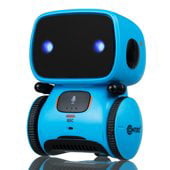
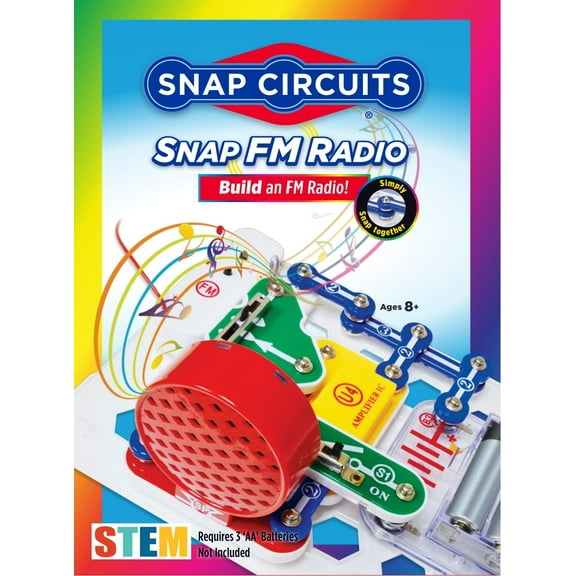
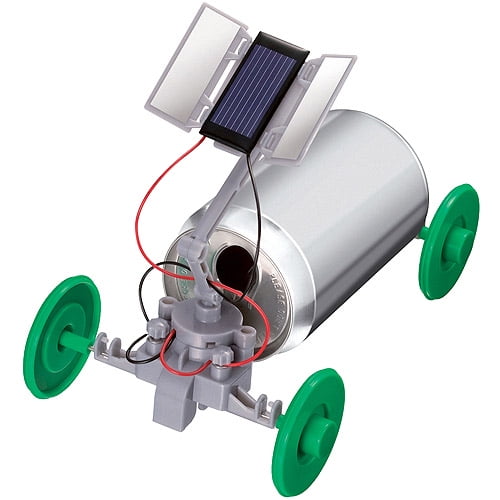
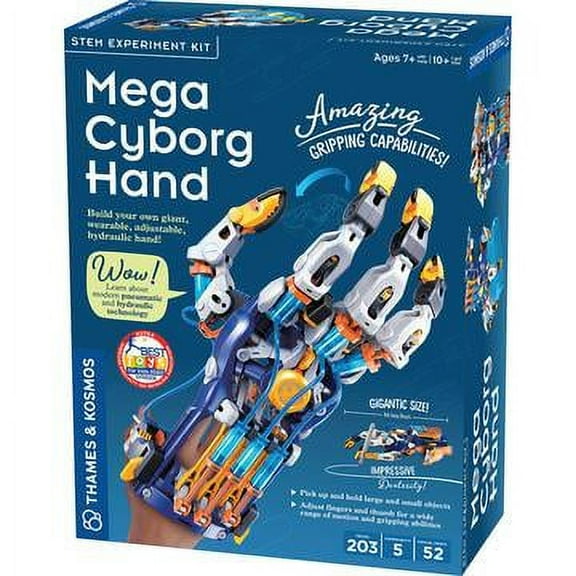
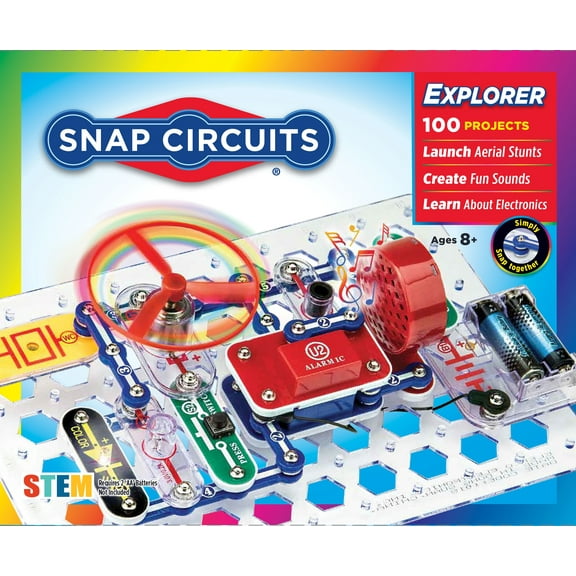
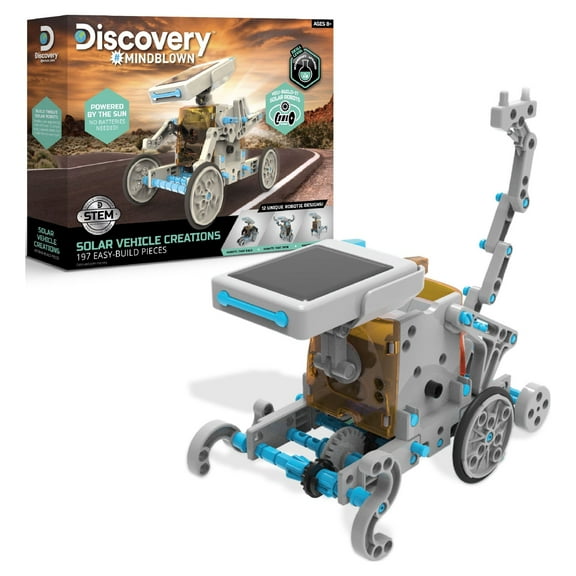
Robotic kits can introduce motors, sensors, or coding steps in a concrete way. You can choose them when your child wants movement, challenges, and a stronger technology focus.
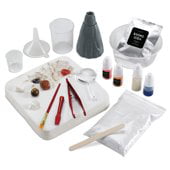
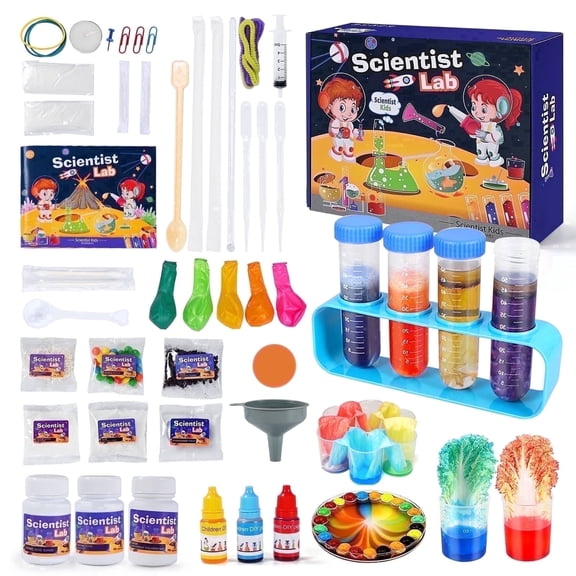
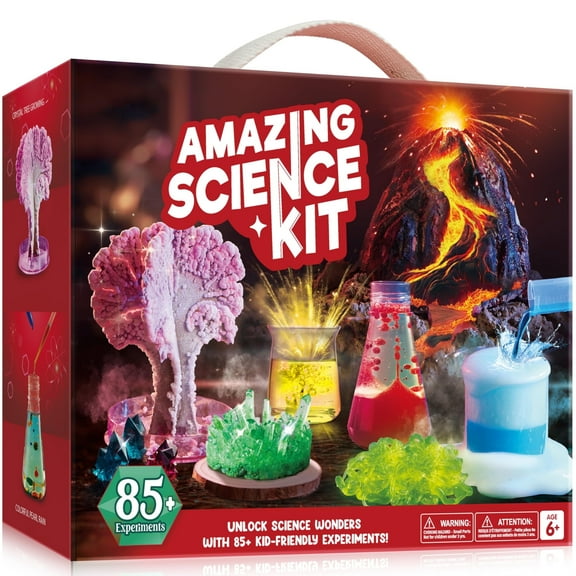
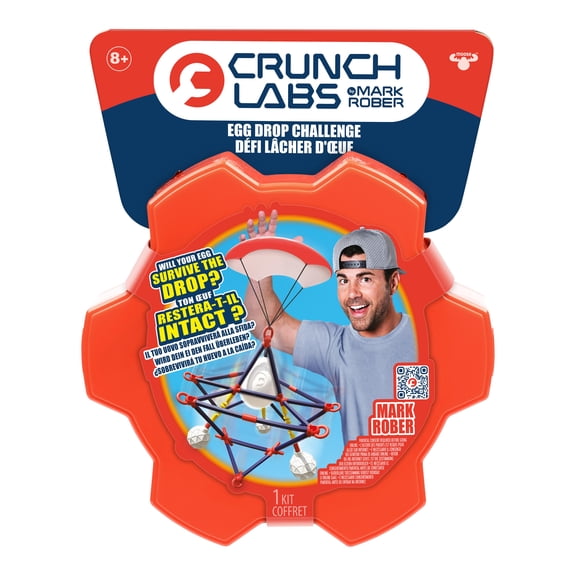
Chemistry sets and science kits can bring measuring, mixing, and observation into play. You should check whether the projects are quick demonstrations or longer activities that need more guidance.
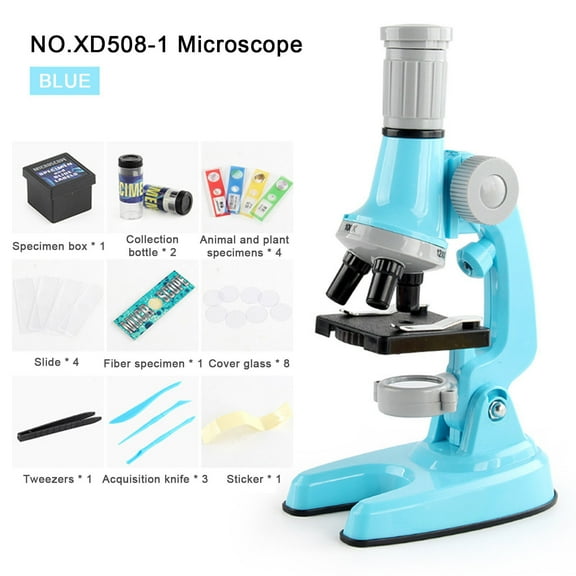
Microscopes can help you explore slides, textures, and close-up details at home. You may like this option when your child enjoys collecting samples and noticing small visual differences.
You should also compare whether a toy supports one-time completion or repeated use. You can get more from reusable builds, refill-friendly experiments, and sets with multiple challenge cards.
Matching stem learning toys to skills and real play scenarios
You can narrow your options easily when you focus on the skill you want to encourage. Problem solving, critical thinking, spatial reasoning, and coding basics each show up in different toy formats.
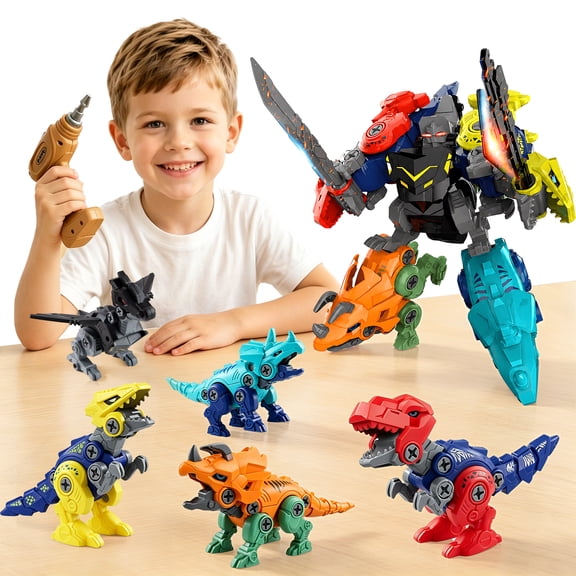
If your child enjoys figuring out how parts fit, you may choose construction sets and engineering activities. You can support spatial reasoning through towers, gears, bridges, and rebuildable models.
If your child likes patterns and step-by-step thinking, you can look at coding games and robotic kits. You may find these choices useful for practicing sequences, commands, and logic.
When your child wants short projects after school, you can choose compact experiments or smaller builds. If you want weekend activities, you may prefer multi-step sets with longer assembly time.
You should also consider how much adult help the toy expects during setup and play. You can choose simpler projects for independent play or guided kits for shared learning time.
For siblings or family play, you may want sets with several tasks or rebuild options. You can keep interest going longer when the toy offers new challenges after the first build.
Why stem toys fit everyday learning
Stem toys for kids can support curiosity through action, which makes abstract ideas easier to explore at home. You can move from stacking and sorting to coding and robotics as interests change.
With clear age guidance, reusable formats, and subject-based choices, you can select activities that feel engaging and practical. You’ll end up with play that keeps learning active, hands-on, and easier to revisit.