
















Air Mattresses & Sleeping Accessories



























About Air Mattresses & Sleeping Accessories - Walmart.com
When you compare air mattresses and sleeping accessories, you need comfort that packs easily and fits how you camp or host overnight guests. You can sort options faster when you understand mattress height, insulation, inflation method, and materials before you choose.
How to choose air mattresses and sleeping accessories
You should start with where you plan to use your setup frequently. Your indoor guest space may suit a portable air bed with a built-in pump, while your campsite may need lighter gear and battery or manual inflation.
For outdoor trips, you should check packed size and power needs before anything else. You don't want to carry extra bulk, and you may not have access to an outlet after sunset.
You can narrow your options by focusing on a few practical decisions first. Your comfort usually depends on height, insulation, inflation speed, and the feel of the top surface.
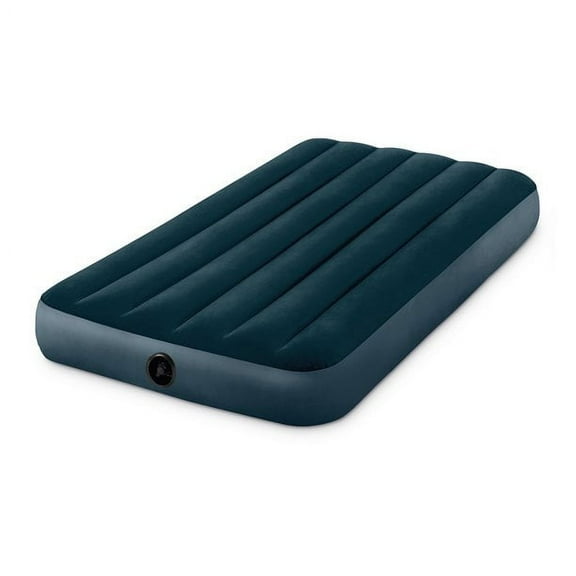
- You can choose single high profiles when packed space is your main priority.
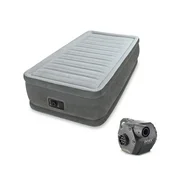
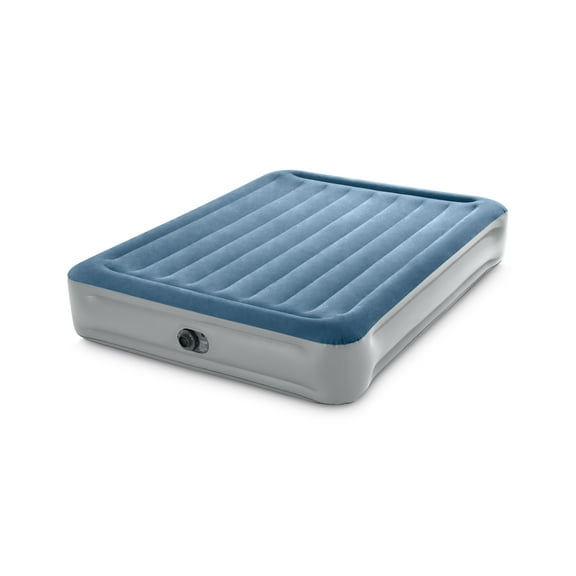
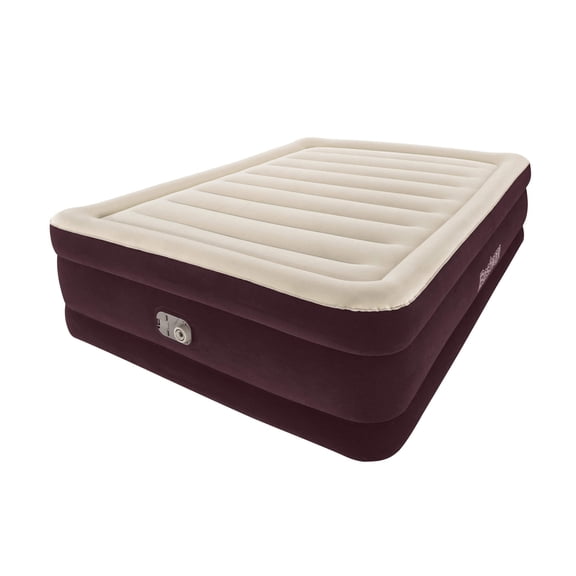
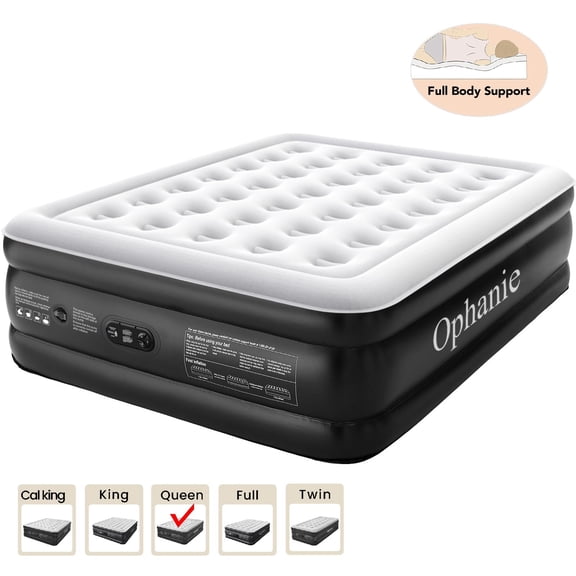
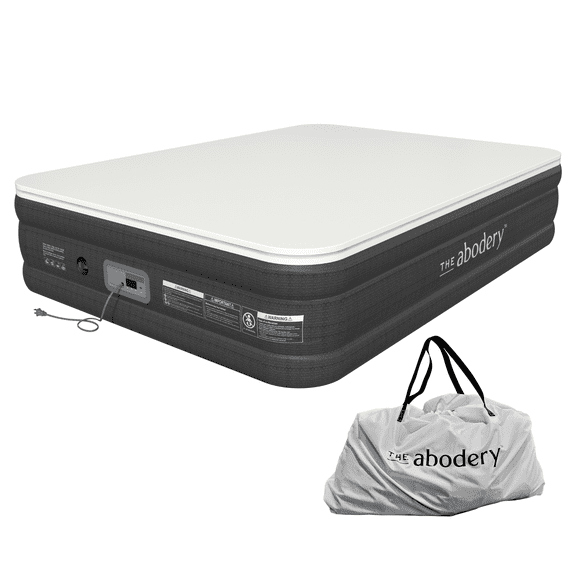
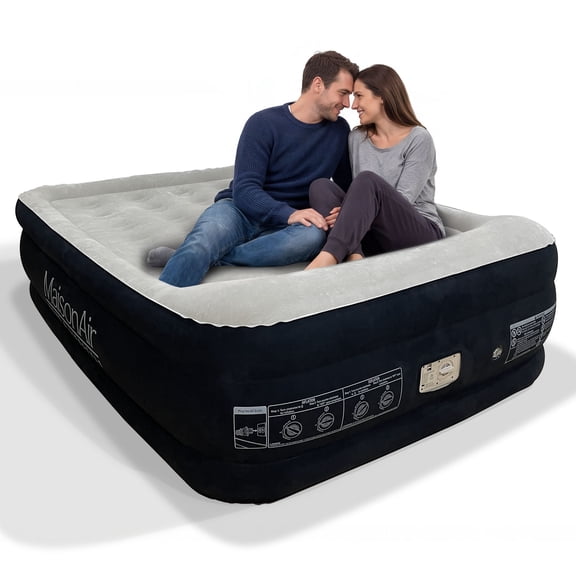
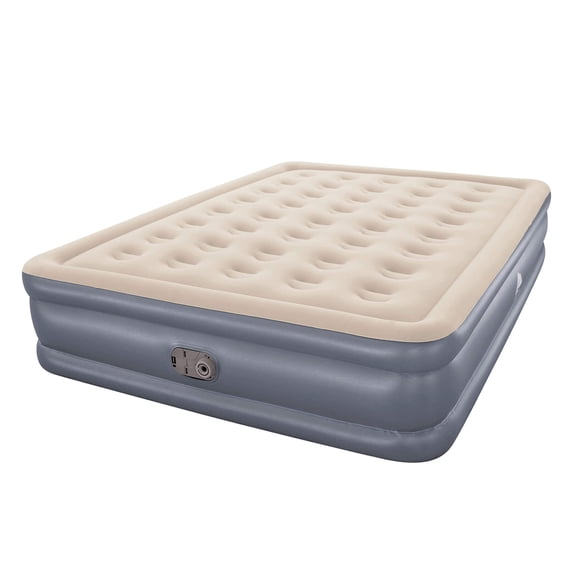
- You may prefer a double high air mattress when you want easier entry and a bedlike feel.
- You should compare built-in, battery, manual, and self-inflating designs by your power source.
- You can look for sleeping pads for camping with the right R-value for expected temperatures.
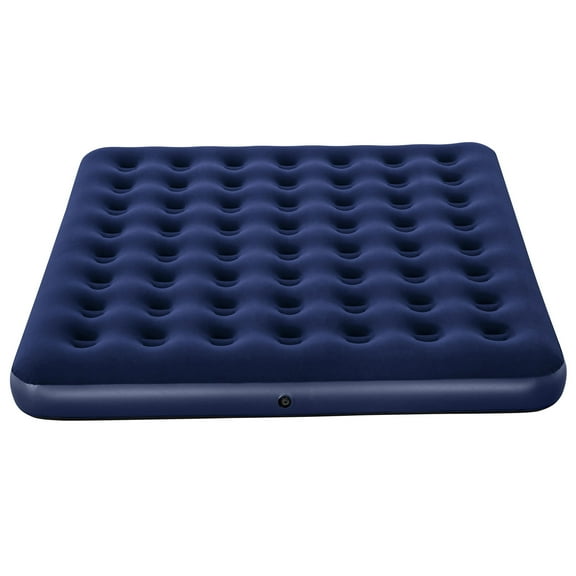
- You may want flocked tops or puncture-resistant materials when your setup needs extra durability and grip.
Choosing the right height, size, and setup
You should match mattress height to your space and how you plan to use it. Your single high option usually packs lower, while your raised or double high profile can feel closer to a traditional bed.
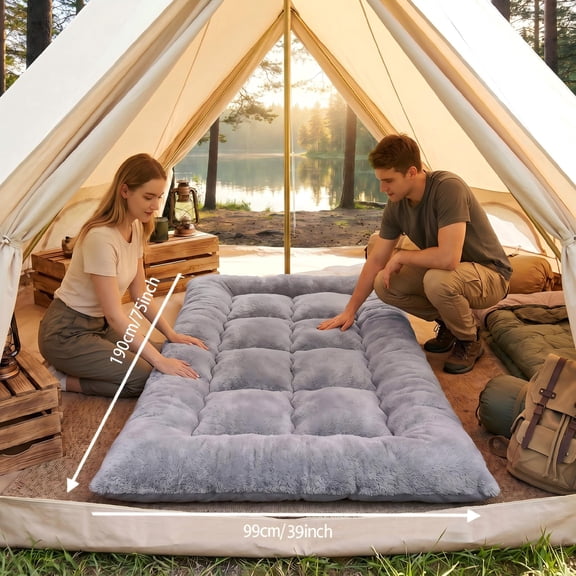
If you're outfitting a tent, you should measure floor length, width, and peak height first. Your queen air mattress may feel roomy, but it can crowd smaller tents and reduce space for bags.
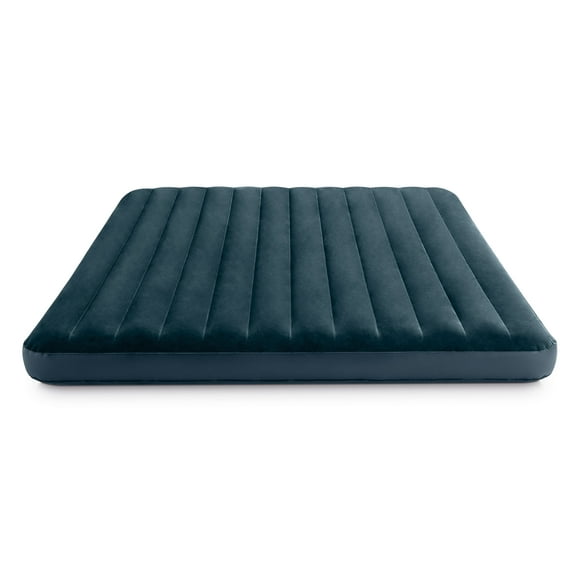
For home hosting, you may prefer full, queen, or king sizes when your guests need more sleeping room. Your twin or double size can work well in tighter rooms, kids' spaces, or shared camping setups.
You should also think about who will carry the bed from storage to use. Your larger mattress can offer more room, but it may take more floor space and more time to inflate.
Comparing inflation methods for faster setup
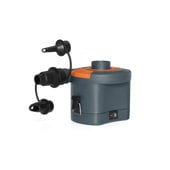
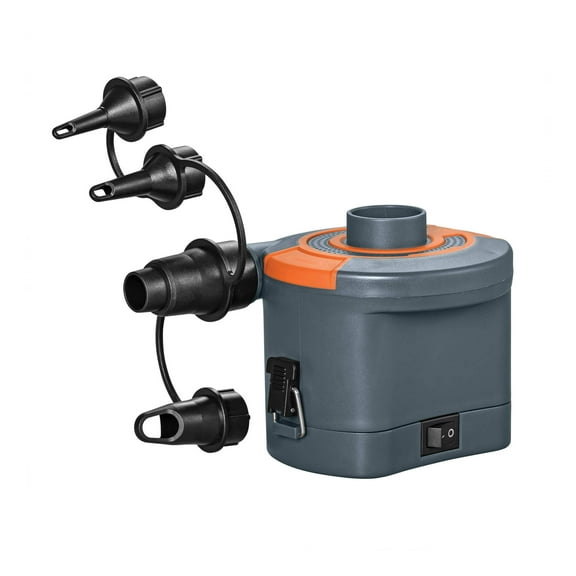
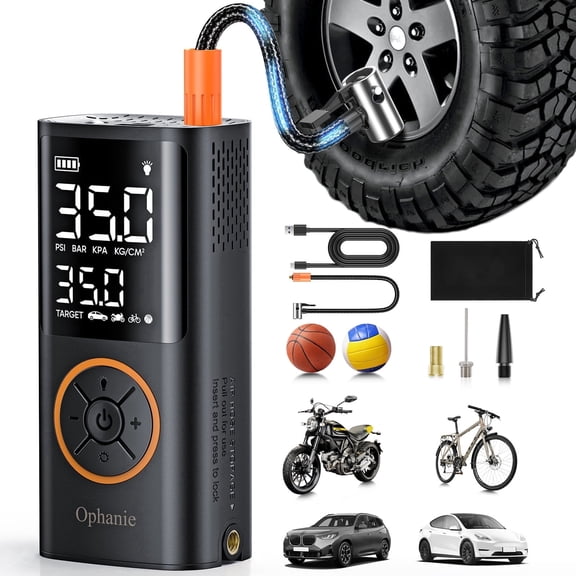
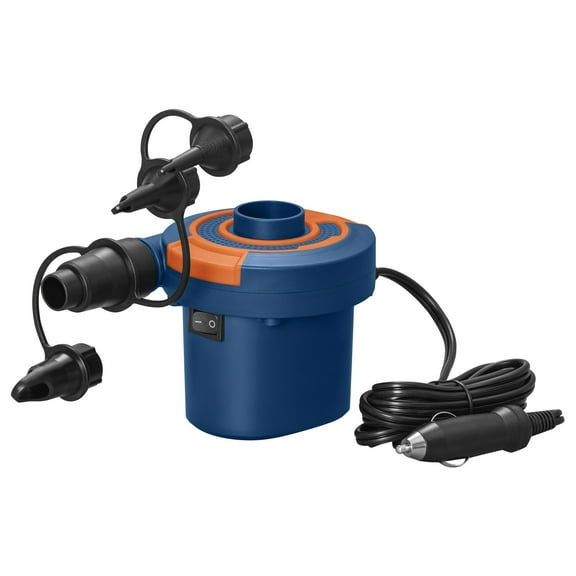
You can reduce setup hassle by matching the pump style to your location. Your built-in pump often works well indoors, while your campsite may call for an air bed pump that runs on batteries.
If you camp often, you should compare manual and battery options carefully. Your manual pump adds effort, but it doesn't rely on outlets, charging cables, or spare batteries.
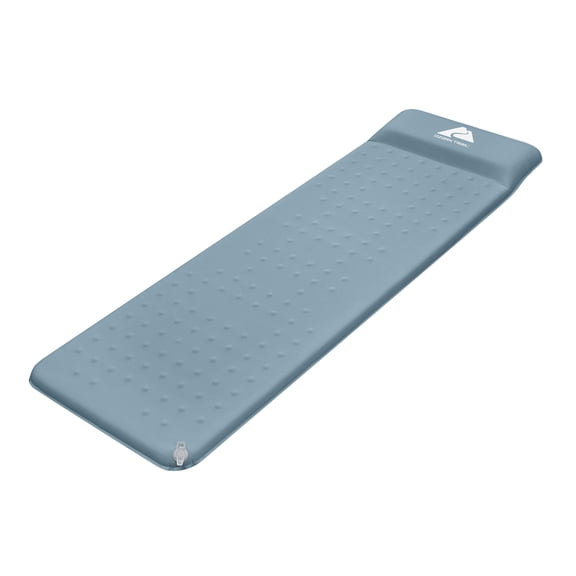
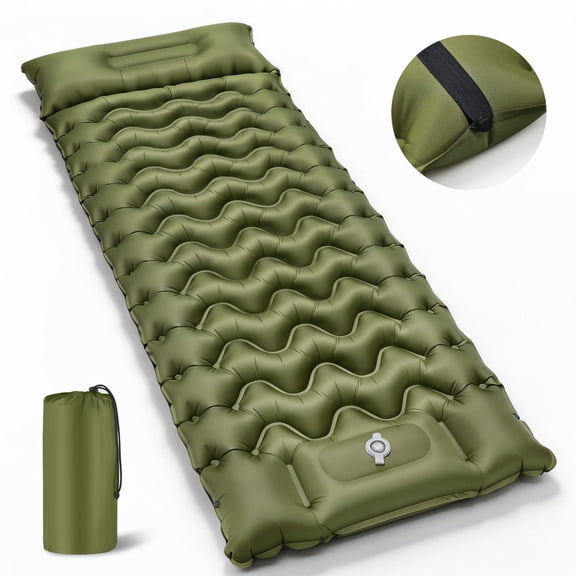
You may also want a self inflating sleeping pad for simpler packing and quick trail setup. Your pad expands after unrolling, and you can add a few breaths for your preferred firmness.
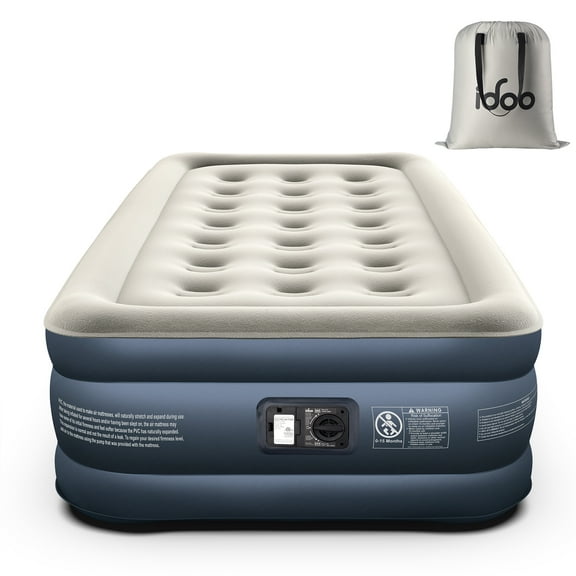
When you host guests at home, you may favor a raised indoor air bed more often. Your setup can feel easier when the pump is built in and inflation finishes with one switch.
Understanding insulation, materials, and comfort
You should check insulation when your nights may turn cool. Your sleeping pads for camping often list R-value, which helps you compare how much ground chill your pad can block.
For warm weather, you may find R-value one to three works for lighter trips. Your cold weather sleeping pads usually start at four or higher when you need more separation from cold ground.
You can also compare materials by where you'll sleep and how rugged the surface feels. Your heavy-duty PVC can suit home use or car camping, while your puncture-resistant TPU may help when packed weight matters.
A flocked top can change how your bed feels through the night. Your sheets or sleeping bag may stay in place more easily, and your surface can feel less slick when you shift.
You should think about durability in plain terms before you choose. Your thicker material, reinforced seams, and stable construction can matter when your bed sees repeated setup, storage, and travel.
Matching use cases to your camping and guest needs
You can build a smarter sleep setup by matching products to specific trips. Your weekend festival gear may prioritize low weight and quick inflation, while your guest room may prioritize height and a wider sleeping surface.
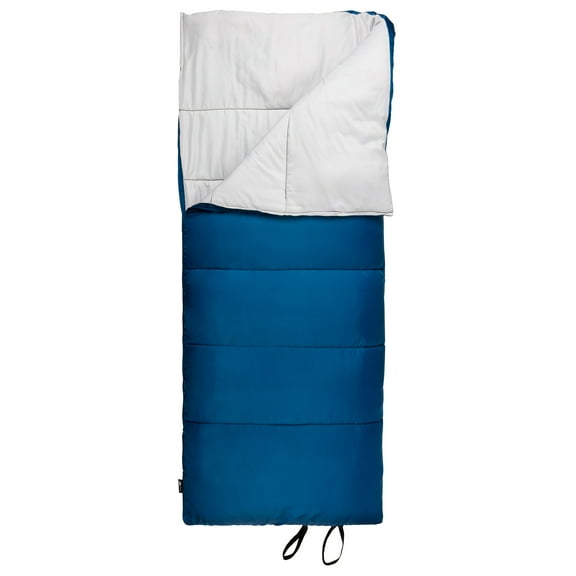
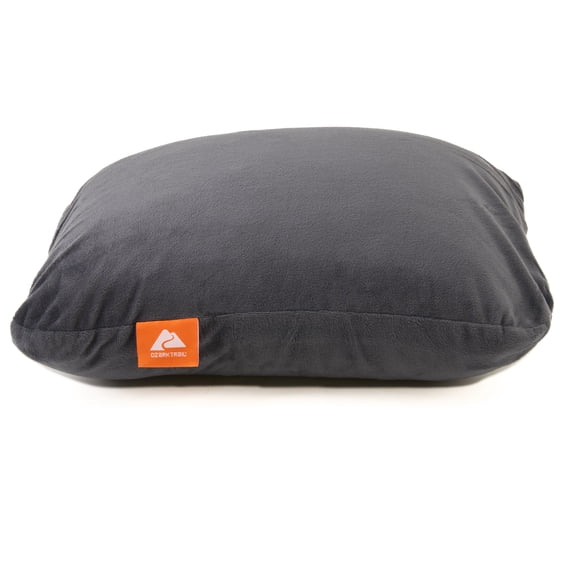
For backpack-friendly packing, you may lean toward a self-inflating pad and compact camping pillows. Your load stays easier to carry, and your sleep system fits better in smaller storage spaces.
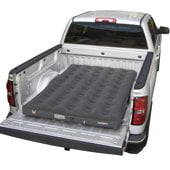
If you camp from your vehicle, you may have room for a portable air bed or thicker pad. Your extra cargo space can support a larger sleep surface, a separate pump, and added insulation.
During shoulder-season trips, you should pay close attention to insulation before comfort extras. Your cold weather sleeping pads can matter more than extra height when the ground feels colder after sunset.
For family camping, you may want wider sizes and straightforward inflation steps. Your setup gets easier when each sleeper has the right width, plus accessories like camping pillows and a compatible pump.
You can also mix categories to fit changing plans across the year. Your guest room may use a double high mattress, while your outdoor kit may rely on compact pads and lightweight inflation tools.
With the right air mattresses and sleeping accessories, you can create a sleep setup that fits your space, power source, and season. Your nights feel more comfortable when your bed height, insulation, and pump style match the way you actually use them.