


Find auto parts that fit
Let’s search for parts that fit your vehicle.Car Safety & Car Security





















About Car Safety & Car Security - Walmart.com
Car safety and security helps you protect your vehicle with targeted tools for theft deterrence, monitoring, and roadside readiness. You can compare alarms, locks, trackers, dash cams, and kits by installation, power, alerts, and fit.
How to choose car safety and security for your vehicle
You should start with the device type that matches your concern and your driving routine. You may want visible deterrence, location tracking, recorded footage, or emergency supplies in one place.
If you park outside often, you may look for steering wheel locks, car alarms, or flashing alerts. If you drive long routes, you may prefer dash cams, GPS trackers for vehicles, and emergency car kits.
You can narrow options quickly when you compare a few key decisions before you buy. You should check compatibility, installation style, power source, and the way each device sends alerts.
Choosing device types and car security systems
You can use car security systems in different ways, depending on how you protect your vehicle. You may choose car alarms for audible alerts, steering wheel locks for visible deterrence, or trackers for location updates.
Dash cams help you record activity around your vehicle while you drive or park. Emergency kits help you keep practical gear together for roadside situations, especially when you travel far from home.
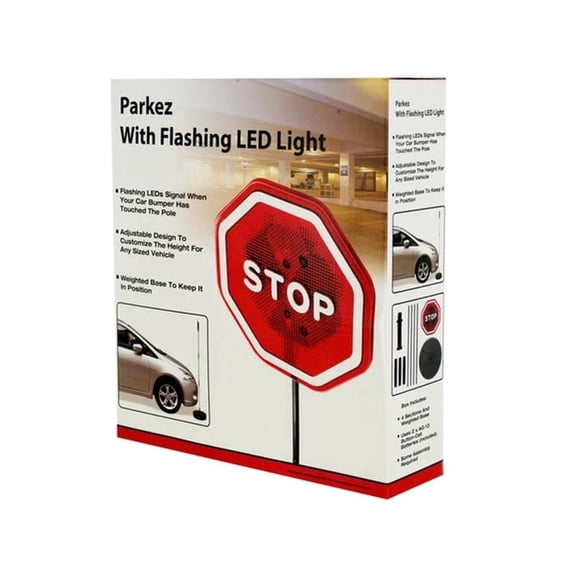
- You can choose car alarms when you want a siren, flashing lights, or sensor-based alerts.
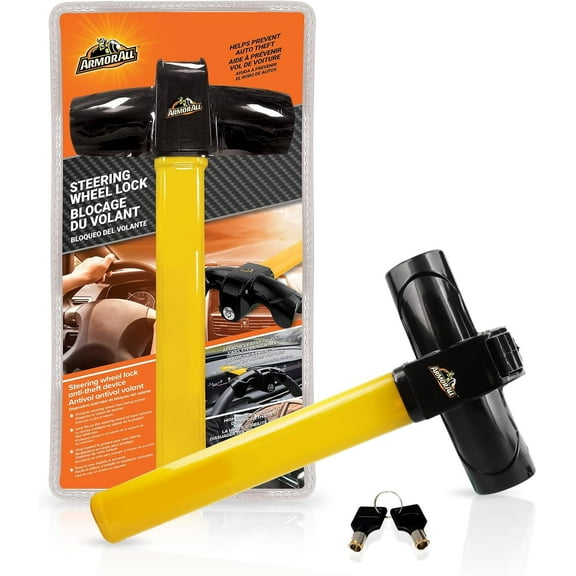
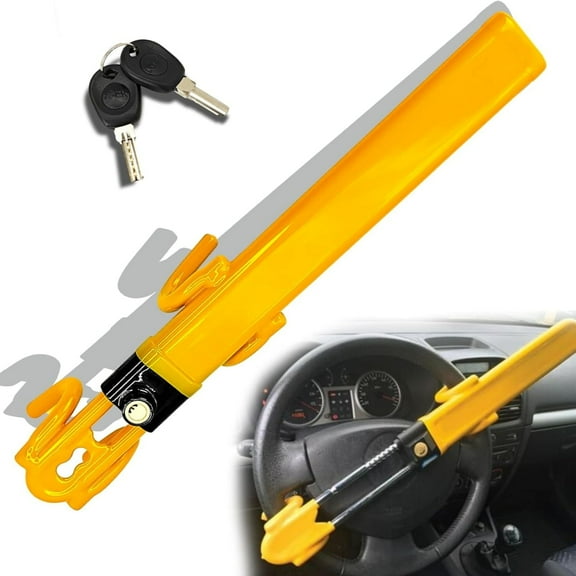
- You can choose steering wheel locks when you want a clamp-on device that shows your vehicle is secured.
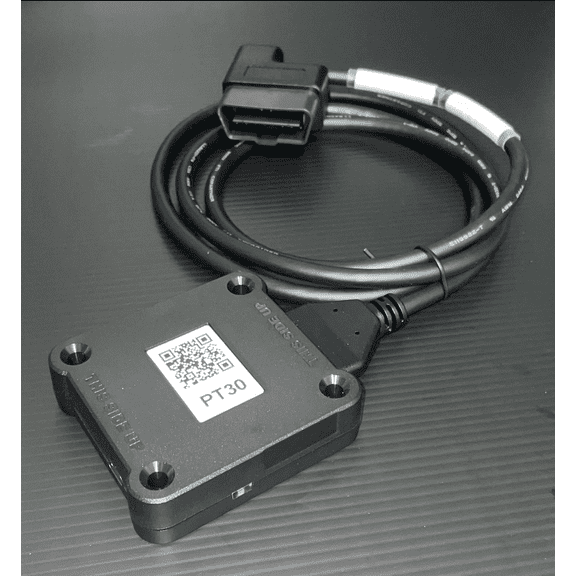
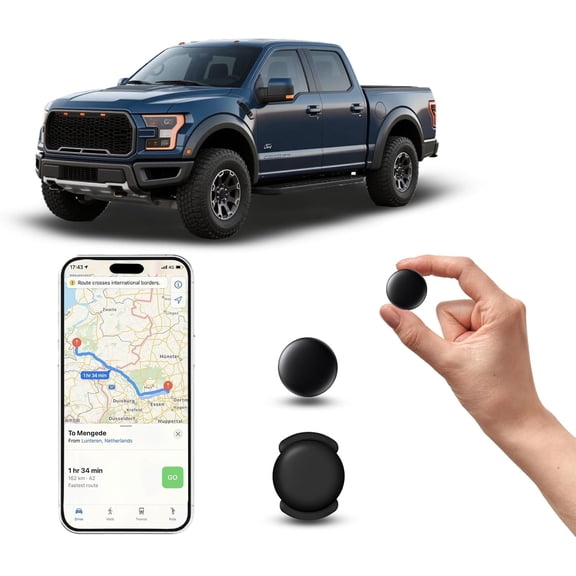
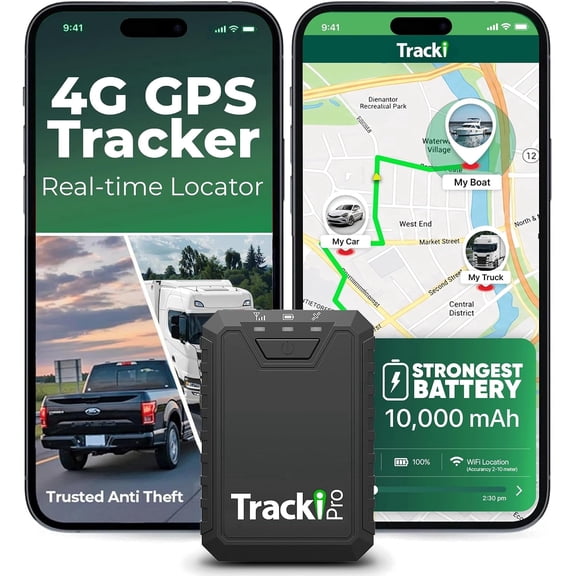
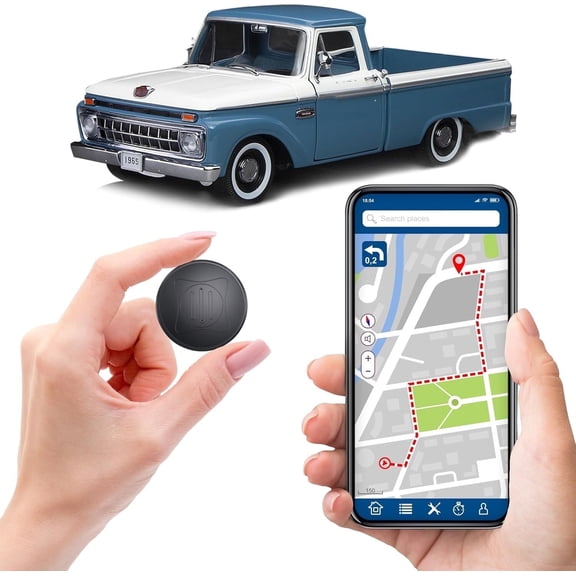
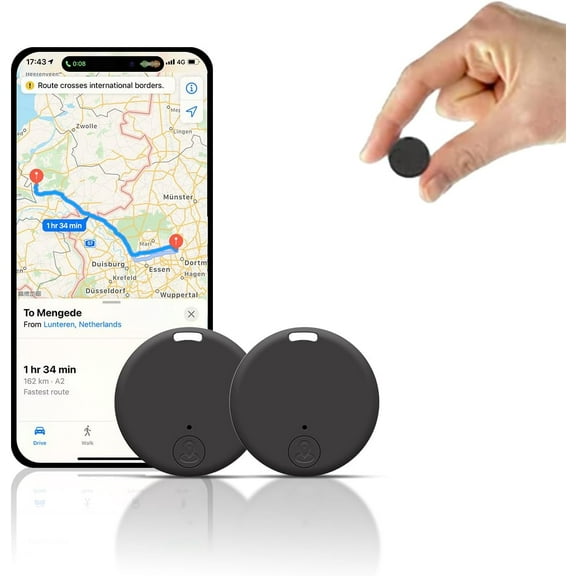
- You can choose GPS trackers for vehicles when you want mobile app updates or silent tracking.
- You can choose dash cams when you want recorded video for parking areas, traffic, or daily driving.
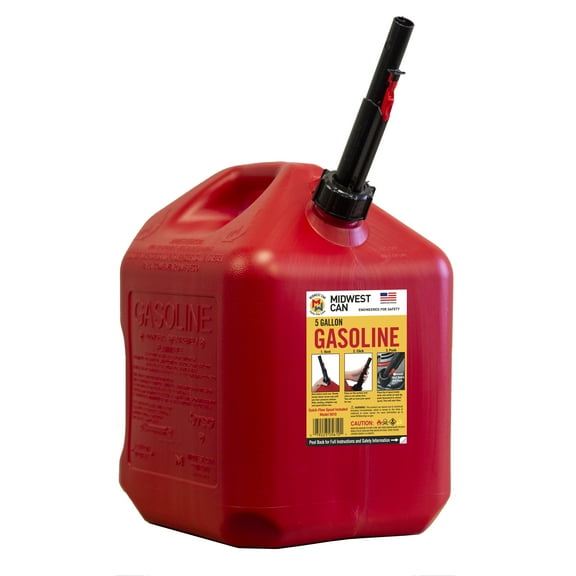
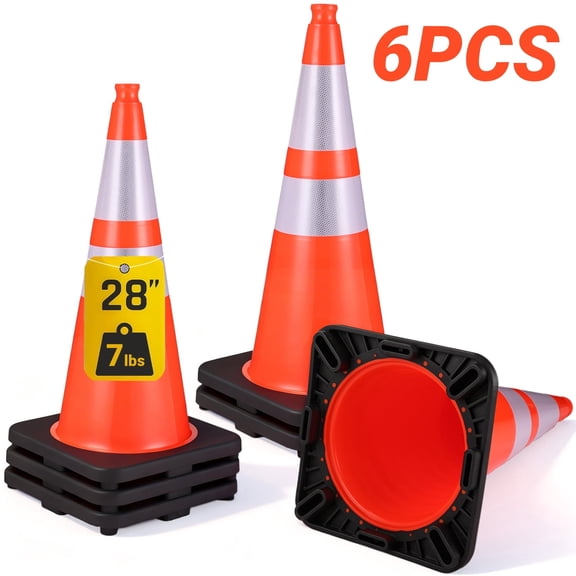
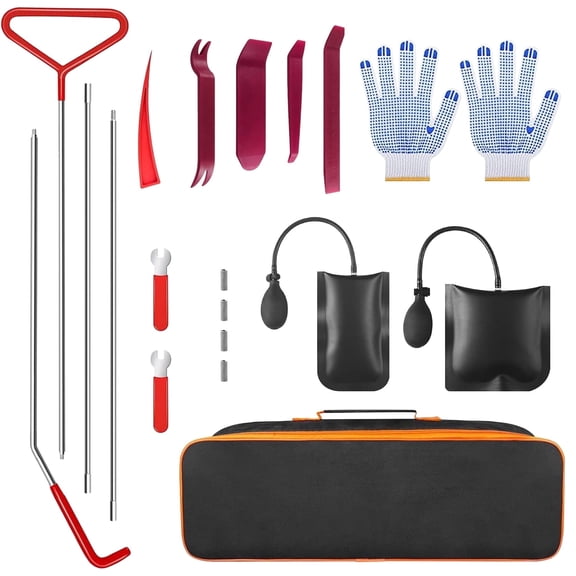
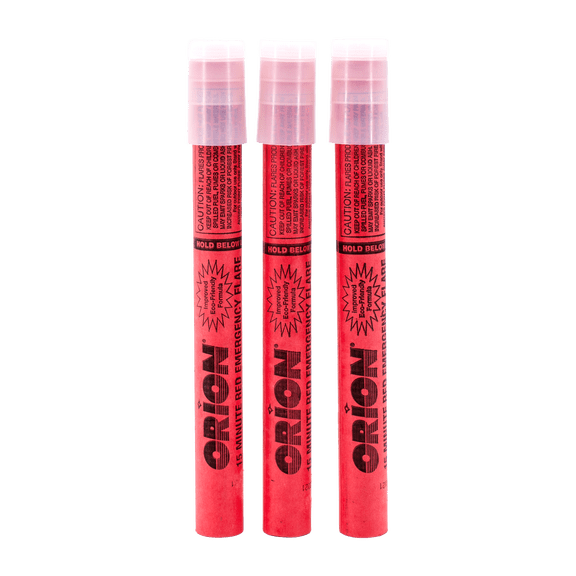
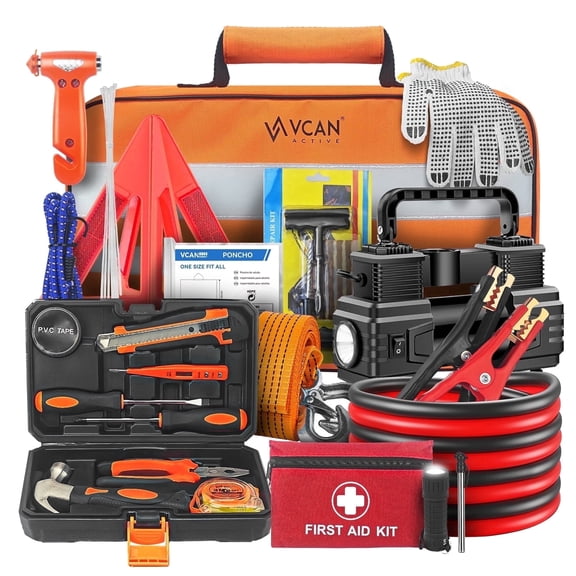
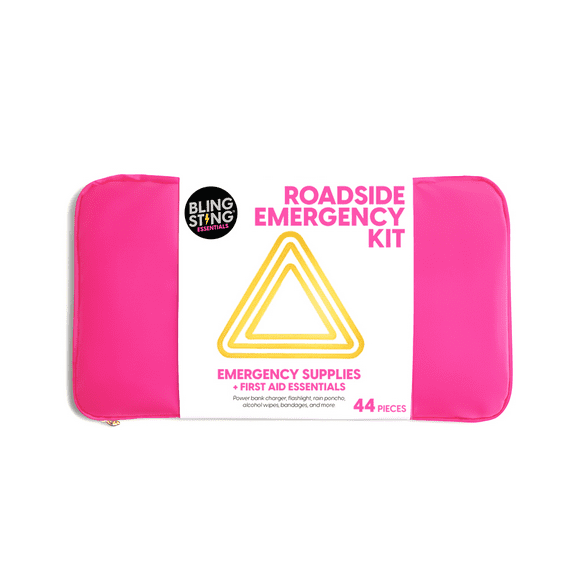
- You can choose emergency car kits when you want organized essentials stored in your trunk or cargo area.
You should compare these device types by how visible, connected, and hands-on you want your setup. You may also combine several vehicle security devices when your vehicle stays in shared lots or on city streets.
Comparing installation type and power source
You can often install plug-and-play models quickly, especially when a device uses a power port or OBD-II connection. You may prefer this option when you want setup without tools or permanent wiring.
Hardwired devices can give you a clean look and a secure connection to your vehicle. You should check voltage requirements and placement before you choose a hardwired alarm, tracker, or dash cam.
Wireless and clamp-on designs help you move devices between vehicles with minimal effort. You may find these formats useful when you drive multiple vehicles or need a flexible setup.
You should also compare power sources because they affect upkeep and daily convenience. You may choose battery powered models, USB rechargeable units, solar powered trackers, or devices connected to your vehicle battery.
Battery powered options can simplify placement when you don't want cables in view. Vehicle battery hardwired options can support extended use, while you still need to check for battery drain prevention features.
Checking alerts, monitoring range, and compatibility
You should choose an alert method that fits where and how you park. You may want a siren or flashing light for nearby response, or silent tracking when you need remote visibility.
Mobile app notification features help you monitor activity when your vehicle is out of sight. You can compare local alerts with cellular tracking range to match apartment parking, office lots, or long-term storage.
Compatibility matters because vehicle security devices don't all fit every setup the same way. You should check whether a model supports universal fit, specific OBD-II ports, and your vehicle's voltage needs.
You may also need to confirm whether a device fits sedans and SUVs, trucks and RVs, or motorcycles. Steering wheel locks can vary by wheel shape, while trackers and cameras can vary by mounting space.
If you drive several vehicle types, you should look for universal fitment and simple transfer between vehicles. You can avoid extra setup by measuring your cabin space, charging access, and mounting points first.
Matching car safety accessories to real driving situations
You can build a practical setup by matching your tools to where you park and how you drive. You may want different car safety accessories for commuting, road trips, fleet use, or seasonal storage.
If you commute daily and park in open lots, you may choose a steering wheel lock and a dash cam. You can add a siren alarm when you want visible and audible deterrence together.
If you travel long distances, you may prefer GPS trackers for vehicles and an emergency kit. You can keep tracking access, charging options, and roadside essentials ready in one organized setup.
If you store a truck, RV, or extra vehicle for long periods, you may want silent tracking. You should compare solar powered or long-life battery options when regular charging access is limited.
If you want a clean interior, you may choose hardwired cameras or alarms with hidden routing. You can pick plug-and-play devices when you want straightforward installation and quick removal later.
You can also mix compatibility-focused tools for households with sedans, SUVs, motorcycles, and work vehicles. You should check fit, power, and alert style so your setup works with your actual parking habits.
You can feel more confident when your car safety and security setup matches your vehicle, parking routine, and installation preference. You get a clear path to deterrence, tracking, recording, and roadside readiness that fits your drive.