



Bathroom Cleaning Supplies in Household Essentials
















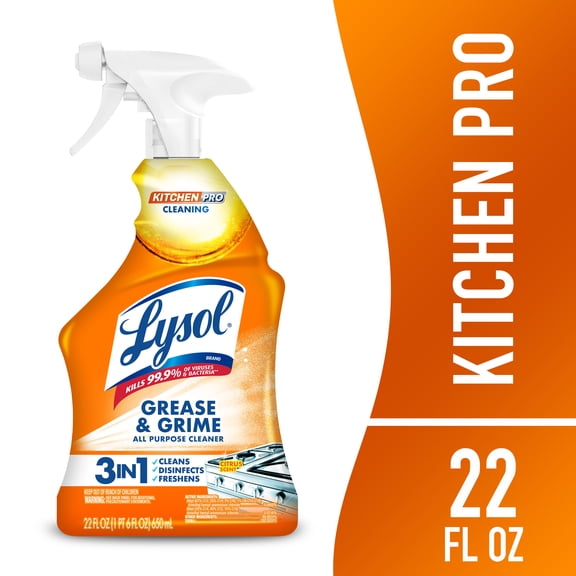
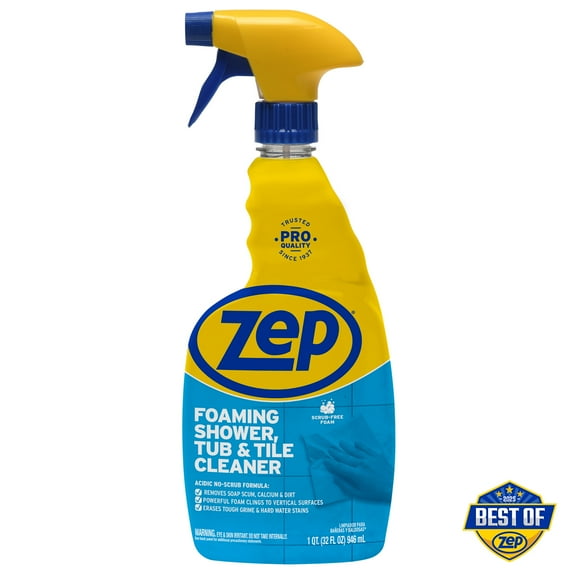
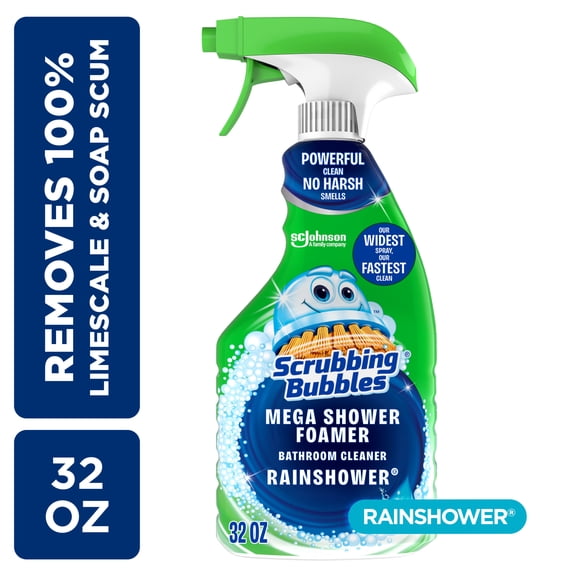
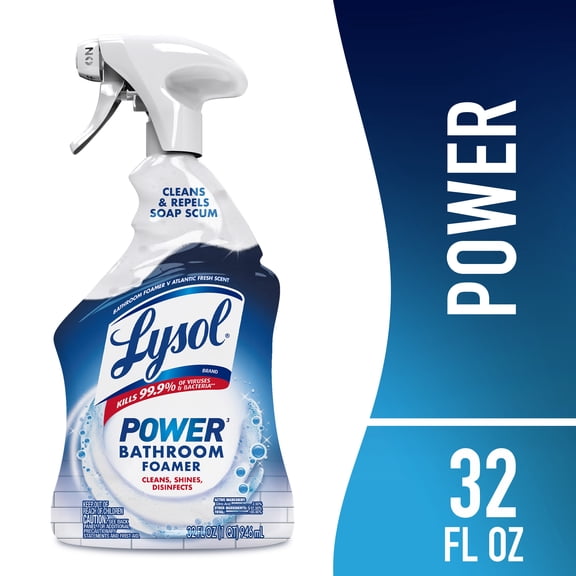
About Bathroom Cleaning Supplies in Household Essentials - Walmart.com
Bathroom cleaning supplies help you handle soap scum, hard water film, and everyday splashes across busy sinks, tubs, and showers. You can compare formulas, surfaces, and application styles to keep your routine simple and your finishes looking fresh.
When you shop this category, you’re choosing products built for bathroom messes that differ from kitchen grease or floor soil. You can focus on tile lines, chrome fixtures, acrylic surrounds, and porcelain bowls with more targeted results.
How to choose bathroom cleaning supplies
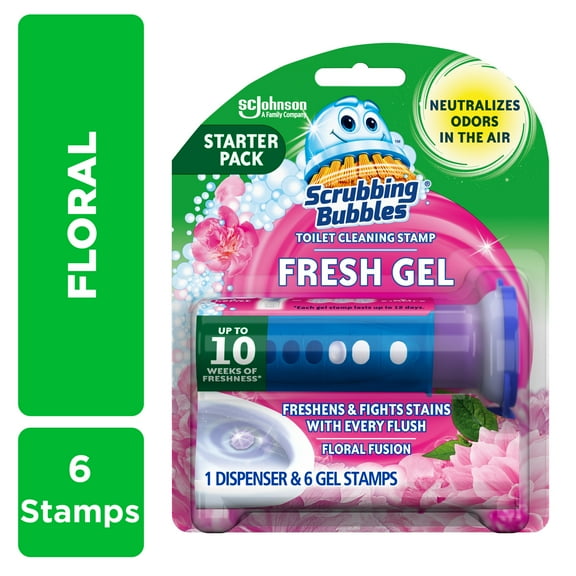
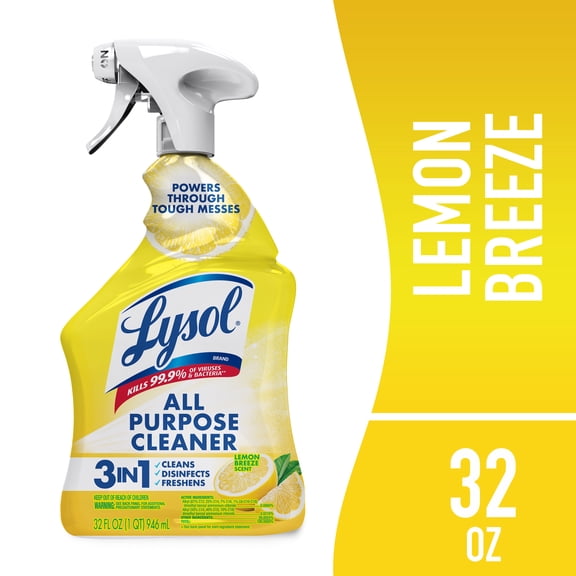
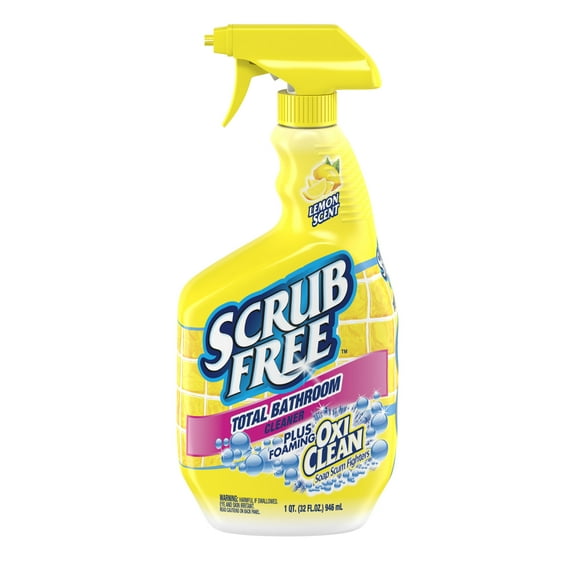
You’ll want to start with product type, because the right format changes how quickly you clean. You can pick sprays for fast wipe-downs, wipes for quick touchups, foams for cling, gels for thicker coverage, or powders for scrub-focused jobs.
Sprays work well when you want broad coverage on counters, faucets, and shower walls with minimal setup. Wipes help you clean small areas fast, while foams and gels stay where you place them.
Powders can make sense when you need extra scrubbing action on stubborn tub rings or sink stains. You should compare each format with your surface and your routine, so cleanup feels manageable.
- You can use sprays when you want fast daily wipe-downs on larger areas.
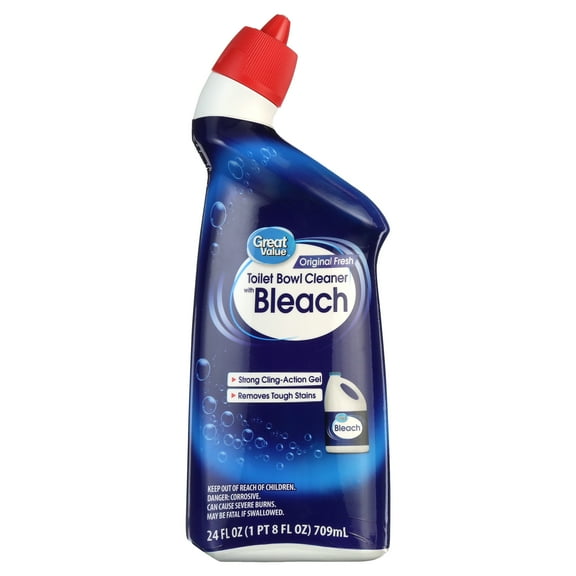
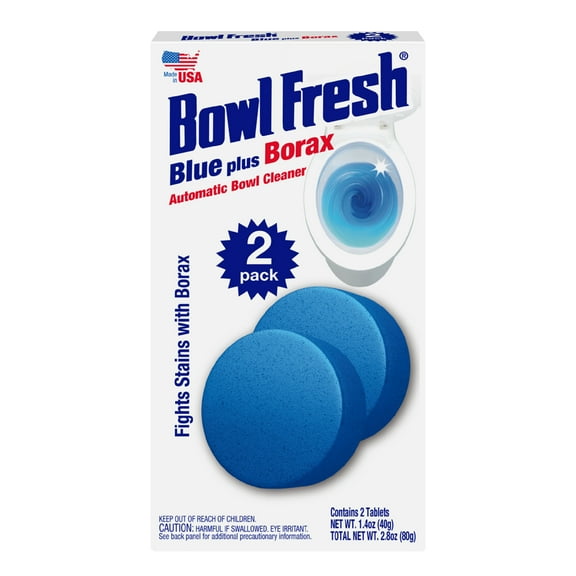
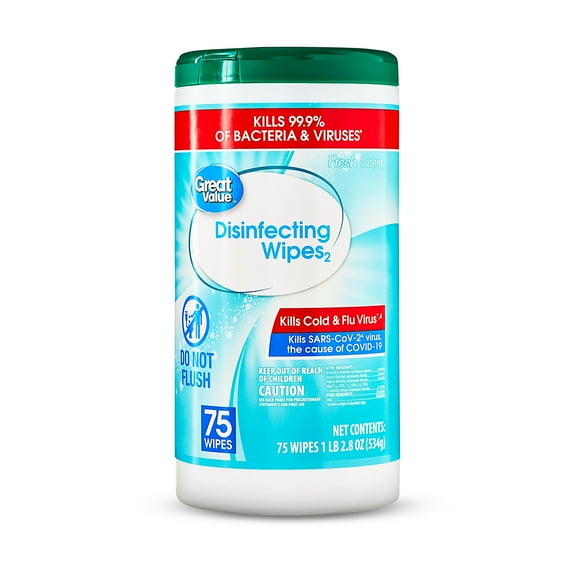
- You can reach for wipes when you want portable cleanup for sinks, toilets, and handles.
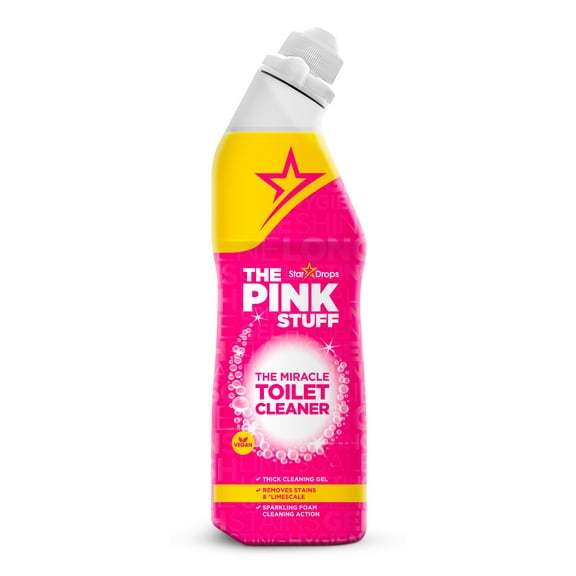
- You can choose foams or gels when you want cleaner to cling to vertical shower walls.
- You can consider powders when you want added scrubbing power on durable surfaces.
Choosing bathroom cleaners by surface
You should match bathroom cleaners to the finish you’re cleaning, because bathrooms mix delicate and durable materials in one space. You can treat tile, grout, porcelain, acrylic, and chrome as separate cleaning decisions.
Tile and grout often collect soap scum and mineral residue in textured areas and narrow lines. You may want a tub and tile cleaner or grout cleaner that reaches seams and corners without leaving heavy residue.
Porcelain usually handles routine bathroom cleaning well, but you should still check whether a formula suits glazed surfaces. Acrylic tubs and surrounds need extra care, so you’ll want non-abrasive options with clear surface guidance.
Chrome fixtures show water spots quickly, and you’ll notice harsh abrasives can dull the finish over time. You should look for smooth application and easy rinsing when you clean faucets, handles, and shower heads.
If you’re comparing pH level or abrasive versus non-abrasive formulas, you’re making a practical surface-safety choice. You can use gentler options on acrylic and finished fixtures, while tougher formulas may fit grout or mineral buildup.
What to look for in tub and tile cleaner formulas
You can narrow your options by formulation, because different ingredients support different bathroom tasks. You may compare bleach-free, plant-based, disinfectant, and acidic formulas based on your surface and cleaning goal.
Bleach-free options can fit households that want a straightforward freshening routine with less lingering odor. Plant-based choices may appeal when you want everyday wipe-downs on counters, tile, and exterior surfaces.
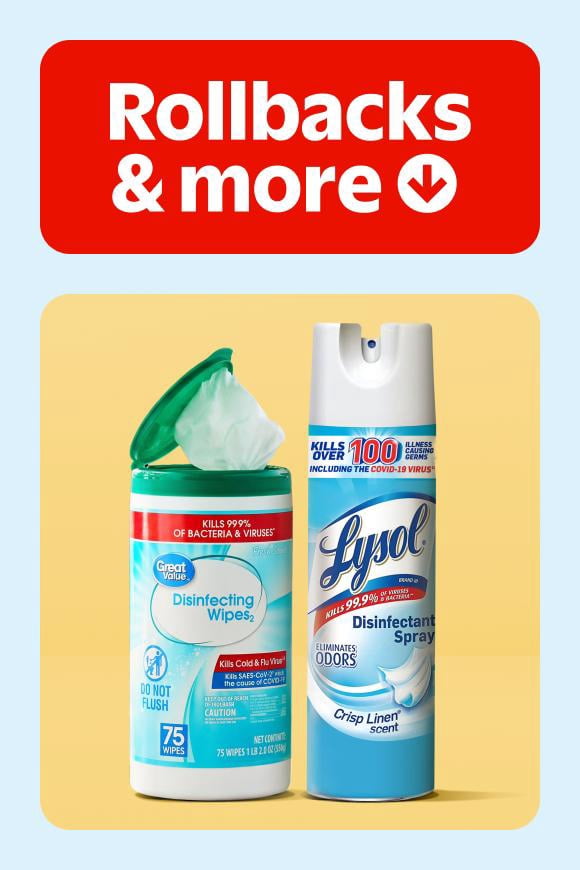
A disinfectant bathroom spray can be useful when you want a cleaner that also addresses high-touch bathroom areas. You should always check the label directions, because contact time and surface fit can vary.
Acidic formulas are often used for hard water marks, limescale, and mineral film around faucets and shower doors. You’ll want to compare ventilation needs and surface compatibility before using stronger bathroom cleaners.
Fume strength matters when you clean enclosed bathrooms with less airflow. You can choose lighter everyday formulas for quick refreshes, or reserve stronger options for deeper buildup and open-window cleaning sessions.
Comparing cleaning action for common bathroom buildup
You can also shop by cleaning action, because not every mess lifts the same way. You may see options labeled for mold remover, limescale remover, soap scum buster, or grout cleaner tasks.
Soap scum removers help you tackle the cloudy film that builds on shower walls, doors, and tubs. You’ll often find these useful for regular maintenance when residue appears after repeated use.
Limescale removers focus on mineral deposits that collect near faucets, drains, and glass shower panels. You should consider these when hard water leaves chalky spots or rough buildup on bathroom surfaces.
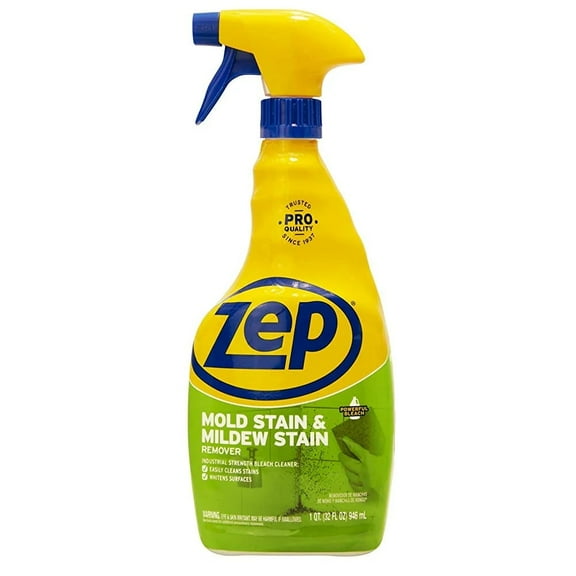
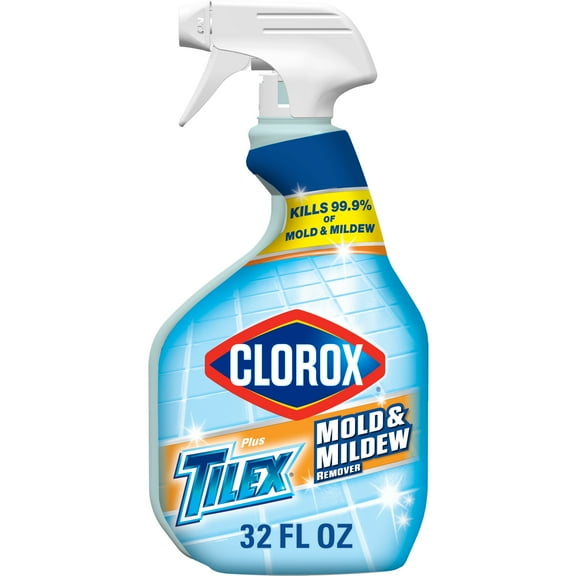
Mold remover formulas are designed for bathroom areas where moisture lingers around corners, caulk lines, and grout. You can compare targeted cleaners when you need a product type built for damp, high-humidity spaces.
Grout cleaner options can help you focus on narrow lines that hold discoloration longer than smooth tile faces. You may prefer a brush-friendly liquid, foam, or gel when you want more control along seams.
Matching shower cleaning supplies to your routine
Shower cleaning supplies can support different habits, from quick daily wipe-downs to deeper weekend scrubs. You should think about how much effort you want, because some products are spray-and-wipe while others need scrubbing.
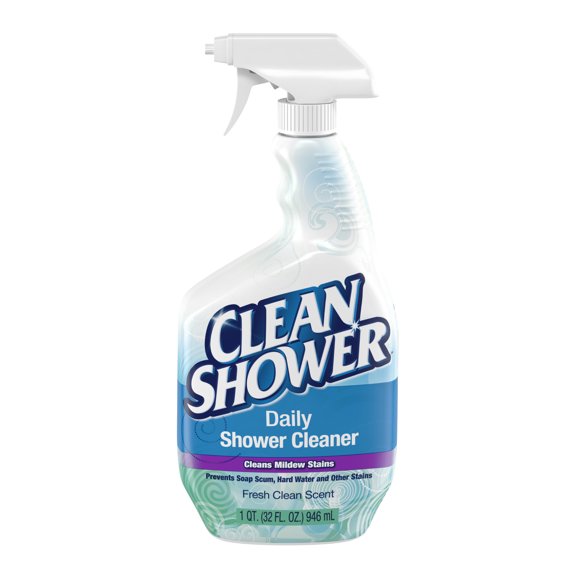
If you clean often, you may prefer wipes or a daily spray for glass, tile, and fixtures. You can keep buildup lighter when you handle splashes and film before they settle.
If you’re planning spring cleaning supplies for a full reset, you may want multiple formats for different zones. You can pair a tub and tile cleaner with a grout cleaner and a disinfectant bathroom spray.
For shared bathrooms, you might want flexible products that cover sinks, toilets, mirrors, and shower walls in one routine. You should still separate delicate finishes from tougher surfaces when you choose formulas.
When you compare bathroom cleaning supplies this way, you can build a setup that fits your surfaces and your schedule. You’ll finish with cleaners that support faster upkeep and a more polished bathroom.