

Door Locks and Deadbolts for Secure Entry
























About Door Locks and Deadbolts for Secure Entry - Walmart.com
You can compare door locks and deadbolts by security grade, lock type, and fit, so your entry setup matches your door and daily routine. You'll also find options for keyed access, keyless convenience, and finishes that coordinate with your existing hardware.
How to choose door locks and deadbolts
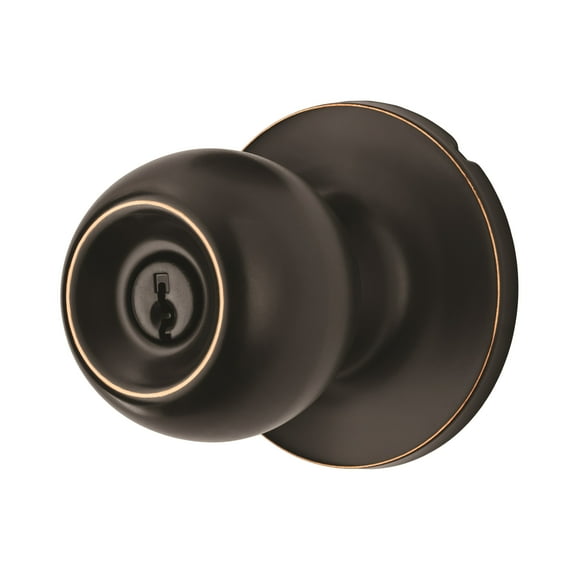
When you compare lock types, you'll want to start with how your door is used. You may choose deadbolt, keyed entry, passage, privacy, or smart lock styles based on access and placement.
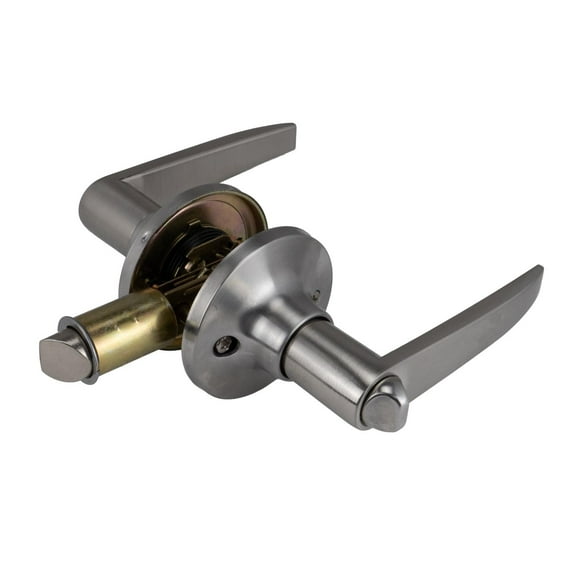
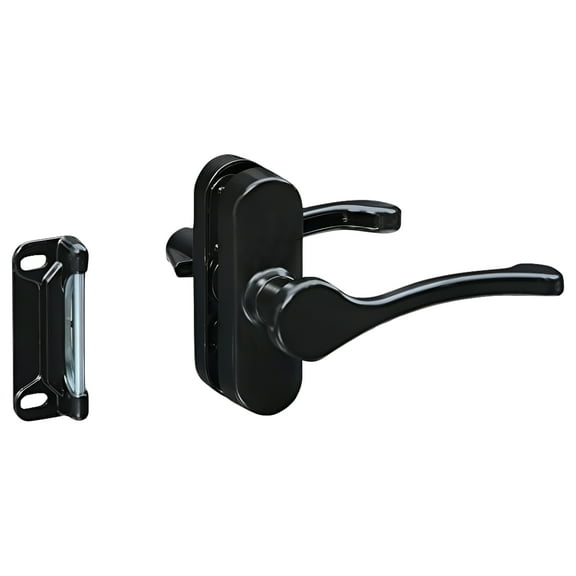
For exterior doors, you'll usually focus on front door locks with a secure latch and matching trim. For interior spaces, you'll often choose passage or privacy styles that suit bedrooms, offices, or utility rooms.
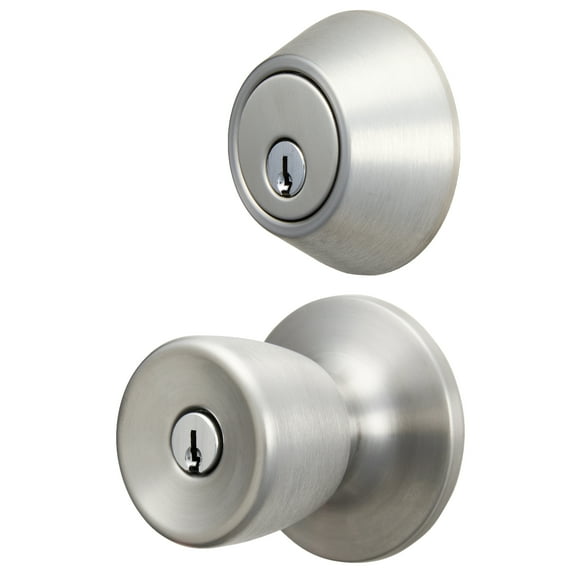
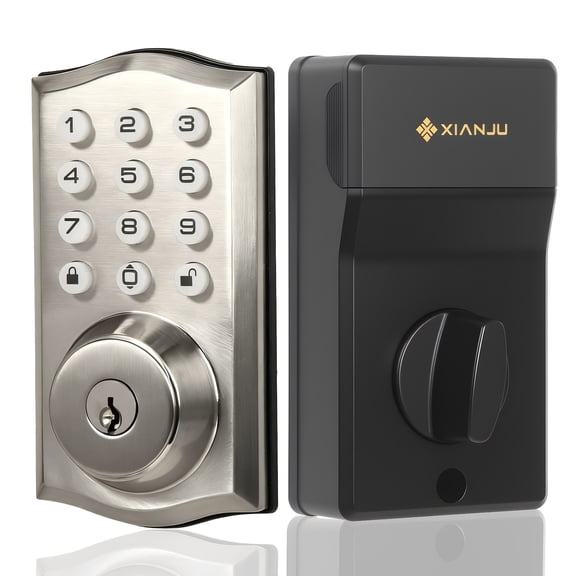
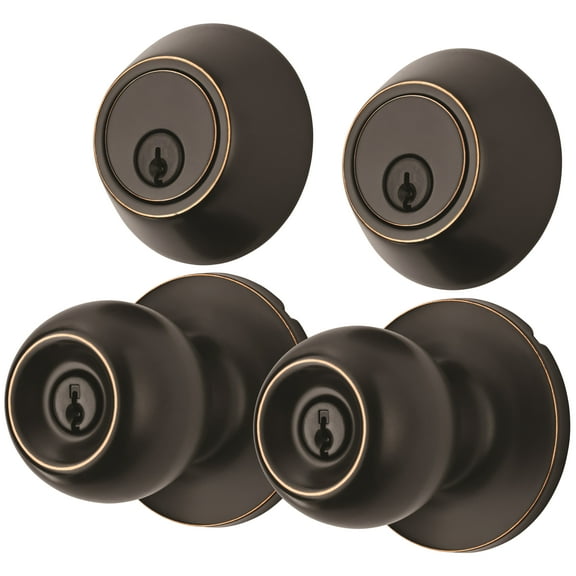
If you want a traditional setup, you'll likely prefer keyed entry and deadbolt locks with familiar operation. If you want quick access, you may prefer keypad door locks or connected smart deadbolts.
Choosing the right deadbolt locks by security grade
You should check ANSI or BHMA grades when security rating matters for your home. You'll typically see Grade 1, Grade 2, or Grade 3, and each level reflects testing for repeated use.
Grade 1 options usually fit demanding entry points and frequent daily traffic. Grade 2 choices often suit many homes, while Grade 3 works for lighter-use doors and basic replacement needs.
- You can use security grades to compare durability across similar lock styles.
- You can match the rating to your entry door, side door, or garage access door.
- You can narrow your search faster when you know how often your lock will be used.
- You can balance mechanical simplicity with the level of hardware testing you want.
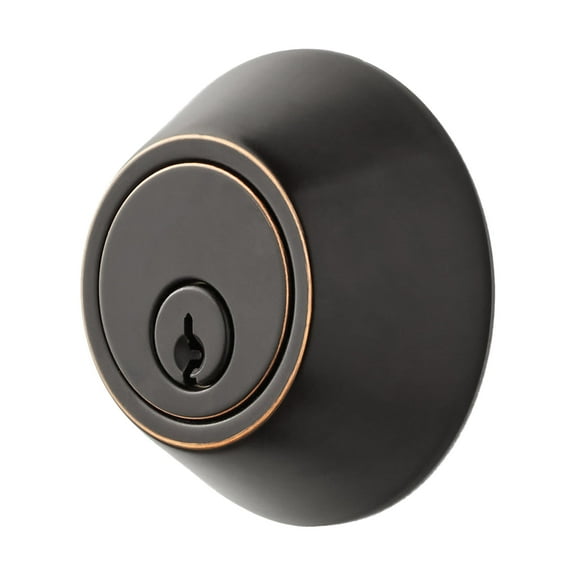
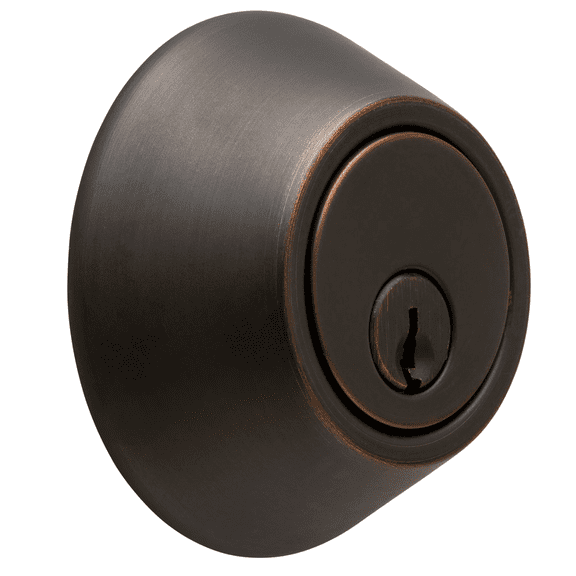
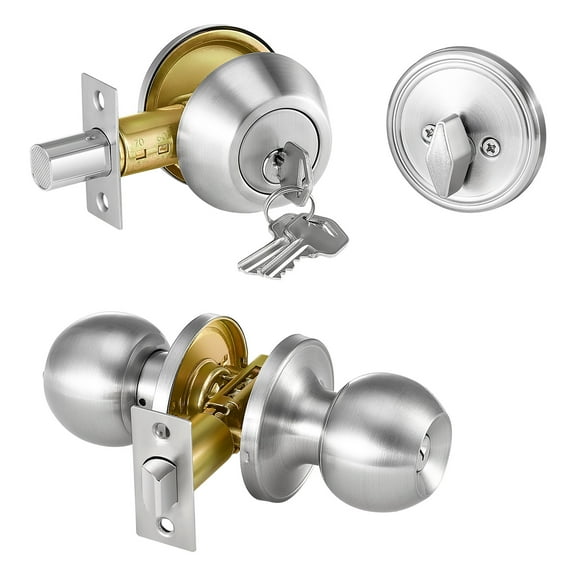
As you review deadbolt locks, you should also consider single-cylinder and double-cylinder formats. You'll want the cylinder style that aligns with how your door opens and how you prefer access.
What to look for in keyless entry door locks
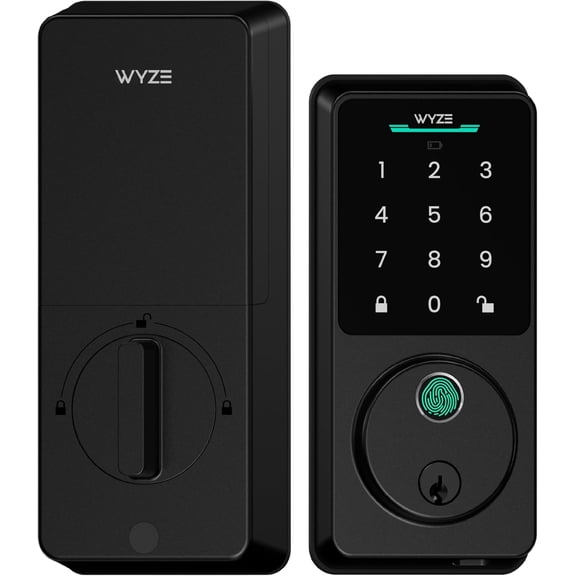
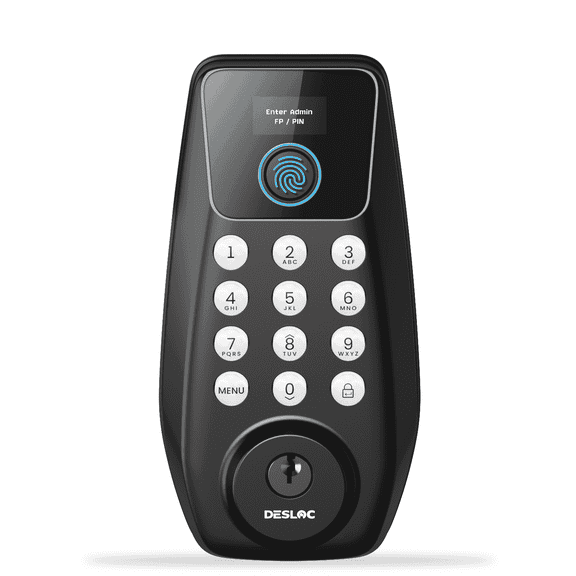
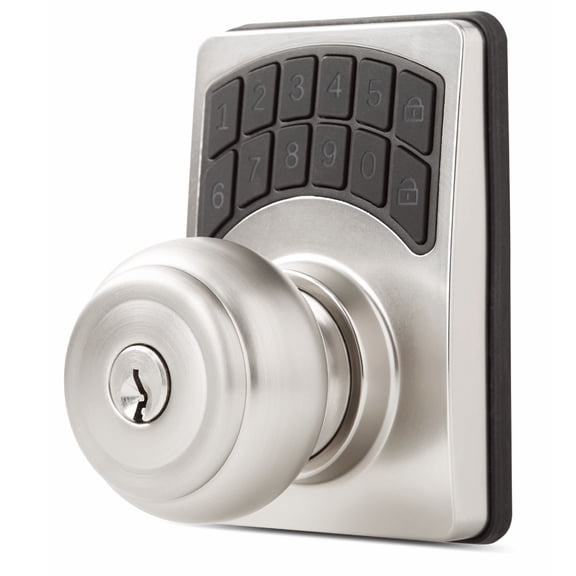
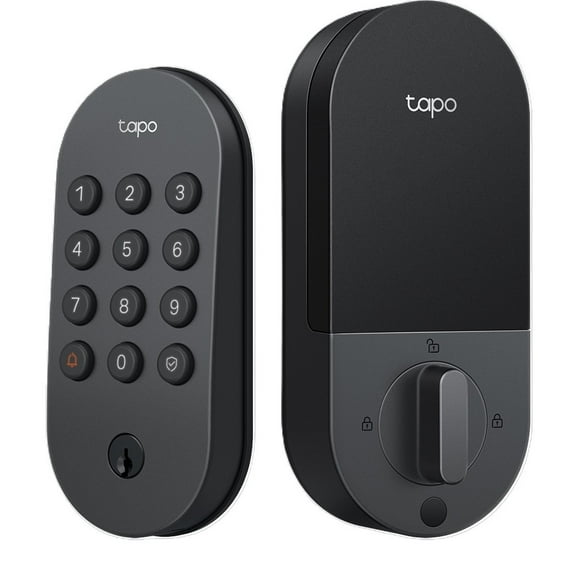
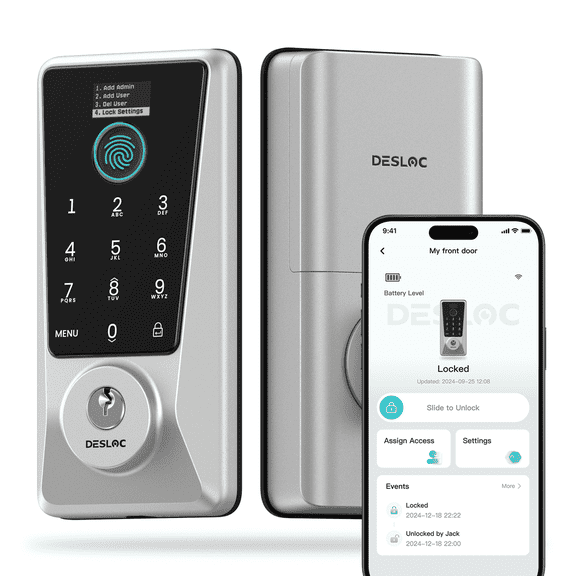
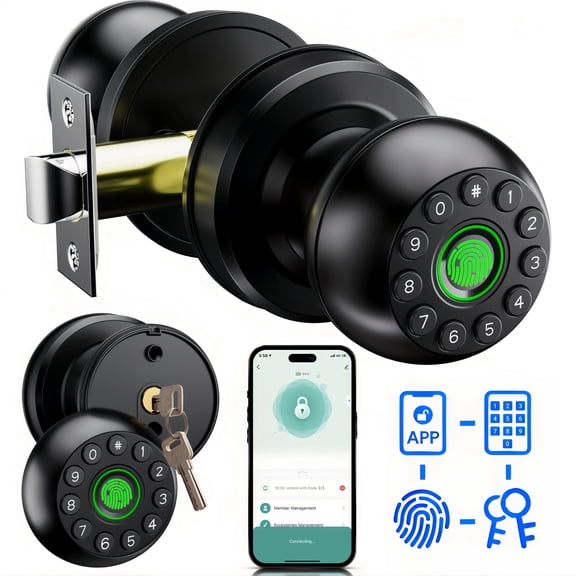
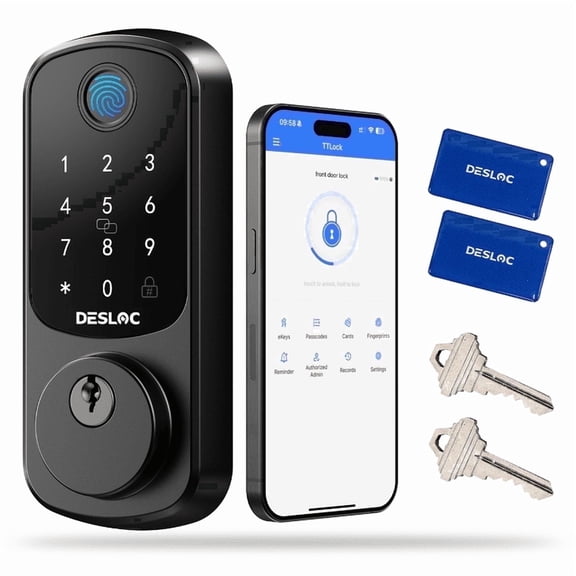
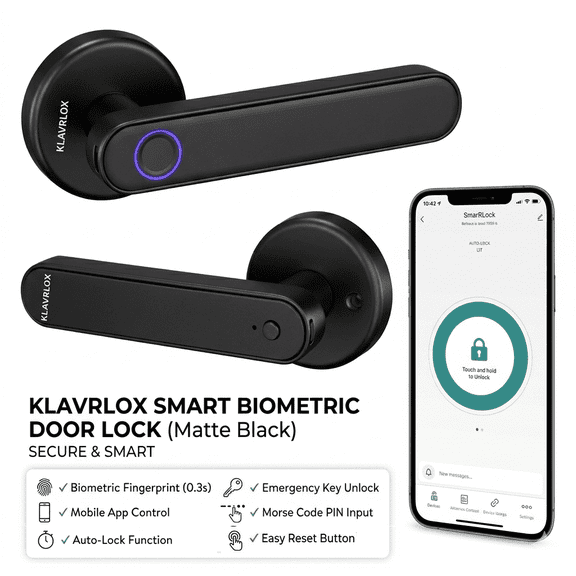
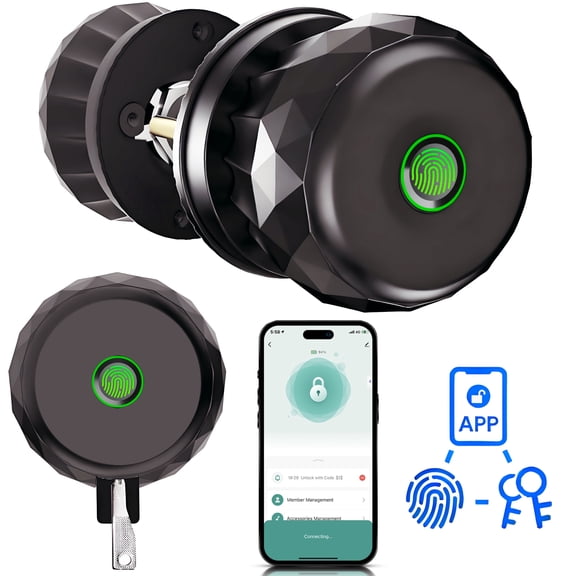
If you want fewer keys in your pocket, you may compare keyless entry door locks first. You'll often see keyless keypad, Wi-Fi enabled, Bluetooth, and biometric fingerprint options across this category.
Keyless keypad models let you enter a code instead of carrying a key every day. Wi-Fi enabled choices can support remote controls, while Bluetooth styles work well when your phone stays nearby.
Biometric fingerprint options can speed up entry for households that want touch-based access. Smart deadbolts may also pair with apps, guest codes, or activity tracking, depending on the model.
When you compare smart features, you should focus on how you enter, lock, and share access. You'll want controls that fit your routine, whether you leave for work, accept deliveries, or manage rental entry.
Checking fit, backset, and door compatibility
Before you choose a lock, you should measure your door thickness and backset carefully. You'll often need compatibility with doors that measure 1-3/8 to 1-3/4 inches thick.
For backset, you'll usually compare 2-3/8-inch and 2-3/4-inch measurements. You can often simplify installation when you choose an adjustable latch that fits either common size.
You should also check whether your door is left-handed or right-handed before ordering. You'll avoid fit issues when your lock trim, lever direction, and latch setup match your door swing.
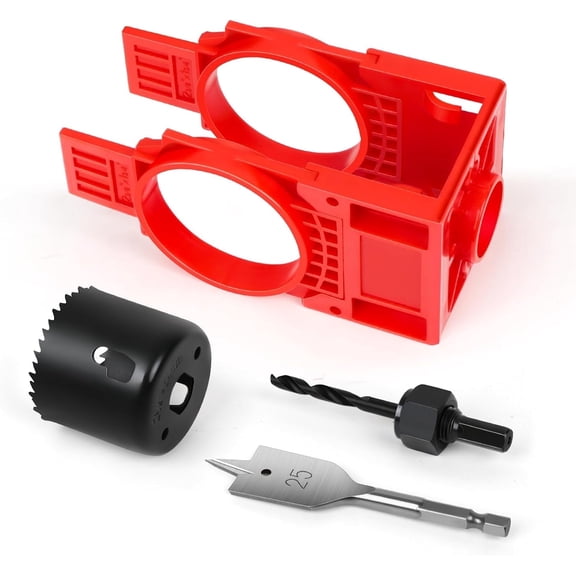
If you're replacing older front door locks, you may also compare bore hole spacing and strike alignment. You'll usually get a smoother swap when your new hardware matches common prep dimensions.
Matching finish and style with your door hardware
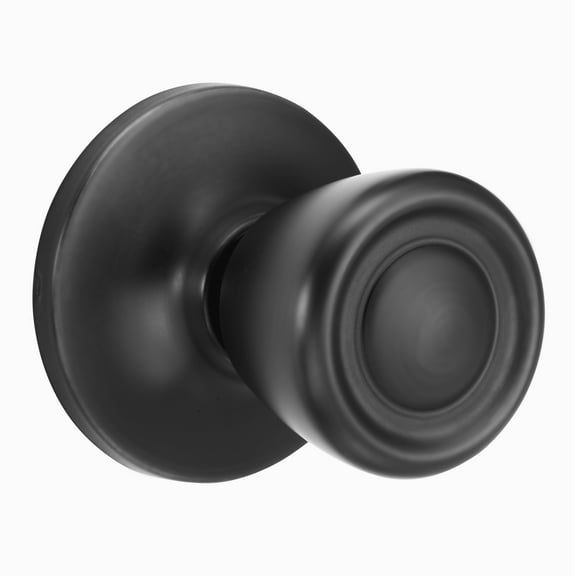
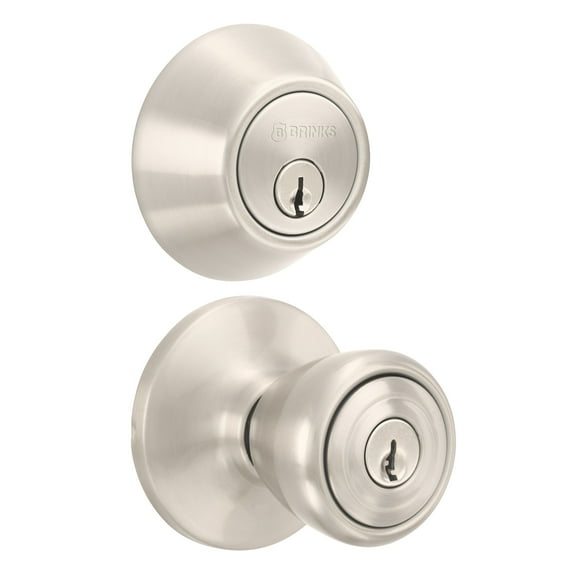
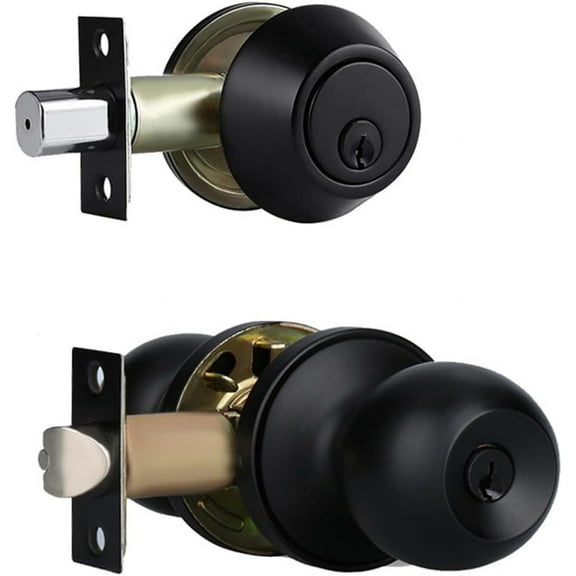
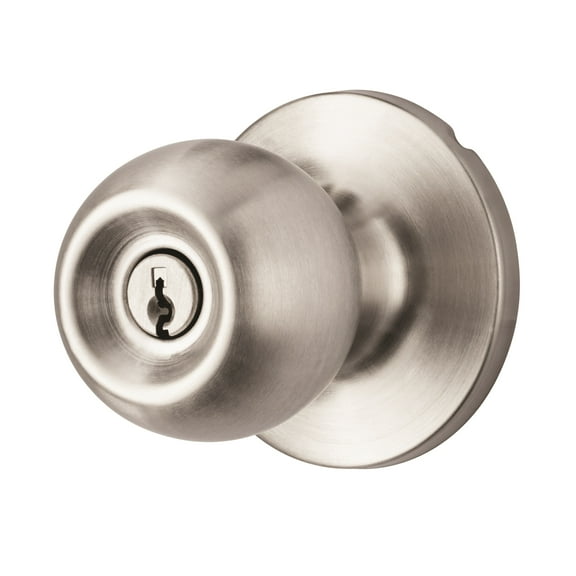
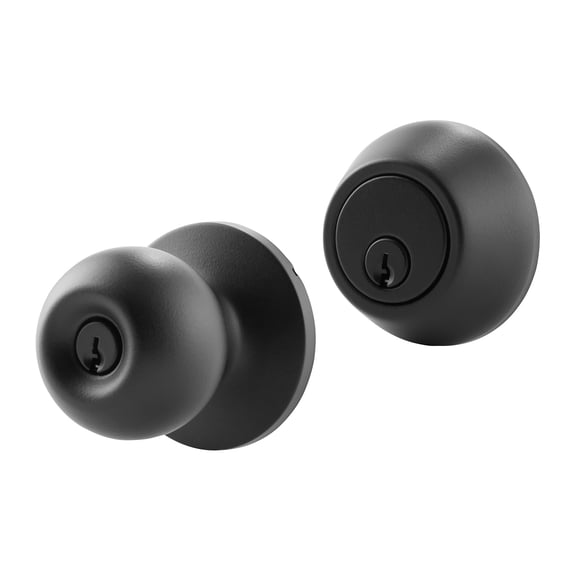
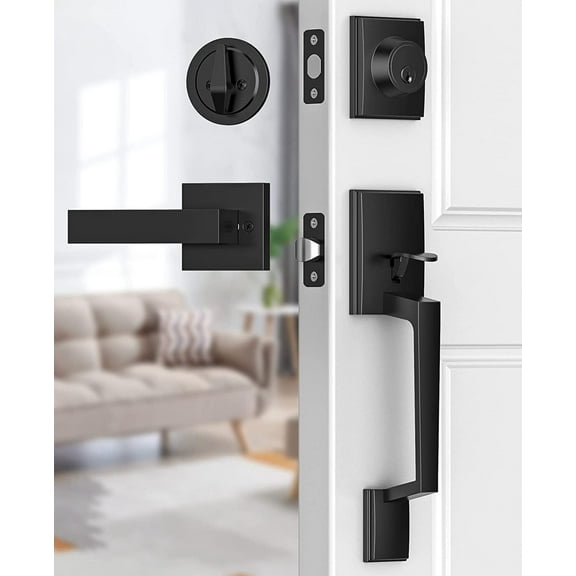
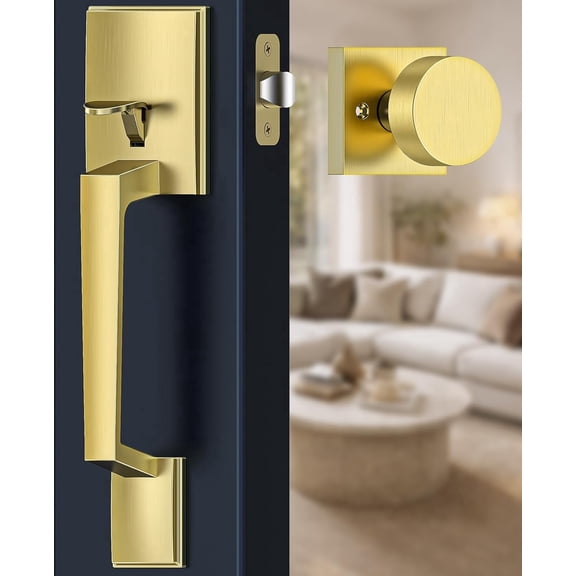
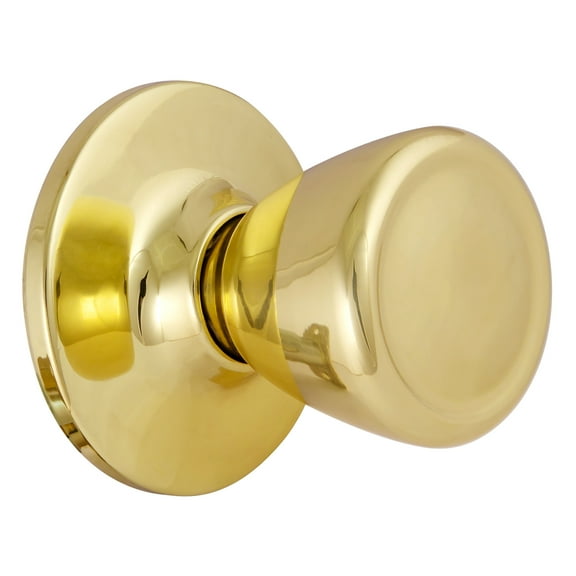
You can make your entry look more coordinated when your finish matches nearby hardware. You'll commonly compare satin nickel, matte black, polished brass, and bronze for a consistent appearance.
Satin nickel often works well when you want a clean, understated look on modern or transitional doors. Matte black can create stronger contrast, while brass and bronze can complement warmer trim tones.
As you compare finishes, you should look at hinges, handlesets, and house numbers around the same entry. You'll create a more pulled-together result when those details share a similar tone and style.
Using door locks and deadbolts in everyday spaces
You may need one setup for a main entry and another for side or garage access. You'll often choose a higher security grade for the primary entrance and a simpler keyed option elsewhere.
If you manage a busy household, you may prefer keypad door locks for easier comings and goings. You'll avoid extra key copies, and you can give family members their own code on many models.
If you want connected control, you may compare smart deadbolts for app-based access and monitoring. You'll appreciate that option when you travel often or want to check your door status from your phone.
For remodels or full hardware updates, you can compare lock type and finish together from the start. You'll get a more consistent result when your deadbolt, entry lever, and trim all work with the same style direction.
Common questions you may ask before choosing
You may wonder whether a lock will fit your existing door without extra changes. You'll want to confirm backset, door thickness, handing, and latch style before you make your final choice.
You may also ask whether keyed and smart options can match your home's look. You'll find that many styles now pair practical access features with finishes that suit modern, classic, or mixed hardware.
When you compare door locks and deadbolts with these details in mind, you can narrow your options with more confidence. You'll end up with hardware that fits your door, supports your routine, and looks right at your entry.