






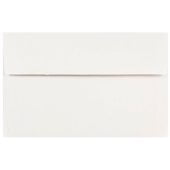
#10 Envelopes in Envelopes
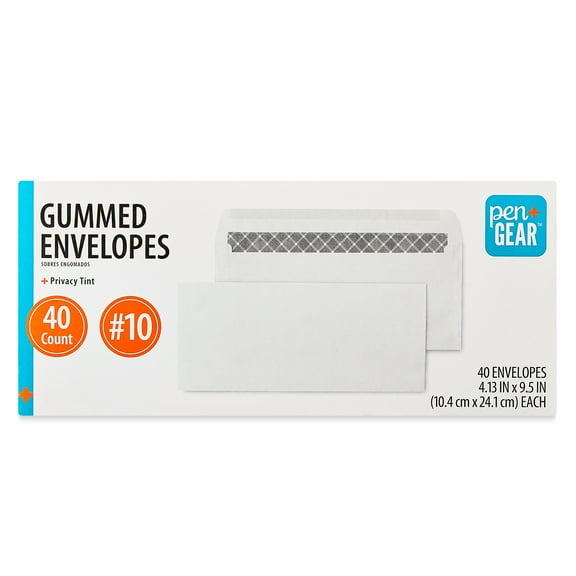

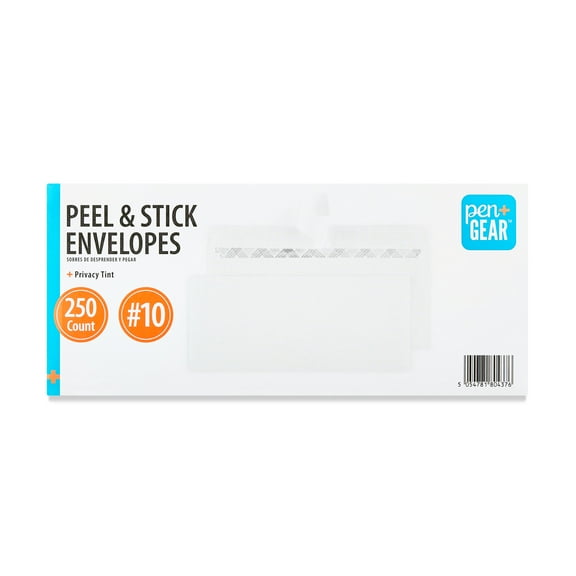

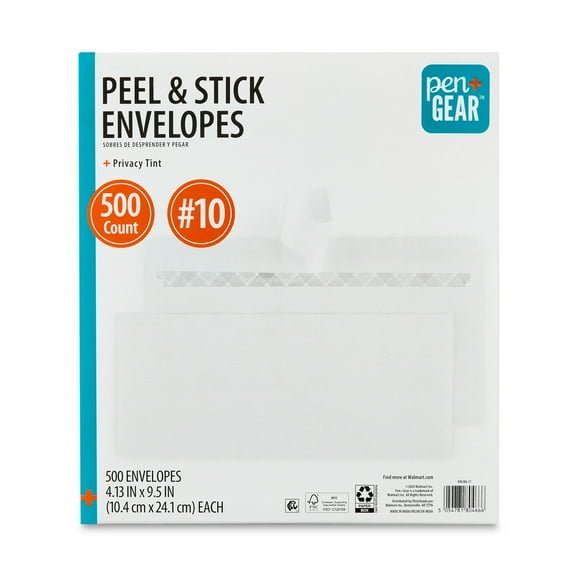












About #10 Envelopes in Envelopes - Walmart.com
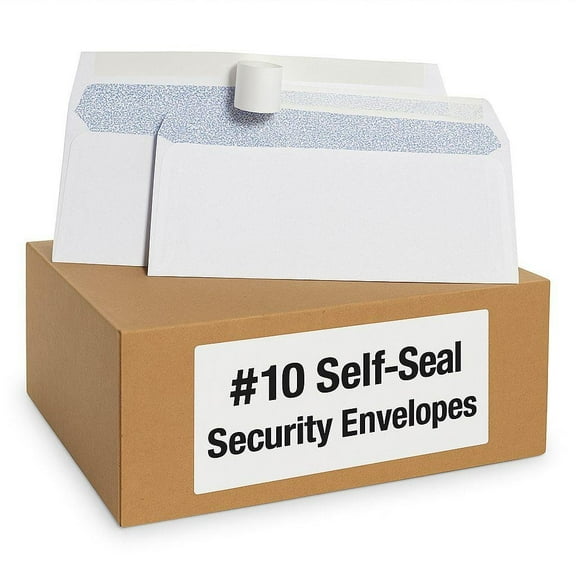
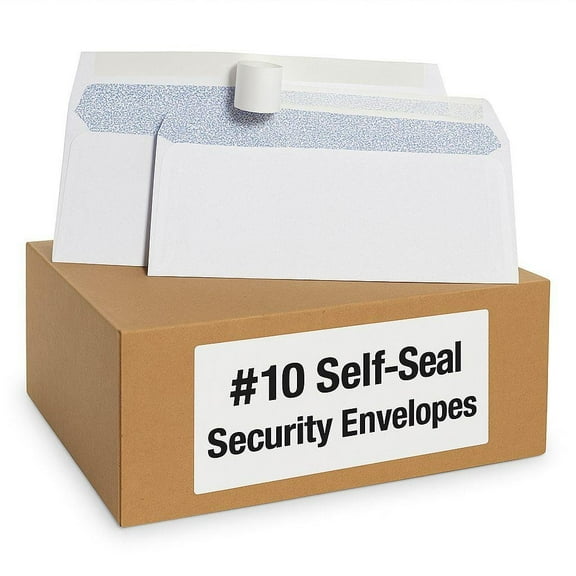
10 envelopes help you send invoices, letters, checks, and statements in a familiar business format. You can compare closure styles, window layouts, and security features that match everyday office mail.
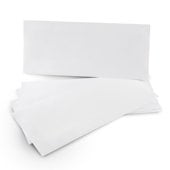
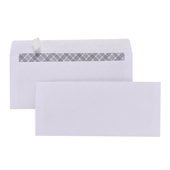
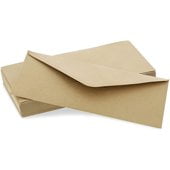
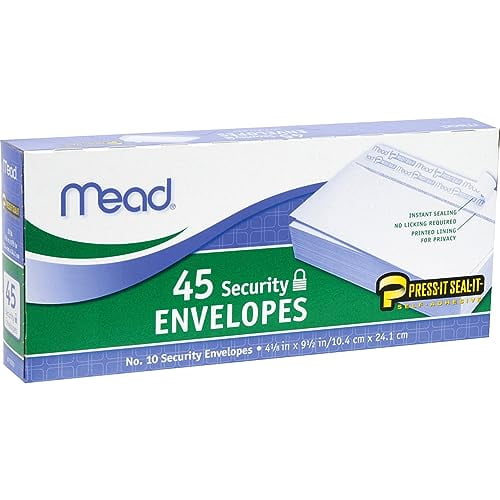
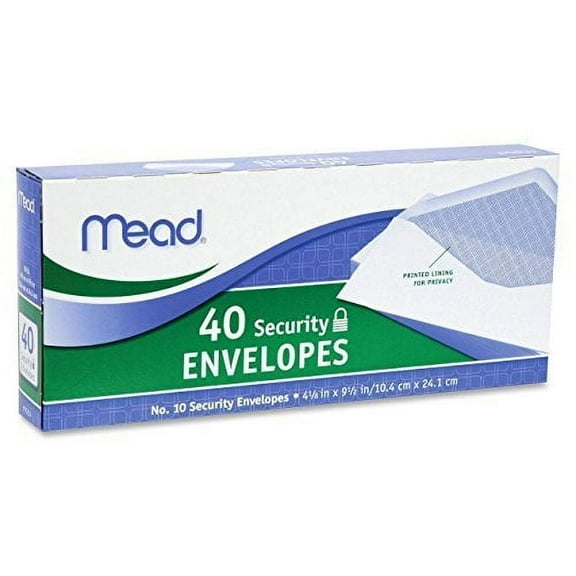
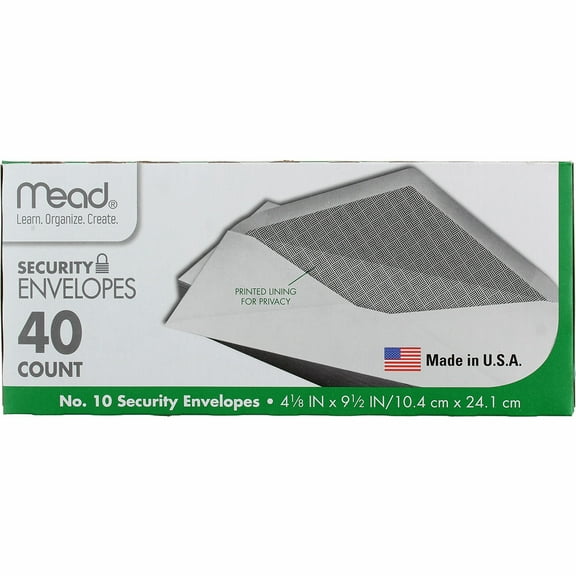
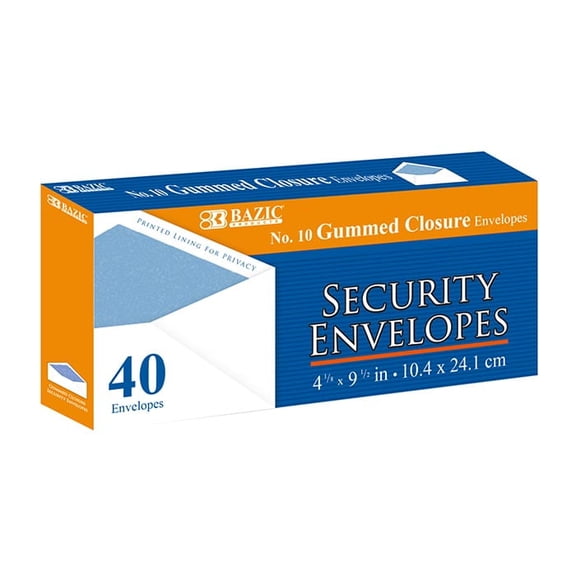
If you mail bills, forms, or back to school mailing supplies, you need a size that fits standard folded paper neatly. You can recognize 10 envelopes by their common 4-1/8 x 9-1/2 inch format for business correspondence.
How to choose 10 envelopes for your workflow
You can narrow your options efficiently when you start with how you prepare mail each day. Your process matters because hand sealing, machine inserting, and document privacy call for different envelope details.
Look first at whether your mail uses printed addresses, folded checks, or confidential account information. You should also compare pack size and paper weight if your office sends daily batches.
Why business envelopes support everyday mailing
You get a practical format that works for invoices, payroll mailers, appointment reminders, and standard letters. Your documents fit neatly after a tri-fold, which keeps prep simple for home and office use.
When you compare business envelopes, you can focus on the features that change your mailing routine. Your ideal choice often depends on speed, privacy, and how many pieces you send each week.
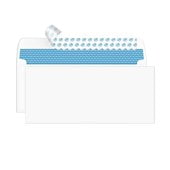
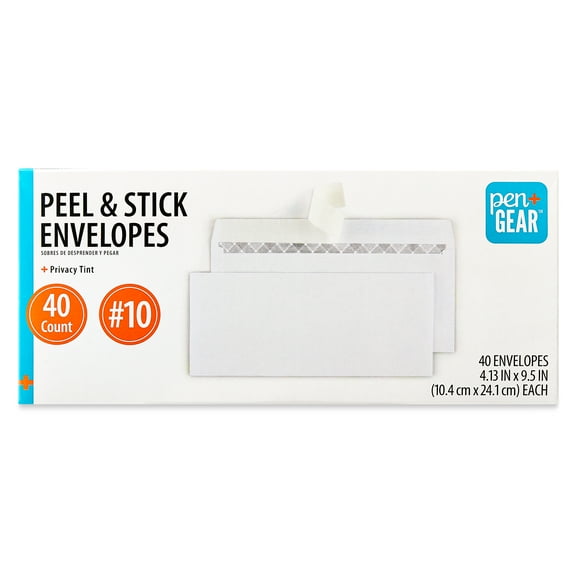
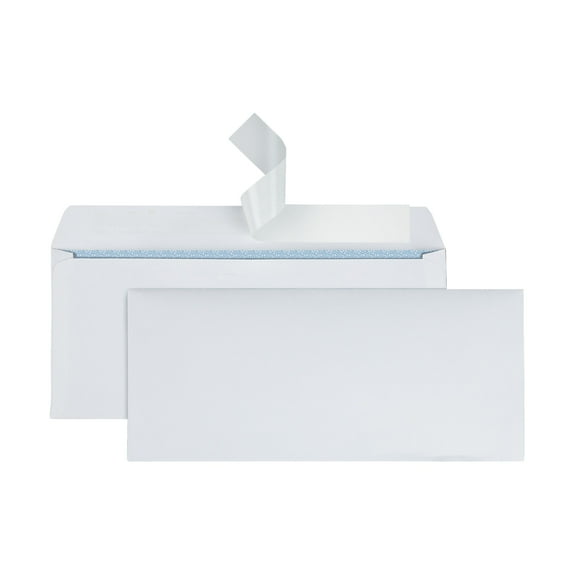
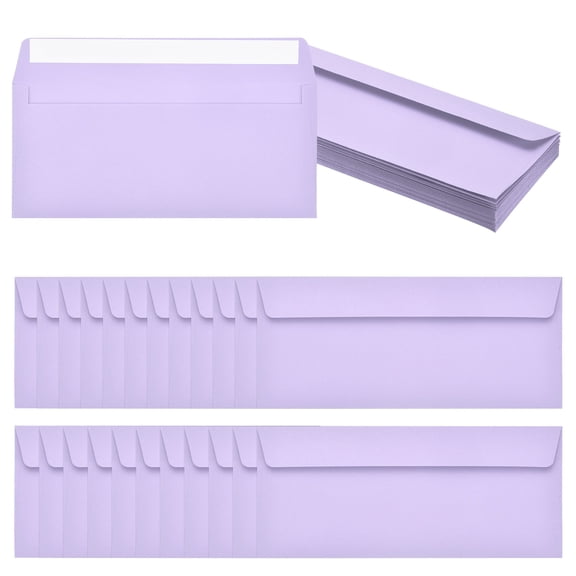
- You can speed up manual prep with self seal envelopes or peel and stick closures.
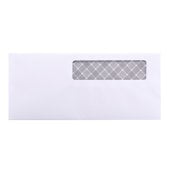
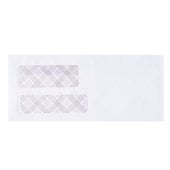
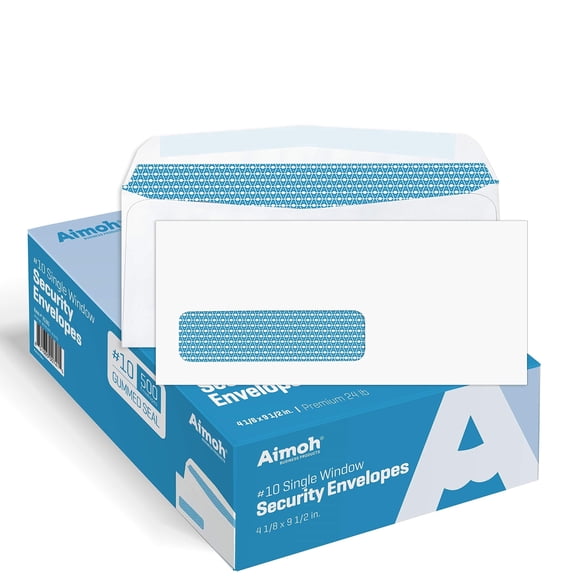
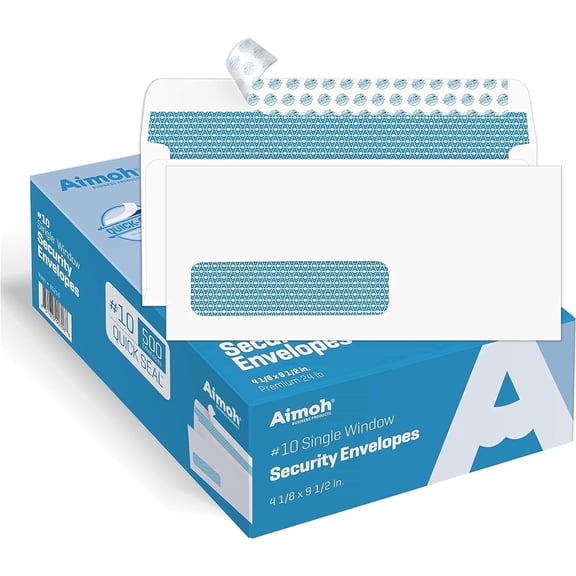
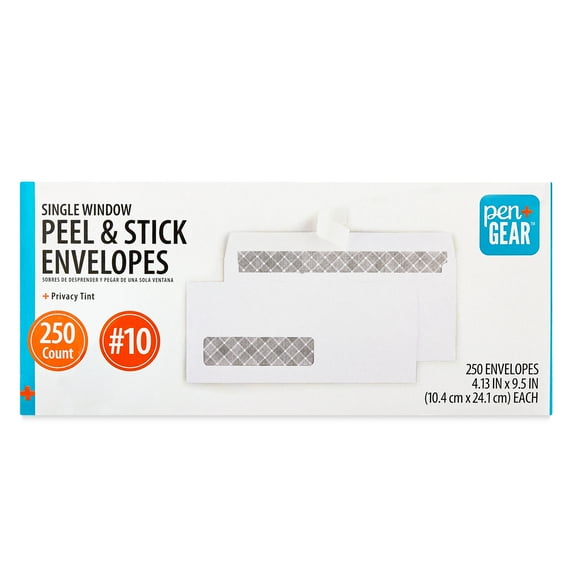
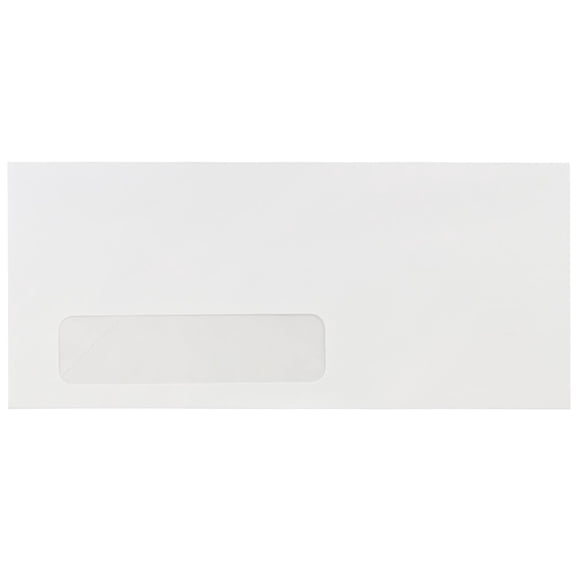
- You can keep printed addresses visible with single window or double window envelopes.
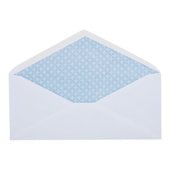
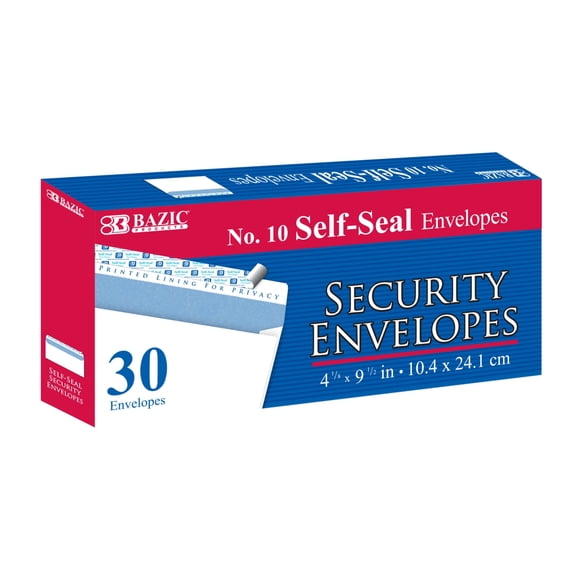
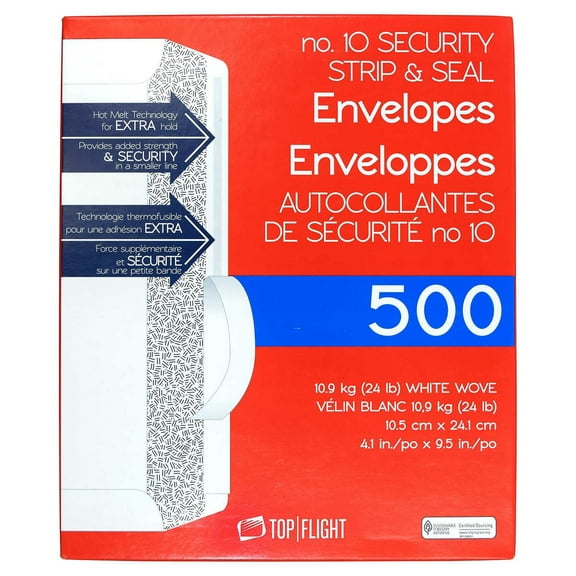
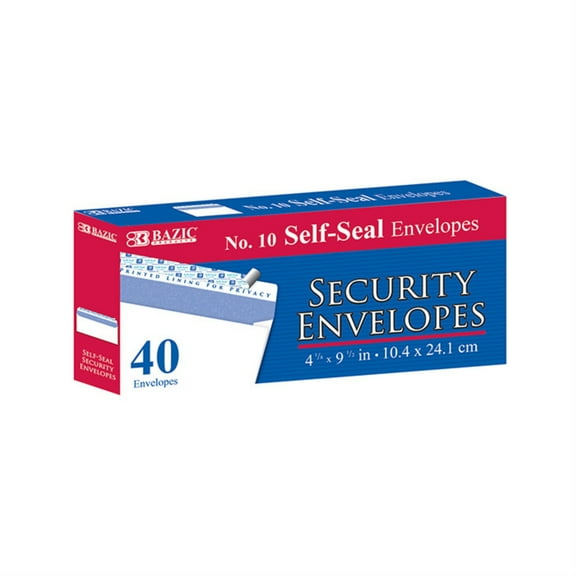
- You can add privacy with security tint envelopes for statements and financial forms.
- You can match your volume with 50 pack, 100 pack, or 500 pack options.
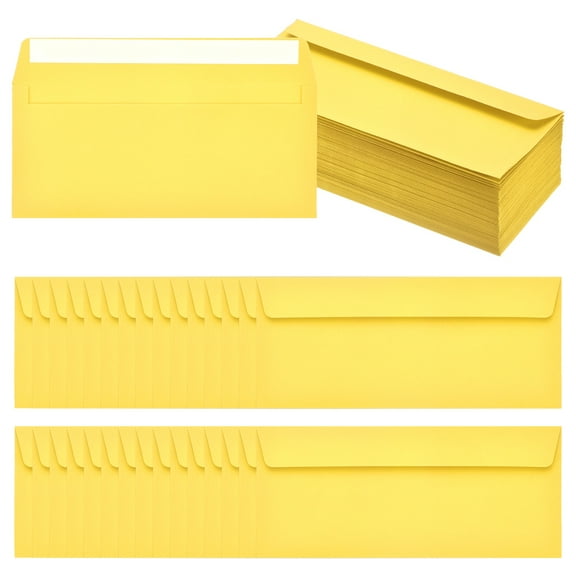
- You can choose white envelopes for a clean, standard business appearance.
You may notice these category details matter beyond color alone. Your choice affects how quickly you seal mail, how clearly addresses display, and how polished each piece looks.
Choosing closure type and paper details
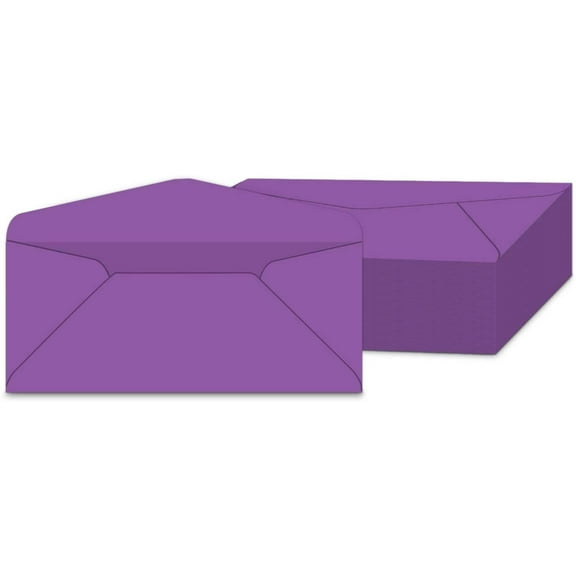
You should compare self-seal, gummed, and peel and stick closures before you choose. Your mailing setup can often decide which option feels highly efficient during busy office tasks.
If you seal envelopes by hand, you may prefer self seal envelopes because you can press and close them quickly. If your team inserts mail in larger runs, you may look for gummed styles.
You should also check paper weight when you send multiple pages or thicker inserts. Your standard 24 lb paper options can cover everyday office needs, while heavier stock can feel sturdy.
For routine correspondence, you may want white envelopes that print cleanly and sort easily. Your heavier documents may benefit from stronger construction that holds folded pages with a crisp shape.
Choosing window layouts and security tint envelopes
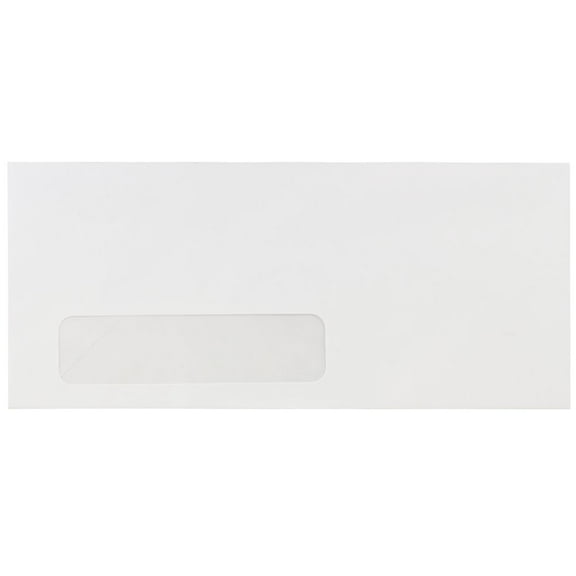
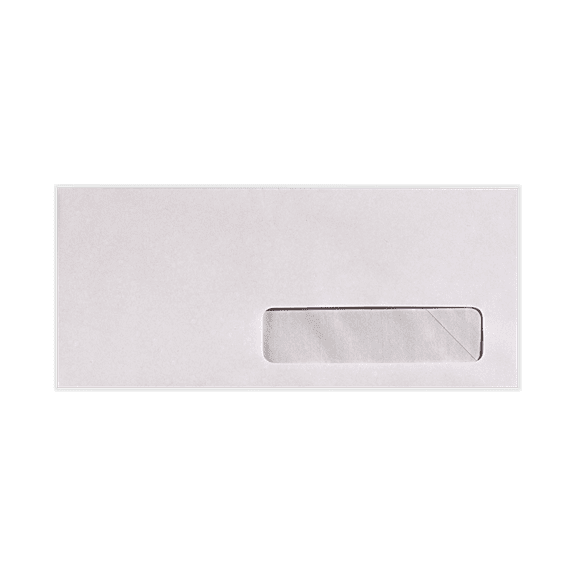
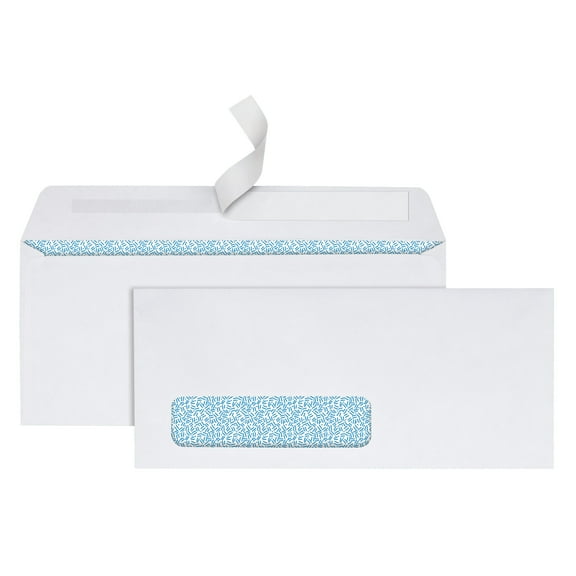
You can simplify addressing when you choose window envelopes that show pre-printed recipient details. Your forms stay aligned behind the cutout, which can reduce labeling steps.
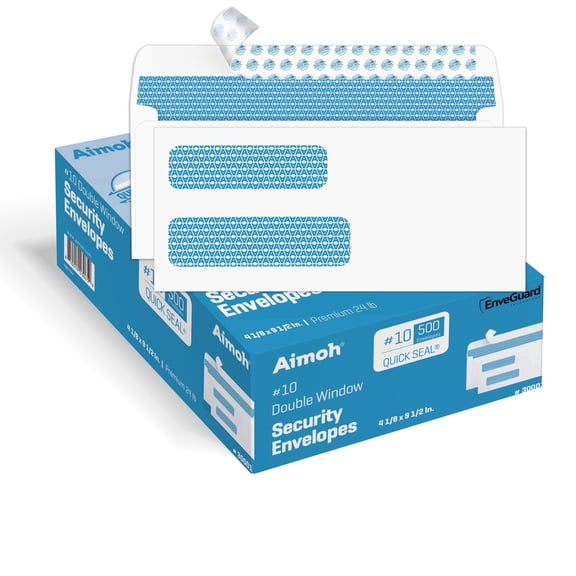
If your documents already include a mailing address, a single window style may fit your workflow. If your forms show extra routing information, you may compare double window formats.
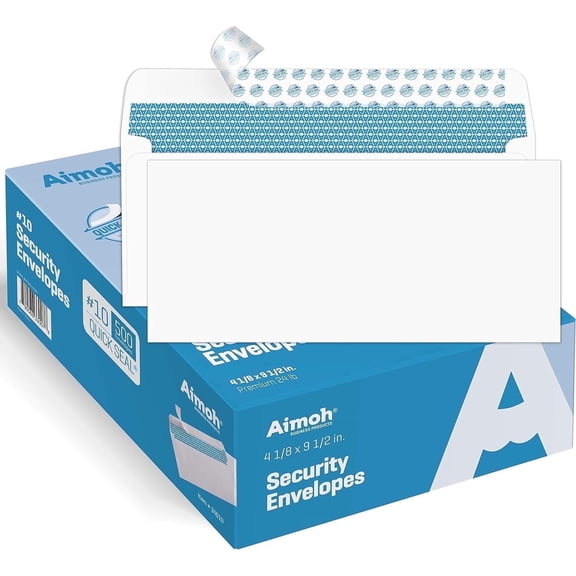
You should choose no window styles when you want a plain front or custom labeling flexibility. Your office may prefer this format for checks, announcements, or mixed document sets.
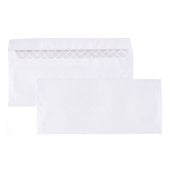
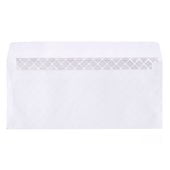
When privacy matters, you can look for security tint envelopes with a printed inner pattern. Your information stays secure through the paper during standard handling and sorting.
You may also compare standard white and opaque interiors depending on document sensitivity. Your statements, account notices, and payroll mail often call for more visual coverage.
Matching pack size to home and office use
You can avoid mismatched supply levels when you compare small packs and larger counts early. Your mailing frequency should guide whether you pick a 50 pack, 100 pack, or 500 pack.
If you send occasional letters, you may prefer a smaller count that fits a desk drawer neatly. If your office processes invoices weekly, you may need larger cartons for steady use.
You should also think about seasonality when planning your supply shelf. Your back to school mailing supplies may include forms, tuition notices, schedules, or campus office letters.
For daily operations, you may want larger counts that reduce reorder interruptions without changing format. Your team can keep one standard size on hand for statements, checks, and notices.
Using 10 envelopes for common mailing tasks
You can use 10 envelopes for invoices, tax documents, business letters, checks, donation appeals, and account statements. Your paperwork fits a standard tri-fold layout that works with many office printers.
At home, you might use them for school paperwork, household records, or event correspondence. Your no window or window choice depends on whether addresses print on the document itself.
In a business setting, you may need self seal envelopes for front-desk efficiency and quick daily output. Your finance or administrative tasks may also call for security tint envelopes for added discretion.
If you send client communications, you can compare white envelopes for a traditional presentation. Your office can keep a consistent look across letters, invoices, and payment reminders.
You can get more confidence when your envelope format matches your documents from the start. Your mail can look organized, close securely, and move through routine office prep with fewer extra steps.