

Christmas Decor


Early birds, get your holiday decor!
Wall-to-wall joy is already here!

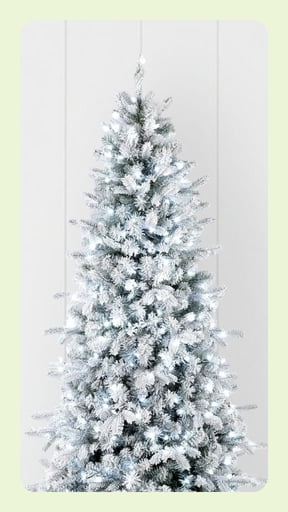
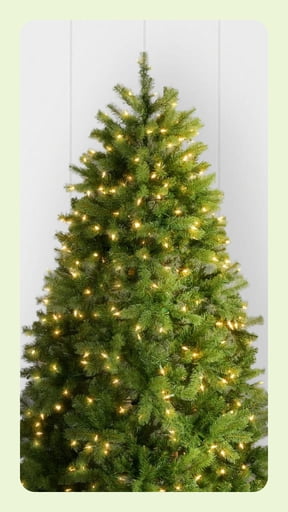
Get your kind of tree now

Shop by category



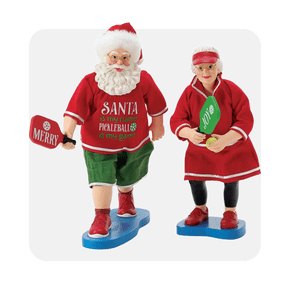



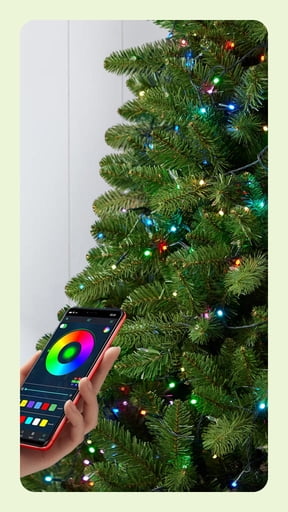

National Tree Company
Meet your new favorite decor brand.




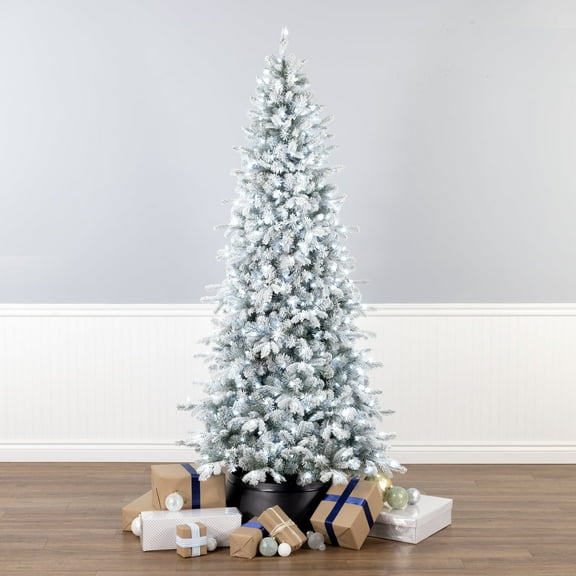

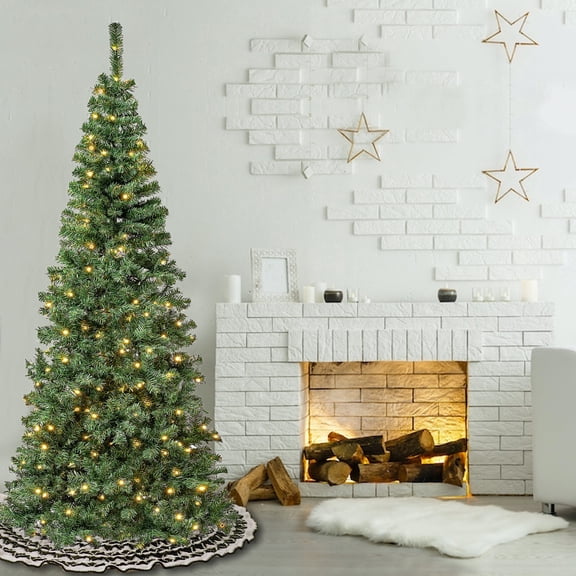
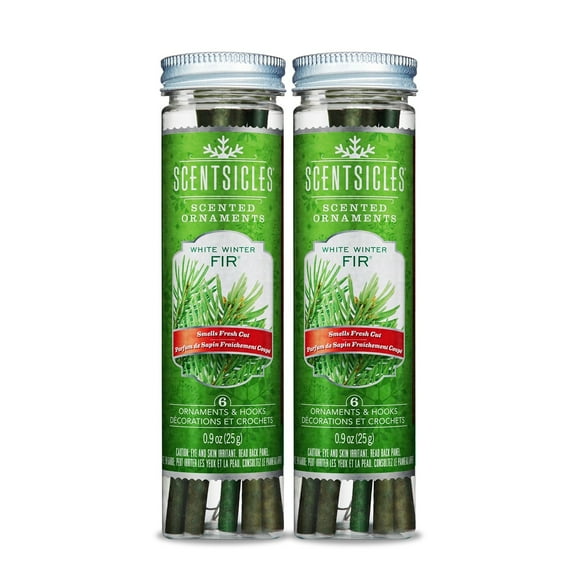

More brands you'll love





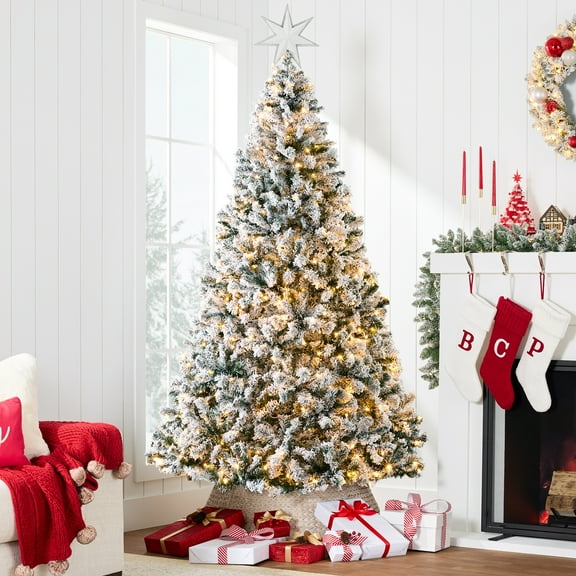






FAQ
About Christmas Decor - Walmart.com
Christmas decorations help you turn everyday rooms, porches, and yards into festive spaces for the season. You can compare indoor accents, outdoor displays, and themed Christmas decorations in one place, so your setup feels coordinated from the start.
How to choose Christmas decorations for your space
You’ll want to start with placement, because indoor, outdoor, tabletop, mantel, and yard pieces work differently in your home. You can narrow your choices efficiently when you match each area with the right size, material, and power setup.
For indoor spaces, you may focus on ornaments, wreaths, garland, and stockings that bring color to entryways, stair rails, and fireplace mantels. For outdoor areas, you’ll want decor that handles open-air display and gives your yard or porch a clear holiday focal point.
- You can create a coordinated look by matching ornaments, wreaths, garland, and stockings in one color story.
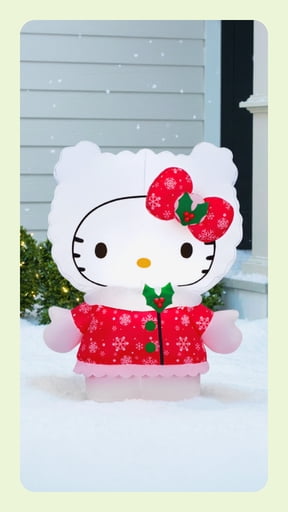
- You can make outdoor scenes stand out with inflatables, lights, and yard decor sized for drive-up visibility.
- You can keep small spaces festive with tabletop Christmas things that fit shelves, counters, and apartment entryways.
- You can simplify setup by choosing power options that match nearby outlets, battery access, or sunny yard placement.
You’ll also notice that decor type affects how your home feels during the season. You can use garland for layered texture, wreaths for instant door appeal, and ornaments to tie your tree to the rest of your rooms.
Choosing decor type, placement, and theme
You should compare decor type first, because each piece creates a different visual job in your home. You can use ornaments for detail, inflatables for bold scale, and stockings for a finished mantel display.
When you choose placement, you’ll want to measure your space before picking larger pieces. You can prevent crowding on a mantel, fit tabletop accents neatly, and keep yard decor proportionate to your walkway or lawn.
Your style choice matters just as much as size, because Christmas decor looks more pulled together when colors and textures relate. You can build a traditional look with red, green, and metallics, or choose modern, rustic, vintage, or whimsical accents.
If you already own a tree skirt, ribbon, or dinnerware set, you can use those colors as your starting point. You’ll get a more intentional result when your wreath, garland, ornaments, and stockings support the same holiday palette.
What to look for in holiday decorations
You should check materials and power details before you decide, especially when your display mixes indoor and outdoor use. You can compare shatterproof ornaments with glass styles, and you can match power source choices to your setup routine.
If your home includes kids or pets, you may prefer shatterproof ornaments for busy rooms and lower tree branches. You can still get sparkle and color while making your tree simple to decorate around everyday movement.
For lights and inflatables, you’ll want to check whether outdoor pieces list IP waterproof ratings. You can use ratings like IP44 or higher as a helpful sign for outdoor exposure and seasonal weather.
Cord length matters when you place lights along rooflines, railings, or pathways. You can avoid awkward extension runs when you compare how far your plug-in decor needs to reach from the outlet.
Battery-operated options work well when you decorate mantels, tabletops, stair rails, or doors without nearby outlets. Solar choices can suit sunny yard spots, while plug-in pieces can support longer run times for bigger displays.
Matching Christmas decorations to real-life setups
You can build a full-room look by combining a wreath at the entry, garland on the mantel, and ornaments that echo the same colors. You’ll create visual flow that makes your living room feel finished instead of pieced together.
If you’re decorating an apartment or smaller home, you can focus on tabletop accents, slim garland, and battery-operated lights. You’ll keep your space festive without giving up useful surfaces or easy movement.
For porch and yard decorating, you can pair outdoor lights with inflatables that fit your available footprint. You should check power access first, because plug-in placement and solar exposure can shape your final layout.
You may also want themed Christmas decorations for a specific look, such as rustic wood tones, vintage-inspired colors, or whimsical character displays. You can make each room feel consistent when your front door, tree, and dining area share the same style direction.
If convenience matters, you can look for options that support pickup or delivery when Christmas decorations nearby are part of your planning. You’ll spend less time searching across stores when you find your decor categories organized in one destination.
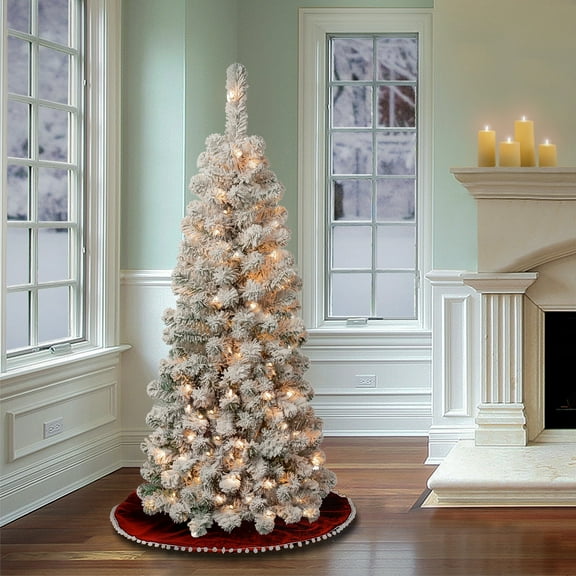
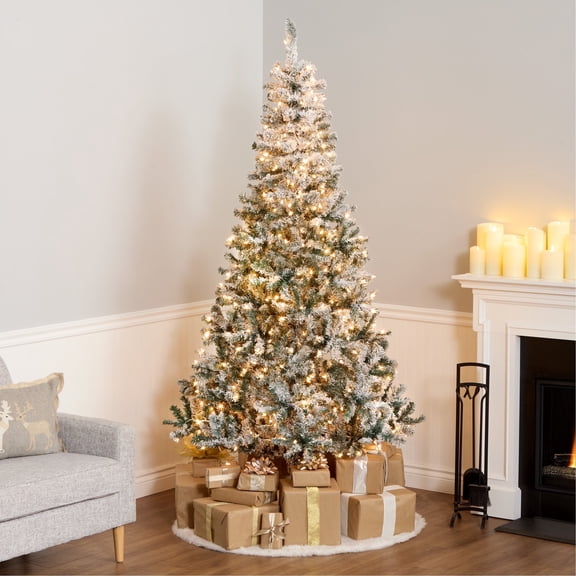
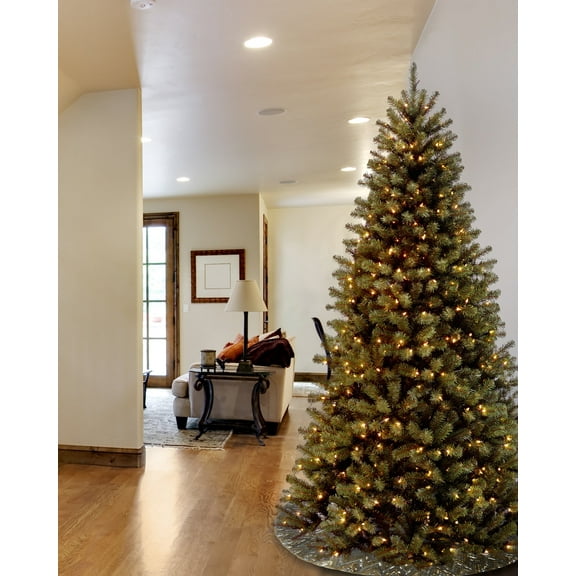
You can also connect your decor plan with related holiday decorations like Christmas trees and Christmas lights for a more complete setup. You’ll make decorating simple when your tree, lighting, and accents work together from the beginning.
Your seasonal setup feels simple to plan when you compare decor type, placement, theme, and power source before you decorate. You can create a home that looks cohesive indoors and outdoors, with Christmas decorations that fit your space and style.