

World Map Wall Art in Wall Art






















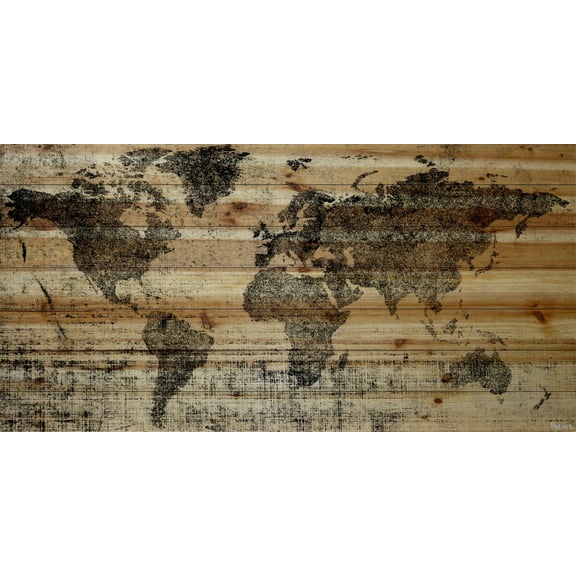





About World Map Wall Art in Wall Art - Walmart.com
You can compare composition notebooks by ruling, binding, and sheet count, so your notes stay organized through classes, meetings, and daily writing. You’ll also find options built for backpack carry, quick reference, and steady pen performance on the page.
How to choose composition notebooks for your routine
When you choose your notebook, you should start with the ruling style that matches your handwriting size and note density. You’ll usually notice college ruled pages fit more lines, while wide ruled pages leave more writing room.
If you prefer charts, diagrams, or math work, you should consider quad ruled and graph paper notebooks. You can keep numbers aligned more easily, and your sketches stay cleaner across each page.
Binding also matters when your notebook travels every day between class, work, and home. You may prefer composition and sewn spines for a classic lay-flat feel, while spiral notebooks support quick page turning.
Sheet count shapes how long your notebook lasts before you need a replacement. You can choose 70 sheets for lighter use, 100 sheets for regular courses, or 120 sheets for longer projects.
- You can use college ruled notebooks when you want more lines on each page for dense notes.
- You can choose wide ruled notebooks when your handwriting needs more space and clearer separation.
- You can pick sewn composition books when you want pages held securely through daily backpack use.
- You can select spiral notebooks when you want easy folding and fast note taking on small desks.
- You can choose a single notebook, four-pack, 12-pack, or bulk set for one class or a full supply list.
Choosing the right ruling, binding, and paper details
You should compare ruling measurements if you want a notebook that feels comfortable from the first page. You’ll find college ruled spacing is about 9/32 inch, while wide ruled spacing is about 11/32 inch.
That difference affects how many words you can fit and how open your handwriting looks. You may prefer college ruled notebooks for lecture notes, while wide ruled notebooks suit younger writers and larger print.
For binding, you should check whether you want sewn, spiral bound, or wireless glued construction. You’ll get a more traditional composition format with sewn spines, while spiral styles make page flipping simple.
If you carry notebooks in a crowded backpack, you should compare edge protection and cover stiffness. You’ll often want sturdy covers and secure binding that keep pages together during repeated use.
Paper feel matters when you write with pencils, ballpoint pens, or gel pens throughout the day. You should look for pages that handle steady writing cleanly and reduce distracting show-through from darker ink.
Pack size can also shape your choice when your supply list covers several classes or shared work areas. You can grab a single notebook for one subject or a composition book pack for several needs.
Matching notebooks to school, office, and creative tasks
You can use notebooks for school when you need one book per class, term, or project. You may assign different cover colors to subjects, so your schedule feels easier to track.
For lecture-heavy classes, you should consider college ruled notebooks with 100 sheets or more. You’ll have room for detailed notes, reading summaries, and extra margin reminders on busy days.
If your child needs larger writing spaces, you may want wide ruled notebooks for everyday practice and homework. You can keep letters and numbers more readable, especially during early writing stages.
When you sketch graphs, plan layouts, or solve equations, you should look at graph paper notebooks. You can line up figures, boxes, and charts without switching to loose sheets.
For meetings, lists, and daily planning, you may prefer pocket notebooks or slimmer formats for quick access. You can tuck them into a tote, desk drawer, or car console with less bulk.
If you stock a classroom, office supply cabinet, or shared family workspace, you should compare four-pack, 12-pack, and bulk options. You’ll keep extra school notebooks ready when a new class or project starts.
Subject notebooks can help you separate topics when you manage several courses or ongoing assignments. You can organize sections by class notes, reference pages, and to-do lists in one place.
What to look for before you choose
You should check the cover style, page count, and ruling before you commit to a notebook format. You’ll get a smoother fit for your routine when those details match how you write.
Color assortment can also help you sort classes, projects, and family needs at a glance. You can create a simple system that keeps your desk, backpack, or locker easier to manage.
When you compare composition notebooks carefully, you can match each notebook to real writing habits instead of guessing. You’ll end up with pages, spacing, and binding that support cleaner notes every day.