


Weight Lifting Belts in Weight Lifting Accessories



























About Weight Lifting Belts in Weight Lifting Accessories - Walmart.com
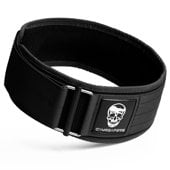
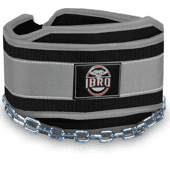
Your weight lifting belt choice can shape how steady and confident you feel under a loaded bar. You can compare sizing, thickness, width, material, and closure before you choose your training setup.
If you're building a home gym or training for heavier sets, you need details that match your routine. You can also check online, pickup, and in-store availability when you want a gym-ready option with less guesswork.
How to choose a weight lifting belt
You should measure your waist at the navel, not by using your pant size. Your belt sits where you brace, so your navel measurement gives you a more precise fit.
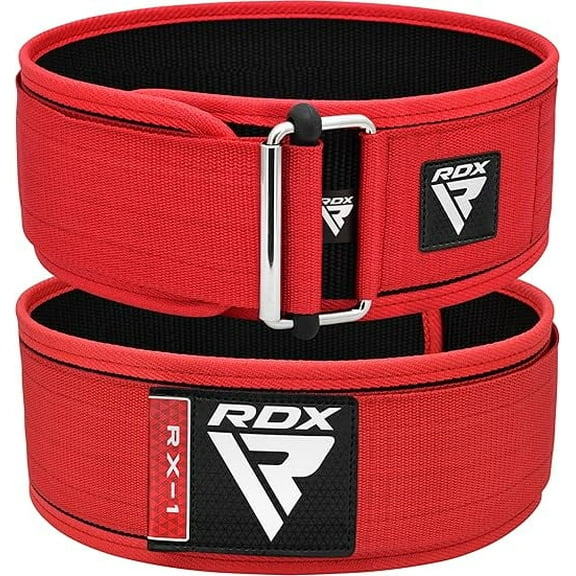
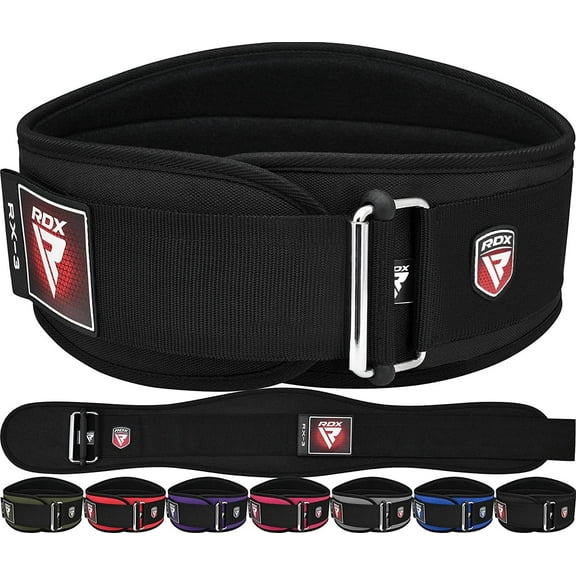
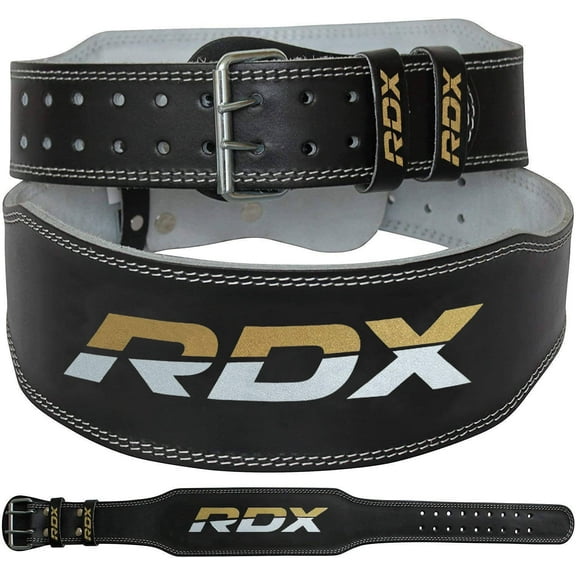
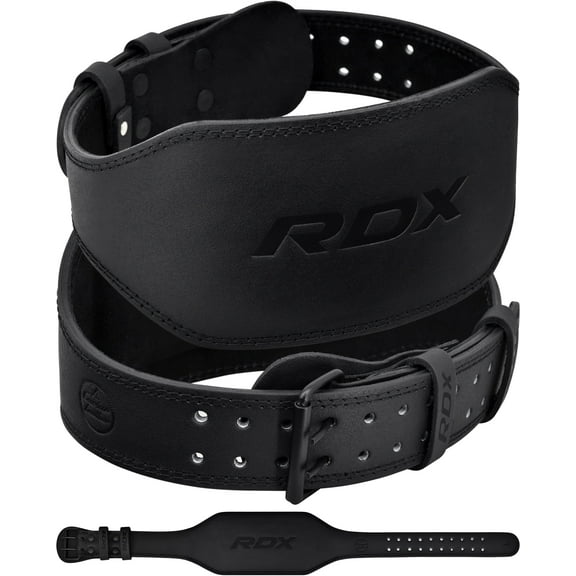
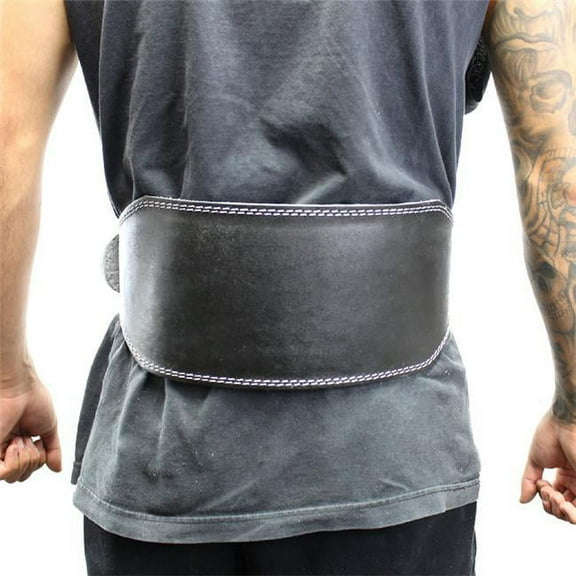
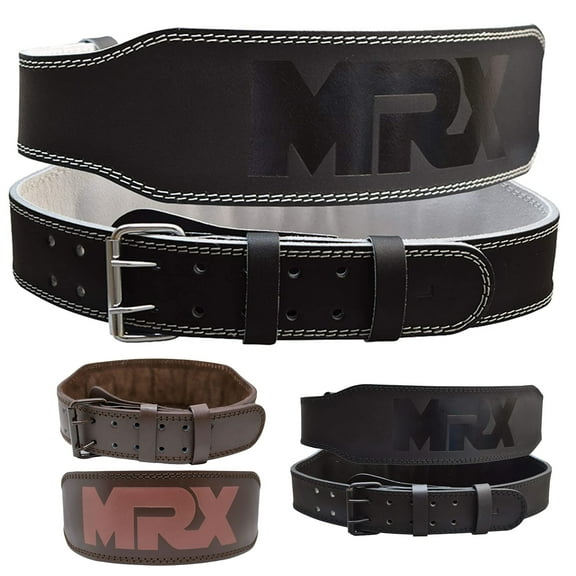
When you compare widths, you'll notice that a 4-inch belt gives your midsection steady contact around the torso. A tapered shape gives your ribs and hips more room during setup.
You may also see 6-inch designs for broader back coverage in some routines. Your body shape and lifting style should guide that choice, because extra width can feel bulky on squats or pulls.
Choosing a weightlifting belt by material
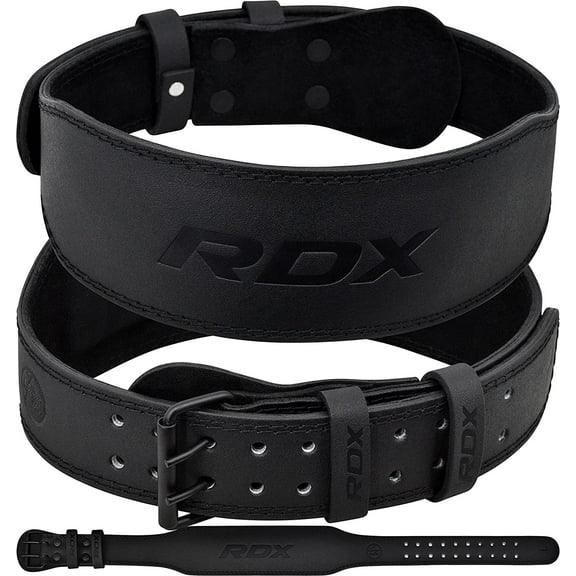
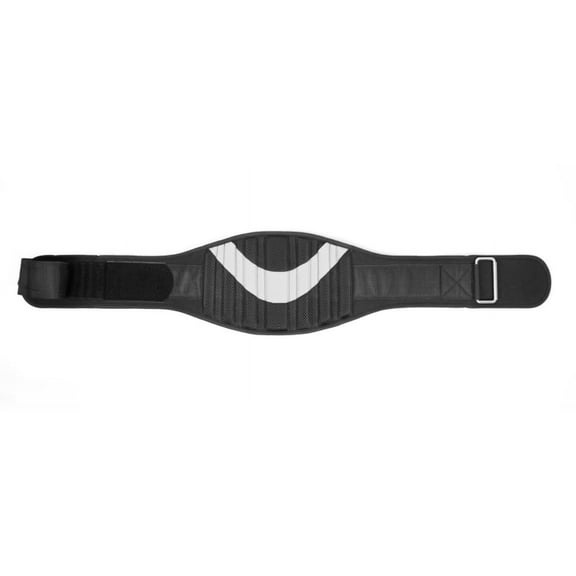
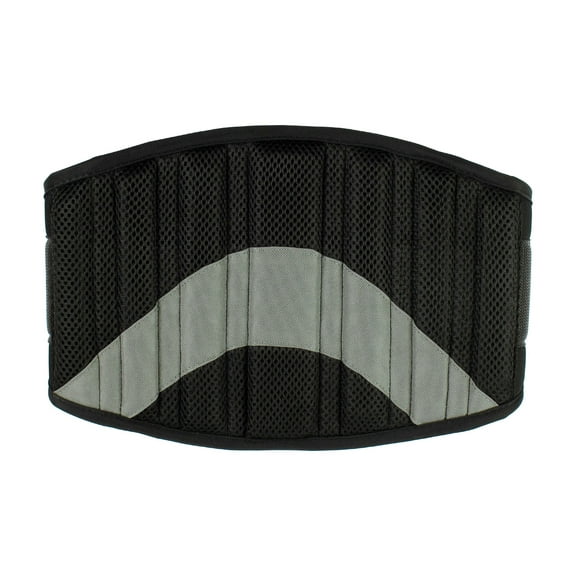
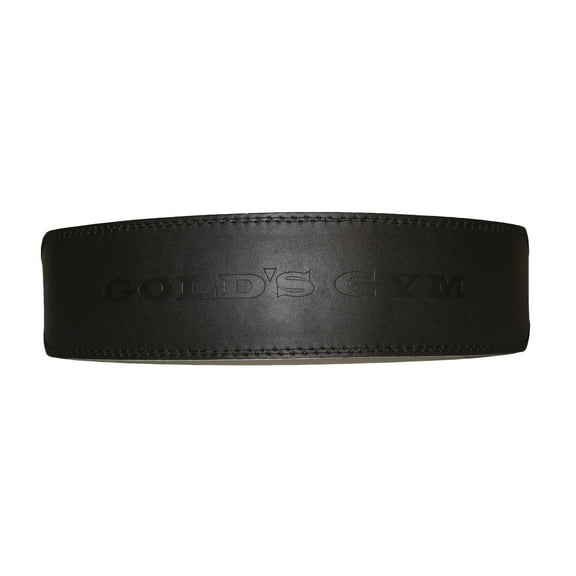
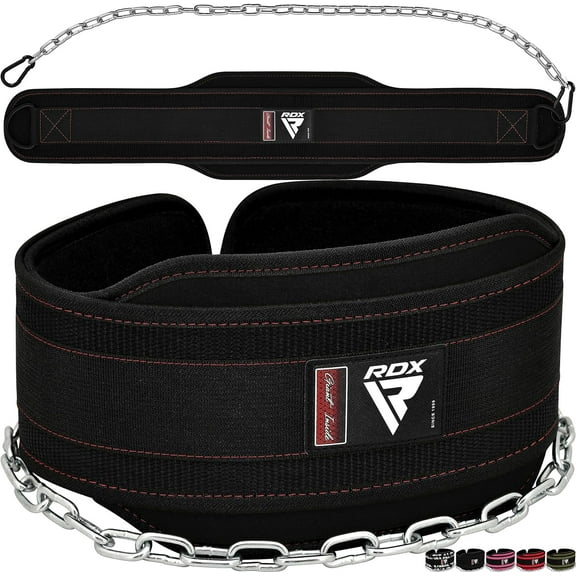
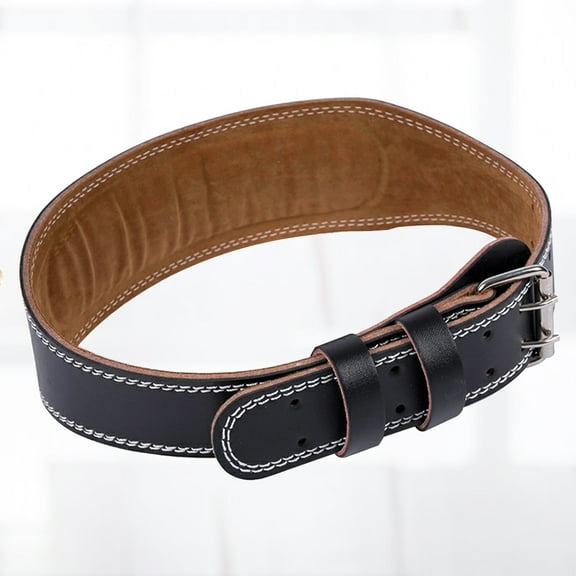
Leather and nylon feel different as soon as you tighten them, so your training style matters. You may prefer leather for a firmer wall to brace against, while your nylon option can feel lighter and easier to move in.
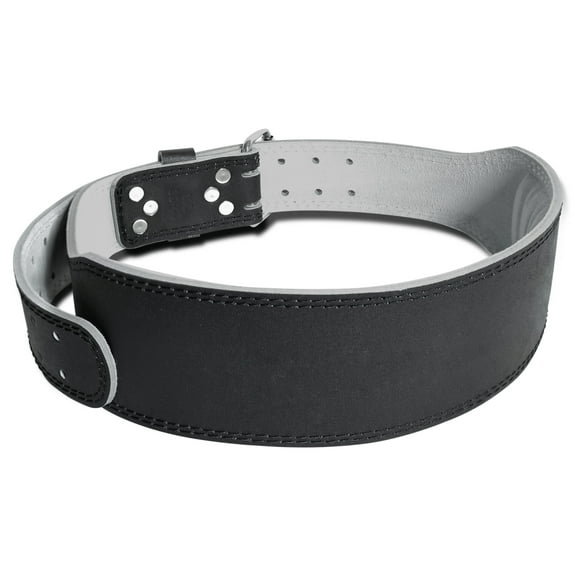
If your workouts center on powerlifting, your leather belt often gives you a more rigid feel during heavy squats and deadlifts. If your sessions mix circuits, machine work, and fast transitions, your nylon belt can feel less restrictive.
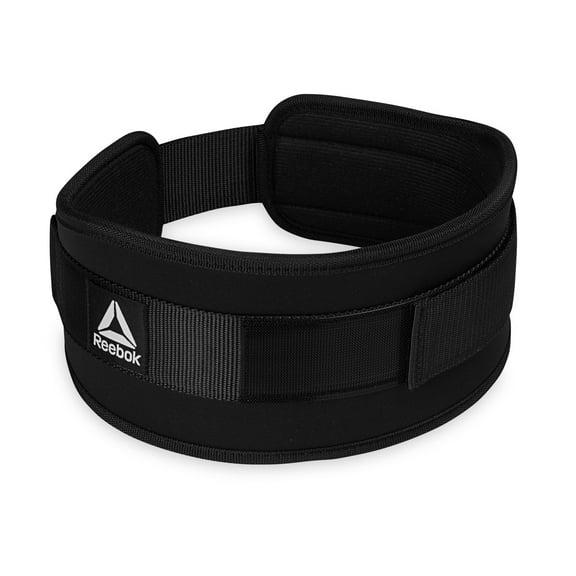
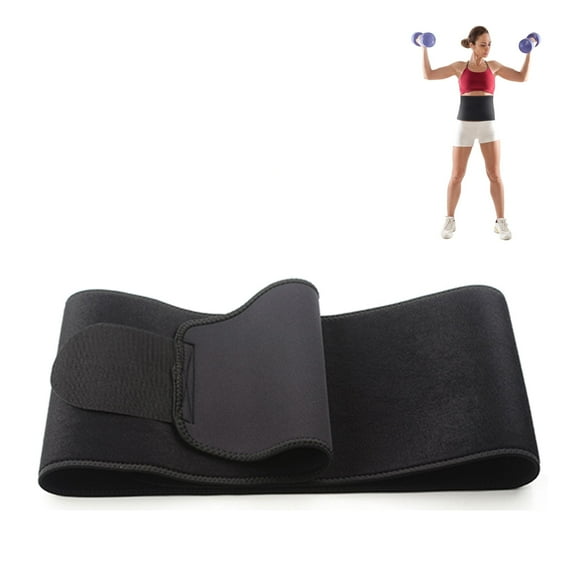
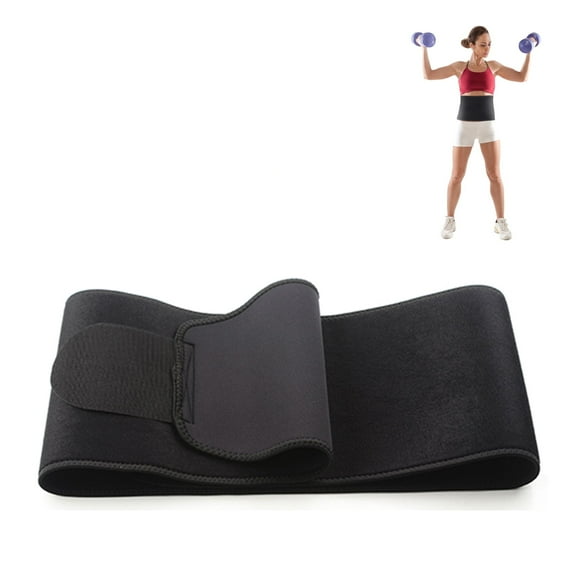
Neoprene styles can add a softer feel against your waist during general fitness sessions. You might choose that route when your working out belt needs flexibility for varied movements and shorter lifting blocks.
Comparing lever, prong, and hook-and-loop closures
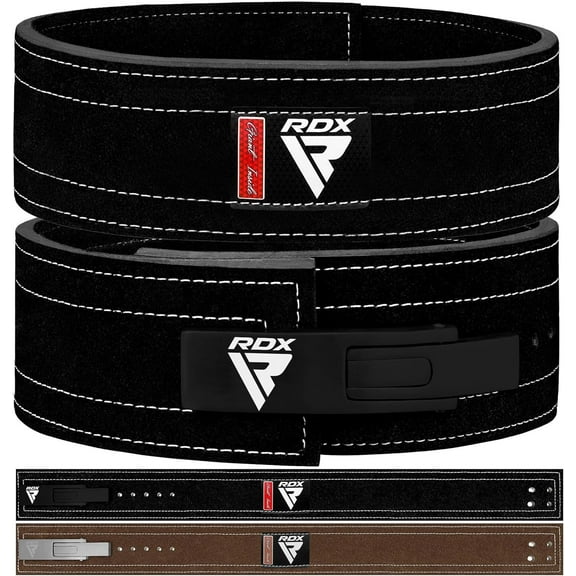
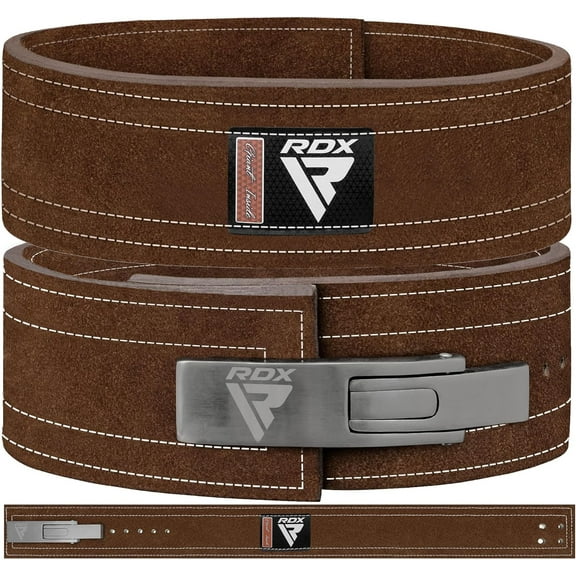
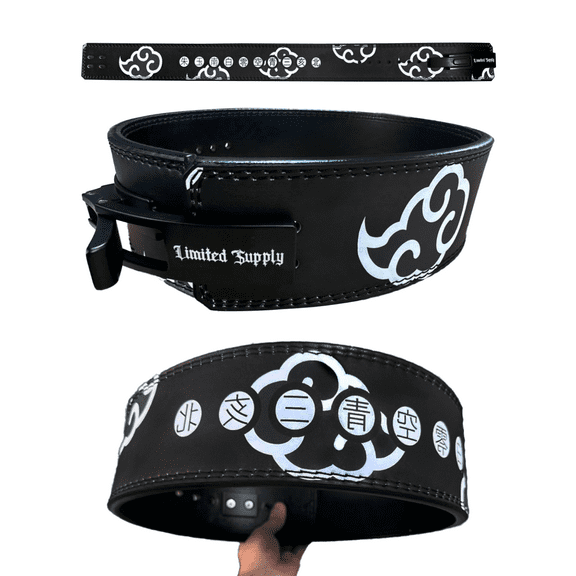
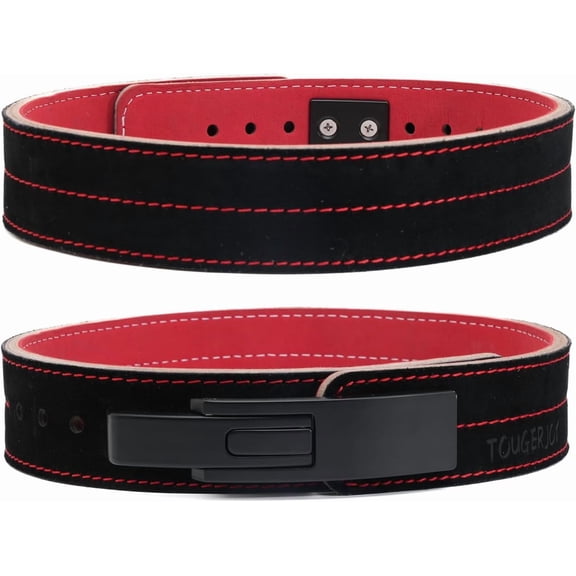
Your closure type changes how fast you adjust the belt between warmups and work sets. You can pick a lever setup when you want a locked-in feel at one repeatable setting.
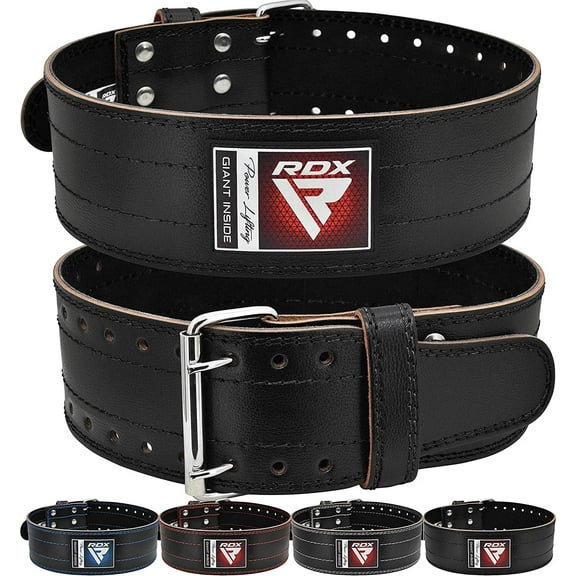
A single prong belt gives you straightforward tightening and easy day-to-day changes. A double prong style can feel extra structured, though your adjustment may take a little more time.
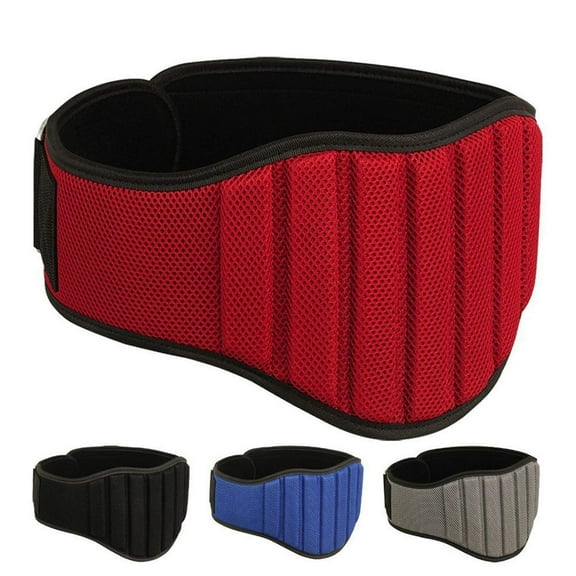
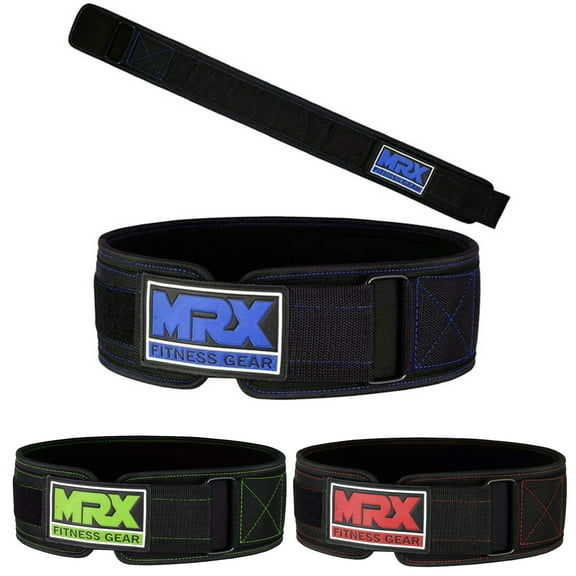
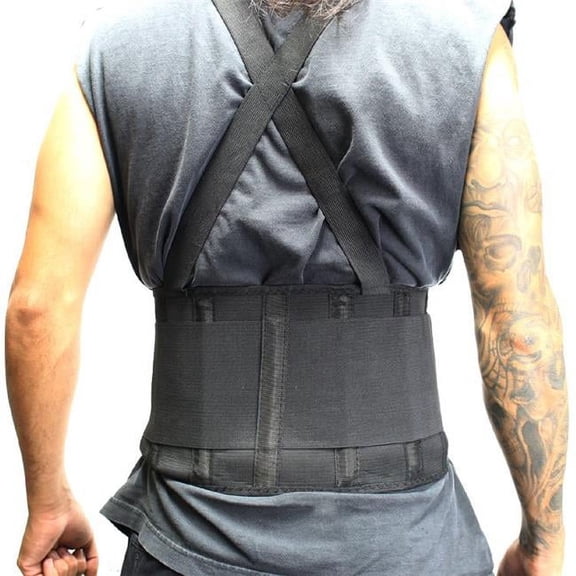
Hook-and-loop closures can work well when your training includes frequent changes in tightness across movements. You may like that quick adjustability for Olympic lifting, bodybuilding sessions, or a mixed-use gym belt.
- You can use a lever belt for repeatable tightness on heavy strength days.
- You can choose a prong belt when your waist measurement shifts between training phases.
- You can pick hook-and-loop when your workouts move quickly between different exercises.
- You can compare closure hardware if your routine alternates between squats, pulls, and accessory work.
What thickness and width mean for your lifting belt
Your thickness choice affects how stiff the belt feels when you brace for a rep. You can look at 10mm belts for a balance of structure and flexibility during regular strength training.
A 13mm option usually feels denser and less forgiving when you first wear it. You may prefer that firmer build if your focus is heavier powerlifting sessions and a very rigid brace.
You may also compare thickness with competition rules if your training follows federation standards. You can use that check to narrow choices before meet prep or structured strength cycles.
Width matters just as much, because your torso length changes how a belt sits at the bottom of a squat. You should compare 4-inch and tapered profiles if your current setup pinches near your ribs or hips.
Matching a squat belt to your activity
Your activity should guide your final choice, because one setup won't suit every training style. You can narrow your options faster when you match belt design to powerlifting, Olympic lifting, bodybuilding, or general fitness.
For powerlifting, you may want leather, a firm 4-inch profile, and either lever or prong closure. That combination gives your squat belt a steady feel for squats, bench bracing, and deadlift setup.
For Olympic lifting, you might prefer nylon or a tapered design that moves more easily through cleans and snatches. Your lifting belt should stay supportive without feeling too rigid in deeper catch positions.
For bodybuilding, you may want quicker adjustments as you rotate through several movements and machines. Your gym belt can feel more practical with hook-and-loop closure and a shape that stays comfortable between sets.
If your routine covers general fitness, you may want moderate structure and easier mobility over extra stiffness. Your weight lifting belt can support loaded carries, machine work, and basic barbell training with less break-in time.
What to check before you buy a weight lifting belt
You should review size charts carefully and compare them with your navel measurement before you choose. You can avoid common fit issues when your belt size matches your braced waist instead of your jeans.
It also helps to compare belt width, material, closure, and thickness against the lifts you do most often. You can build a more useful setup when your belt matches your training days, not just one lift.
When you choose with those details in mind, your belt feels more natural from the first session. You can train with a steadier brace, faster setup, and a fit that supports your actual routine.