


Exercise Balls





































About Exercise Balls - Walmart.com
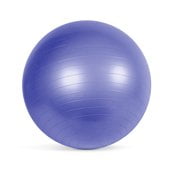
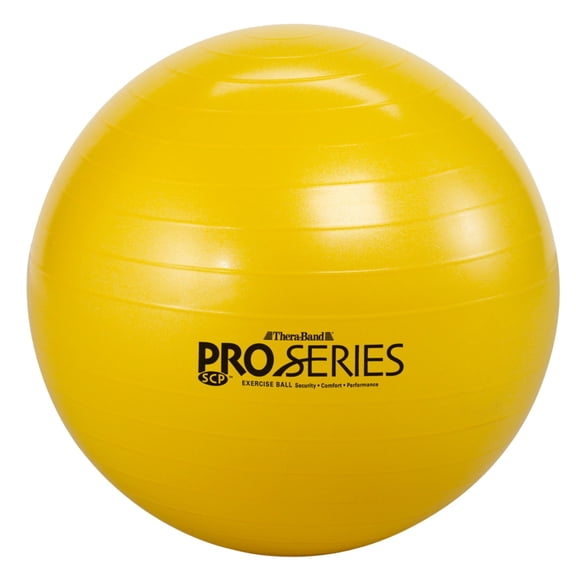
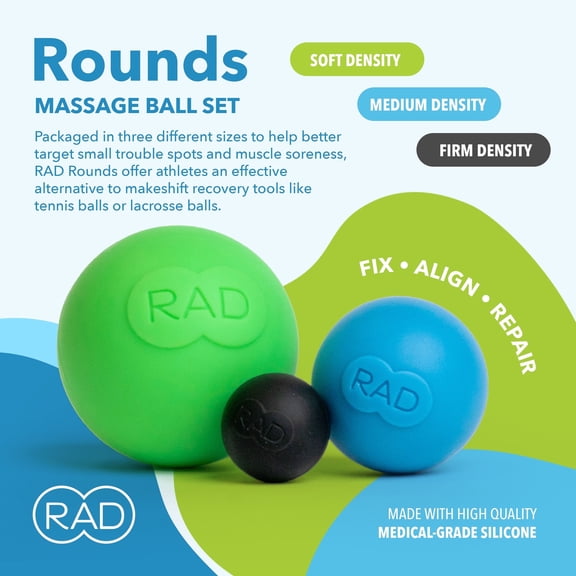
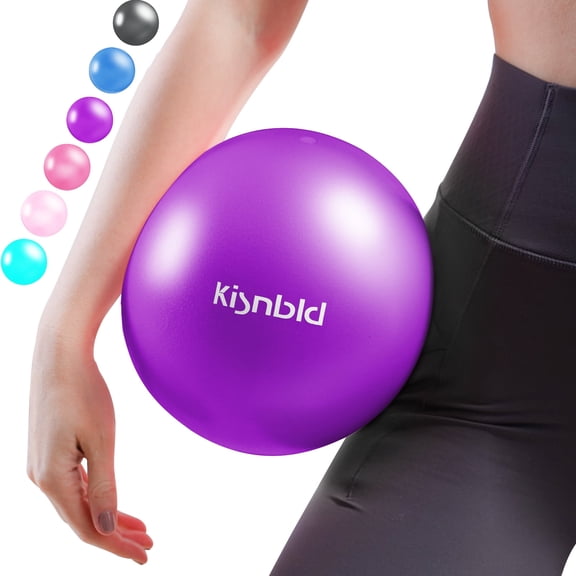
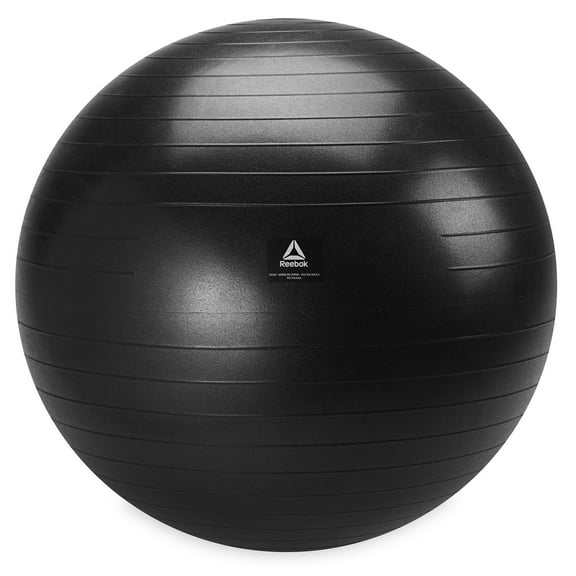
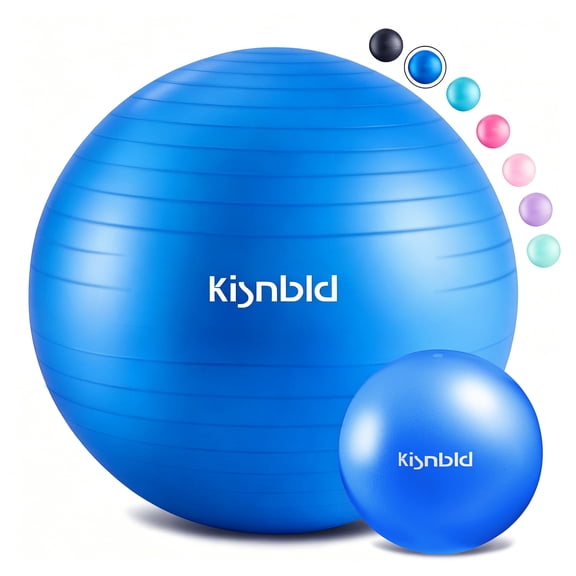
Exercise balls help you build a more versatile workout space at home, at work, or in your studio. You can compare size, grip, and setup details here, so your pick fits your height and routine.
How to choose exercise balls by size
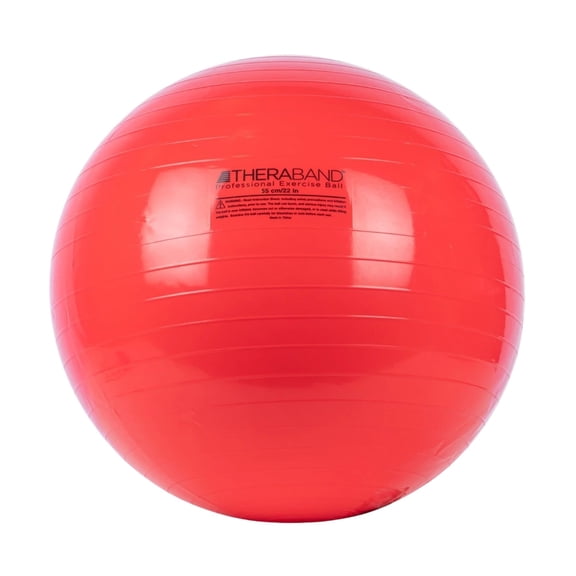
You should start with exercise ball size, because diameter affects how stable and comfortable your setup feels. You can usually compare 55cm, 65cm, and 75cm options based on your height and how you plan to sit.
If you're on the shorter side, you may prefer 55cm balls for better knee and hip alignment. If you're average height, you may find 65cm options easier for desk use and floor exercises.
If you're taller, you may need 75cm balls so your legs and torso stay in a natural position. You should check whether your knees rest near a right angle when you sit.
Key benefits you can expect from a stability ball
You can use a stability ball for more than one routine, which makes this category especially flexible. You might use the same ball for stretching, core drills, active sitting, or pregnancy support.
- You can add variety to planks, crunches, bridges, and mobility work.
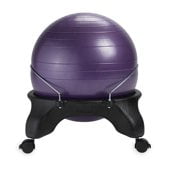
- You can support seated movement during desk time with an exercise ball chair setup.
- You can use a yoga ball for floor work, balance drills, and gentle stretching.
- You can choose a birthing ball format for supportive seated positioning and light movement.
You may also notice that a round surface changes how your body engages during simple moves. You can make small adjustments with your core and legs while you sit or exercise.
Because the ball rolls and shifts, you can practice balance in a controlled way. You can also move it easily between your living room, office, or workout corner.
What to look for in safety features and materials
You should compare safety details before you choose a fitness ball for daily use. You can look for anti-burst construction, slip-resistant texture, and heavy-duty PVC materials.
When you see anti-burst language, you should think about slow deflation instead of a sudden pop. That means you can feel more confident during seated use, stretching, and controlled workouts.
You should also compare the surface texture, because grip changes how secure the ball feels. You may prefer a ribbed finish if your hands or floors need extra traction.
If you want a smoother feel, you can look for a smooth surface with a stable base ring. You should check whether a stability ring helps keep the ball in place between uses.
Comparing pumps, setup, and included accessories
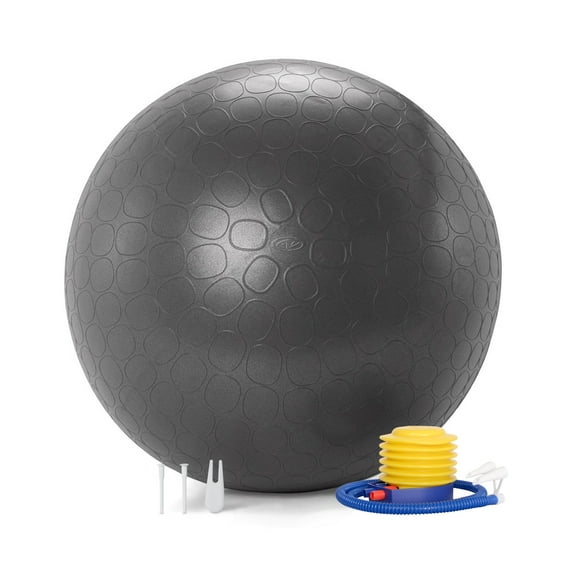
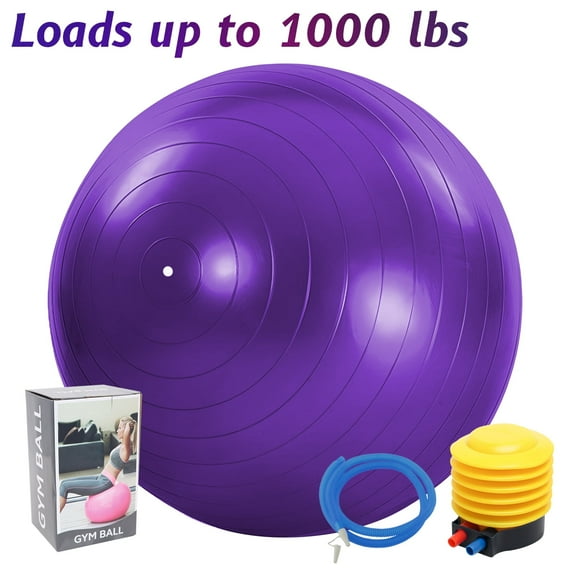
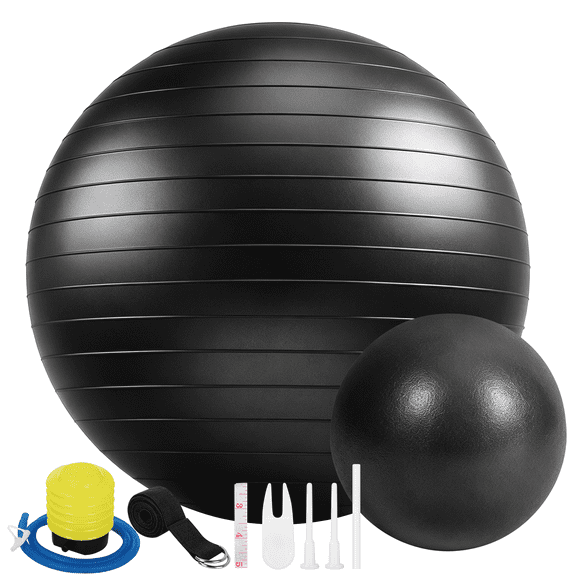
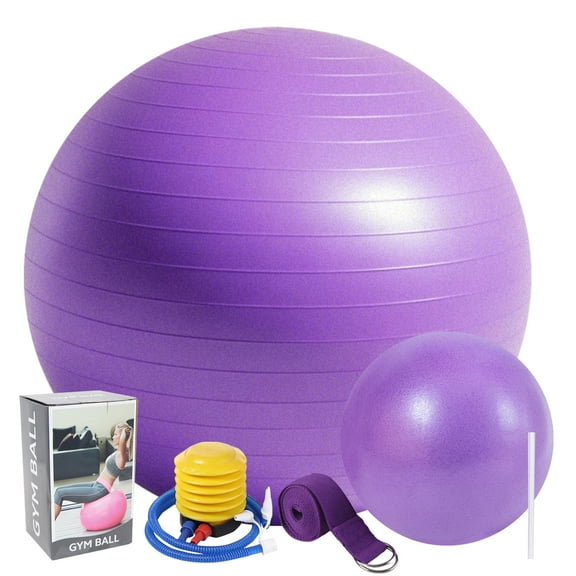
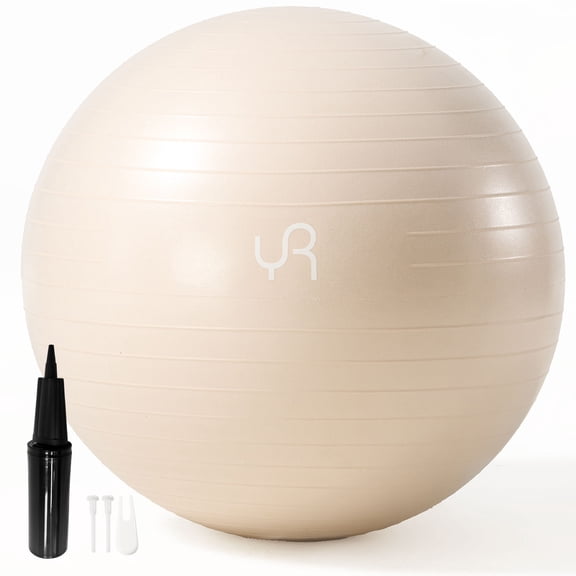
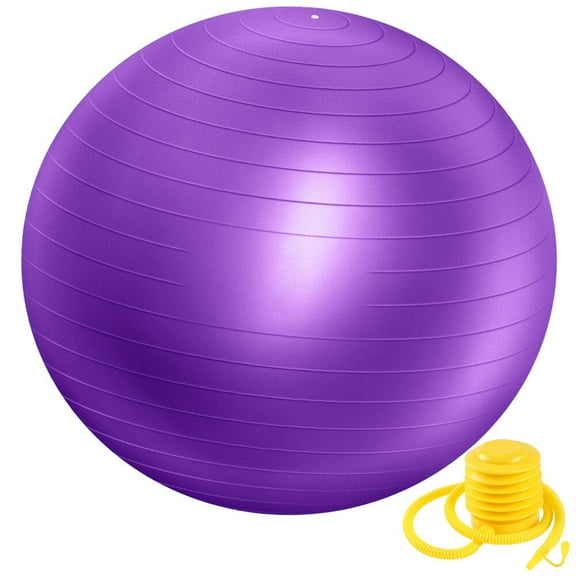
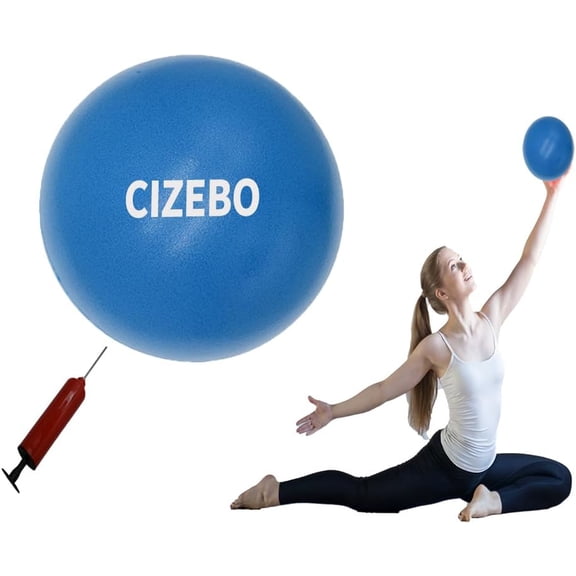
You should check what comes in the box before you choose among exercise balls. You may want an exercise ball with pump, a stability ring, or a printed exercise guide.
A quick inflation pump can make setup easier, especially if you're filling the ball for the first time. You should expect some balls to need a short stretching period before the final inflation.
That initial stretching period matters because new material can relax after the first fill. You may need to top off the air later, so the ball reaches its intended diameter.
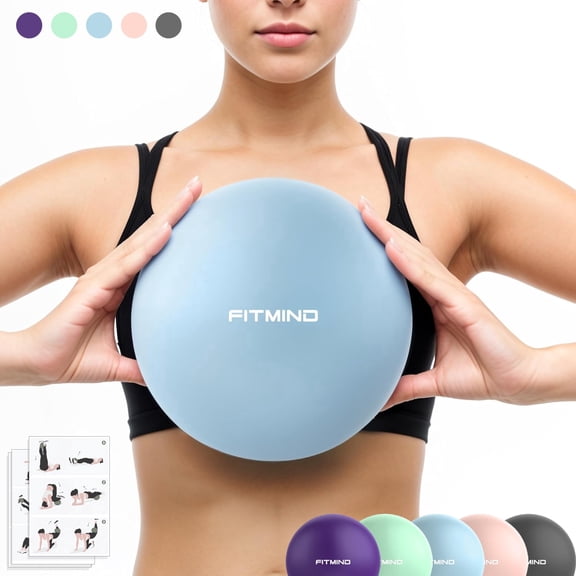
You should also compare guides or starter charts if you're new to this category. You can use them to check size, basic moves, and inflation steps without guesswork.
Matching use cases to the right ball
You should match your ball to your routine, because use case changes what features matter most. You may want different details for yoga, birthing support, office seating, or core strength.
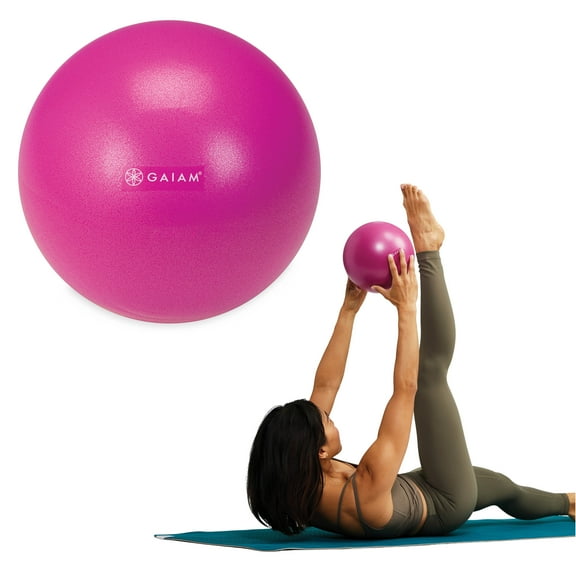
For yoga and stretching, you may prefer a workout ball with reliable grip and easy repositioning. You can use it for supported poses, back extensions, and mobility-focused sessions.
For core strength, you should look for a balance ball that feels steady under shifting weight. You can use it for wall squats, hamstring curls, rollouts, and crunch variations.
If you're planning an exercise ball chair setup, you should focus on diameter, texture, and ring support. You can create a seated position that feels more stable during calls, reading, or computer work.
For birthing support, you may look for a birthing ball with the right height and a reassuring surface. You can use gentle bouncing, seated rocking, and supported leaning in comfortable positions.
You can also build a more complete home routine by pairing your ball with yoga mats, resistance bands, or dumbbells. That combination helps you create warmups, strength circuits, and recovery sessions with one setup.
Why these exercise balls details matter
You can choose with more confidence when you compare diameter, grip, anti-burst design, and included accessories together. That approach helps you find exercise balls that fit your height, space, and everyday routine.