


Find auto parts that fit
Let’s search for parts that fit your vehicle.Wireless Backup Cameras for Trailers in Backup Cameras by Vehicle
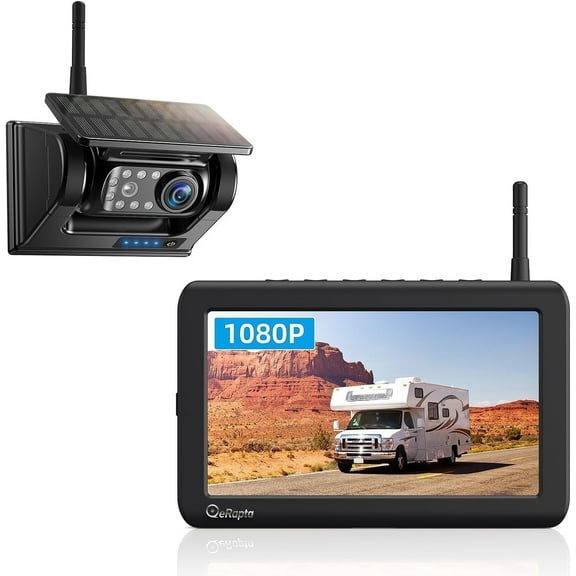

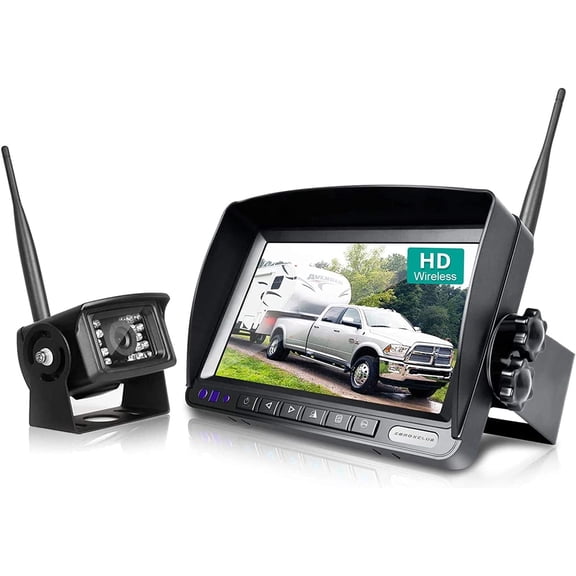

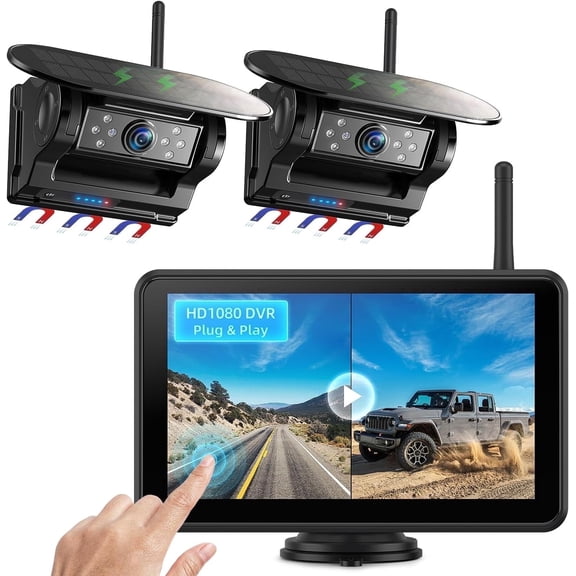

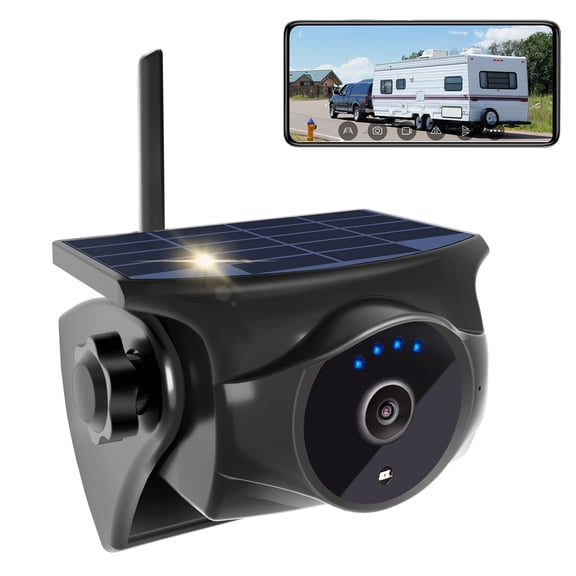
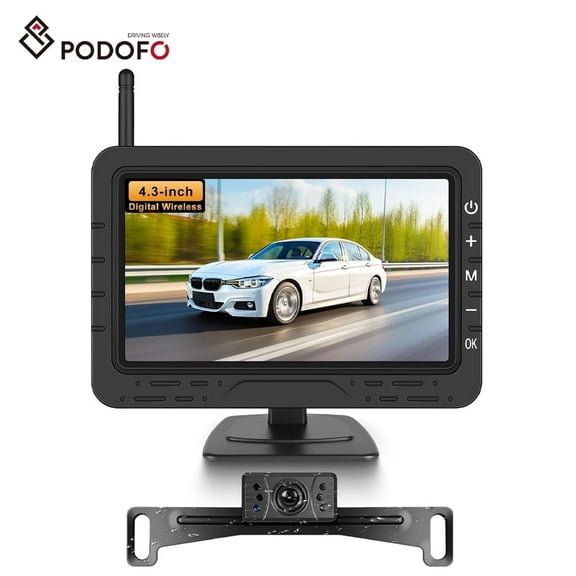
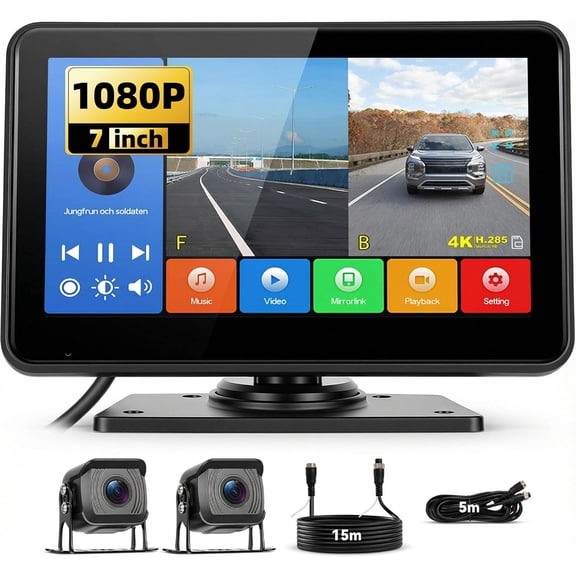

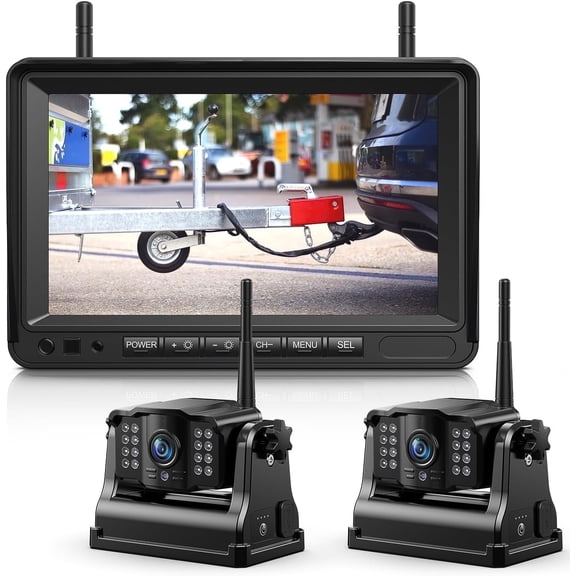
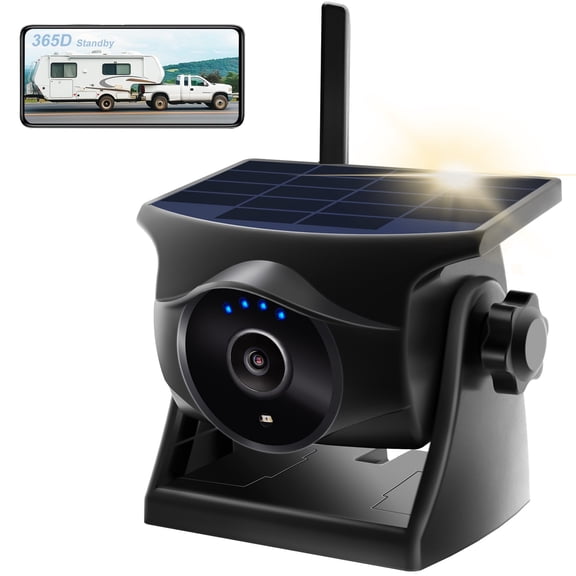

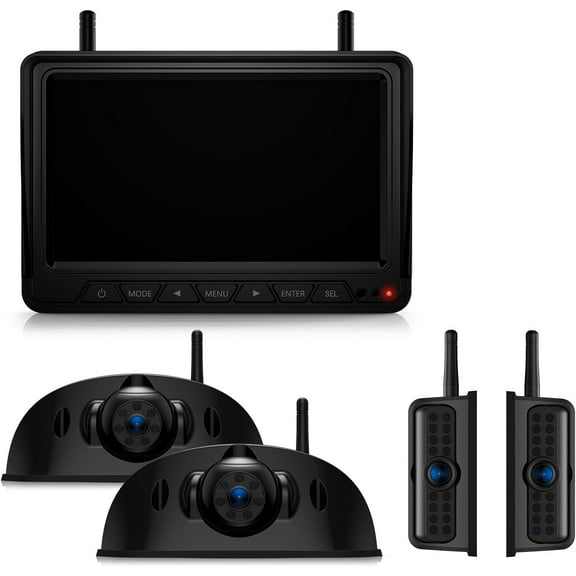

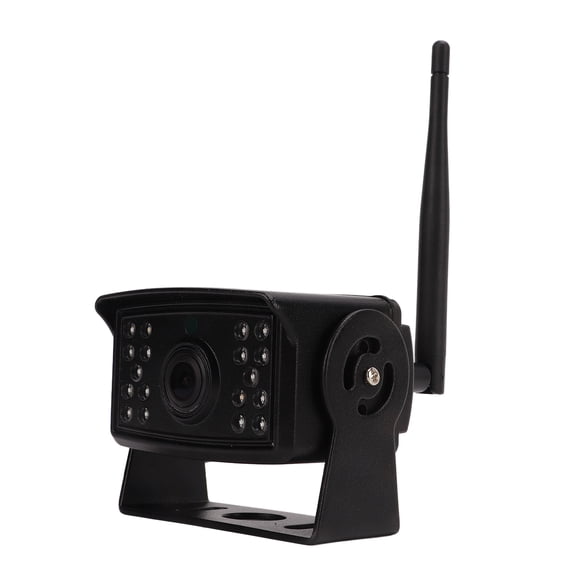
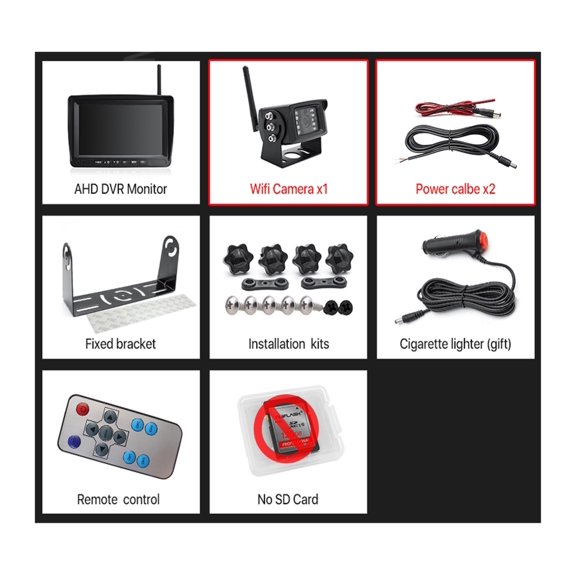
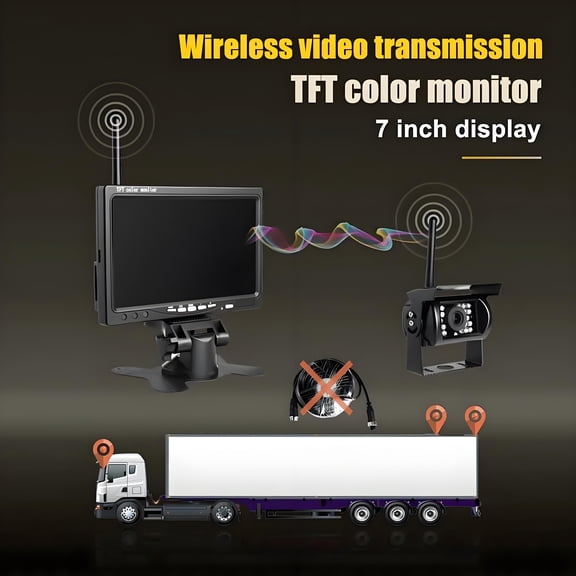




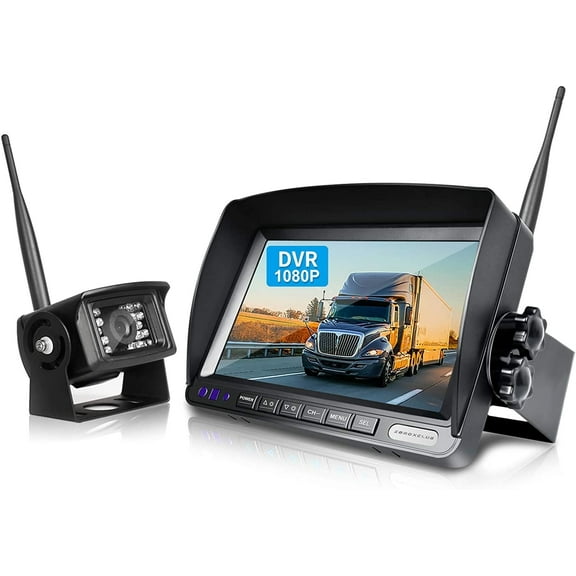

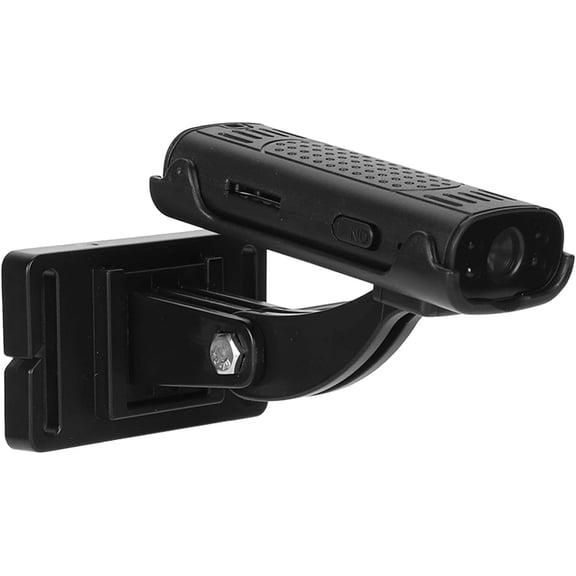

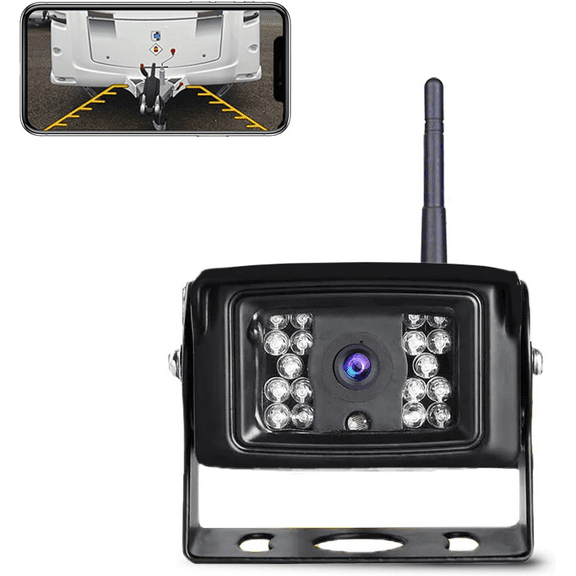
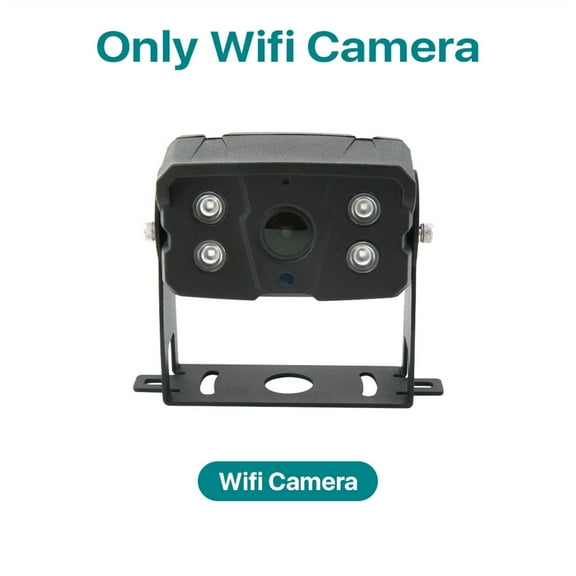



About Wireless Backup Cameras for Trailers in Backup Cameras by Vehicle - Walmart.com
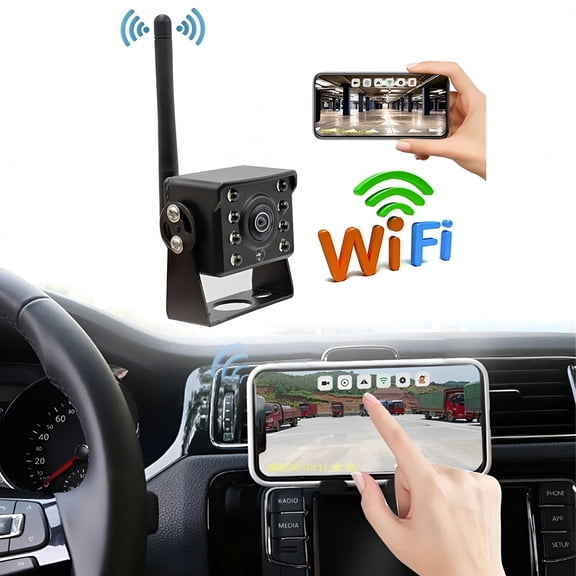
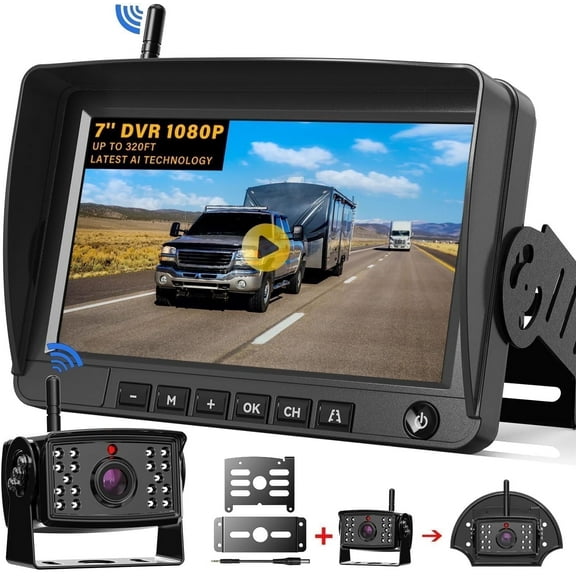
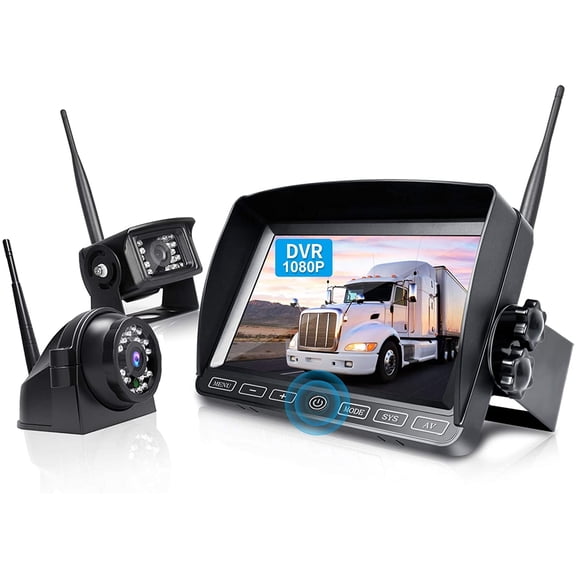
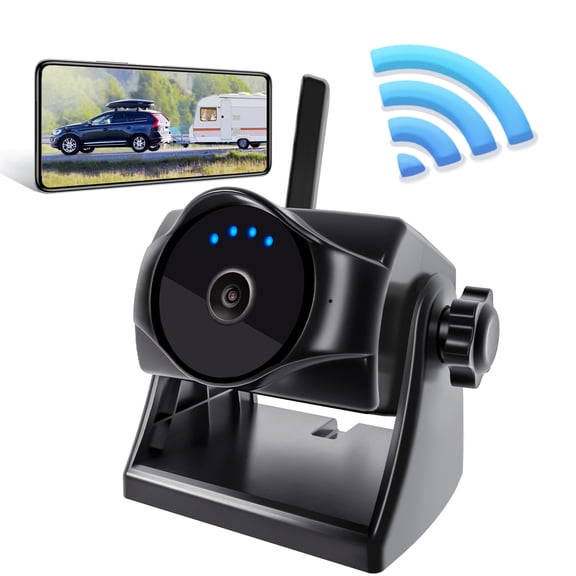
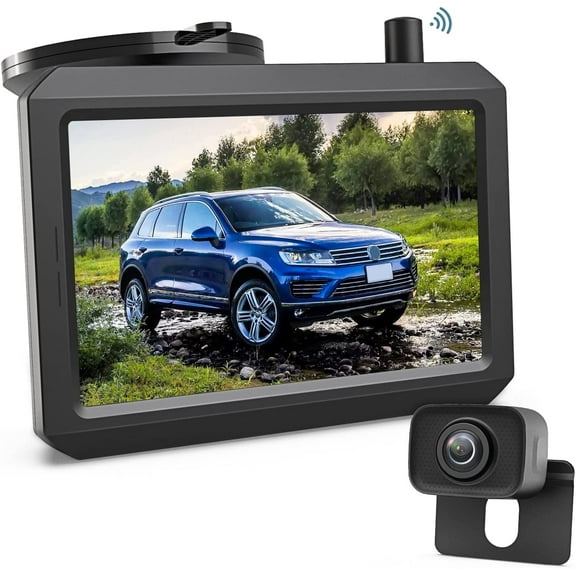
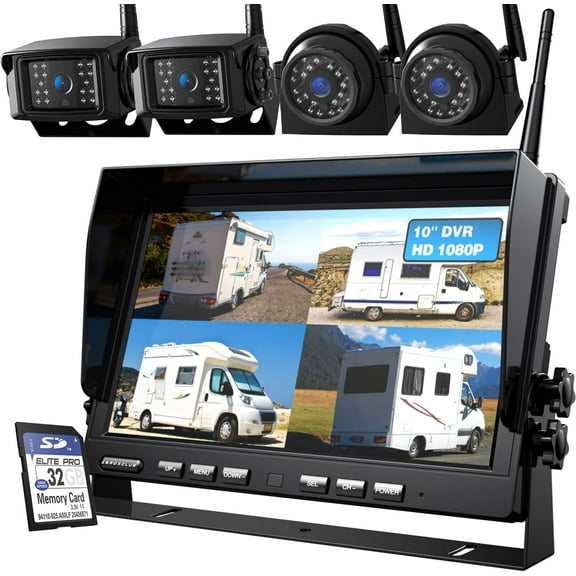
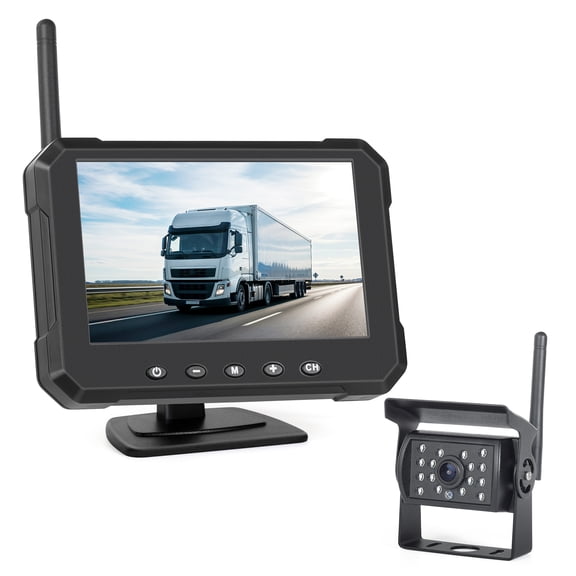
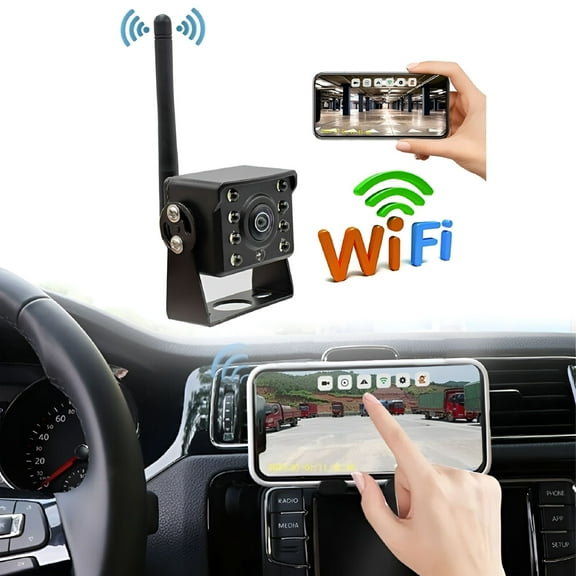
Your camper camera setup can make backing, hitching, and trailer checks feel controlled at campsites, storage pads, and tight driveways. You can compare wireless backup camera for trailer options by camera type, compatibility, connectivity, and installation style.
As you narrow choices, you should focus on the decisions that shape daily towing use. You can compare signal stability, mounting style, monitor placement, and power setup before you choose.
How to choose a camper camera
When you compare a camper camera, you should start with the camera type that fits your towing routine. You may want a backup view for reversing, a rearview feed for driving, or a wireless camera for inside trailer visibility.
If you switch between rigs, you should also check vehicle compatibility before you decide. You can look for options made for an RV, camper, travel trailer, or fifth wheel, so your install feels straightforward.
You should also match installation style to the view you need every trip. You can compare license plate mounts, bracket mounts, and magnetic hitch mount designs based on your trailer layout.
Key benefits of a wireless backup camera for trailer use
You can gain a clear view behind your trailer when you back into campsites, fuel stops, and narrow storage lanes. You can also spend less time guessing angles when you line up your trailer.
A wireless rv backup camera can also help you watch the lane behind your rig while you drive. You can monitor a longer trailer body with fewer blind spots during highway travel and campground turns.
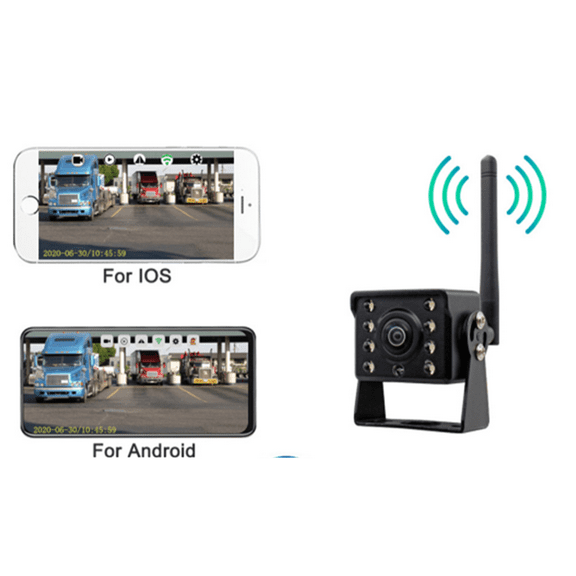
Many rv cameras wireless shoppers also want fast setup and easy relocation between tow vehicles. You can move certain mount styles without the fixed routing that wired systems often require.
- You can compare backup, rearview, inside trailer, and hitch camera styles for different towing tasks.
- You can look for digital wireless signals that help reduce static from nearby electronics and road interference.
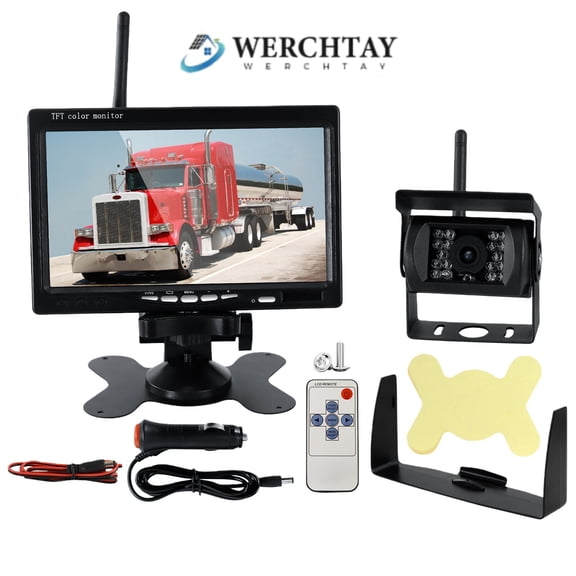
- You can choose monitor sizes and mounts that fit your dashboard, windshield, or mirror area.
- You can check power options like solar assist, battery operation, or pre-wired prep compatibility.
You can also appreciate camera systems built for road spray, rain, and changing travel seasons. You can look for night vision support and weather-ready housings when you camp early or return after sunset.
Choosing connectivity for a wireless rv backup camera
When you compare connectivity, you should first decide whether you want wireless, digital wireless, or wired support. You may prefer digital wireless when you want a steady picture and a simple installation path.
Signal range matters when you tow a longer camper, travel trailer, or fifth wheel. You should check listed distance claims and compare them with your trailer length and monitor location.
You may also want to compare operating frequency when signal interference is part of your route. You can use that detail to understand why one system may hold a clean connection around traffic and campsites.
If you’re comparing an rv backup camera system wireless option, you should also check monitor pairing and refresh speed. You may notice smooth guidance when the image updates quickly as your trailer changes direction.
Choosing power source and installation type
You should compare how the camera gets power before you choose a system. You may prefer solar-assisted charging, battery operation, or pre-wired Furrion prep when your camper already has a camera location.
If your trailer is prepped for a common camera position, you should check whether the system fits that housing style. You can usually get a clean install when the bracket and power connection match your setup.
A wireless trailer hitch camera can fit your routine when hookup alignment is your main goal. You can place it near the coupler for a close view, then remove or reposition it as needed.
Choosing screen size, night vision, and weather resistance
Screen size affects how easily you can read guide lines, trailer corners, and nearby obstacles while you maneuver. You should compare compact monitors with large displays based on your cab space and viewing distance.
You can also compare how the monitor mounts inside your vehicle before you decide. You may prefer a dash mount, windshield suction mount, or mirror-style display depending on your sight line.
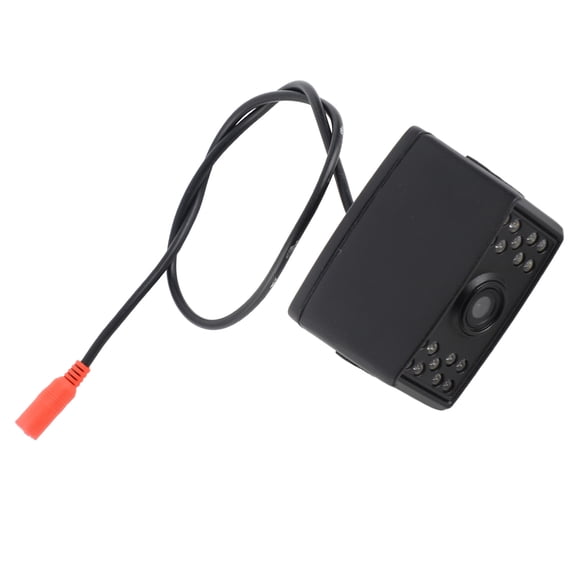
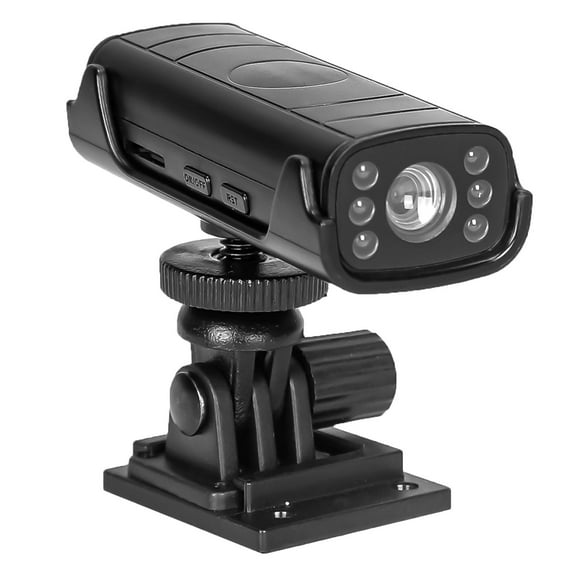
Night vision features matter when you arrive after sunset or leave before daylight. You can look for infrared LEDs because they help your camera show the trailer area in lower light.
Weather resistance is another decision point you shouldn’t skip for year-round towing. You can check for an IP69K rating when you want a housing built for rain, road spray, and washdowns.
Compare wireless trailer camera systems for real use
When you compare wireless trailer camera systems, you should match the camera type to your regular towing tasks. You may want a trailer rear camera for backing, plus an inside camera for cargo or interior checks.
If you tow a camper on weekend trips, you may want a monitor that powers on quickly and pairs with few steps. You can keep setup simple with a mount style that fits your current trailer hardware.
For longer RV trips, you may prefer a wireless rv backup camera with a large monitor and strong signal range. You can benefit from a setup that stays readable on highways, fuel stops, and campground loops.
If hookup accuracy is your focus, you should consider a wireless trailer hitch camera with a close, centered view. You can reduce repeated pull-ups when the hitch ball and coupler are easy to see.
When interior visibility matters, a wireless camera for inside trailer use can help you check cargo placement or trailer activity. You can choose that style when your towing needs go beyond a rear-only view.
With the right mix of camera type, connectivity, and mounting style, you can make towing tasks feel precise. This provides a setup that supports smooth reversing, clean hookups, and a steady rear view.