


Find auto parts that fit
Let’s search for parts that fit your vehicle.Wireless Backup Cameras in Backup Camera Types




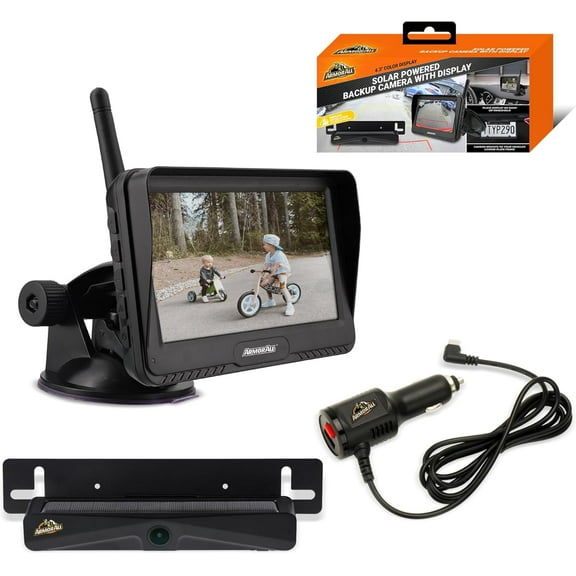
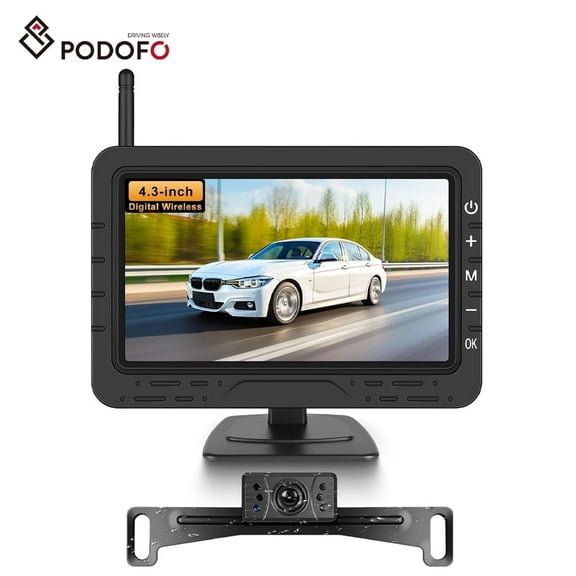
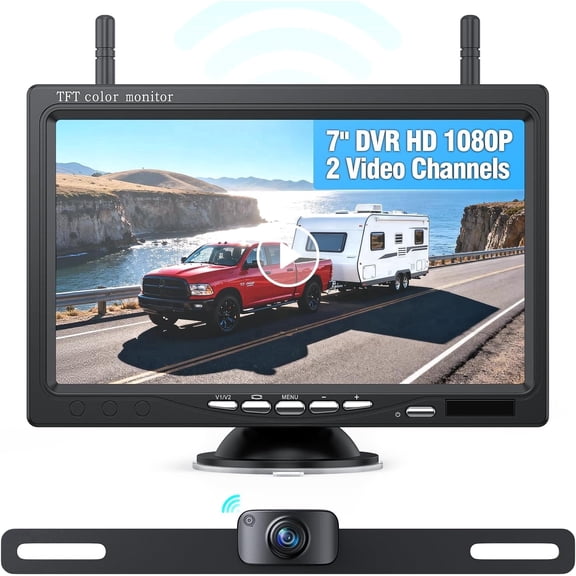
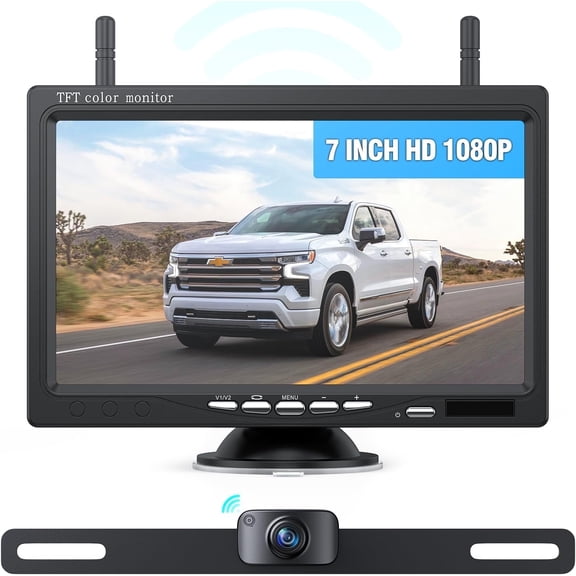





About Wireless Backup Cameras in Backup Camera Types
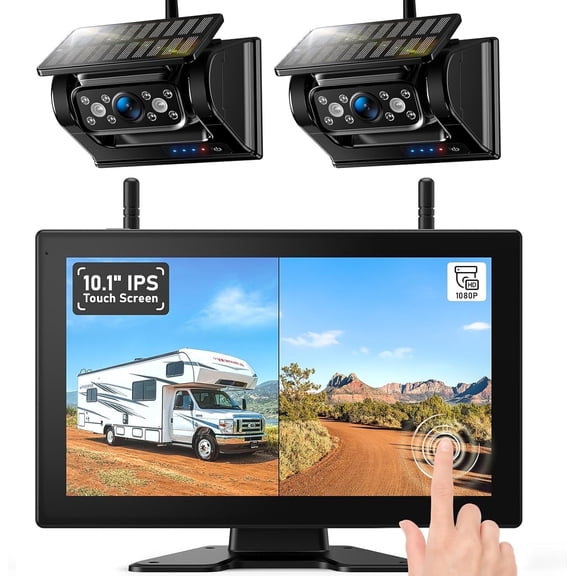
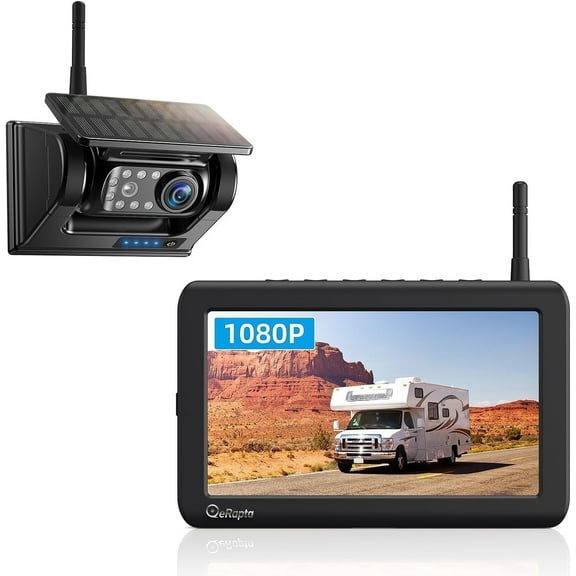
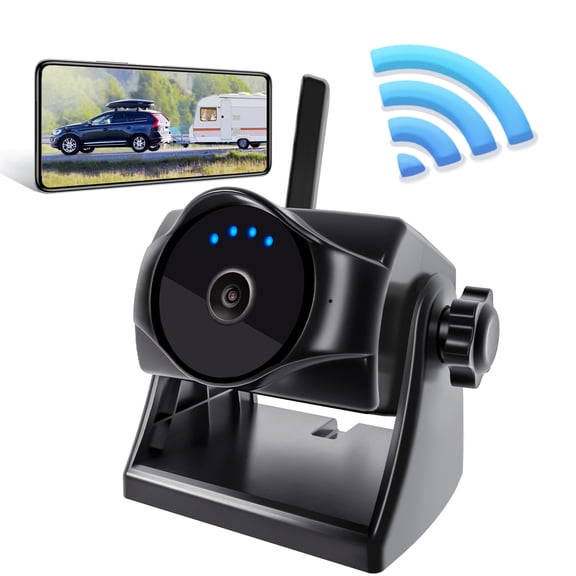
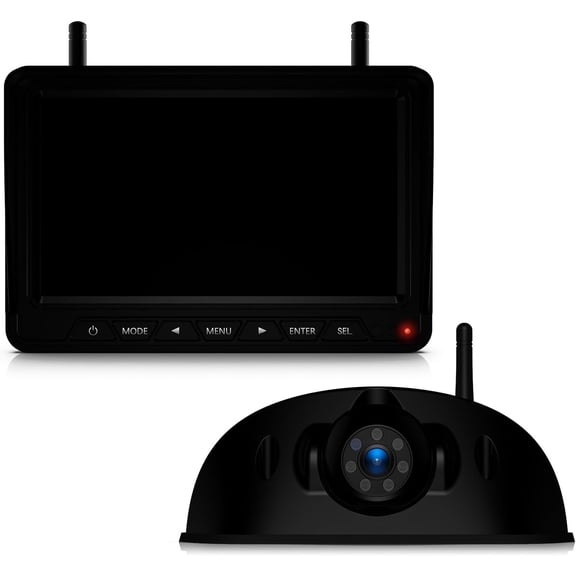
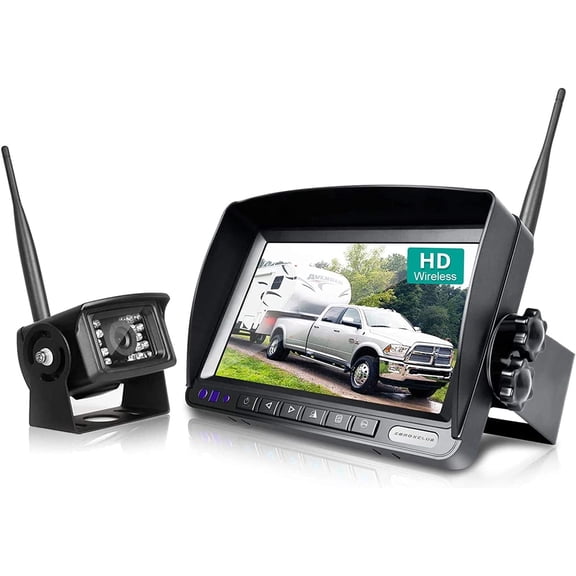
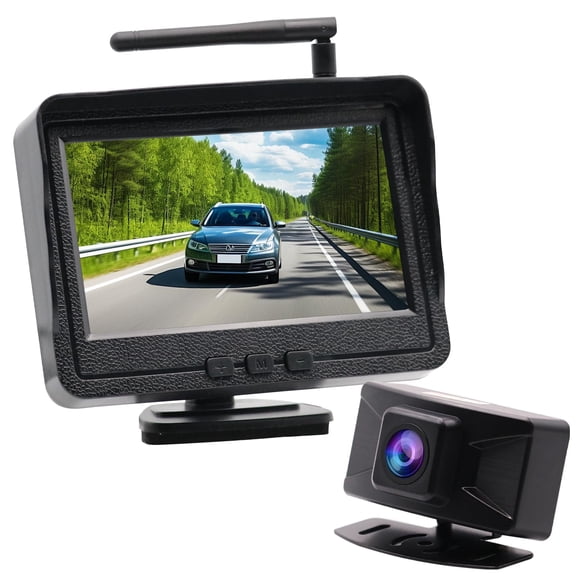
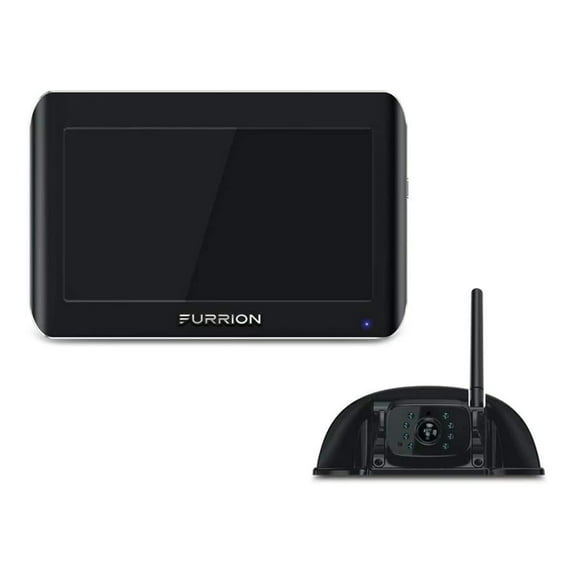
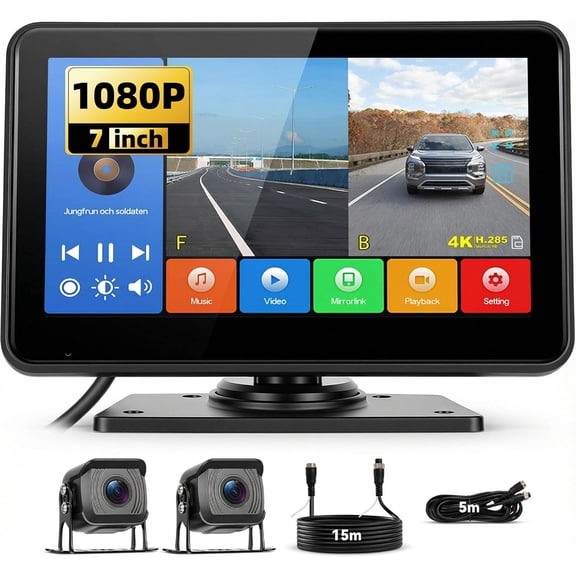
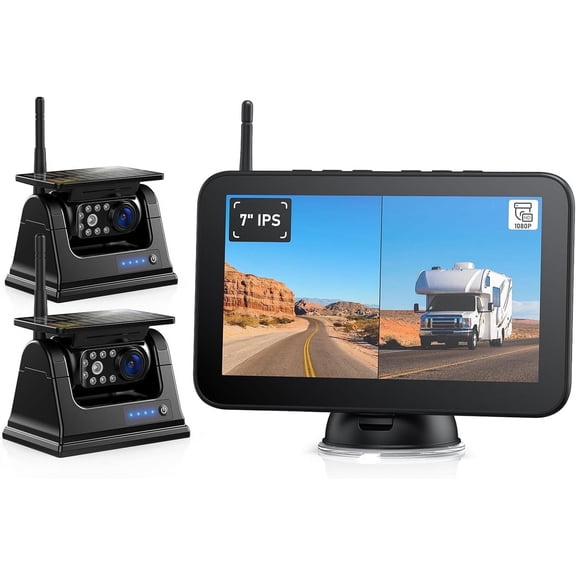
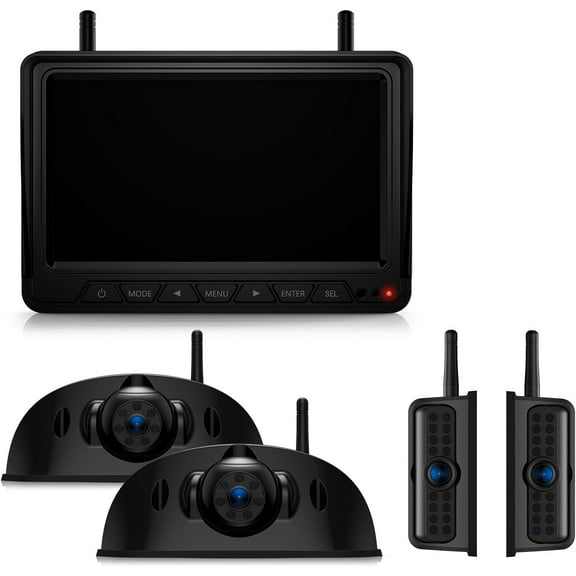
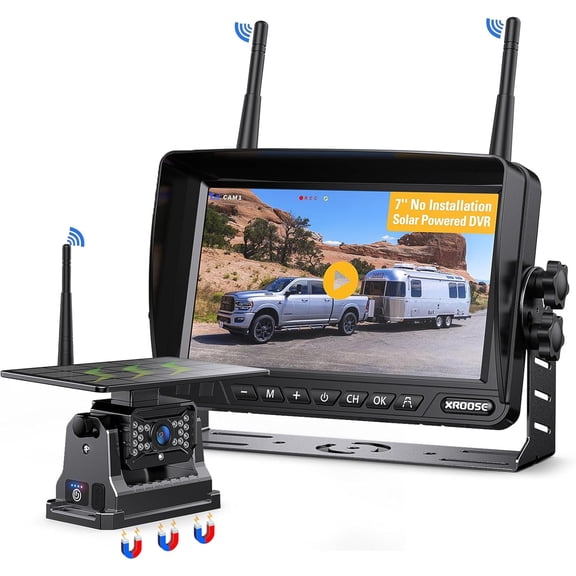
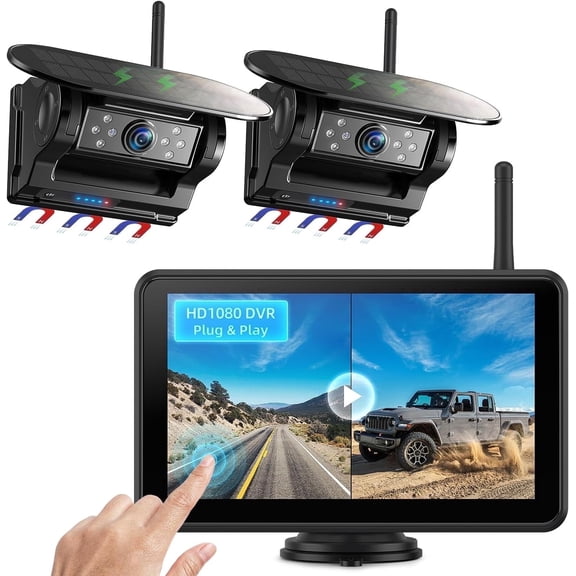
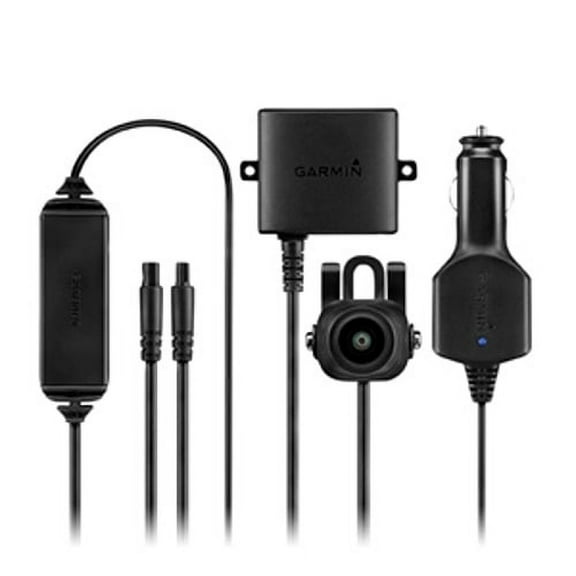
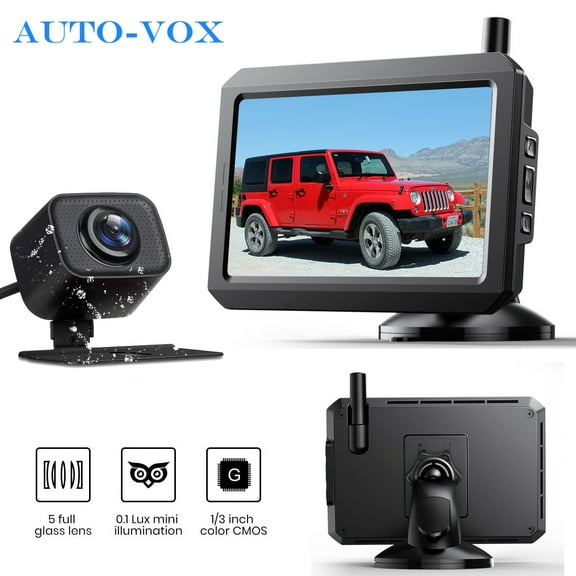
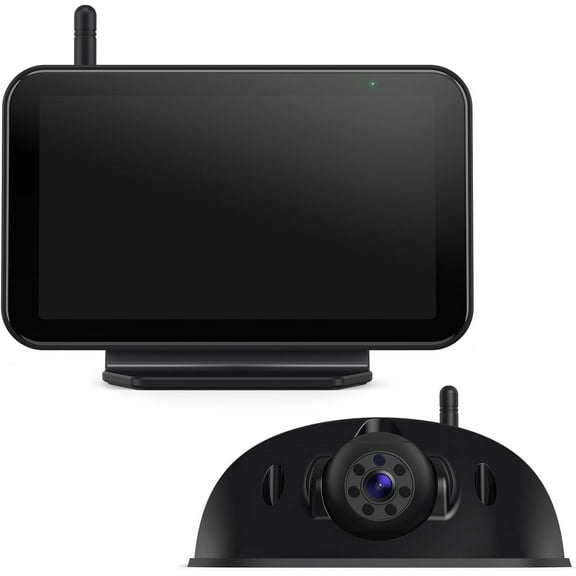
Wireless backup cameras help you add rear visibility without routing long video cables through your vehicle. You can compare digital signals, solar charging, and magnetic mounts to match your RV, truck, car, trailer, or semi-truck.
Choosing wireless backup cameras for your vehicle
Start with vehicle compatibility, because you need a camera that fits your driving setup and your mounting space. You should check whether you need a wireless backup camera for RV travel, daily truck use, or trailer towing.
An RV or trailer often needs longer signal distance, because you may place the camera farther from your monitor. You should compare stated range in feet, especially if your setup includes a long camper or enclosed trailer.
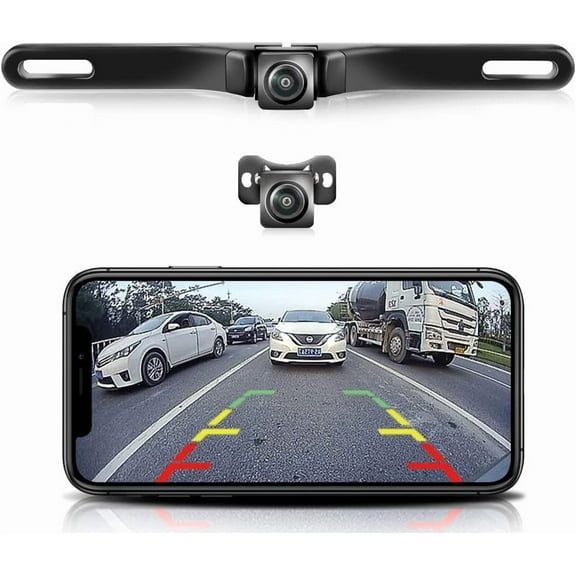
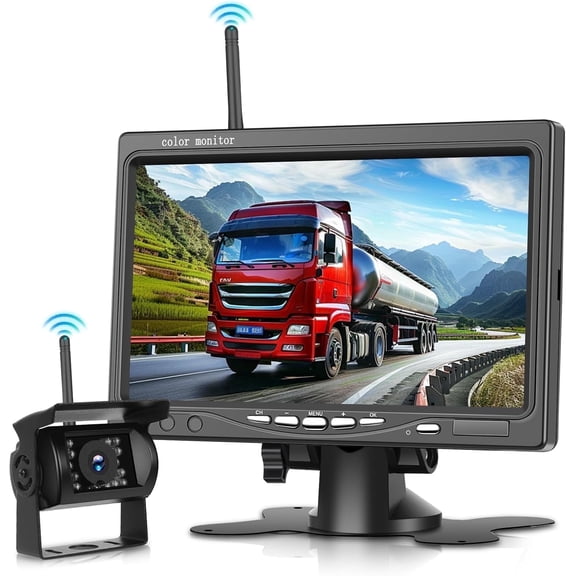
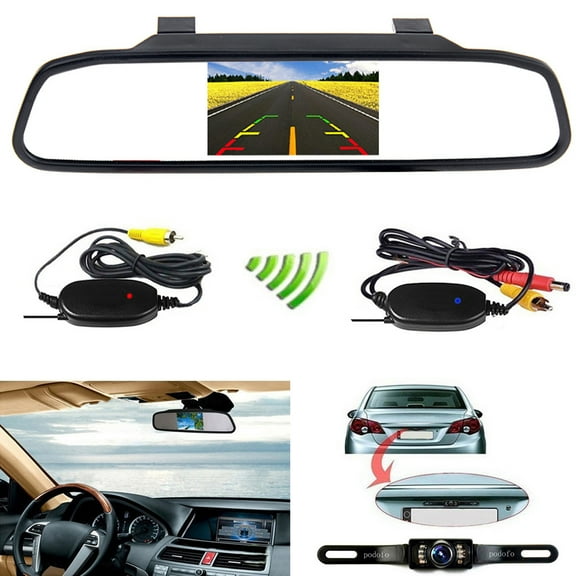
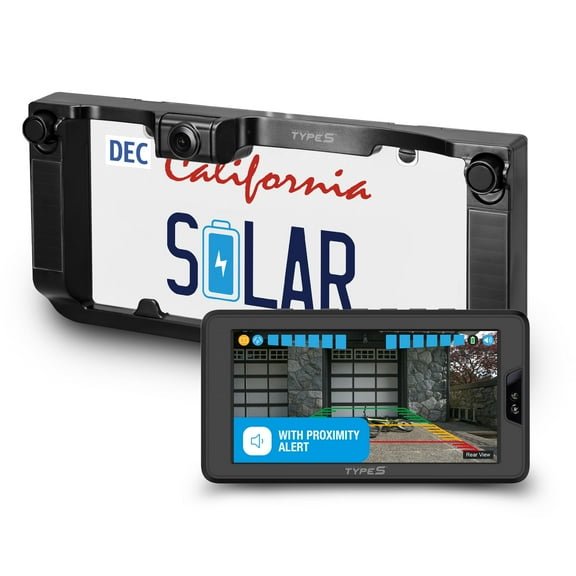
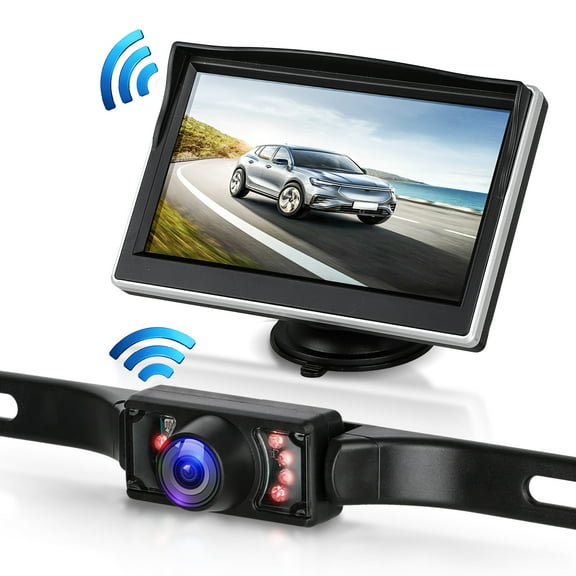
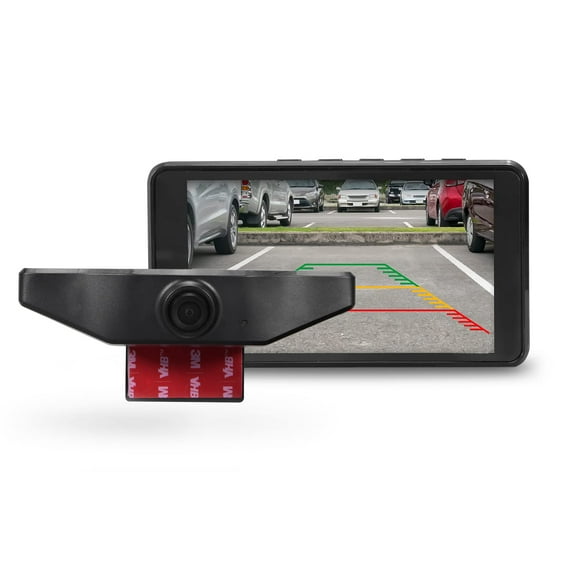
A car setup may work well with a compact license plate backup camera and a smaller monitor. You may prefer a truck or semi-truck setup with a larger screen and a sturdier bracket mount.
- You can match camera placement to your vehicle shape and rear blind zone.
- You can choose signal strength that fits longer RV and trailer lengths.
- You can pick a monitor size that suits your dash or windshield area.
- You can compare power options based on your installation comfort level.
How to compare signal type and image stability
Signal type is a major decision point, because you want a clear image while you reverse and park. You should compare digital wireless, analog, Bluetooth, and Wi-Fi systems based on interference and setup style.
A digital wireless backup camera often gives you a steadier connection in crowded driving environments. You may notice fewer dropouts when you drive near other electronics, large vehicles, or busy parking areas.
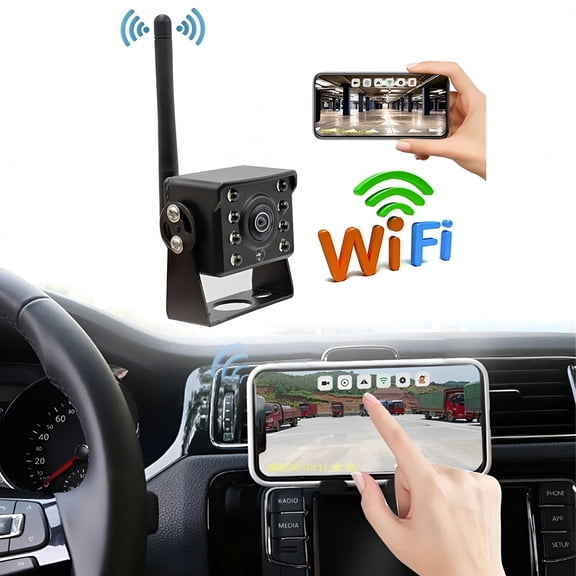
An analog system can suit simpler setups, but you should check for possible signal noise. Bluetooth and Wi-Fi options may appeal if you want app-based viewing or flexible screen pairing.
If you tow often, you should look closely at signal range claims and pairing method. You may want a dedicated monitor instead of phone viewing for a more consistent reversing view.
Choosing power source and installation effort
Power source affects how much installation work you take on and how often you recharge or connect. You should compare solar wireless backup camera models, hardwired designs, battery operated units, and running lights connections.
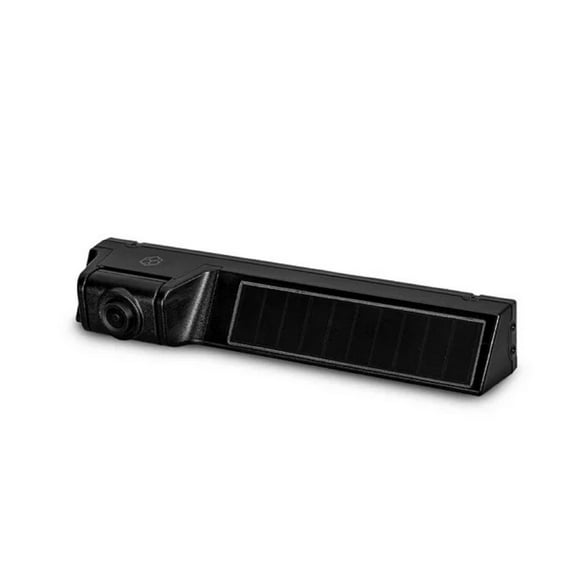
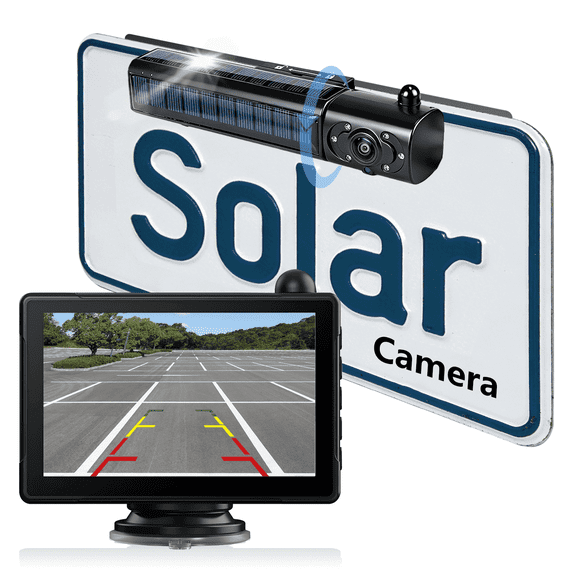
A solar wireless backup camera can simplify setup when you want fewer wiring steps on your vehicle. You may like this option if you park outside and want a cleaner install around a license plate area.
A hardwired camera can suit permanent setups where you want constant power from your vehicle. You should consider this route if you use your camera daily and prefer a fixed installation.
Battery operated options can help if you want portability between vehicles or trailers. Running lights connections may make sense if you tow often and want power tied to your trailer lighting setup.
What to look for in mounting style and screen size
Mounting style changes how quickly you install the camera and how securely it stays in place. You should compare license plate mount, magnetic wireless backup camera, and bracket mount designs based on your vehicle surface.
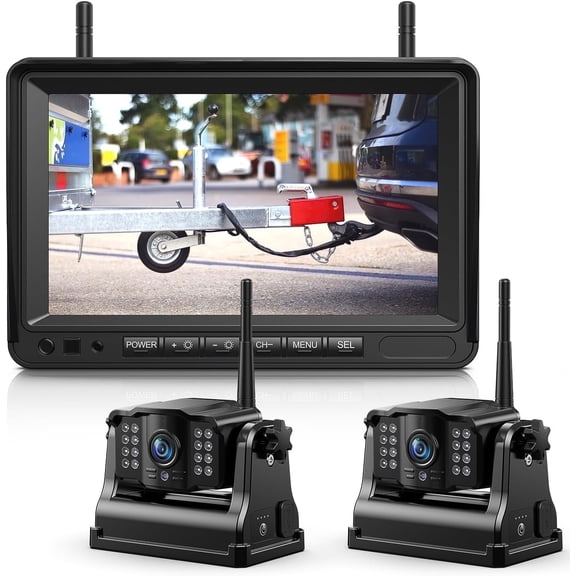
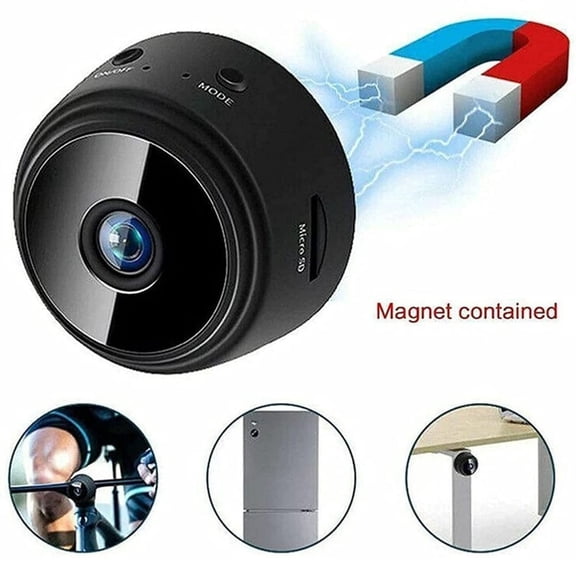
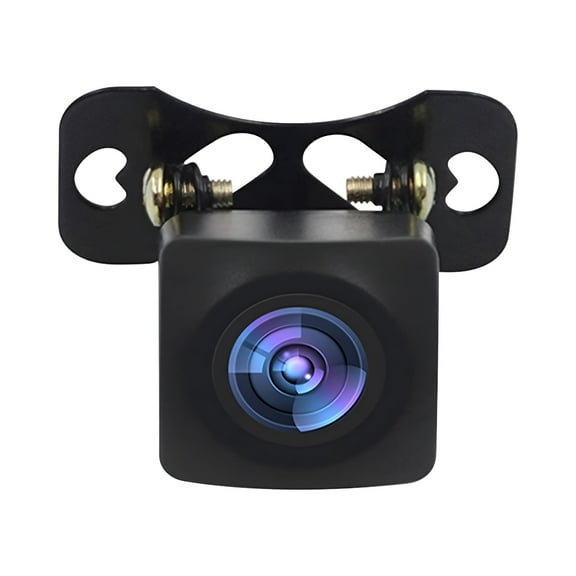
A license plate backup camera can work well when you want a familiar mounting point on a car or truck. A magnetic wireless backup camera can help you move the camera between trailers, work trucks, or temporary towing setups.
A bracket mount may fit specialty placements where you need a fixed angle and a firmer hold. You should measure your rear area before you choose, especially if ladders, spare tires, or trim pieces affect placement.
Screen size also matters, because you need a view that fits your cabin and your parking habits. You can compare 4.3 inch, 5 inch, 7 inch, and 9 inch monitors for visibility and dash space.
A smaller screen may suit compact cars where windshield space feels limited. A larger monitor can help you track hitch alignment, trailer corners, and wider rear scenes in bigger vehicles.
Using wireless backup cameras for daily driving and towing
You can use wireless backup cameras for parallel parking, driveway backing, and garage positioning in a car or pickup. You may also rely on a wireless rear view camera when you hitch up a trailer or camper.
If you drive an RV, you should look for longer-range systems and a monitor you can read quickly. A wireless backup camera for RV use can help you judge campsite approach and rear clearance with less guesswork.
If you drive a pickup, you may want a wireless backup camera for trucks with a larger display. You can benefit from clearer trailer alignment when you back toward a hitch or loading area.
For trailers and semi-trucks, you should check weather-focused features and image support in dim light. You may want night vision backup camera options with infrared LEDs for a more visible rear view after dark.
You should also compare durability details, especially if your camera stays exposed year-round. An IP69K rating can signal a weather-ready housing, and you should verify that claim on each product page.
When you compare these decision points carefully, you can narrow your choices with less trial and error. You end up with a setup that fits your vehicle length, mounting needs, and monitor preference.