


Wire Fencing in Fencing
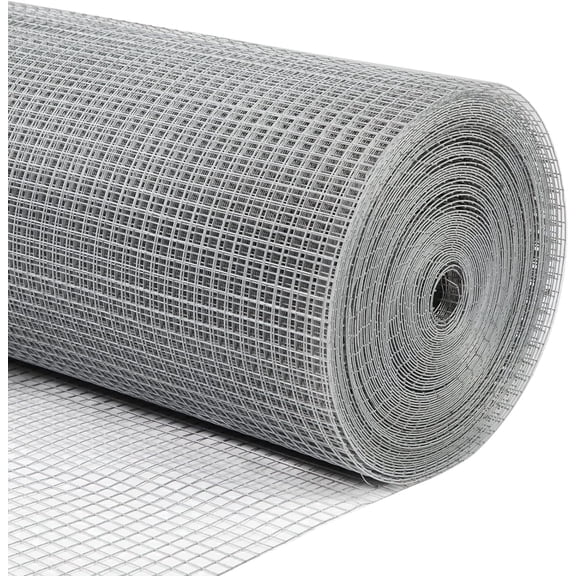
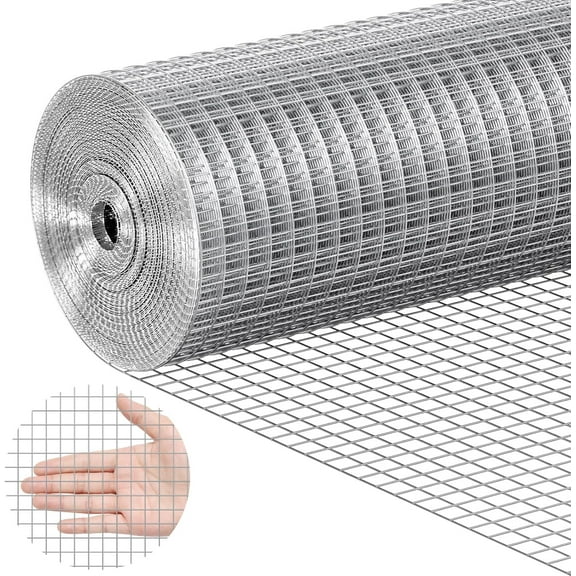


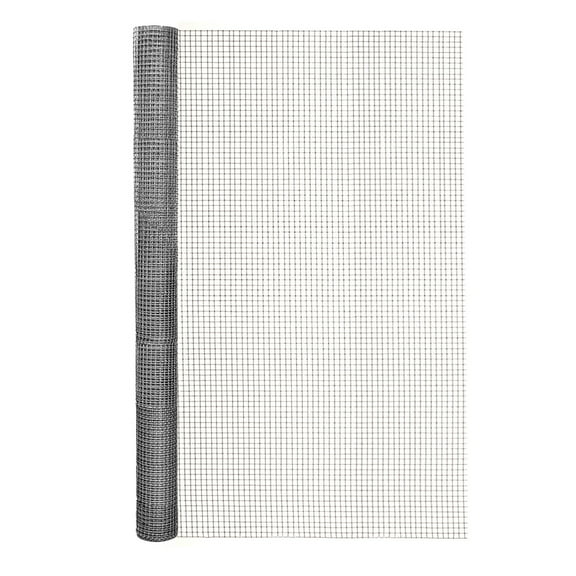
















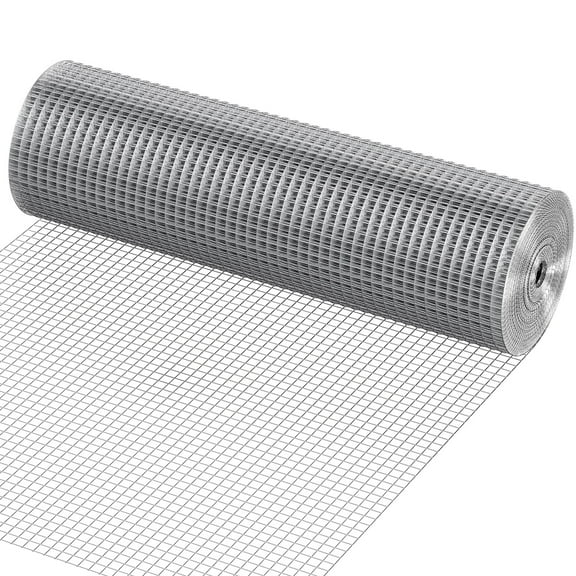

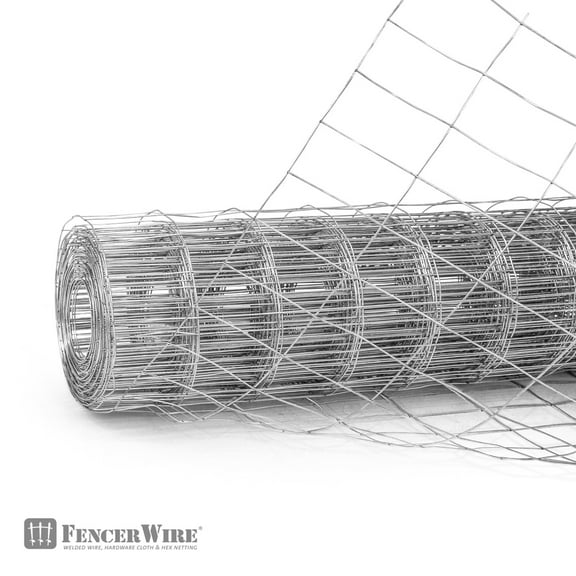

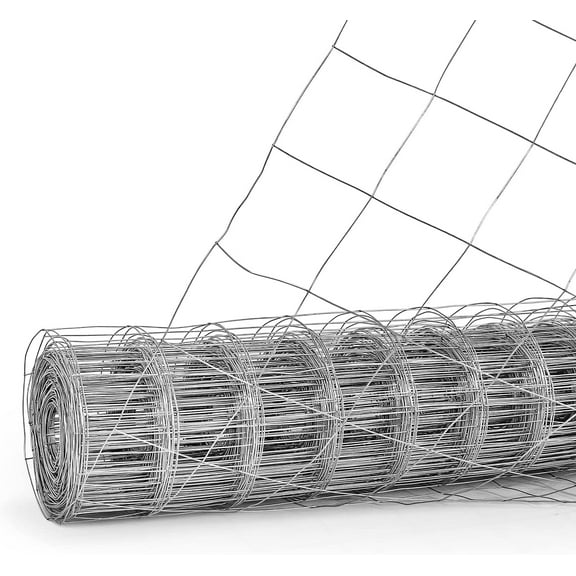


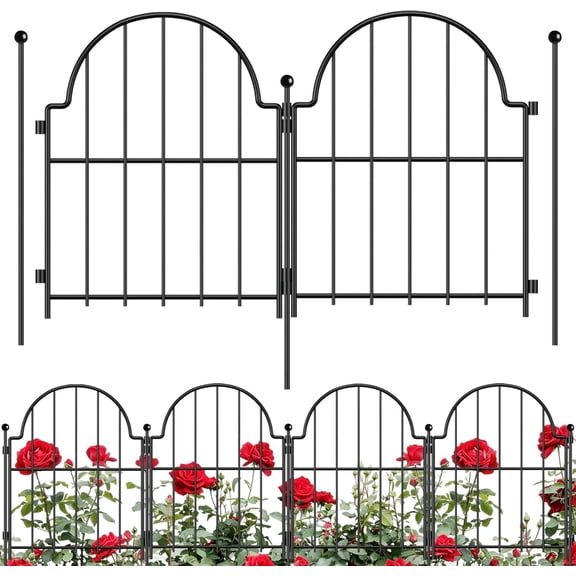


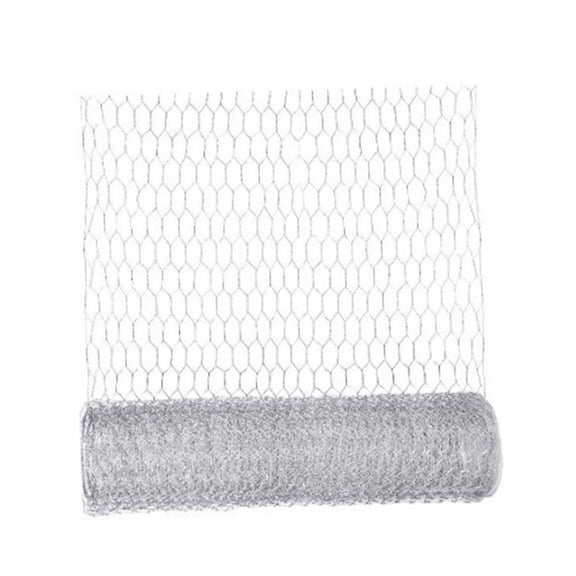


About Wire Fencing in Fencing - Walmart.com
With wire fencing, you can define property lines, enclose gardens, and contain animals with roll formats built for project planning. You can compare mesh size, gauge, and finish more easily when you shop a category that covers farm, yard, and garden needs.
You may need a garden border, a chicken run, or a larger pasture divider, and your material choice changes how the fence performs. You’ll also want roll sizes that match your perimeter, so your layout feels more predictable from the start.
How to choose wire fencing for your project
When you compare wire fencing, you should start with what you’re containing and how exposed your fence line will be. You’ll usually narrow your choice faster by checking construction type, finish, and opening size first.
For everyday planning, you can use a few simple checkpoints before you pick a roll. You’ll often avoid mismatches when you compare these details side by side.
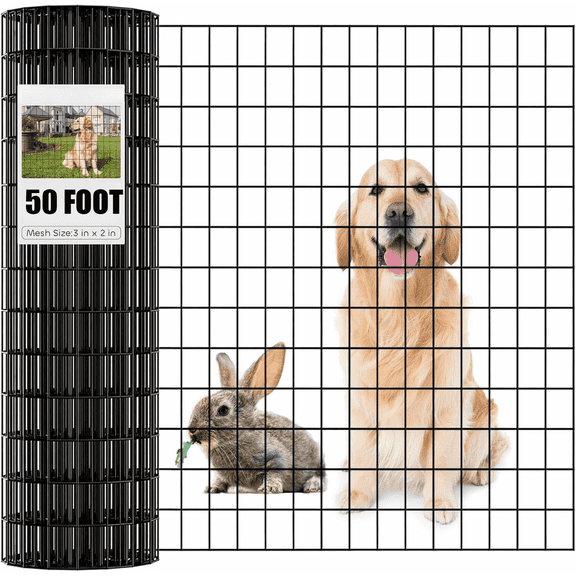
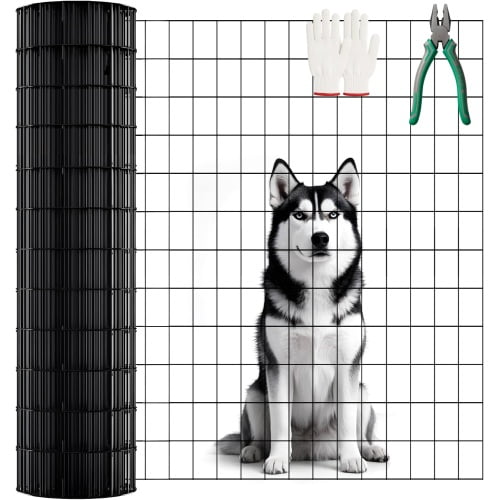
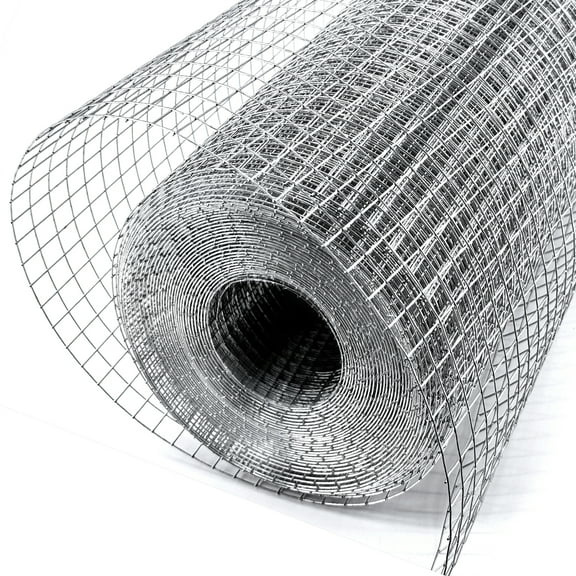
- You can choose welded wire fencing when you want rigid openings that hold shape across straight runs.
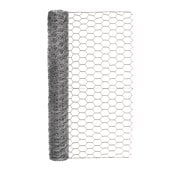
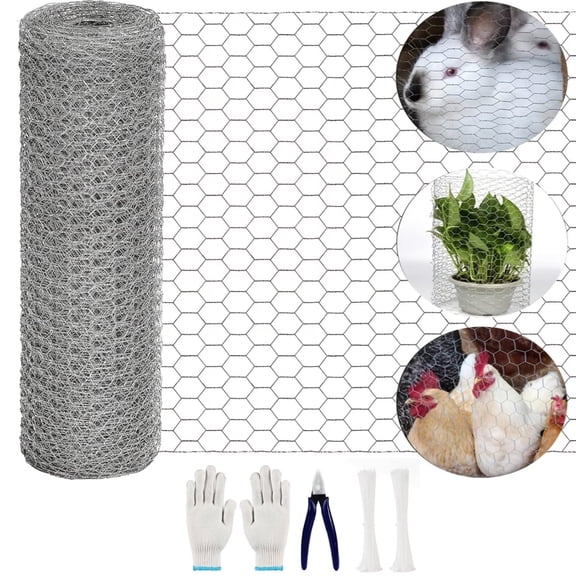
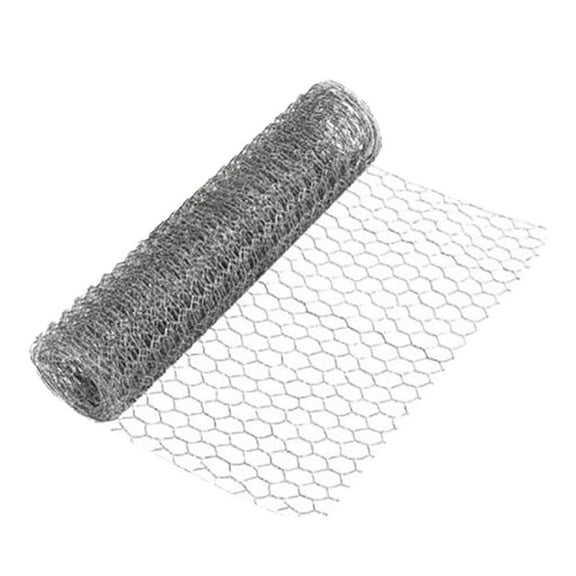
- You can use chicken wire fencing when your garden or poultry area needs lightweight, flexible coverage.
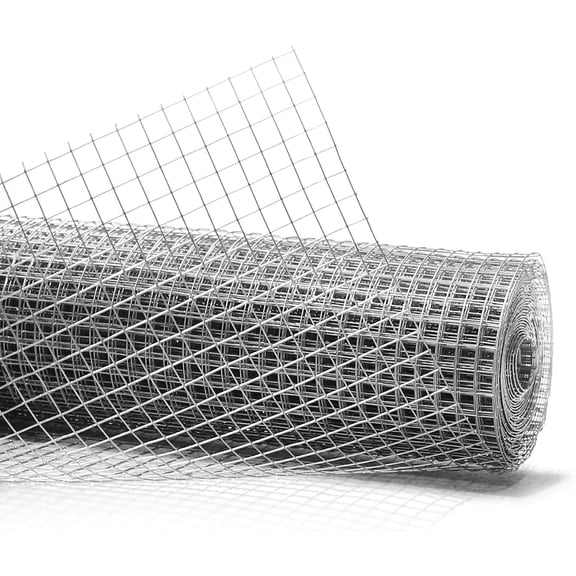
- You can select galvanized wire fencing when your fence line faces regular rain, irrigation, or open weather.
- You can compare 1x1 inch, 2x4 inch, and 1/2 inch hardware cloth openings by the animals or plants you’re protecting.
- You can match 4ft x 50ft, 6ft x 100ft, and 3ft x 25ft wire fence rolls to your perimeter and post plan.
If your project involves smaller animals, you should check whether tighter mesh helps limit gaps around the base. If your project covers longer runs, you may prefer roll lengths that reduce seams and simplify placement.
Choosing between welded wire fencing and other construction types
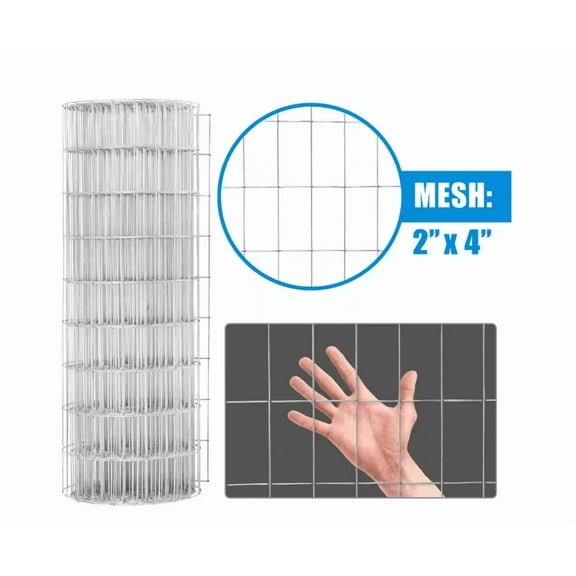
You’ll notice welded wire fencing uses joined intersections that create consistent rectangular or square openings. You can use that structure when your layout needs straighter lines and more uniform spacing.
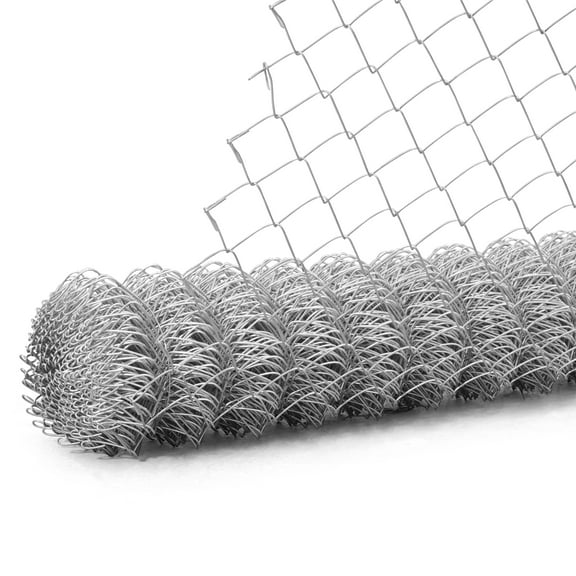
Woven wire gives you more flex over uneven ground, so you can work around slopes and dips more easily. Chain link can suit broader boundary layouts, while barbed wire fits very different containment goals.
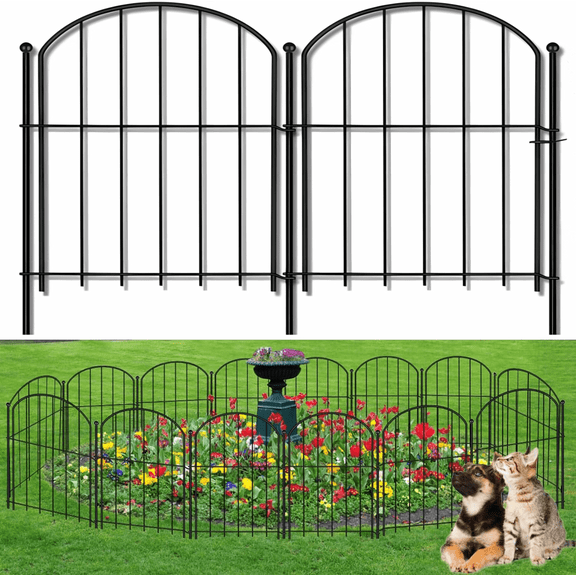
If you’re building a garden wire fence, you may prefer a construction type that’s easy to trim and attach to posts. If you’re enclosing animals, you should compare how each pattern handles pushing, leaning, or climbing.
What material finish, gauge, and mesh size mean for your fence
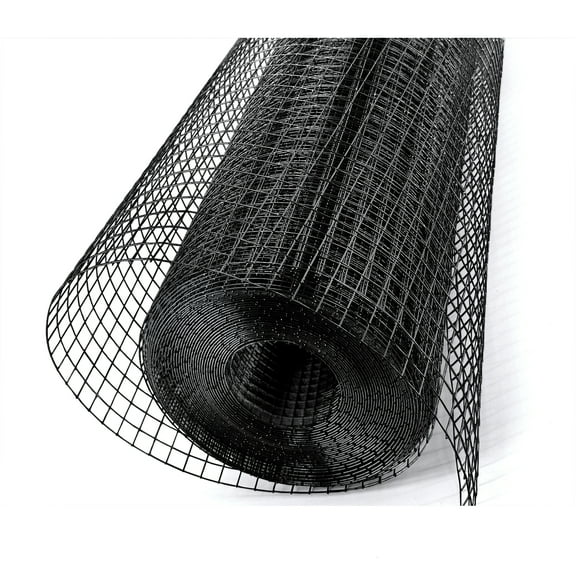
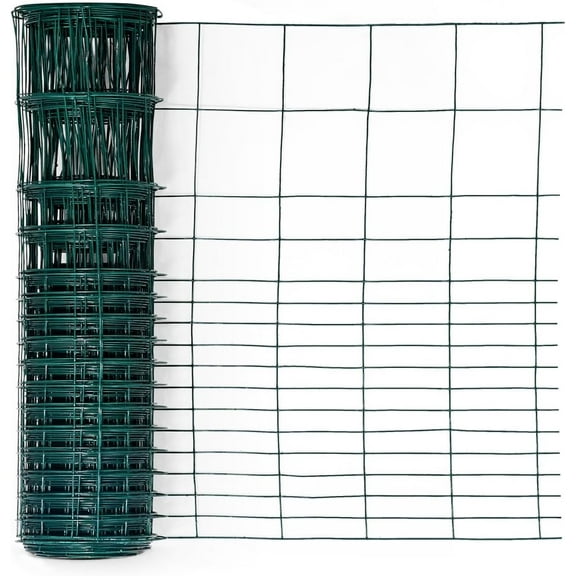
You should compare finish options by weather exposure and expected wear. Galvanized steel helps you handle wet conditions, while vinyl-coated wire gives your fence an added outer layer.
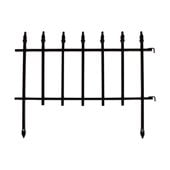
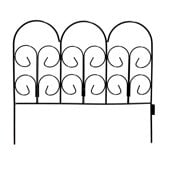
If you want a clean dark look around a yard, you may consider black powder-coated styles for visible boundary lines. If your project needs a specialty metal choice, you can also review stainless steel options.
Your wire gauge affects stiffness and feel, so you should compare 14 gauge, 16 gauge, 19 gauge, and 23 gauge carefully. Lower gauge numbers usually mean thicker wire, which can feel sturdier along longer spans.
Mesh opening matters just as much because your spacing affects what stays in or out. You can use 2x4 welded wire fencing for many containment projects, while 1x1 inch or 1/2 inch hardware cloth suits tighter coverage.
If you’re protecting seedlings or raised beds, you may want smaller openings along the lower section. If you’re planning larger enclosures, you can balance visibility, airflow, and containment with wider spacing.
How roll size and post spacing affect installation
You should measure your perimeter before choosing among wire fence rolls because roll length changes how many sections you’ll handle. A 3ft x 25ft roll can suit small repairs, while a 6ft x 100ft roll fits larger layouts.
Height matters too because your fence should match what you’re enclosing and how visible you want the boundary to be. A 4ft wire fencing roll can work for many garden and yard projects without overwhelming the space.
Your post spacing depends on wire rigidity, fence height, and ground conditions along the run. Thicker gauges and taller panels may call for a support plan that keeps your line looking even.
When you plan corners, gates, and slope changes, you’ll usually want extra material for overlaps and attachment points. You can make your installation smoother when your roll size matches your layout instead of forcing extra cuts.
Using chicken wire fencing and garden wire fence options
You can use chicken wire fencing around poultry areas, compost zones, and seasonal beds where flexible coverage helps around curves. You may also use it where quick shaping matters more than a rigid panel look.
For a garden wire fence, you should compare opening size with the plants you’re protecting and the support you’re using. You can pair lighter rolls with simple stakes for short borders or use stronger support for larger plots.
If you’re outlining a chicken run, you may want easy visibility and dependable perimeter coverage along the base. If you’re surrounding vegetables, you might prefer tighter mesh where young plants need closer spacing.
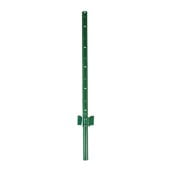
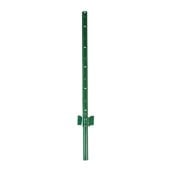
You can also plan related project pieces like T-posts, fence gates, tensioners, and post hole diggers before installation day. That approach helps your wire fencing project move from layout to finished enclosure with fewer adjustments.
When you compare construction type, finish, gauge, and mesh size together, you can choose wire fencing with more confidence. You’ll end up with a fence line that fits your space, your containment goal, and your installation plan.