


Find tires that fit
Let’s search for tires that fit your vehicle.Firestone Winterforce 2 UV Tires in Firestone Winterforce Tires


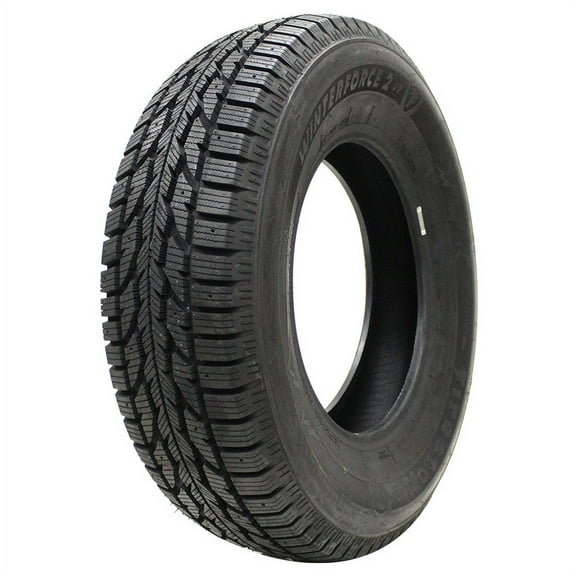
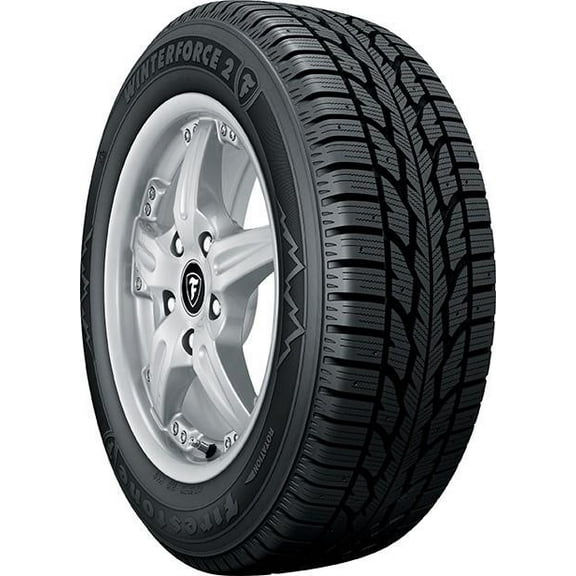


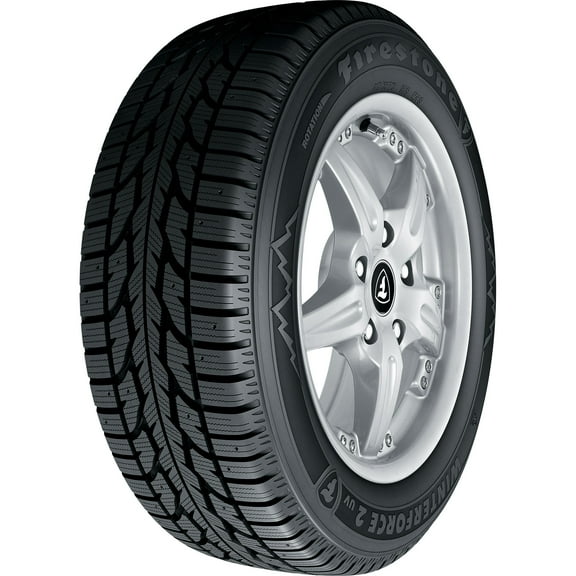


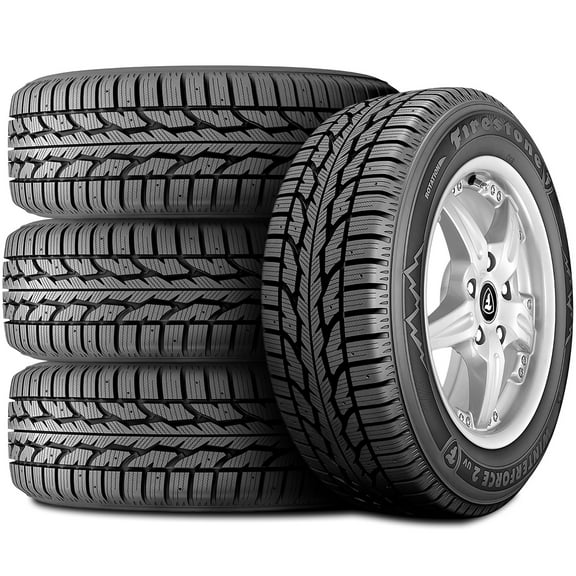

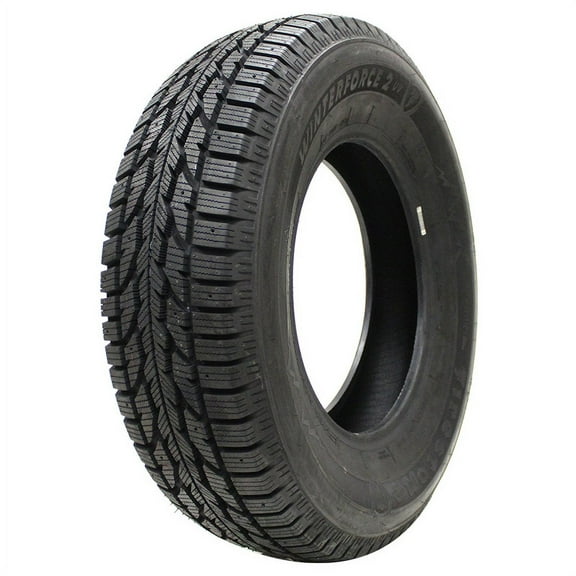


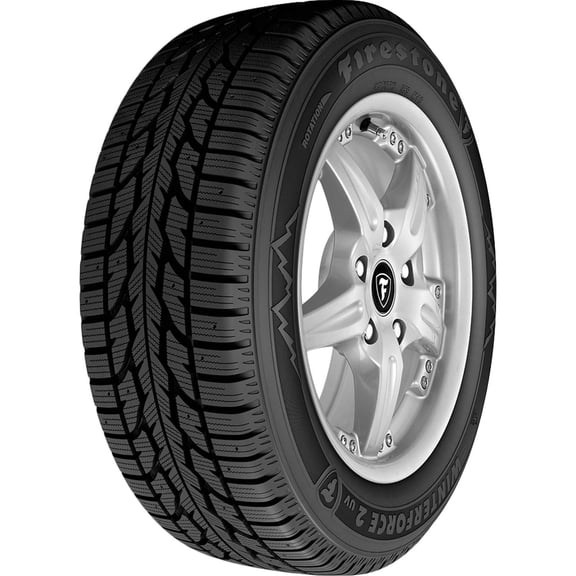


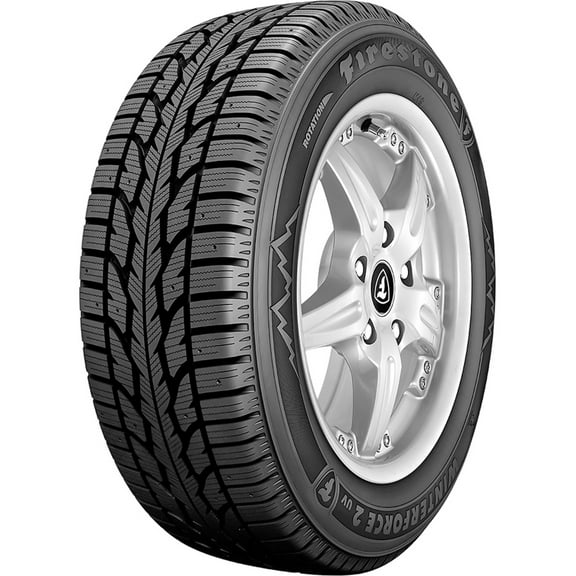
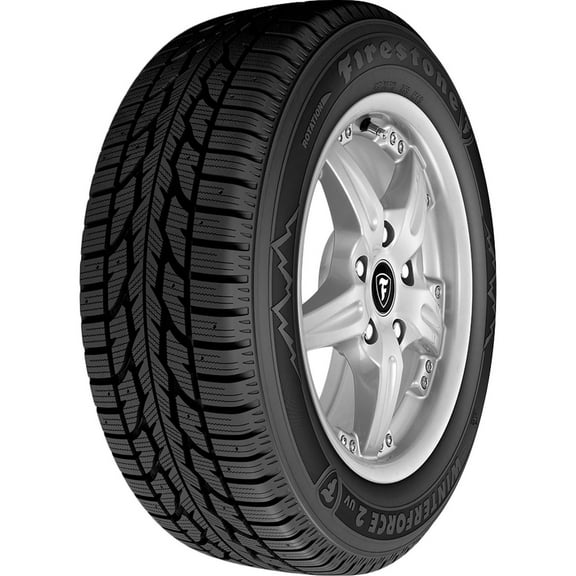



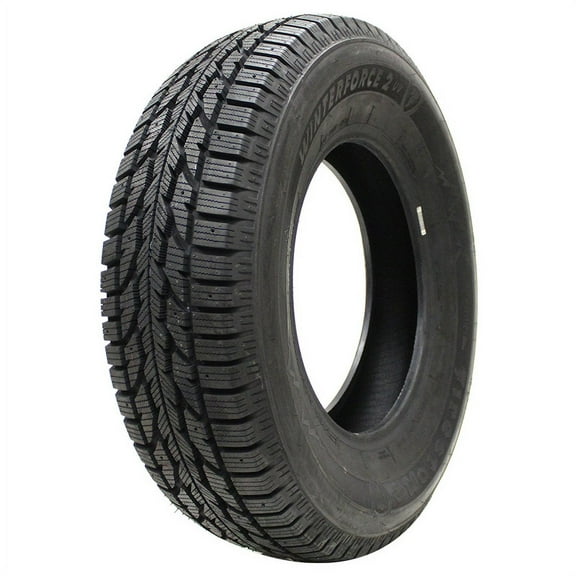
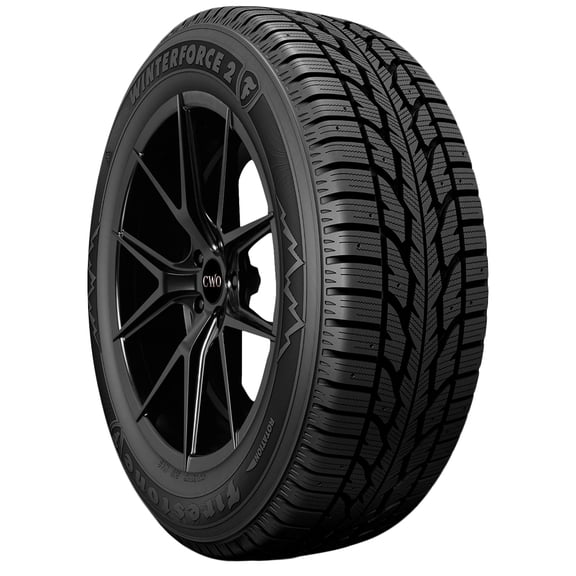
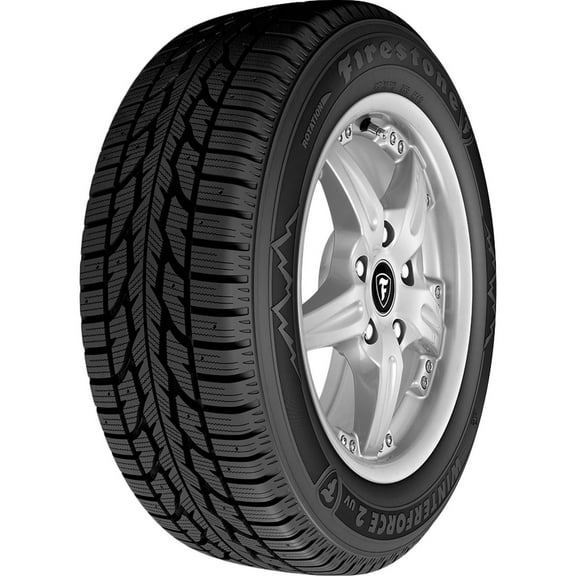
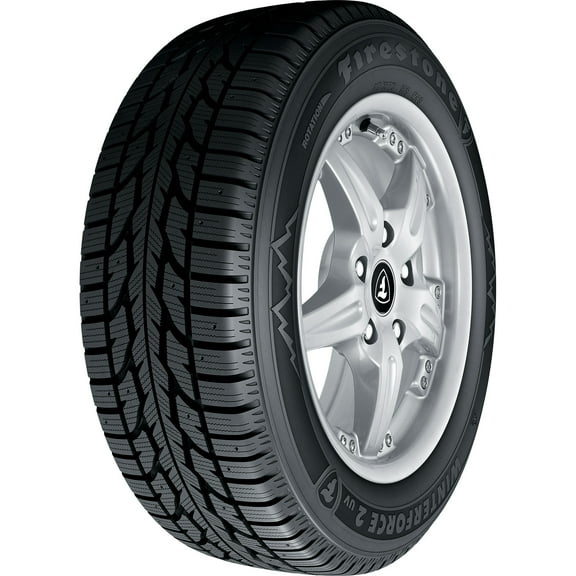

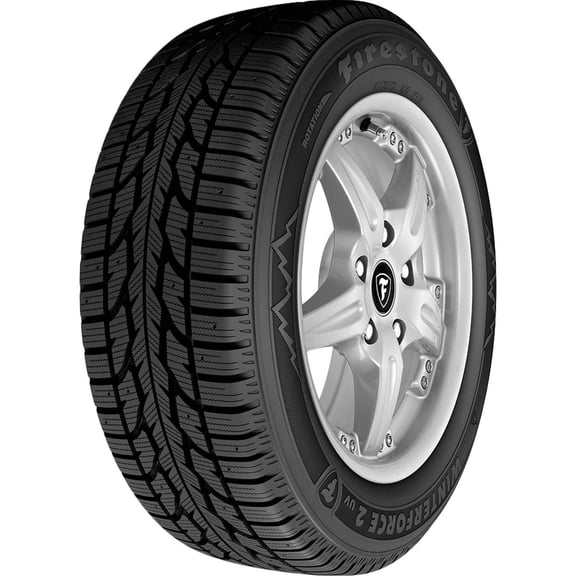
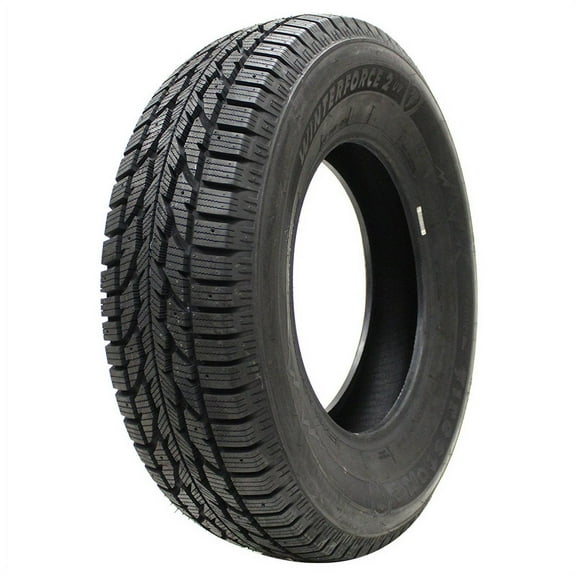
About Firestone Winterforce 2 UV Tires in Firestone Winterforce Tires - Walmart.com
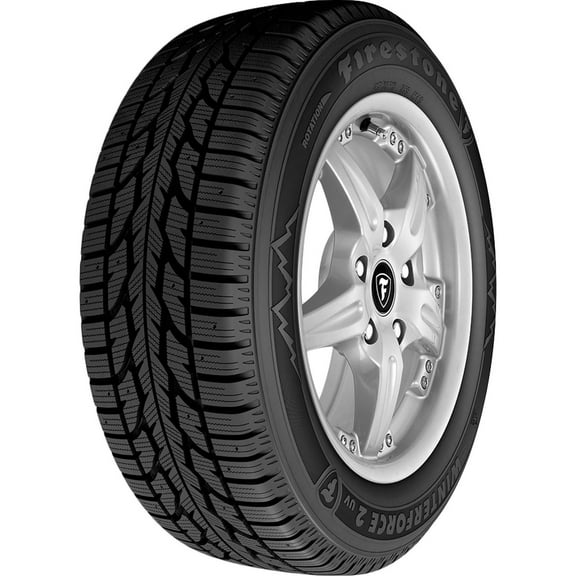
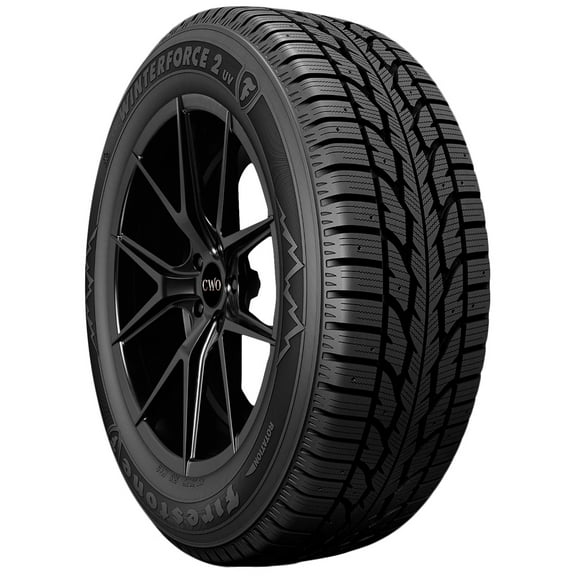
Firestone Winterforce 2 UV tires help you prepare your SUV, crossover, or light truck for winter roads with fitment-focused options and studdable capability. You can compare vehicle type, traction setup, tread design, and sizing details so your cold-weather choice feels clear.
If you drive through slush, packed snow, or icy mornings, you need a tire built for heavier vehicles and changing winter surfaces. You’ll also want size and load details that match your vehicle without guesswork.
How to choose Firestone Winterforce 2 UV tires
When you compare Firestone Winterforce 2 UV options, you should start with your vehicle type and your tire size. You can then narrow your choice by winter rating, studdability, and tread pattern.
For SUVs and crossovers, you may want a winter tire that balances cold-road grip with everyday driving comfort. For light trucks, you may look more closely at load index and sidewall strength.
- Match your tire to your SUV, crossover, or light truck fitment.
- Compare studdable snow tires with non-studded winter setups.
- Check directional tread features that help move slush and snow.
- Review winter sizing details like aspect ratio and rim diameter.
Because this category centers on winter driving, you should pay attention to severe snow rating details. You’ll often look for the Three-Peak Mountain Snowflake symbol when winter traction matters.
Choosing the right vehicle type and tire size
Your first decision is fitment, because your vehicle needs the right width, aspect ratio, and rim diameter. You should compare the numbers on your current tire or your vehicle placard before choosing.
If you see a size like 235/65R17, you can break it into three useful parts. The width is 235, the aspect ratio is 65, and the rim diameter is 17 inches.
Your load index also matters when you shop for SUV winter tires or light truck winter tires. You should check whether your replacement tire supports your vehicle’s carrying needs in winter driving.
For crossovers, you may focus on balanced handling and a comfortable daily ride. For heavier SUVs or light trucks, you may compare sizes and ratings that support added weight and cargo use.
Comparing traction types for winter roads
You should decide whether you want studdable snow tires or a non-studded setup before narrowing your options. That choice affects how your tires interact with ice, packed snow, and clear winter pavement.
If your roads stay icy for long stretches, you may prefer a studdable design that accepts metal studs where allowed. If your winter driving mixes snow and dry pavement, you may prefer a non-studded configuration.
You should also look for the severe snow rating, often shown by the Three-Peak Mountain Snowflake symbol. That mark helps you identify Firestone winter tires designed for demanding winter conditions.
When you compare traction setups, you should think about your route, your climate, and your daily road surface. You’ll make a smarter choice when your tire design matches your real winter routine.
Understanding tread design and cold-weather features
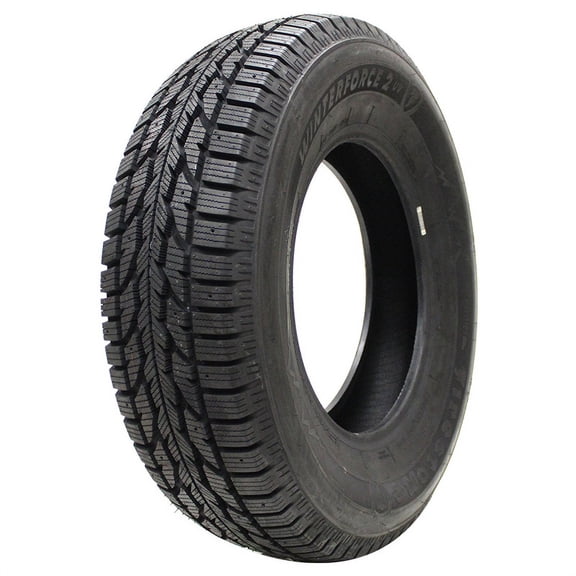
Your tread design plays a big role in how your tire moves through slush and snow. You’ll often notice directional patterns, deep grooves, and high-sipe density in this category.
A directional tread can help your tire channel water and slush in one intended rolling direction. You should follow the sidewall mounting direction so the tread works as designed.
Deep grooves give snow and slush more space to move away from the contact area. High-sipe density means you get many small biting edges that help on slick winter surfaces.
With Firestone Winterforce 2 UV tires, you’re shopping a category known for winter-focused tread details and heavier-vehicle fitment. You can use those details to compare options for snow travel, icy intersections, and cold commutes.
Matching your winter tire choice to daily driving
If you drive mostly on plowed roads, you may want winter traction with a smoother feel on dry pavement. You should compare tread pattern behavior, stud preference, and fitment details together.
For mountain routes, rural roads, or early-morning commutes, you may prioritize severe snow capability and studdable construction. You’ll likely care more about packed-snow grip and ice confidence in those situations.
If your household uses one vehicle for errands, school runs, and weekend travel, you may need a versatile winter setup. You can focus on SUV winter tires that support steady handling across changing winter weather.
When your crossover sees mostly city streets, you may value winter control without an overly harsh ride feel. If your light truck handles cargo or gear, you should review size and load specs carefully.
Road noise can matter during long winter drives, especially on clear pavement between storms. You should compare tread style and stud choice if you want a quieter everyday winter experience.
By focusing on fitment, severe snow rating, tread design, and stud preference, you can narrow your options with confidence. You’ll end up with a winter tire choice that fits your vehicle and your cold-weather routine.