



Windex in Glass Cleaners


















About Windex in Glass Cleaners - Walmart.com
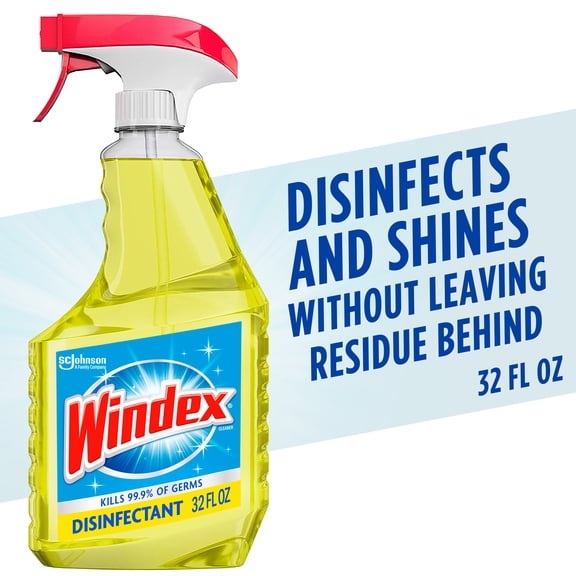
Windex helps you handle everyday glass cleaning with familiar formulas, flexible spray formats, and refill choices that fit your routine. You can compare formula type, surface use, spray style, and bottle size before you choose.
If you're replacing a daily cleaner or stocking up for busy rooms, Windex gives you clear decision points. You'll find options for mirrors, glass doors, chrome accents, and other smooth household surfaces.
How to choose Windex glass cleaner for your home
You should start with formula type because each option suits a different cleaning setup. Your choice may depend on tinted windows, electronics, kitchen messes, or everyday touchups.
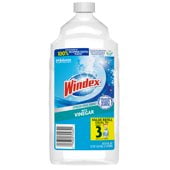
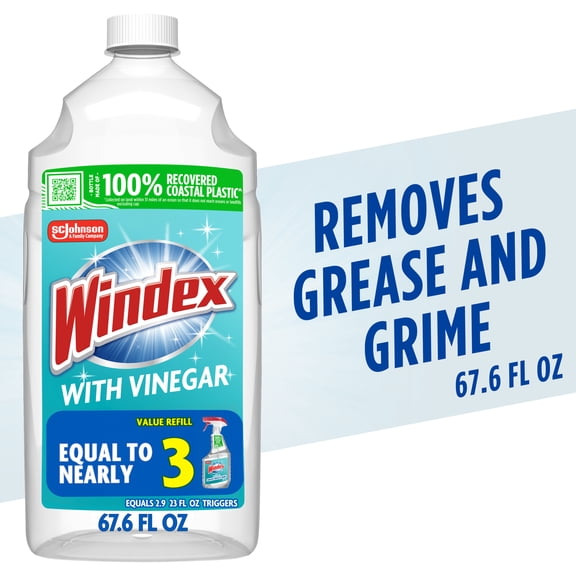
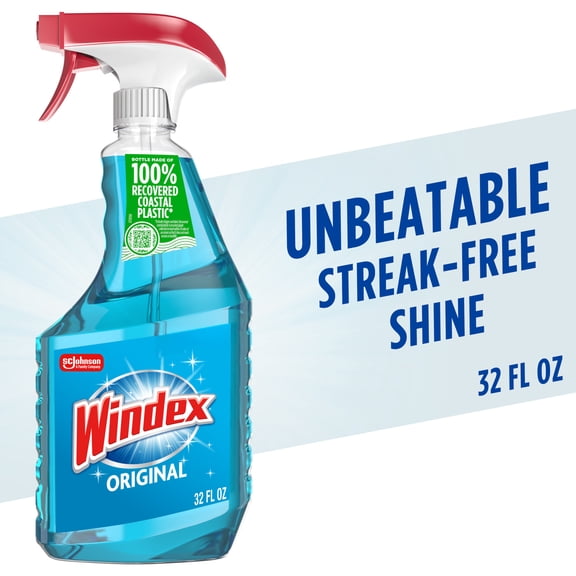
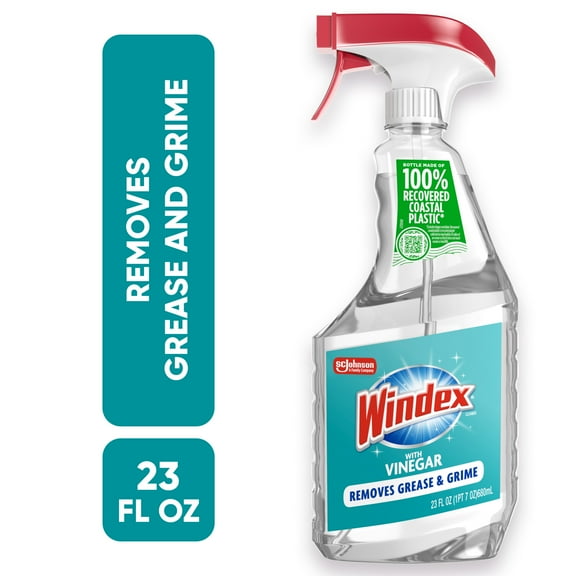
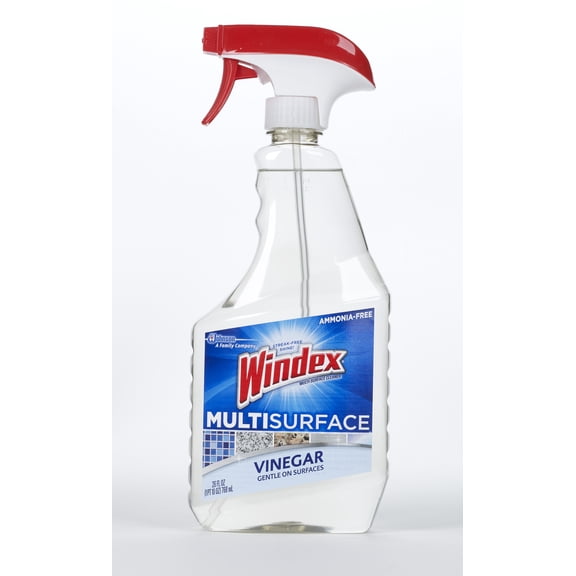
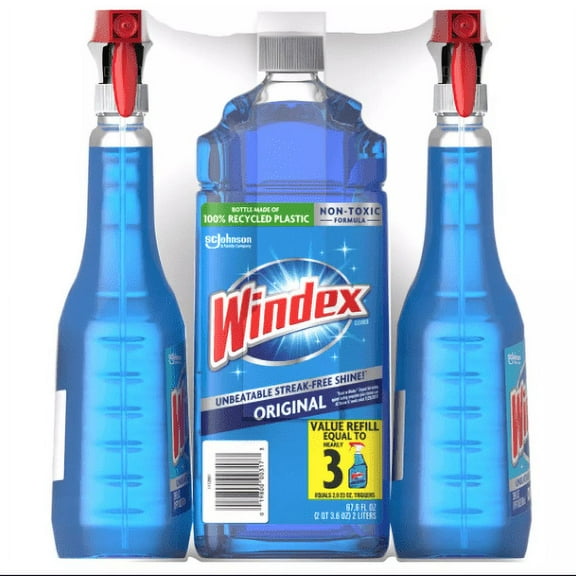
Original Blue works well when you want a familiar routine for windows and mirrors. Vinegar-Based options may suit you when you want a different scent profile for kitchen cleaning.
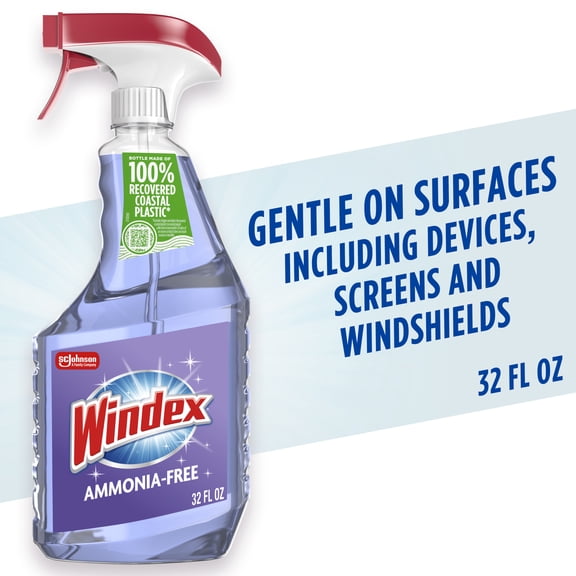
Ammonia-Free formulas matter when you clean tinted windows or certain electronics around your home. You can use that detail as a quick filter when you're comparing labels and intended surfaces.
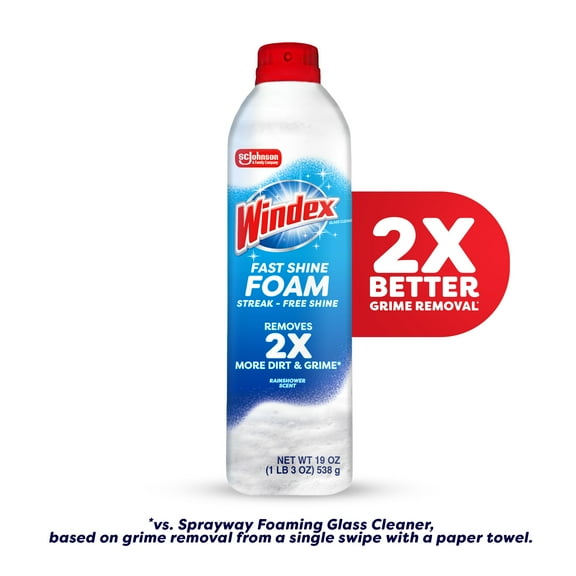
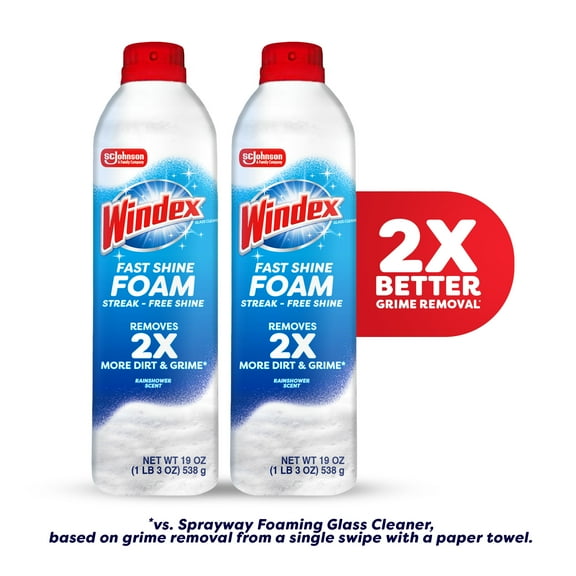
Foaming options help you keep cleaner where you spray it on vertical glass. You'll notice that format can feel easier to control on shower doors and large mirrors.
- You can match formula type to glass, mirrors, chrome, stainless steel, and other smooth surfaces.
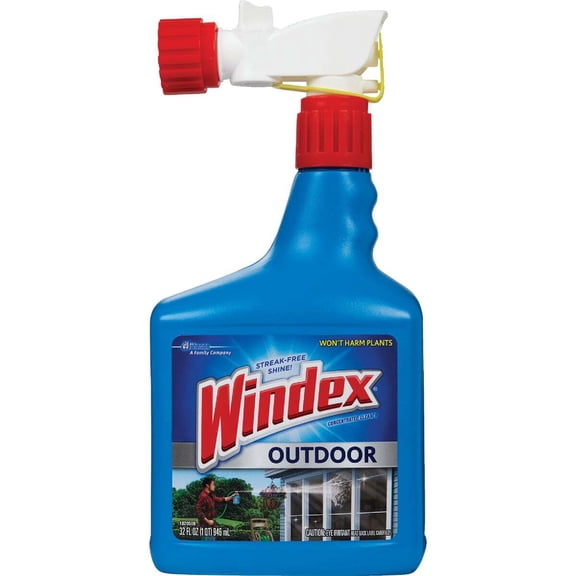
- You can choose trigger spray, aerosol can, wipes, or concentrated refill based on how you clean.
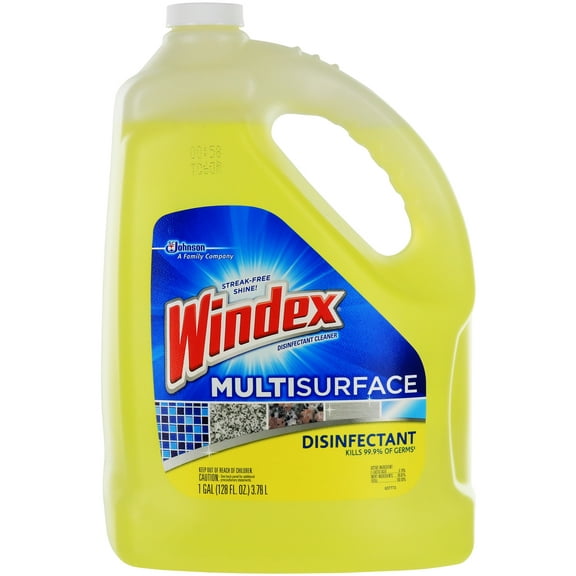
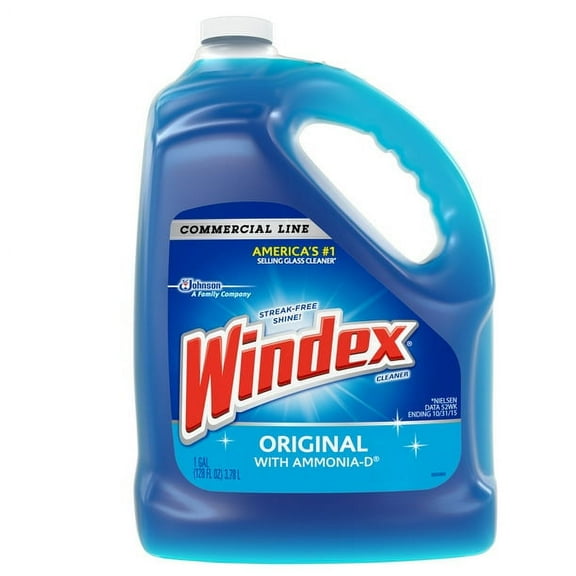
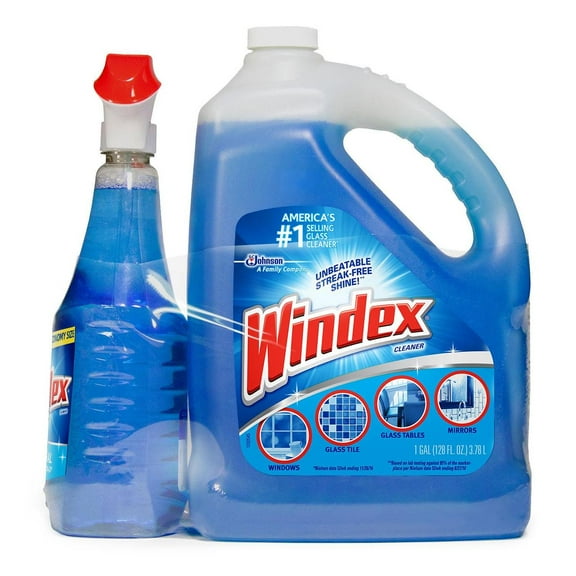
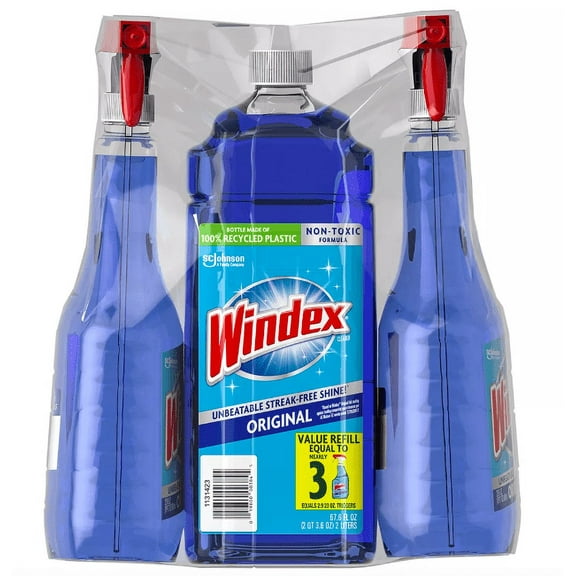
- You can compare 23 fl oz, 32 fl oz, 1 gallon refill, and multi-packs for household frequency.
Choosing formula, surface use, and Windex spray formats
You should compare surface compatibility before you clean beyond basic window panes. Your label check matters when you're moving from mirrors to chrome fixtures or stainless steel appliances.
Glass and mirrors are core use cases, and you can reach for Windex glass cleaner when clarity is your main goal. You may also use certain formulas on chrome or stainless steel when the label supports that surface.
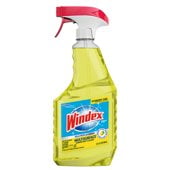
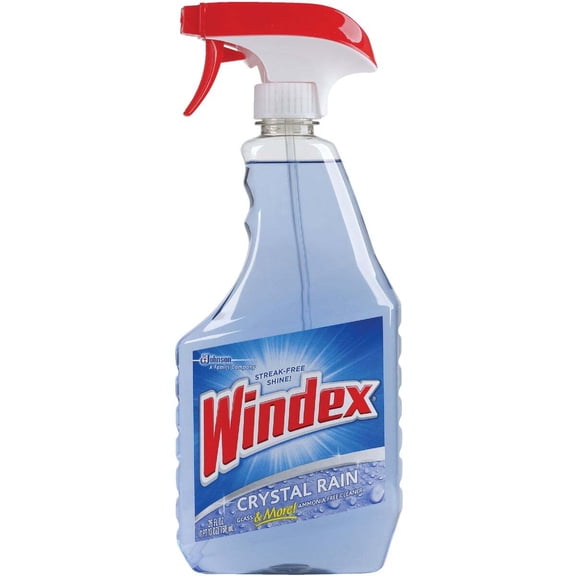
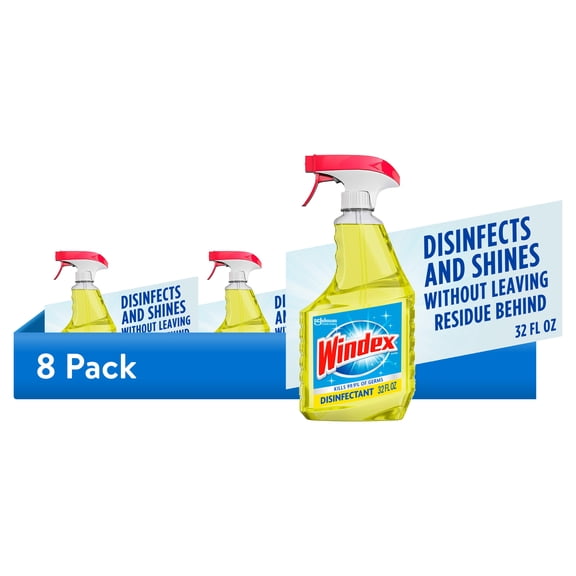
Application method changes how you clean in bathrooms, kitchens, and cars. You might prefer a Windex spray trigger for daily wipe-downs and quick reach across counters or panes.
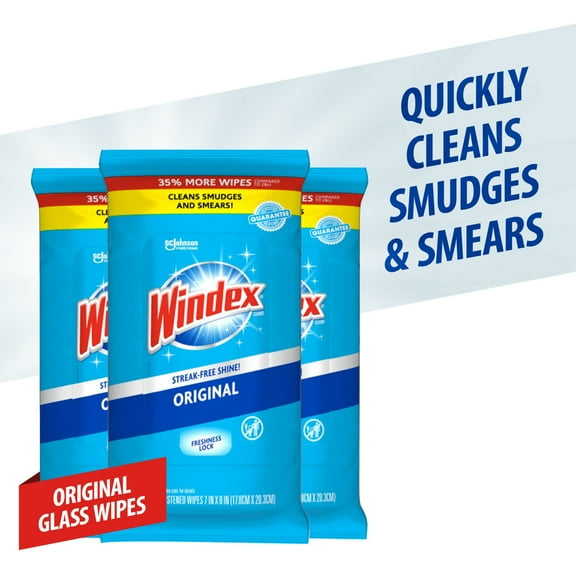
An aerosol can can help you cover broad glass areas with an even layer. Wipes can make sense when you want a grab-and-go option for touchups on mirrors or small glass tables.
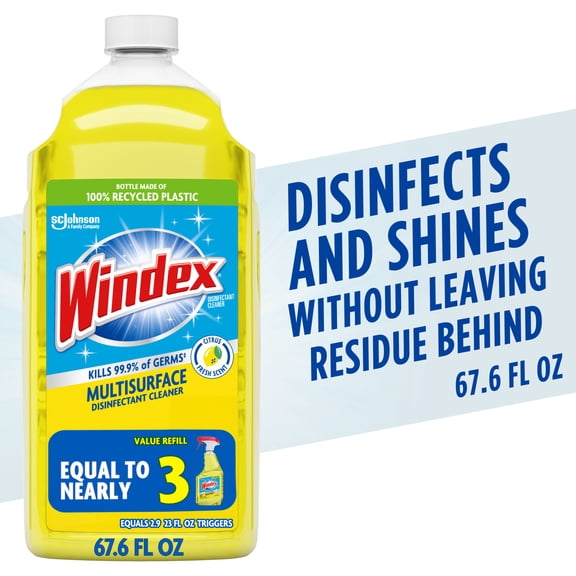
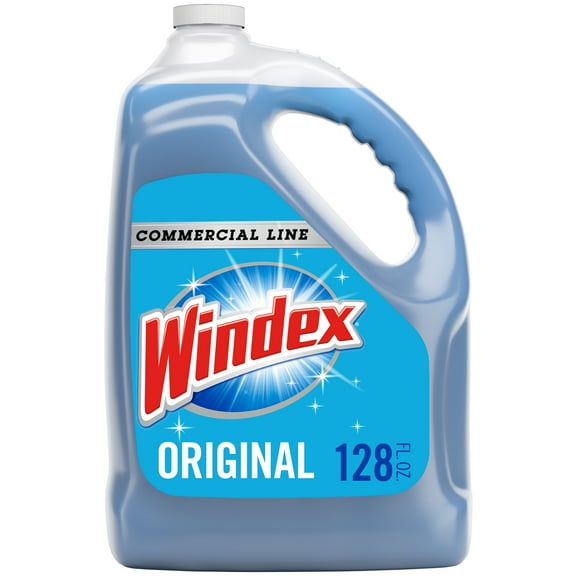
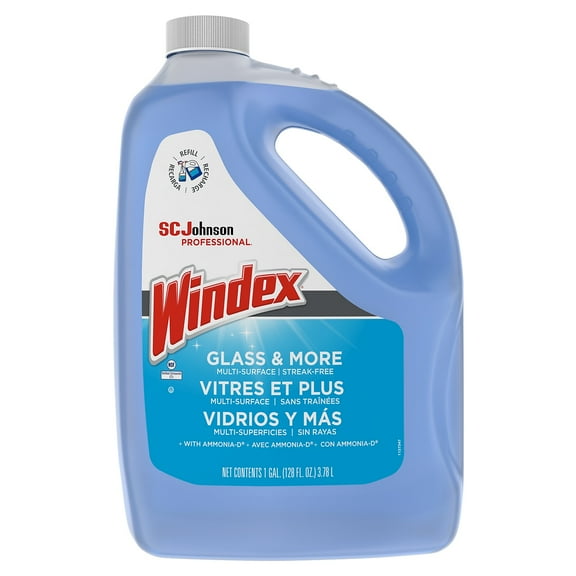
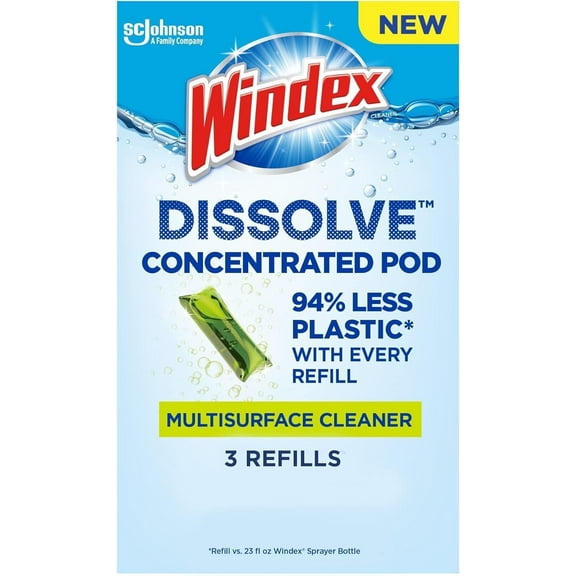
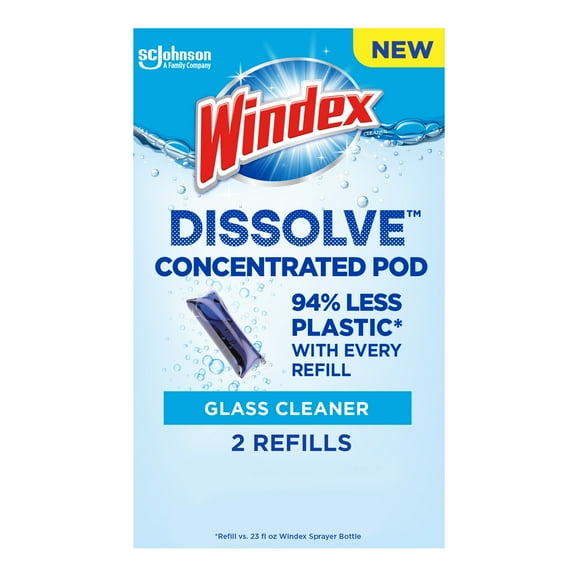
A concentrated refill or larger Windex bottle works well when you clean often and refill existing containers. You can keep backup cleaner on hand without opening several smaller bottles at once.
Packaging size also shapes convenience when you clean multiple rooms each week. You may want 23 fl oz for easy handling, 32 fl oz for longer use, or a 1 gallon refill for repeat jobs.
What to look for in Windex bottle sizes and refills
You should think about how often you clean before you choose size and pack count. Your cleaning schedule can point you toward a single bottle, a multi-pack, or a refill format.
A smaller bottle can feel easier to store under a sink or carry upstairs. A larger bottle can reduce how often you replace cleaner during steady weekly use.
Refills matter when you already have a spray bottle that fits your hand and storage space. You can pour from a larger container into your regular sprayer and keep your setup consistent.
Multi-packs can help when you keep cleaner in several rooms or share supplies across a larger home. You might place one in the bathroom, one in the kitchen, and one near entry glass.
If you compare packaging this way, you can choose based on routine instead of guesswork. Your shelf space, cleaning frequency, and preferred dispenser all become useful buying filters.
Using Windex cleaner spray in everyday spaces
You can use Windex cleaner spray for common household jobs that need a clear finish on smooth surfaces. Your routine may include bathroom mirrors, glass tabletops, patio doors, and appliance exteriors.
For kitchens, you may want Vinegar-Based or multi-surface labeled options for glass fronts and shiny accents. You should always check the label when you move between stainless steel, chrome, and electronics.
For cars, you may look closely at Ammonia-Free formulas when tinted windows are part of the job. That detail helps you narrow choices without sorting through every bottle individually.
In bathrooms, foaming formulas can be useful on vertical surfaces like mirrors and shower glass. You can pair that format with microfiber cloths or paper towels for a simple wipe-down routine.
If you clean screens or nearby electronics, you should read the label and intended use first. Your comparison gets easier when you focus on formula type, not just scent or bottle color.
When you want a cleaner that fits repeat household tasks, Windex gives you familiar options across formulas and formats. You can choose with more confidence when you match the bottle to your surfaces and cleaning habits.