

White Bookshelves for Office Furniture
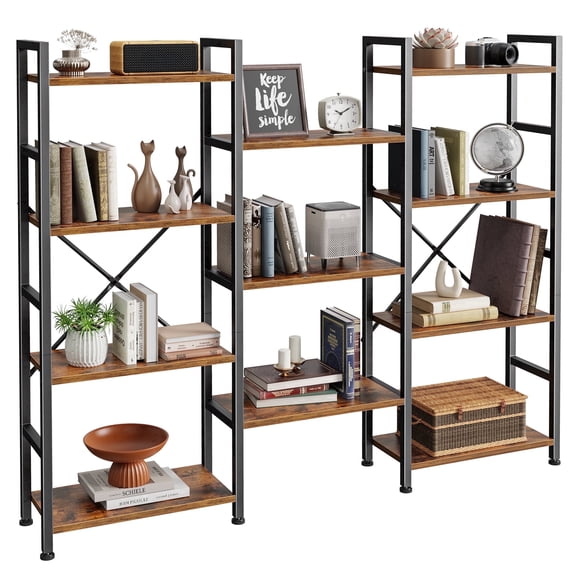

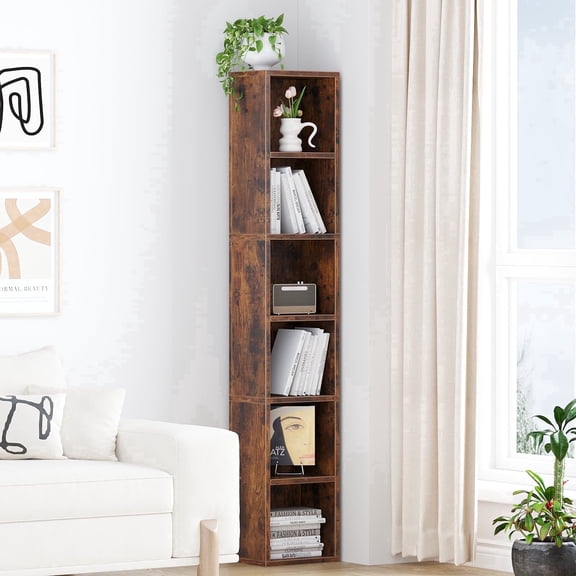
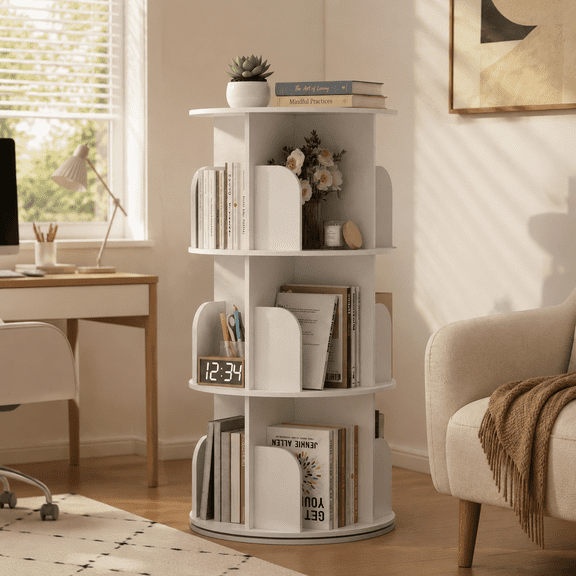

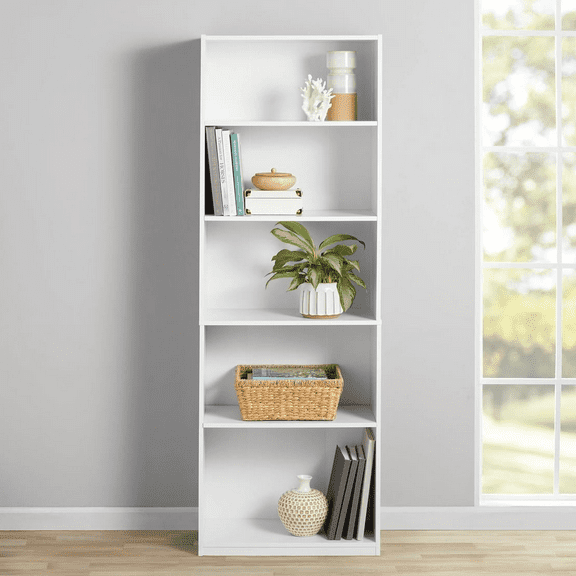






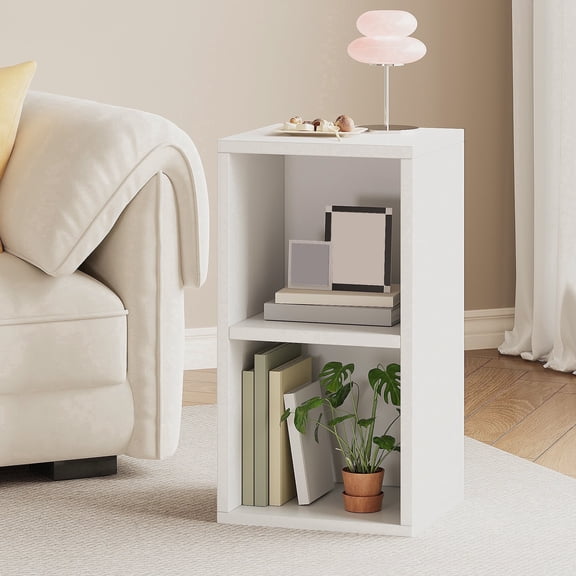


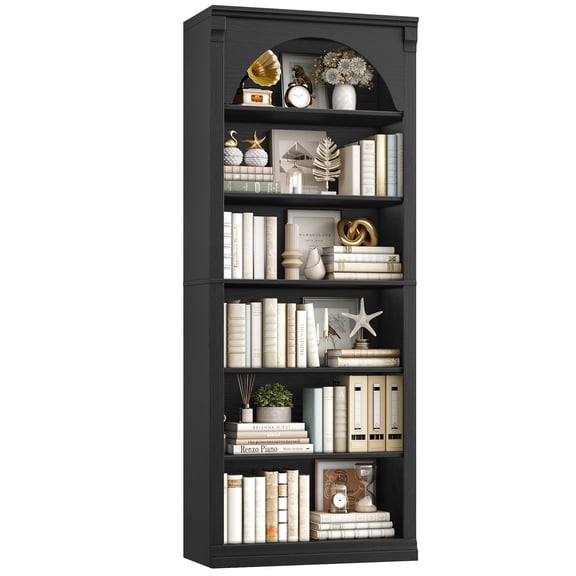

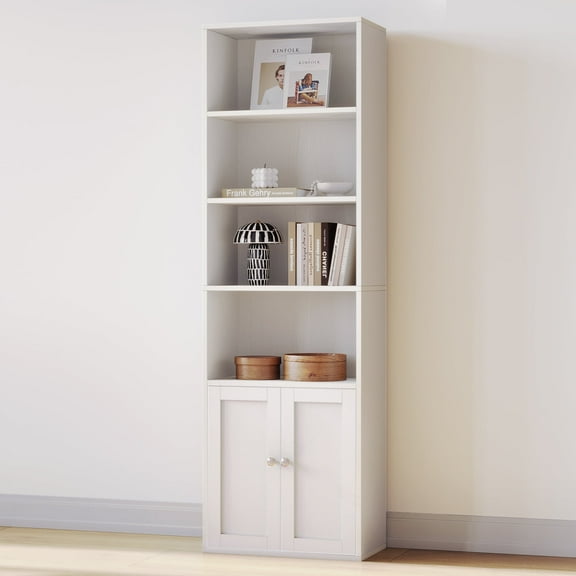


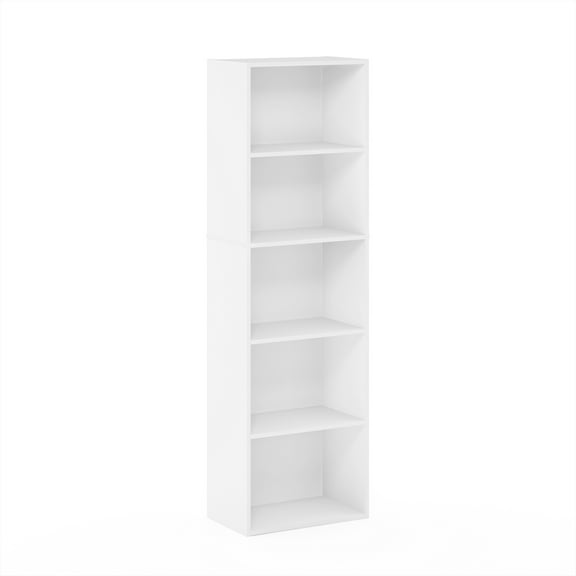


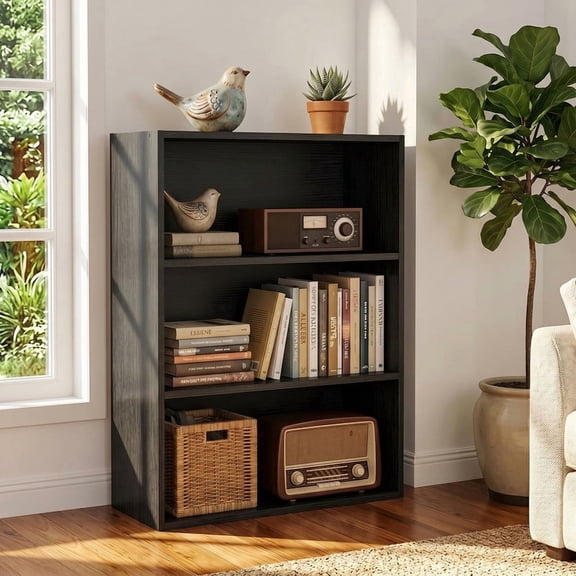


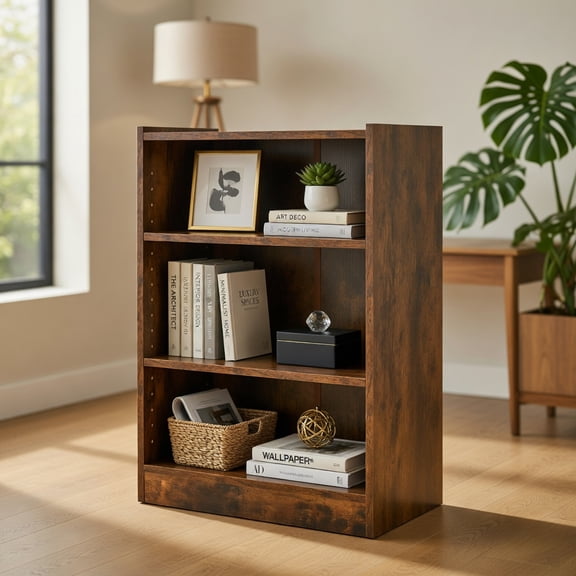


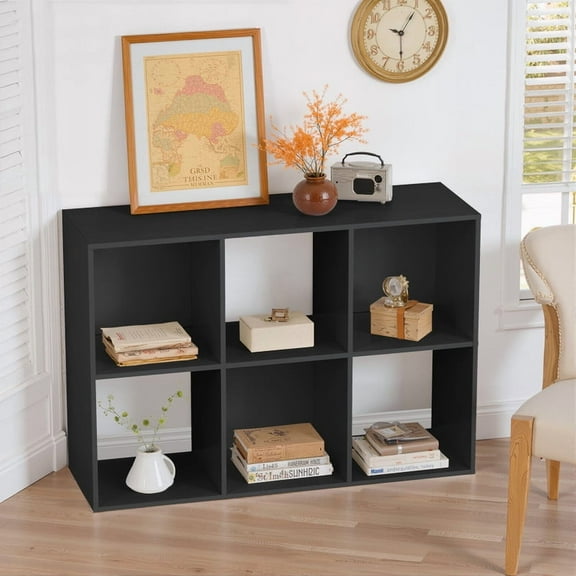


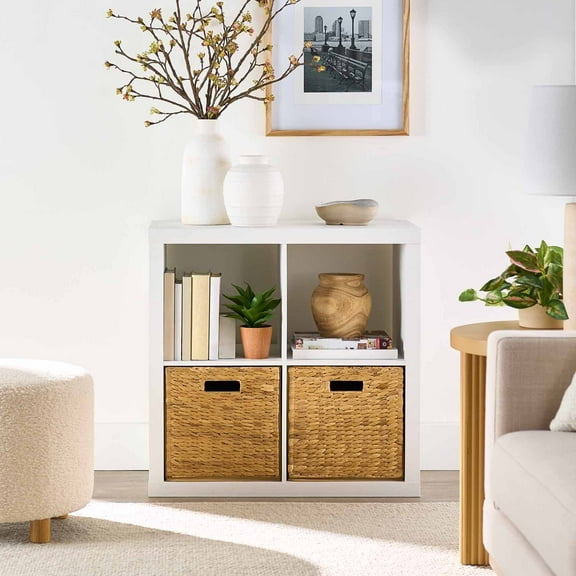




















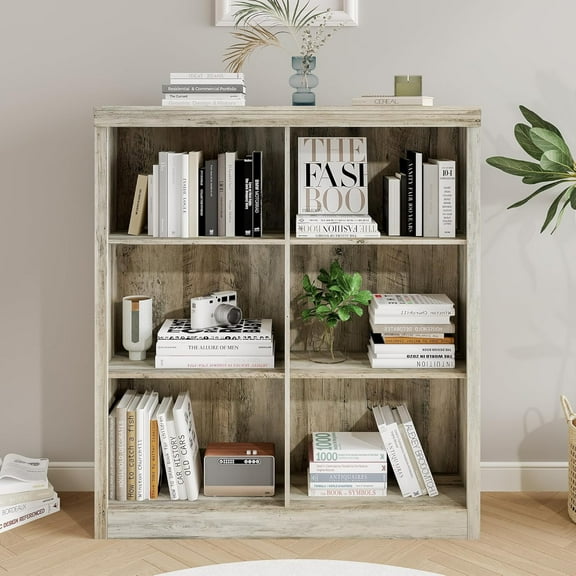


About White Bookshelves for Office Furniture - Walmart.com
White bookshelves help you organize books, files, and decor while keeping your room bright and clean-looking. You can compare shelf counts, sizes, materials, and storage features to match your space and routine.
How to choose white bookshelves for your room
Start with the footprint you have, then measure your height, width, and depth limits before you compare options. You’ll avoid crowding walkways and you’ll know whether a tall white bookshelf fits under trim or sloped ceilings.
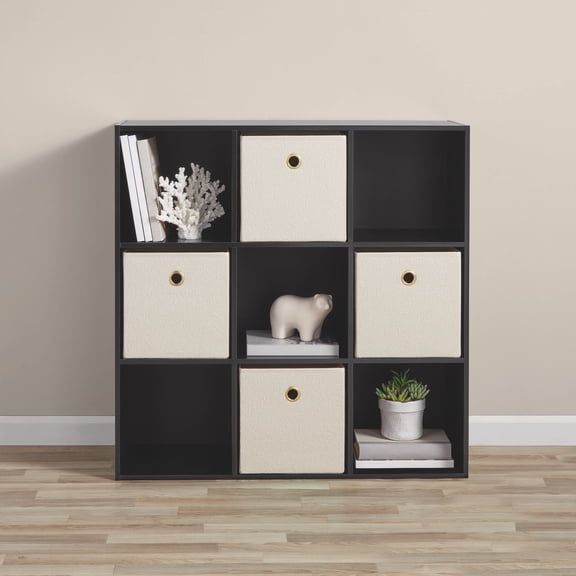
If you need open storage for paperbacks or binders, a white bookcase with three to six shelves can keep items visible. If you want hidden storage, you can consider a white bookshelf with drawers or doors for supplies and chargers.
Style also changes the look of your room, so you should compare modern, farmhouse, ladder, cube, and classic bookcase shapes. You can also check whether a matte or glossy finish matches your desk, flooring, and hardware.
Key benefits you can expect from a white bookcase
You’ll notice that a white finish can make small offices, bedrooms, and study corners feel lighter and less busy. You can pair white shelving with black metal, natural wood, or colorful decor without changing your whole setup.
Storage flexibility matters when your needs change, and adjustable shelves can help you fit books, bins, and framed photos. You can keep textbooks upright on one shelf and place baskets or speakers on another.
- You can brighten darker corners with a finish that reflects light cleanly.
- You can organize books, office supplies, and decor in one vertical storage piece.
- You can choose open shelves, drawers, or doors based on how visible you want items.
- You can use narrow or tall profiles when you need storage without taking much floor space.
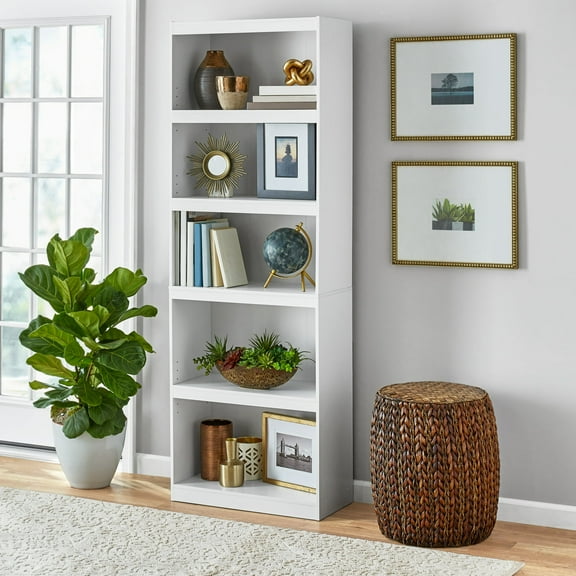
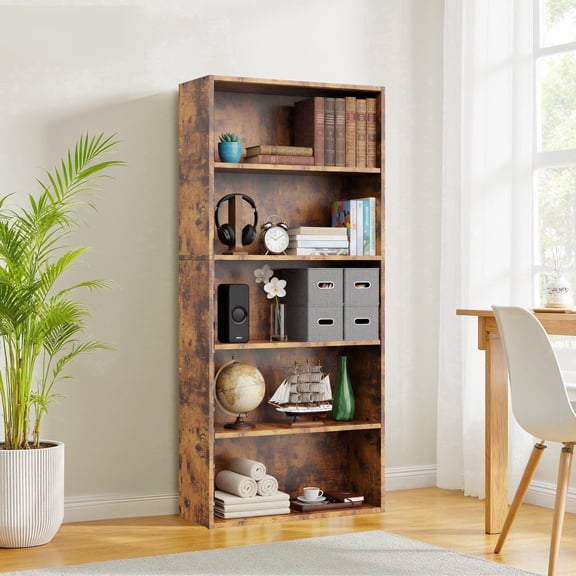
When you compare configurations, you’ll often find a 5 shelf white bookshelf offers a balanced mix of height and usable storage. You can store novels, binders, and display pieces without moving to a much wider frame.
Choosing the right number of shelves and size
Measure your room first, then compare exact height, width, and depth so your shelf fits the wall you have. You should also check drawer clearance, door swing, and nearby outlets before you decide.
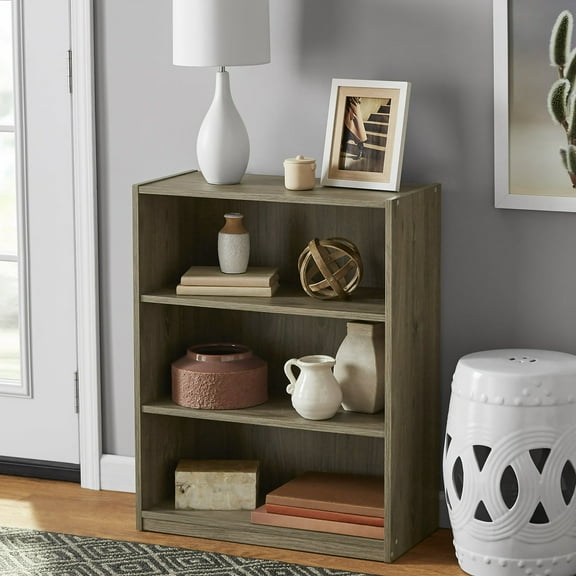
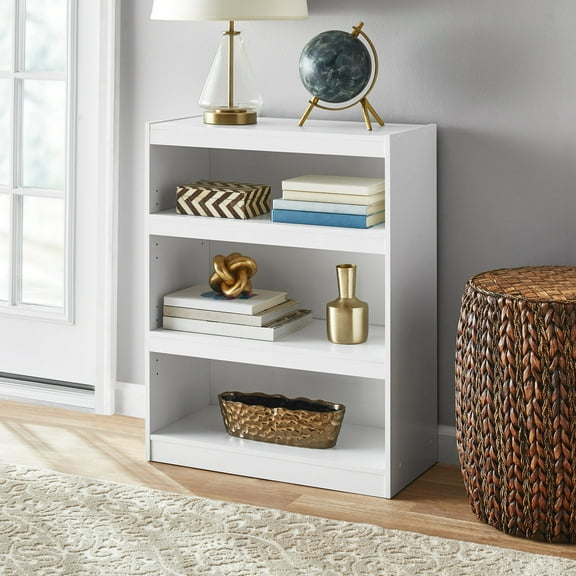
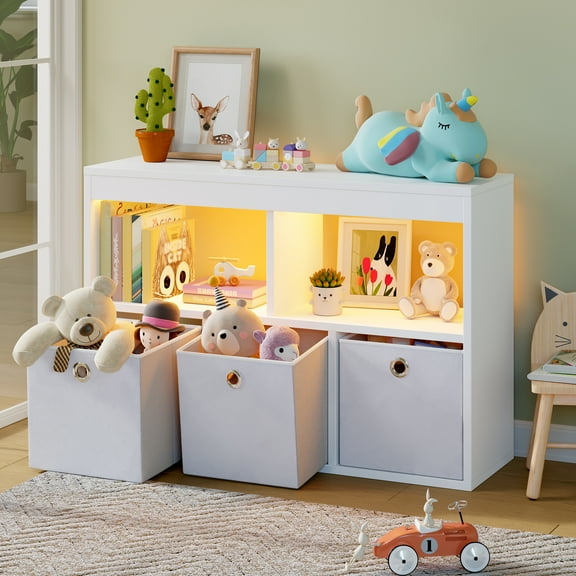
A three-shelf unit can suit lower walls, kids’ rooms, or under-window spaces where vertical clearance is limited. A six-shelf design can work when you need more display height and you want to use vertical space.
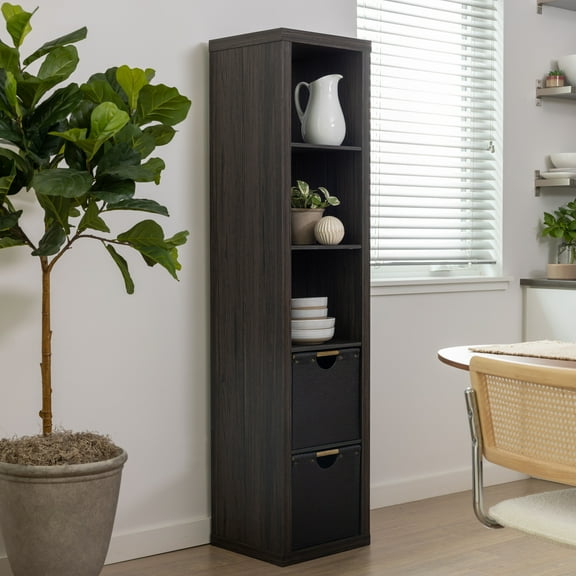
If you’re furnishing a tighter room, you may prefer a narrow tower that holds books without extending far into the space. If you have a longer wall, you can consider a wide unit for baskets, art books, and grouped decor.
A tall white bookshelf can help you use upward space when floor area is limited in apartments or home offices. You should still compare top-shelf reach and anchoring needs before placing heavier items higher up.
Comparing materials, weight capacity, and setup
Material affects how your shelf looks and feels, so you should compare wood, metal, engineered wood, and MDF carefully. You may prefer white wooden bookshelf styles for a warmer look, while metal accents can feel cleaner and more modern.
Engineered wood and MDF designs can give you smooth painted surfaces and consistent color across shelves and side panels. You should check the stated weight capacity per shelf so your books, bins, and decor fit the intended load.
When you store hardcovers or office binders, shelf capacity becomes a key decision point instead of a small detail. You can compare max weight limits per shelf to separate display shelving from heavier storage needs.
Assembly details also matter because you want a setup process that fits your tools, time, and comfort level. You should look for clear hardware labeling, step-by-step instructions, and wall-anchoring compatibility for a secure final placement.
Matching style and features to everyday use
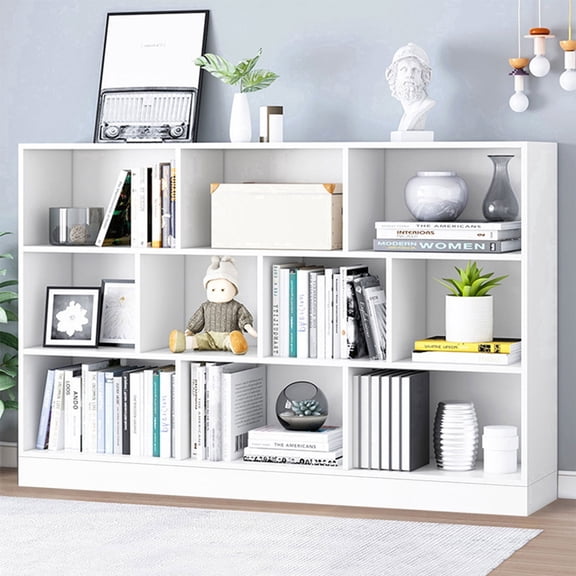
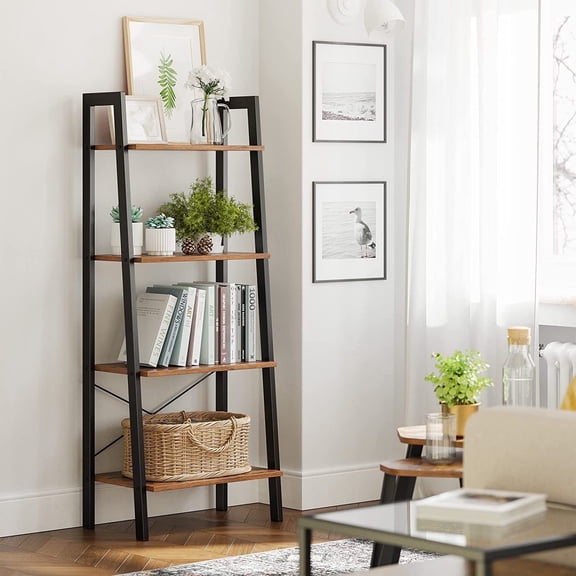
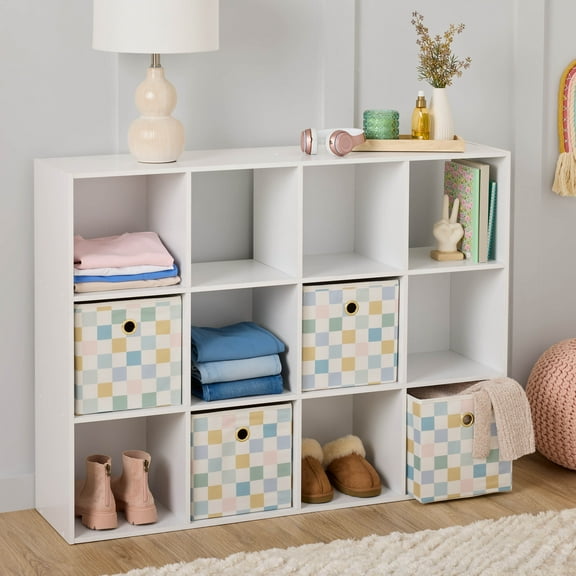
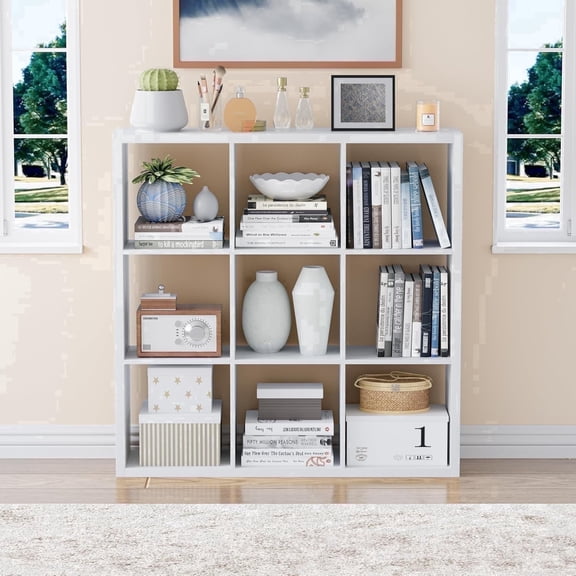
Modern shapes can suit clean desks and simple decor, while farmhouse details can soften a room with texture and framed accents. Ladder silhouettes can feel open, and cube layouts can help you sort baskets, books, and display items.
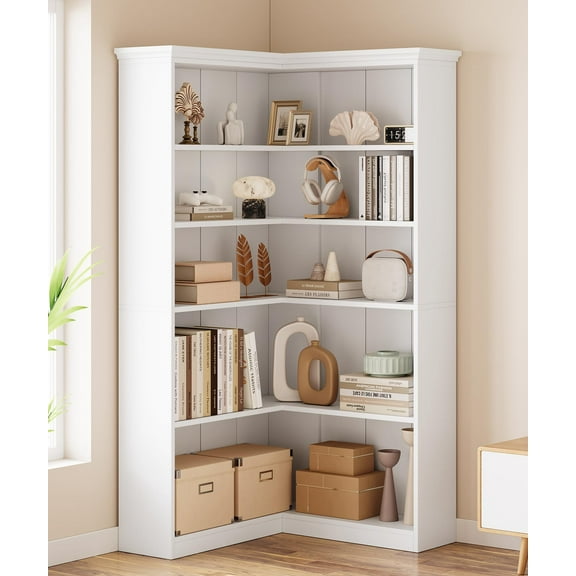
Backless designs can keep a room airy and can work well when you want the wall color to show through. Corner shelves can help you use overlooked space, especially when your room layout leaves few flat walls open.
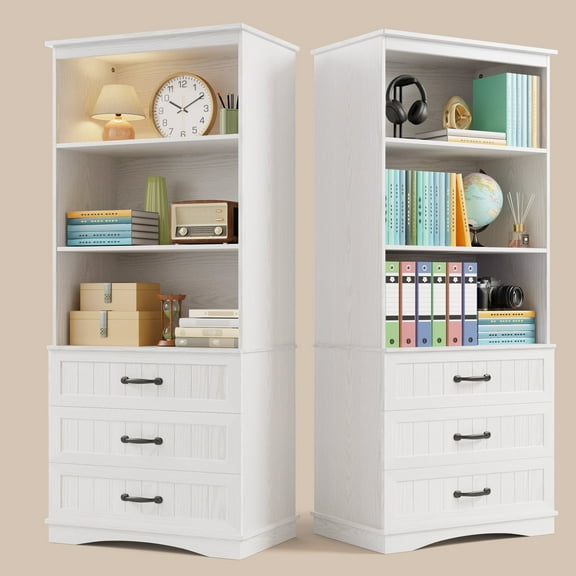
If you want a tidier look, you can choose a white bookshelf with drawers for cords, notebooks, and small office supplies. If you display collectibles or dinnerware, you may prefer doors that hide visual clutter between uses.
You can also match finishes to your room by checking whether the white tone looks crisp, soft, matte, or glossy. That small detail can help your shelf blend with desks, nightstands, or TV stands you already own.
Use cases for a 5 shelf white bookshelf and other layouts
You can use a 5 shelf white bookshelf in a home office for binders, reference books, printers, and storage boxes. You’ll get vertical organization without taking over the full width of your workspace.
In a bedroom, you might choose a small or narrow unit for paperbacks, framed photos, and folded accessories. In a living room, you can use a wider bookcase for decor, baskets, and media items.
If you’re setting up a study area, you can use adjustable shelves to fit textbooks, art pads, and letter-size storage bins. You can also leave one shelf open for a lamp, speaker, or desktop accessories.
For mixed storage, you may want drawers below and open shelves above so your room stays orderly and accessible. That combination can help you separate display pieces from everyday supplies you’d rather keep tucked away.
When you choose white bookshelves with the right measurements, shelf count, and storage features, you get organized space that feels clean and intentional. You can create a setup that fits your room, supports your daily storage needs, and looks cohesive.