


Find auto parts that fit
Let’s search for parts that fit your vehicle.Wheel Studs & Replacement Lug Studs | Walmart




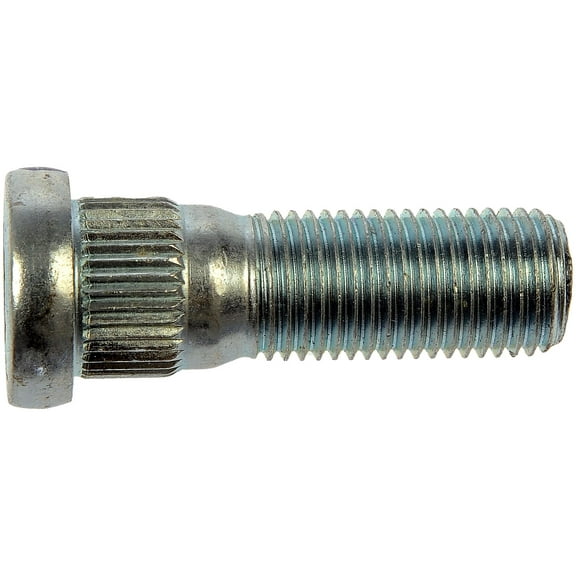
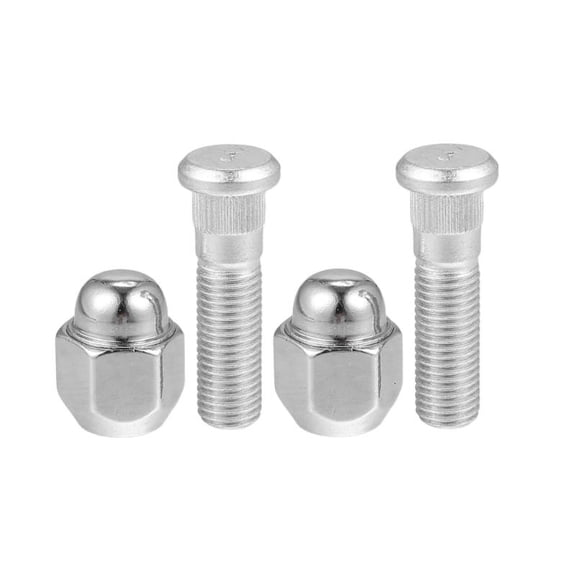

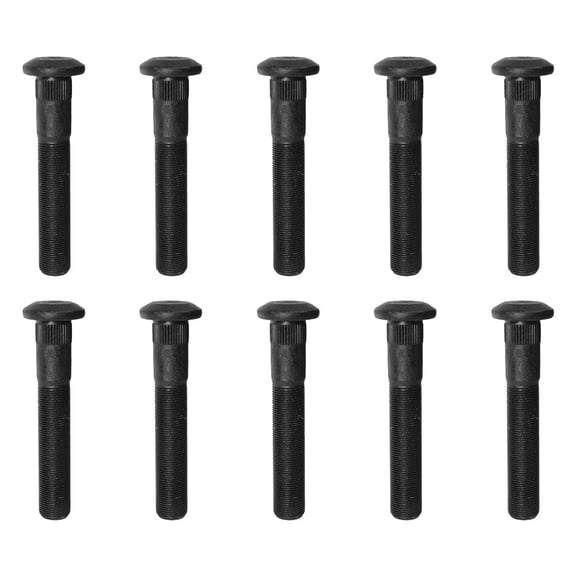
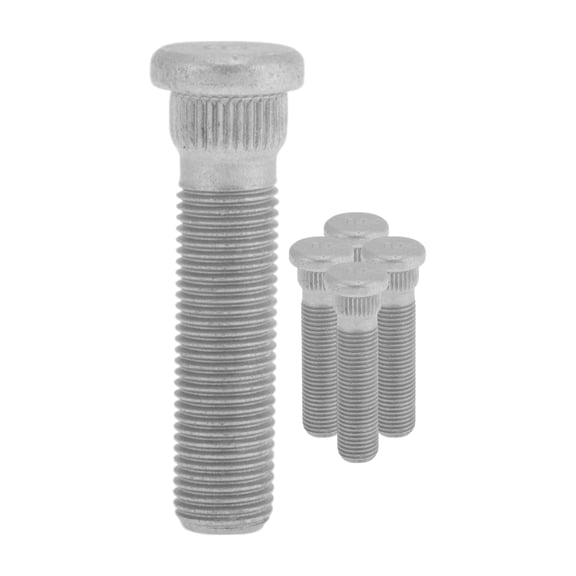


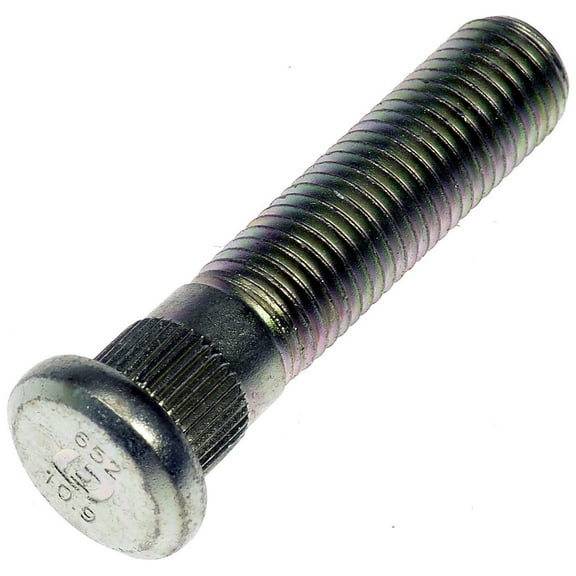


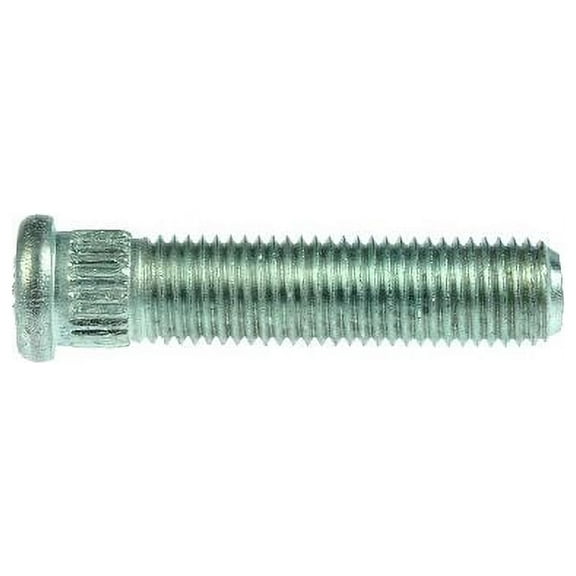
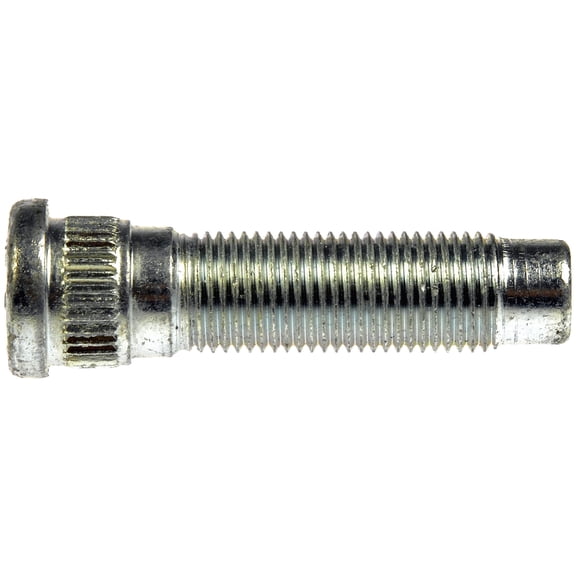

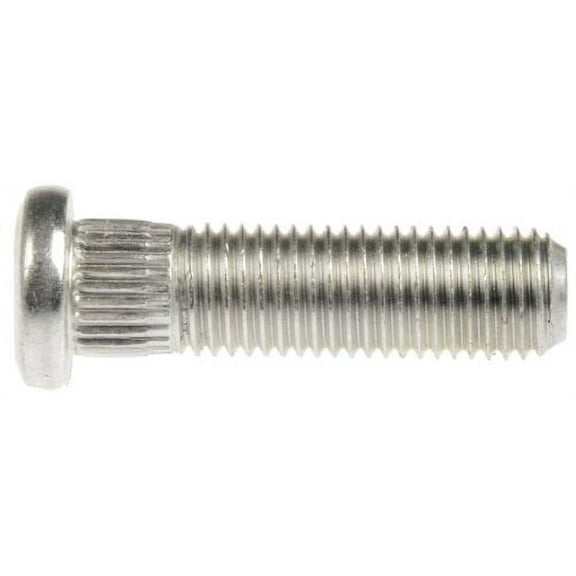


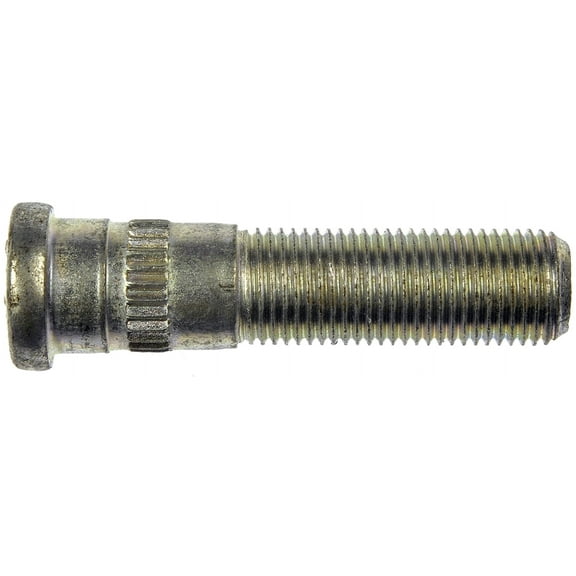



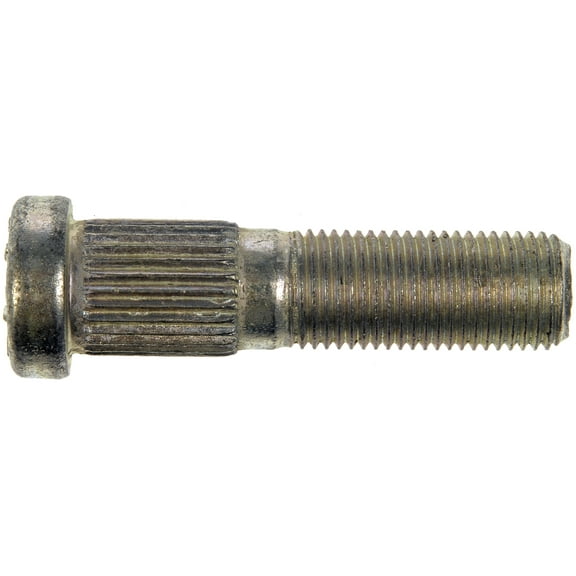
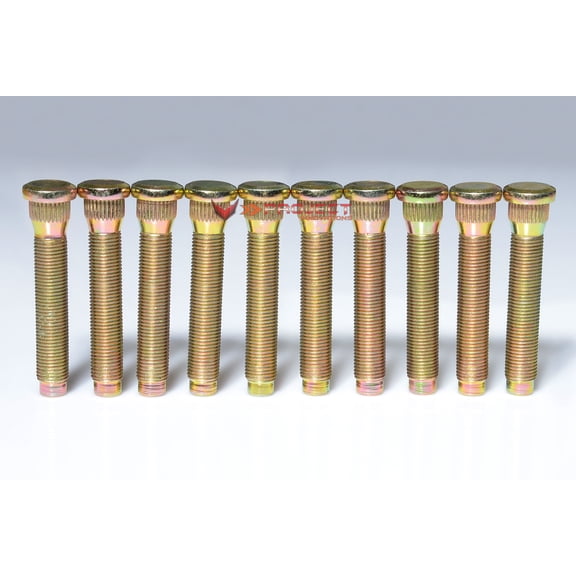
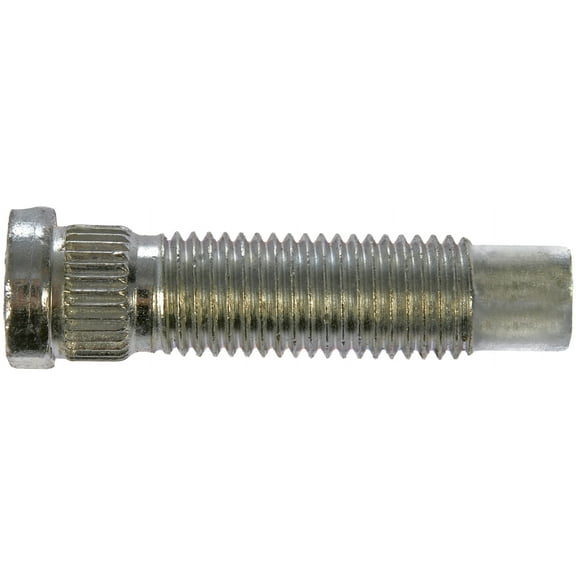
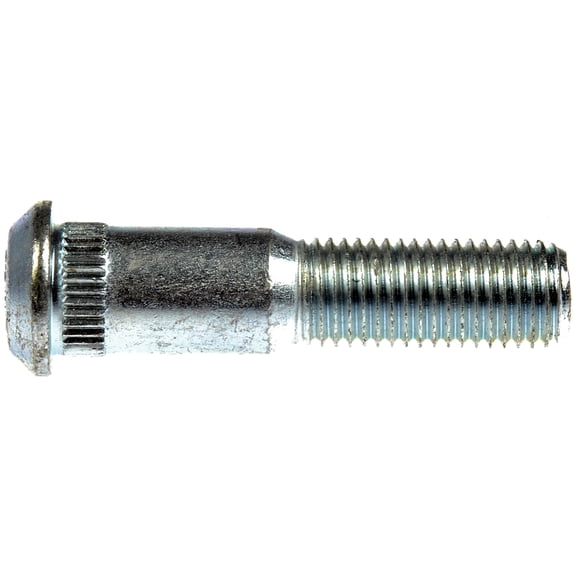
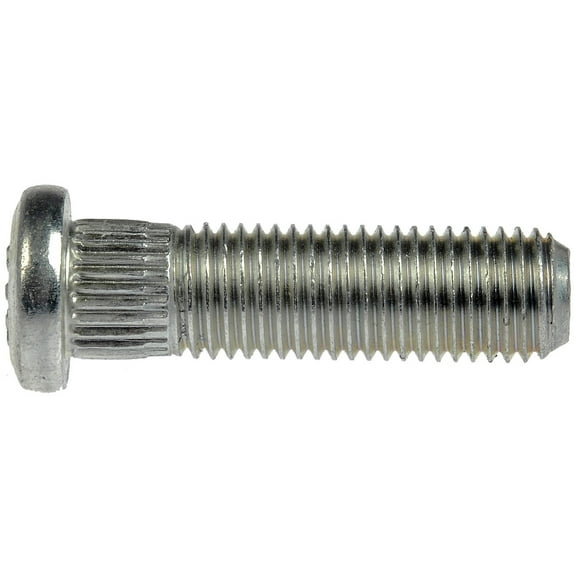

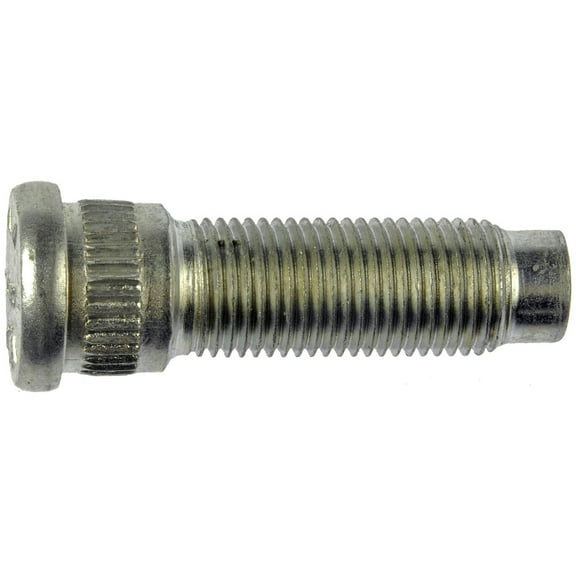

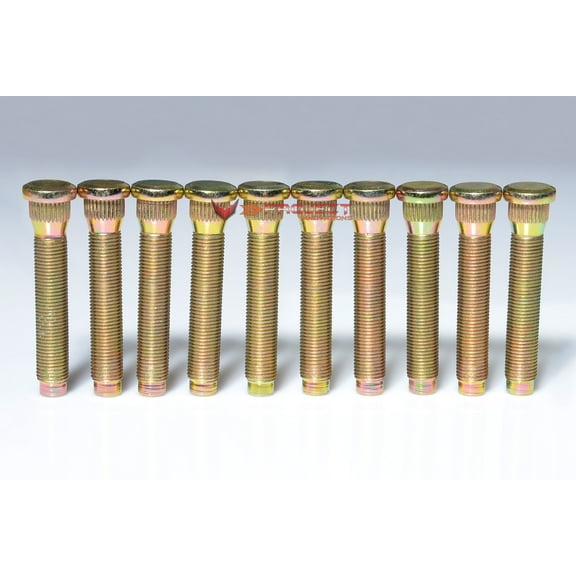


About Wheel Studs & Replacement Lug Studs | Walmart - Walmart.com
Wheel studs help you secure your wheels with the right fit, thread pitch, and strength for your vehicle. When you compare critical measurements first, you can narrow choices faster and avoid mismatched hardware.
If you're replacing worn hardware or planning a threaded wheel stud replacement, you'll want clear guidance on size and compatibility. This category focuses on decision points like thread size, knurl diameter, stud length, and material grade.
How to choose wheel studs for your vehicle
You should start with thread size because your lug nut must match the stud exactly. If your vehicle uses M12x1.5, M12x1.25, 1/2-20, or M14x1.5, you need that same thread pattern.
You should also check whether your application calls for a passenger car, truck, universal, or model-specific fit. If you drive a sports coupe, you may search for 350z wheel studs to match your setup.
You can narrow options faster when you compare these fitment details before anything else. That approach helps you focus on hardware that installs correctly and supports proper wheel mounting.
Key fitment details you should compare
You should compare several measurements together because one matching spec isn't enough for proper fitment. Your thread size, knurl diameter, stud length, and seating depth all work together.
- You should match thread pitch exactly, such as M12x1.5 or 1/2-20, so your lug nuts thread on correctly.
- You should measure knurl diameter, such as 0.509 in, 0.580 in, or 0.625 in, for the hub opening.
- You should check stud length so your wheel setup has the thread engagement your lug nuts require.
- You should compare material grade, including Grade 10.9, Grade 8, or titanium, based on your application.
You may also compare lug and wheel studs together when you're updating related hardware. That step helps you keep your mounting setup consistent across your installation.
Understanding thread pitch and knurl diameter
You can think of thread pitch as the pattern that lets your lug nut spin onto the stud correctly. If your pitch is wrong, your hardware won't mate the way your vehicle requires.
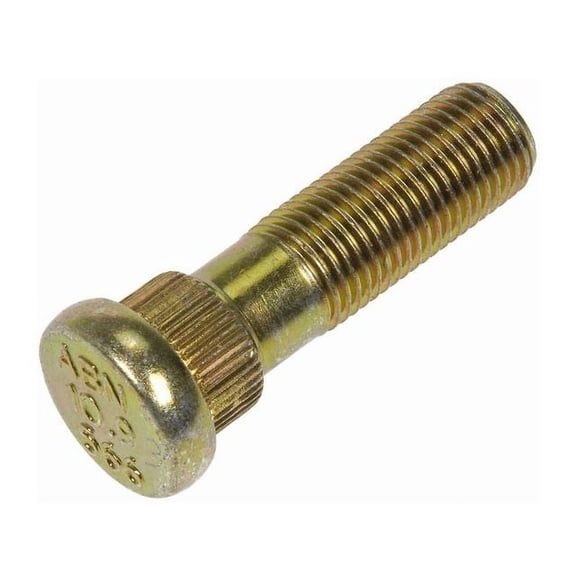
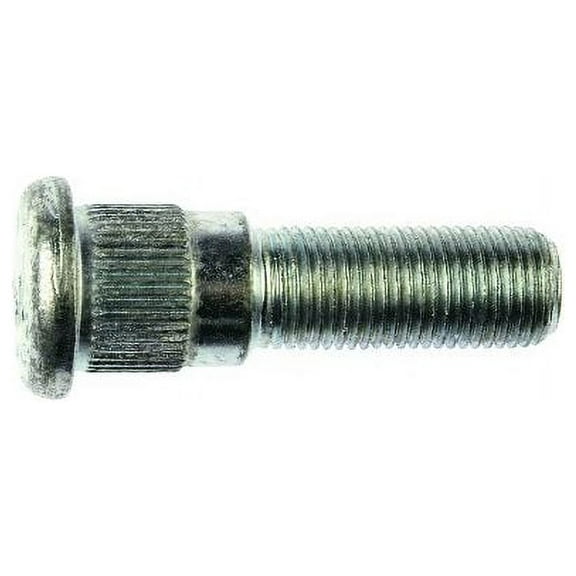
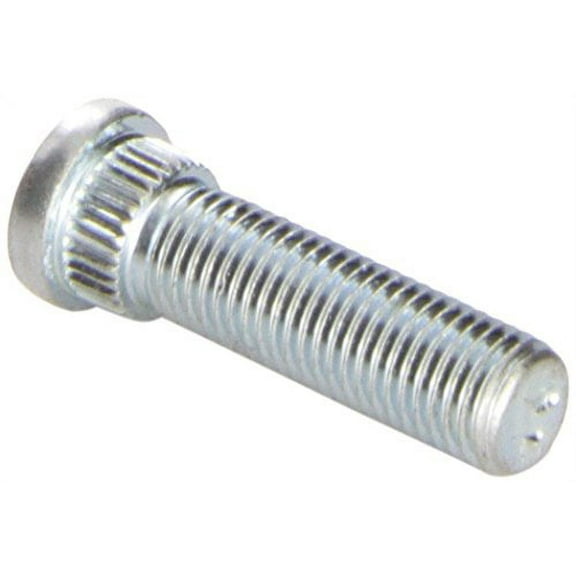
You should treat knurl diameter as the press-in section that fits into the hub. If your knurl is too small or too large, you won't get the intended seated fit.
You may see common knurl sizes like 0.509 in, 0.580 in, and 0.625 in in this category. Those numbers matter because you need the stud to fit the hub opening securely.
You should also compare overall stud length for wheel clearance and thread engagement. If you use thicker wheels or spacers, you may need more usable thread length.
You can use these technical specs as practical filters, not just part numbers. When you match them carefully, you reduce guesswork and find a wheel stud that suits your setup.
Choosing material grade and stud construction
You should compare material grade based on how your vehicle is used and what hardware your setup requires. Grade 10.9 options are common when you want a strong, heat-treated steel specification.
You may also find Grade 8 choices and titanium options in this category. Each material can suit different priorities, including strength targets, weight preferences, and intended vehicle use.
If you're searching for a 10.9 lug stud, you should still confirm every fitment measurement first. Your strength rating matters, but your thread size and knurl fit still drive compatibility.
You can also compare finishes and thread design when you review replacement parts. Those details help you choose hardware that matches your installation needs and wheel mounting style.
Matching wheel studs to common vehicle setups
You may need different specs depending on whether you drive a truck, passenger car, or model-specific application. Your wheel design, hub dimensions, and lug nut type all influence the right choice.
If you're replacing factory hardware on a coupe, you might look for 350z wheel studs with the correct thread and press-in dimensions. That kind of targeted search helps you focus on direct-fit options.
You might also need a lugnut stud setup for daily driving, towing, or aftermarket wheel changes. In those cases, you should check thread engagement and stud length before you choose.
If you're planning a threaded wheel stud replacement after changing hubs or wheels, you should compare every published measurement. That process helps you sort universal listings from vehicle-specific parts.
You may wonder how much is a wheel stud when you're comparing replacement parts across materials and sizes. Your final cost usually depends on fitment specs, quantity, and construction details.
You can shop with more confidence when you understand what each measurement actually means for installation. That clarity helps you choose hardware that fits your hub, matches your lug nuts, and supports proper wheel mounting.