


Weight Vests in Weight Lifting Accessories






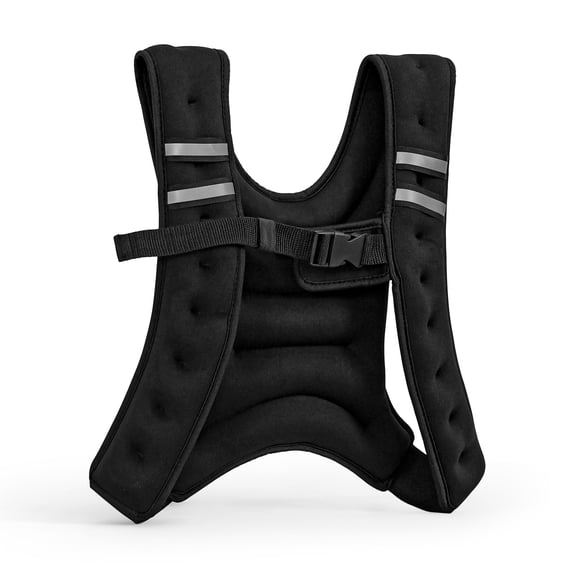


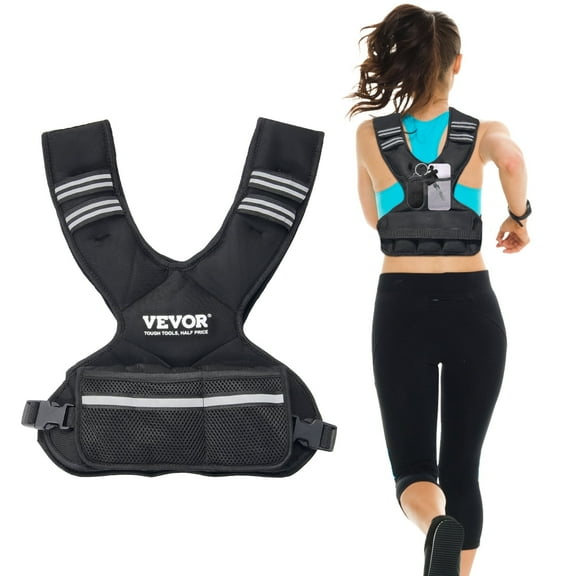


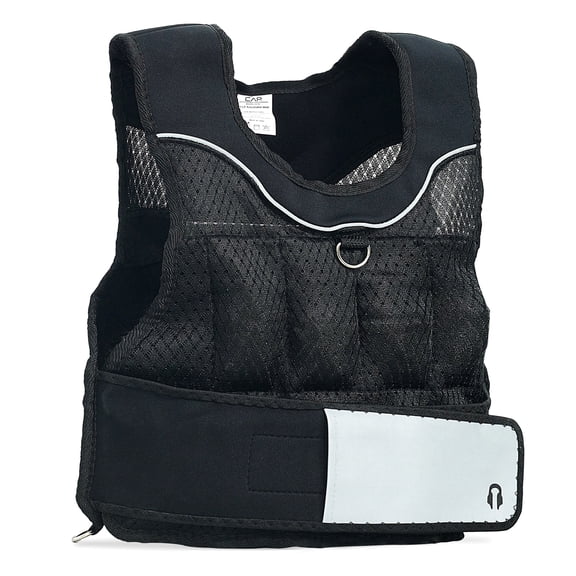


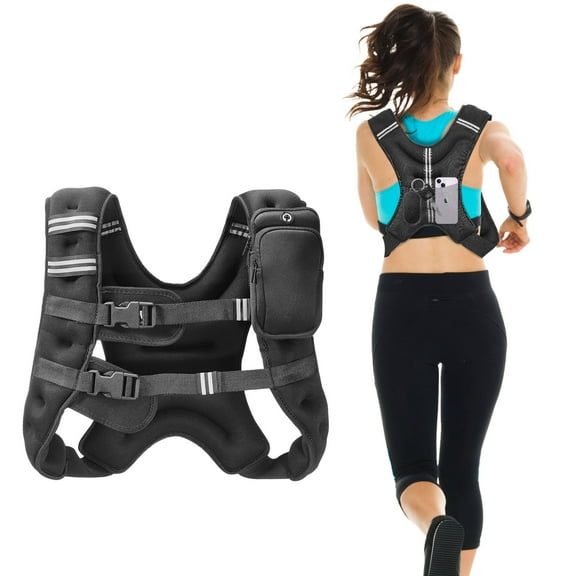















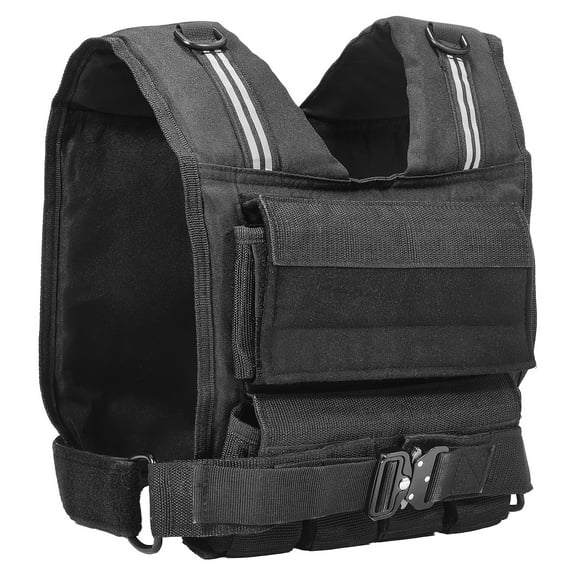
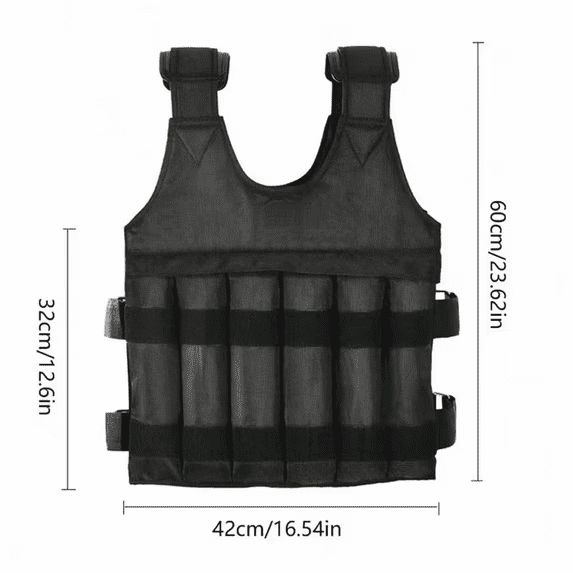

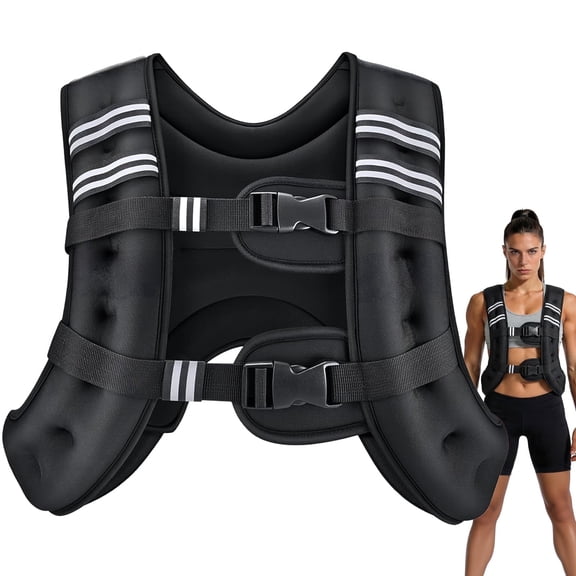

About Weight Vests in Weight Lifting Accessories - Walmart.com
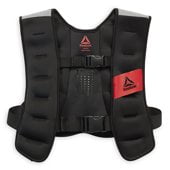
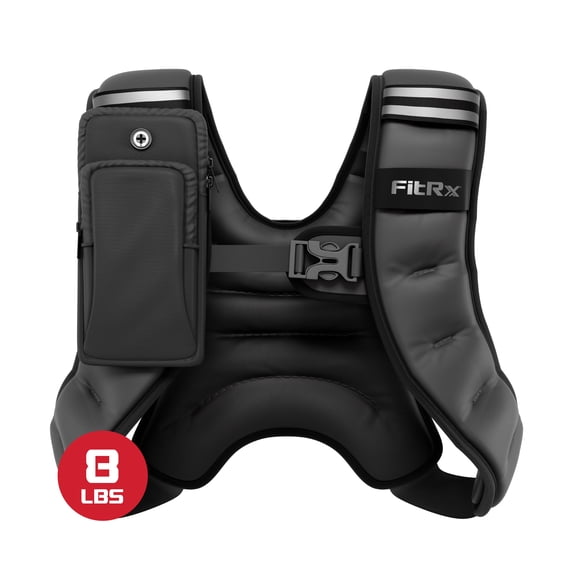
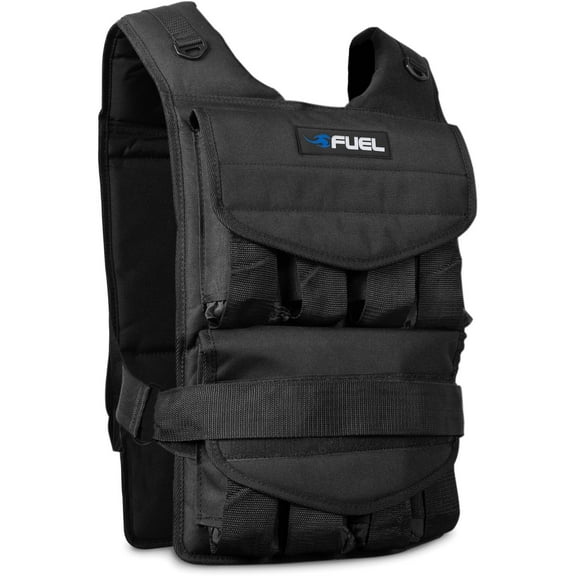
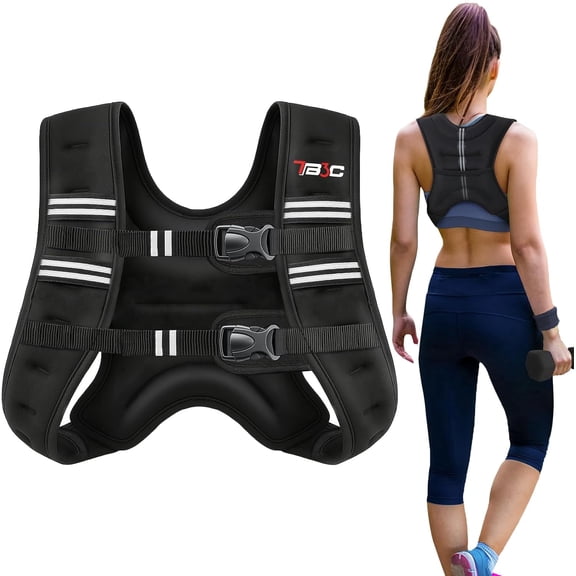
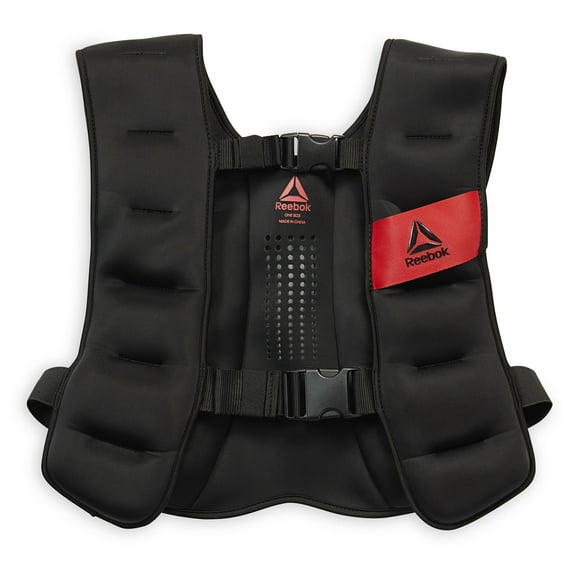
Women's weight vests help you add steady resistance to walks, runs, and strength sessions without changing your natural movement. You can compare fit, weight range, and closure details to find a vest that suits your frame and workout style.
How to choose women's weight vests
When you compare women's weight vests, you should start with weight capacity and how you plan to train. You may prefer five to 10 lbs for cardio, while you may choose 15 to 20 lbs for strength work.
An adjustable weight vest gives you flexibility as your routine changes over time. You can add or remove resistance for walking days, short runs, or body weight vest circuits at home.
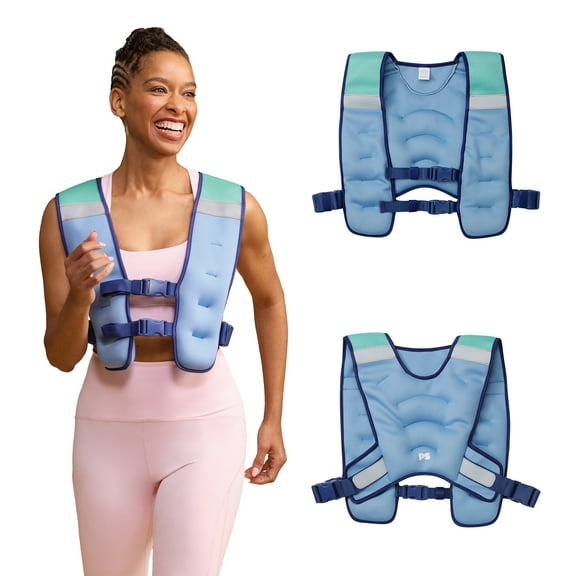
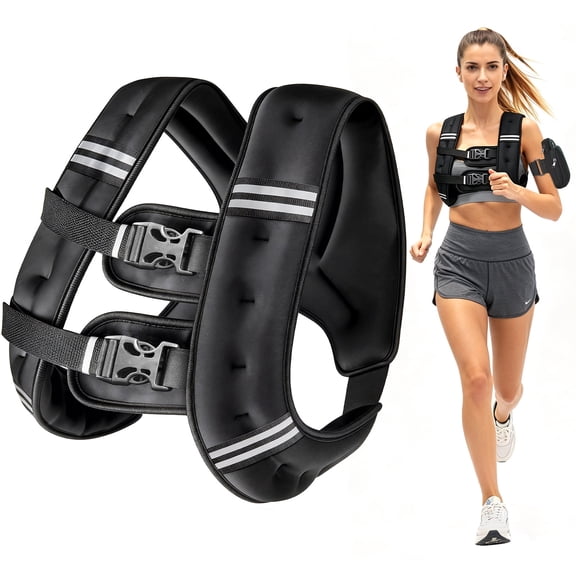
Fit matters just as much as load when you want smooth movement. You should look for narrower shoulder shaping and bust-friendly strap placement, because those details can create a more secure feel.
Key benefits of a weighted vest for women
A weighted vest for women can help you make familiar workouts feel more challenging without carrying dumbbells in your hands. You can keep your arms free while you climb stairs, take outdoor walks, or move through squats and lunges.
You may also notice that a snug vest keeps resistance close to your center during training. That close fit can help you stay focused on pace, posture, and form instead of shifting bulk.
- You can add resistance to walking, jogging, and cross-training without changing your routine setup.
- You can choose lighter or heavier loads based on your current fitness level and training goal.
- You can look for contoured straps and compact panels that sit more comfortably across your torso.
- You can use one vest across several workouts when you choose adjustable inserts and secure closures.
For outdoor cardio, a running weight vest women shoppers choose often has a close, low-bounce profile. You should compare chest adjustment points and back coverage, because those details affect comfort during repeated movement.
For home workouts, a workout weight vest can make bodyweight exercises feel more demanding. You can use it during step-ups, lunges, pushups, and short circuit sessions when you want hands-free resistance.
Comparing weight capacity, closures, and materials
Weight capacity changes how a vest fits into your routine, so you should match the load to your activity. You may start with five lbs for brisk walks, then move toward 10 lbs for longer cardio sessions.
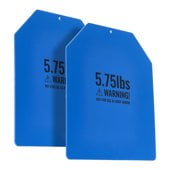
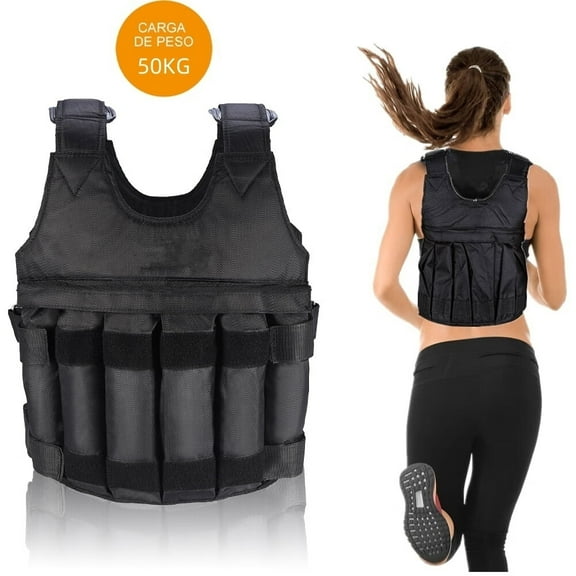
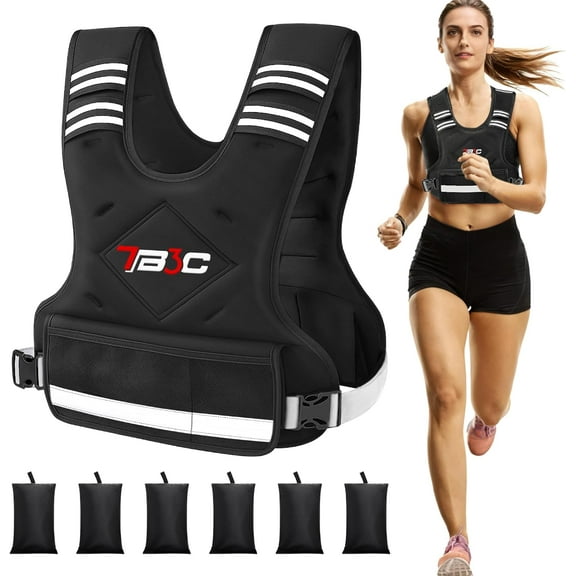
If you focus on strength training, you may compare 15 lbs, 20 lbs, or adjustable styles. You should check whether removable weights are easy to change, especially if you switch between conditioning and lifting days.
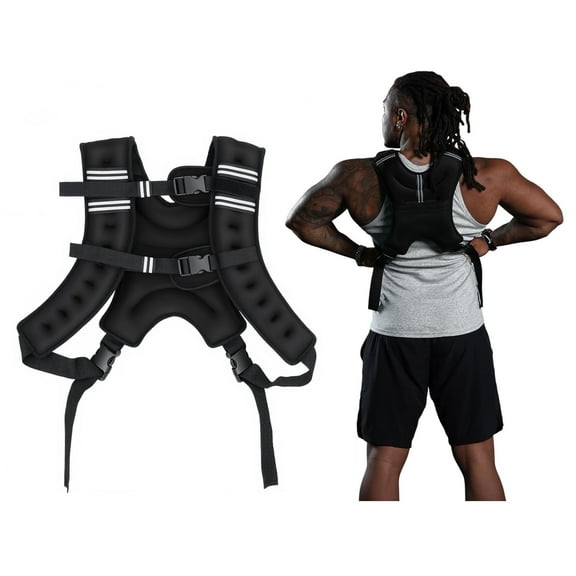
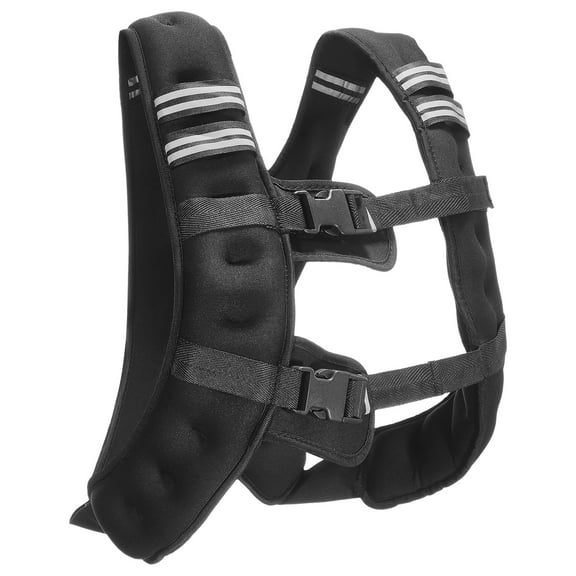
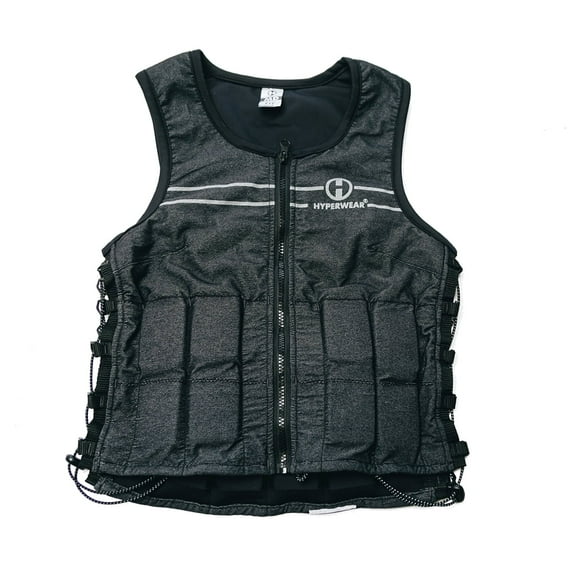
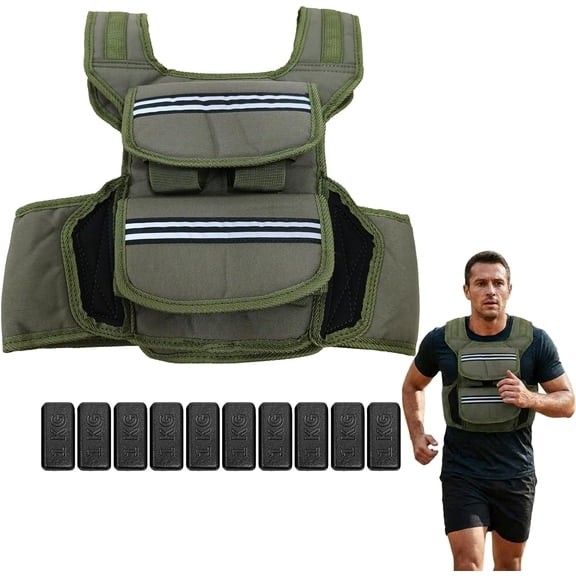
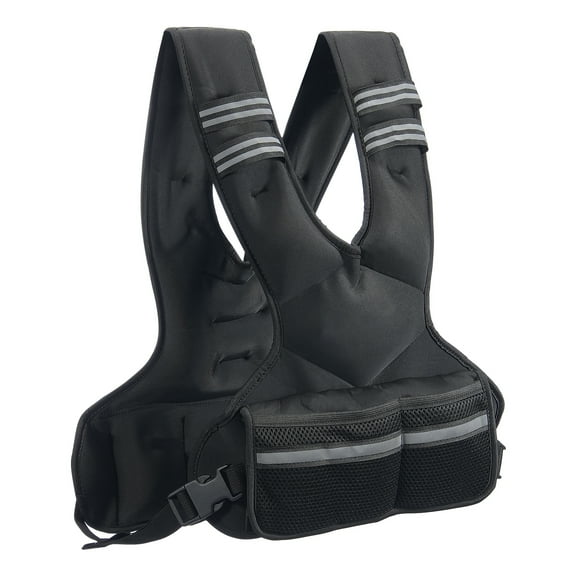
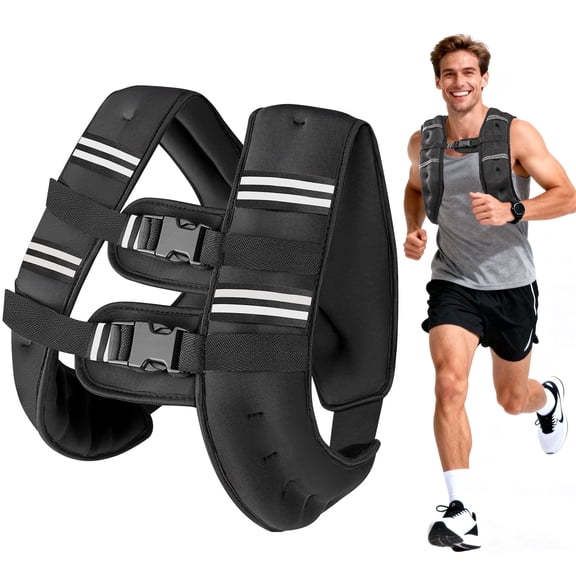
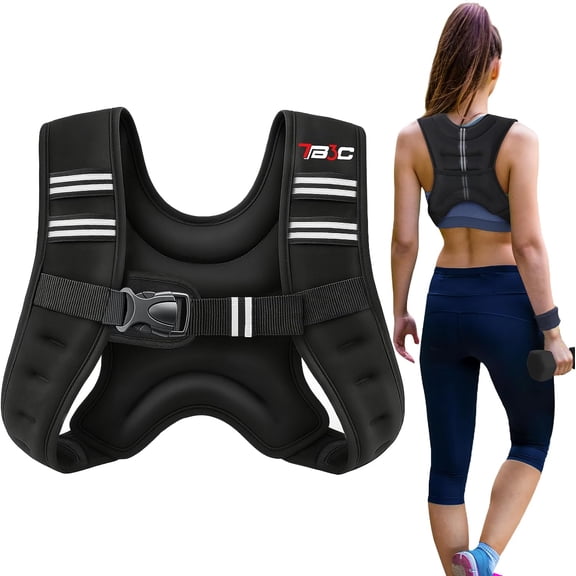
Closure type also affects how secure your vest feels during movement. You can compare zipper fronts, buckle closures, hook-and-loop straps, and cross-back designs based on how quickly you want to adjust fit.
Zipper styles can give you a smooth front and simple on-and-off wear. Buckle and strap systems can give you more precise tightening, which may help if you want less shifting through runs.
Material choice matters when you train in warm spaces or outdoors. You may prefer neoprene for a structured feel, while mesh, nylon, and breathable fabric can feel lighter and less bulky.
Weight type also shapes comfort and flexibility. You can compare iron sand, steel weights, and fixed weight builds based on how evenly you want resistance distributed across the vest.
Matching your vest to walking, running, and strength training
If you want a weight vest for walking women often choose lighter, comfortable builds with breathable fabric. You should look for soft edges, stable weight placement, and simple closures for everyday use.
When you run, you may want a streamlined vest that stays close to your body. You should compare shorter cuts and adjustable side straps, because they can reduce bounce during quicker steps.
For cross-training, you may want an adjustable weight vest that works across several movements. You can remove inserts for cardio intervals, then add them back for squats, step-ups, or controlled carries.
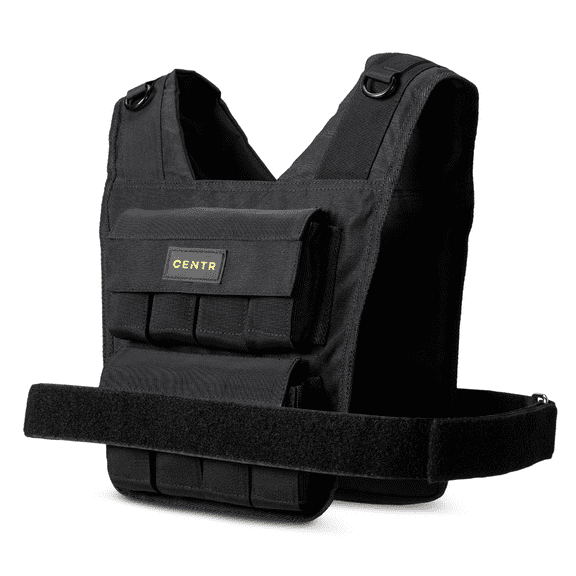
If your routine centers on strength training, you may choose a heavier load and a more structured fit. You should check shoulder width, torso length, and strap placement so your vest stays balanced as you move.
You may also want a color or style that fits your gear preferences, including a pink weight vest. While color is personal, you should still prioritize stable fit, breathable materials, and the right load first.
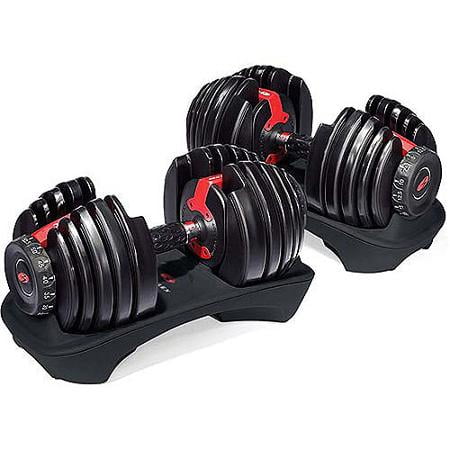
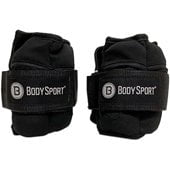
As you compare options, you can also pair your vest with ankle weights, dumbbells, resistance bands, or other training tools. That setup can help you build a more varied routine around walking, running, and strength sessions.
What to look for before you decide
You should measure comfort by how the vest sits across your shoulders, chest, and upper back. You can look for a snug feel that stays close without distracting bulk during repeated movement.
Women's weight vests make more sense when you match the load, closure, and fabric to your routine. You can feel more prepared for walking, running, or strength sessions with a fit that stays secure.