


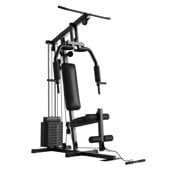
Weight Racks for Dumbbells and Barbells
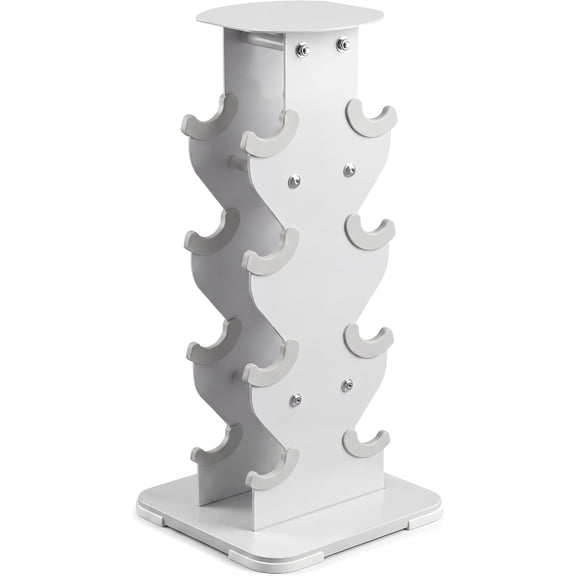


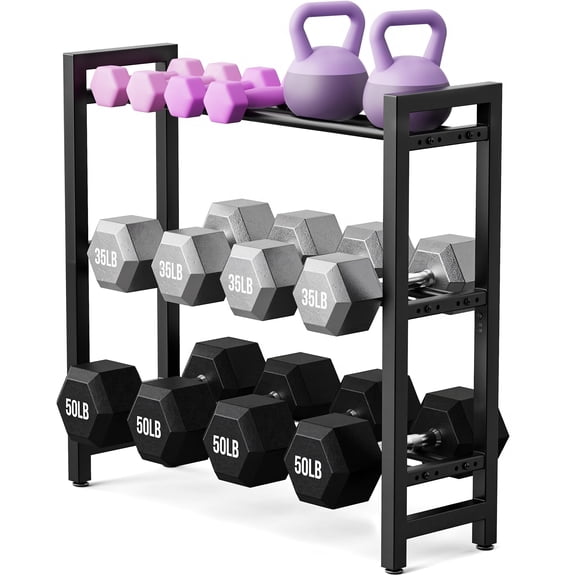
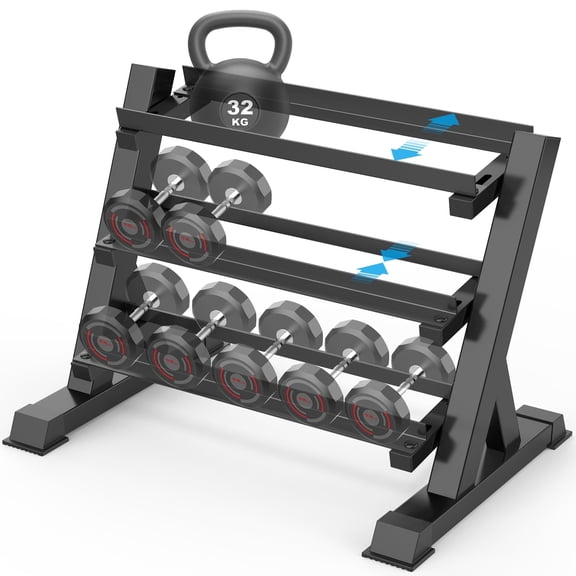







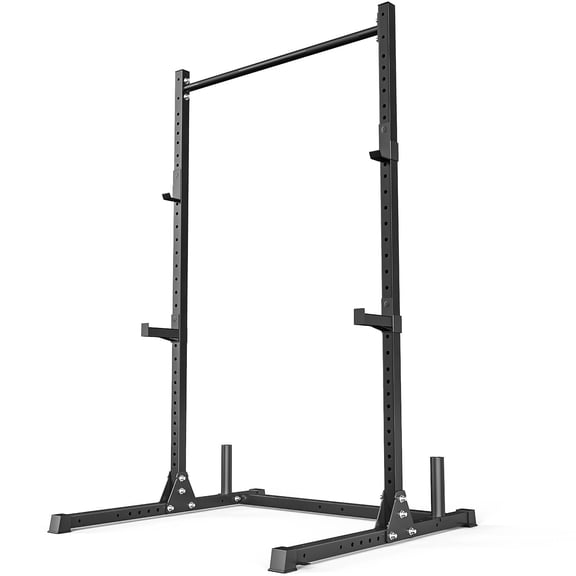
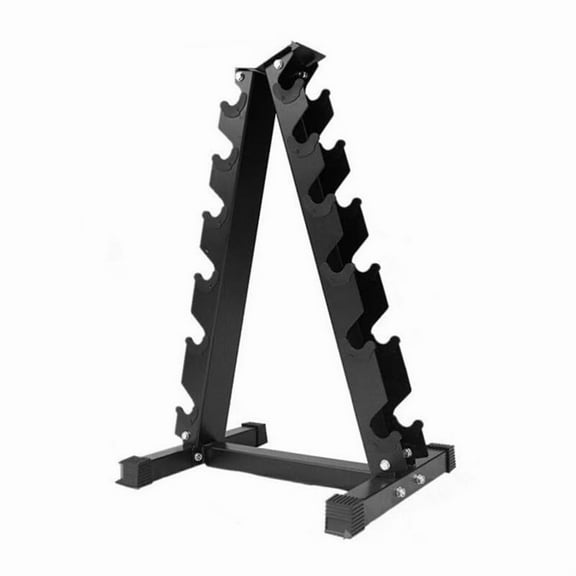
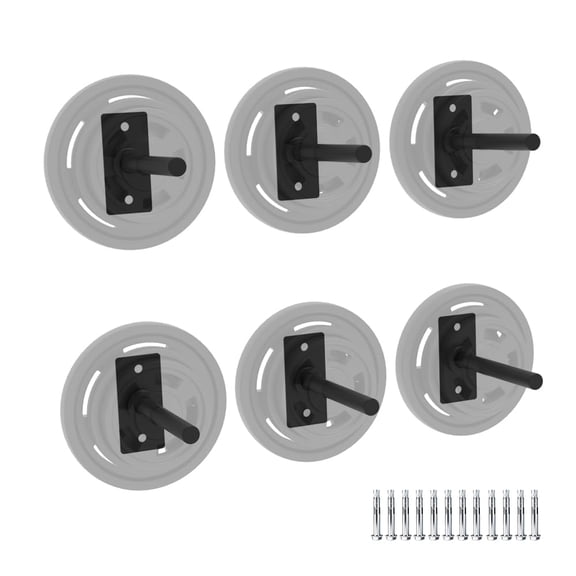


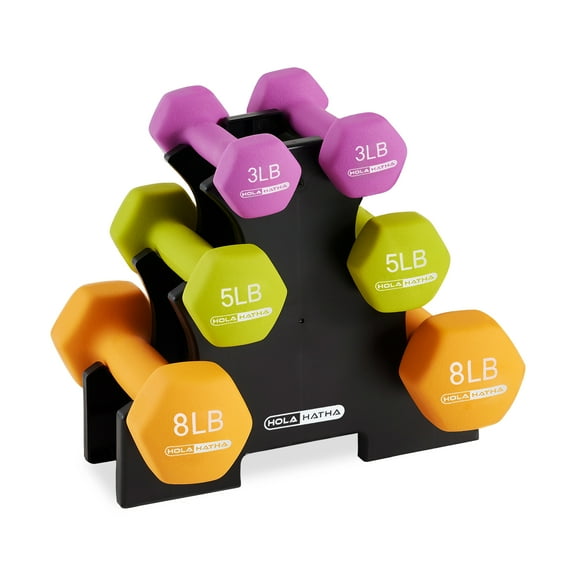




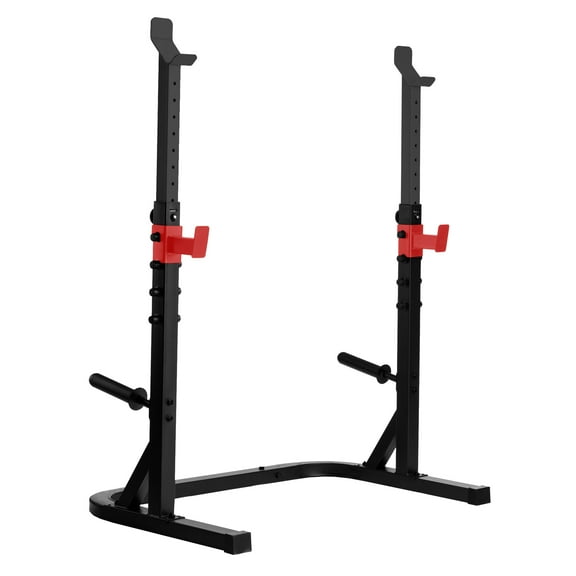
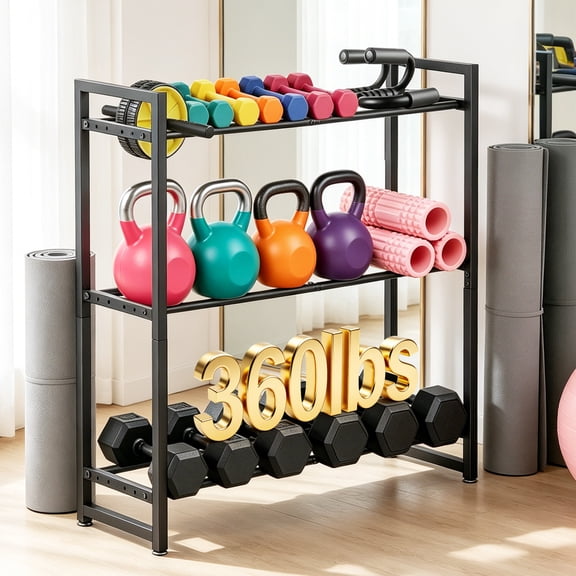
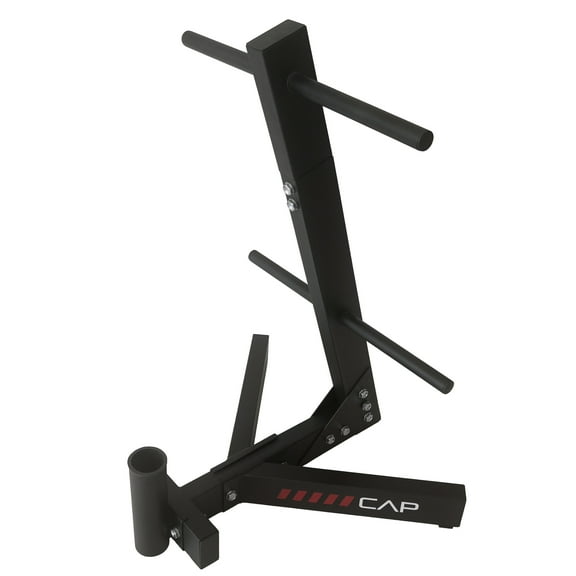
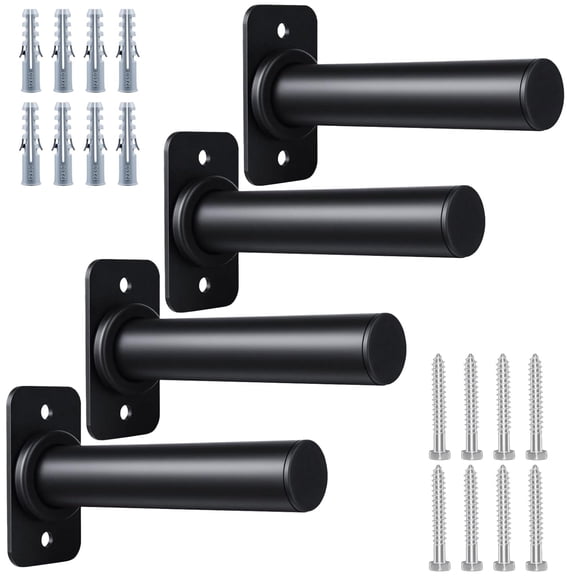






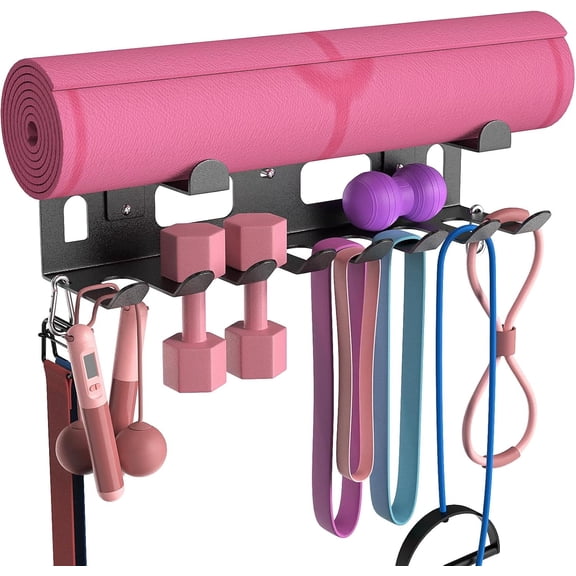
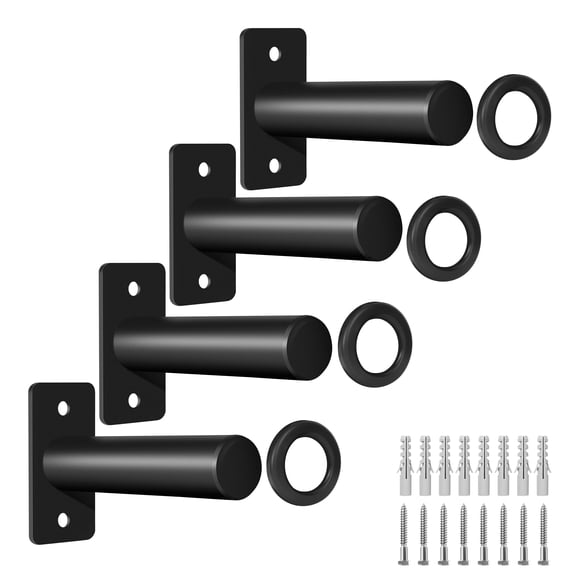


About Weight Racks for Dumbbells and Barbells - Walmart.com
Weight racks help you keep your training area organized, open, and ready for each lift. You can sort dumbbells, barbells, and plates without stacking gear across your floor.
When you compare storage for a home gym, you should look at rack type, weight capacity, and compatibility first. You’ll also want a footprint that fits your room and supports steady placement.
How to choose weight racks for your space
You can narrow weight racks quickly by measuring your open floor area and your current equipment. You should also check whether you need compact, wall-mounted, freestanding, or folding home gym storage.
If you train in a spare room, you may prefer compact or multi-tier storage that keeps weights close together. If you use a garage gym, you may want freestanding designs with wider bases.
- You can reduce floor clutter with vertical or multi-tier layouts.
- You can keep dumbbells, bars, and plates easier to reach between sets.
- You can match the rack shape to compact corners or open wall space.
- You can create cleaner home gym storage for daily training routines.
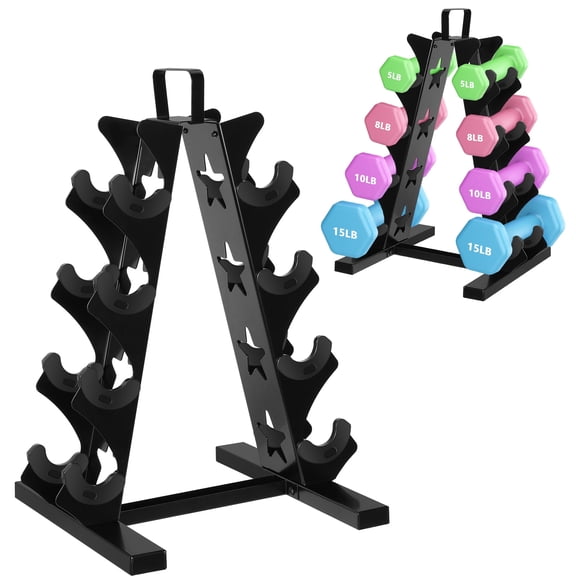
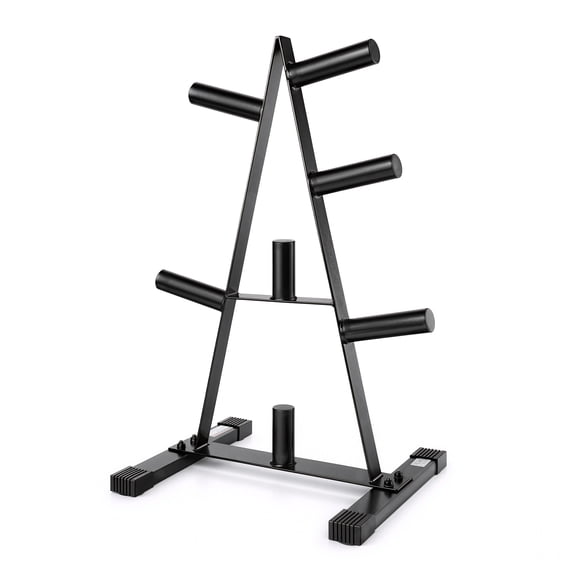
For smaller footprints, you may compare A-frame and tree styles because they stack weights upward. For longer walls, you may prefer horizontal storage because you can spread weight across a lower profile.
You should think about how you move during workouts before you choose a layout. You’ll notice a smarter layout can make plate changes and dumbbell swaps feel more efficient.
Choosing dumbbell racks by rack type and layout
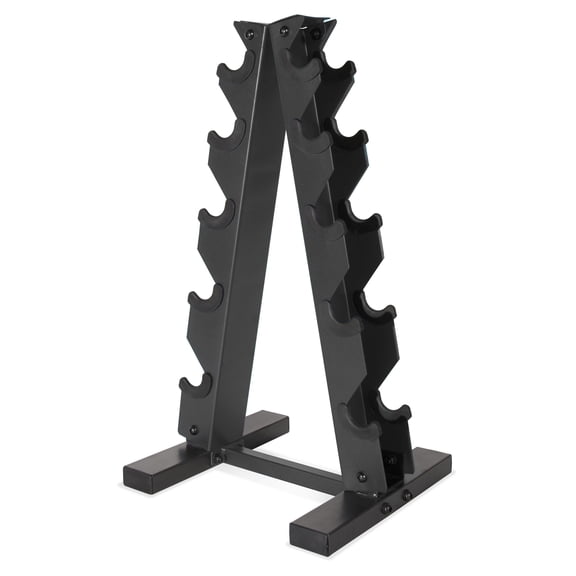
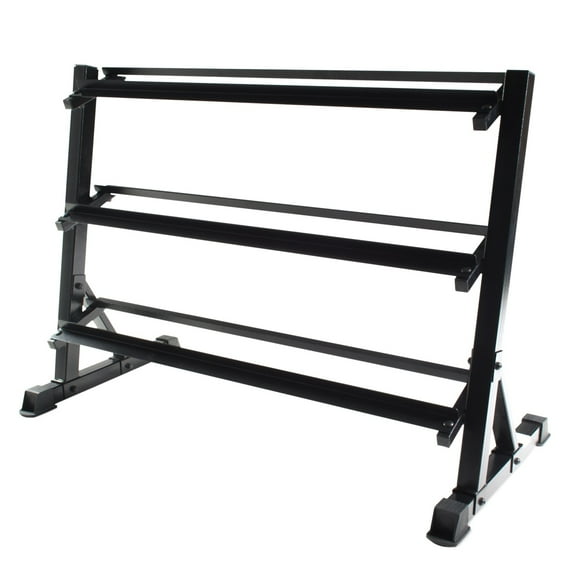
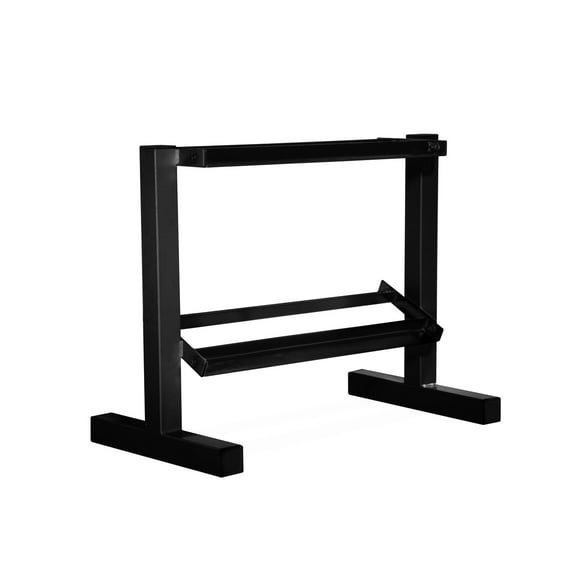
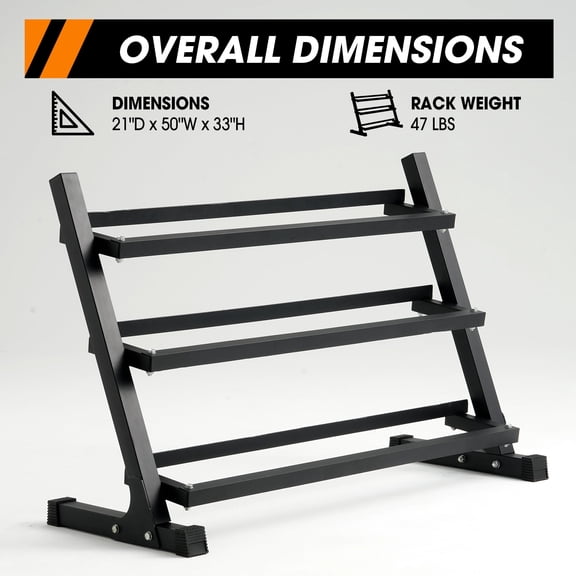
You’ll usually compare A-frame, horizontal, and multi-tier dumbbell racks when you store hand weights. You should choose based on your dumbbell shape, handle width, and the space you can dedicate.
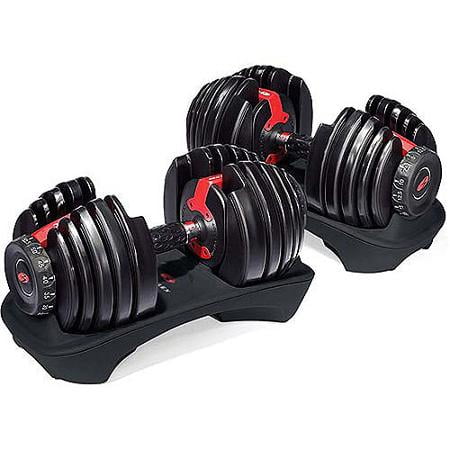
If you use hex dumbbells, you may want shelves or cradles that support flat-sided heads securely. If you use adjustable pairs, you should check tray width and loading access.
A-frame designs help you store multiple pairs in a tight footprint with easy front access. Horizontal racks give you a longer layout, so you can separate lighter and heavier pairs clearly.
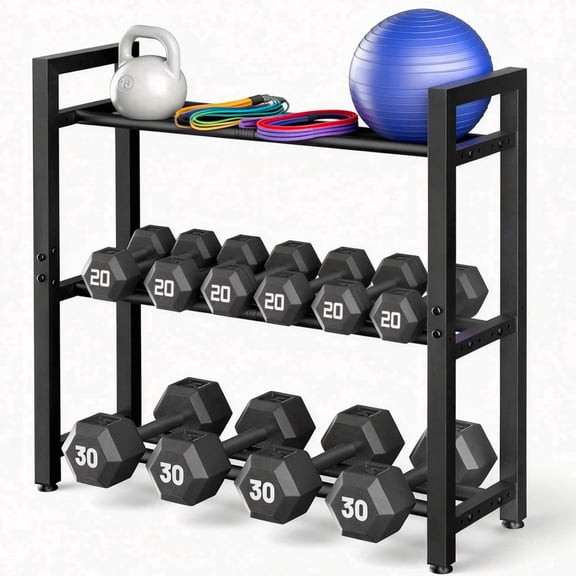
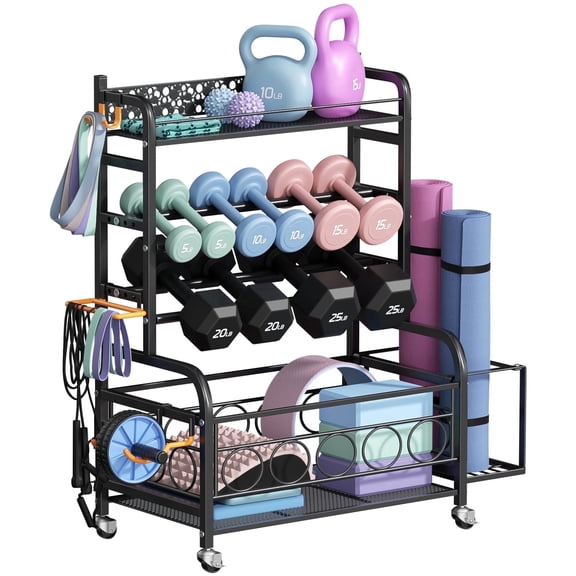
Multi-tier racks help you organize sets by weight level without using much wall depth. You can often load and unload each tier with less reaching than a stacked pile.
You should compare dumbbell slot widths before you choose a rack for larger handles. You’ll want enough space between positions so your grips don’t scrape when you re-rack.
Comparing barbell racks and weight plate trees
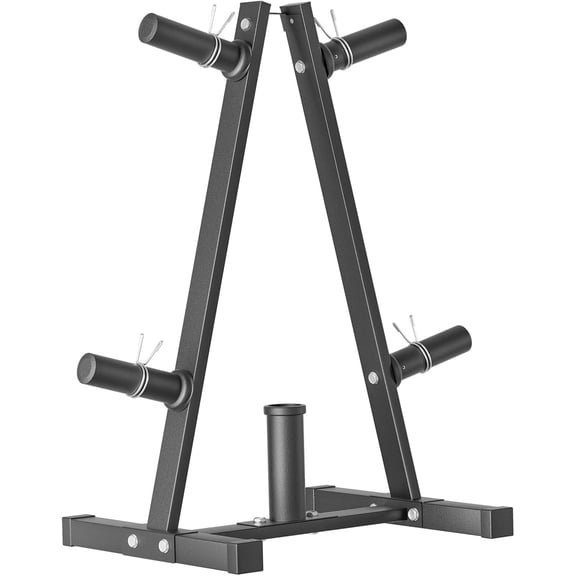
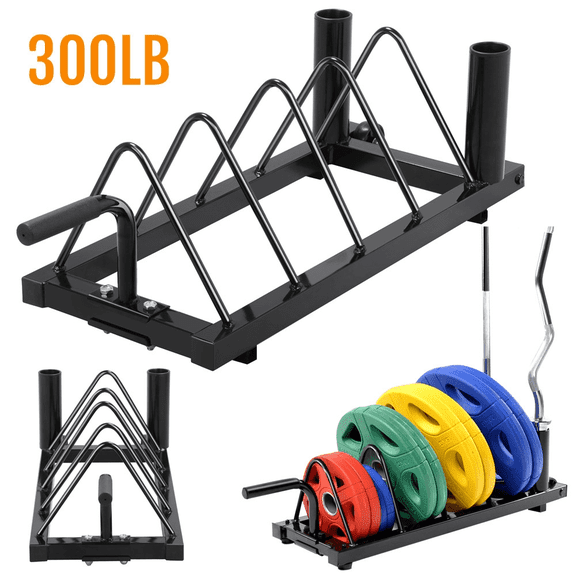
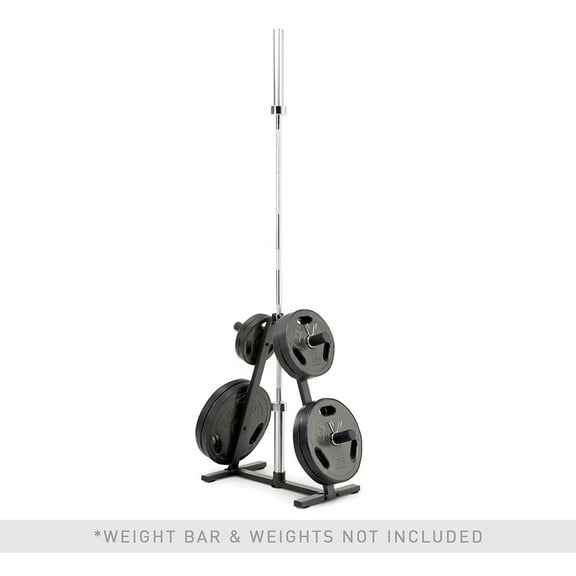
You may need separate storage if your setup includes straight bars, curl bars, and bumper or iron plates. You can use barbell racks for upright bar storage and weight plate trees for faster plate sorting.
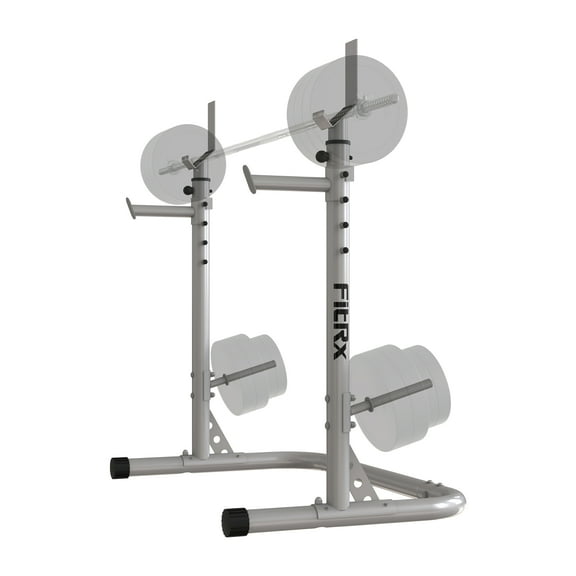
Barbell racks help you keep bars off the floor and easier to grab before a session. You should check how many bar sleeves or vertical holders your routine requires.
Weight plate trees work well when you rotate through several plate sizes during strength training. You can organize plates by diameter or load, which helps you change setups with less back-and-forth.
If you own Olympic plates, you should confirm sleeve sizing before you buy. If you use standard plates, you’ll want posts that match your center hole size.
You should also compare post spacing if you mix thick bumper plates with thinner cast iron plates. You’ll notice proper spacing helps you load plates without crowding each storage peg.
Checking weight capacity and steel construction
You should treat weight capacity as a main decision point, especially if your collection keeps growing. You’ll want light duty, medium duty, or heavy duty support based on your total stored load.
Light duty racks can work if you store a few pairs or a smaller plate set. Medium duty options can suit broader home gym storage needs with room for expansion.
Heavy duty weight racks can make sense if you store dense iron plates or large dumbbell collections. You should always compare the maximum weight rating with your current total and your planned additions.
You may also see steel gauge details when you compare frames. You can use thicker steel and reinforced welds as signs of a sturdier build for higher loads.
Alloy steel, powder-coated steel, and cast iron each matter for long-term use and feel. You’ll often prefer powder-coated steel when you want a smooth finish and easier wipe-downs.
You should look for stable bases and secure contact points when you load heavier equipment. You’ll get more confidence from a rack that feels planted during loading and unloading.
Matching compatibility, stability, and floor-friendly details
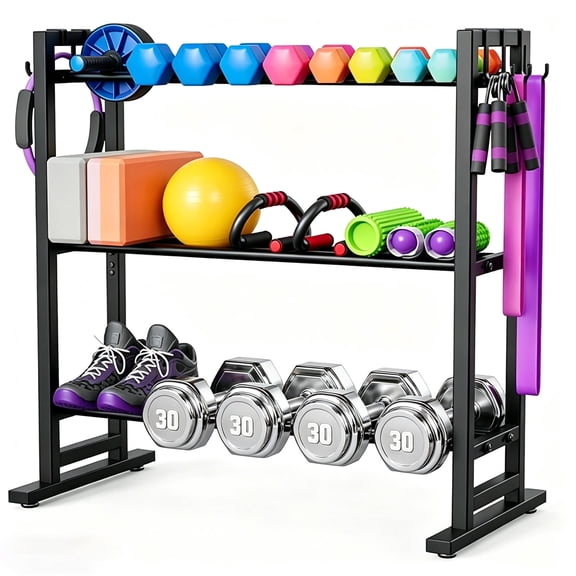
You should confirm that your rack matches the weights you already own before you decide. You may need storage for dumbbells, barbells, weight plates, kettlebells, or a mixed setup.
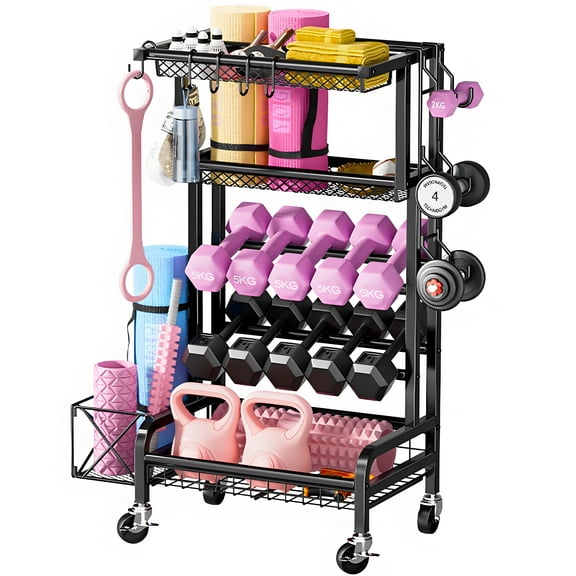
If you use kettlebells with dumbbells, you should check shelf depth and tier spacing carefully. You’ll want enough room for different shapes without awkward stacking.
Floor protection matters when you train on wood, tile, or finished concrete. You can look for rubber feet or non-slip contact points that help the rack stay steady.
You should also compare base width if you plan to place heavy gear on one side first. You’ll notice a wider, balanced stance can feel more secure during everyday loading.
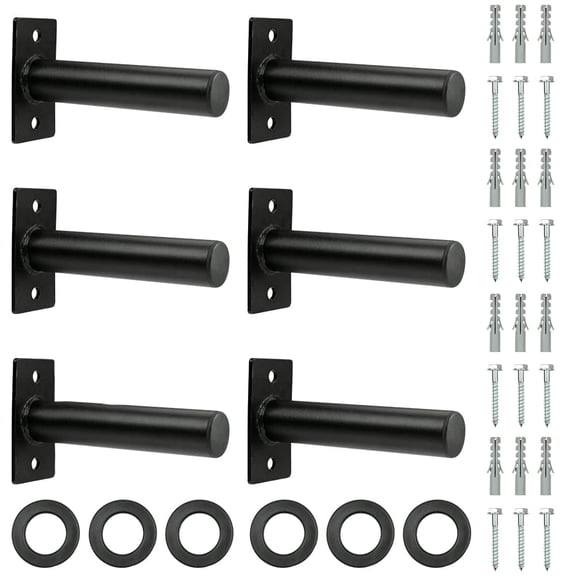
Wall-mounted and folding designs can help if you need flexible space between workouts. Freestanding racks can suit dedicated zones where you want your setup ready at all times.
When you choose the right combination of capacity, compatibility, and footprint, your setup feels easier to use every day. You’ll spend less time moving weights and more time training with a clear, organized space.