

Wave Wallpaper in Nature Wallpaper












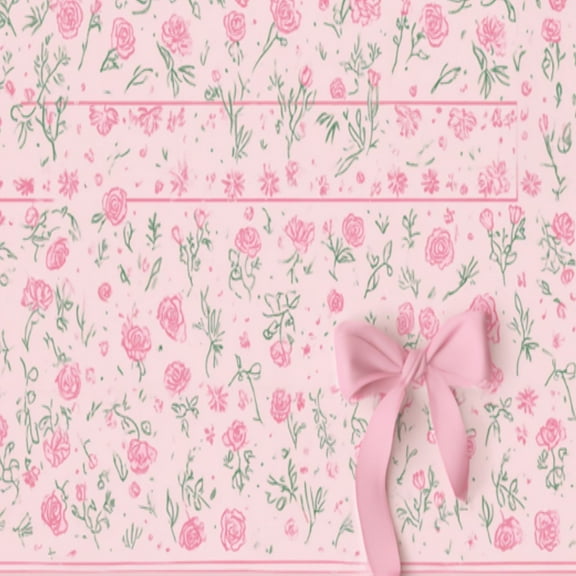


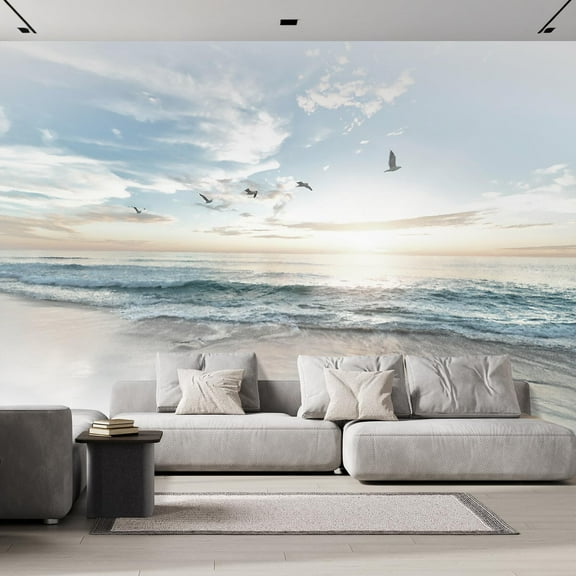
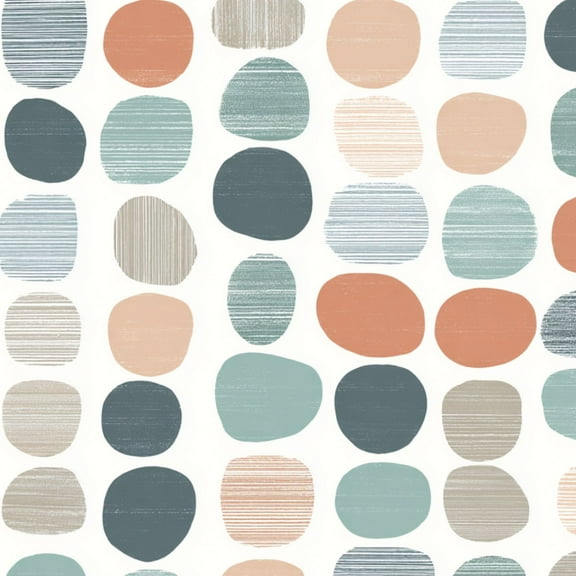





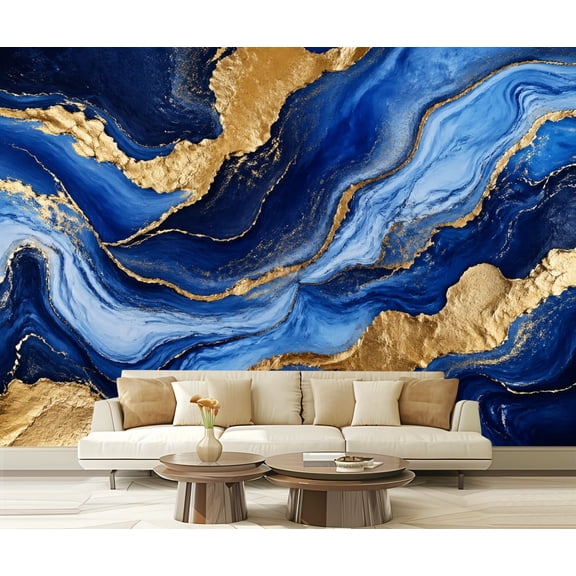




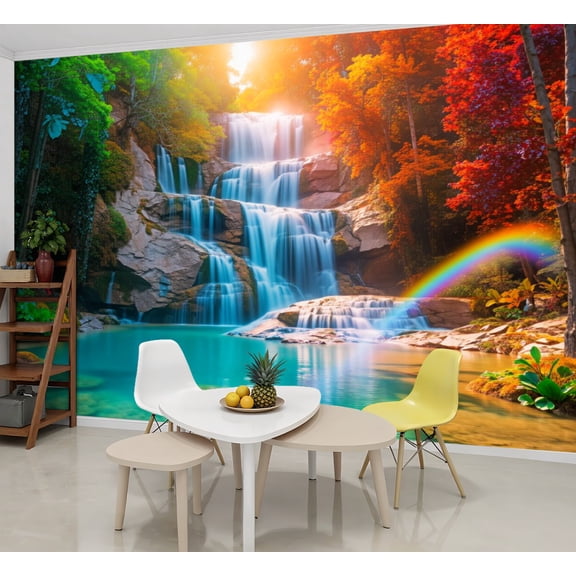


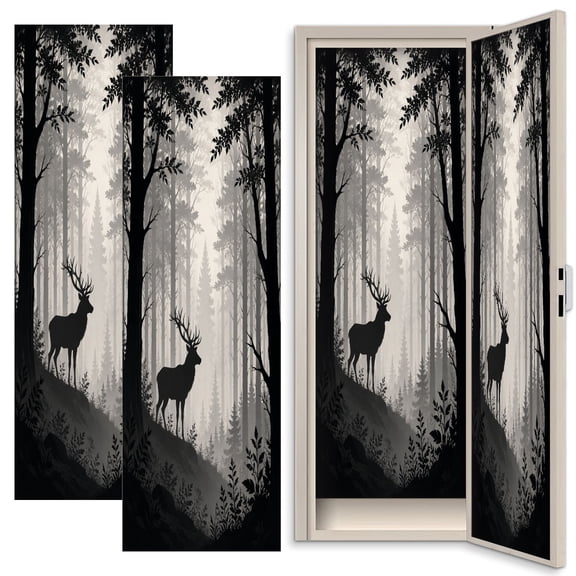








About Wave Wallpaper in Nature Wallpaper - Walmart.com
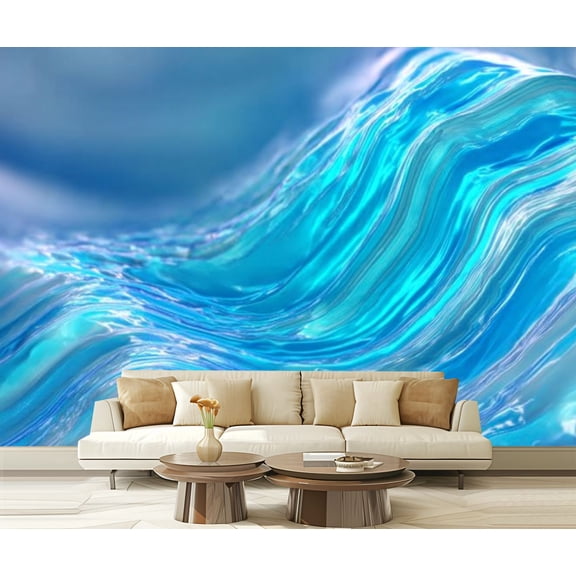
Wave wallpaper helps you shape a coastal or modern room with flowing lines and easy visual movement. You can compare peel-and-stick, prepasted, and non-woven options to match your walls and your project style.
How to choose wave wallpaper for your room
When you choose wave wallpaper, you can use curved lines to soften square rooms and plain walls. You can also bring in blue, grey, neutral, or metallic tones without changing your furniture.
For a calm bedroom, you may prefer gentle wave patterns with soft contrast and wider spacing. For a bold accent wall, you can choose geometric waves or tighter wavy lines that create more motion.
If you want a clean project, you should compare the application type before you choose a pattern. If you rent or refresh often, you may lean toward wave peel and stick wallpaper for simple updates.
Choosing the right application type
You should start with your wall surface, your timeline, and your comfort with installation. You can often apply peel-and-stick styles quickly, while prepasted and non-woven options may suit longer decorating plans.
With peel and stick wave wallpaper, you can remove the backing and position each panel with more control. With prepasted designs, you activate adhesive with water, while non-woven papers often use paste on the wall.
If you want easy repositioning during installation, you may prefer wavy peel and stick wallpaper for small rooms or feature walls. If you plan a larger project, you should check how each material handles seams and alignment.
- You can update apartments, dorm spaces, and playrooms with removable styles.
- You can use prepasted or non-woven options when you want a more traditional wallpaper project.
- You should check the product details for vinyl coating if your room has frequent humidity.
- You can compare smooth and textured finishes to match painted walls, trim, and lighting.
What to look for in pattern repeat and alignment
You should check pattern repeat before you estimate how many rolls you need. You can avoid surprises when you understand how the waves line up from panel to panel.
A straight match means you align each strip at the same height across the wall. A drop match means you offset every other strip, so you should plan for extra material.
If you choose broad wave bands, you may see seams less in open spaces with steady light. If you choose tight geometric motion, you should align carefully around corners, windows, and outlets.
You can also compare scale based on your wall width and ceiling height. Larger waves can open up a long living room, while smaller repeats can suit narrow bathroom walls.
Comparing colors, finishes, and room suitability
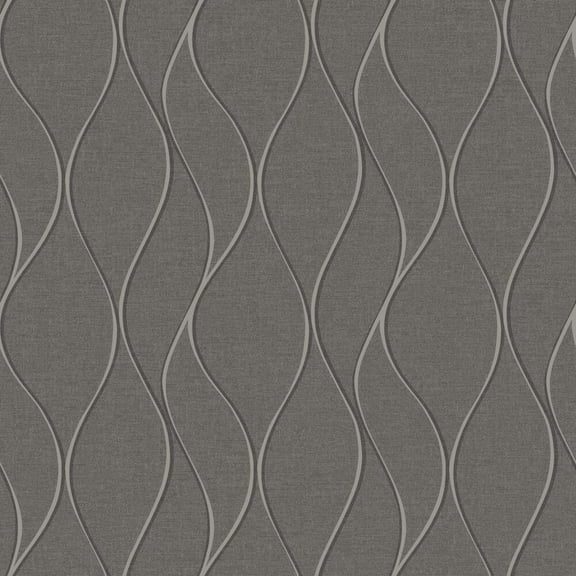
You can use blue wave designs when you want a coastal feel without obvious beach graphics. You can use grey or neutral palettes when you want movement that still works with wood, black metal, or white trim.
If you like a brighter finish, you may consider metallic accents that catch lamp light or daylight. If you want a softer look, you can choose matte surfaces that keep the pattern more relaxed.
For bathrooms, you should check whether the wallpaper includes a vinyl coating for added moisture resistance. For bedrooms and living rooms, you can focus more on color balance, texture, and pattern scale.
You can place waves wallpaper for walls behind a bed, sofa, or entry table to define one focal area. You can also wrap a small powder room for a continuous look that feels more designed.
How to measure and plan your project
You should measure the width and height of each wall, then multiply those numbers for square footage. You can add the totals together to estimate how much coverage your project needs.
If your room has doors or windows, you should still allow extra material for trimming and matching. If your pattern uses a drop match, you may need more rolls than a simple straight match design.
You should compare each roll's listed coverage before you finalize your order. You can avoid mismatched dye lots by planning your full project at one time.
Using wave wallpaper in everyday spaces
You can use wave wallpaper in a bedroom when you want a calm backdrop behind your headboard. You can use it in a living room when you want movement that complements solid upholstery.
In a bathroom, you may choose blue or neutral waves with a vinyl-coated surface for a polished finish. In a hallway, you can use a lighter wave pattern to keep narrow walls from feeling flat.
If your style leans modern, you can pair wave motifs with simple furniture, glass, and black accents. If your style feels coastal, you can pair softer curves with white bedding, natural wood, and woven textures.
You can get a more intentional result when you match application type, pattern repeat, and room use before you choose. The right wave wallpaper can bring flow, depth, and a finished look to your walls.