

Armoires and Wardrobes
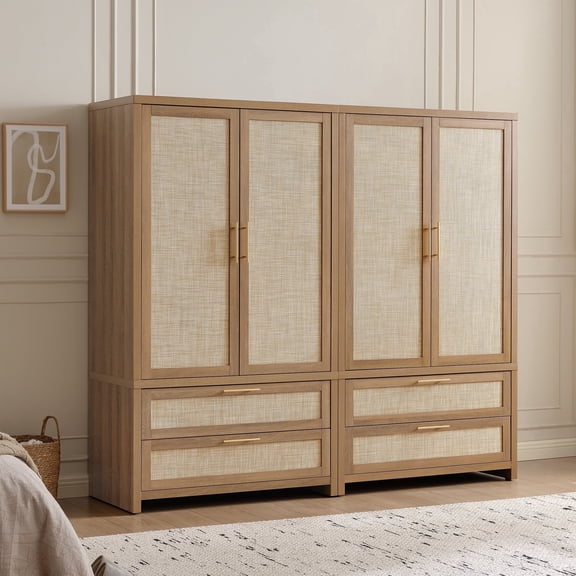


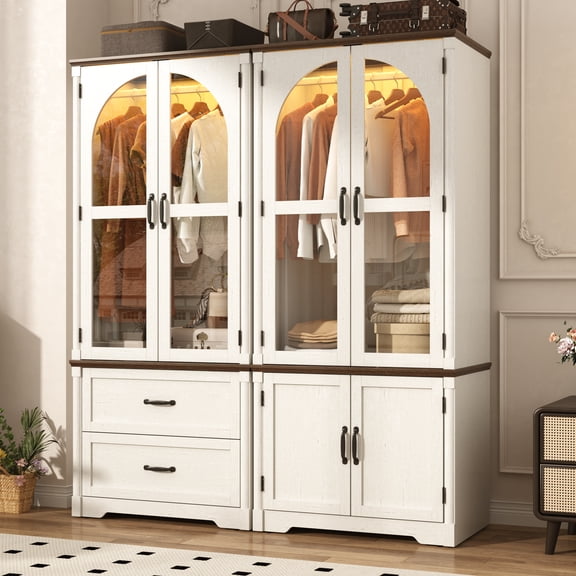


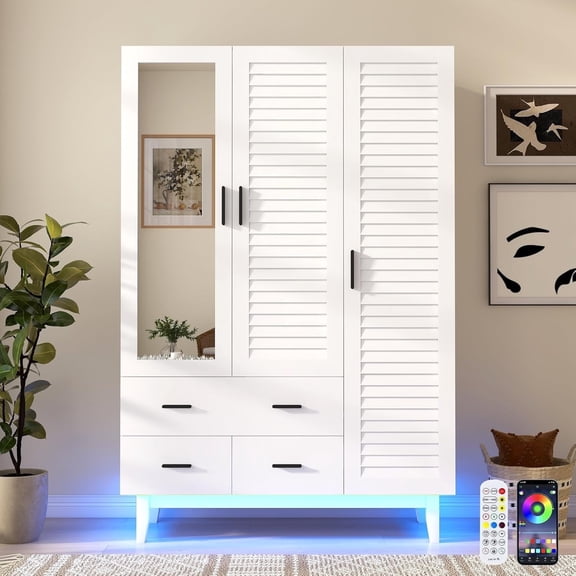


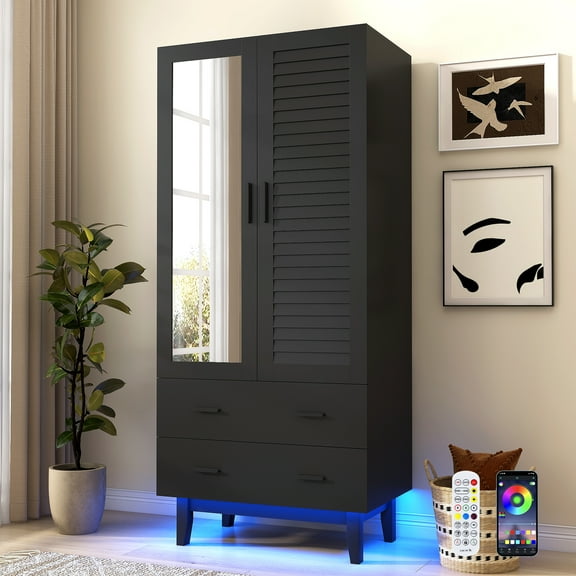


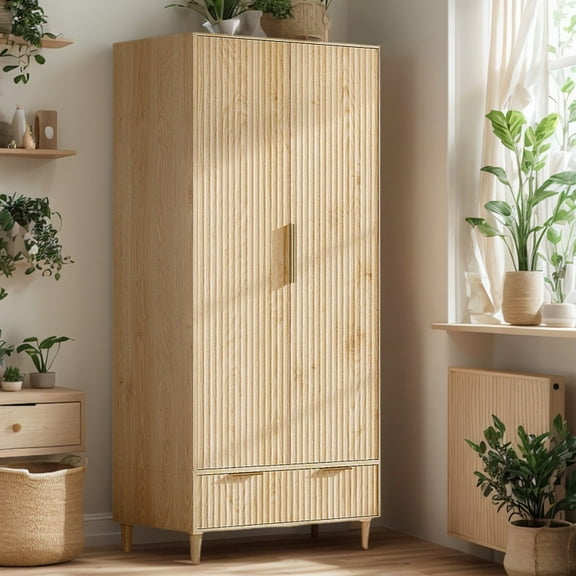


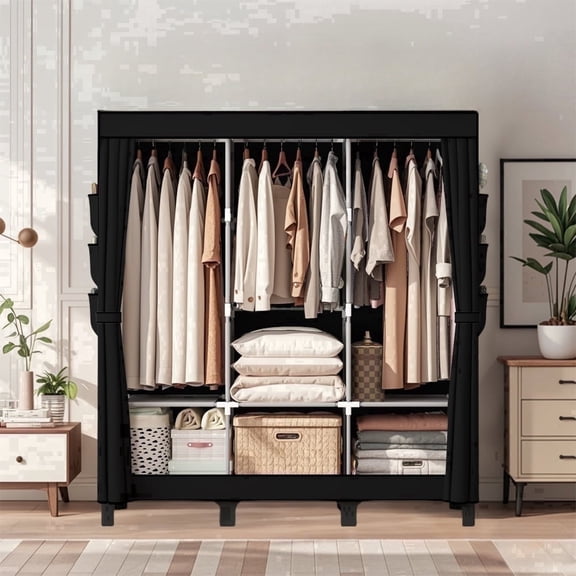


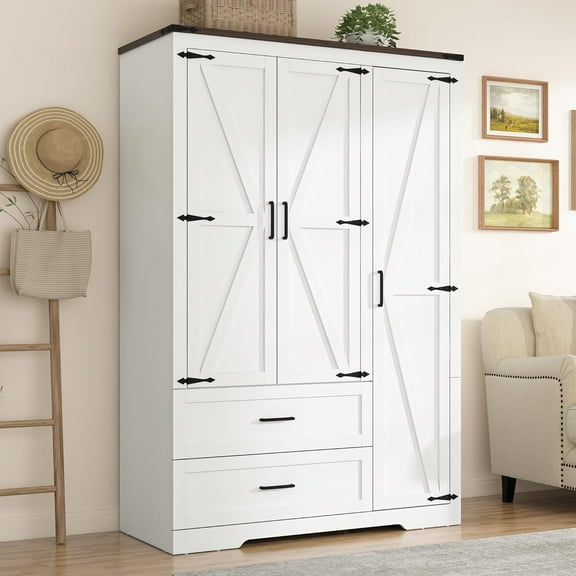


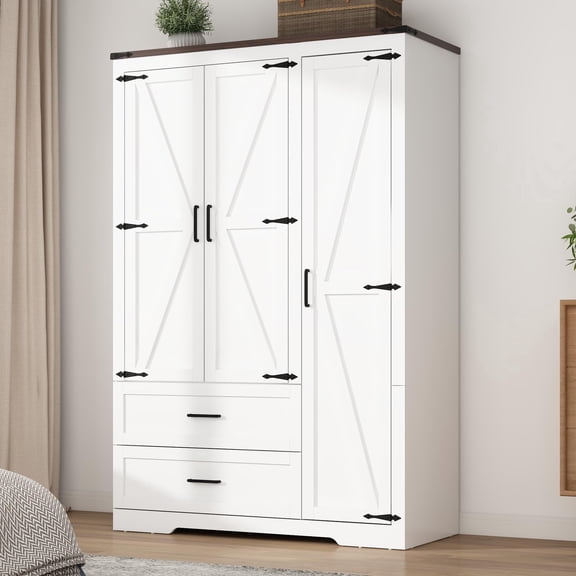












About Armoires and Wardrobes - Walmart.com
Armoires help you create organized bedroom storage with closed-door coverage and flexible layouts. You can compare size, interior setup, and finish details that fit your room and routine.
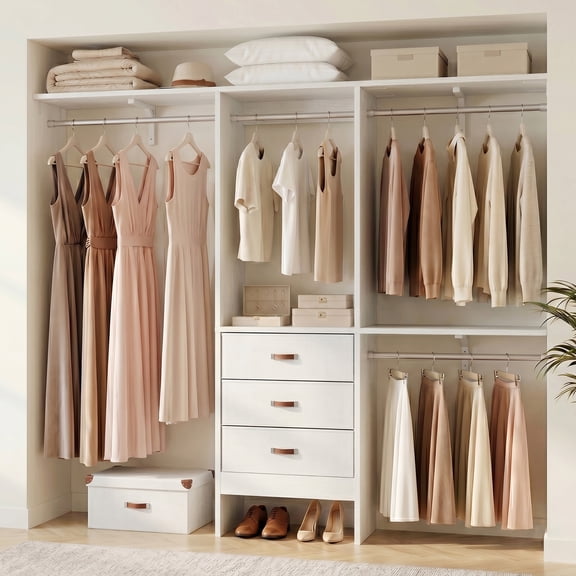
If you need extra clothing storage, you can use armoires to add hanging space without a built-in closet look. You can choose designs that balance folded items, hanging garments, and everyday bedroom style.
How to choose bedroom armoires
Bedroom armoires usually start with accurate measurements in your space. You should measure height, width, and depth, including door swing and walking clearance.
Before you choose a tall piece, you should check ceiling height and baseboard depth. You’ll also want to measure nearby beds, nightstands, and dressers for comfortable spacing.
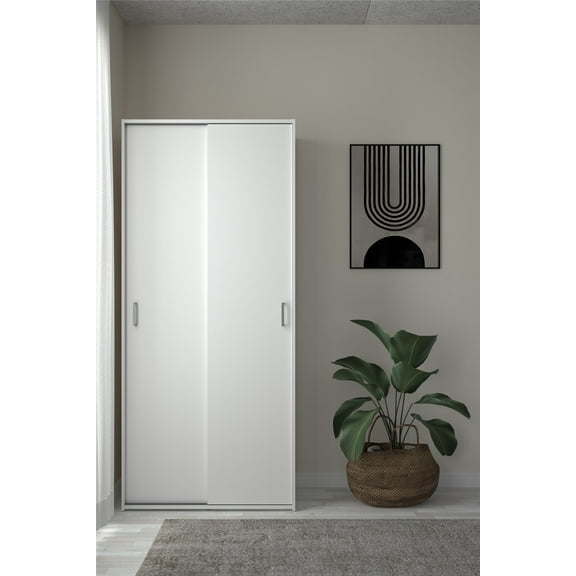
A compact option can suit smaller rooms, guest rooms, or apartments with limited floor space. A taller cabinet can give you more vertical storage when you want to use a narrow wall.
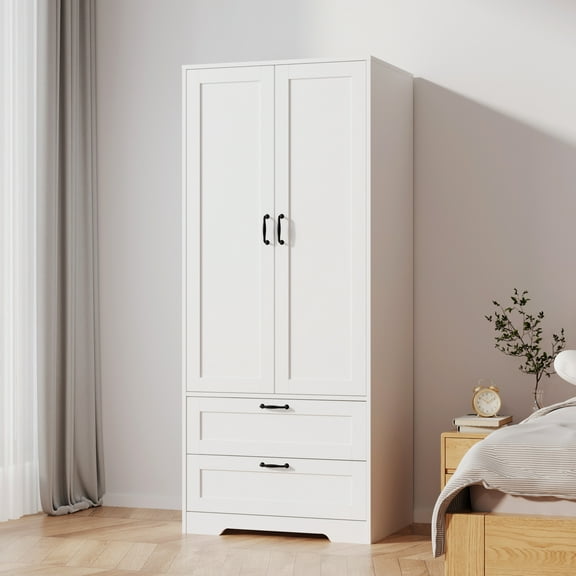
You can also compare 2-door and 3-door layouts based on how you organize clothing. A wider design may help you separate hanging items from folded stacks and accessories.
Comparing benefits in wardrobe armoires
Wardrobe armoires can support different storage goals when you match the interior to your habits. You can create a cleaner bedroom look because doors keep clothing and accessories out of sight.
If you want daily convenience, you can sort garments by type, season, or person. You can also reduce dresser overflow when you add shelves, drawers, or a hanging section.
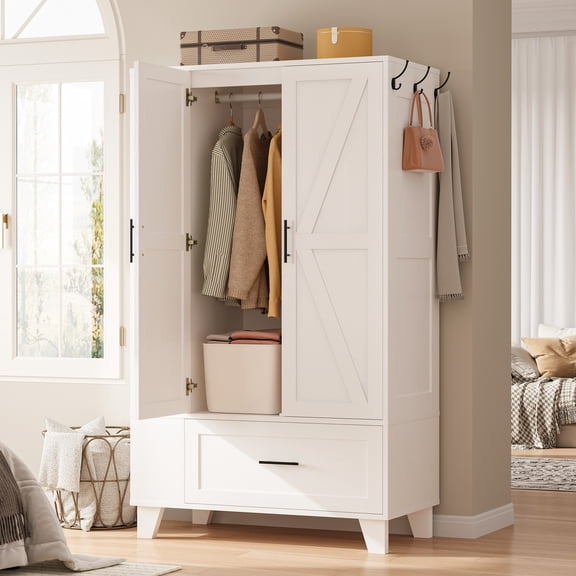
- You can choose drawers for socks, sleepwear, and smaller folded items.
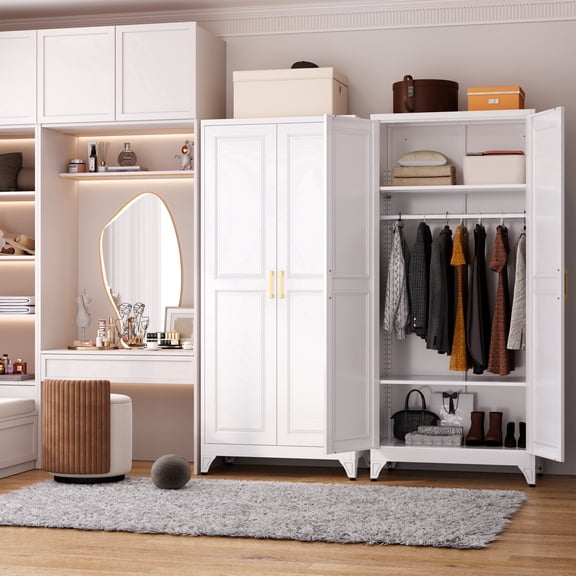
- You can choose shelves for sweaters, jeans, handbags, or extra bedding.
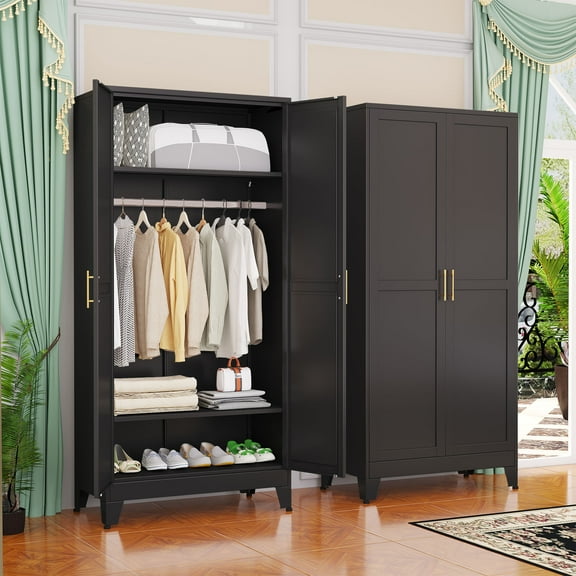
- You can choose a hanging rod for dresses, button-downs, and wrinkle-prone pieces.
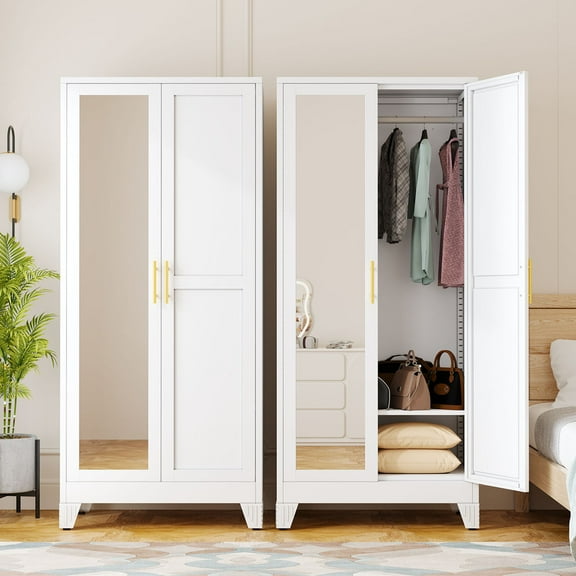
- You can choose mirrored fronts when you want storage and a dressing view in one footprint.
Armoires with drawers can help you keep small essentials separated from hanging clothes. Shelves can give you faster access when you fold items by category or season.
If you’re comparing a full armoire wardrobe closet to an armoire dresser layout, the interior is highly important. You should look at shelf adjustment, drawer depth, and hanging rod placement.
Choosing materials and features in wood armoires
When you compare materials, you should match the finish and build to your daily use. Wood armoires can bring a warm furniture look, while engineered wood can support a clean, streamlined design.
If you want a lighter visual style, you may consider metal frames or mixed-material looks. If you need a casual utility setup, plastic storage cabinets can suit relaxed spaces.
You should also compare assembly details before you choose a larger cabinet. You can check whether your armoire arrives flat packed, how many parts it includes, and how much setup space you need.
Adjustable shelves can give you flexibility as your storage needs change over time. You can raise a shelf for boots, lower one for handbags, or remove one for bulkier items.
Drawer placement also affects daily convenience in a busy bedroom. You may prefer lower drawers for heavier items and upper compartments for smaller accessories.
Mirrored doors can help you make use of a narrow room without adding another standing mirror. You’ll also notice that reflective fronts can brighten a bedroom visually.
Matching armoires with drawers to your room style
You can use style choices to connect your storage with the rest of your bedroom furniture. Modern looks often feature clean lines, rustic finishes show more texture, and traditional shapes feel more formal.
If your room has cozy details, farmhouse styling can pair well with simple hardware and visible grain patterns. If your space feels minimal, smoother fronts and straight edges can keep the room cohesive.
White armoires can brighten darker corners and pair easily with many bedding colors. Darker finishes can anchor larger rooms and coordinate with deeper-toned bed frames or nightstands.
You should also think about how door panels, drawer fronts, and hardware affect the room visually. A bulky cabinet can feel heavy in a small room, while slimmer profiles can keep sightlines cleaner.
If you’re placing storage beside a dresser, you may want a finish that complements wood tone and scale. If you’re replacing a closet function, you may focus more on capacity than matching details.
Using bedroom storage armoires for real needs
You can use bedroom storage armoires in primary bedrooms when closet space feels limited. A tall cabinet with shelves and a rod can hold workwear, folded basics, and extra linens.
In a guest room, you may want a compact unit that gives visitors hanging space and a drawer or two. That setup can keep the room tidy without taking over the floor plan.
If you share a room, you can divide sections by person or clothing type. A 3-door layout can make it easier for you to separate hanging clothes, folded items, and accessories.
You can also use jewelry armoires when you want dedicated storage for smaller personal items. Those designs can help you organize necklaces, earrings, and beauty accessories within a slimmer profile.
For multiuse rooms, you may want an armoire dresser combination with closed storage below and hanging space above. That layout can support clothing storage while keeping the room visually calm.
Before you decide, you should check weight guidance and included stability hardware. You’ll want tip-over restraint kits and clear capacity details when you’re choosing a taller cabinet.
With the right measurements, material, and interior layout, you can choose an armoire that works like built-in storage. You’ll get a cleaner bedroom and easier access to the items you use frequently.