

Wallpaper Tools and Supplies in Wallpaper, Wall Decals & Wall Coverings




About Wallpaper Tools and Supplies in Wallpaper, Wall Decals & Wall Coverings - Walmart.com
You can choose wallpaper supplies with more confidence when you compare tool types, adhesive formats, and project size before you start. You'll get cleaner seams and straighter cuts when your setup matches your wallpaper material.
If you're planning peel-and-stick or traditional installation, you need guidance that fits real wallpapering steps. You'll find it easier to prep walls, place panels, and smooth bubbles with the right wallpapering tools.
How to choose wallpaper supplies for your project
You should start with your application type because adhesive style changes how each tool works. You'll usually need different pressure, trimming, and pasting steps for peel-and-stick, prepasted, unpasted, and traditional paper.
When you compare wallpaper kits with individual tools, you can match your cart to your experience level. You'll often prefer a complete starter kit for first projects and separate pieces for replacements.
- You can use a smoothing tool to press out bubbles and guide panels into place.
- You can use a utility knife for crisp edge trimming around ceilings, baseboards, and outlets.
- You can use a seam roller to apply even pressure along joins without overworking the surface.
- You can use a paste brush when your wallpaper needs adhesive spread across larger sections.
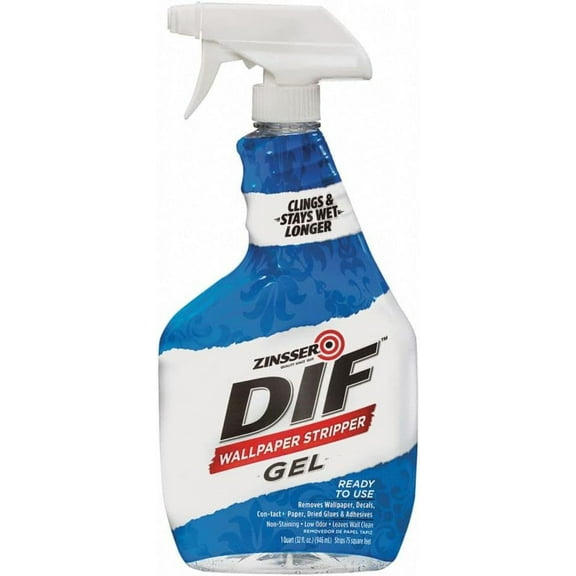
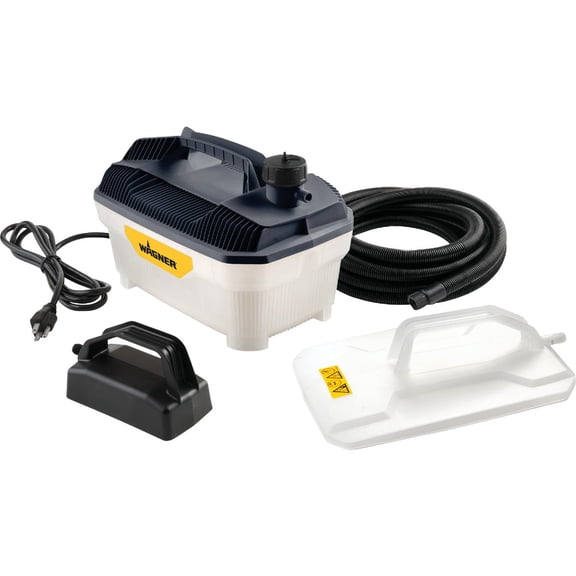
- You can use a scraper kit to lift old material and prepare walls before new paper goes up.
You'll notice that the right combination helps you move from wall prep to final trim with fewer interruptions. Your project feels more organized when each step has a matching tool.
Choosing peel and stick wallpaper tools needed
You should focus on smoothing and trimming first when you're choosing peel and stick wallpaper tools needed for a clean finish. You'll rely on a peel and stick wallpaper tool to guide adhesive panels without trapping pockets underneath.
If you're asking whether you need different tools for peel-and-stick versus traditional wallpaper, the answer is usually yes. You'll use less paste equipment for self-adhesive rolls, but you'll still need careful alignment and firm pressure.
You can use a seam roller on peel-and-stick wallpaper when you want edges to lie flat and corners to stay neat. You'll want controlled pressure so your print stays smooth while seams look consistent.
For prepasted and unpasted options, you should check whether your project needs a paste brush or other spreading tools. You'll also want trimming tools that help you cut around windows, switches, and door frames.
Comparing wallpaper smoothing tool kit options
You can compare a wallpaper smoothing tool kit by looking at flexibility, grip, and included pieces. You'll want a smoother that glides across vinyl, paper, fabric, and non-woven surfaces without dragging.
If air bubbles and creases worry you, you should pay attention to edge shape and firmness. You'll usually prefer enough flex for curves, but enough structure for broad flat passes.
When you choose between wallpaper kits and individual tools, you should think about setup time and backup pieces. You'll often appreciate a complete starter kit when you need a utility knife, smoother, and seam roller together.
If you already own part of your setup, you can add an individual tool where your process needs more precision. You'll keep your workflow simple by replacing only the pieces you use most.
Matching tool type and material compatibility
You should match tool type to material compatibility because vinyl, fabric, paper, and non-woven wallpapers handle pressure differently. You'll want smooth, even passes that respect the surface texture and printed finish.
For vinyl wallpaper, you can use steady pressure to smooth panels and define seams across slick surfaces. For paper wallpaper, you'll usually want controlled handling so your edges stay neat during placement.
With fabric and non-woven styles, you should look for tools that help you align patterns without rough contact. You'll benefit from handles and edges that support accuracy along long drops.
If you're gathering tools needed to wallpaper an accent wall, you may only need a few focused essentials. You'll likely need broader coverage and more replacement blades when you're working through a full room.
Choosing wallpaper kits for project scale
You should size your tool set to the job because a small accent wall doesn't need the same setup as a commercial installation. You'll work faster when your kit matches the amount of measuring, trimming, and smoothing ahead.
For a small refresh, you can often start with a smoothing tool, utility knife, and seam roller. You'll cover the core steps without overloading your workspace.
For a full room, you should consider wallpaper kits that support repeated cuts and longer installation sessions. You'll appreciate organized tools when you move from one wall to the next.
If you're handling a larger installation, you can build around durable basics and add specialized pieces as needed. You'll keep edges cleaner and seams more consistent when your supplies stay suited to the scale.
You can narrow wallpaper supplies quickly when you compare tool type, application style, material, and project size together. You'll finish with cleaner lines, smoother panels, and a setup that fits the way you install.