

Wallpaper Glue in Adhesives & Glues


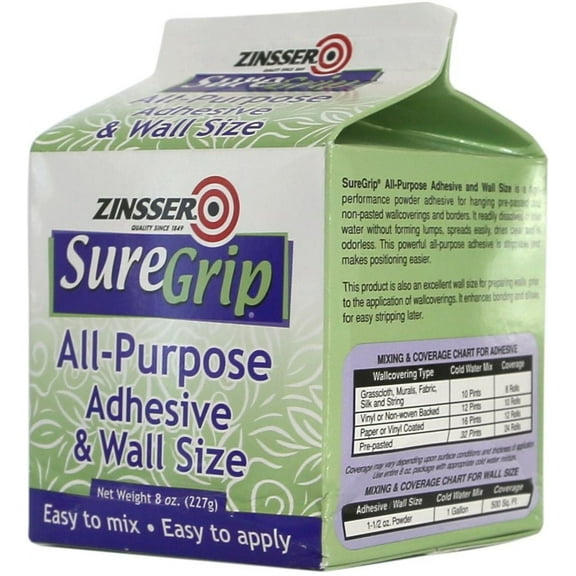

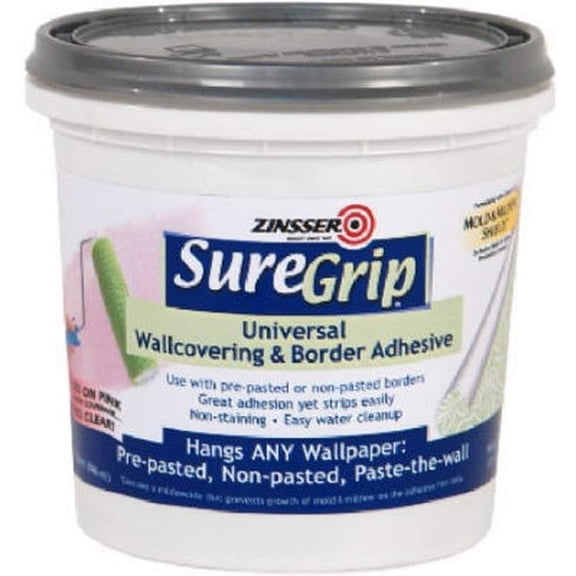


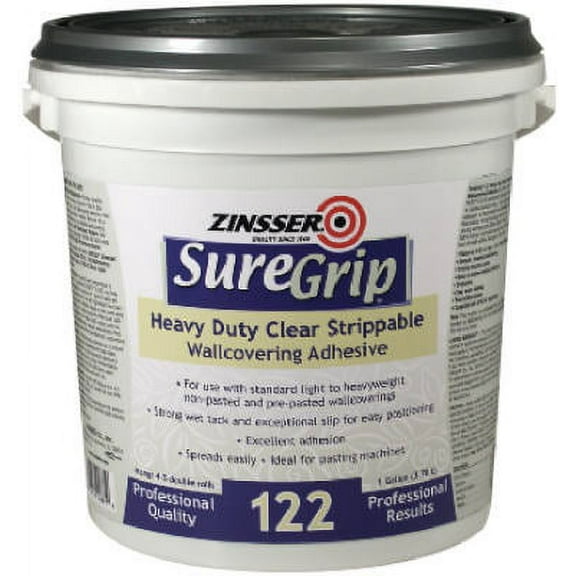

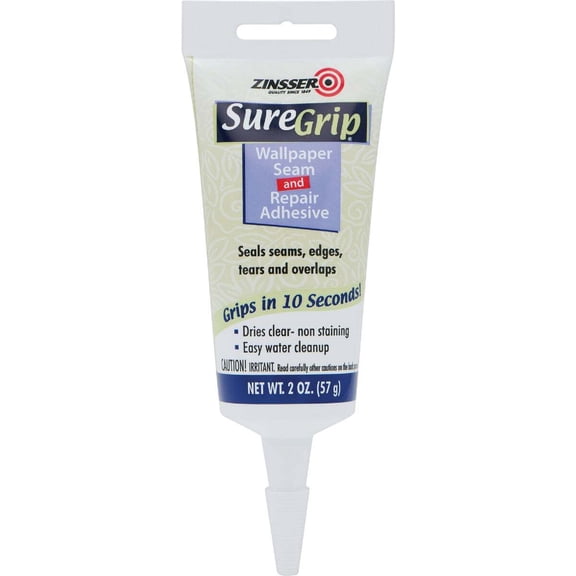







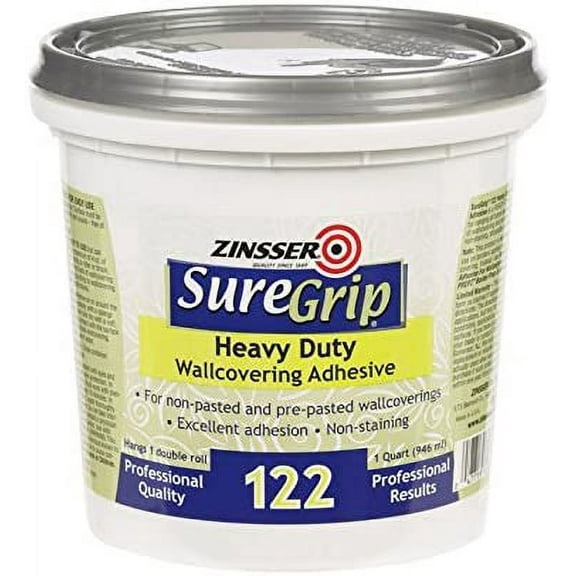
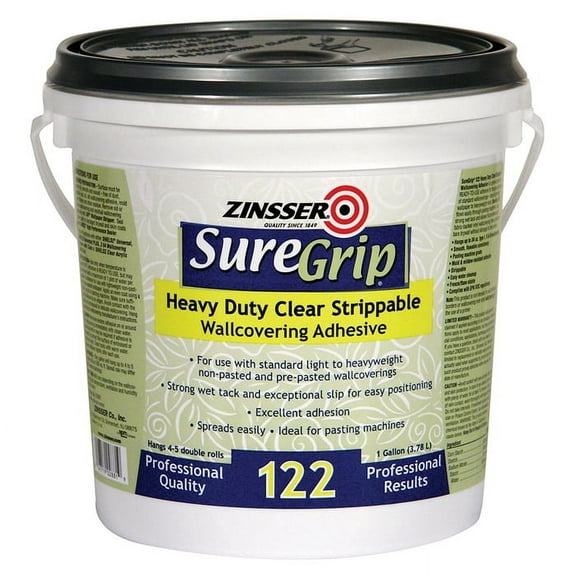
About Wallpaper Glue in Adhesives & Glues - Walmart.com
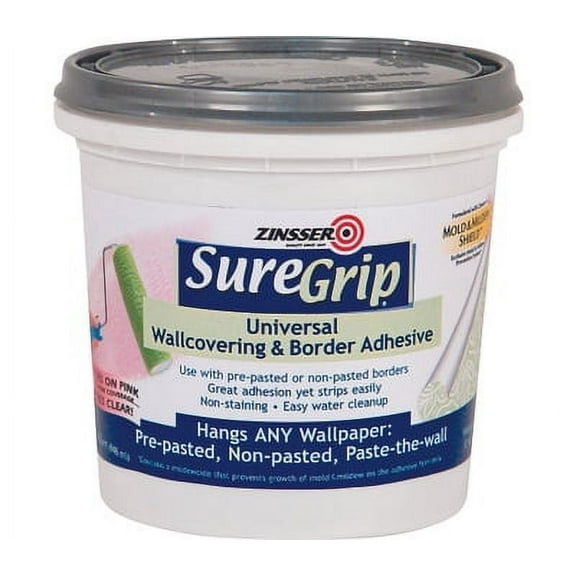
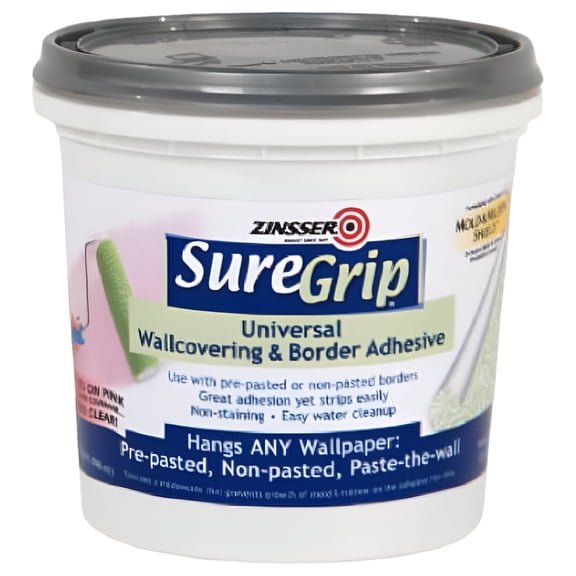
Wallpaper glue helps wallpaper hang smoothly, grip evenly, and stay aligned during installation. This category focuses on paste and adhesive made for wallcoverings, not general craft or construction use.
When youu're planning a room refresh, the right formula matters from the first strip. Clear wallpaper paste can reduce visible residue, while non-pasted wallpaper glue supports wallcoverings that need separate adhesive.
Why wallpaper glue matters for clean results
Good wallpaper adhesive supports neat seams, steady positioning, and a consistent bond across the wall. That means fewer interruptions when youu're matching patterns or working around corners, windows, and trim.
Different projects call for different paste styles. Heavy duty wallpaper glue can suit thicker materials, while light formulas may fit standard paper wallcoverings and small accent projects.
- Helps wallpaper slide into place before final smoothing.
- Supports seam alignment for patterned or striped designs.
- Works with non-pasted wallpaper that needs separate adhesive.
- Offers options like clear wallpaper paste for a clean look during application.
- Pairs easily with wallpaper application tools such as brushes, rollers, and smoothing tools.
Youu'll also find formulas made for different room sizes and project scopes. A small accent wall may need one container, while a full room often calls for large coverage planning.
How to choose wallpaper glue for your wallcovering
Start with the wallpaper type. Paper, vinyl, textured, and solid sheet wallcoverings can call for different adhesive strength and application methods.
Check whether the wallpaper is pre-pasted or non-pasted. Non-pasted wallpaper glue is essential when the backing doesnu't include activated paste.
Consistency matters during application. Some shoppers prefer wallpaper paste that rolls on quickly, while others want a brushable formula for edges and detailed sections.
Dry appearance can shape your decision too. Clear wallpaper paste is useful when you want less visible residue during seam work and wipe-downs.
Coverage information helps you estimate how much adhesive you need for a project. Product details often note square footage ranges, helping you match container size to room dimensions.
Cleanup preferences also affect the choice. Some formulas offer easy wash-off from tools and buckets, which can simplify post-project cleanup.
If youu're hanging thicker wallcoverings, heavy duty wallpaper glue can provide the hold needed for heavy materials. Thatu's especially useful for textured vinyl and commercial-style wall panels.
Wallpaper paste options for common DIY projects
Accent walls are a common starting point for DIY decorating. A wallpaper adhesive with workable open time can help you line up prints and smooth bubbles carefully.
Bedrooms and living rooms often use paper or vinyl wallpaper in repeating patterns. In those spaces, steady tack and clean seam work can make the finished wall look polished.
Hallways, stair landings, and entry areas bring extra trimming around doors and corners. A dependable wallpaper glue helps keep strips manageable while you cut around tight edges.
For larger rooms, many shoppers look at coverage and application method first. Roll-on wallpaper paste can help maintain pace across wide wall sections.
Rental-friendly decorating plans may involve temporary updates with removable wallcoverings, but traditional non-pasted wallpaper still needs the right adhesive. Choosing the correct formula helps the installation process stay consistent from panel to panel.
Some projects use wall liner before the final decorative layer. In that case, wallpaper adhesive may be part of a two-step setup that helps create a smooth base.
Wallpaper application tools also shape the experience. Paste brushes, rollers, seam tools, trays, and smoothing blades can support fast, neat installation from the first strip onward.
What experienced shoppers look for in wallpaper glue
Experienced DIY users usually compare adhesive type, intended wallcovering, and coverage before choosing. Those details matter more here than color or finish, because the product works behind the wallpaper.
They also look for formulas matched to project demands. Thick vinyl, textured papers, and long vertical drops can benefit from adhesive designed for stronger hold.
Application style is another key factor. Some prefer pasting the wall, while others paste the paper depending on the wallcovering instructions.
Container size can affect convenience during longer installs. Larger rooms often need enough wallpaper paste to complete the job without stopping mid-wall.
Labels and product descriptions can also help narrow the field. Terms like clear wallpaper paste, heavy duty wallpaper glue, and wallpaper adhesive point to different installation needs.
Choosing from a category built around wallcovering adhesive makes project planning easier. You can match the paste format, coverage, and hold level to the wallpaper youu're hanging for a smooth finish.