

Vinyl Flooring in Flooring



























About Vinyl Flooring in Flooring - Walmart.com
Vinyl flooring gives you a durable, style-driven way to refresh kitchens, bathrooms, basements, and busy family spaces. You can compare planks, tiles, sheets, and rolls in one place, so your project stays matched to your room and installation plan.
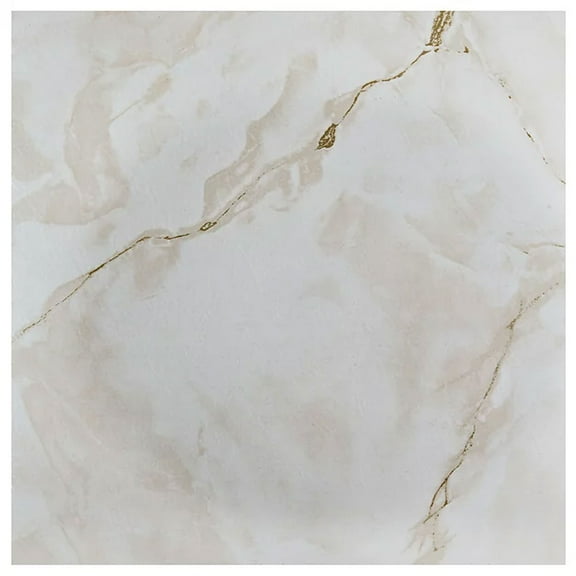
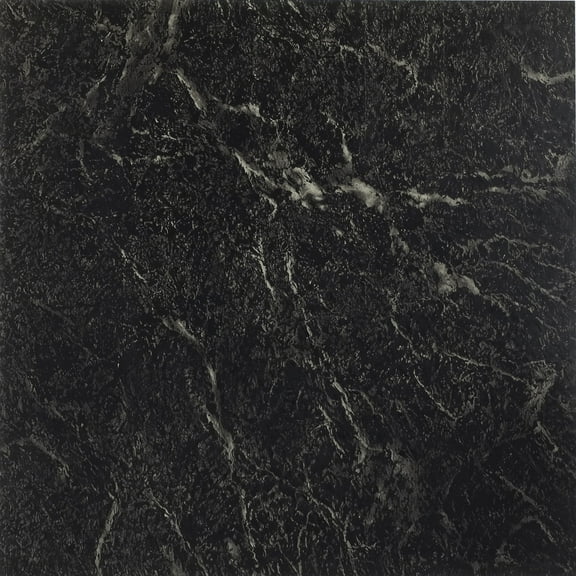
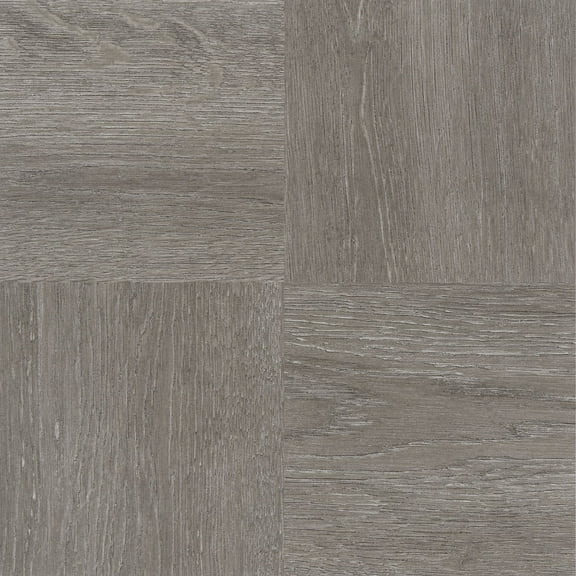
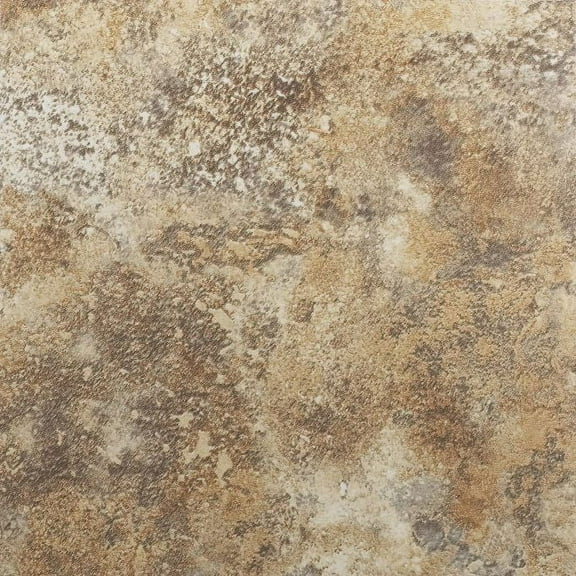
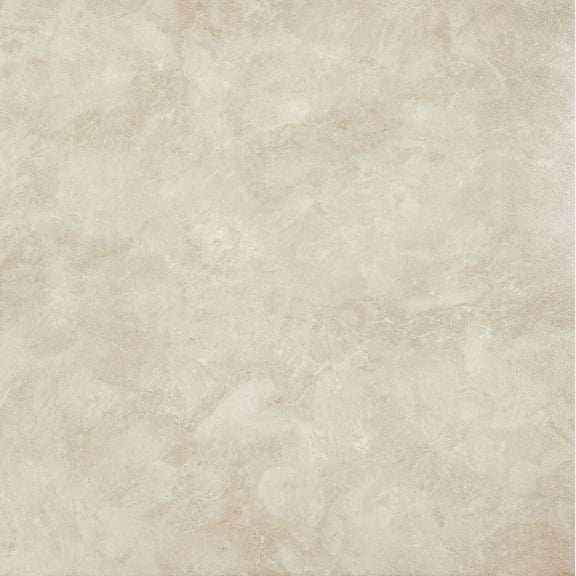
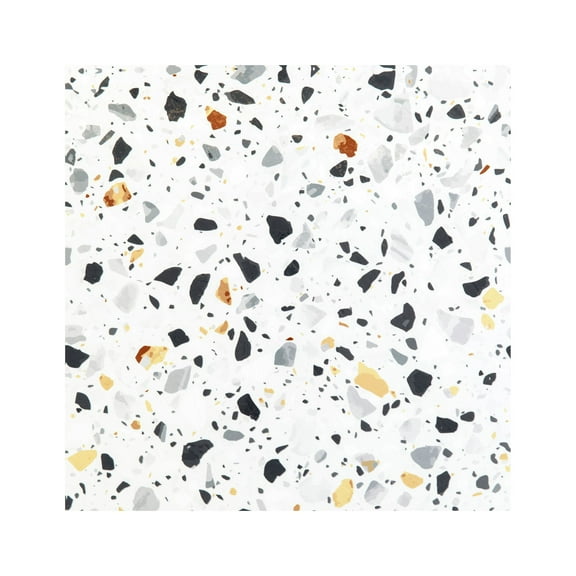
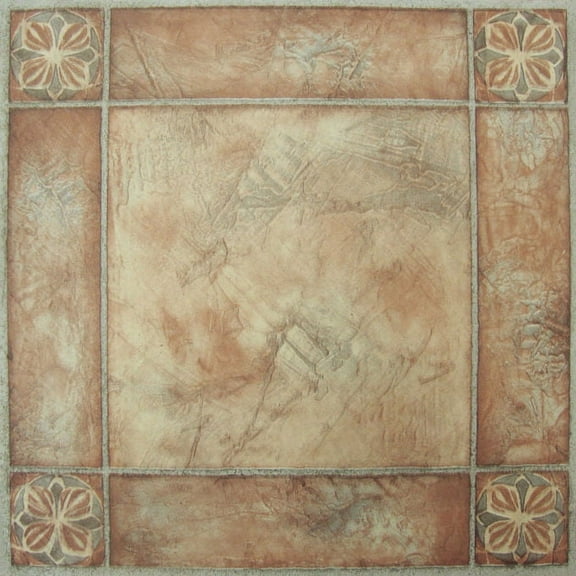
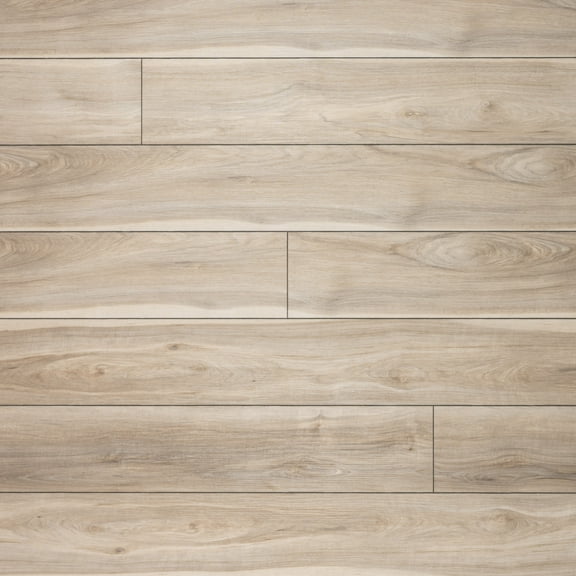
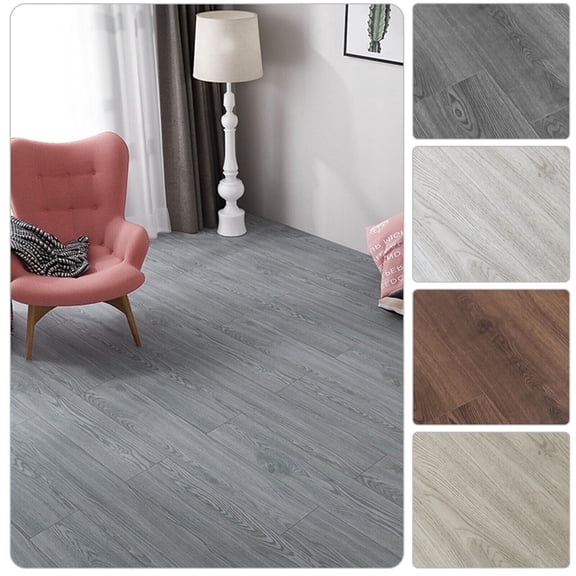
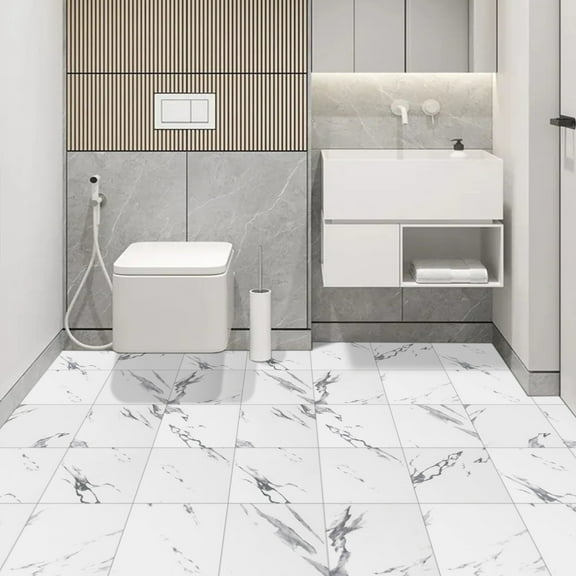
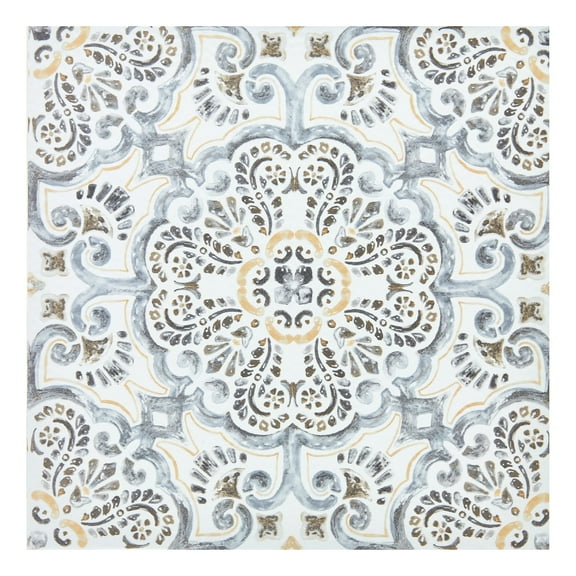
When you shop this category, you can focus on water resistance, wear layers, and installation types that fit your timeline. You’ll also find wood look, stone look, marble look, and patterned finishes that help your floor coordinate with your home.
Choosing the right vinyl flooring format
You’ll want to start with format because it shapes how your floor looks, installs, and covers the room. You can choose vinyl plank flooring for board-style layouts, tile for grid patterns, or sheet vinyl flooring for broad coverage.
If you’re covering large spaces, you may prefer vinyl flooring rolls or sheet options with fewer seams. If you want a wood floor appearance, you’ll often compare luxury vinyl plank and standard plank formats.
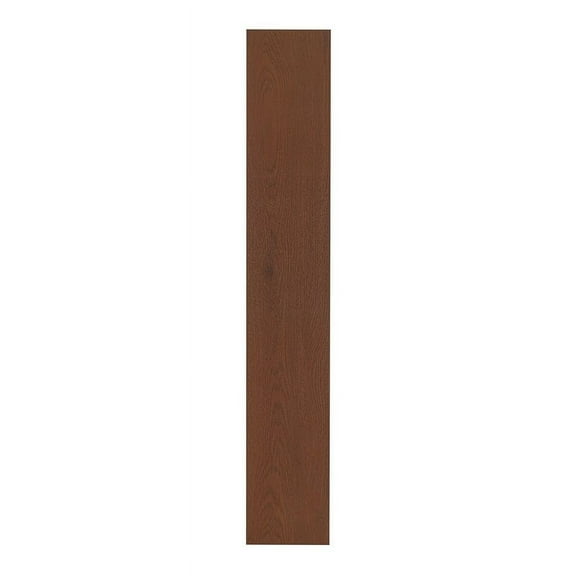
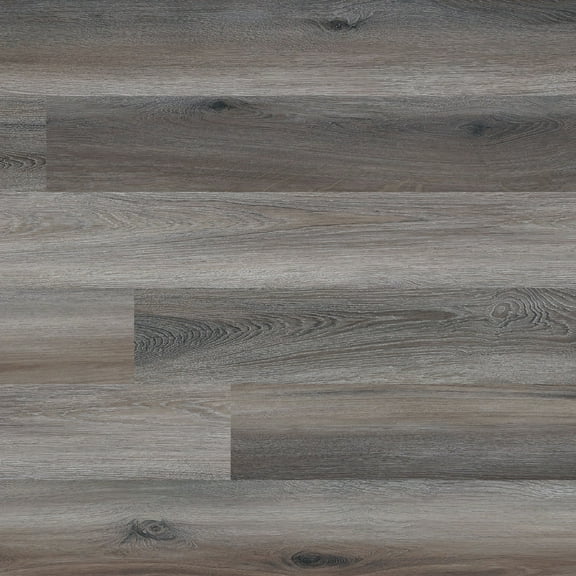
- You can use plank styles for wood look layouts in living rooms, hallways, and bedrooms.
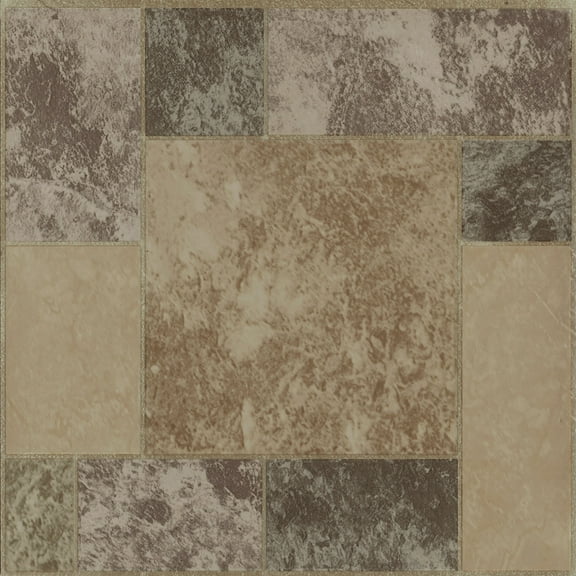
- You can choose tile formats when you want square patterns or stone-inspired visuals.
- You can consider sheet and roll formats when you want wide coverage across laundry rooms or basements.
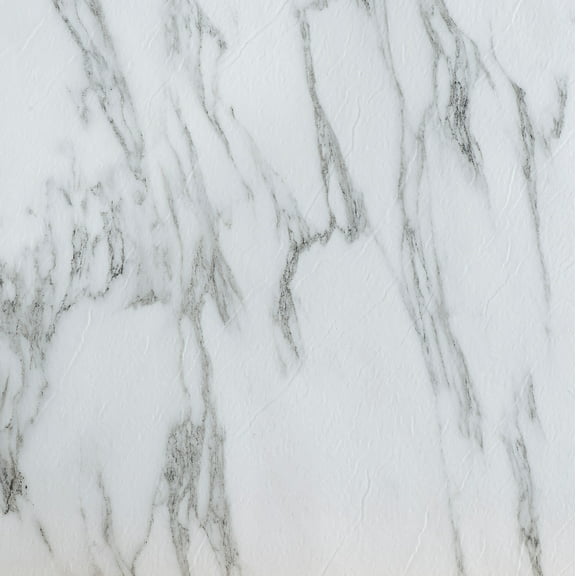
- You can compare patterned and marble look surfaces when your room needs a more decorative finish.
Choosing between peel and stick vinyl flooring and click lock
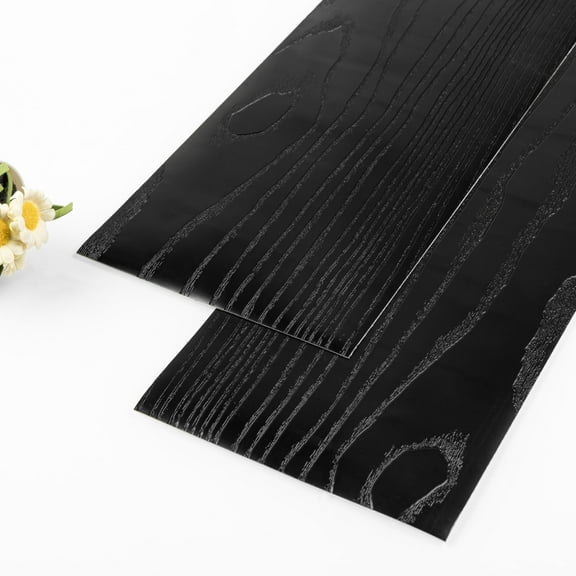
You should compare installation type early because it affects prep work, tools, and project time. Peel and stick vinyl flooring can suit quick updates, while click-lock planks can help you align boards without adhesive.
If your subfloor is smooth and even, you may find peel-and-stick options easier to plan for smaller rooms. If your floor has minor variation, you may prefer click-lock construction with an underlayment recommendation.
You’ll also want to check whether glue-down styles fit your space, especially when you need a more fixed installation. Before you choose, you should measure carefully and confirm subfloor preparation, including leveling compound where needed.
Choosing waterproof vinyl flooring for your room
You should match water resistance to the room because spills, splashes, and moisture vary from space to space. Waterproof vinyl flooring can make more sense for bathrooms, kitchens, mudrooms, and basement areas.
If your room sees occasional moisture, you may also compare water-resistant surfaces that fit lighter-duty spaces. You’ll want to look at seam placement too, because format and installation can affect how your floor handles wet areas.
For bathrooms, you may prefer smaller-format tile visuals or tightly fitted planks around fixtures and corners. For basements, you should check whether your subfloor is level and dry before you install any flooring type.
What to look for in wear layer thickness and construction
You’ll want to compare wear layer thickness because it helps you judge how the surface fits your traffic level. A thicker wear layer, measured in mil, can make more sense when your hallway or entry gets frequent foot traffic.
You should also separate wear layer thickness from overall thickness, which is often measured in millimeters. Overall thickness can affect underfoot feel and sound, while the wear layer helps you compare surface durability.
If you’re updating a busy family room, you may want to look for specs that support repeated daily use. If you’re refreshing a guest room, you may not need the same construction focus as a main traffic path.
Matching style, subfloor prep, and room goals
You can narrow your choice faster when you match style with the room’s light, cabinet color, and wall finish. Wood look vinyl flooring can warm up bedrooms, while stone look or marble look surfaces can fit sleek kitchens and baths.
You should also plan for subfloor prep before you choose a format or installation method. Smooth surfaces matter for peel-and-stick products, and level areas matter for click-lock planks and long sheet layouts.
If you’re updating a rental, you may focus on fast installation and easy room-to-room coordination. If you’re remodeling a primary bath or basement, you may prioritize waterproof surfaces and careful seam planning.
With vinyl flooring, you can balance installation method, wear layer, water resistance, and style without guessing. When you compare those details closely, you can choose a floor that fits your room, your subfloor, and your daily routine.