

Floor Furnace Grate Covers & HVAC Ventilation - Walmart






















About Floor Furnace Grate Covers & HVAC Ventilation - Walmart - Walmart.com
You can improve airflow with hvac ducting ventilation that matches your layout, appliance, and room size. You’ll find options for dryer exhaust, bathroom fan venting, range hood exhaust, and HVAC trunkline projects.
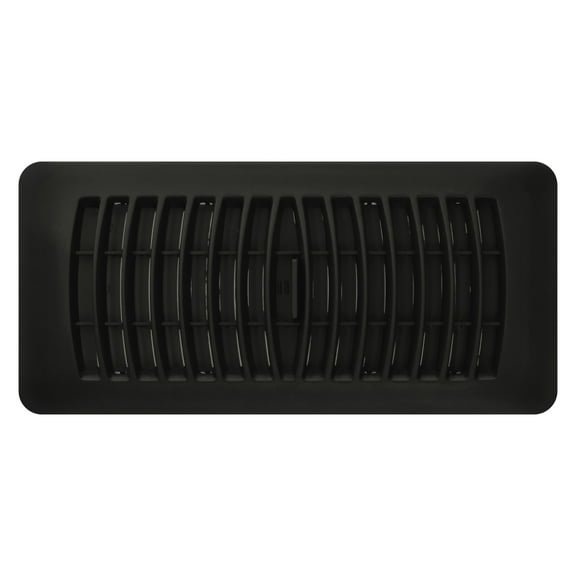
When you compare duct type, material, diameter, and application, you can choose parts that fit your project with less guesswork. You’ll also find vent covers, ductwork connectors, and flexible dryer vent pieces that support a cleaner installation.
How to choose hvac ducting ventilation
You should start with the duct run and the air source you’re connecting. You can then compare flexible ducting, rigid ducting, and semi-rigid options based on space and airflow.
If you need bends around framing or tight utility areas, you may prefer flexible ducting for more direct installation. If you want smoother interior walls, you may prefer rigid sections for more direct airflow.
You can use this quick guide to narrow your options quickly before you measure. You’ll make confident decisions when you match the duct style to the job.
- You may choose flexible ducting when you need direct installation around corners.
- You may choose rigid ducting when you want a straighter run with less airflow resistance.
- You may choose semi-rigid pieces when you need some bend with more structure.
- You should match ductwork connectors and vent covers to the same diameter.
Choosing the right duct type
You’ll usually compare flexible, rigid, and semi-rigid ducting first. You can think of each type as a balance between direct routing and smooth airflow.
With flexible ducting, you can snake through tighter spaces behind walls, above ceilings, or around attic framing. You should keep bends gentle, because extra turns can reduce airflow efficiency.
With rigid ducting, you can build straighter runs that support more consistent movement through the line. You may like galvanized ducting when you want a sturdy option for longer sections.
With semi-rigid ducting, you can connect appliances in places where full rigid pieces feel harder to position. You’ll often see this style used when you need shape retention with modest flexibility.
Comparing materials for heat and airflow
You should compare material carefully, because your application affects what makes sense. You may see galvanized steel, aluminum, foil, and vinyl across this category.
If you’re planning dryer exhaust venting or range hood exhaust, you should check whether the material suits higher-heat airflow. You should also check whether product details list temperature rating and UL listing.
Galvanized steel can make sense when you want a more structured run with durable sections and fittings. Aluminum can help when you want lighter pieces that still work well for many vent layouts.
Foil styles can help when you need flexible routing for select vent paths. Vinyl styles may suit lighter-duty applications, but you should confirm compatibility with your exact setup.
If you’re deciding between insulated and non-insulated ducting, you should consider where the run travels. You may want insulated pieces in attics or other unconditioned spaces where condensation can become a concern.
Matching diameter and airflow needs
You should measure diameter before you choose any hose, elbow, cap, or connector. You’ll commonly see 4 inch, 6 inch, 8 inch, and 10 inch duct sizes.
For many dryer vent hose projects, you’ll often look at 4 inch sizes. For larger ventilation paths, you may need 6 inch duct or wider sections based on fan output.
You should also compare the fan or appliance CFM rating with the duct size recommendations. You’ll get a more informed match when you check both diameter and airflow together.
If you use mismatched sizes, you may need reducers, increasers, or other ductwork connectors to complete the run. You should still confirm each connection point, so your parts line up from start to finish.
Choosing parts for your application
You can narrow your options quickly when you shop by application instead of by shape alone. You’ll usually need different parts for a dryer vent, bathroom fan, range hood, or HVAC trunkline.
For dryer exhaust, you may look for a flexible dryer vent connection, a wall cap, and the correct diameter hose. You should keep the path as direct as possible for smoother venting.
For bathroom fan venting, you may need insulated ducting, roof or wall termination pieces, and vent covers. You should measure the fan outlet first, so your fittings connect cleanly.
For range hood exhaust, you may want material that suits higher-heat air movement and a path with fewer sharp turns. You should check the hood specifications before choosing elbows and connectors.
For HVAC trunkline updates, you may need galvanized ducting, branch fittings, collars, and vent covers for room distribution. You can compare rigid sections and connectors when you’re extending or adjusting existing ductwork.
What to look for before you install
You should measure the full run length, count bends, and confirm every connection point before ordering parts. You’ll avoid mismatched sections when you map the route in advance.
It helps to compare clamps, tape compatibility, elbows, reducers, and mounting accessories at the same time. You can complete your project more smoothly when your fittings match your duct material and diameter.
You should also check whether the route passes through a garage, crawl space, or attic. You may want insulated sections there, especially when outdoor temperatures differ from indoor air.
With the right hvac ducting ventilation setup, you can create a cleaner fit for your room layout and airflow needs. You’ll finish with components that align with your diameter, material, and application requirements.