


Find auto parts that fit
Let’s search for parts that fit your vehicle.UTV Storage Boxes in UTV Accessories


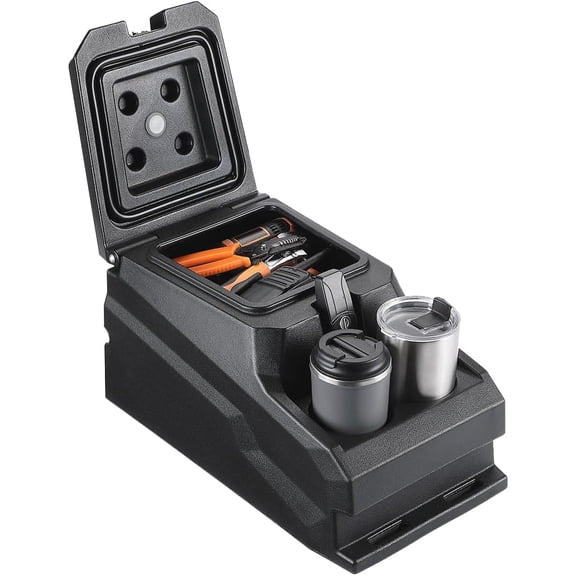


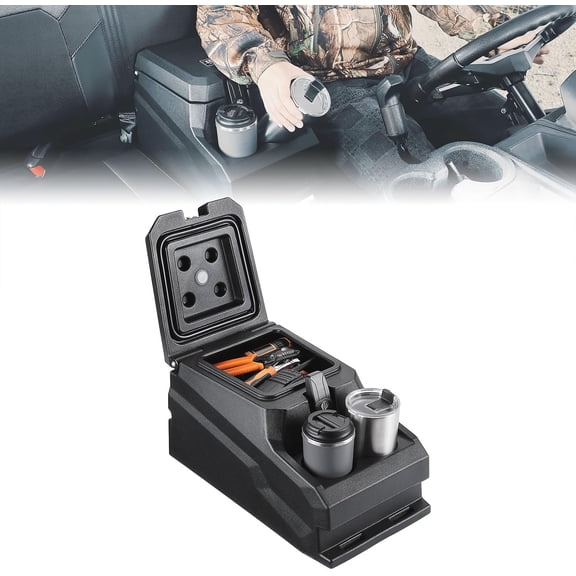

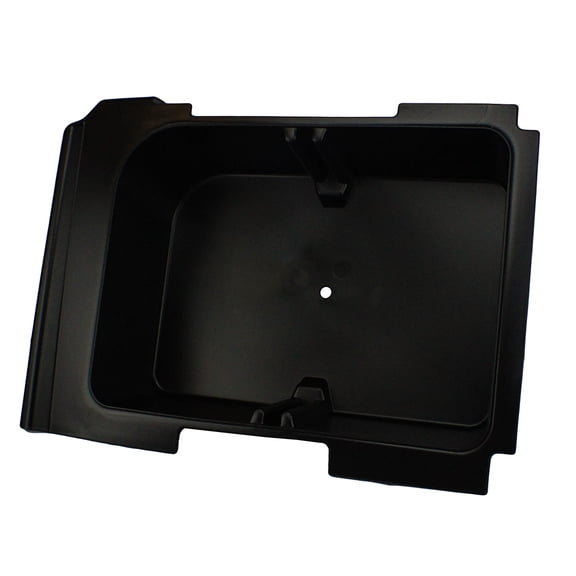
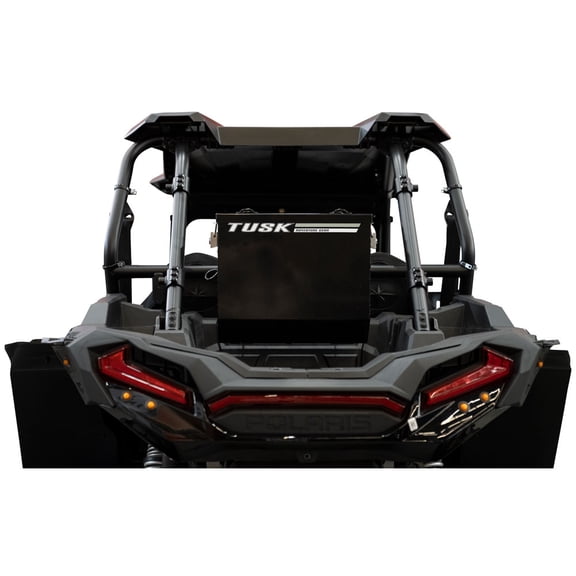







About UTV Storage Boxes in UTV Accessories - Walmart.com
UTV storage boxes help you keep tools, tow straps, and trail gear protected without giving up useful cargo space. You'll compare fitment, materials, sealing, and locks more clearly when you use the right buying criteria.
How to choose UTV storage boxes for fitment
Your first decision is fitment, because bed dimensions and mounting bracket spacing shape how securely a box sits. You'll want to compare universal fit, vehicle-specific, and bed-specific designs before you choose.
With universal options, you get flexible mounting that works across several machines and changing setups. Vehicle-specific shapes give you a cleaner match around bed rails, wheel wells, and common side-by-side layouts.
Bed-specific designs deserve a close look when your cargo area has limited clearance or a unique shape. You'll make a smarter choice when you measure length, width, and sidewall height before comparing capacity.
- Your universal fit choice can make sense when you rotate gear between different machines.
- Your vehicle-specific option can suit you when you want tighter alignment with bed contours.
- Your bed-specific selection can help you use rear cargo space with less wasted room.
- Your measurements should include helmets, tow straps, gloves, and hand tools you carry often.
Choosing materials for a heavy duty UTV box
Your riding style and work conditions should guide the material you compare first. You'll usually see heavy-duty polyethylene, aluminum, and steel across this category.
Heavy-duty polyethylene can make sense when you want lighter weight and good dent resistance on rough trails. Aluminum may appeal to you when you want a rigid shell feel with less bulk than steel.
Steel can suit you when your priority is a sturdy build for demanding hauling and repeated loading. You'll want to compare box weight with your cargo needs, because added strength can affect handling and bed use.
That material choice also affects noise, flex, and how the box feels during frequent opening. You'll notice that a heavy duty UTV box should match both your terrain and your daily gear routine.
Comparing weather resistance in a waterproof UTV box
Your gear stays more organized when weather protection matches the conditions you ride through. You'll want to compare waterproof, dustproof, and weather-resistant labeling with the actual lid and latch design.
Gasketed lids, lid overlap, and firm latch tension are useful signs when you compare sealing strength. You'll get clearer guidance when you check how the manufacturer describes the seal in plain language.
Dusty farm routes and muddy trails can push fine debris into weak closure points very quickly. You'll appreciate a waterproof UTV box more when you carry gloves, maps, tools, or layers that need cleaner storage.
Some listings may mention IP ratings, while others focus on gasket style and closure pressure. You'll want to treat both as shopping clues, then compare them with your riding conditions and storage habits.
Choosing placement for a UTV rear storage box
Your placement choice changes how much bed space stays open for coolers, feed, or work supplies. You'll usually compare rear cargo bed, under-seat, and front rack options within this category.
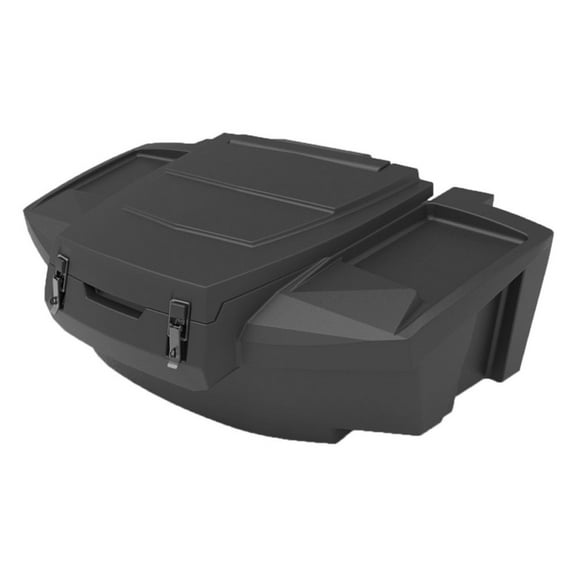
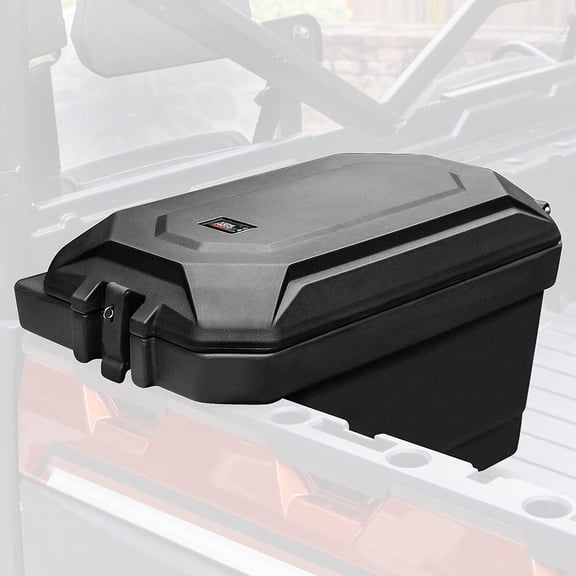
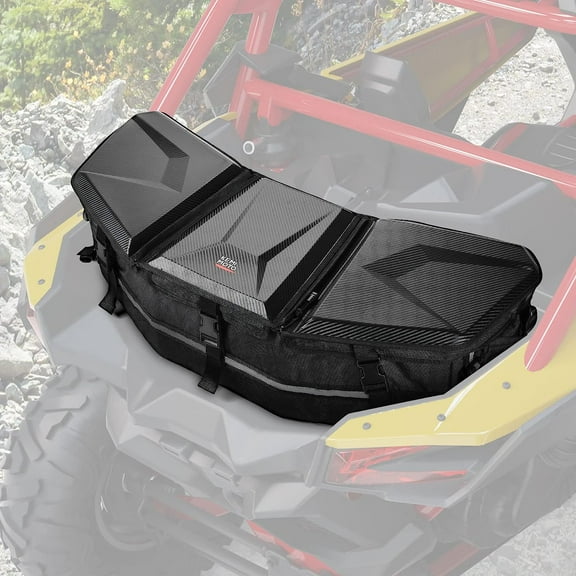
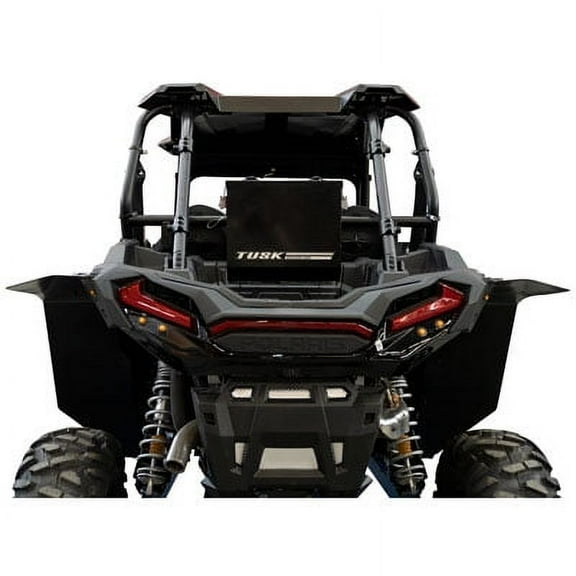
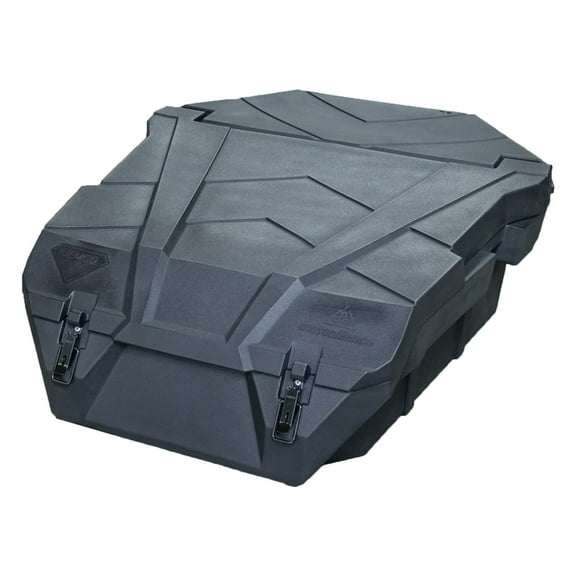
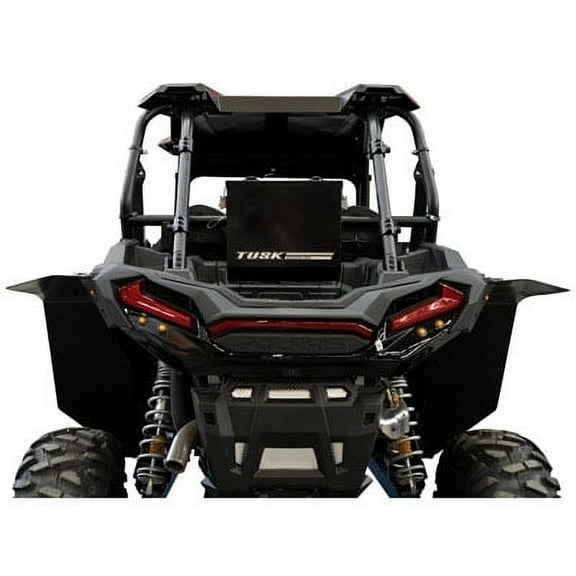
A UTV rear storage box often works well when you need larger capacity for tools, boots, tie-downs, or recovery gear. Under-seat storage can suit you when you want smaller essentials tucked away without filling the bed.
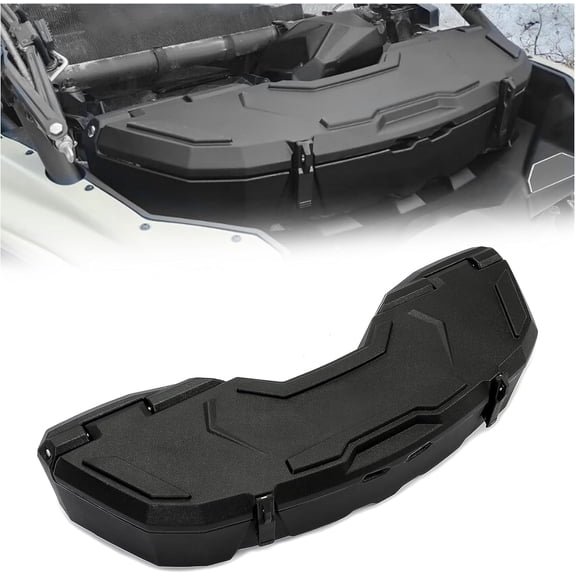
Front rack placement may help when your rear cargo area already carries larger equipment or supplies. You'll need to check opening clearance and box depth so access stays practical during loading and unloading.
Interior shape matters as much as outside size when you pack bulky trail items. You'll fit helmets, jackets, hitch accessories, and hand tools more easily when the opening matches what you actually carry.
Selecting security features in a UTV cargo box
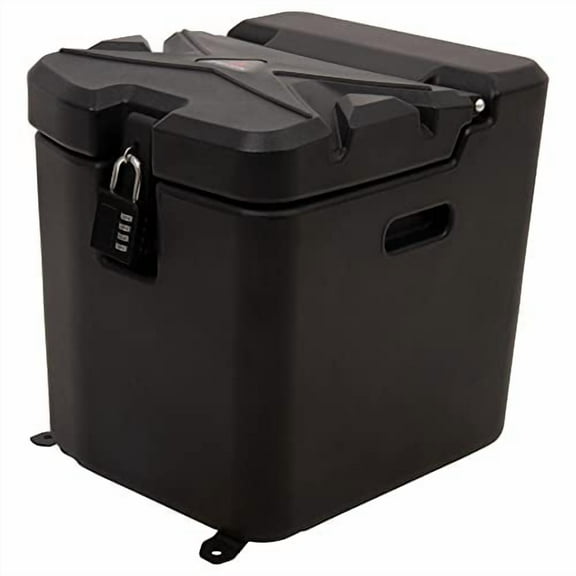
Your security needs depend on where you park, what you carry, and how often you open the lid. You'll see key locks, padlock compatible hasps, and heavy-duty latches as common choices.
Keyed access can help you when you want one-step opening at trailheads, camps, or job sites. Padlock compatible hardware can suit you when you already use a preferred lock setup across other gear.
Heavy-duty latches matter when you want a firm close and a more stable lid during rough travel. You'll also want to compare hinge placement, handle position, and lid support before deciding.
Small packing details can improve daily use just as much as the lock style. You'll keep gloves, chains, straps, and tools easier to reach when the box shape supports organized loading.
Matching a side by side storage box to real use
Your use case should guide which attribute combination works for your routine. You'll often narrow the choice faster when you match fitment, placement, and sealing to one routine.
For ranch work, a low-profile rear box with weather-resistant sealing can leave room for feed bags and fencing supplies. For trail riding, a deeper side by side storage box can group helmets, layers, and recovery gear together.
On maintenance days, a box with organized interior space can keep sockets, pliers, fasteners, and fluids in one place. You'll reduce loose cargo movement when the footprint stays defined inside the bed.
Mixed fleets often benefit from universal fit boxes that move between shared machines during the week. You'll get more flexibility when mounting points support different bed layouts without constant adjustments.
When your rides include mud, rain, and dust, stronger sealing deserves extra attention before material alone. You'll make a more practical choice when your box fits your machine, your cargo, and your route.
Your final pick should balance fitment, capacity, sealing, and access without crowding the machine. You'll end up with cleaner cargo organization and steadier storage on every ride and workday.