


Compression Sleeves in Compression Socks, Sleeves and Stockings















About Compression Sleeves in Compression Socks, Sleeves and Stockings - Walmart.com
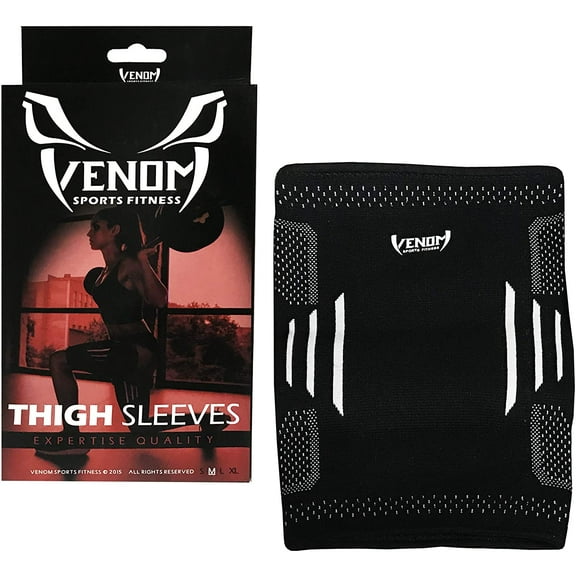
Compression sleeves give you targeted support for movement, recovery, and daily comfort. You can compare body part coverage, mmHg levels, and fabric blends to choose the right fit.
How to choose compression sleeves
When you shop compression sleeves, you should start with the body area you want to support. You can narrow your options faster when you match the sleeve shape to your knee, calf, elbow, ankle, or wrist.
Fit matters just as much as coverage, so you should check your measurements before you choose. You can use circumference and sizing chart details to find a sleeve that feels secure without feeling bulky.
Compression level is another key decision because you may want different pressure for different routines. You can compare mild, moderate, and firm ratings to match everyday wear, travel, sports, or recovery needs.
Choosing body part support
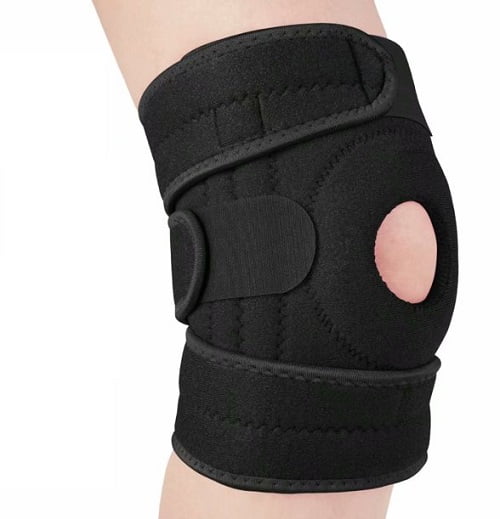
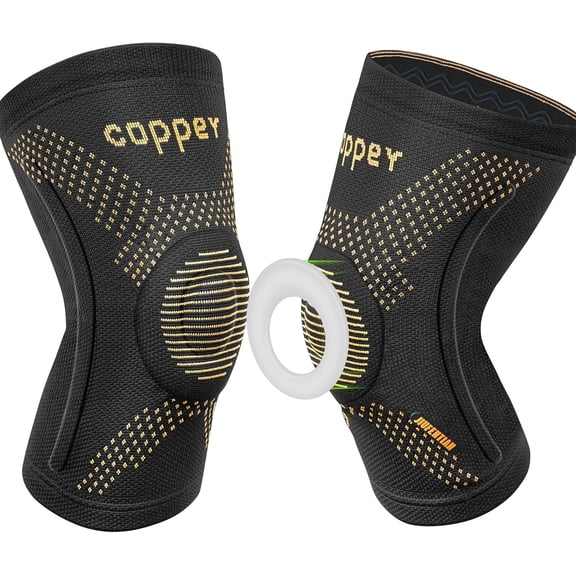
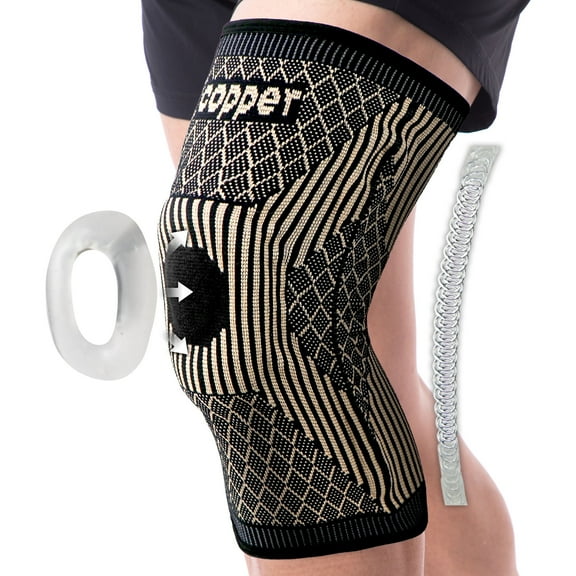
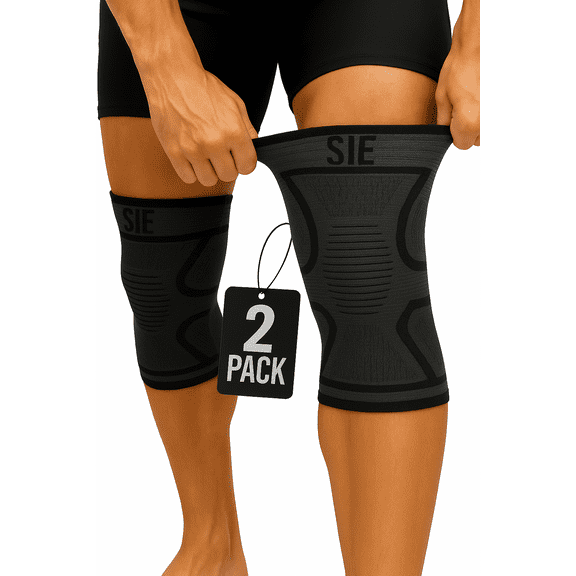
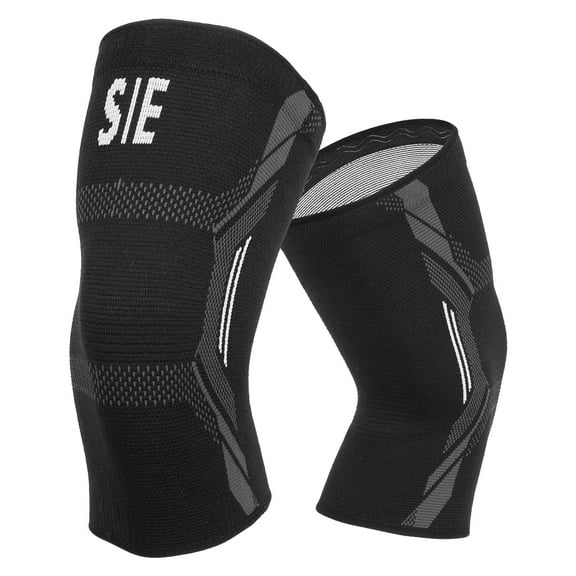
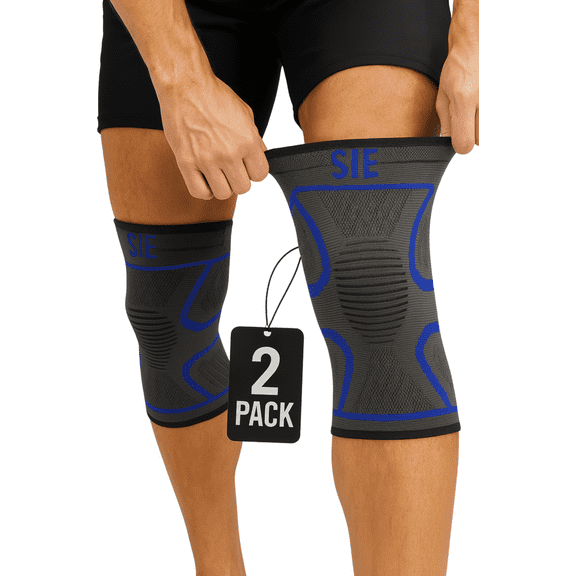
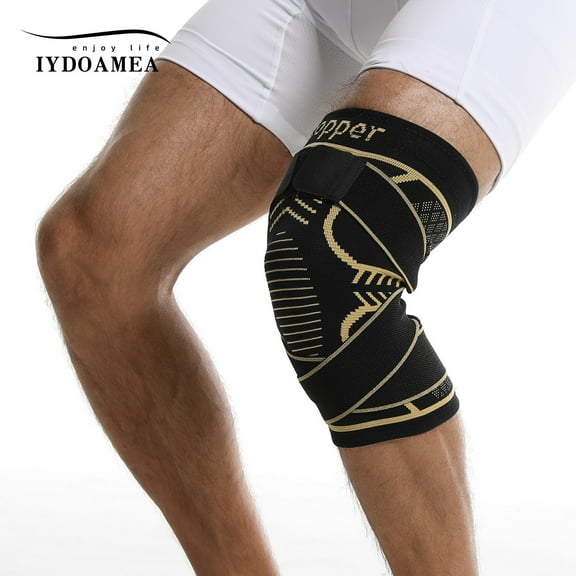
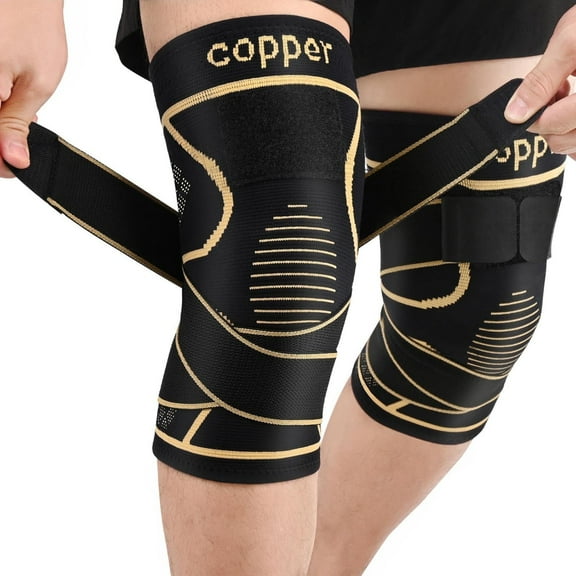
Knee compression sleeves can help you focus support around bending, walking, and training movements. You can look for coverage that sits smoothly above and below the joint for a steady feel.
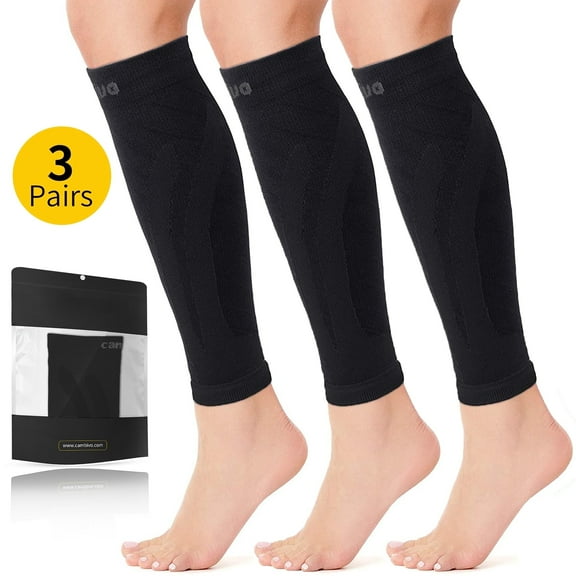
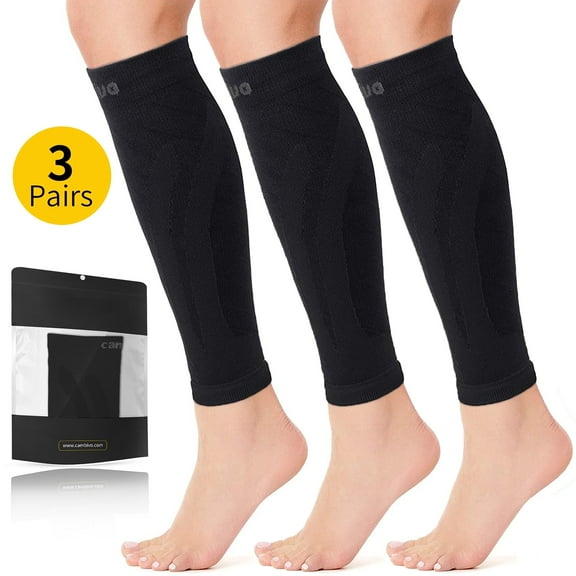
If you want calf compression sleeves, you should compare sleeve height and fabric stretch. You can use calf-focused designs for running, long shifts, travel days, or post-workout wear.
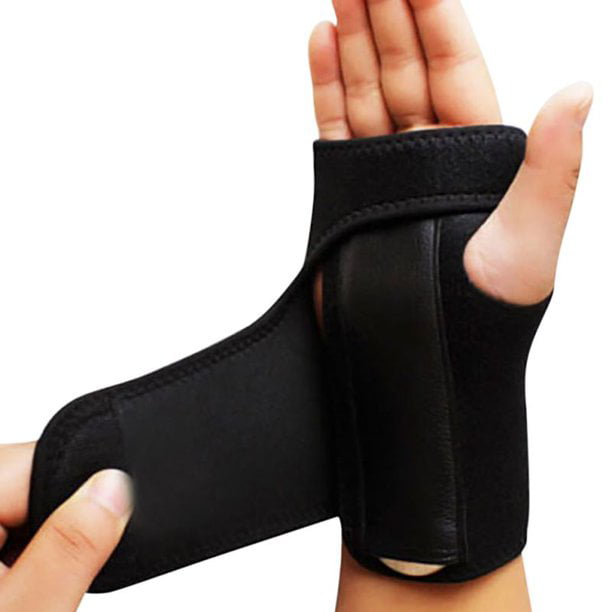
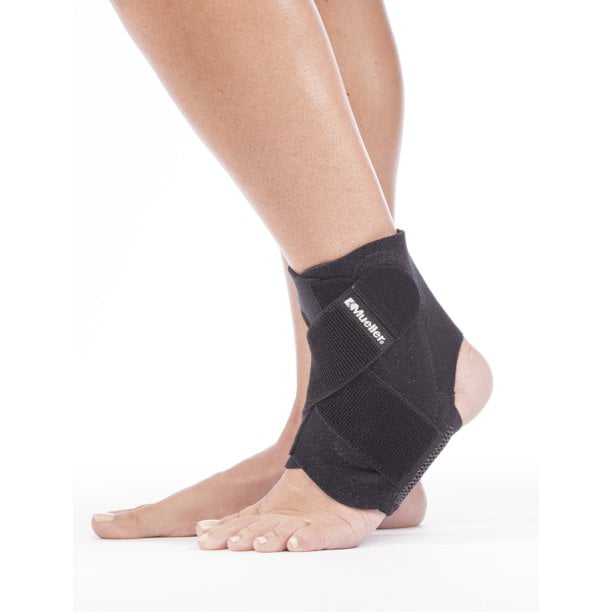
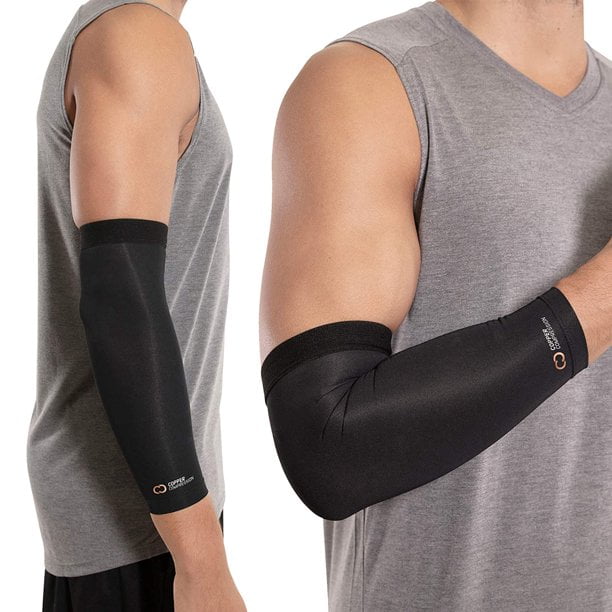
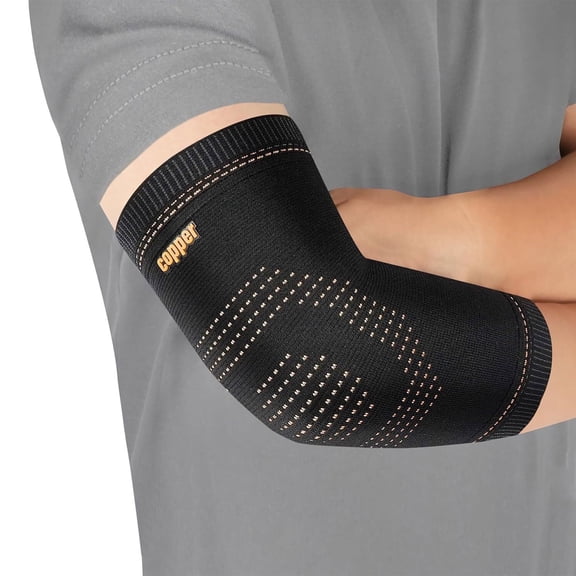
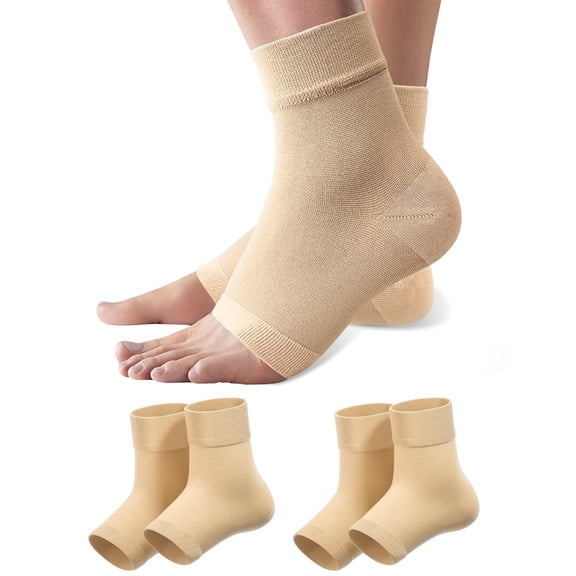
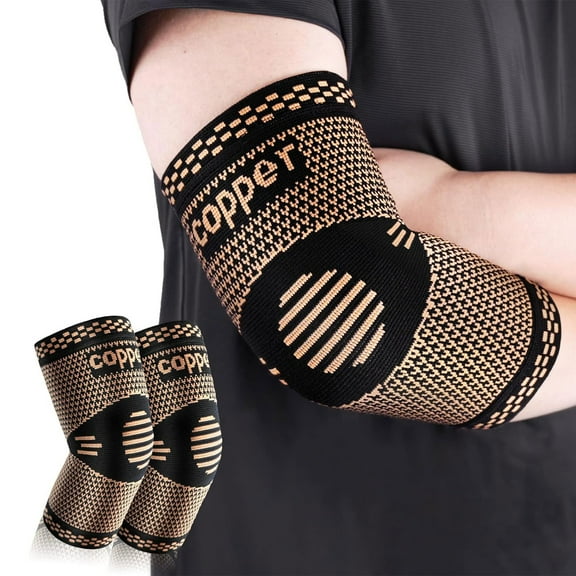
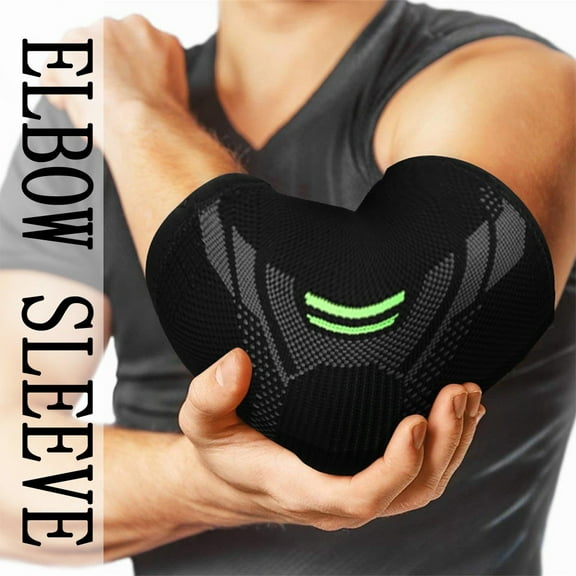
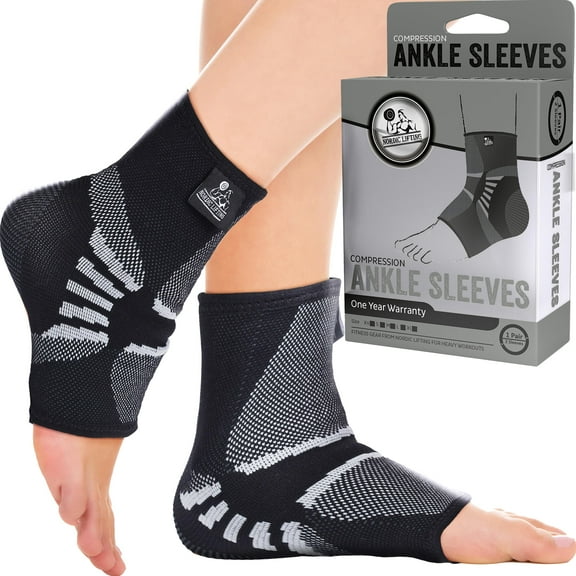
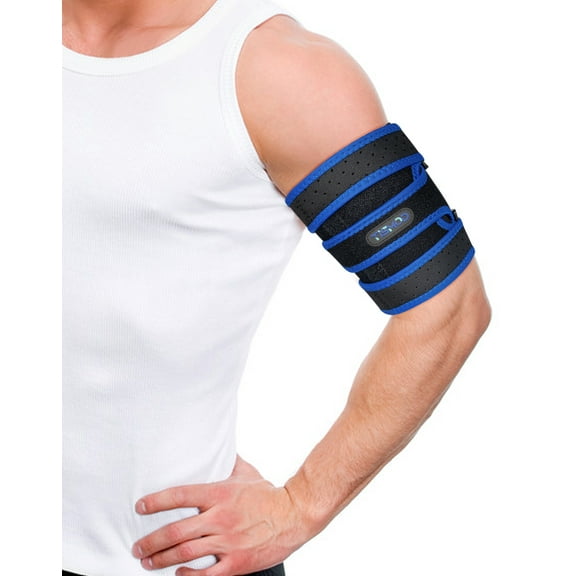
Compression sleeves for elbows give you a slimmer shape for lifting, racket sports, and repeated arm motion. You can also compare ankle and wrist options when you want more localized support in a smaller area.
- You can choose knee styles when you want coverage around a larger joint.
- You can choose calf styles when you want a long sleeve shape for lower leg support.
- You can choose elbow styles when you want a close fit for repeated arm movement.
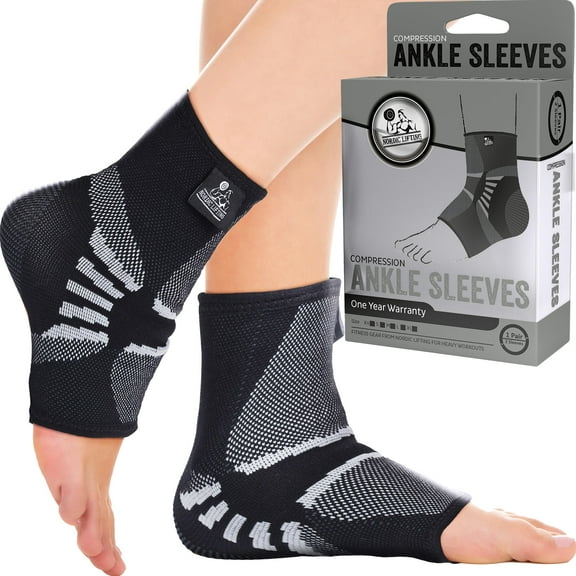
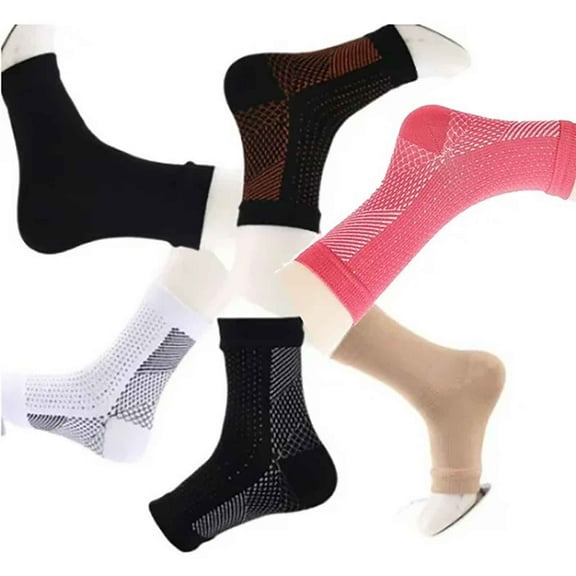
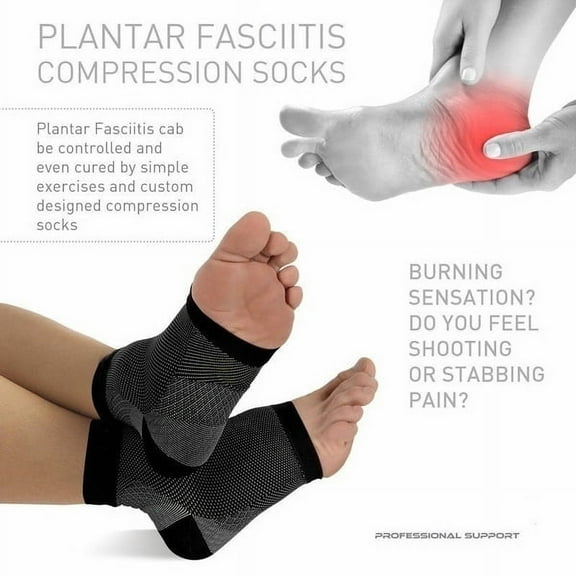
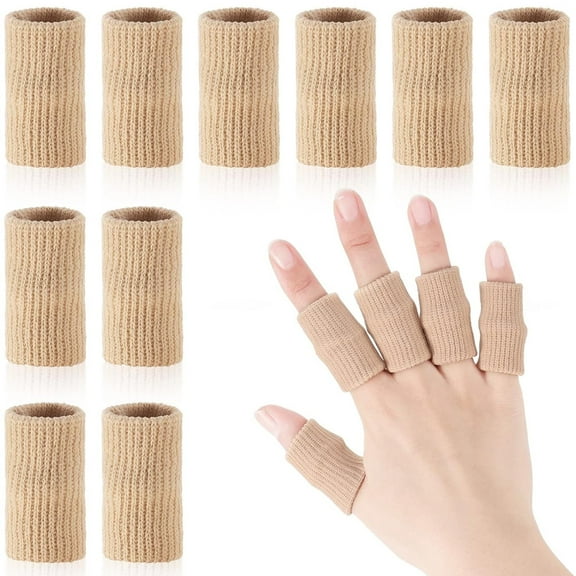
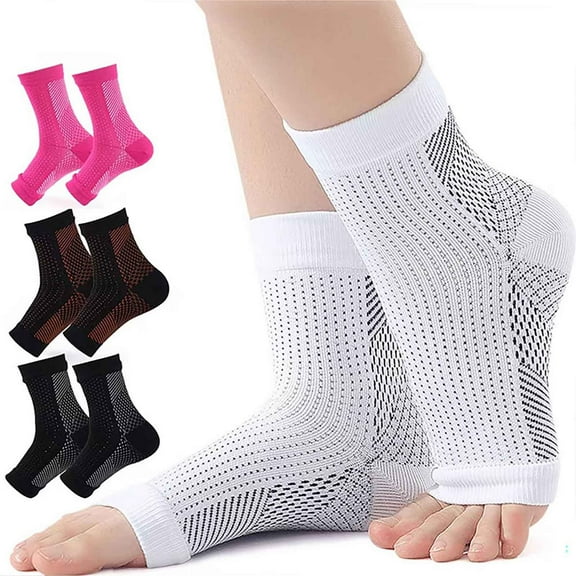
- You can choose ankle or wrist styles when you want compact support for daily wear.
Understanding compression level and fit
You should use mmHg ratings as a simple guide to how much pressure a sleeve provides. You can start with mild eight to 15 mmHg for light everyday wear and flexible comfort.
Moderate 15 to 20 mmHg works well when you want a more secure feel for activity or travel. You can consider firm 20 to 30 mmHg when you want stronger hold and a tighter fit profile.
Sizing charts matter because compression feels more effective when the sleeve matches your measurements closely. You should measure circumference at the points listed on the chart, since knee and calf sizing often differ.
If you're between sizes, you should compare the brand chart and your intended use carefully. You may prefer a closer fit for athletic compression sleeves, while daily wear may feel easier in a less restrictive size.
Comparing materials in compression sleeves
Material affects how your sleeve feels during long wear, movement, and repeated washing. You can compare nylon, spandex, neoprene, and copper-infused blends based on stretch, warmth, and breathability.
Nylon and spandex blends usually give you a smooth feel with flexible movement and a close fit. You may choose these fabrics when you want lighter weight support for workouts, commuting, or daily use.
Neoprene can give you a thicker feel and more structured coverage around a joint. You can consider it when you want a denser sleeve feel during training sessions or repeated motion tasks.
Copper compression sleeves are another option when you want a familiar support format with flexible fabric. You should still compare fiber blend, seam placement, and stretch recovery, since those details affect comfort.
Matching sleeves to your routine
You can use athletic compression sleeves when your routine includes running, court sports, gym sessions, or cycling. You should look for breathable fabric, stable edges, and a fit that stays in place during motion.
For recovery, you may want a sleeve that feels supportive without adding too much bulk under clothing. You can compare softer knit styles for downtime, errands, or time at home between activities.
Daily wear often calls for a balance of comfort, flexibility, and easy layering. You can choose slimmer profiles for workdays, travel, and long periods of sitting or standing.
If you want medical compression sleeves, you should pay close attention to listed mmHg ranges and measurement guidance. You can also compare sleeve length and opening width, since those details change how the sleeve feels all day.
What to look for before you choose
You should check the sizing chart first, because circumference measurements guide a more accurate fit. You can then compare compression level, body part support, and material to narrow your options.
Seam placement, edge design, and sleeve length also affect how your choice feels during wear. You may notice that a smoother edge and contoured shape help your sleeve fit more evenly under clothing.
When you compare these details carefully, you can find support sleeves that match your movement and comfort preferences. You can feel more confident in a sleeve that fits your body area, routine, and preferred compression level.