


Find auto parts that fit
Let’s search for parts that fit your vehicle.Mud Flaps in Mud Flaps & Splash Guards
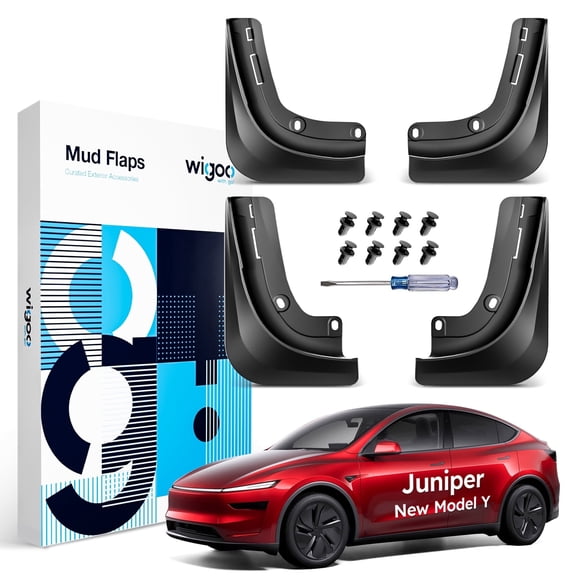


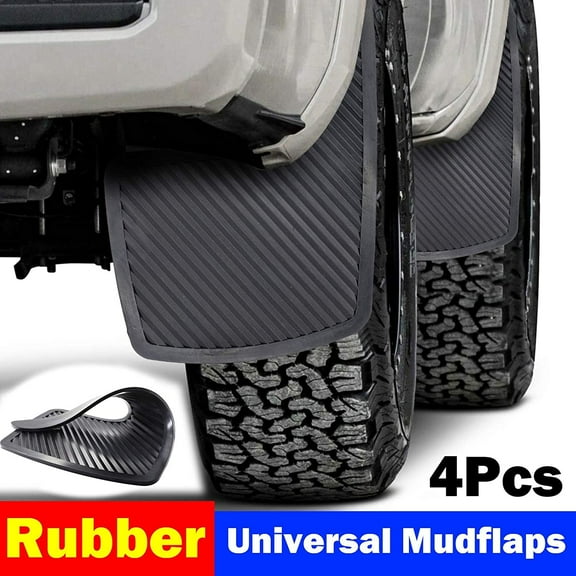


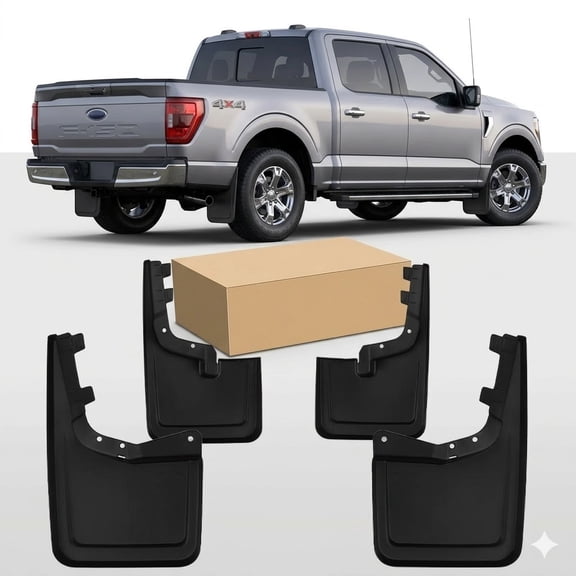


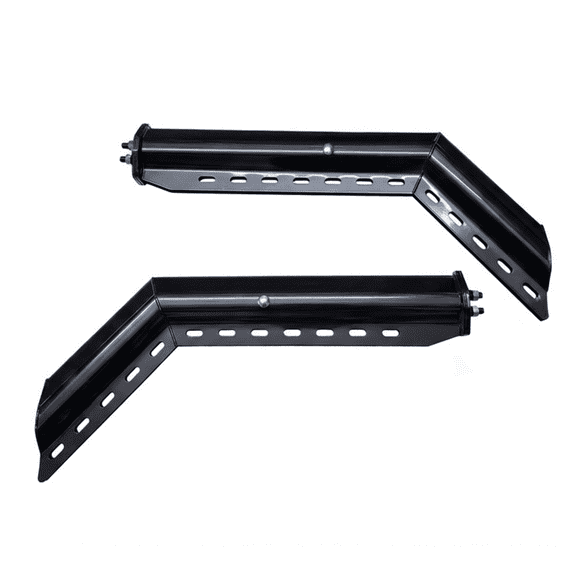


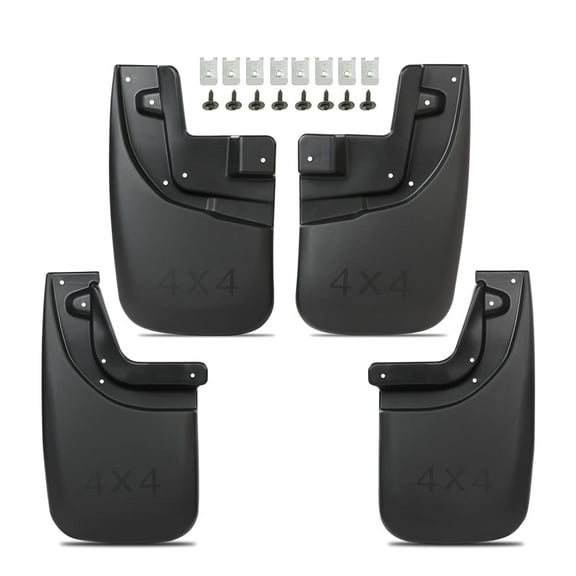
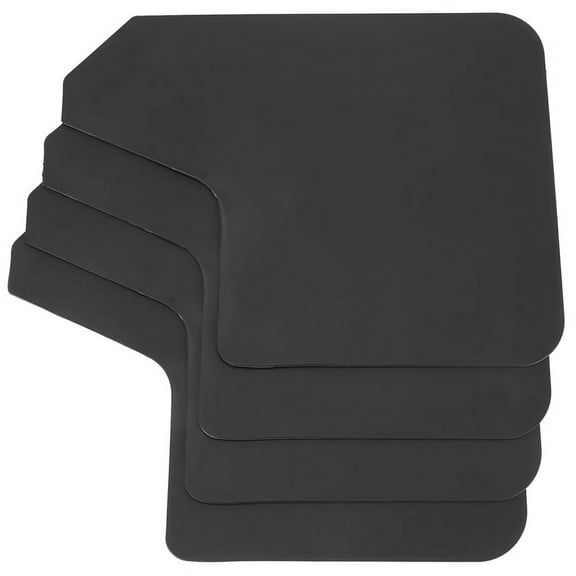
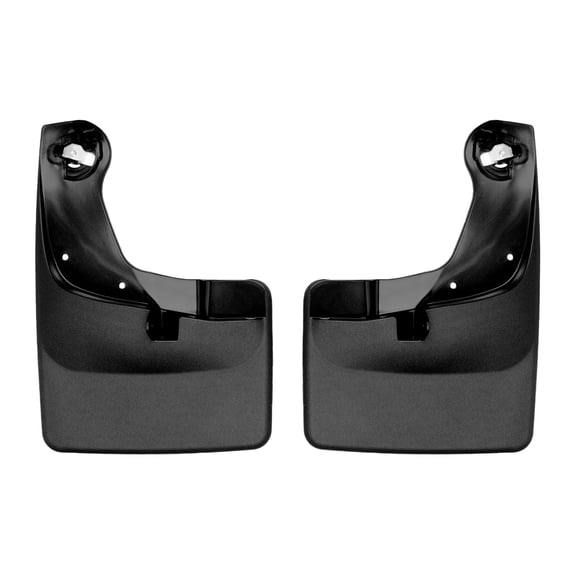


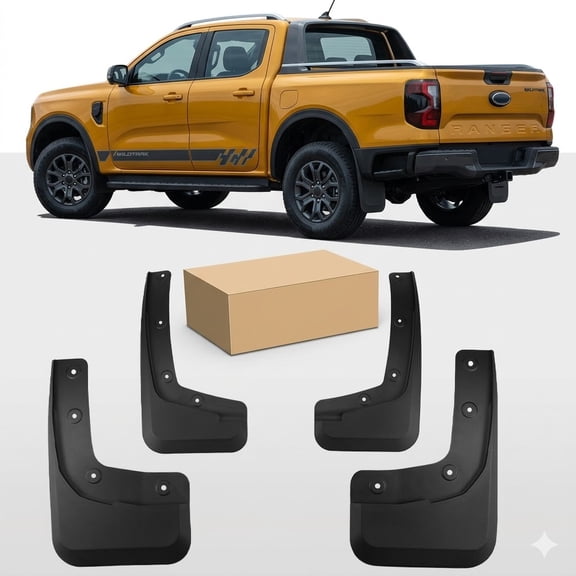
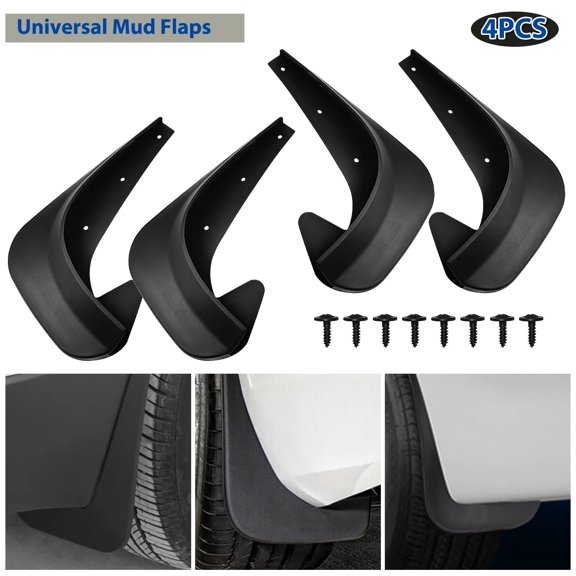


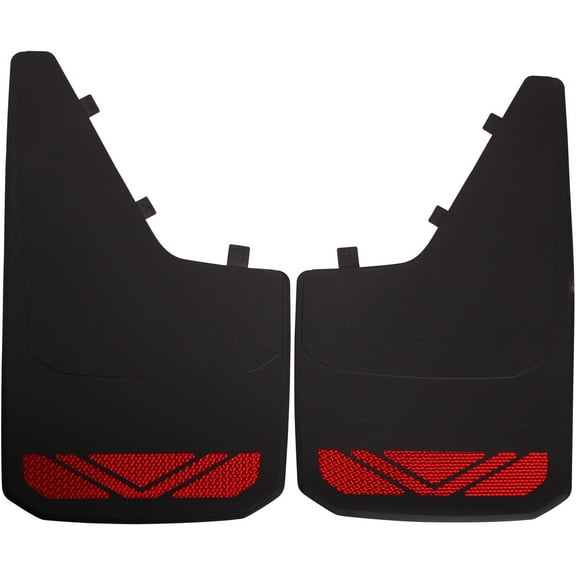

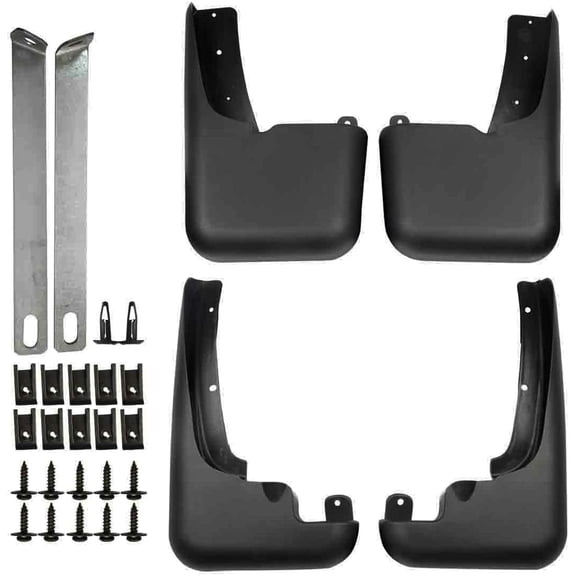
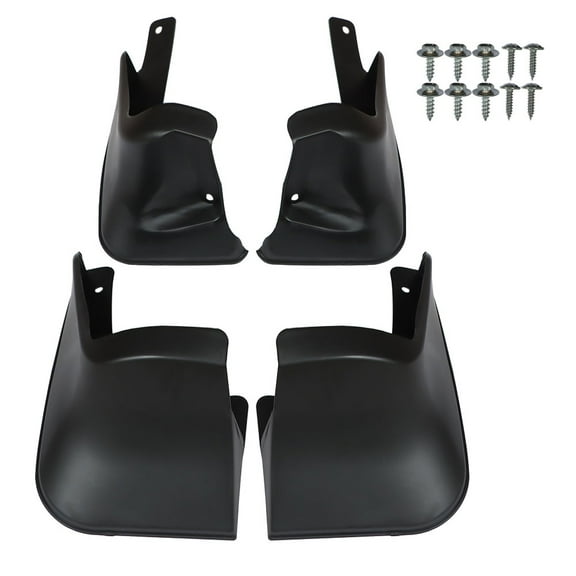
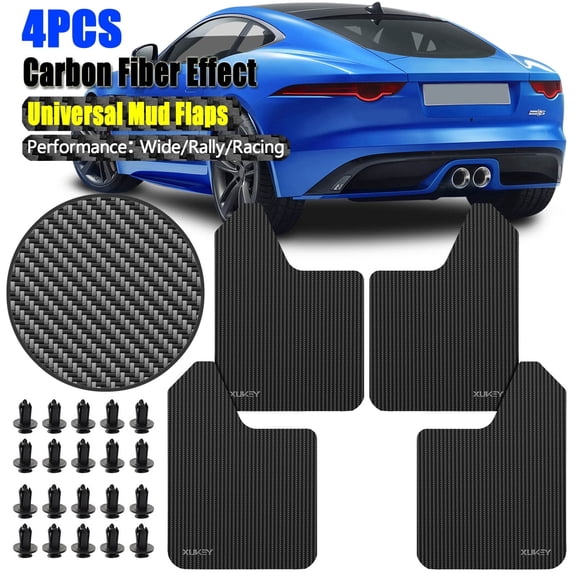
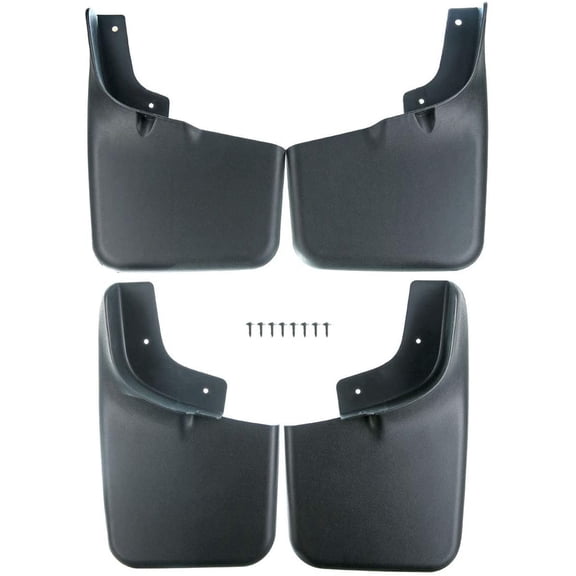


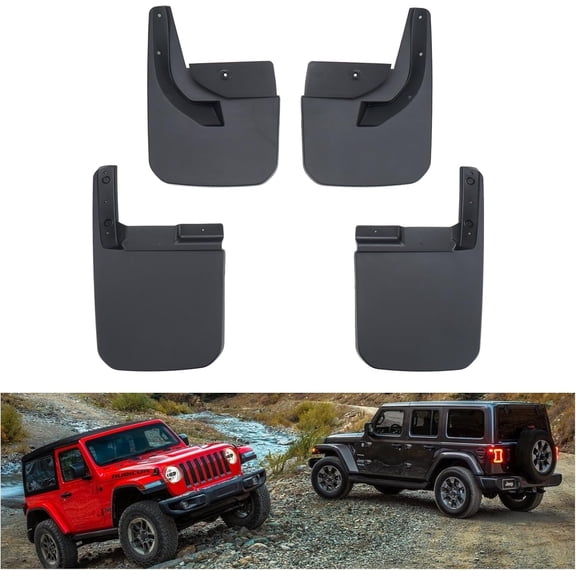
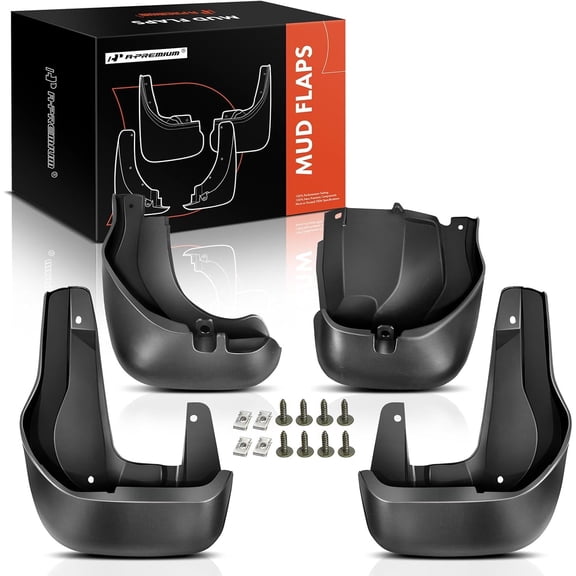

About Mud Flaps in Mud Flaps & Splash Guards - Walmart.com
Mud flaps help you protect your truck, SUV, or car from road spray, slush, and gravel. You can compare fitment, material, placement, and coverage to choose the right setup for your vehicle.
When you drive through rain, mud, or snow, you want cleaner body panels and less mess behind your wheels. You can also narrow your choice by make, model, year, and trim for a closer fit.
Choosing mud flaps by fitment type
You should start with fitment, because it affects how your mud flaps look and install. You can choose vehicle-specific, universal, or semi-custom options based on your vehicle and your preferences.
If you want a tailored look, you may prefer vehicle-specific guards shaped for certain wheel wells. If you want flexible compatibility, you may choose universal mud flaps that fit many trucks and cars.
Semi-custom designs give you a middle ground when you want easier selection with a more refined fit. You can often use them when you need broader compatibility without a completely flat, trim-to-fit style.
- You can use vehicle-specific options when your make, model, year, and trim need closer alignment.
- You can choose universal mud flaps when you want broader compatibility across different vehicles.
- You can pick semi-custom sets when you want a balance between tailored coverage and flexible installation.
- You can compare front set, rear set, or full four-piece coverage for your driving habits.
Comparing materials and heavy duty mud guards
You should compare materials next, because your climate and roads affect performance. You can find heavy-duty rubber, molded plastic, and thermoplastic designs across many vehicle types.
If you drive in cold weather, you may like heavy-duty rubber because it stays more flexible in winter conditions. You can also use rubber mud guards when you want a flatter style for wider coverage.
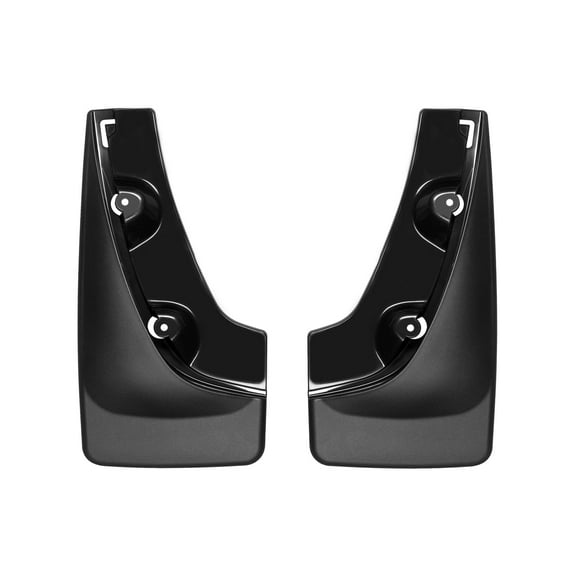
If you want a more rigid shape, you may prefer molded plastic for a cleaner contour along the wheel opening. You can use that structure when you want splash protection with a more defined profile.
Thermoplastic options give you another choice when you want a molded feel with everyday durability. You can compare thickness, edge shape, and surface texture to match your driving routine.
You should also think about road conditions before you choose your material. If you drive gravel roads, wet highways, or slushy streets, you may want broader coverage and thicker construction.
Truck mud flaps, car splash guards, and vehicle type
You should match the design to your vehicle type, because wheel openings and ride height change the coverage you need. You can shop truck mud flaps, car splash guards, SUV guards, or semi-truck options.
If you drive a pickup, you may want longer flaps that help shield lower body panels and trailers from spray. You can also look for wider styles that better match larger tires.
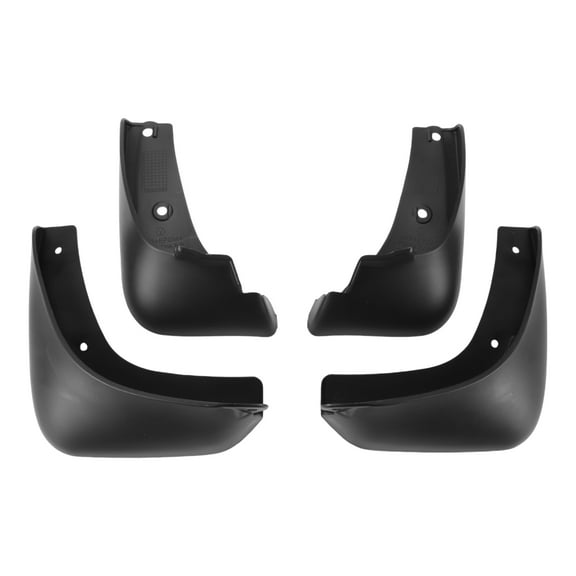
If you drive a passenger car, you may prefer lower-profile splash guards that follow the body lines closely. You can use them to help reduce water spray and road grime around the rocker panels.
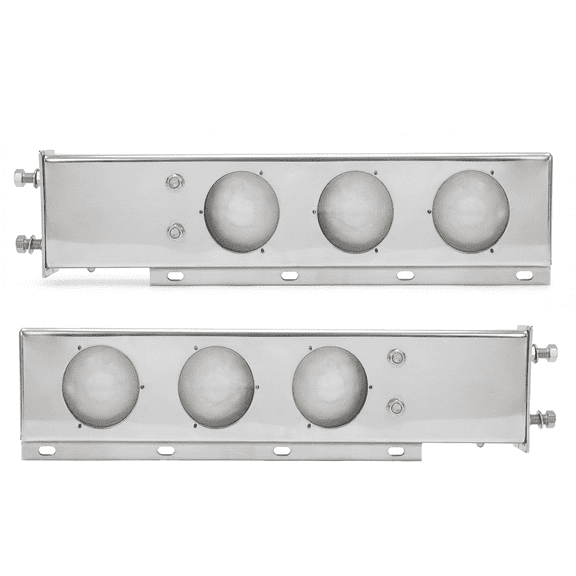
SUV drivers may want a balance of clearance and coverage for daily driving, wet roads, and weekend trips. If you drive a semi-truck, you may look for larger rubber mud guards made for broader rear coverage.
Understanding placement, coverage, and front and rear mud flaps
You should decide where you want protection before you choose a set. You can buy a front set, a rear set, or front and rear mud flaps for more complete coverage.
Front guards help you reduce spray and grime along doors and lower side panels. Rear guards help you manage debris thrown behind the vehicle, especially when your tires are wider.
You should also compare width and length, because coverage area changes how much road debris your vehicle catches. If you want more shielding, you may look for flaps that extend lower and sit wider.
If you use larger tires or fender flares splash guards, you may need extra width for better alignment. You can measure the wheel area first so your chosen set looks proportionate and covers more effectively.
Checking installation details before you buy
You should review installation requirements early, because mounting style affects your tools and time. You can compare drill and no-drill options to match your comfort level.
If you want a simpler setup, you may prefer designs that use existing factory holes. You can often install these styles with basic hand tools and straightforward hardware.
If you need wider flat guards or universal styles, you may see trimming or drilling requirements. You should check the included brackets, screws, and mounting points before making your choice.
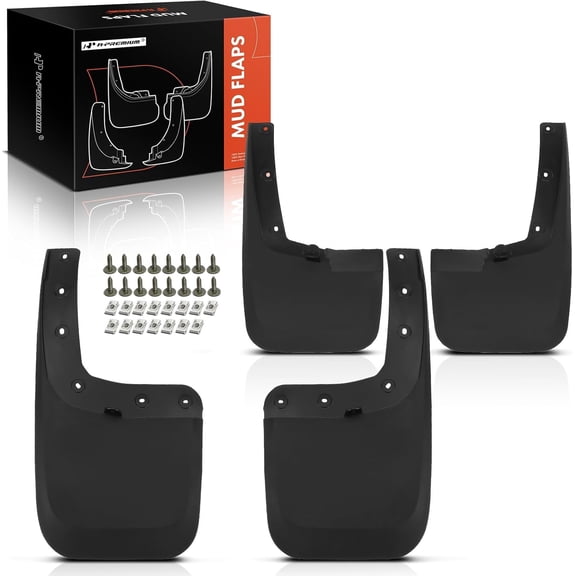
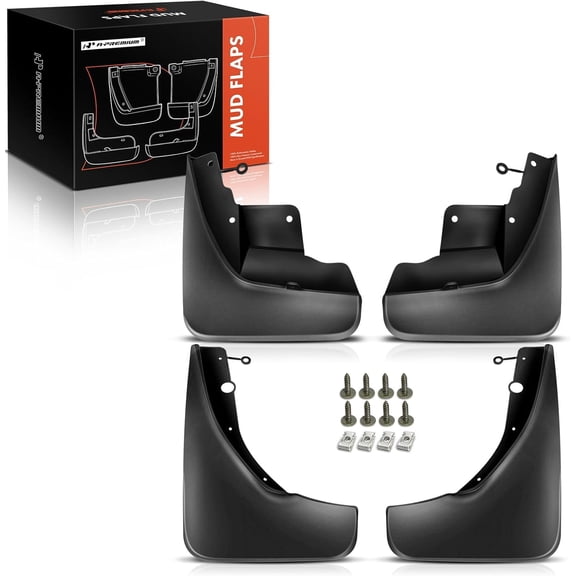
You can also confirm whether a set includes hardware for one axle or all four corners. If you want complete coverage in one purchase, you may prefer a full four-piece set.
How to match mud flaps to real driving conditions
You should choose based on where and how you drive, not only on appearance. If you commute daily, you may want car splash guards that blend with your body shape.
If you drive a work truck on muddy sites, you may want truck mud flaps with wider coverage and flexible rubber construction. You can use that setup when roads leave heavy spray and dirt behind your tires.
If winter roads are part of your routine, you may want winter mud guards or snow splash guards with flexible material. You can pair that material with front and rear placement for broader seasonal coverage.
If you tow, haul, or run oversized tires, you may want to compare flap length and width carefully. You can get more useful coverage when your mud flaps better match your tire footprint.
You should feel more confident when you compare fitment, material, vehicle type, and placement together. You can choose mud flaps that install the way you expect and protect the areas you use most.