

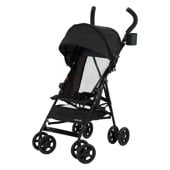
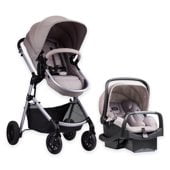
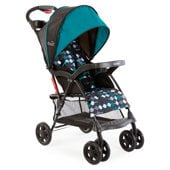
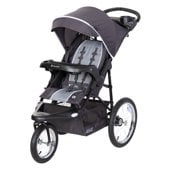








Lightweight Strollers in Strollers














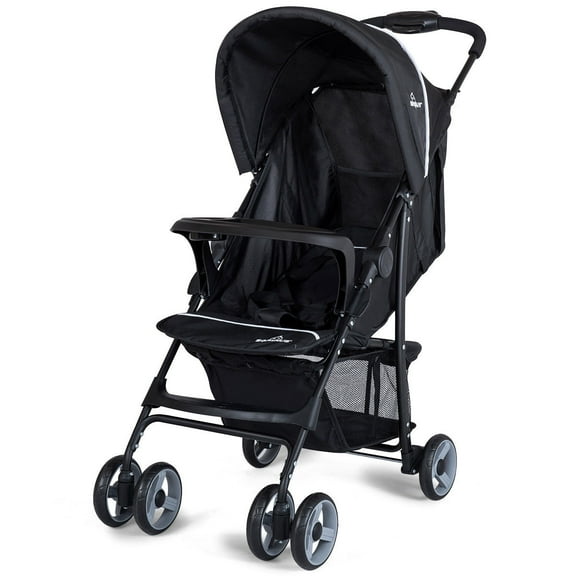


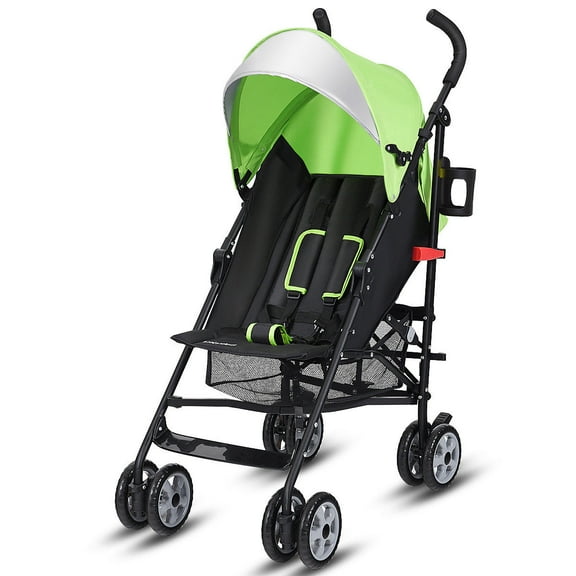


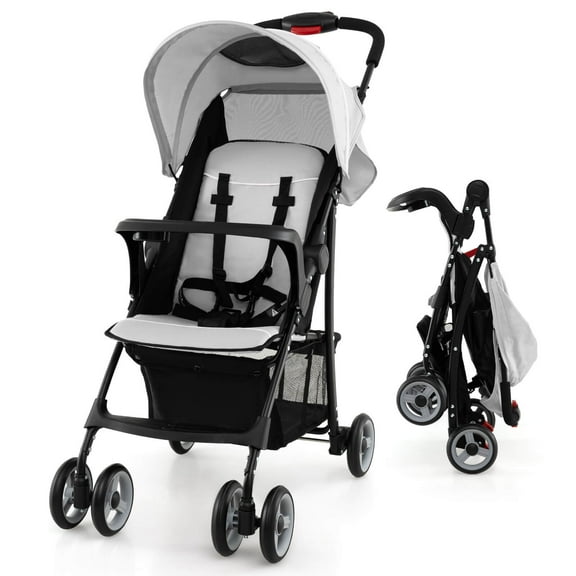
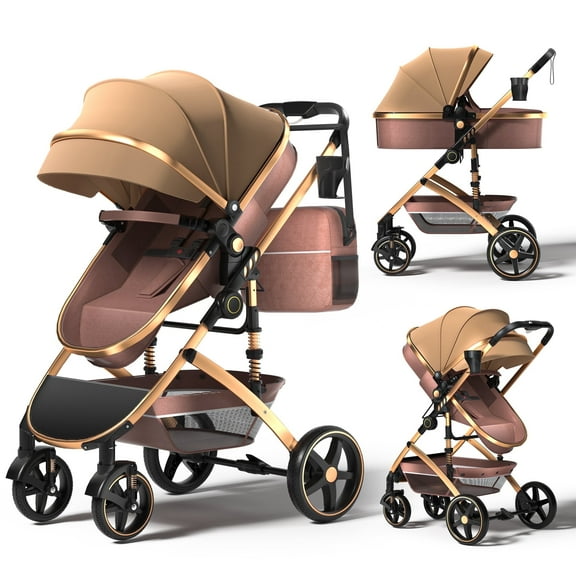


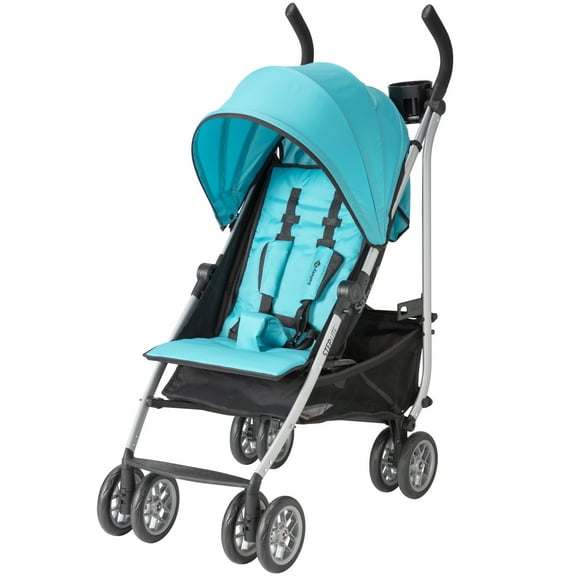


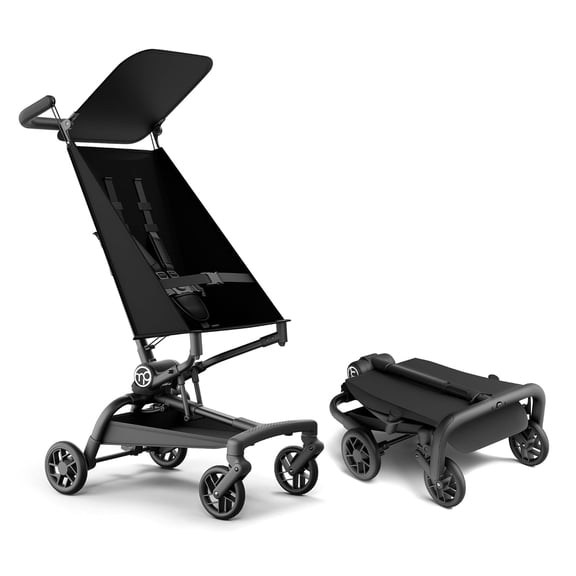


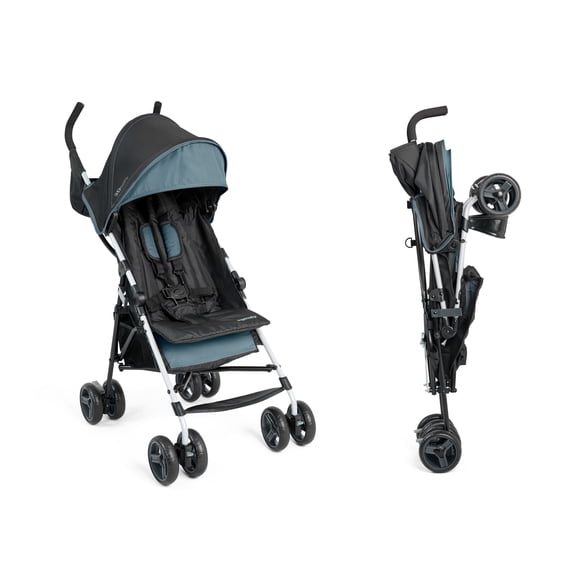
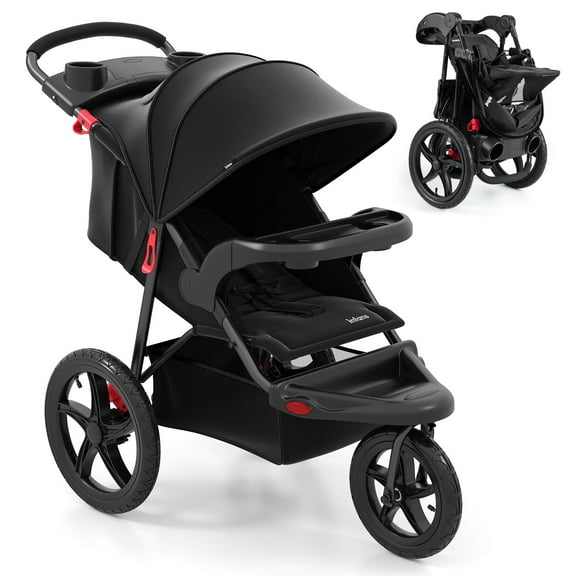


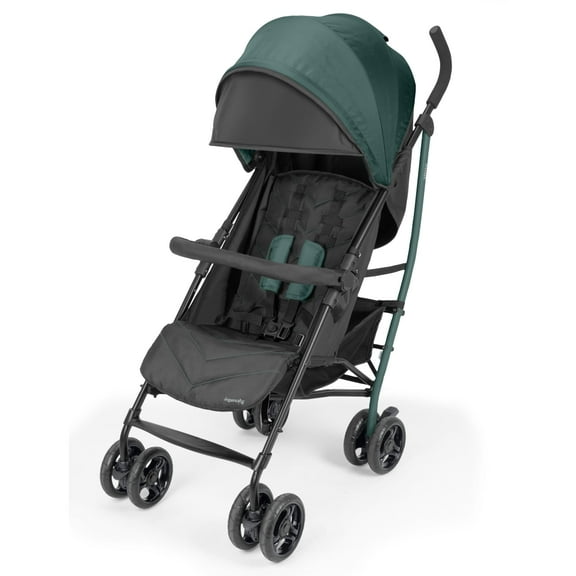
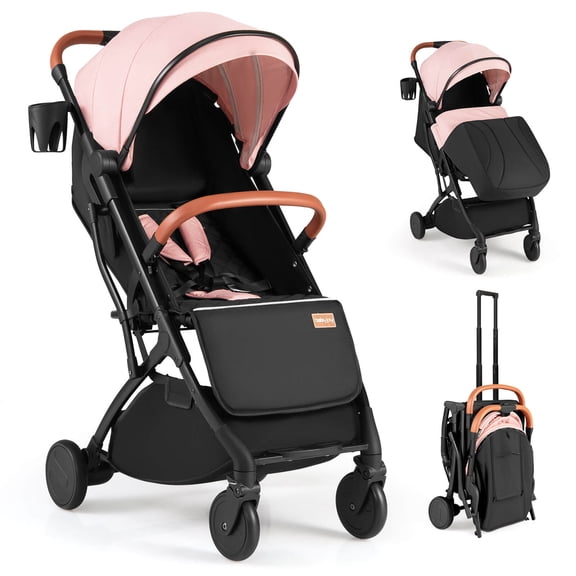


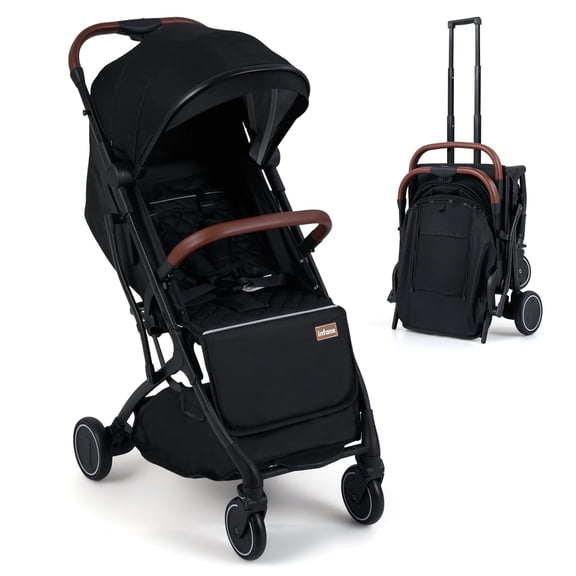


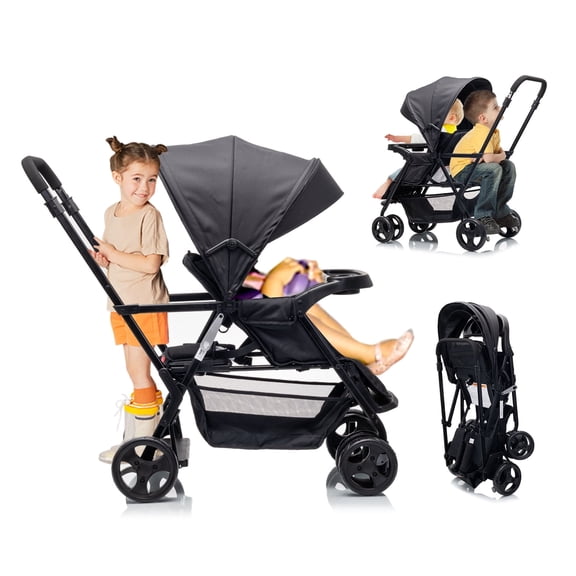
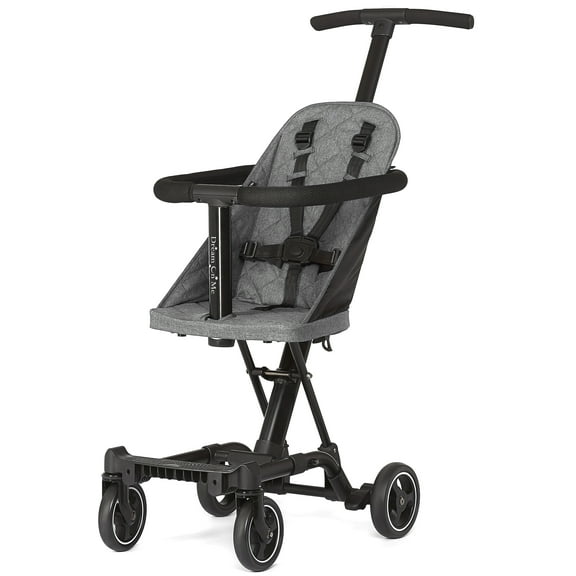


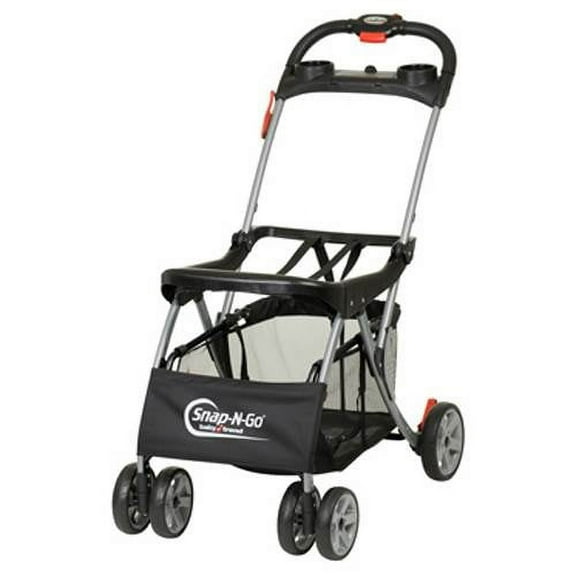


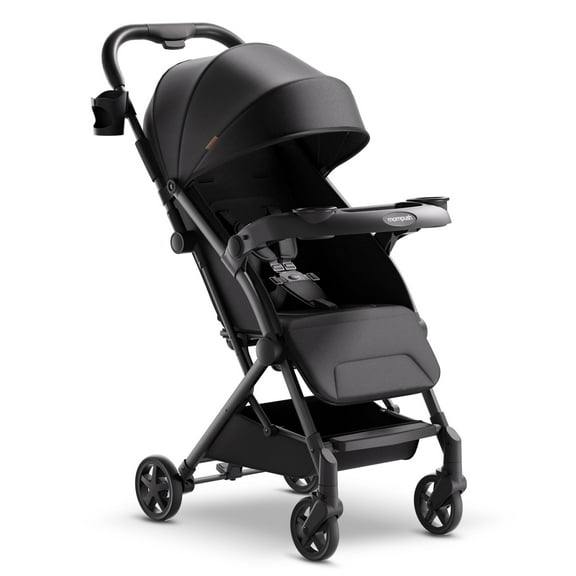


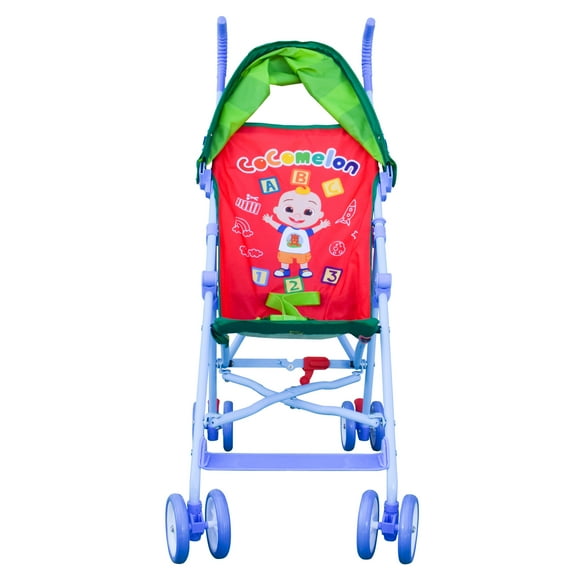
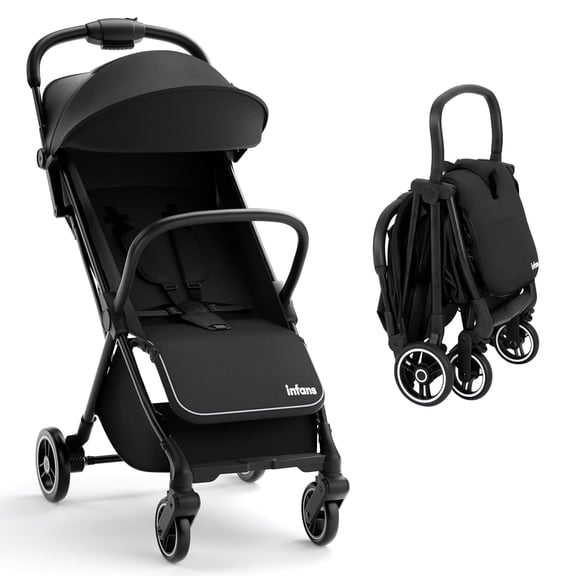


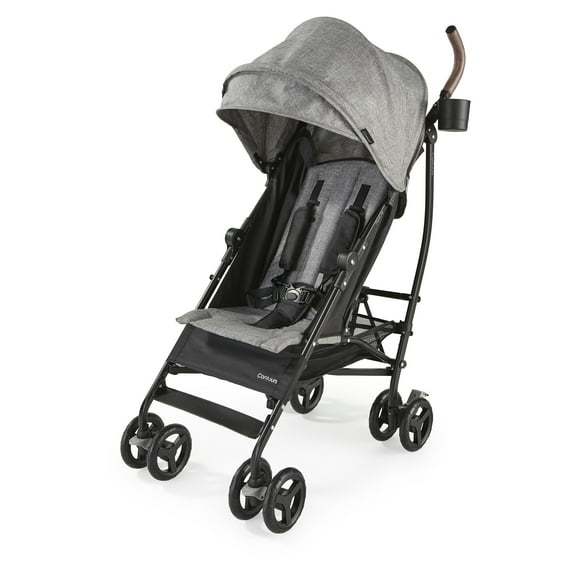


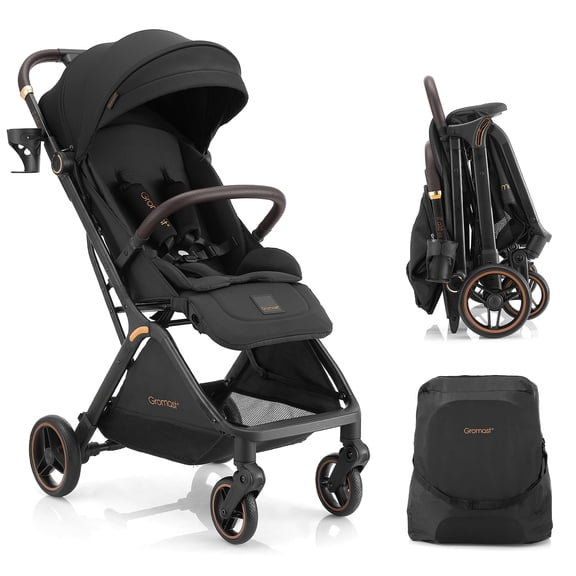


About Lightweight Strollers in Strollers - Walmart.com
Lightweight strollers help you move through busy days with less bulk and easier folding. You can compare weight, fold style, and travel features that fit errands, trips, and daily walks.
How to choose lightweight strollers for your routine
When you compare lightweight strollers, start with how often you'll lift, carry, and store them. You may prefer under 15 lbs designs when you carry a stroller up stairs or into transit.
If your car has limited cargo space, measure your trunk before you choose a compact stroller. You can then compare compact, ultra-lightweight, and slim-frame options with more confidence.
You'll also want to check seat limits and age range before you decide. Your stroller may need newborn compatibility now, or room for a toddler up to 50 lbs later.
What to look for in a compact stroller
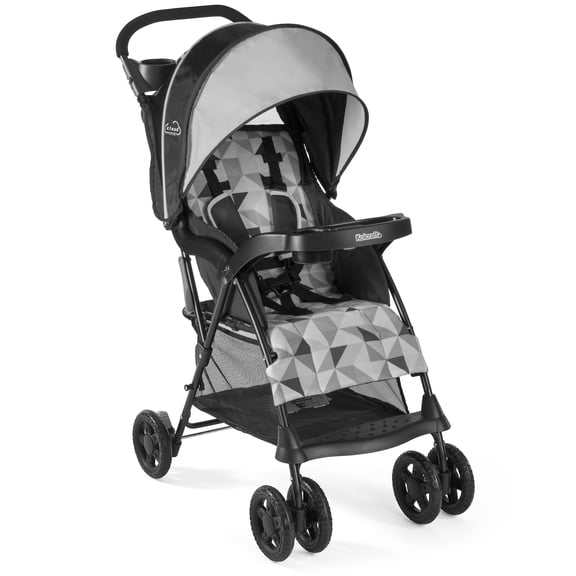
A compact stroller can help you move through crowded aisles, restaurants, and sidewalks with less effort. You should compare folded size, handle height, and basket access before you choose.
- You can carry a lighter frame more easily through parking lots, apartment entries, and public transit.
- You can fit a compact fold into smaller trunks, closets, and entryway storage areas.
- You can steer more comfortably when your stroller has wheels suited to sidewalks and everyday turns.
- You can keep essentials close when your stroller includes reachable storage and parent-friendly folding steps.
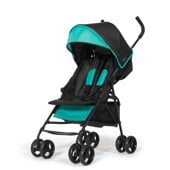
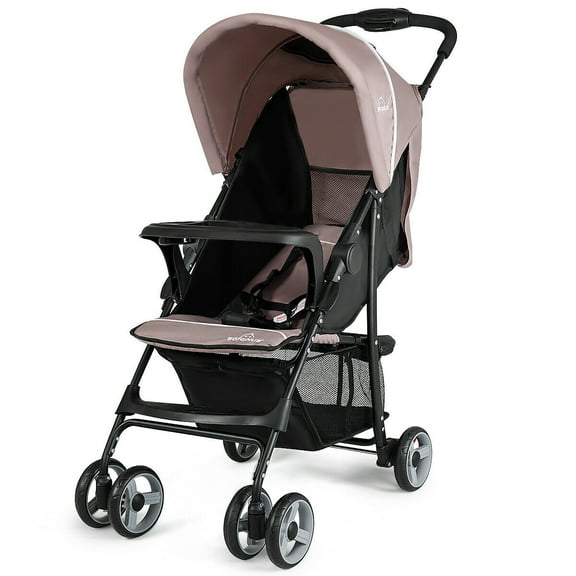
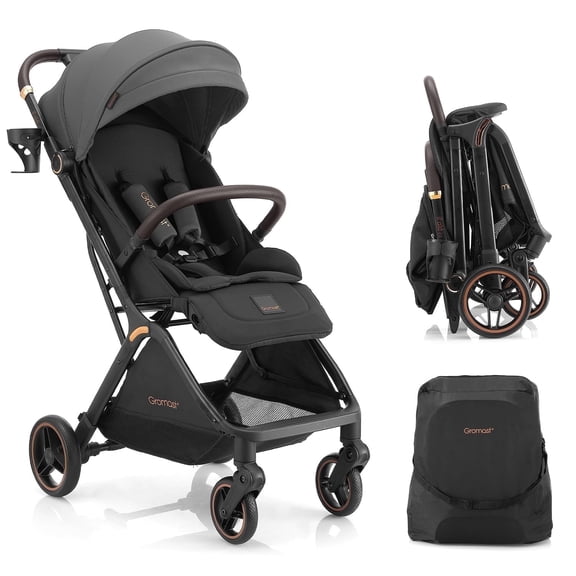
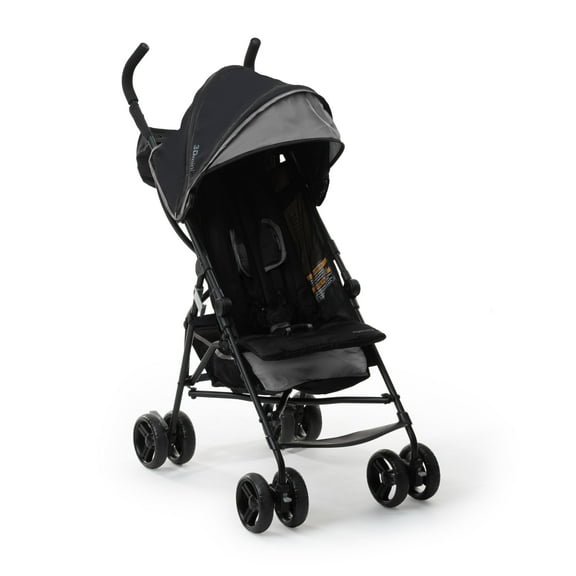
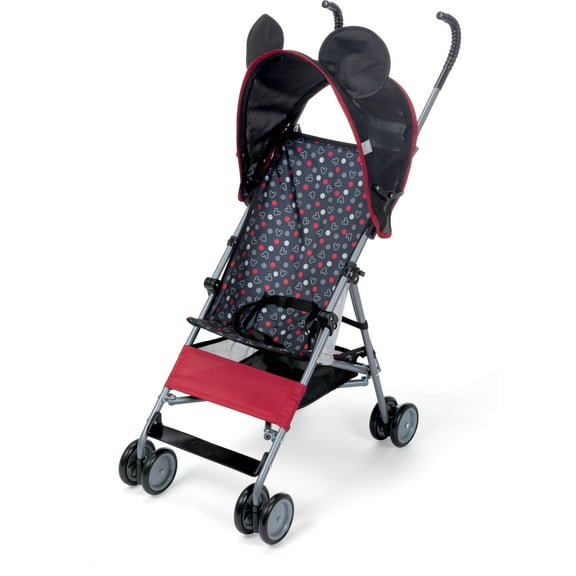
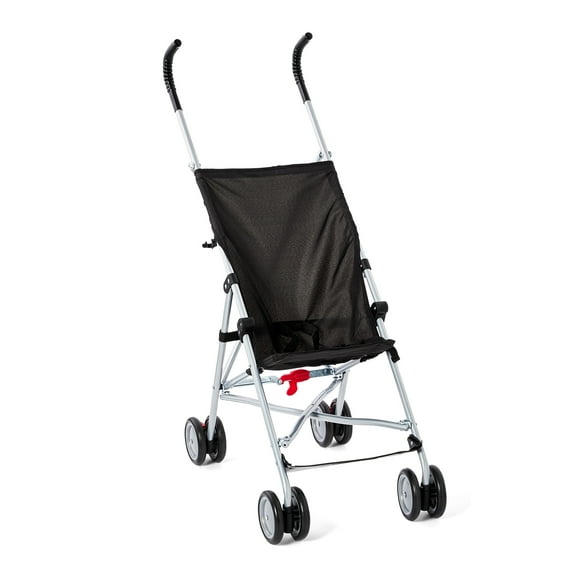
Some shoppers prefer an umbrella stroller for quick trips and simple storage. You may want a travel stroller with a deeper seat recline or more canopy coverage.
Look for canopy details that support your routine in bright outdoor settings. You may prefer an extendable canopy, a peek-a-boo window, or UPF 50+ fabric coverage.
Choosing the right fold mechanism
Your fold style affects how quickly you can pack up after errands, pickup, or gate checks. You should compare one-hand fold, gravity fold, and compact fold designs based on your daily routine.
A one-hand fold can help you close the stroller while your other hand stays busy. A gravity fold may suit you if you want a quick collapse with fewer steps.
Compact fold options matter when your hallway, closet, or trunk space feels tight. You should check folded depth and standing fold shape before you commit.
How travel stroller features support trips
A travel stroller works well when you need lighter carrying, faster folding, and easier storage between stops. You should compare cabin-friendly dimensions if airplane travel is part of your routine.
Some travelers check IATA carry-on dimensions before they choose an airplane overhead bin design. You should still confirm your airline's current size rules before you fly.
Car trunk friendly designs can make road trips and rideshare loading much simpler. You may want a folding stroller that leaves room for luggage, groceries, or sports gear.
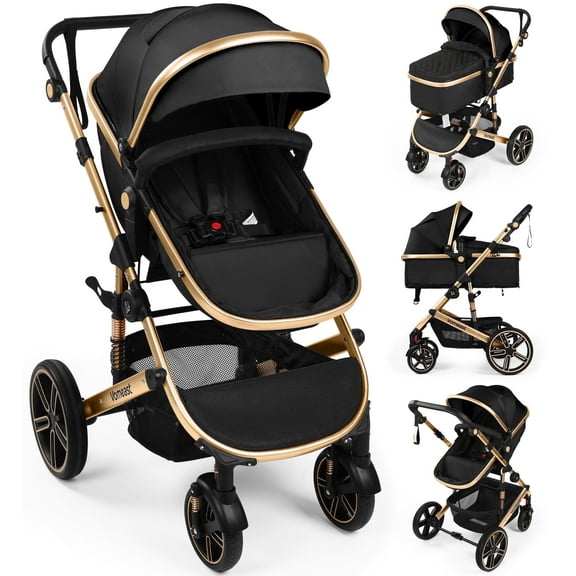
If you plan to use an infant car seat, check whether your stroller supports click-connect systems or brand adapters. You can avoid guesswork when you confirm compatibility before checkout.
Comparing age range and everyday comfort
Your child's stage affects the seat, recline, and compatibility features you'll need. You may want infant-ready options now, then a toddler seat that supports daily outings later.
Newborn compatible designs may include near-flat recline options or adapter support for infant seats. You should compare those details if you need early use from day one.
For longer use, check the listed seat capacity and harness setup. You can plan ahead with lightweight strollers for toddlers that still feel easy to push and fold.
Comfort also depends on how the stroller handles your usual route. You may prefer smoother wheels and added suspension for cracked sidewalks, park paths, or occasional gravel.
Matching wheel design and canopy coverage to your route
Wheel type can shape how controlled your stroller feels during turns and longer walks. You should compare smaller swivel wheels for city use and sturdier setups for mixed surfaces.
If your days center on sidewalks and stores, a nimble frame may feel easier to manage. If your route includes gravel or uneven pavement, you may want more suspension and larger wheels.
Canopy shape matters when your stroller stays outdoors for longer stretches. You can look for an extendable canopy, UPF 50+ coverage, and a peek-a-boo window for quick check-ins.
How to match stroller features to real family scenarios
If you live in a walk-up, you may want ultra-lightweight frames and one-hand folding. You can carry them upstairs more easily and tuck them into tighter entry spaces.
If you drive a small sedan, measure your trunk opening and folded depth first. You may find a compact stroller or compact fold model fits your space with less rearranging.
If you fly often, focus on travel stroller dimensions, fast folding, and carry handles. You should compare overhead-bin-friendly shapes and confirm airline rules before departure.
If you switch between stroller and car seat often, adapter compatibility deserves close attention. You can simplify transfers when your stroller supports your seat through click-connect systems or approved adapters.
For quick neighborhood outings, an umbrella stroller may feel light and easy to store. For longer days out, you may want more basket room, recline range, and canopy coverage.
When you compare these decision points carefully, you can narrow your choice faster and avoid extra bulk. Your next stroller can fit your trunk, your travel plans, and your daily pace.