

Ozark TrailMapskeyForest MythColemanORFELDWakemanKingCampMiboteTekariGVDVTesleaderNight CatUnbrandedHOMCOMVEVORRevalCampGOTRAXKroyicegearsBTY KAArctic LemmingsGuide GearBN-LINKArghmKidz AdventureGeerTopQUIETLEMONRaynesysBushnellFirefly! Outdoor GearNaturehikeKFFKFFStansportSHOUFTWRowsilyResenkosCrown ShadesHimzoringNOBRANDGigatentBiotreeKAMPKEEPERAbahubFitKamerOutSenleetoiCorerGVNKeltyCroosseDandelion ShellPittman OutdoorsCamel CrownUmbrautoRELOIVETETONRiver CountryOLOVOverland Vehicle SystemsChantmoUNPBarara KingTopbuyMUKEFofanaQissepGenericRedcampSlsyLatourregSuodokaEDM Products DirectNapier OutdoorsAlegreYHPYWLEHQSOCSSPCozy HouseTcbosikSiborterDailysportLHKJTigerspringYeadgeEusebio SportingINDIAN MEDIEVAL ARMOUR REPLICASBlueGlenOdeBAYUELSWUCrescent CraftsJOYTUTUSChina tigerspringFANRUINAFUNAJUBSOSCAMPKadynSunlandVjnyvsWenzelWeXbleQinYINGYUEAcpouwCAFORKPDALIOREACHDANCHEL OUTDOORDIANJIEE-WesternEASHZMFYTBFEDMBGENTUgouyuGymaxINDEEDINGIzzoviumKindofLOOKLANKANGLASDADLianggggzyuLiteFighter GearLiteHavenMATT&HANNMoose Country GearMuvitrixNapierNaturnestSDNLTDslutingSpacoSutekusTarmeekVebredaVivaVaultWHFAFAFAWoofPawYiAiLZinkitoolAbbracciaAlykvenAmkuiAoxunASR OutdoorATALRPOUAurofyreAXTQHBALLFUBear GryllsBeen YoungerBEIYUEJIBlusmartBluvallBurkemountCAMELChenshuooCindysCINYOYOCoodyCoody | RBM OutdoorsCOOLYICostwayCterwkCTIRCHIUCuisinSmartDAMANGUANDBPOWERDobaDollardaysDraniteDromedary camel with circleDwellnixEAGLE PEAKEbaokuupErommyEZ-SPORTFLARNRIANKIFloleo Official StoreFlowGircntyFOGGBETGARVEEGO2GETHERGOAWGOgolytefsGrizzly GearsGTW_13319883HappyyeahHealiftyHeikorHF HUIFENGHigh Peak OutdoorsHmvilaoarHOMEYAHzzsbuIC ICLOVERinQ ProductsInsect ShieldInstaPodintsupermaiKANINGKONGTUKtaxonKTENMEKUIULSLCM HomeLEHNILLMJEEEY
Shop 2-6 Person Camping Tents & Pop Up Tents for Outdoors
Uses item details. Price when purchased online







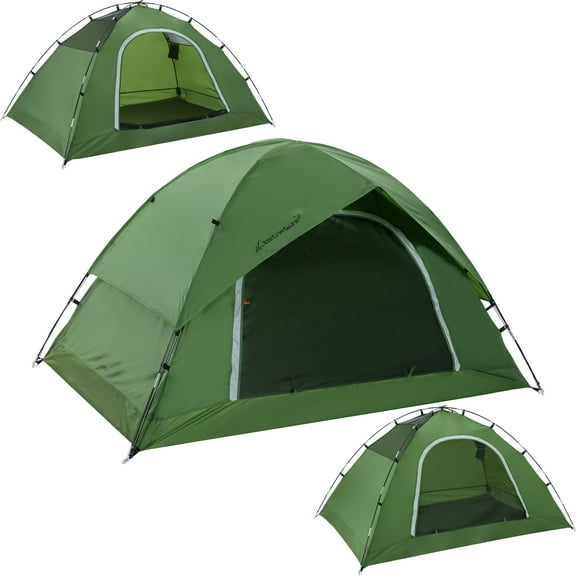


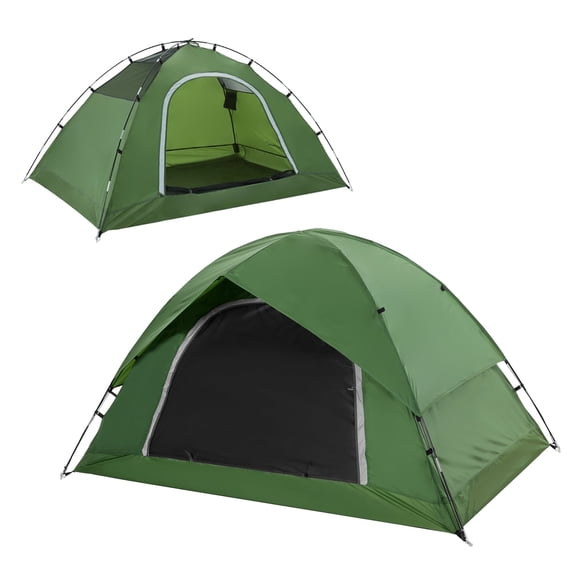


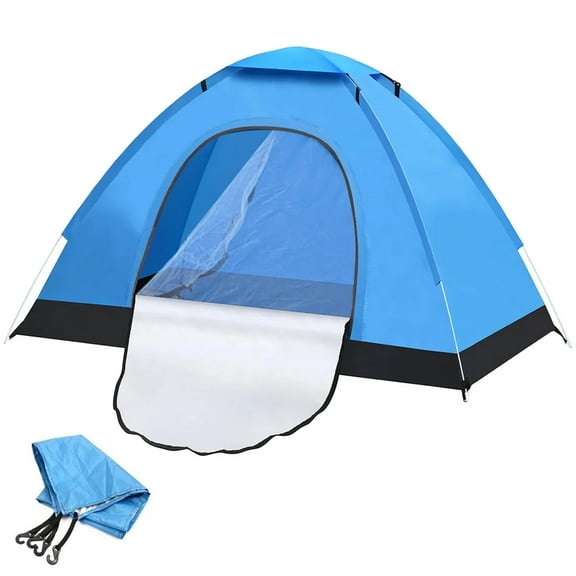


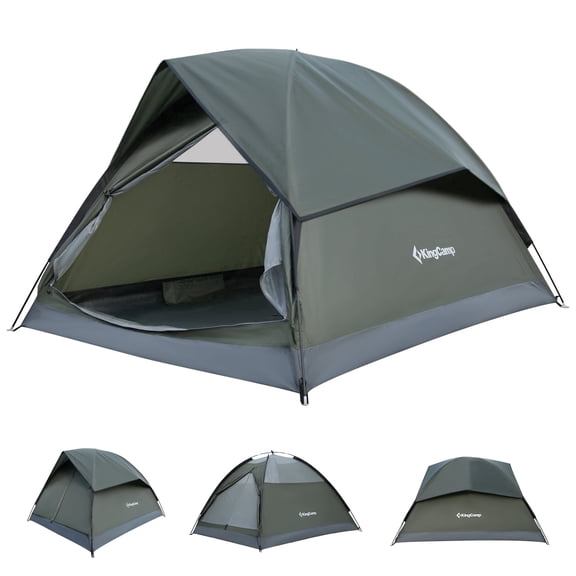


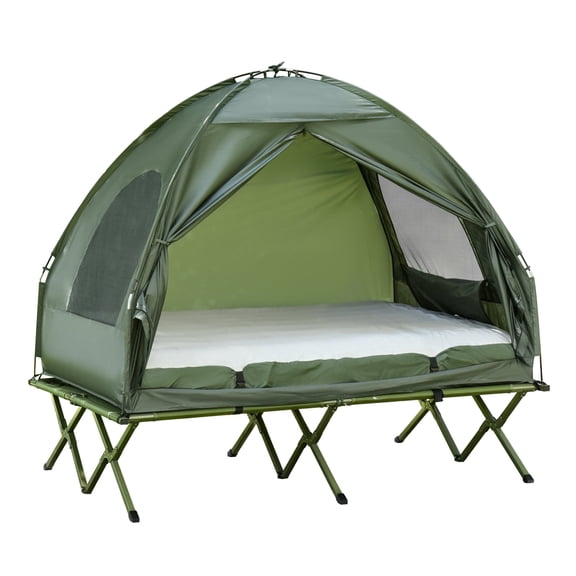
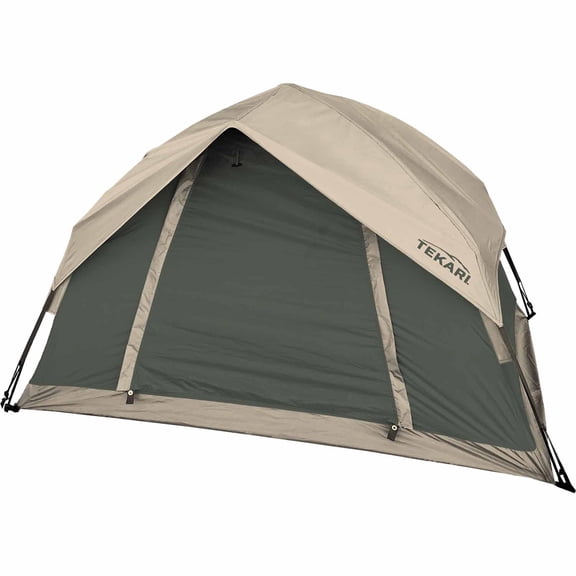

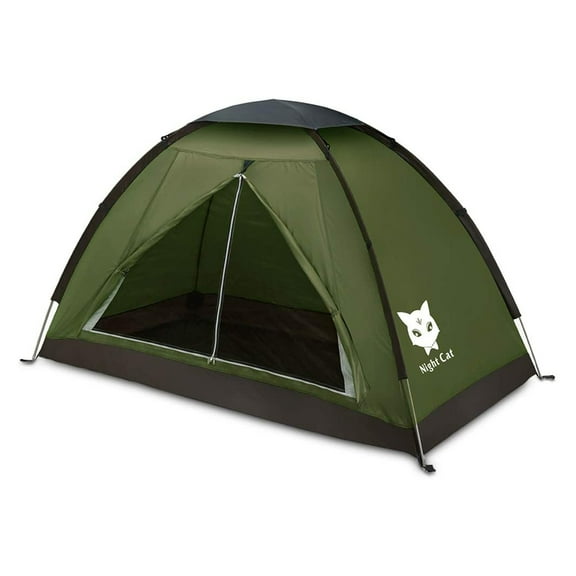


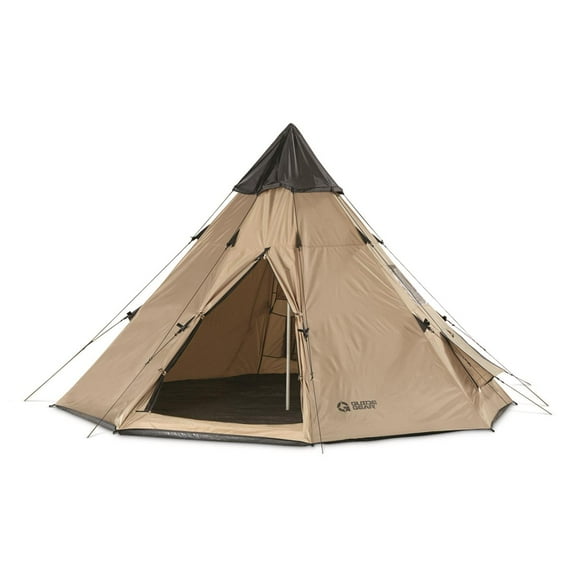
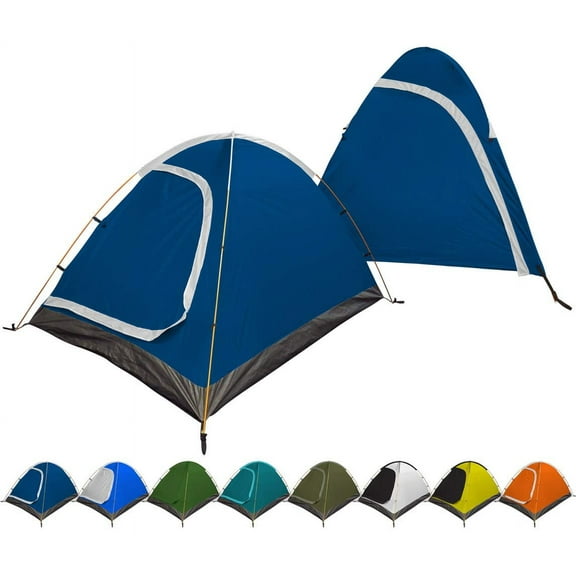
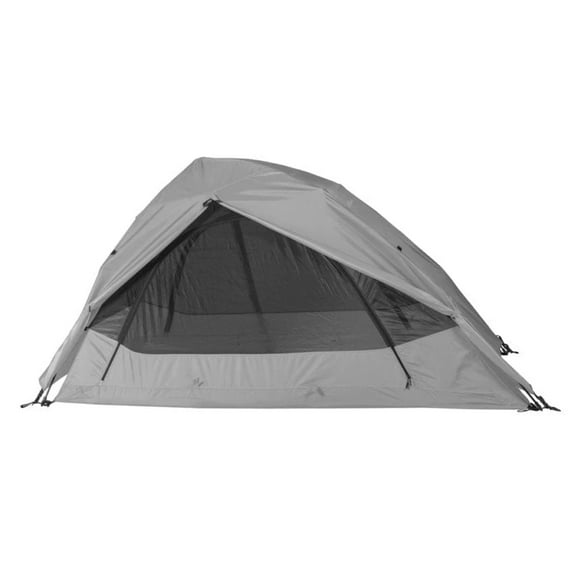


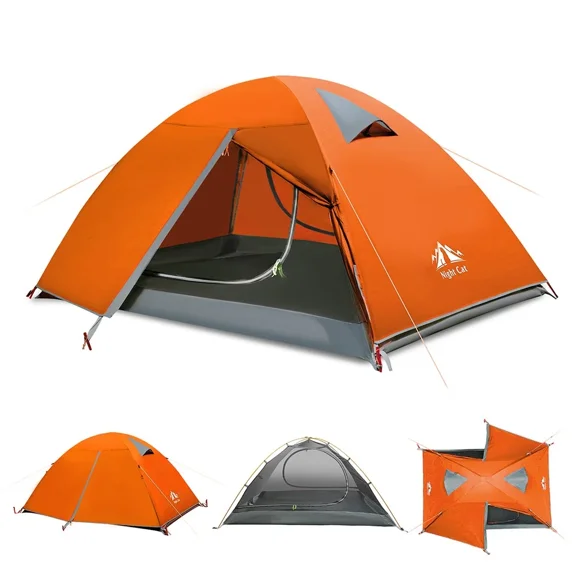
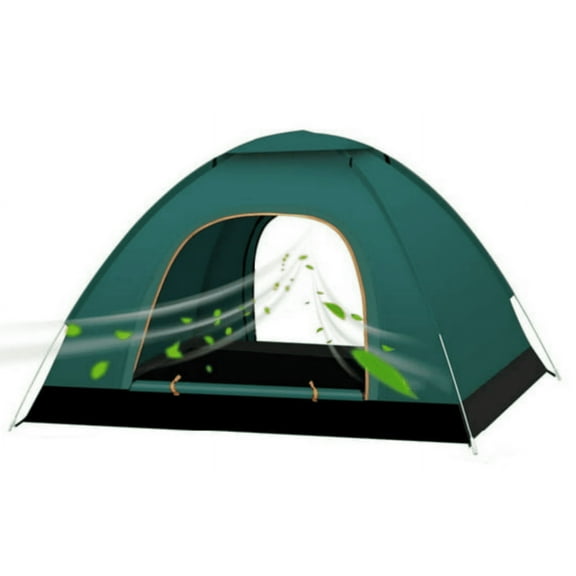


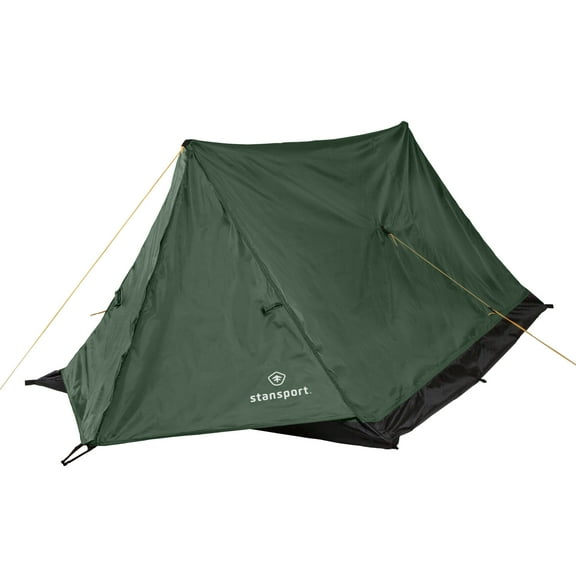
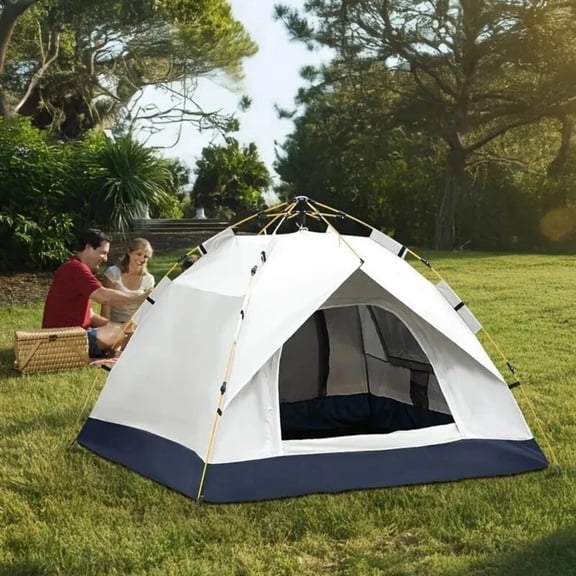


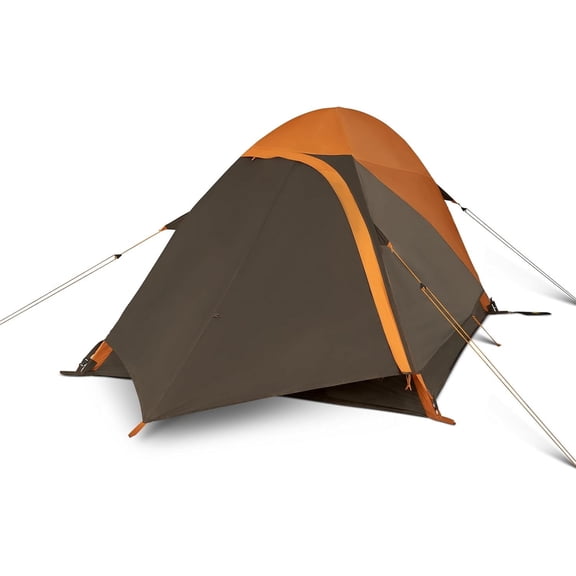

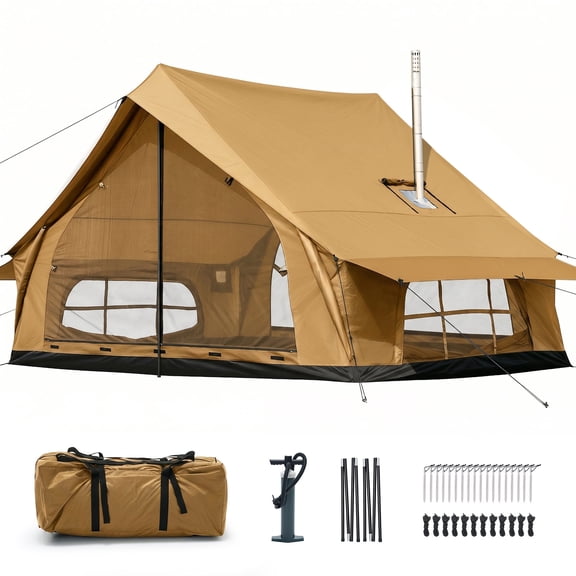


About Shop 2-6 Person Camping Tents & Pop Up Tents for Outdoors - Walmart.com
Planning your next outdoor adventure or summer celebration? Discover 2-person tents that blend simple setup with comfort, making them ideal for everything from July 4th festivities to weekend camping escapes. Whether you're seeking reliable shelter for a duo or prepping for spontaneous trips, finding the right tent ensures your getaway starts stress-free.
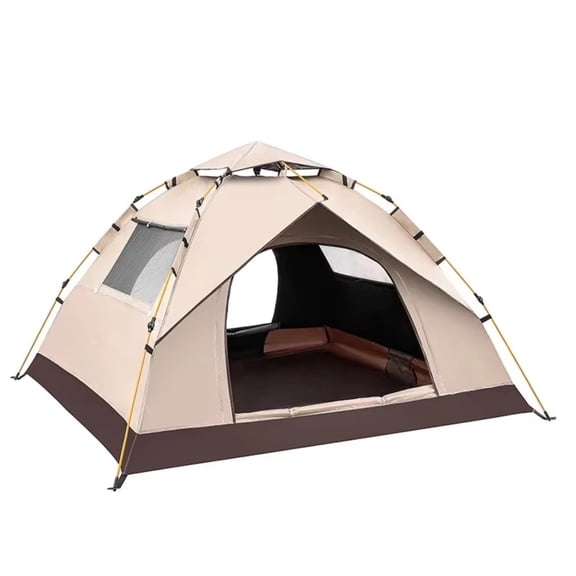
- Effortless Setup: Pop-up and instant designs let you pitch your tent quickly, so you can settle in and enjoy the outdoors without delays—even if you're a first-time camper.
- Travel-Friendly Design: Lightweight construction makes these tents easy to carry for hiking, road trips, and backyard overnight stays, helping you pack light for every occasion.
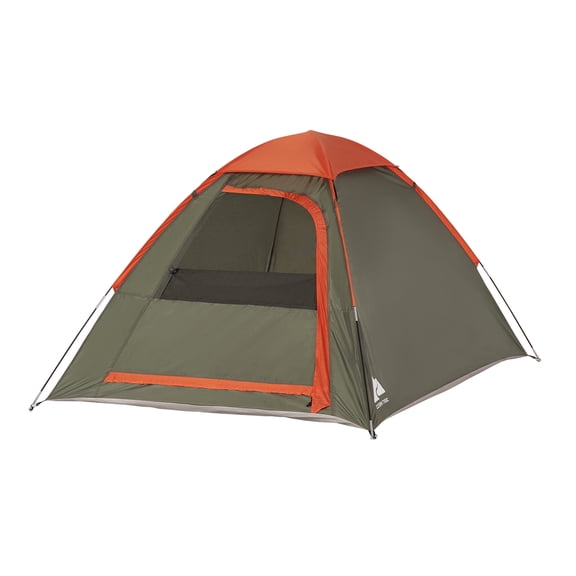
- Year-Round Comfort: Models with rainflies, mesh windows, and sturdy frames offer weather protection and airflow, keeping you comfortable come rain or shine during summer adventures.
- Clever Organization: Extra features like vestibules and gear lofts keep small essentials organized, maximizing your living space for blankets, outfits, or holiday decorations.
- Tailored for Two: Spacious interiors give you and a guest just the right amount of room to relax at the end of busy days, whether you're camping under the stars or at your favorite festival.
- Built for Every Camper: Compare shape, weight, and features to match your camping style—Walmart's range of tents includes options for everyone from seasoned hikers to casual festival-goers.
No matter your plans, shop Walmart's selection of 2-person tents with confidence and get ready to create memorable moments outdoors this season.