

Tulle Fabric Near You & By the Yard | Walmart


















About Tulle Fabric Near You & By the Yard | Walmart - Walmart.com
Tulle fabric helps you create airy decor, full skirts, and detailed craft projects with the format, color, and stiffness your project needs. You can compare rolls, bolts, spools, and tulle fabric by the yard more easily when you know how each option handles cutting, gathering, and layering.
If you're planning wedding decor, tutu making, gift wrap accents, or costume details, you need tulle that matches your project scale. You can use this guide to compare quantity, finish, and structure before you choose your next fabric order.
How to choose tulle fabric by format
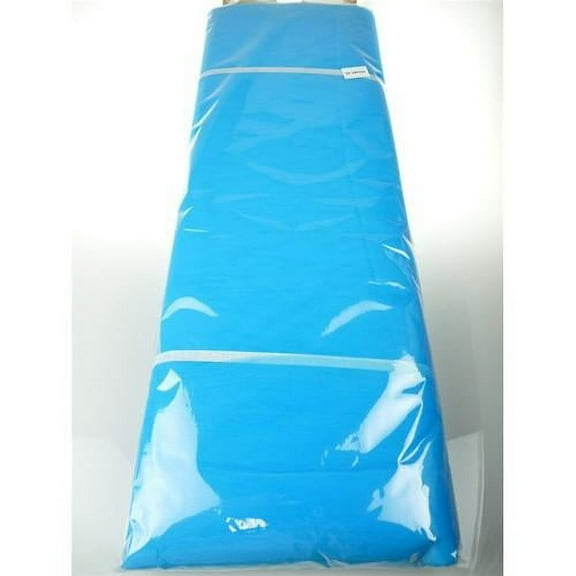
You'll usually start with format because it affects how you measure, store, and cut your material. You can choose tulle fabric by the yard when your project needs wider panels and cleaner custom lengths.
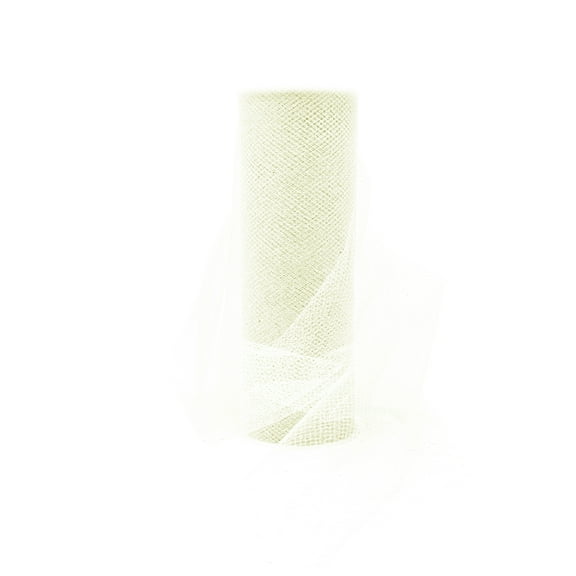
If you're making table skirts, backdrops, or layered apparel, you may prefer a tulle fabric bolt for longer continuous cuts. You can choose tulle rolls or spools when your project needs narrow widths for bows, chair accents, or wrapped favors.
- You can use by-the-yard cuts for veils, skirts, and custom sewing patterns.
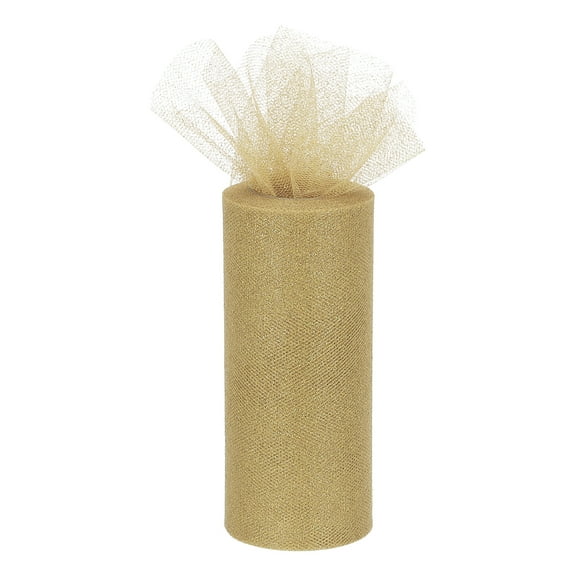
- You can choose rolls for party decor, pew bows, and quick craft table setups.
- You can pick bolts when you need larger yardage for repeated cuts or event styling.
- You can grab spools for smaller trims, layered gift wrap, and narrow decorative details.
When you compare widths, you should check whether your project needs drape or volume. You'll often need fewer seams with wider cuts, while narrower rolls can simplify decorative wrapping.
Choosing color and finish in tulle fabric
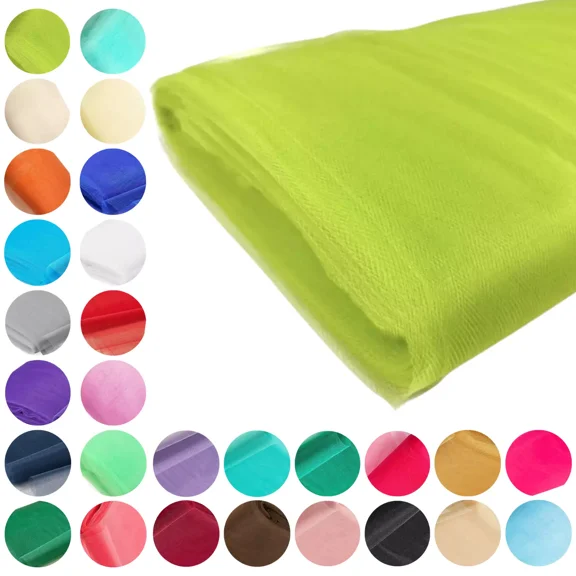
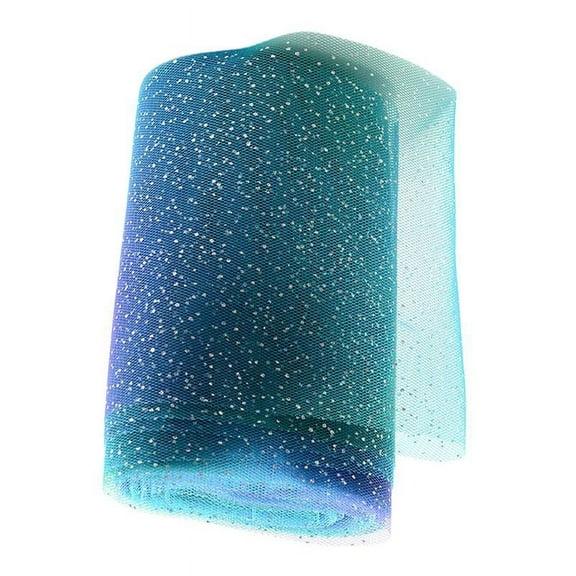
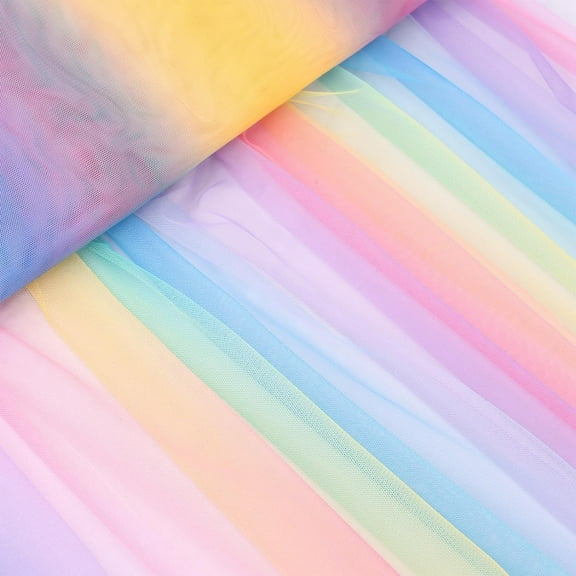
You can narrow your options faster when you choose color and finish around your event theme or sewing plan. You'll often see white tulle fabric for weddings, pastel tones for baby showers, and rainbow shades for party crafts.
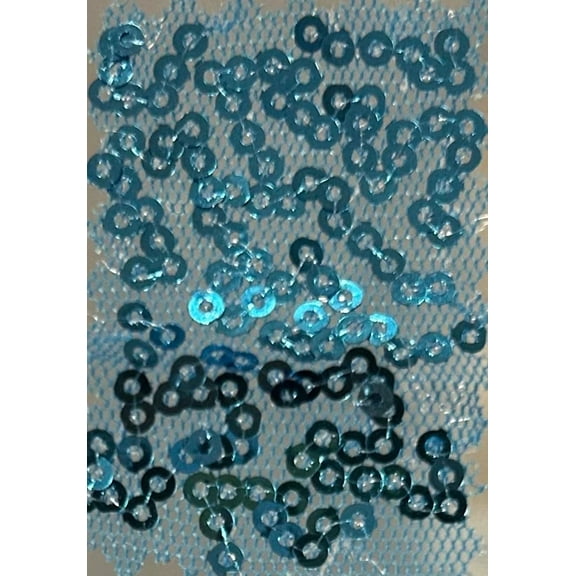
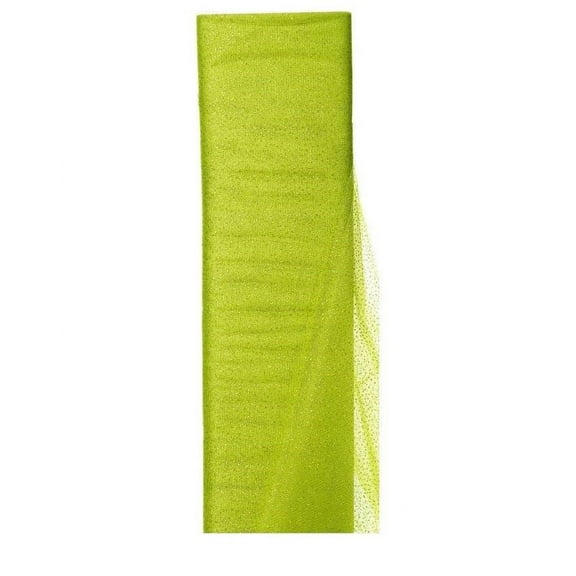
If you want added sparkle, you can compare glitter tulle fabric with solid styles for a different surface look. You should consider whether your project needs a soft glow for layered decor or a brighter finish for statement accents.
For bridal decorations, you may want white or ivory-inspired shades that layer cleanly over lights, arches, or tables. For birthdays and school events, you can use bold solids or rainbow colors to build volume and contrast.
Comparing nylon tulle and other material options
You should compare material stiffness before you choose yardage because structure changes how your project holds shape. You'll often notice nylon tulle feels crisper, while softer mesh styles drape more gently.
If you're making tutus or sculpted bows, you may want stiffer netting that keeps a fuller outline. If you're sewing veils, overlays, or soft party decor, you may prefer polyester or soft mesh for easier flow.
You can also compare how each material gathers and layers during cutting and assembly. You'll want to check whether your design needs lift, softness, or a balance between shape and movement.
Using tulle fabric for weddings, tutus, and crafts
You can match your tulle choice to the job when you think about width, stiffness, and finish together. If you're decorating for a wedding, you may want long lengths for arches, table skirts, pew accents, and backdrop panels.
When you're choosing tulle for tutus, you may want rolls or bolts that let you cut many strips quickly. You'll often prefer a fuller netting style for bounce and shape, especially for layered skirts.
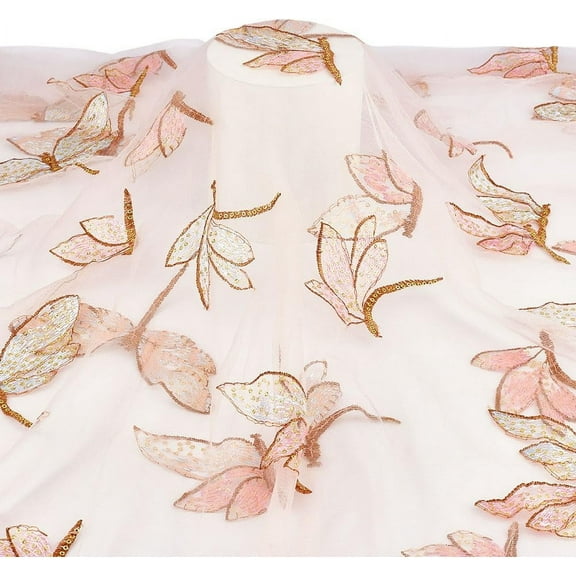
If you're making bridal veils, you should look for soft drape and a color that blends with dresses and accessories. When you're planning crafts, you can use spools or smaller cuts for wreaths, bows, gift wrapping, and classroom projects.
You can also estimate quantity in simple terms before you start cutting. You'll often need a few yards for smaller accents, while large table skirts, backdrops, and full tutu layers can require much more.
What to look for before you choose your yardage
You should measure your project area first so you can compare rolls, bolts, and by-the-yard options with less guesswork. If you're covering long tables or wide displays, you may want continuous lengths that reduce piecing.
For apparel and costume work, you should check how many layers your pattern needs because tulle looks different when gathered. You'll also want to compare width, finish, and stiffness so your final shape matches your design plan.
When you choose the right tulle fabric, you can cut more confidently and layer more cleanly for decor, sewing, and craft projects. You'll get a material that fits your project scale, your preferred finish, and your needed structure.