


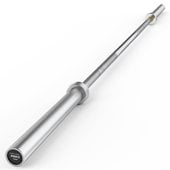
Tricep Bars & Barbells for Home Gyms | Walmart


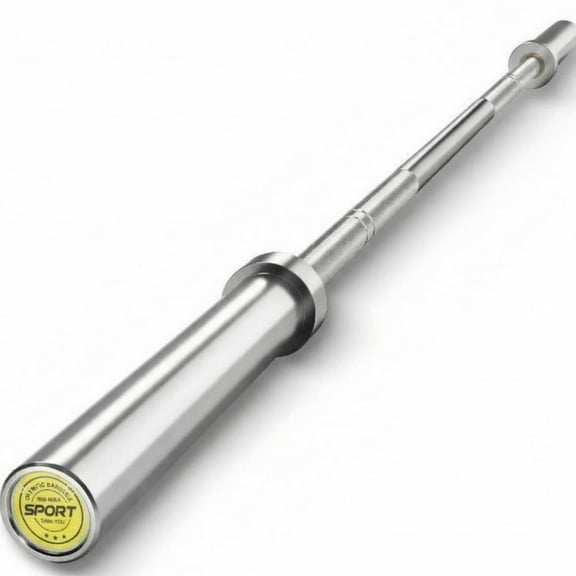

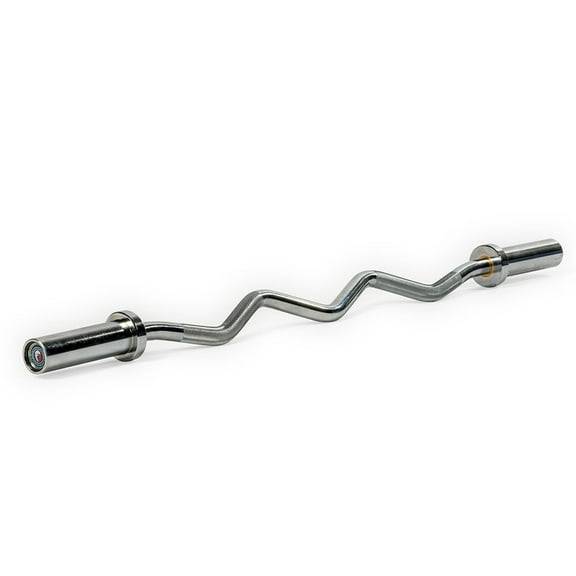
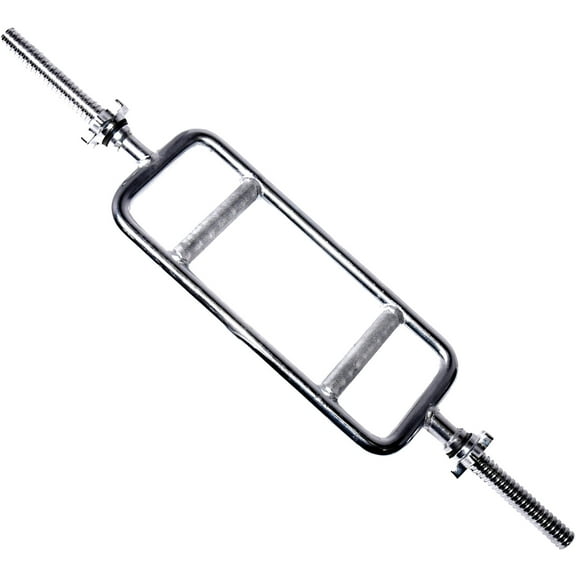
































About Tricep Bars & Barbells for Home Gyms | Walmart - Walmart.com
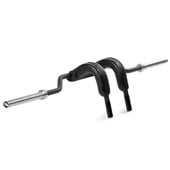
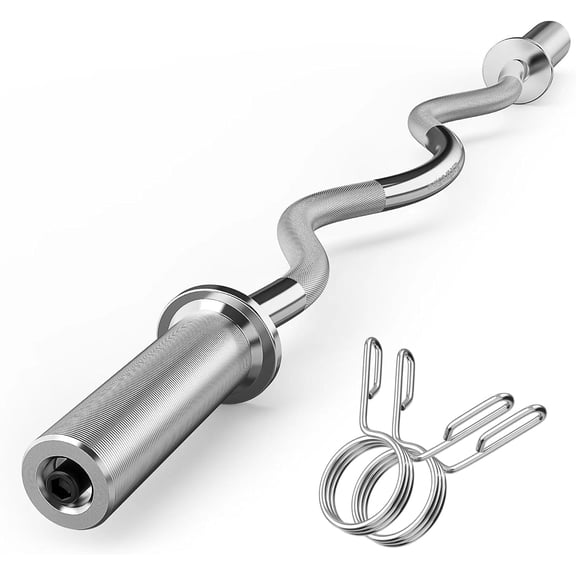
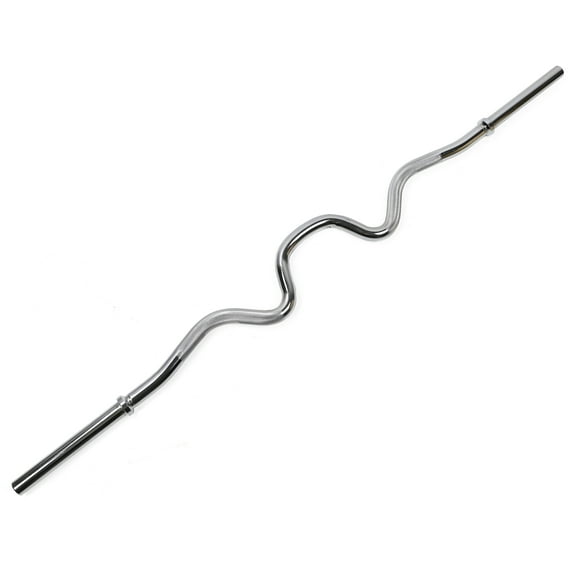
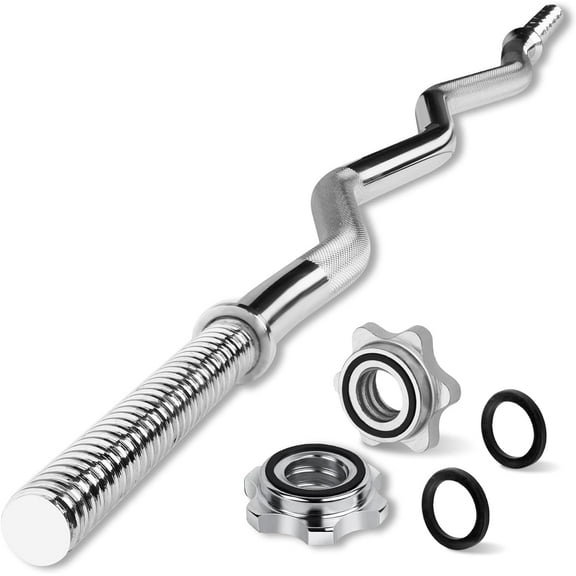
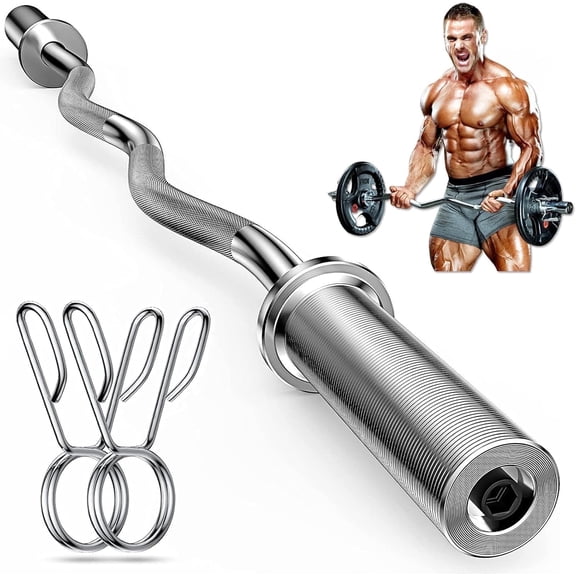
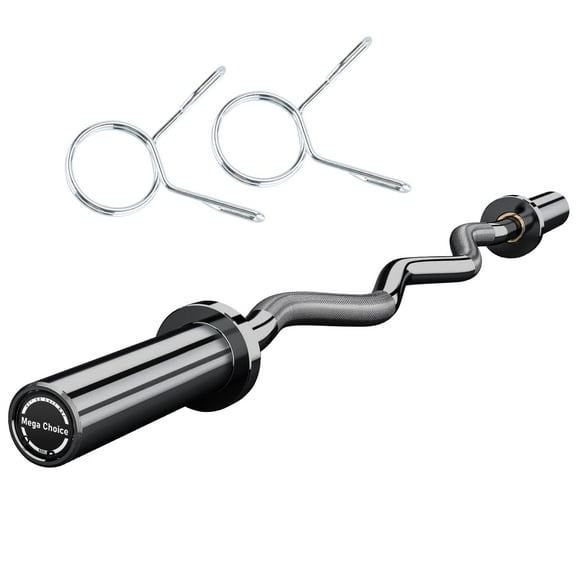
You can improve extension, press, and curl sessions with a tricep bar that matches your plates, grip preference, and home gym space. You’ll get the clearest fit by comparing sleeve diameter, handle texture, frame shape, and bundle type before you choose.
When you shop this category, you’re usually deciding between Olympic and standard compatibility first. You’ll also want a bar design that supports neutral-grip lifting and steadier hand placement during repeated sets.
Choosing the right tricep bar for your setup
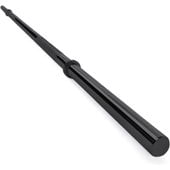
You should start with sleeve diameter because your current plates decide what fits. If your plates have 2-inch center holes, you’ll need an Olympic tricep weight bar. If your plates use 1-inch center holes, you’ll need a standard version.
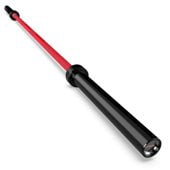
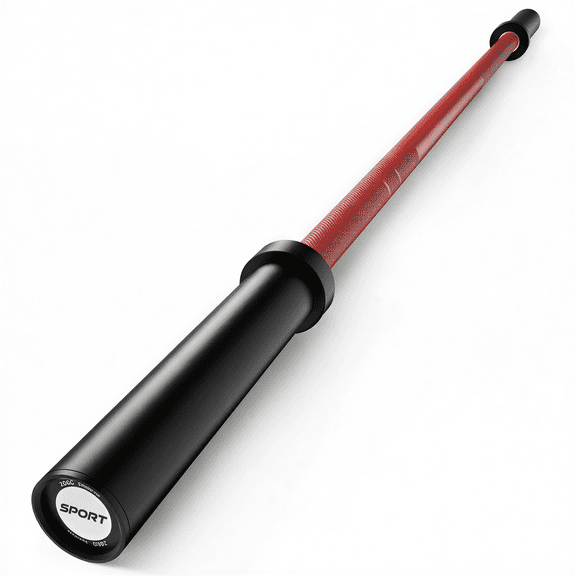
You should also compare the bar’s starting weight before you plan your sets. Many standard bars weigh about 20 pounds, while many Olympic bars weigh about 45 pounds. That difference changes how your warmups and work sets feel.
Another decision involves how much load you expect to use over time. You should compare stated weight capacity with your current training goals and your planned progress. That helps you choose a bar that can support lighter accessory work or heavier pressing sessions.
- You can keep your hands in a more natural position with a neutral or angled grip.
- You can get steadier hand placement from knurled sections that add texture where you hold the bar.
- You can match your existing plates faster when you choose the correct sleeve size first.
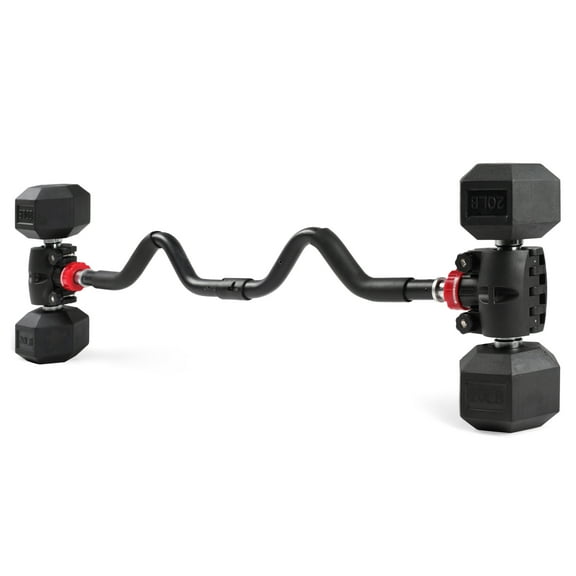
- You can simplify setup when you compare a bar-only option with a tricep bar with weights.
What to look for in a tricep barbell
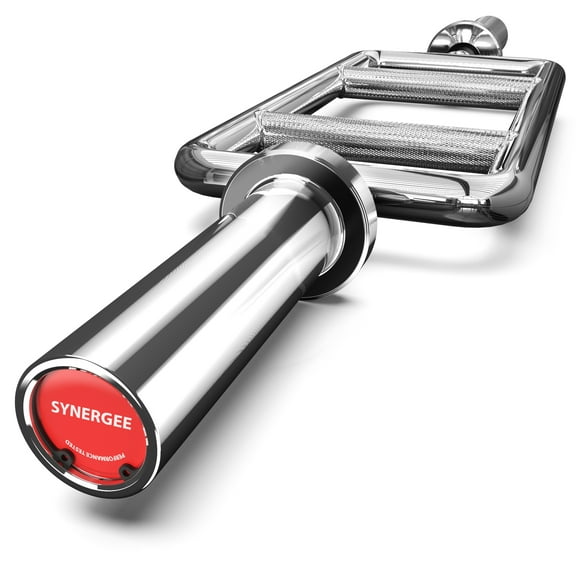
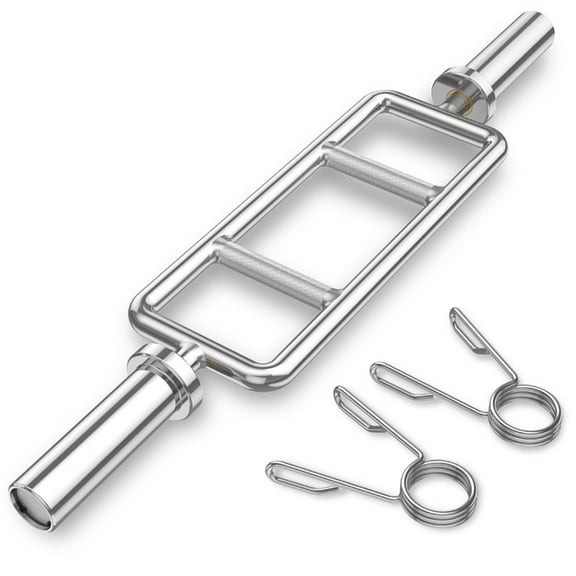
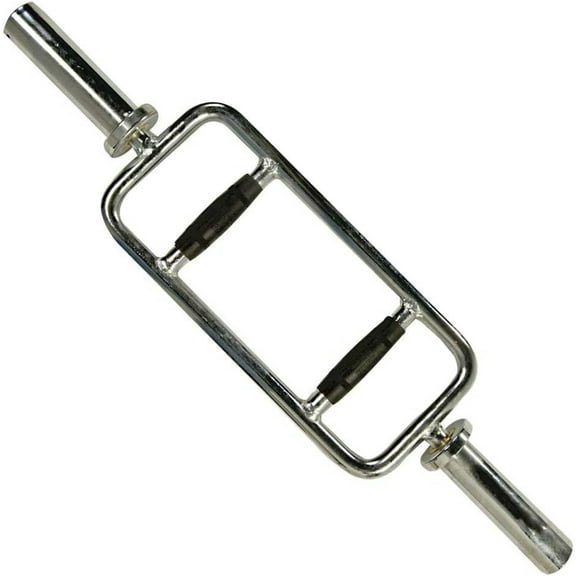
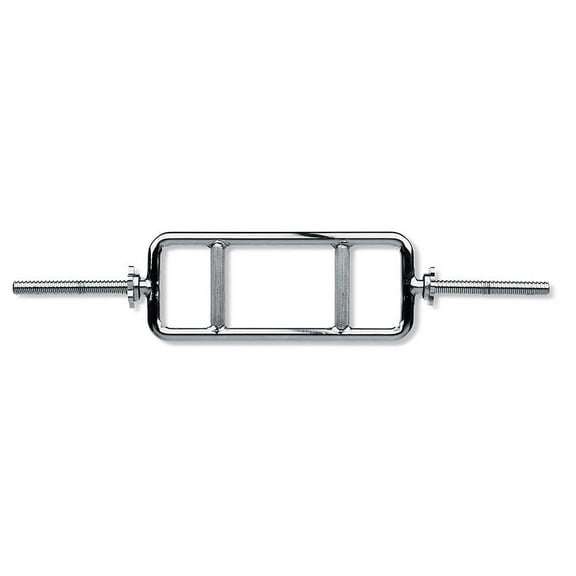
You should compare grip style next because it changes how each rep feels in your hands. Knurled handles add texture, while angled and neutral grip layouts help keep your wrists aligned through pressing and extension work.
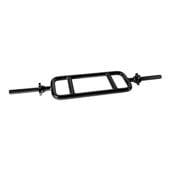
If you use a tricep curl barbell for extensions and hammer curls, you may prefer handles that keep your elbows tucked. You’ll notice that grip spacing also changes how close or open your arm path feels. That detail matters during higher-rep accessory training.
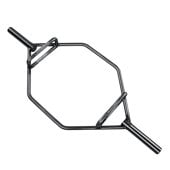
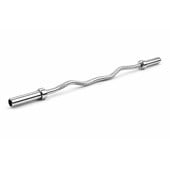
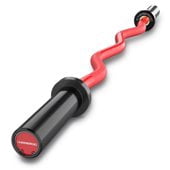
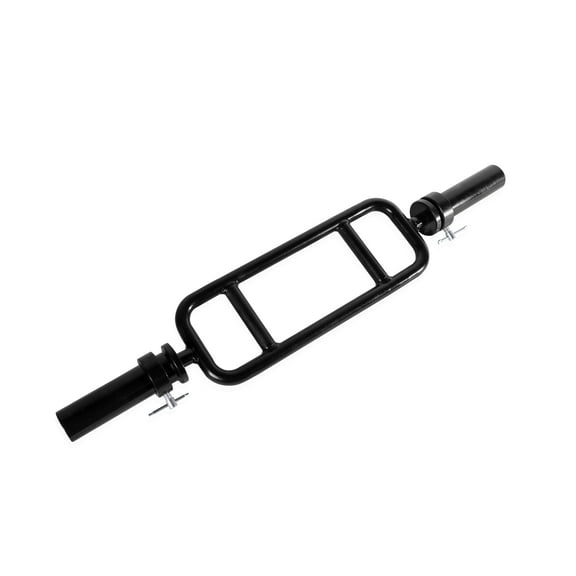
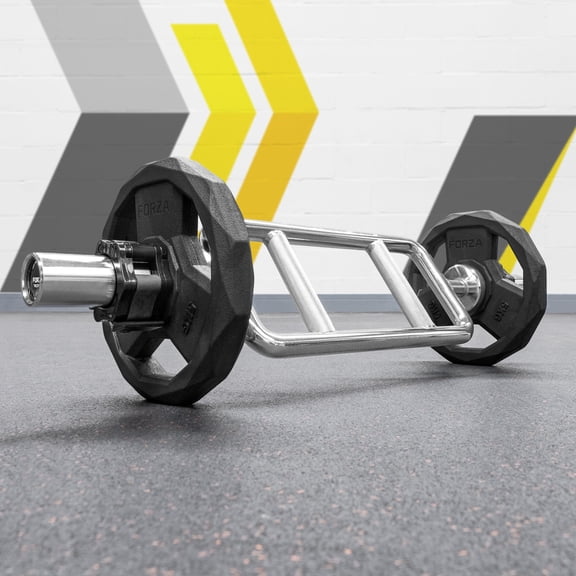
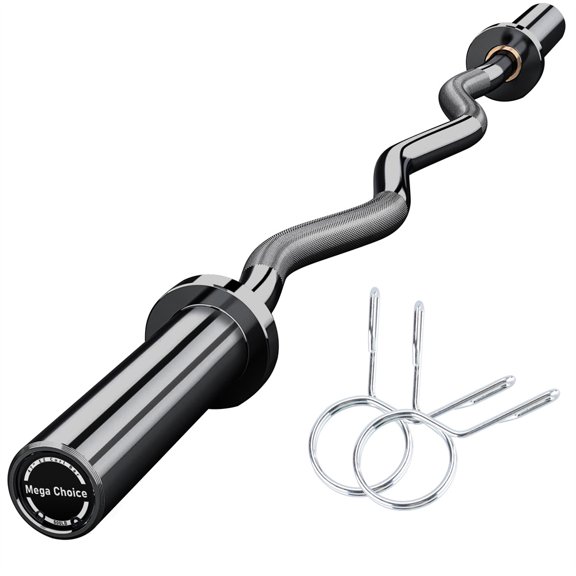
You can also compare bar shape, since oval, hex, and diamond frames create different hand paths and clearances. An oval frame may feel compact, while hex and diamond frames can change balance and pickup angle in your workout area.
Before you choose, you should check whether the sleeves need separate collars and how much load they can support. You’ll want that information if you train with bumper plates, iron plates, or mixed plate sets. Clear compatibility details make your setup easier.
Comparing sleeve diameter, grip style, and bar shape
You’ll often make the fastest decision by pairing sleeve diameter with your current plate collection. Olympic bars fit 2-inch plates, and standard bars fit 1-inch plates. That simple check can prevent mismatches and keep your routine moving.
Grip style should match the exercises you repeat each week. If you focus on triceps bar extensions, close-grip presses, and neutral-grip curls, you may want angled or neutral handles. If you prioritize hand security, you should compare knurl depth and placement.
Bar shape becomes important when you train in a smaller room or move equipment between sessions. A compact tricep barbell can fit tighter storage spots, while different frame shapes can change how the bar rests between sets. You should measure your storage area before you choose.
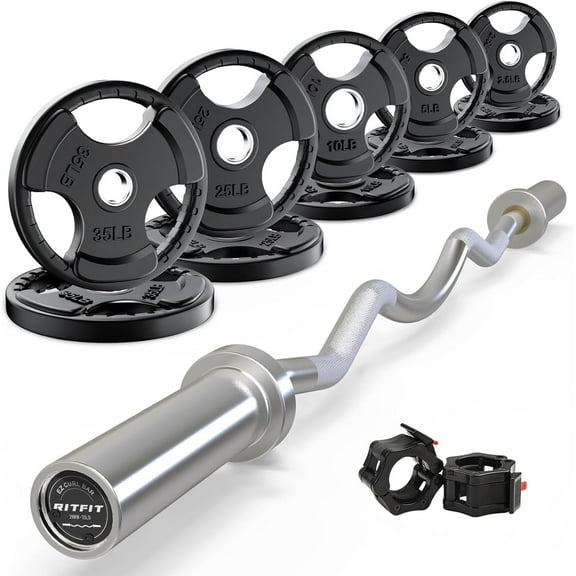
Bundle choice matters when you’re building a starter setup or replacing one piece at a time. A bar-only option works when you already own matching plates and collars. A tricep bar with weights can streamline setup when you want a coordinated training combination.
How to compare titan tricep bar options and similar designs
If you’re comparing titan tricep bar options with similar bars, you should focus on dimensions and compatibility first. You’ll want to verify sleeve diameter, bar weight, grip spacing, and collar needs before you compare frame shape.
You should also check whether the handle layout suits your regular lifts. If your routine includes lying extensions, close-grip presses, and hammer curls, you may prefer a neutral or angled handle position. That comparison helps you choose a layout that fits your training style.
How you can use a tricep curl bar at home
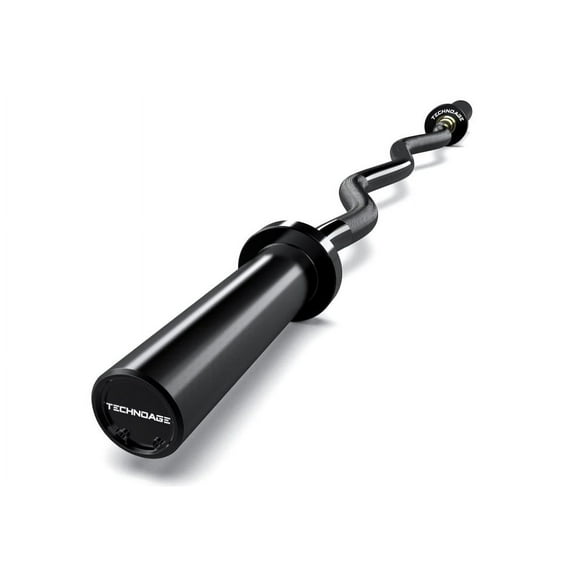
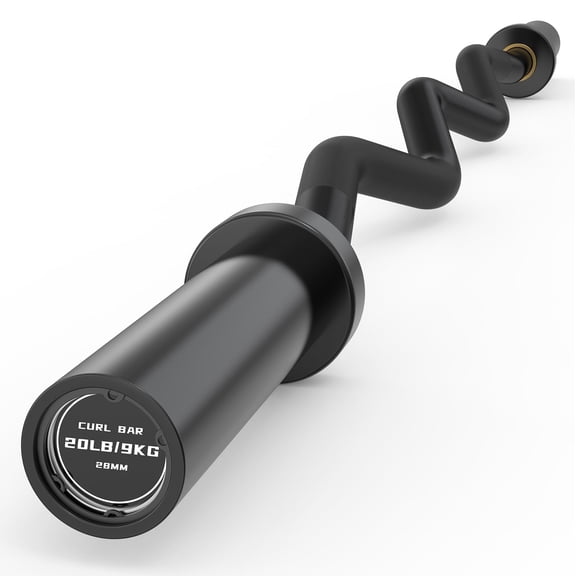
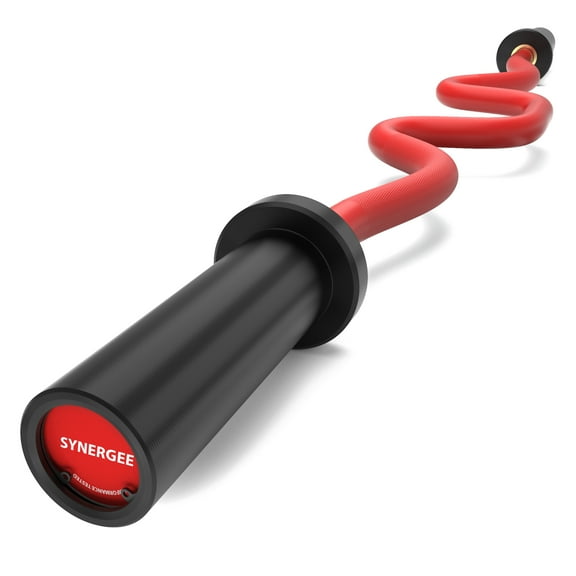
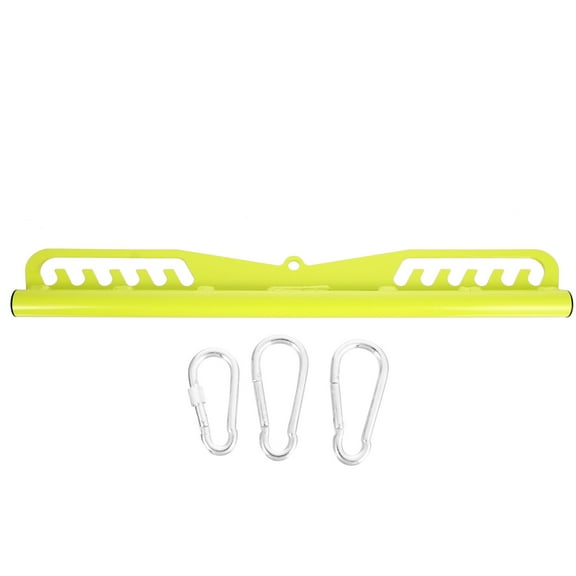
You can use a tricep curl bar for overhead extensions, lying extensions, hammer curls, close-grip presses, and front raises. That gives you arm-focused variety when you want a different hand position than a straight bar provides. You can rotate movements without changing your full training area.
If your home gym uses Olympic plates, you should look for a 2-inch sleeve model for easy loading. If your setup uses older standard plates, you should stick with a 1-inch sleeve version. Matching plate size first keeps your sessions simple.
You may want a heavier bar if your training centers on presses and loaded extensions. You might prefer a lighter bar if you use higher reps, slower tempo work, or shared household equipment. The right bar weight helps your starting load feel manageable.
For compact training rooms, you should compare frame dimensions and pickup clearance before you decide. Some tricep bars feel easier to carry, rack, or slide into storage between sessions. That convenience matters when your gym shares space with other equipment.
You can shop this category with more confidence when you compare sleeve size, grip texture, frame shape, and loading range together. That approach helps you choose a tricep bar that fits your plates, supports steady hand placement, and keeps your arm training focused.