




Transfer Papers in Die Cutting




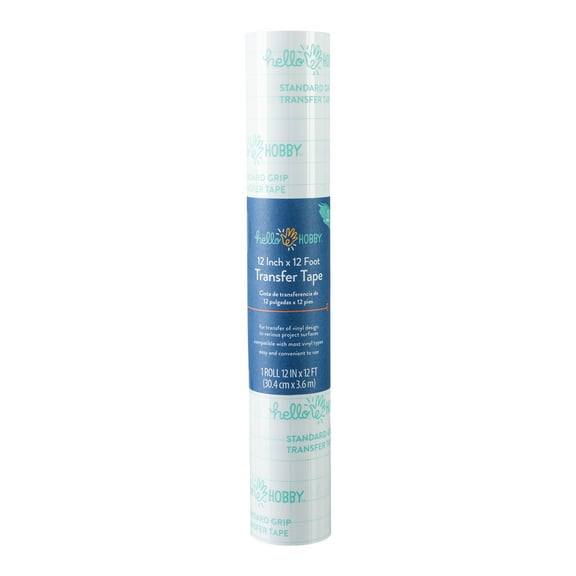


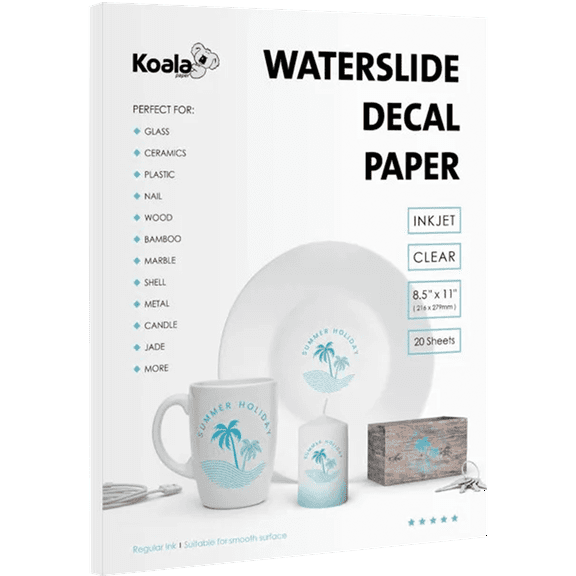









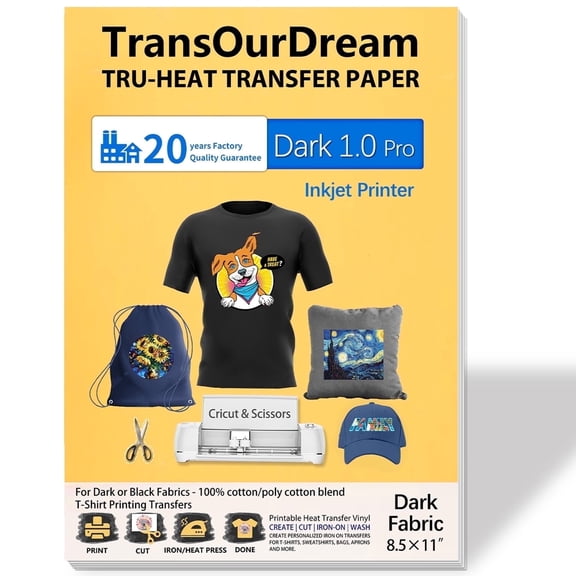


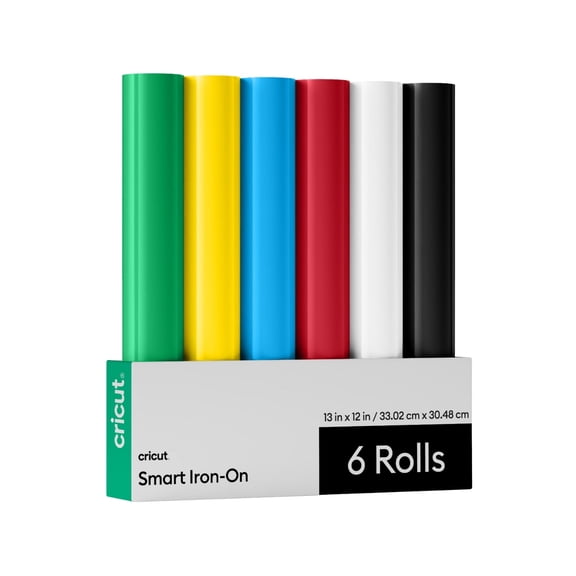
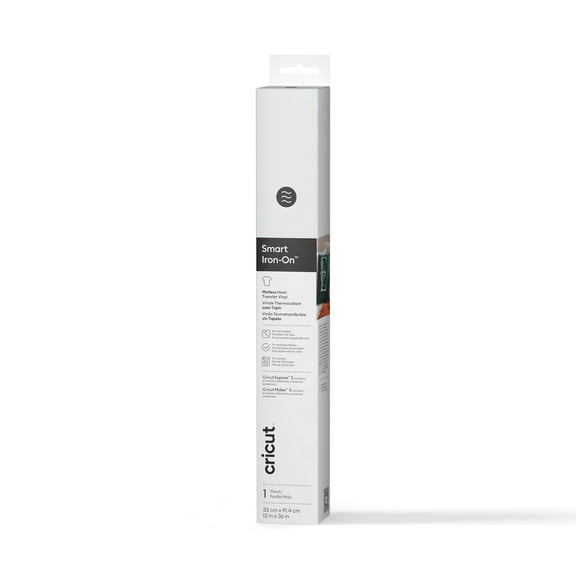
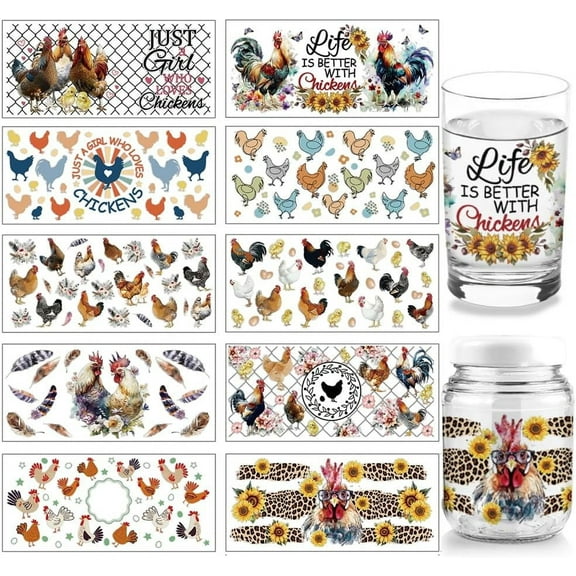




About Transfer Papers in Die Cutting - Walmart.com
Transfer paper helps you personalize shirts, totes, and craft blanks with printed designs at home or in your workspace. You can compare fabric color, printer type, transfer method, and paper size to choose sheets that match your project.
How to choose transfer paper for your project
When you compare transfer papers, you should start with the surface you plan to decorate. You’ll get more consistent results when your paper matches your fabric color and your printing setup.
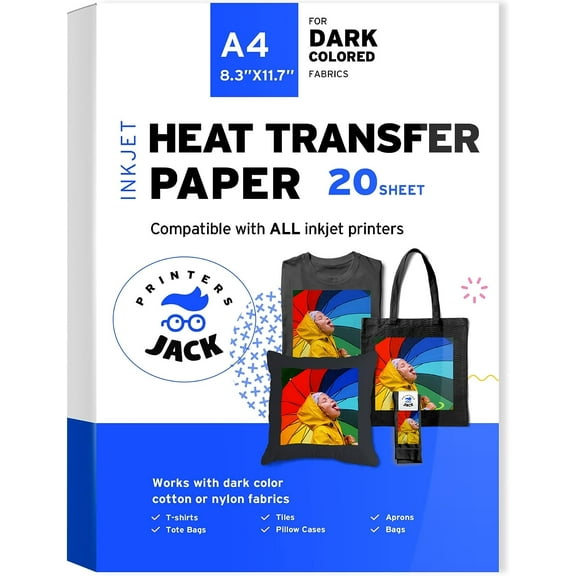
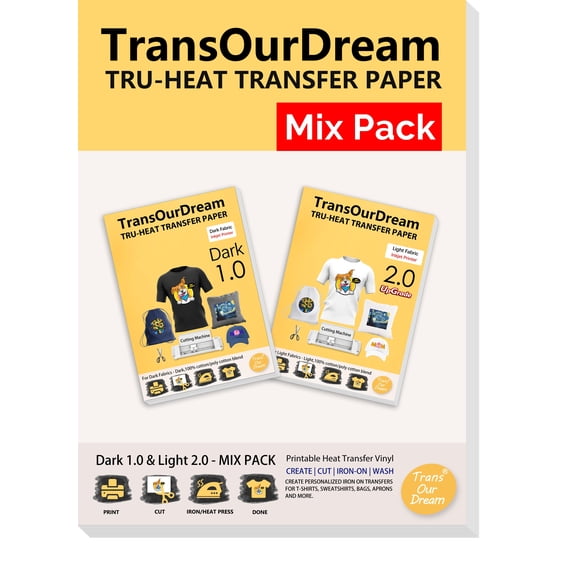
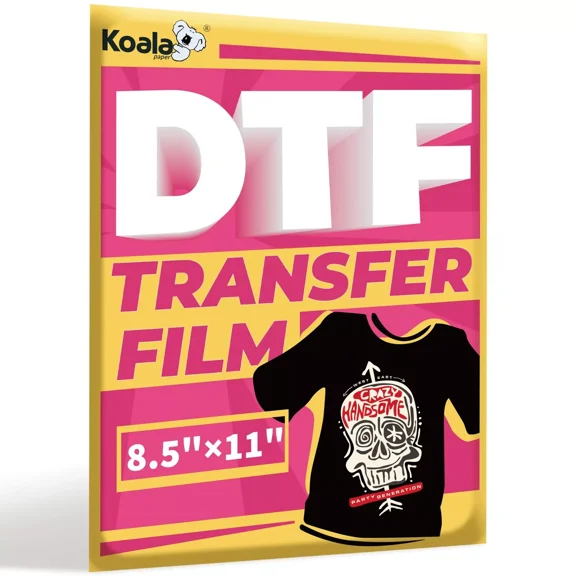
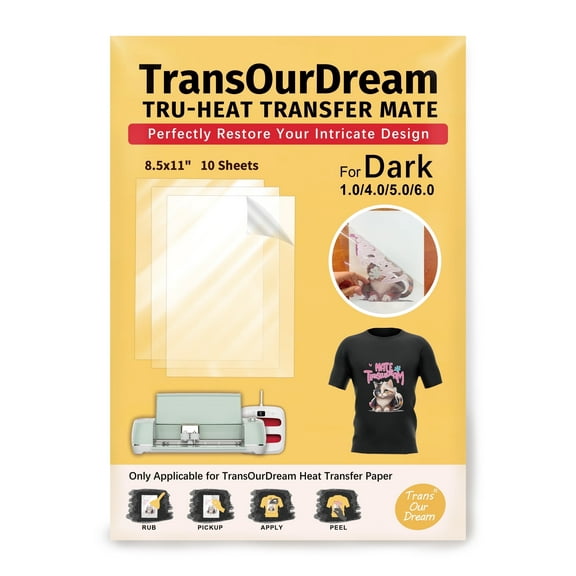
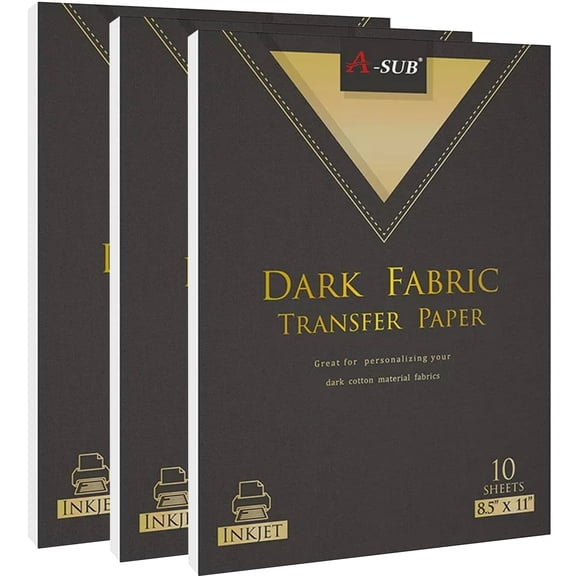
Light fabrics and dark fabrics need different transfer chemistry, so you should check the package before printing. You’ll also want to consider whether your design sits on cotton, blends, or multi-colored blanks.
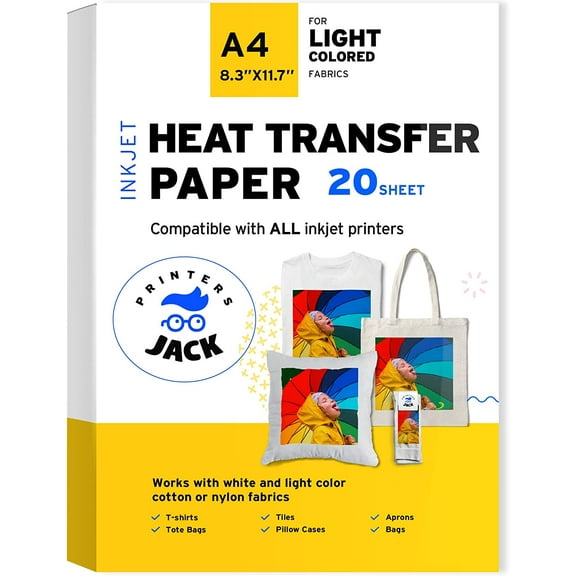
Printer transfer paper also depends on your machine, because inkjet and laser printers use different printing processes. You should confirm compatibility first, since the wrong sheet can affect color, adhesion, and finish.
What to look for in heat transfer paper
Heat transfer paper gives you a simple way to move custom artwork onto fabric and other compatible surfaces. You can use it for names, logos, event graphics, classroom projects, and coordinated family designs.
- You can create custom t-shirts for birthdays, teams, reunions, and school events.
- You can decorate tote bags, pillow covers, aprons, and other fabric craft blanks.
- You can print detailed photos, text, and colorful artwork with household-friendly tools.
- You can choose sheets for light fabrics, dark fabrics, or mixed-color project plans.
Because you can print before pressing, you’ll have more control over placement and layout. You can test sizing, trim edges, and align graphics before applying heat.
You may also appreciate options that support repeated wear and a softer hand feel after pressing. You should look for notes about wash durability, stretchability, and crack-resistant performance on the label.
Choosing printer transfer paper by compatibility
Printer transfer paper works effectively when you match it to your printer technology and intended finish. You should check whether you use an inkjet printer, a laser printer, or sublimation equipment.
Inkjet sheets are designed for liquid ink, so you’ll want paper made for that print method. Laser sheets are designed for toner fusion, which means you should avoid mixing laser paper with inkjet machines.
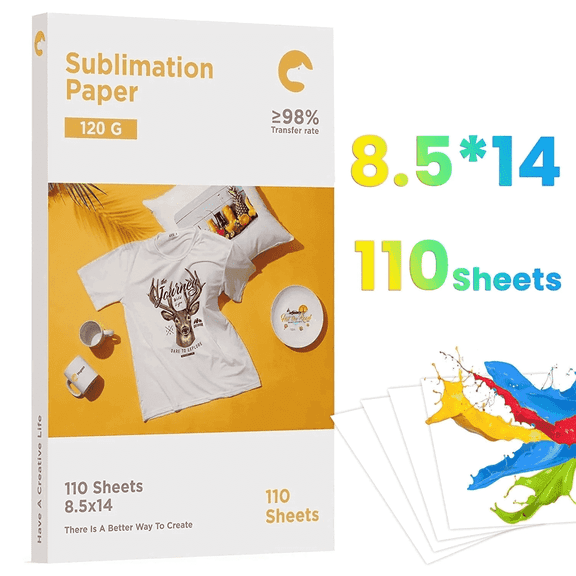
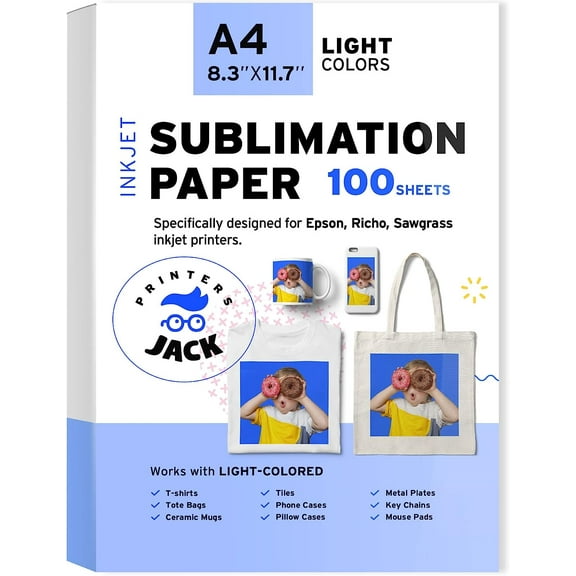
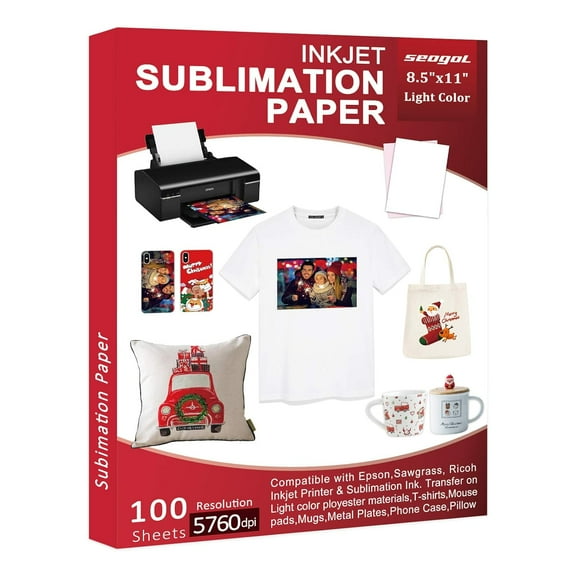
If you use sublimation tools, you should confirm that the paper and blank are meant for that process. You’ll usually need compatible coatings and equipment, so checking details early helps you narrow choices.
Application method matters too, because you may use a household iron, a heat press, or a cold peel finish. You should compare temperature guidance, pressure needs, and peel instructions before you start.
An iron-on format can suit smaller projects and casual crafting at home. A heat press setup can give you more even pressure across larger graphics and repeated batches.
Cold peel options can affect the final feel and edge definition of your design. You should review package directions, since timing changes how your transfer releases from the backing.
Comparing sizes and transfer papers for different jobs
Paper size can shape how easily you print, trim, and place your artwork. You should choose dimensions that fit your printer tray and the scale of your design.
Sheets in 8.5 x 11 inches work well when you print standard graphics, names, and small chest designs. If you need larger layouts, you may prefer 11 x 17 inches for oversized prints.
Roll formats can help when you handle repeated projects or longer custom graphics. You should measure your blank first, because size affects waste, alignment, and cutting time.
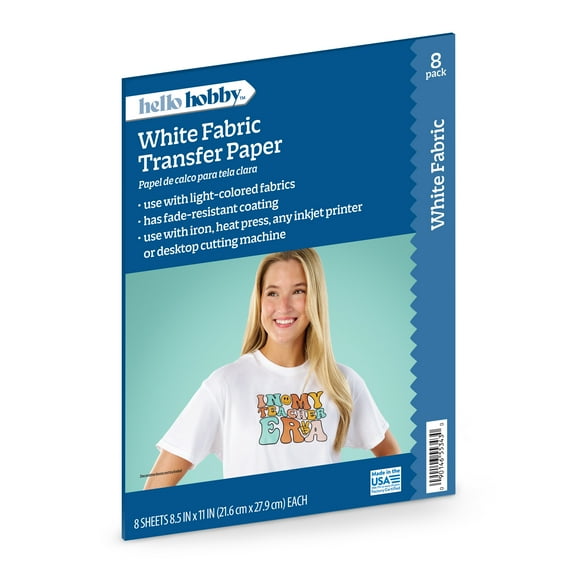
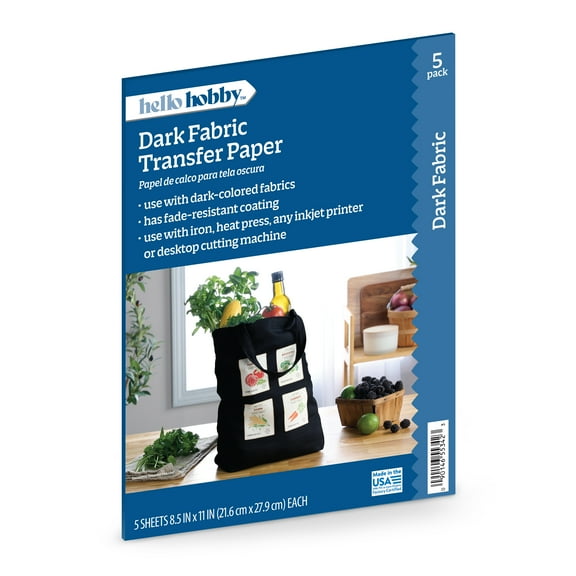
Fabric compatibility remains a key decision, especially when your blanks vary across one project. You should use light-fabric sheets for pale garments and dark-fabric sheets for deeper colors.
For multi-colored blanks, you should think about where your design will sit and how much background coverage you want. You may prefer paper that supports stronger opacity when your artwork crosses changing colors.
Using transfer paper for crafts, events, and custom apparel
You can use transfer paper for spirit wear, small business packaging, party shirts, and seasonal crafts. You’ll also find it helpful when you personalize uniforms, gift items, and classroom materials.
If you make family reunion shirts, you should compare dark-fabric and light-fabric options before printing one full set. If you decorate totes for events, you should check sheet size and press method for faster production.
When you create kids’ name labels on fabric items, you’ll want clear text and good edge definition. When you print photo gifts, you should look for paper that supports detailed color and smooth image transfer.
You can also pair your project with related crafting tools, including cutting machines, blank t-shirts, fabric markers, and heat press machines. You should build around your workflow so printing, trimming, and pressing stay simple.
As you compare transfer paper, you should focus on printer match, fabric color, transfer method, and finish expectations. You’ll choose more confidently when each sheet fits your design, your tools, and your fabric from the start.