


Find auto parts that fit
Let’s search for parts that fit your vehicle.Trailer Hitches & Towing Receiver Hitches | Walmart











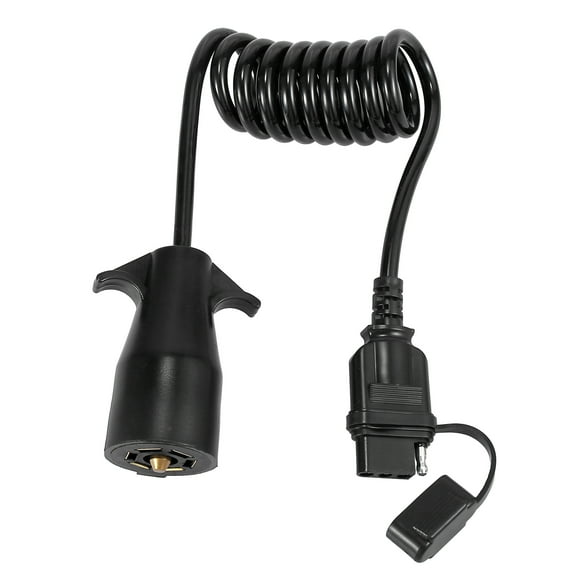

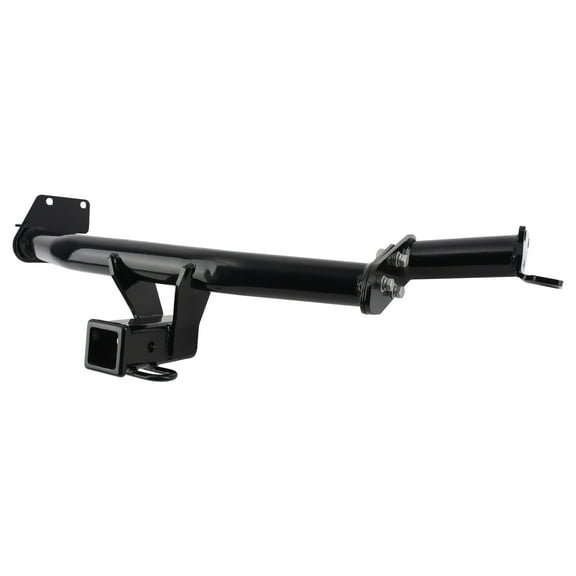
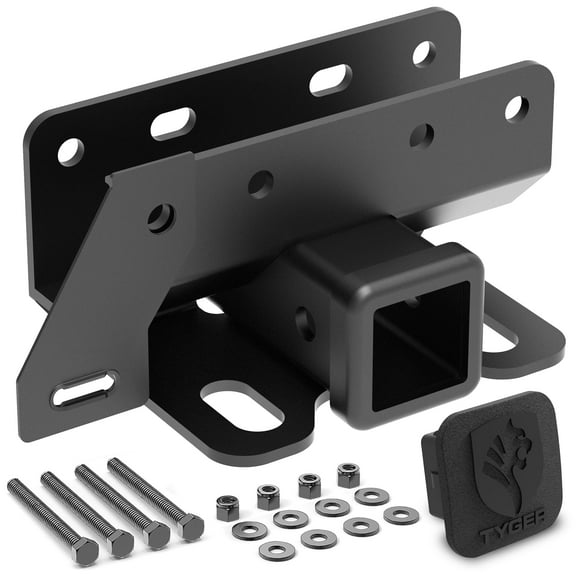
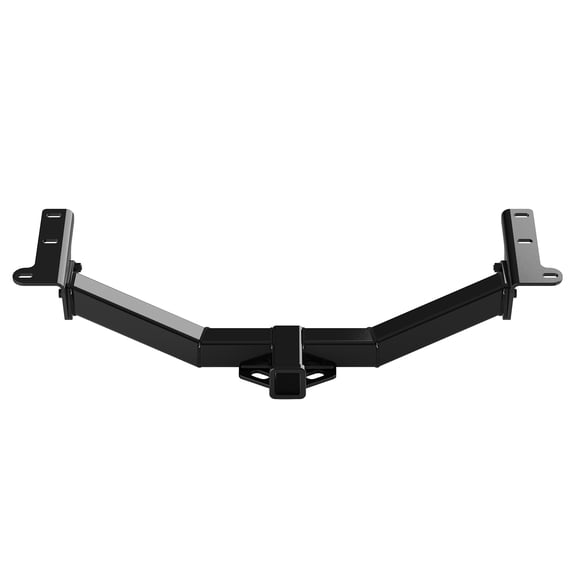

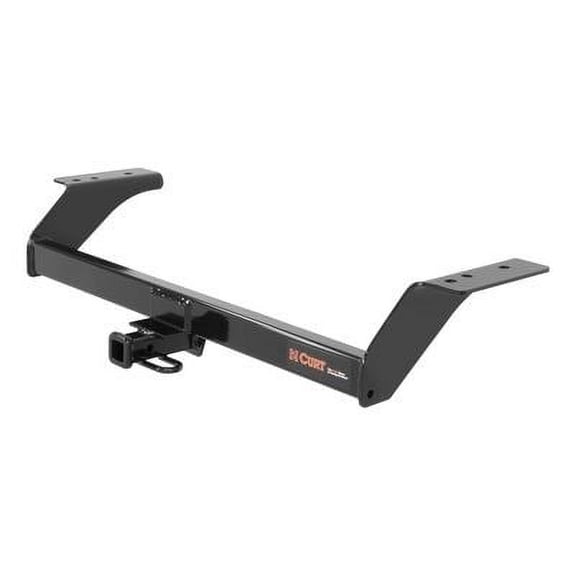
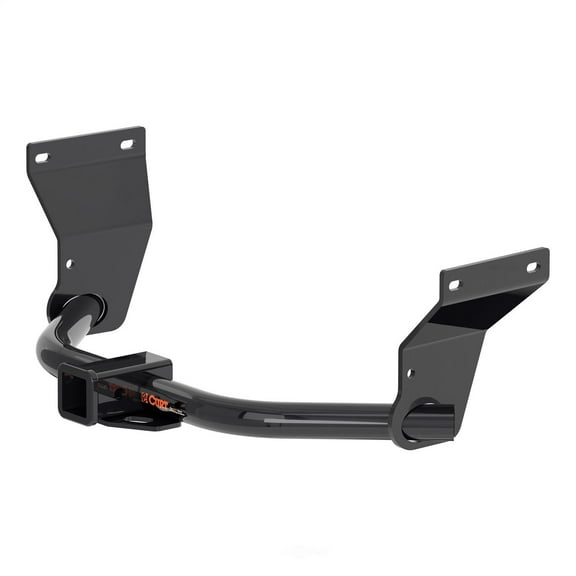

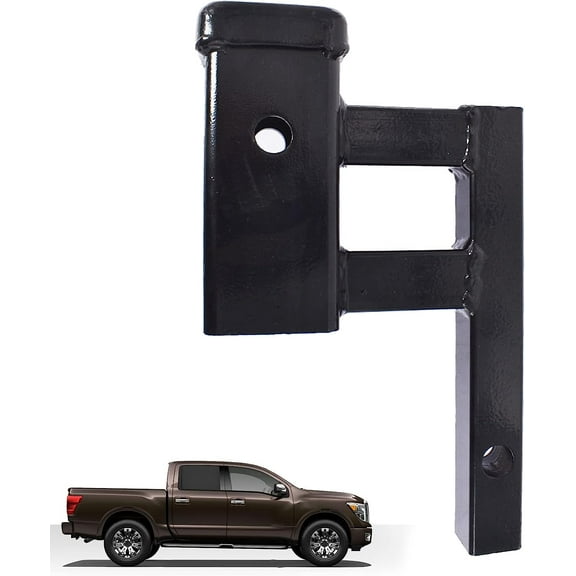

About Trailer Hitches & Towing Receiver Hitches | Walmart - Walmart.com
With trailer hitches and parts, you can build a towing setup that matches your vehicle, your trailer, and your hauling plans. You can compare hitch classes, receiver sizes, and connection components in one place, which makes fitment easier before you tow.
How to choose trailer hitches and parts
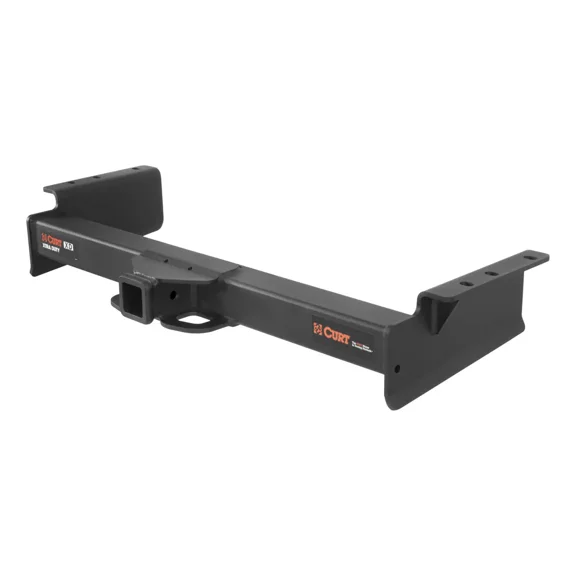
When you compare trailer hitches and parts, you should start with your vehicle type and its towing limits. You should check GTW and TW ratings, because those numbers help you match a hitch to your loaded trailer and hitch weight.
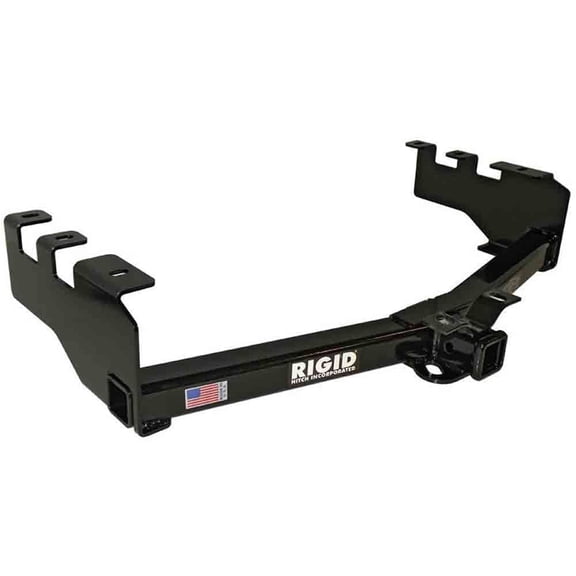
If you drive a sedan, you may compare Class I or Class II options for lighter utility trailers and cargo carriers. If you drive a truck, SUV, or RV, you may compare Class III, Class IV, or Class V choices for heavier towing needs.
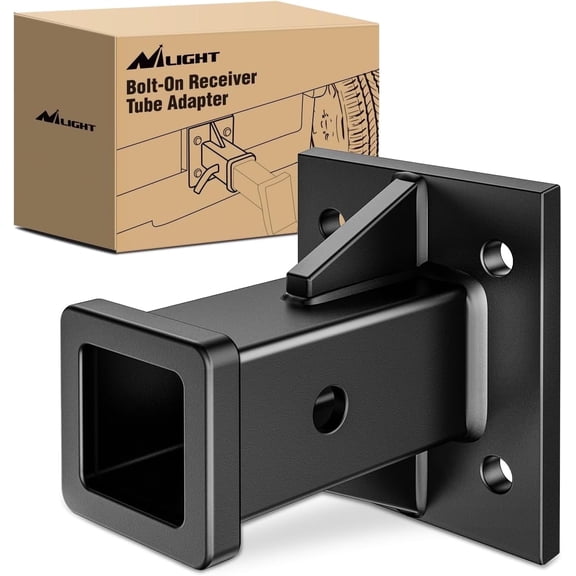
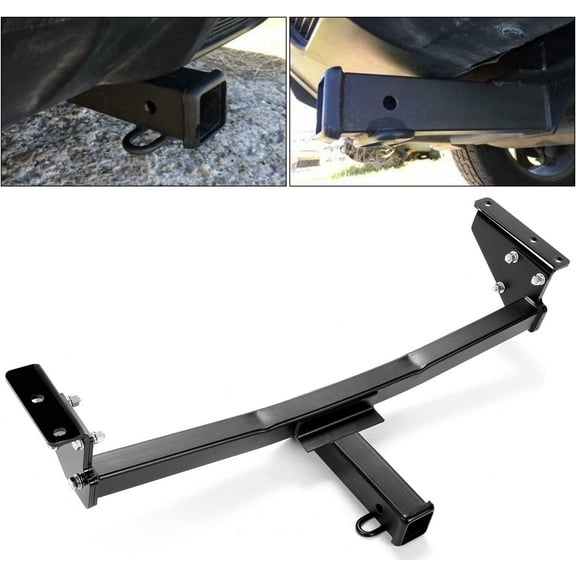
Another key decision involves installation style and frame fit. You may prefer a bolt-on design for a simpler install, while you should check whether drilling is required on your vehicle.
Choosing the right hitch class and weight capacity
You can use hitch class as a quick guide to capability, but you should still confirm your vehicle's ratings. You should treat GTW as the loaded trailer weight and TW as the downward weight on the hitch.
A Class I hitch can suit smaller cars and light cargo carriers. A Class II hitch can give you more flexibility for small trailers when your vehicle allows it, especially for occasional weekend towing.
If you drive an SUV or pickup, you may look at a Class III hitch for campers, utility trailers, or equipment haulers. You should review heavier Class IV or Class V options when your truck or RV requires greater towing support.
- You can match light duty setups to smaller trailers, bike carriers, or compact cargo platforms.
- You can choose medium duty options when your trailer size and hitch class call for more everyday pulling support.
- You can compare a heavy duty towing hitch when your truck or RV calls for larger towing equipment.
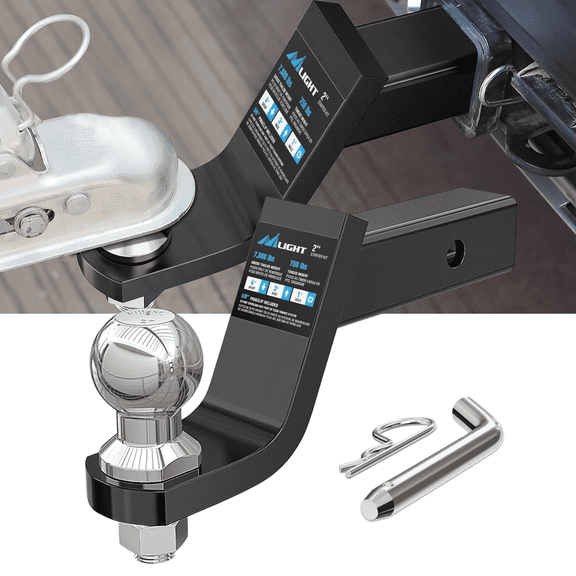
You should compare ratings across every part in your setup, not only the hitch itself. Your ball mount, hitch ball, and pin should align with the same towing range for a balanced connection.
Choosing a trailer hitch receiver size
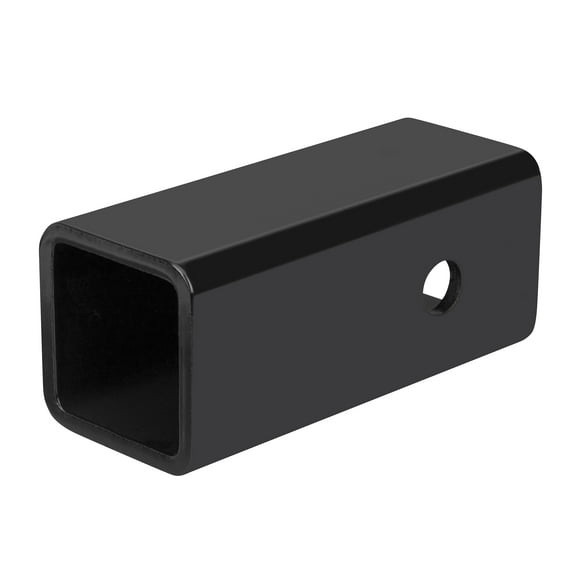
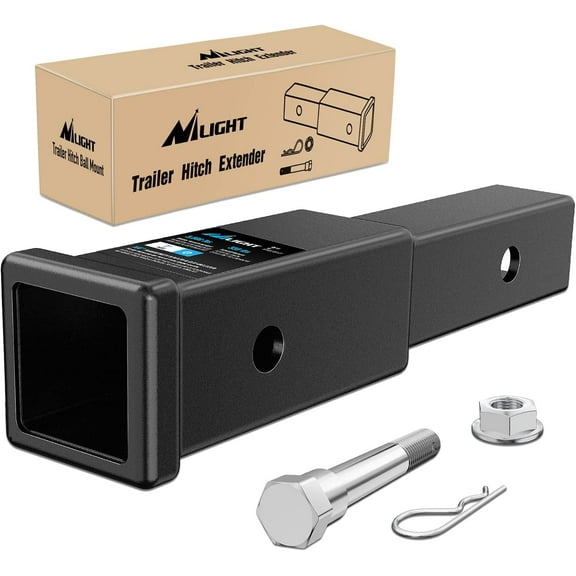
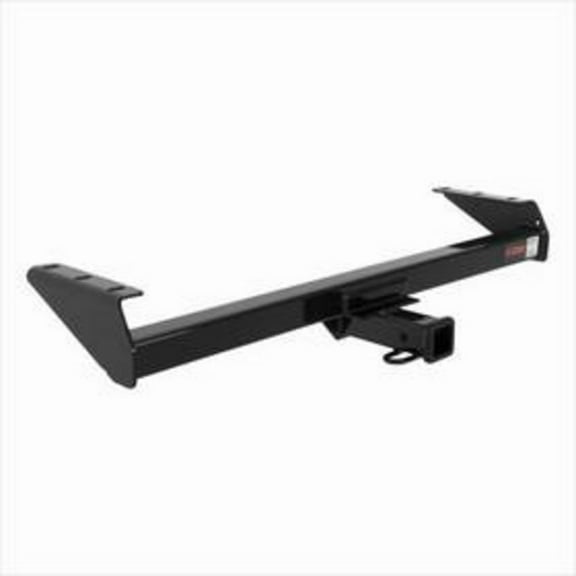
You should measure your trailer hitch receiver before you choose accessories or replacement parts. You may see 1-1/4 inch, 2 inch, and 2-1/2 inch openings, and each size changes what fits your setup.
A 1-1/4 inch opening often works for lighter applications and compact vehicles. A 2 inch receiver hitch is common on many trucks and SUVs, so you may find more hitch ball mounts and towing accessories in that size.
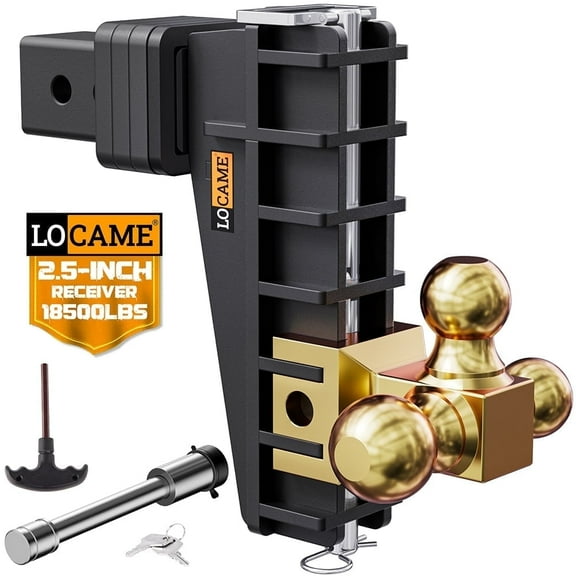
If your setup uses a 2-1/2 inch opening, you should check heavy-duty compatibility across the full connection. You should confirm the shank size on your ball mount and the pin hole fit before you install anything.
Careful measuring helps you avoid mismatched parts that wobble or sit unevenly. You should check the receiver opening, pin size, and mount length together so your connection fits as intended.
Comparing trailer hitch parts and towing accessories
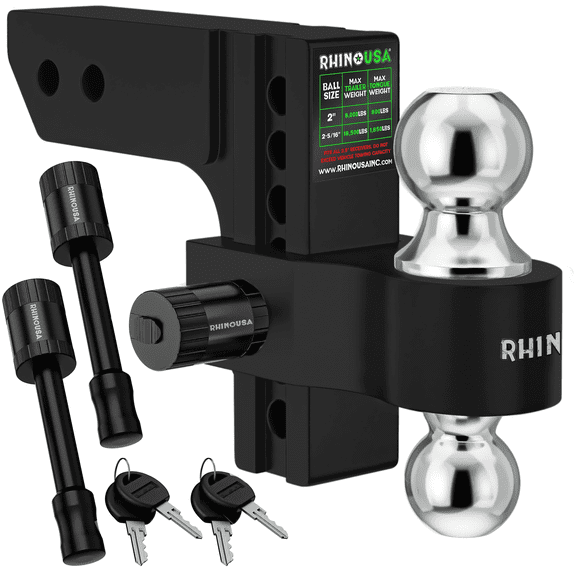
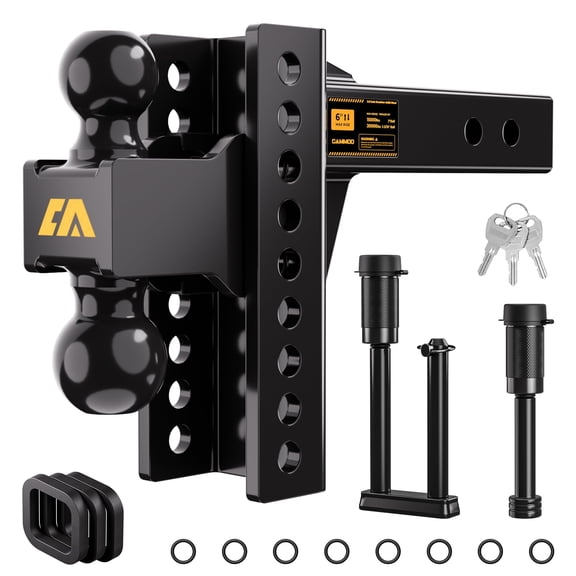
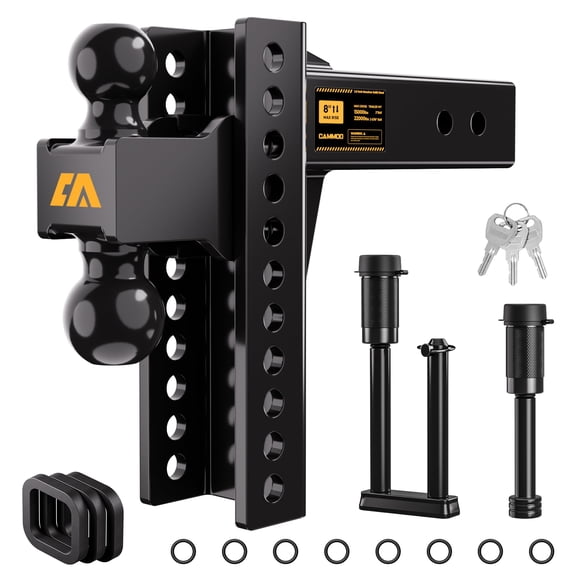
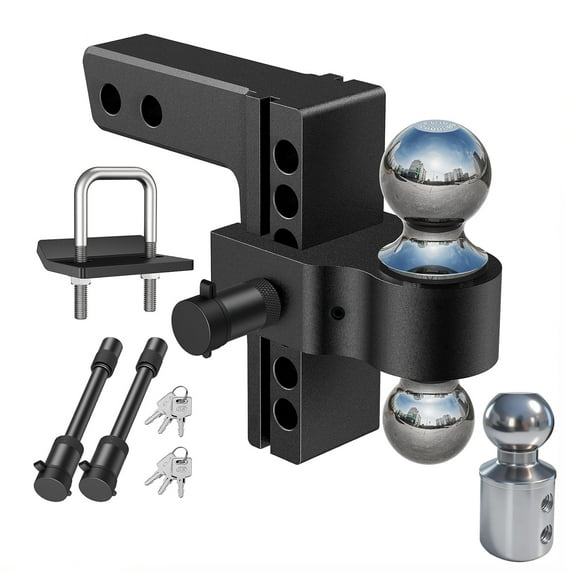
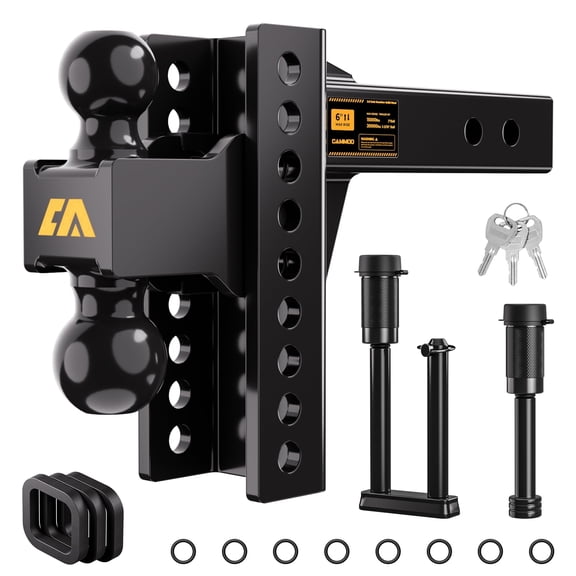
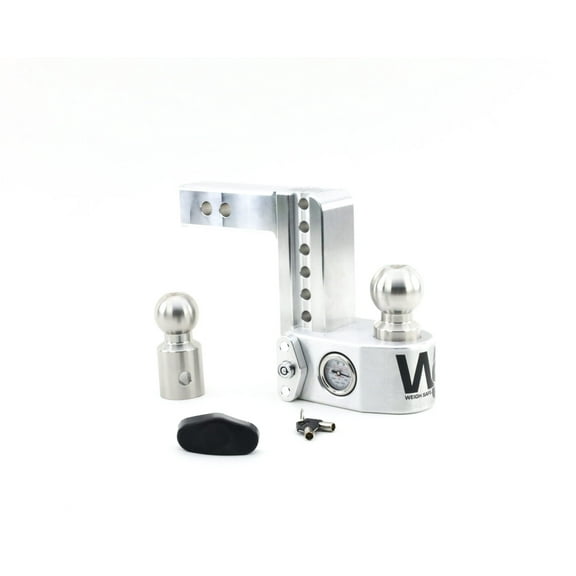
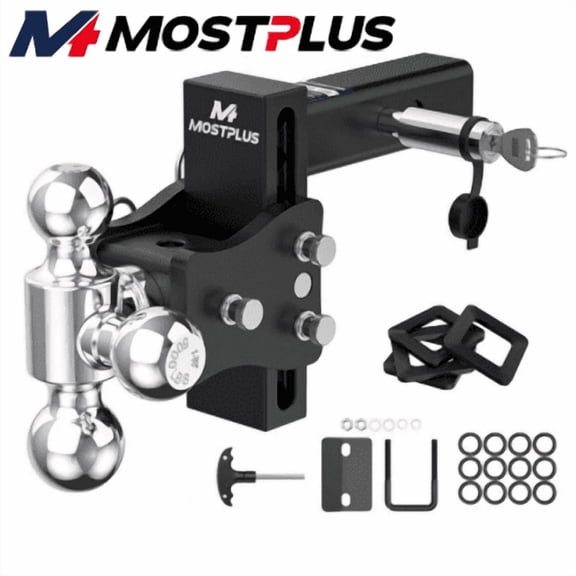
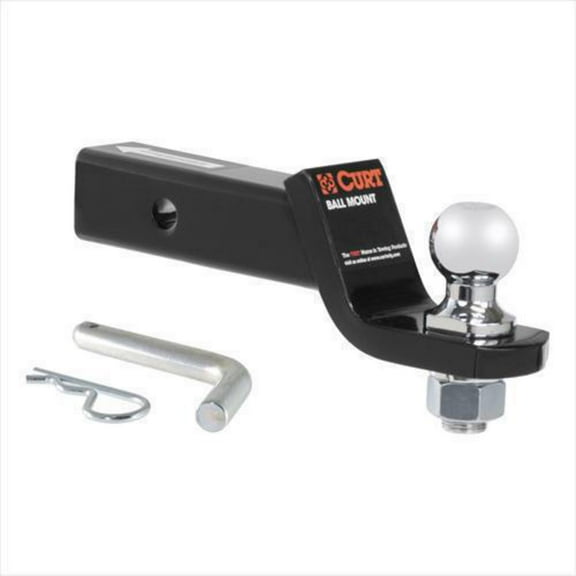
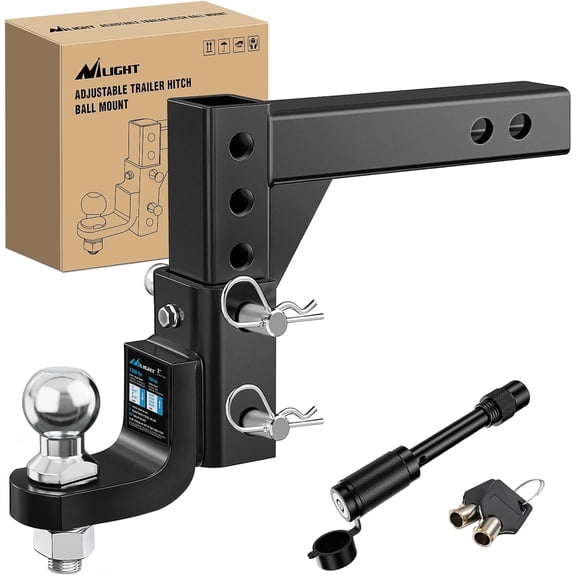
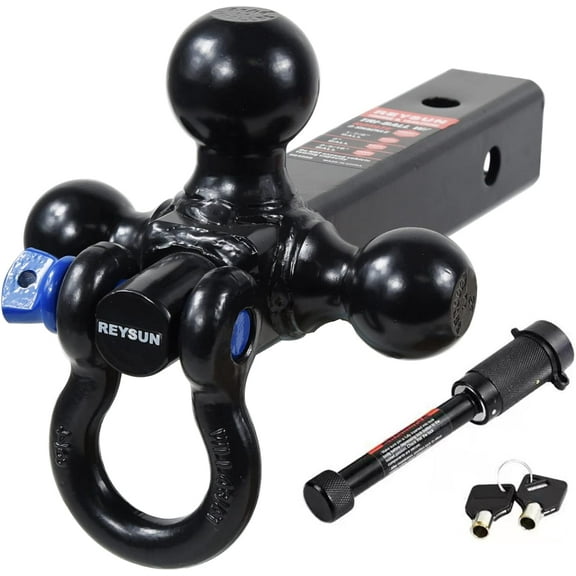
You can fine-tune your towing setup with trailer hitch parts that affect height, connection, and daily convenience. You should compare ball mounts, hitch balls, trailer hitch pins, and receiver hitch covers as separate buying decisions.
Ball mounts help you position the trailer at the right height behind your vehicle. You should compare drop and rise, because those measurements help your trailer sit level during towing.
Hitch balls also need careful matching to your coupler size and mount opening. You should check the ball diameter your trailer requires, and you should confirm the shank diameter fits your mount.
Trailer hitch pins keep the mount secured in the receiver, and you may prefer clips or locking styles. Receiver hitch covers can help you keep the opening cleaner when you are not towing between trips.
You may also look for towing accessories that support everyday hookup tasks and storage needs. If you tow often, you can compare mounts and protective pieces based on how frequently you remove or swap components.
Matching vehicle compatibility to real towing uses
You should use vehicle compatibility filters early, because a truck trailer hitch will not fit every frame or bumper layout. You can narrow your options by year, make, model, and body style before you compare parts.
If you tow a small utility trailer for yard projects, you may focus on a lighter hitch class and a simple ball mount. If you pull a camper or equipment trailer, you may need a larger receiver and a higher-rated setup.
Seasonal towing can change what matters most in your setup. You may want receiver hitch covers and easy-to-remove mounts if you only tow during road trip or boating months.
Frequent hauling calls for repeat-use convenience and consistent fit. You should look for parts that slide in smoothly, pin securely, and match your trailer connection without extra guesswork.
By keeping vehicle ratings, receiver size, and component needs in mind, you can build a setup that fits correctly. You can tow with clearer confidence when your hitch class, mount, ball, and pin work together.