


Find auto parts that fit
Let’s search for parts that fit your vehicle.Trailer Hitch Adapters & Receiver Adapters - Walmart







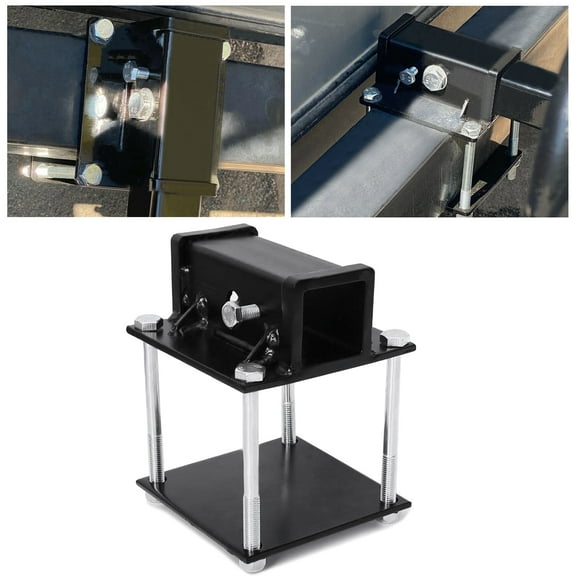


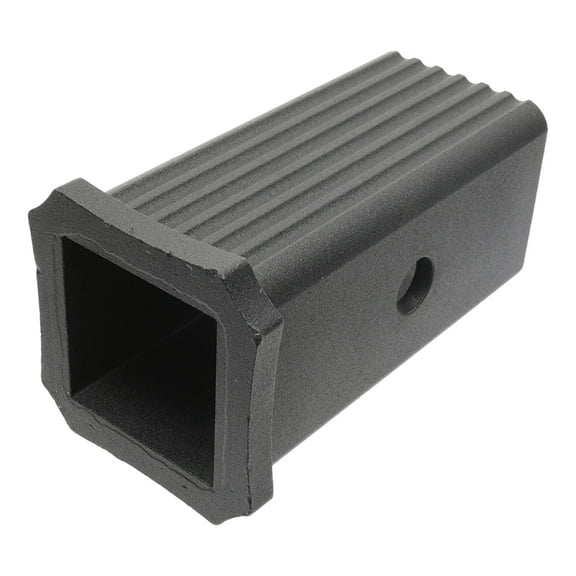

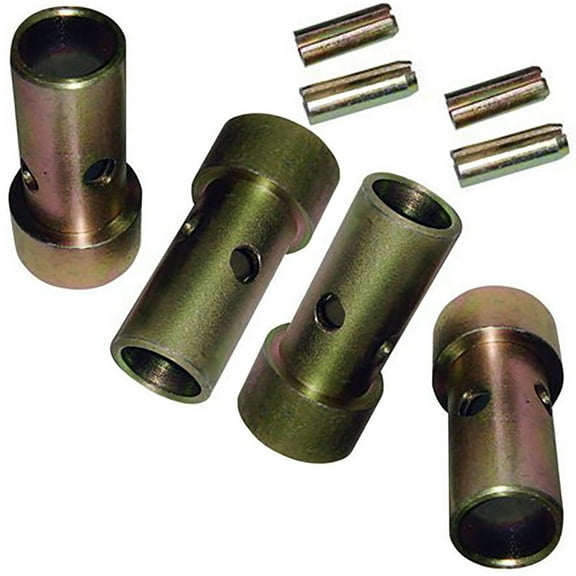
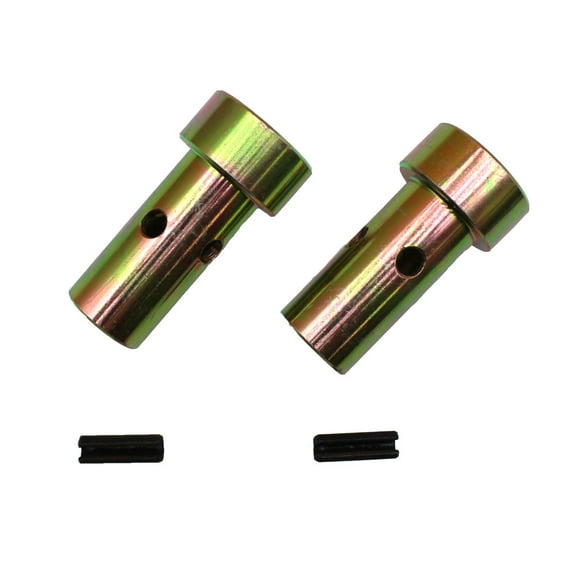
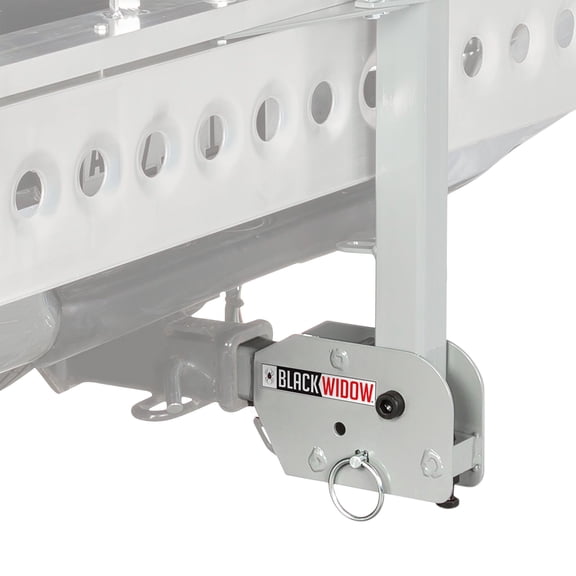

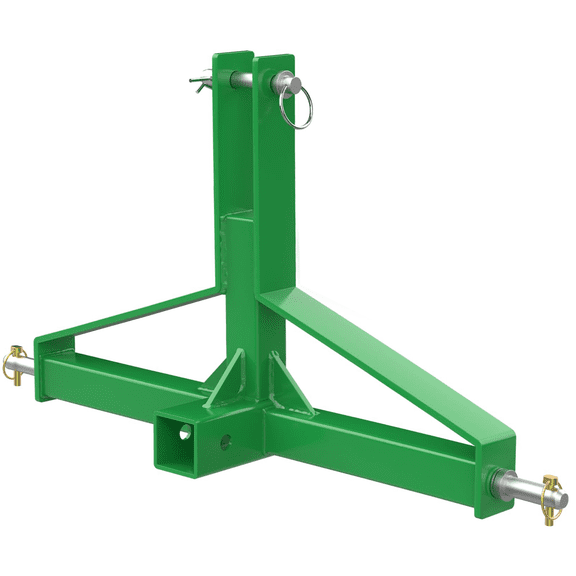





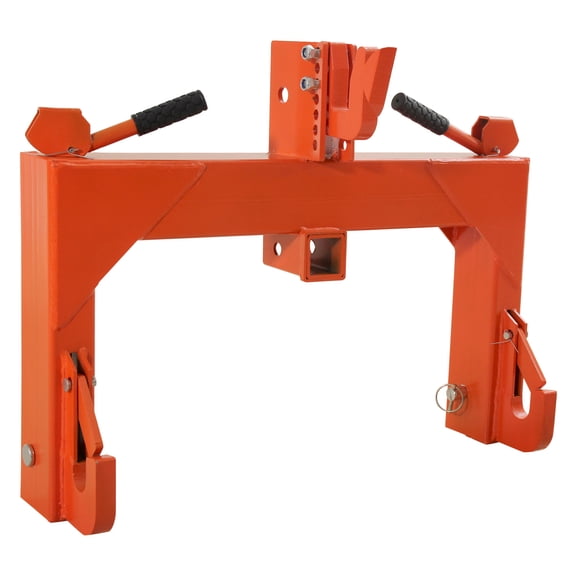
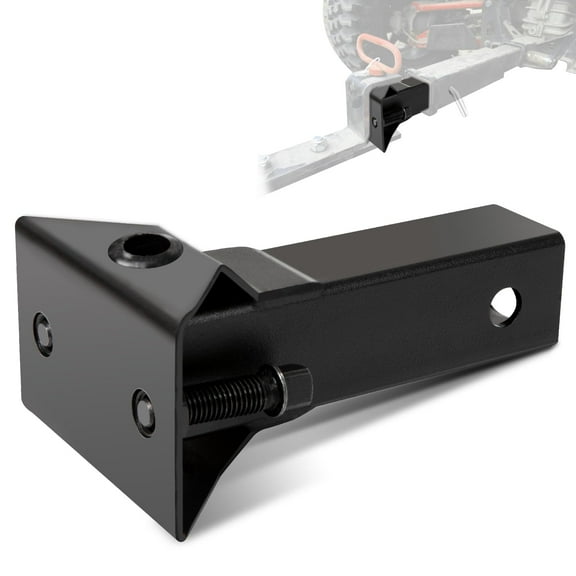
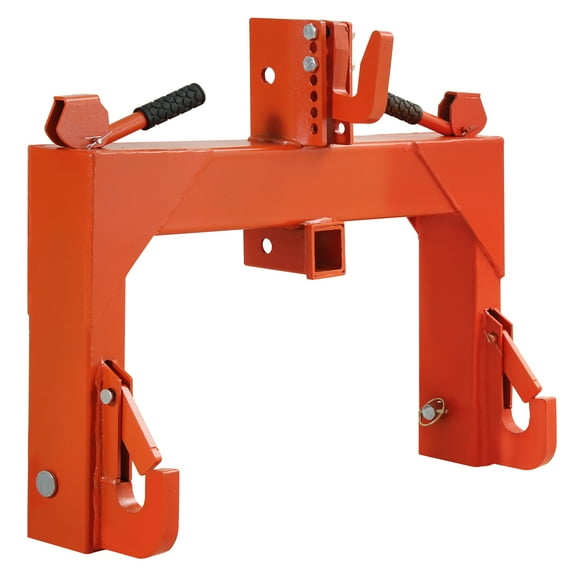
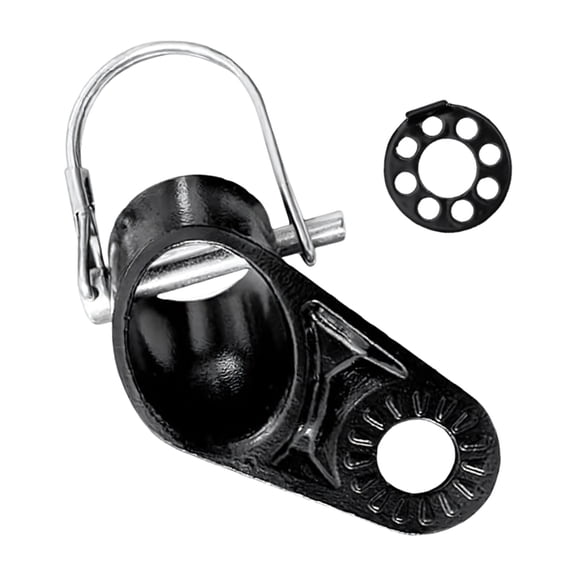


About Trailer Hitch Adapters & Receiver Adapters - Walmart - Walmart.com
Your trailer hitch adapter choice depends on receiver size, class rating, and clearance needs. You can compare conversion sizes and fit details here, so your towing setup stays precise.
When your bike rack, cargo carrier, or trailer uses a different shank size, you need exact measurements. You can use this guide to compare adapter sleeves, extenders, reducer bushings, and pins.
How to choose a trailer hitch adapter
Start with your receiver opening, because small measurement changes affect compatibility fast. You should check whether your vehicle uses a 1.25 inch, 2 inch, or 2.5 inch receiver.
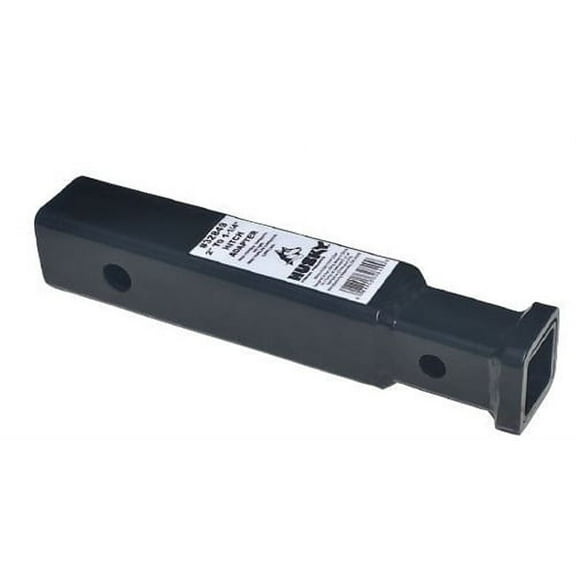
If your accessory shank doesn't match your receiver, you may need a conversion piece instead of extra length. You can look for a trailer hitch adapter 1-1/4'' to 2 when your accessory needs the larger opening.
In the opposite setup, you may need a 2 to 1 1/4 hitch adapter for a smaller shank. You can avoid mismatches by comparing the exact opening size and collar size first.
Choosing receiver size conversion and fit
Receiver size conversion is your first decision, because it controls what actually fits your hitch. You should compare common conversions like 1-1/4 inch to 2 inch, 2 inch to 1-1/4 inch, and 2 inch to 2-1/2 inch.
A 2 inch receiver adapter works for many carriers and ball mounts, but your exact setup still matters. You can check the receiver opening and the accessory shank before you choose any sleeve.
Short adapters suit setups where you want less added length behind your vehicle. You can consider a 1-1/4'' to 2'' hitch adapter short when your rack or carrier already clears the bumper.
- You can convert between common receiver sizes for towing gear and rear accessories.
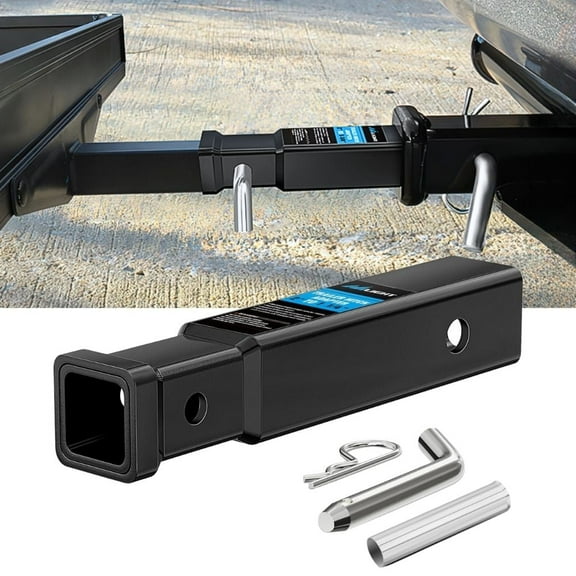
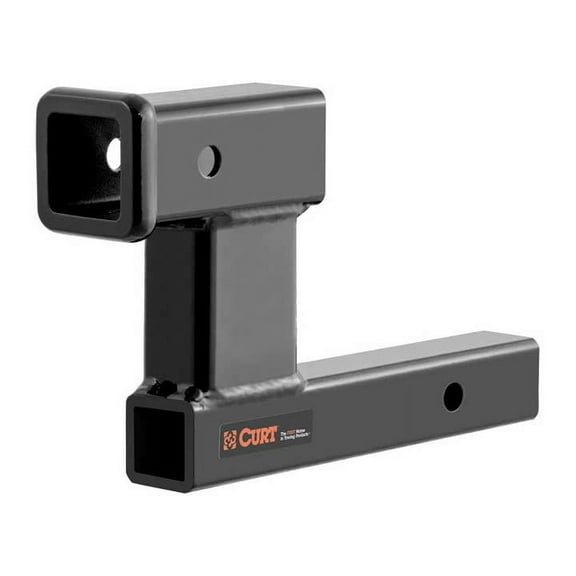
- You can create needed bumper clearance with an extender when your accessory sits too close.
- You can tighten pin fit with reducer bushings and quick hitch pin bushings.
- You can switch between trailer towing and utility cart use with fewer compatibility problems.
Comparing class ratings and extension distance
Class rating matters along with size, because receiver width doesn't tell you the whole picture. You should compare Class I through Class V guidance with your vehicle and intended load.
If you choose a trailer hitch adapter for towing, check gross trailer weight and tongue weight limits. You should also confirm whether your setup changes capacity when you add an adapter or extender.
Extension distance affects how far your accessory sits from the bumper or spare tire. You can measure that gap first, then compare short and extended options with more confidence.
For a bike rack or cargo carrier, added reach can improve tailgate or rear fascia clearance. You should avoid unnecessary length when a compact adapter gives you the fit you need.
Key differences between component types
Each component type solves a different fit problem, so your choice should match the job. You can compare an adapter sleeve, hitch extender, reducer bushing, or quick hitch pin by function.
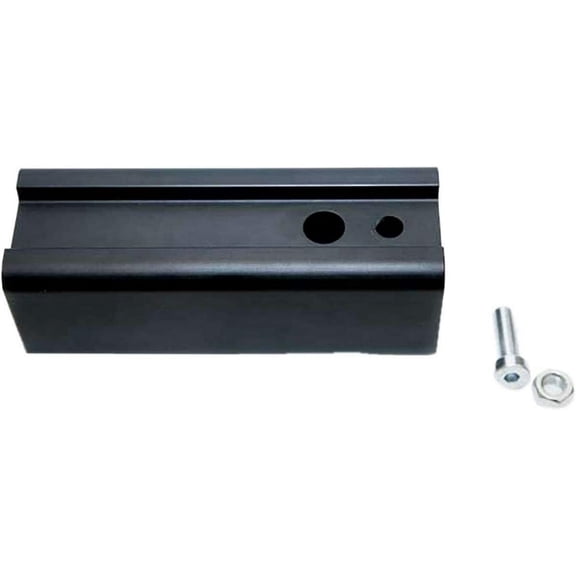
An adapter sleeve helps you change receiver size inside the opening without changing much reach. You can use a hitch extender when your accessory needs to sit farther back.
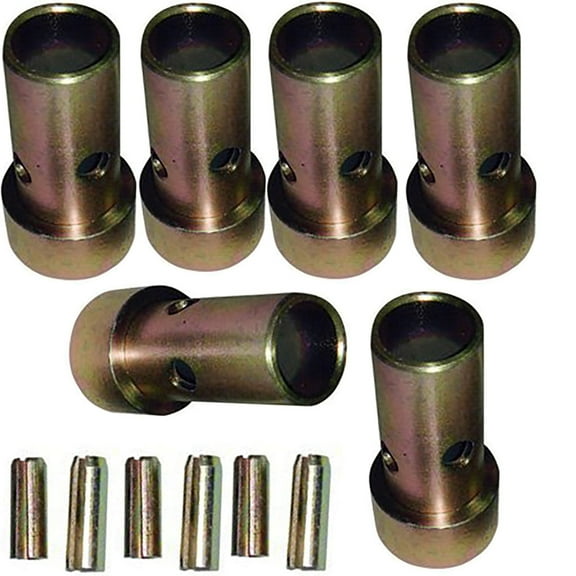
A reducer bushing helps you tighten a loose connection around a pin area or hitch point. You can compare inside diameter and outside diameter to match your current hardware.
Quick hitch pin bushings matter when you want a tighter pin fit and steadier connection. You should check pin diameter, hole size, and lock compatibility before you pick bushings.
Matching application type to the right setup
Your application type changes which adapter details matter most during selection. You can compare towing, utility cart, bike rack, and cargo carrier setups by clearance and fit.
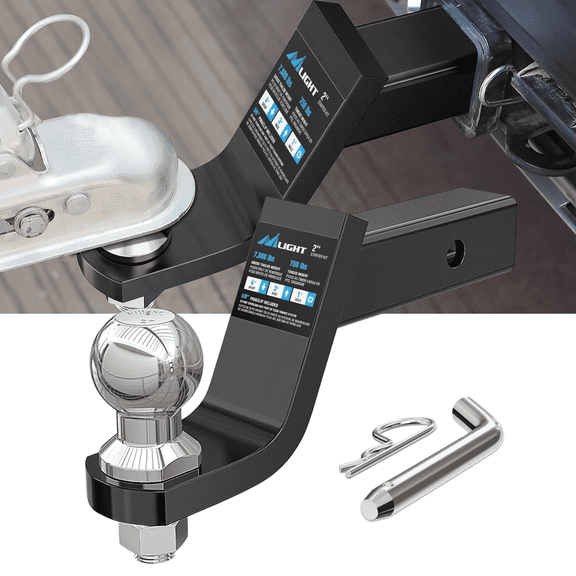
For trailer towing, you should focus first on receiver conversion, class rating, and ball mount position. You can keep your towing setup cleaner when the adapter adds only the reach you need.
For a utility cart hitch adapter, compact length often matters more than extra extension. You can compare shorter options when you want a closer connection behind your vehicle.
With a bike rack, bumper shape and spare tire clearance usually drive your decision. You should measure shank length and rear clearance before you choose a sleeve or extender.
For a cargo carrier, rear access and loading space affect which adapter length makes sense. You can choose a shorter part for a tighter fit or extra reach for hatch clearance.
What to check before installation
Measure your receiver opening, accessory shank, pin hole, and bumper clearance before ordering. You can confirm these points quickly with a tape measure and your current hitch hardware.
If you're replacing an older part, compare length, diameter, and pin fit instead of appearance alone. You can get a cleaner match when your new part follows the exact dimensions you already use.
It also helps to check finish, steel construction, and included hardware for your install plan. You can narrow your options faster when you know whether you need only an adapter or extra securing parts.
With the right measurements and class guidance, your trailer hitch adapter can fit your vehicle and accessory plan cleanly. You can get steadier support, cleaner clearance, and easier setup changes across towing tasks.