

Hitch Balls & Trailer Towing Balls
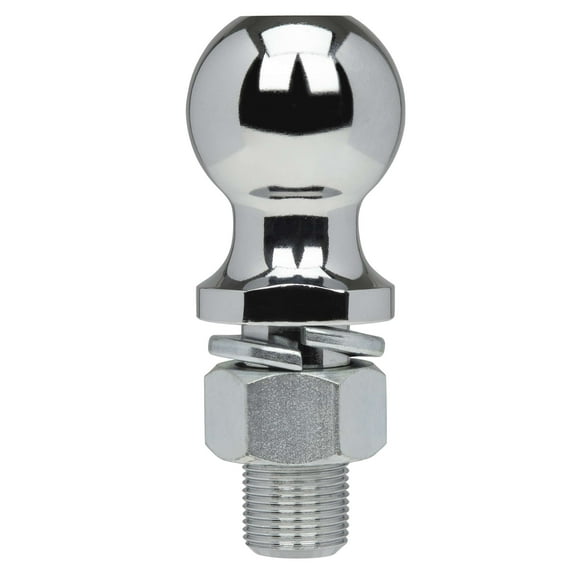

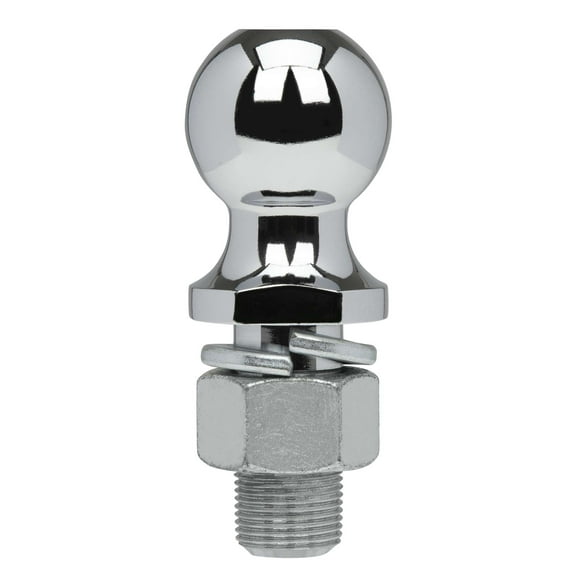


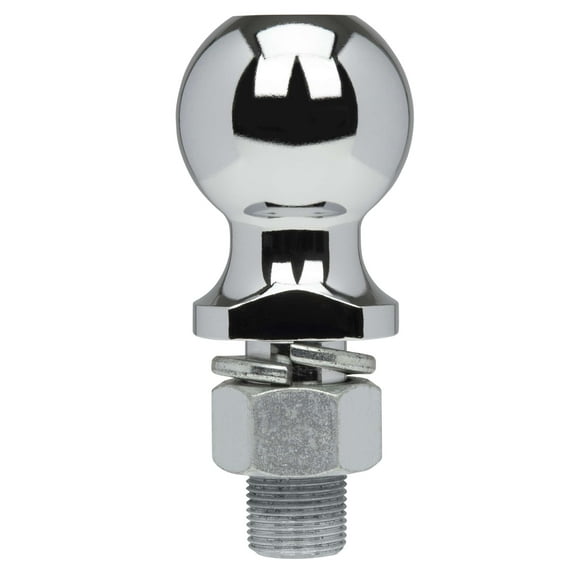
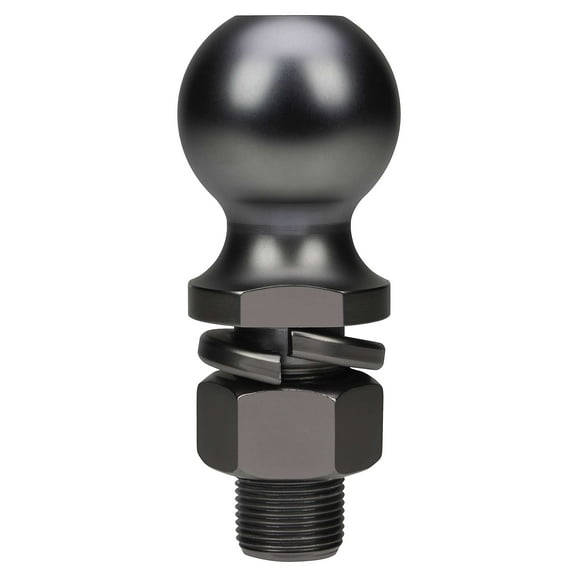




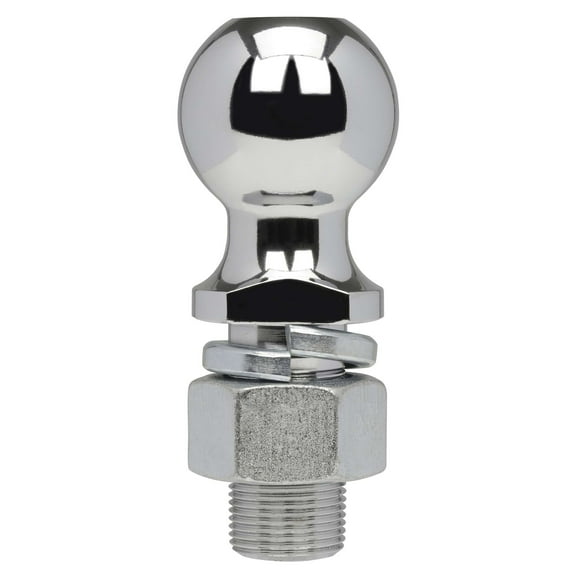
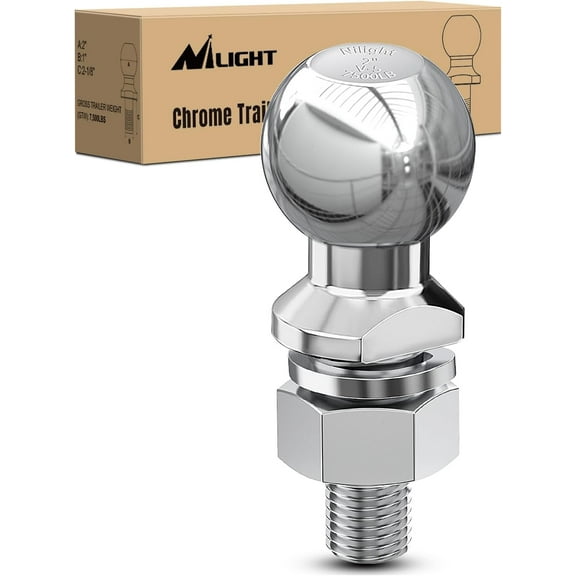
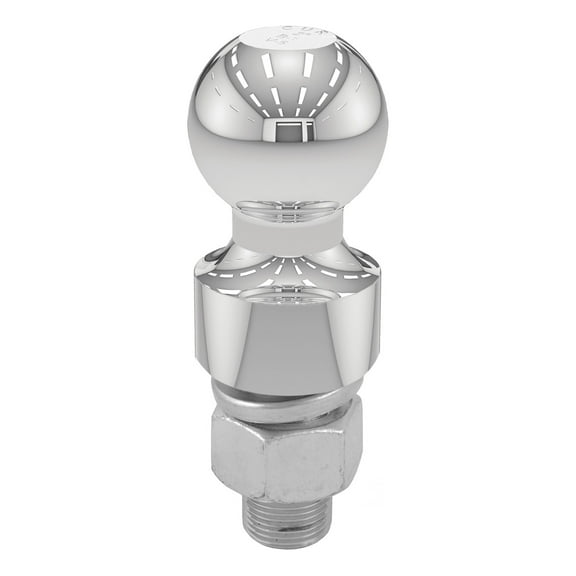
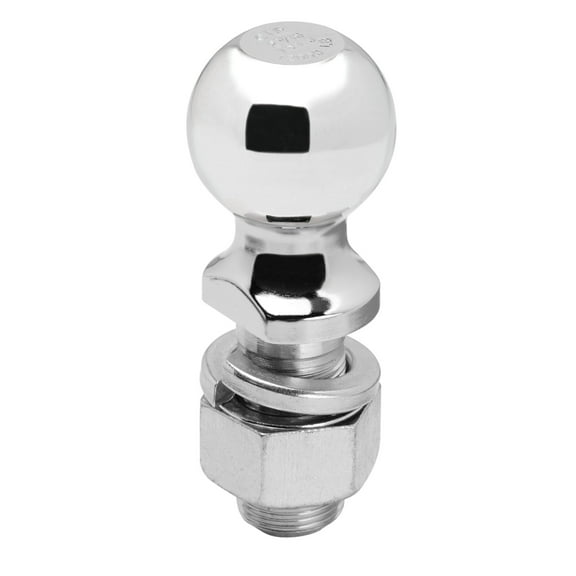









About Hitch Balls & Trailer Towing Balls - Walmart.com
Your hitch ball choice affects trailer fit, towing stability, and install confidence. You need exact sizing, clear GTW ratings, and a finish that fits your towing routine.
When you compare hitch balls by diameter, shank size, and material, you narrow the field fast. You can also match your mount hardware before checkout and avoid frustrating fit issues.
How to choose the right hitch ball
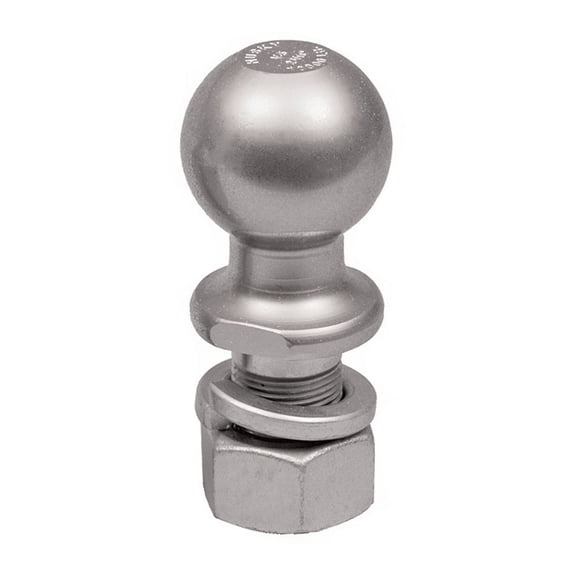
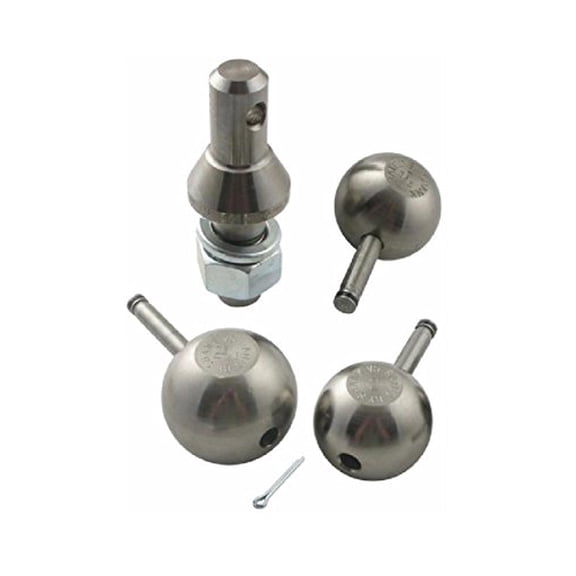
Start with ball diameter because your coupler needs an exact match. You’ll usually compare 1 7/8 inch, 2 inch, and 2 5/16 inch options.
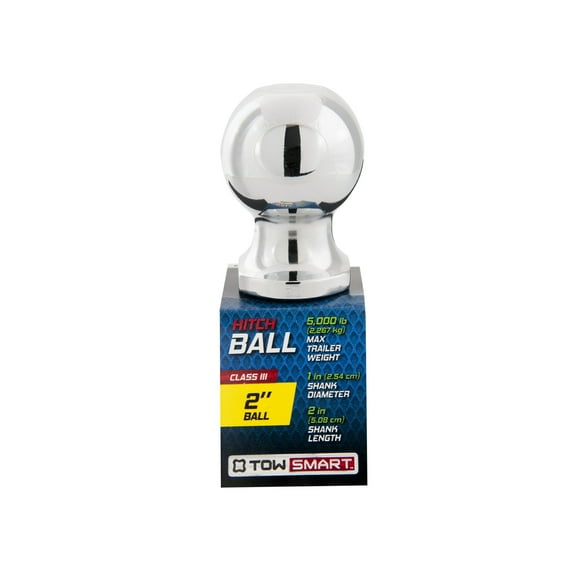
A 2inch ball hitch setup is common for many utility and cargo trailers. You may need 1 7/8 inch for lighter loads, while larger trailers often use 2 5/16 inch.
Next, compare the GTW rating with your trailer’s loaded weight. You should choose a hitch ball with a rating that exceeds your actual towing load.
- You can match 1 7/8 inch, 2 inch, or 2 5/16 inch ball diameters to your coupler size.
- You can check GTW ratings like 2,000 lbs, 3,500 lbs, 5,000 lbs, or 10,000 lbs for your towing setup.
- You can compare shank diameters such as 3/4 inch, 1 inch, and 1 1/4 inch for your mount hole.
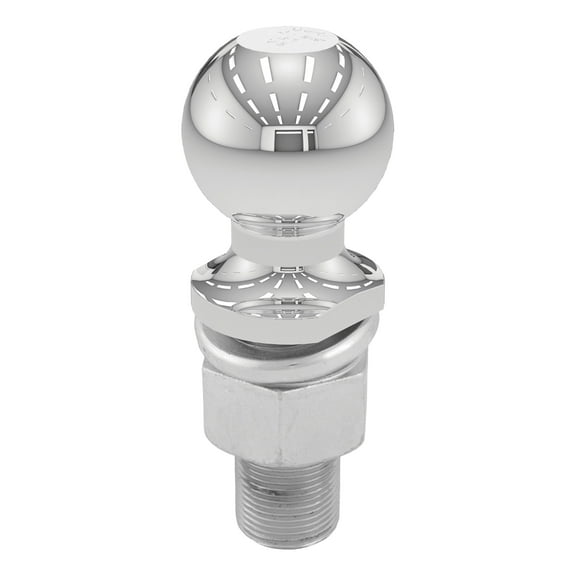
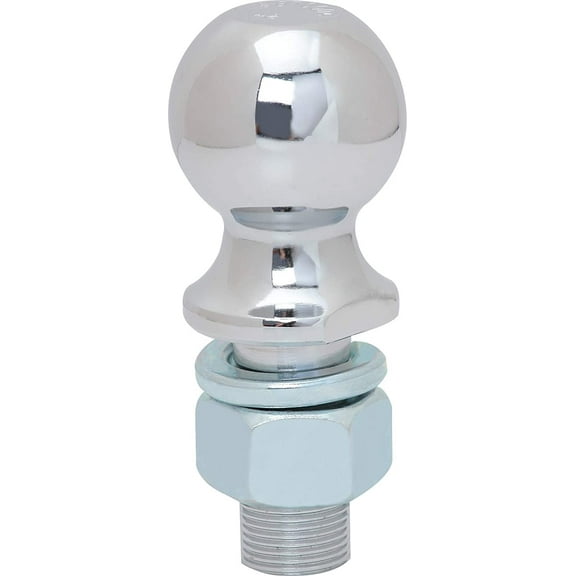
- You can pick chrome, stainless steel, or zinc-plated finishes for your weather exposure and maintenance preference.
Choosing ball diameter and towing capacity
Ball diameter is not a guess, because your coupler size determines what fits. You should confirm the stamped coupler size before you choose a ball for a hitch.
If you tow a small trailer, you may look at a 1 7/8 inch ball first. If you tow many common trailers, you’ll often compare a 2in ball hitch option.
For heavier towing setups, you may move up to a 2 5/16 inch ball. You also need a GTW rating that supports your trailer and cargo together.
GTW means Gross Trailer Weight, and it helps you compare towing limits clearly. You can use it as a practical filter when several sizes seem similar.
What to look for in shank size and fit
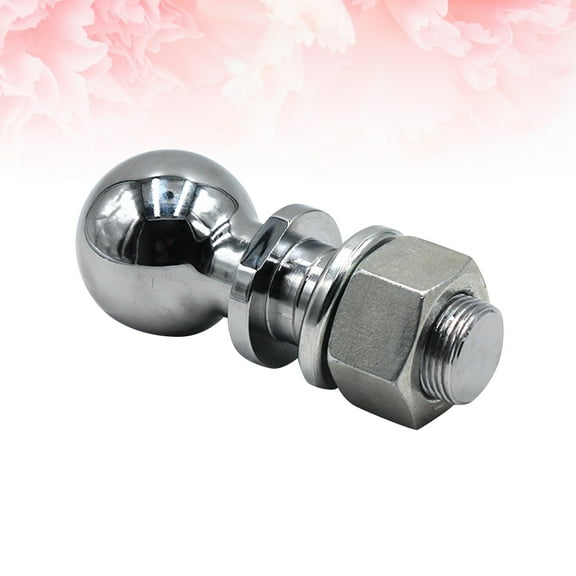
Shank diameter matters because your ball mount hole must fit the shank correctly. You’ll usually compare 3/4 inch, 1 inch, and 1 1/4 inch shanks.
If your shank is too small, you won’t get the fit you want in your mount. If your shank is too large, you can’t install it properly.
Shank length also affects how the ball seats through your mount platform. You may need 1 1/2 inch, 2 inch, or 3 inch length options.
When you compare a trailer ball receiver setup, you should check both hole diameter and platform thickness. You can also review thread length if your mount uses washers and a nut.
If you’re replacing a worn part, you may also search related hardware like a 15mm ball mount adapter. You should still verify thread and mount compatibility before you finalize anything.
Comparing finishes for weather exposure
Finish affects how your hitch hardware handles rain, road grime, and regular outdoor storage. You can compare chrome, stainless steel, and zinc-plated options by maintenance needs.
Chrome gives you a bright look that many drivers prefer on exposed mounts. Stainless steel may suit you if your setup sees frequent moisture and outdoor parking.
Zinc-plated options can make sense when you want straightforward corrosion resistance for routine towing. You should match the finish to your climate, storage habits, and cleaning routine.
Use cases for common towing setups
If you tow a small lawn trailer or light utility trailer, you may start with lower GTW ranges. You should still match the coupler exactly before installing your hitch hardware.
For campers, equipment haulers, and larger cargo trailers, you may need larger diameters and higher ratings. You can narrow choices quickly when you know your coupler size and loaded weight.
If you swap trailers during the year, you may keep different sizes for different jobs. You can compare inch ball options by trailer type, mount hole, and towing frequency.
When you review ball hitch price as part of your decision, you should still focus on fit details first. You’ll get more confidence from exact compatibility than from guessing by appearance.
You may also coordinate your purchase with ball mounts, hitch receivers, trailer couplers, and trailer wiring. You can build a more complete towing setup when all connection points match.
With the right hitch ball, you get a cleaner fit between your coupler and mount. You also make trailer setup simpler by choosing the correct diameter, shank, and GTW rating.