


Find auto parts that fit
Let’s search for parts that fit your vehicle.Tractor Paint in Tractor Parts & Accessories


























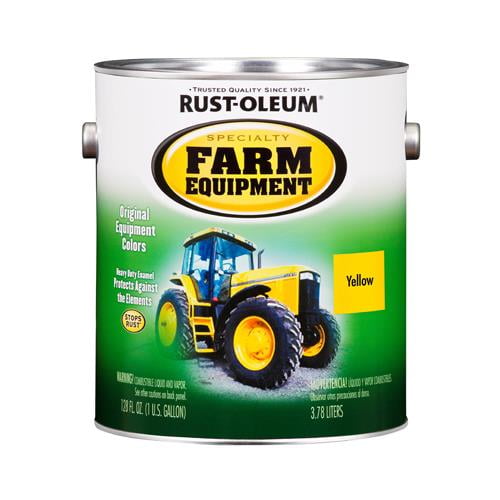


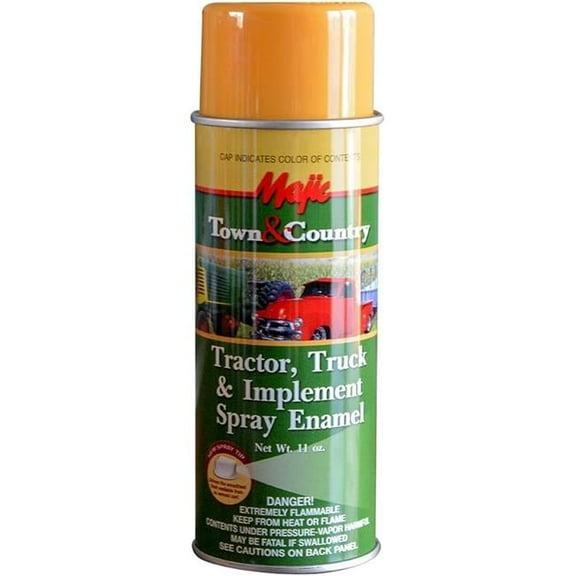
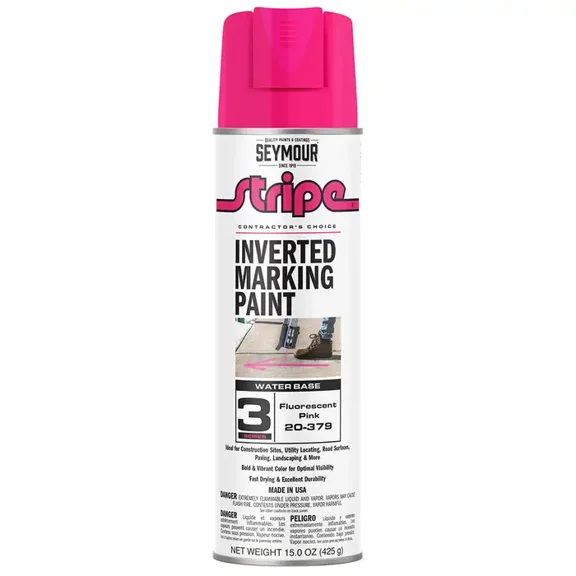





About Tractor Paint in Tractor Parts & Accessories - Walmart.com
Car tires help you match your vehicle, your roads, and your driving season with the fit you need. You can compare size, seasonality, vehicle type, and performance rating with less guesswork.
Whether your week includes commuting, highway miles, or changing weather, your tire choice shapes traction, ride feel, and fitment. Across passenger car tires, suv tires, truck tires, and winter-ready options, your search becomes easier with clear buying criteria.
How to choose car tires for your vehicle
Fitment comes first because your tire size affects road contact, handling, and everyday drivability. Your current sidewall or owner’s manual can confirm the match before you compare tread styles.
On the sidewall, your size code usually lists width, aspect ratio, and wheel diameter. Your width describes tread width, while your aspect ratio shows sidewall height compared with width.
For wheel diameter, your options may include 15-inch, 16-inch, 17-inch, or 18-inch sizes. Your replacement tire should match your wheel diameter exactly for proper fitment.
Load index and speed rating matter after size because your vehicle has specific operating requirements. Those numbers help you compare weight capacity and speed capability for your normal driving routine.
- Your current sidewall markings can confirm width, aspect ratio, and diameter.
- Your vehicle type helps narrow passenger car tires, suv tires, or truck tires.
- Your trips with passengers or cargo make load index an important detail.
- Your highway routine makes speed rating worth checking before you choose.
Choosing between all season tires and seasonal options
Your climate should guide this decision because tread patterns and rubber compounds respond differently across temperatures. You can compare all season tires, winter tires, summer tires, and all-weather options around your local conditions.
For mixed temperatures and everyday driving, all season tires offer a practical balance. You’ll usually get wet-road control, road comfort, and year-round convenience from one setup.
In colder months, winter tires focus on low-temperature flexibility and snow traction. They suit your repeated cold snaps, slush, and snowy starts more than warm pavement.
During hotter weather, summer tires emphasize dry handling and quicker steering response. Your tradeoff is reduced flexibility once temperatures drop and winter conditions return.
If your weather changes often, all-weather designs can bridge the gap between all-season and winter-focused options. That approach gives your vehicle one set for broader year-round capability.
Comparing auto tires by vehicle type and rating
Your vehicle category shapes which construction and tread style make sense for daily use. You can compare options for passenger cars, SUVs, trucks, and performance models with your routine in mind.
For passenger car tires, comfort and steady road manners are often key priorities. You’ll commonly choose these for sedans, coupes, and compact vehicles used throughout the week.
With suv tires, extra support and balanced handling usually move higher on your checklist. Your comparison may focus on tread life, wet-road control, and a composed ride for family travel.
Truck tires may make more sense when your vehicle carries tools, supplies, or heavier gear. Your load index becomes especially important when your routine includes cargo and longer drives.
Performance models often call for a different feel behind the wheel. You may compare quicker steering response, firmer handling, and fitment that aligns with larger wheel sizes.
Tread rating adds another layer when your routes change from pavement to gravel. Touring and highway options fit paved driving, while all terrain tires suit mixed-surface travel.
Mud-terrain patterns use deeper voids and a more aggressive tread layout. You’ll usually accept more road noise when your priority includes rougher off-road ground.
What to look for in car tire features
Your next step is comparing durability signals that match your mileage goals and driving habits. Treadwear ratings and mileage warranty details can give your search a simple durability benchmark.
Tread design also matters when your route includes rain, light snow, or standing water. You’ll often look for grooves and siping that help channel water and maintain road contact.
Sidewall construction can influence how your tire feels on rough pavement and highway stretches. Your drive may feel more stable when construction aligns with your vehicle size and use.
Load index gives you a direct measure of the maximum weight a tire supports. You should compare that number with your passengers, cargo, and everyday vehicle setup.
Speed rating works as another practical filter during your search. Your choice should reflect the driving capability listed for your vehicle, not a rough estimate.
Noise level, ride feel, and handling response can shape your satisfaction over time. You’ll notice those details especially when your week includes long commutes or repeated highway miles.
Using tire size and seasonality for real driving needs
Smaller sizes like 15-inch and 16-inch often appear on compact cars and midsize sedans. Your focus there may be ride comfort, steady traction, and everyday commuting needs.
Larger 17-inch and 18-inch fitments often pair with crossovers, SUVs, and sportier setups. You can compare handling feel, road comfort, and seasonal traction at the same time.
For mixed weather without long snowy stretches, all season tires fit many daily routines. Your errands, school runs, and highway trips can stay covered with one versatile setup.
When winter brings colder mornings and snow-covered roads, winter tires become more relevant. You’ll gain a setup designed around low temperatures and winter driving conditions.
If your SUV or truck splits time between pavement and gravel, all terrain tires deserve a closer look. Your tread choice can support mixed surfaces without moving fully into mud-terrain patterns.
Careful measuring helps when you replace a worn set on a family car, crossover, or work truck. You’ll avoid fitment confusion and choose tires that align with your vehicle’s intended use.
With the right size code, seasonality, load index, and tread style, your decision becomes much clearer. You can choose car tires that fit your vehicle and support confident daily driving.