

Tractor Headlights & Replacement Lights















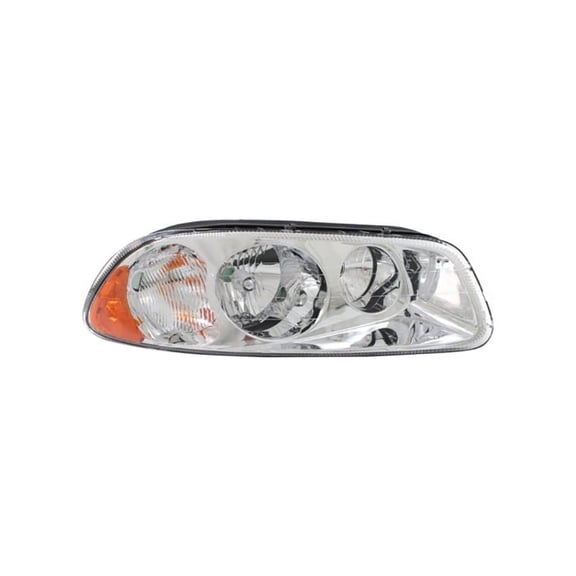
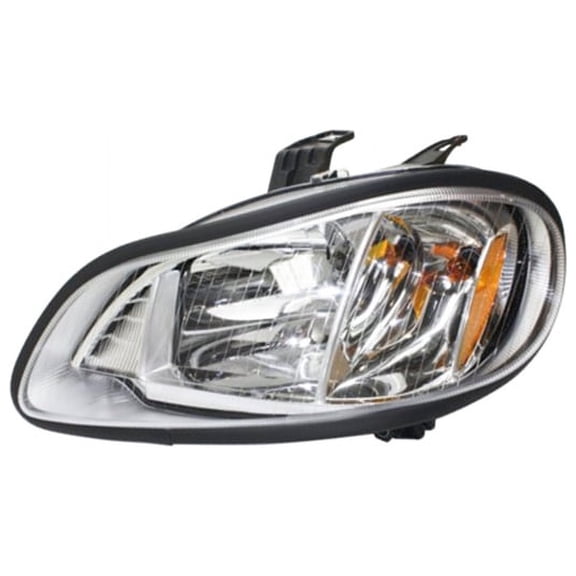

About Tractor Headlights & Replacement Lights - Walmart.com
You can compare a tractor headlight by fit, beam style, and wiring needs before you replace lights on tractor equipment. You can use this guide to review brand compatibility, front mounting positions, and lens or assembly choices.
Because you may work before sunrise or after sunset, you can notice lighting details matter during field prep and property maintenance. You can compare tractor headlights, tractor front light options, and replacement parts with fewer fit surprises.
How to choose a tractor headlight
You should start with your tractor model number and any OEM part number crossover you have on hand. You can narrow choices quickly when your replacement matches the original shape, mounting points, and electrical system.
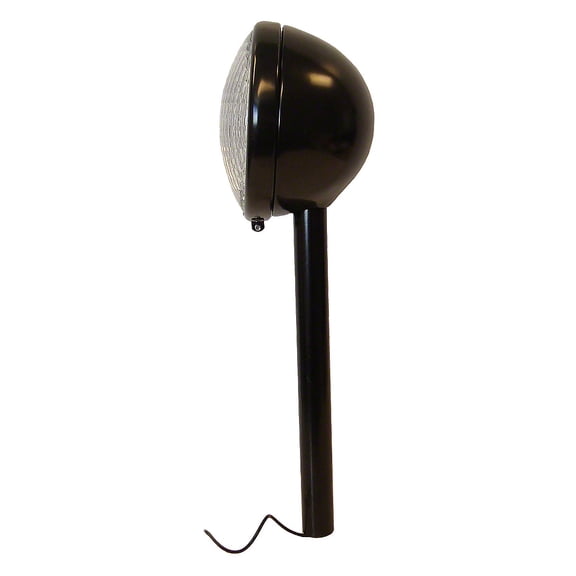
When you compare headlights for tractors, you may choose a lens, bulb, housing, or a full tractor headlight assembly. You can reduce extra part matching when your old unit needs several components replaced at once.
You can also compare where the light mounts on your machine before you order. Your setup may need a tractor front light, a rear-facing lamp, or work lights for wider coverage.
Choosing light source, shape, and component type
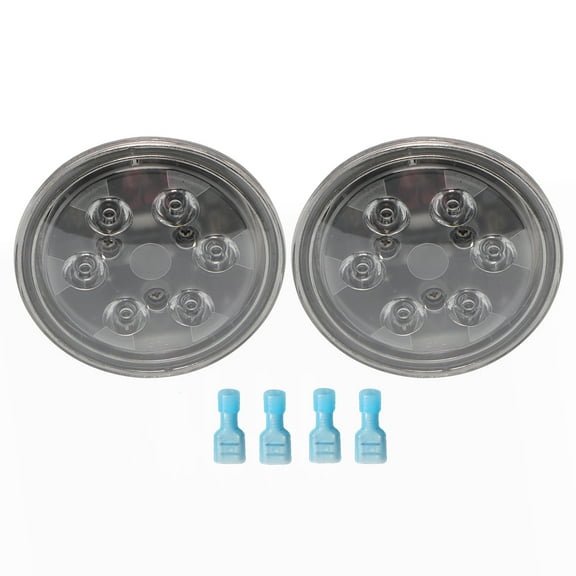
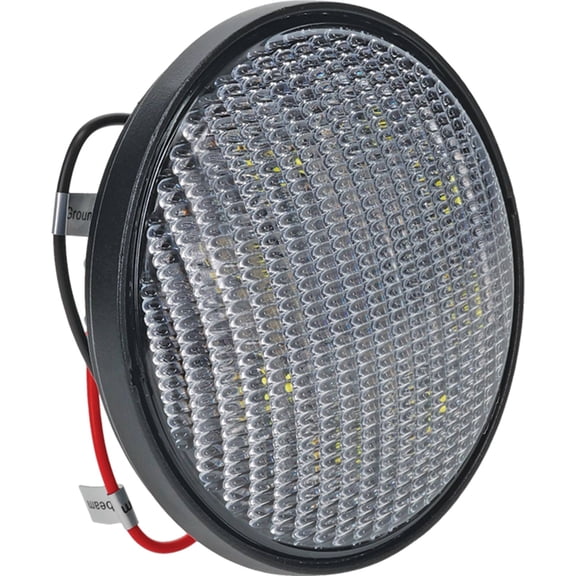
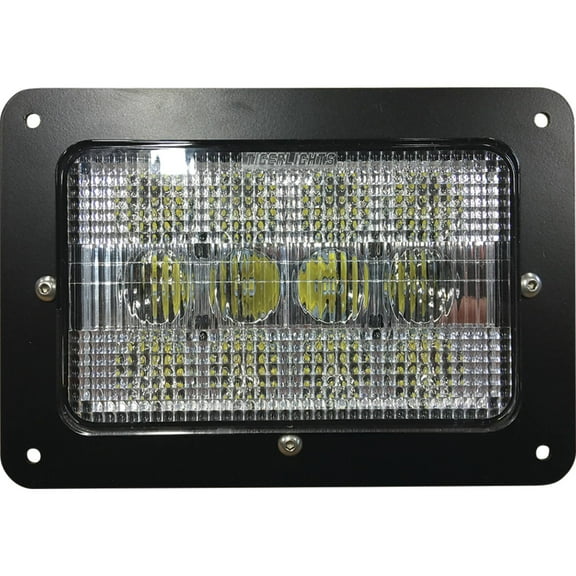
You can compare LED, halogen, and sealed beam options based on how you use your tractor. You may choose an led tractor headlight when you want bright output with lower power draw.
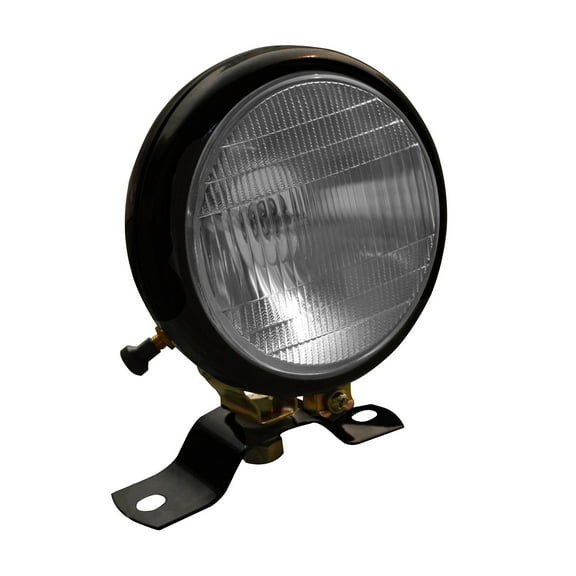
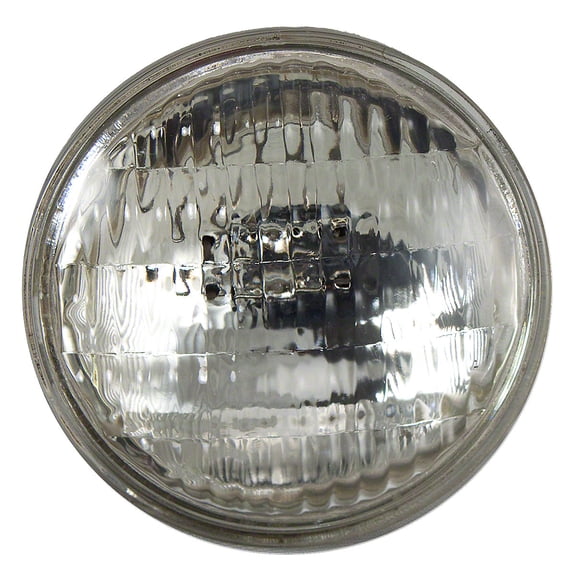
If you prefer a direct replacement, you may pick halogen or sealed beam formats that match older housings. You can keep the selection process simple when your existing socket and wiring stay the same.
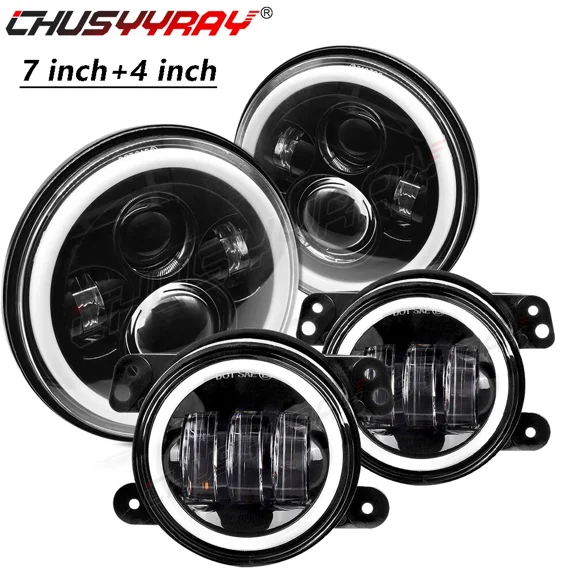
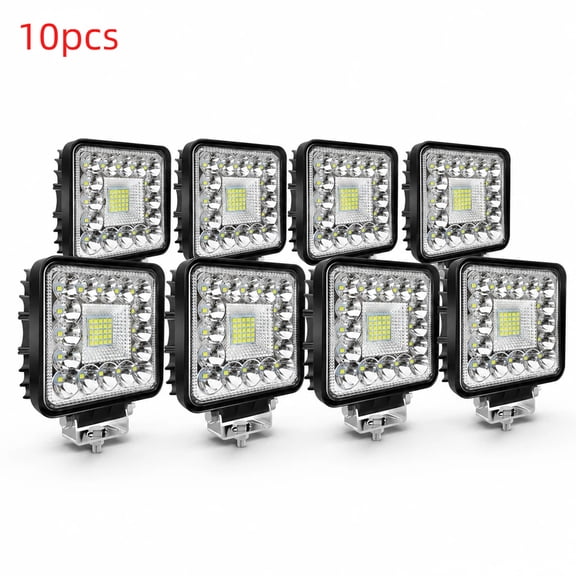
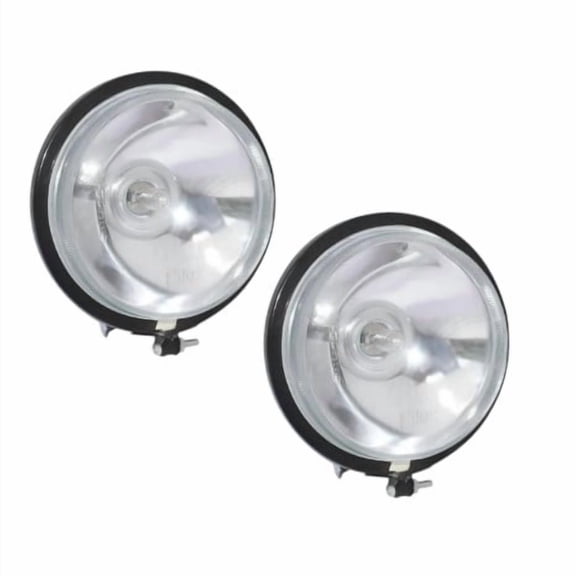
Shape matters because your grille opening, bucket, or hood panel may accept only certain sizes. You may see round tractor lights, rectangular lights, and square lights across older and newer tractors.
- You can choose round lights when your tractor uses classic bucket-style mounts.
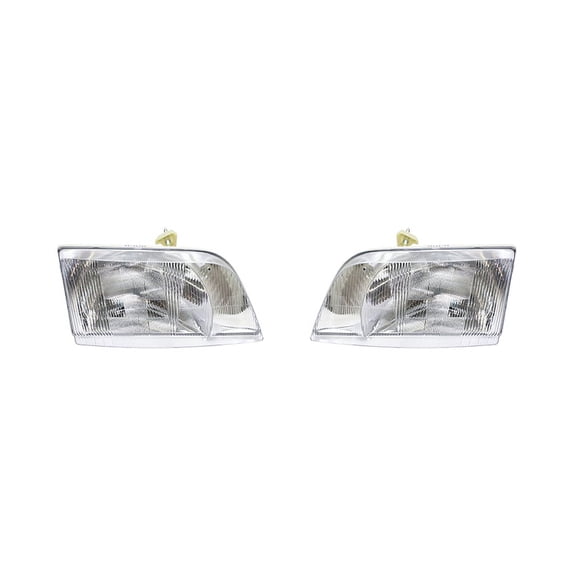
- You can pick rectangular or square units when your housing uses flat mounting surfaces.
- You can select a lens when your housing still works and only the cover needs replacement.
- You can select a full assembly when your reflector, socket, and housing all need updating.
Mounting style also affects fit, especially when you compare bracket mounts with flush mounts. You should check mounting depth and bolt spacing before you choose a replacement.
Voltage is another key decision point for lights for tractor equipment. You need to confirm whether your machine uses a 12V or 24V system before you install new lighting.
Comparing brand compatibility and tractor head lights
You should match your replacement to the tractor brand and model you own. You can see fit details vary across John Deere, Ford, and Massey Ferguson equipment.
If you're replacing a john deere 318 headlight lens, you should confirm lens shape, attachment points, and matching side placement. You can avoid guesswork when your part numbers and model details line up.
When you compare ford tractor lights or ford tractor headlights, you should check housing dimensions and connector style. You can get a clean fit when your replacement matches the original mounting hardware.
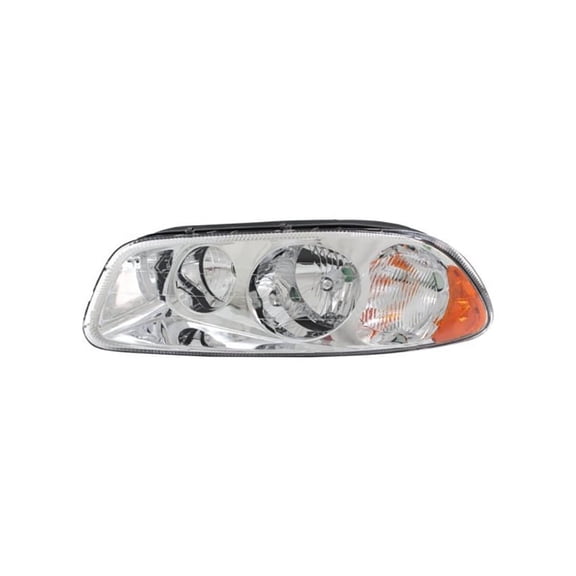
You may also need a tractor headlight assembly instead of a single bulb or lens. You can benefit from a full unit when your reflector, socket, or outer housing shows wear.
For older machines, you may compare tractor head lights that look similar but mount differently. You should measure bezel diameter, depth, and bracket position before you choose.
What to look for in wiring and installation
You can make installation straightforward when you verify connector style, wire count, and polarity before ordering. You can reduce extra steps when your replacement aligns with your current harness.
You should check whether your light uses a simple plug connection or separate wire leads. You should also compare mounting hardware if your old brackets won't transfer cleanly.
Beam pattern matters when you use your tractor for travel, loader work, or barn tasks. You may want forward visibility from a front lamp and broader spread from work lights.
If you need replacement lenses, you should confirm whether you can buy the lens separately from the housing. You can avoid mismatch issues when you compare component type before checkout.
Using tractor lights for real equipment needs
You might need tractor lights for dawn feeding, fence checks, or moving equipment between fields and sheds. You can appreciate a setup that matches your tractor's voltage, mount, and intended position.
For restoration projects, you may prefer sealed beam or halogen replacements that preserve an older look. You can keep the original appearance while restoring the function of your lights on tractor equipment.
For working tractors, you may lean toward LED upgrades for strong output and efficient power use. You may choose that route when your machine runs long hours around property tasks.
If your front lamp has several worn parts, you may replace it with an assembly instead of separate pieces. You can simplify the repair when one component covers the lens, housing, and bulb area.
When your machine uses brand-specific parts, you should compare model fit notes closely before ordering. You can find compatibility checks useful for John Deere, Ford, and Massey Ferguson applications.
You can approach this category with confidence when you measure first and match key specs carefully. You can end up with a tractor lighting setup that fits your machine and supports clear visibility where you work.