


Find auto parts that fit
Let’s search for parts that fit your vehicle.Tractor Bucket Attachments in Tractor Attachments




















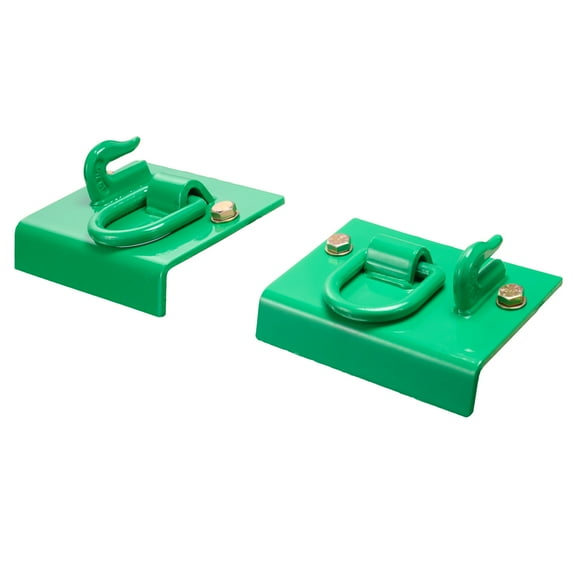


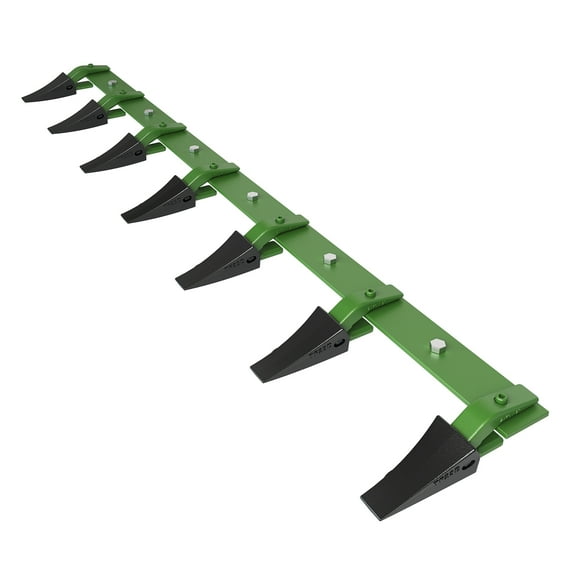
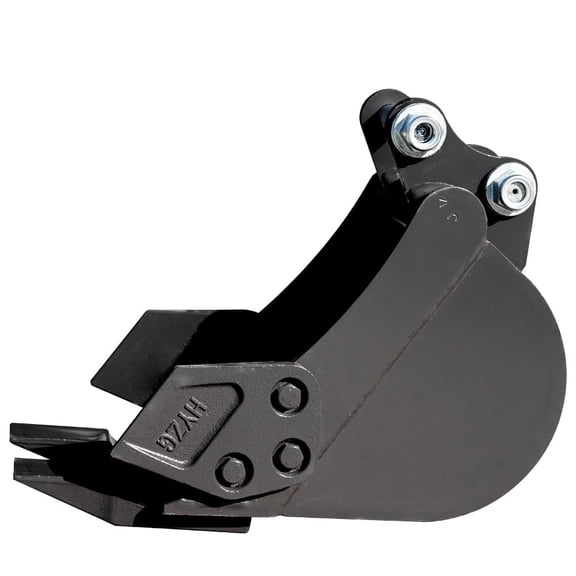
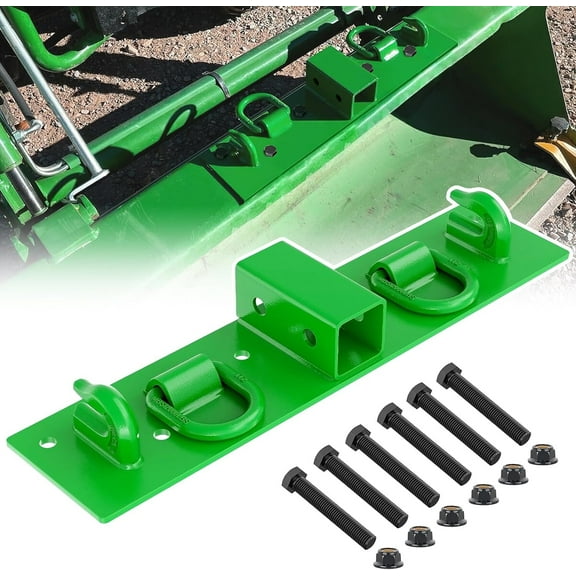

About Tractor Bucket Attachments in Tractor Attachments - Walmart.com
Tractor bucket attachments help you turn one machine into a more versatile work tool. You can compare mounting style, attachment type, and compatibility before you upgrade your loader setup.
If you manage excavation, material handling, or landscaping, you need parts that match your bucket and your workload. You’ll also want installation options that fit your tools, time, and equipment type.
How to choose tractor bucket attachments
You should start with the job you handle most often. Your daily tasks will guide whether you need teeth, forks, grapples, or cutting edges.
When you compare tractor bucket attachments, you’ll want to match the attachment width to your bucket size. You’ll also want to confirm your loader style before you choose a mount.
You can narrow your options faster by focusing on these buying points. Your decision usually comes down to fit, installation effort, and the material you move.
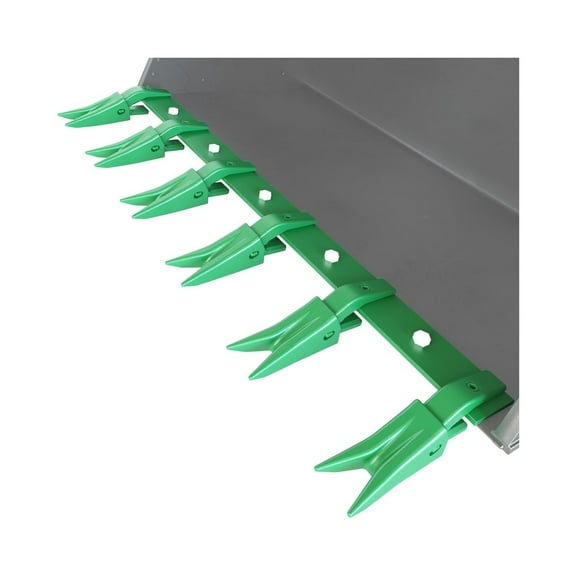
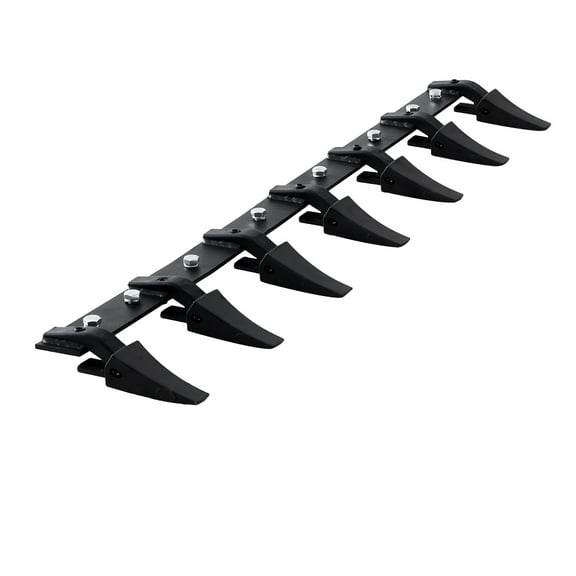
- You can add digging bite with bucket teeth for packed soil and rough ground.
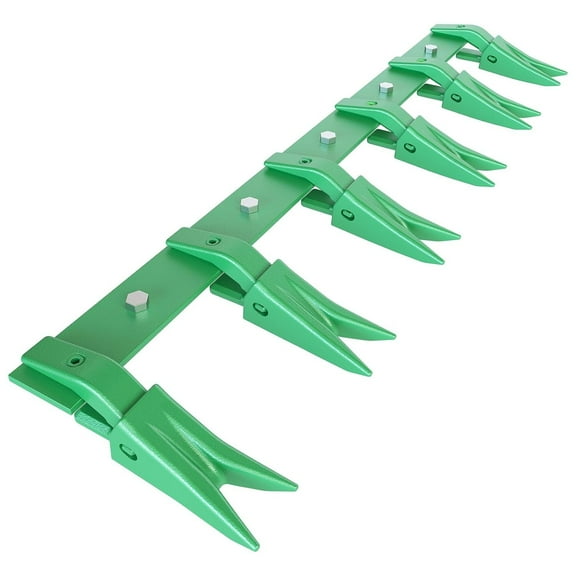
- You can improve grading and edge life with cutting edges on worn bucket lips.
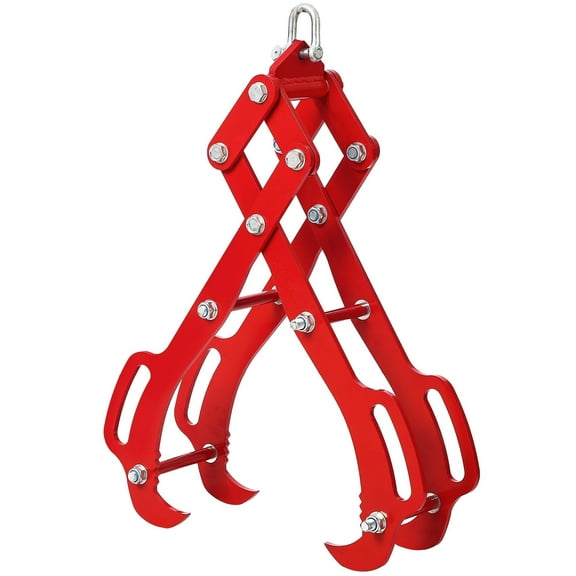
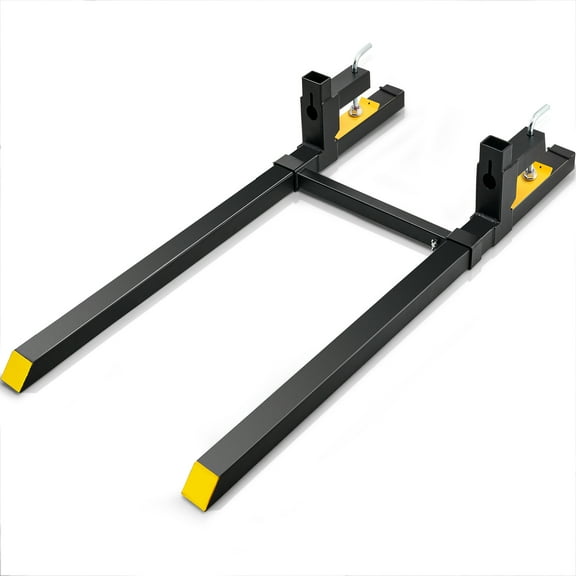
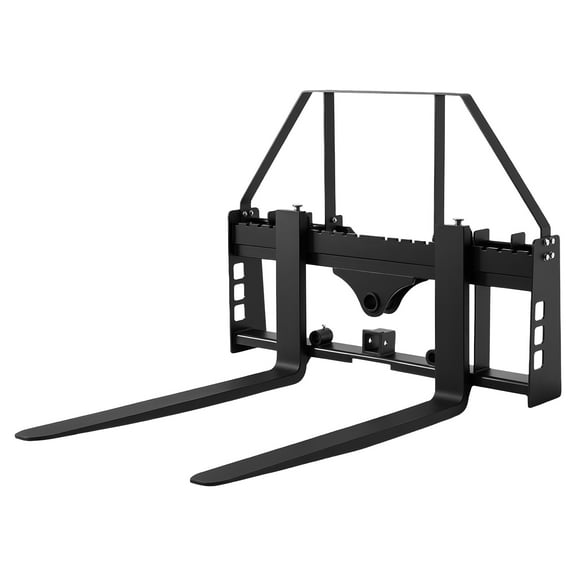
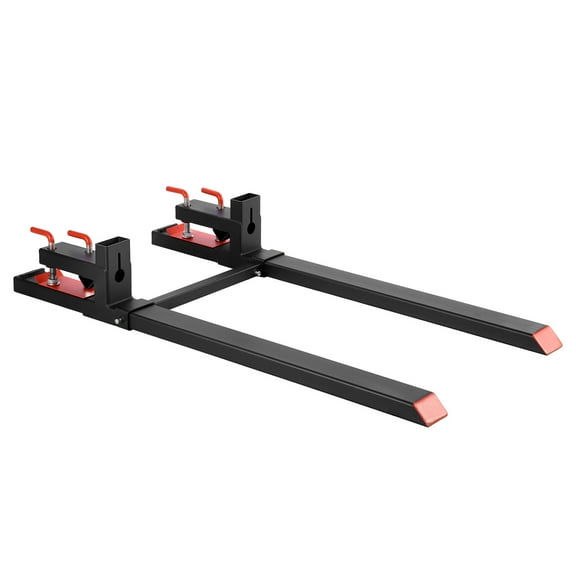
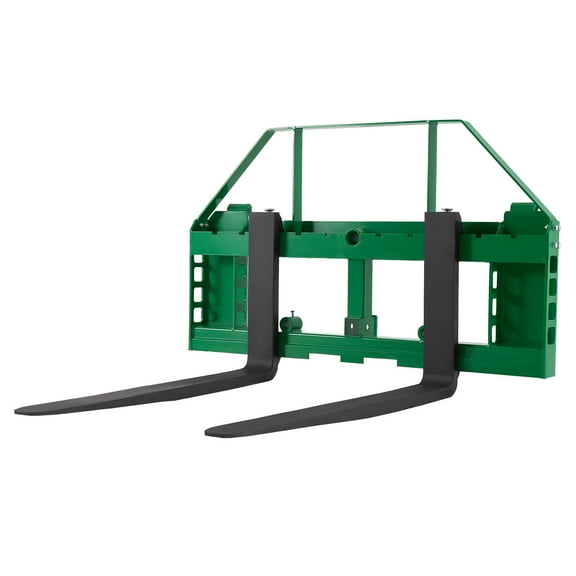
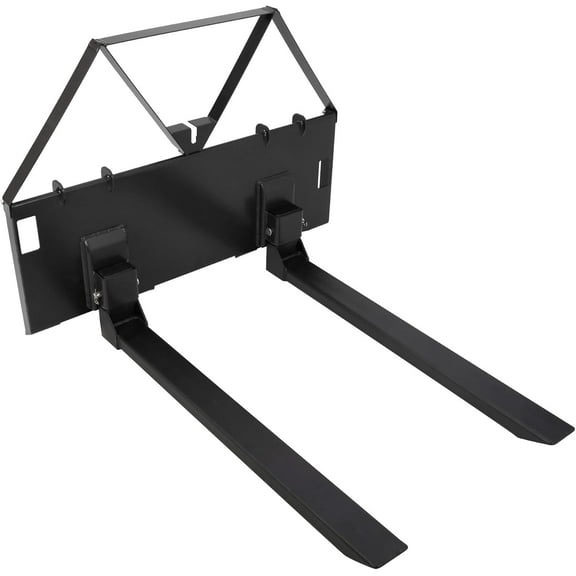
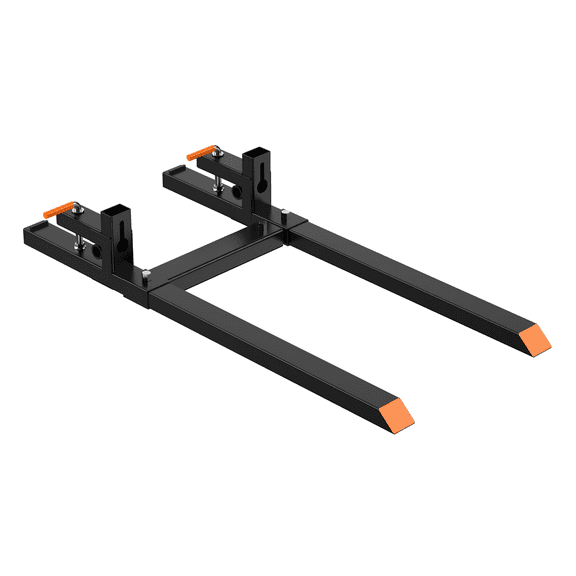
- You can lift pallets, brush, and bulky loads with forks or grapples.
- You can choose bolt-on, clamp-on, or weld-on styles based on your tools and setup.
Choosing mounting styles and bolt on tractor bucket attachments
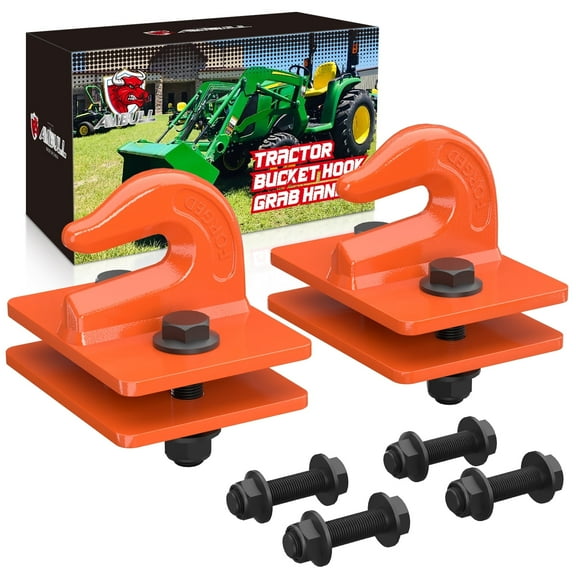
You’ll find bolt on tractor bucket attachments useful when you want a straightforward install. You can fasten them with hardware and remove them when your job changes.
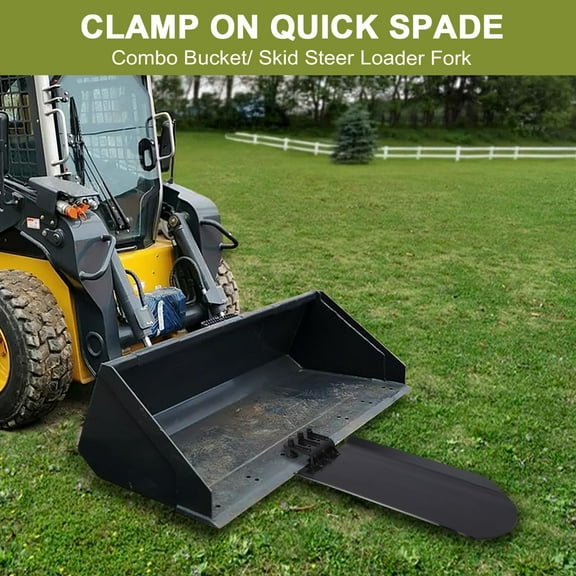
If you want minimal fabrication, you may prefer clamp-on styles for occasional use. You can attach them quickly, though you should still verify bucket lip dimensions.
You may choose weld-on options when you want a more permanent setup. You’ll need the right tools and a precise fit for your bucket edge.
You should also check whether your machine uses skid steer quick attach or pin-on hardware. That detail affects how your attachment connects to your equipment.
If you run a front end loader, you’ll want attachment points that match your carrier system. If you use a compact tractor, you’ll need a size that suits lighter equipment.
What to look for in attachment type and durability
You can choose cutting edges when you want cleaner scraping and more controlled grading. You may also use a 48 bucket cutting edge when your bucket width calls for that size.
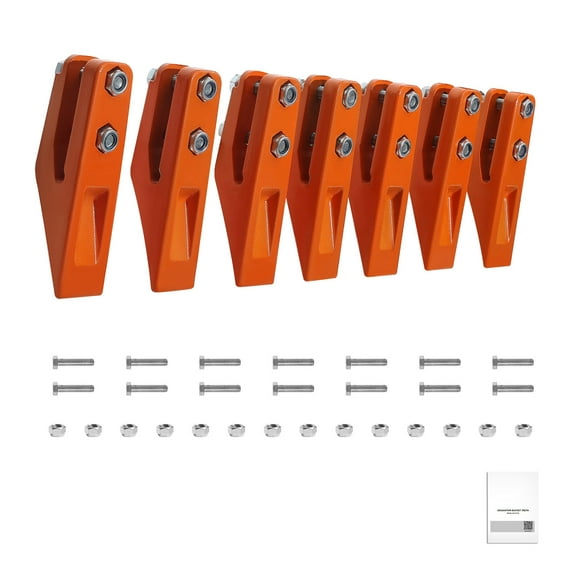
If you dig into compacted material, you’ll want teeth that add bite at the edge. You can often replace worn teeth instead of changing the whole bucket setup.
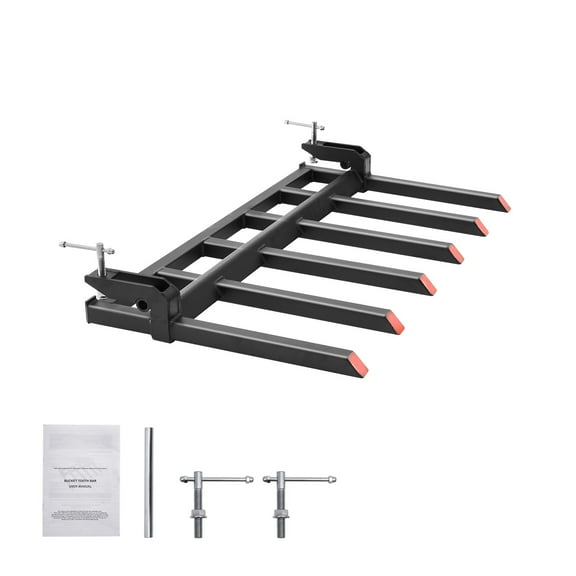
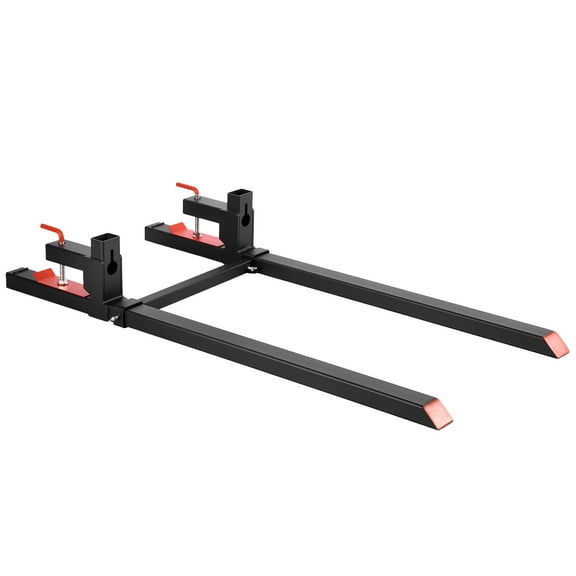
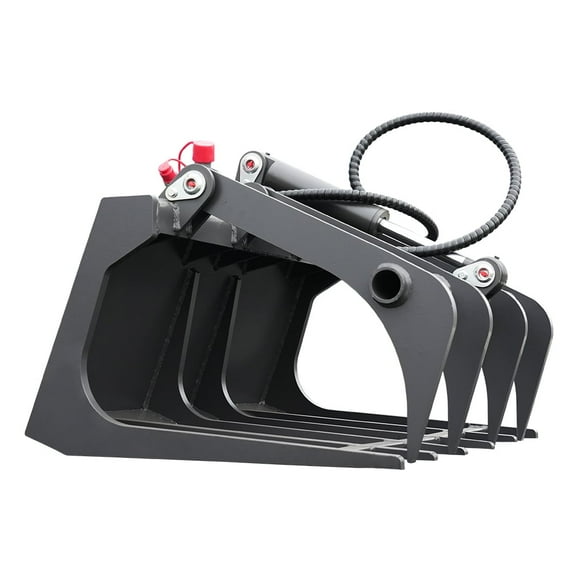
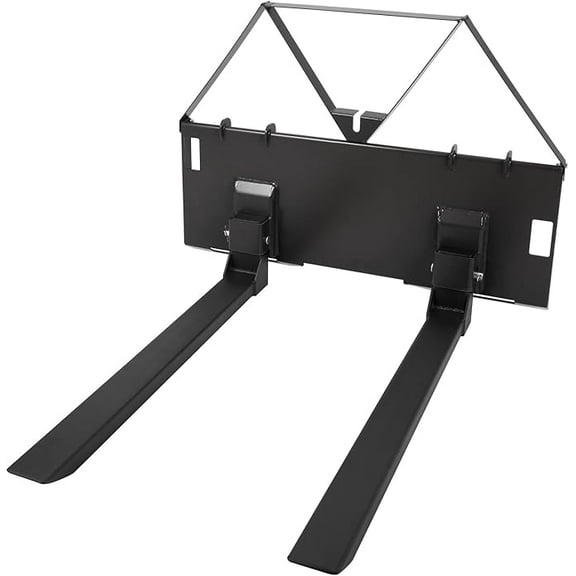
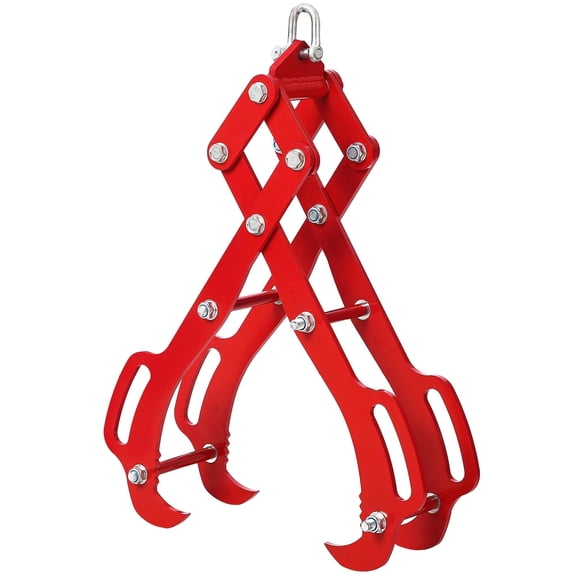
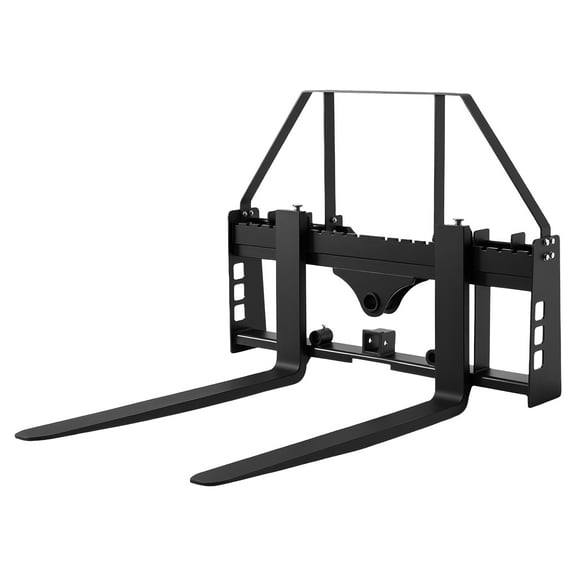
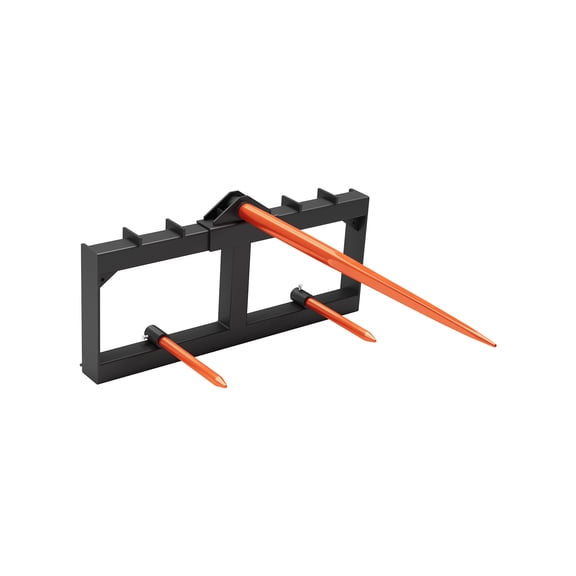
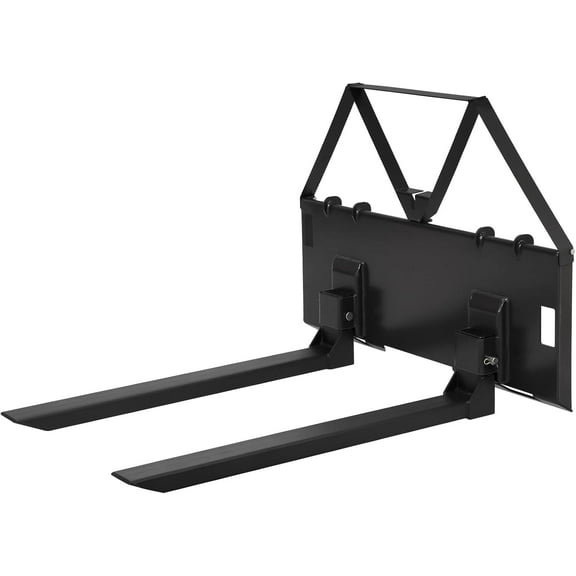
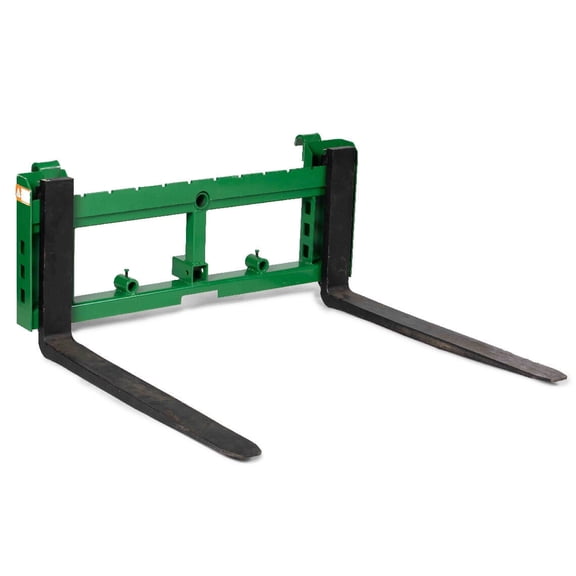
You may select grapples when you handle brush, logs, or uneven loads. You can choose forks when your work involves pallets, feed, or stacked materials.
You should compare steel grade and thickness because those details affect wear and rigidity. You’ll notice heavier material usually suits repeated contact with soil, gravel, and debris.
Your attachment should match your machine’s working capacity, not just your task list. You can keep performance more consistent when your width and weight stay in range.
Matching equipment compatibility and bucket size
You’ll want to confirm whether your attachment fits a compact tractor, a front end loader, or a skid steer. Your machine category shapes the width, mount, and duty level you need.
If your bucket is narrow, you should avoid oversized attachments that extend too far past the sides. You can keep handling more predictable when your attachment matches your bucket width.
You should also compare pin spacing, quick-attach design, and lip thickness before you buy. Those measurements help you avoid fit issues during installation.
When you shop tractor bucket accessories, you may also look for hardware kits and replacement edges. You can keep your setup working longer when your wear parts are easy to change.
You might search for tractor loader bucket attachments when you need broader compatibility across jobsite equipment. You should still measure your current bucket before you make that switch.
Using tractor bucket attachments for excavation and handling
You can use teeth and cutting edges for excavation when you need stronger ground contact. Your bucket can break into packed dirt with more control at the edge.
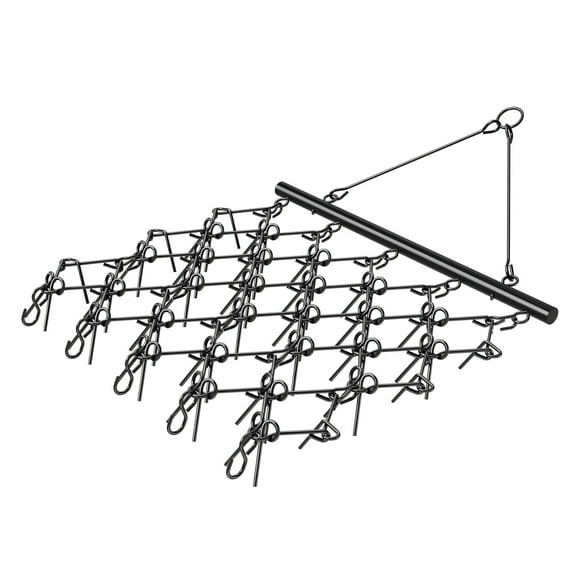
For landscaping, you may prefer attachments that help you grade soil, spread gravel, or move mulch. You can keep finish work cleaner when your edge stays even across the bucket.
If you move feed, pallets, or brush, you’ll want forks or grapples built for material handling. You can shift bulky loads with fewer trips when your attachment matches the material.
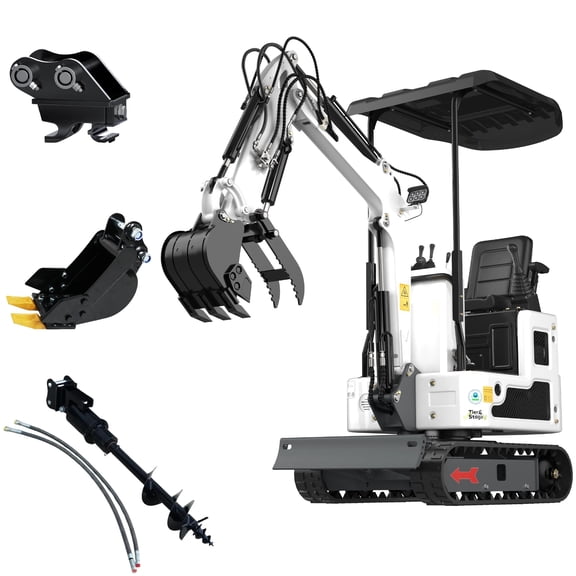
You may also compare options used with compact equipment and a walk behind excavator workflow. You can coordinate attachment choices across machines when your jobs change by season.
When your work shifts between farms, acreage projects, and construction tasks, flexible bucket attachments matter. You can adapt one machine for multiple chores without changing your whole equipment lineup.
With the right tractor bucket attachments, you can match your mount, width, and attachment type to the work ahead. You’ll get a setup that fits your equipment and supports cleaner, more efficient bucket performance.