

Tractor Alternators in Tractor Ignition Parts






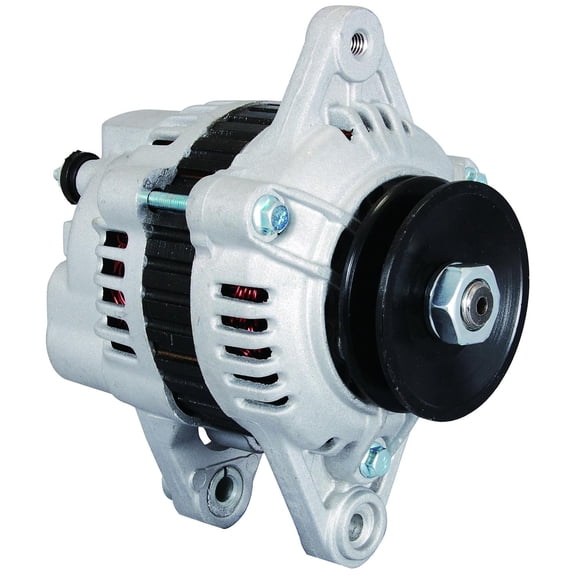


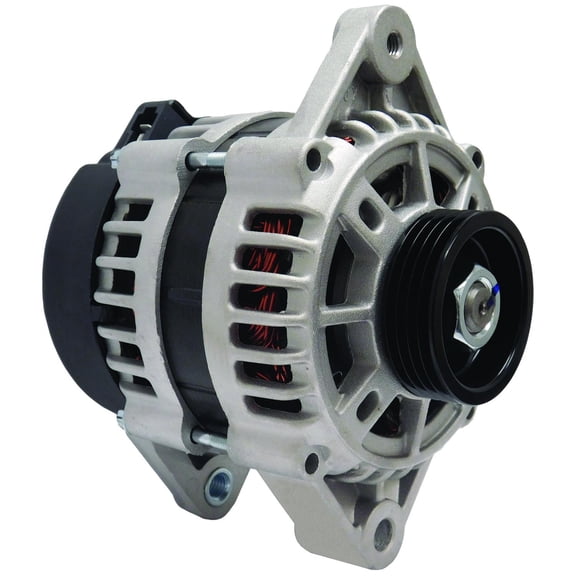

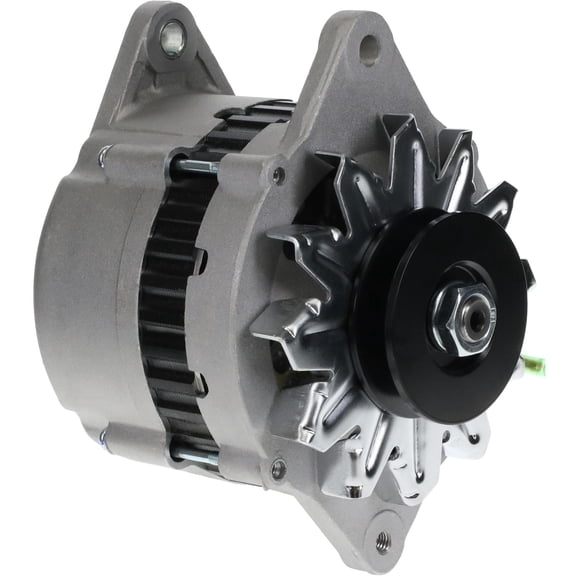
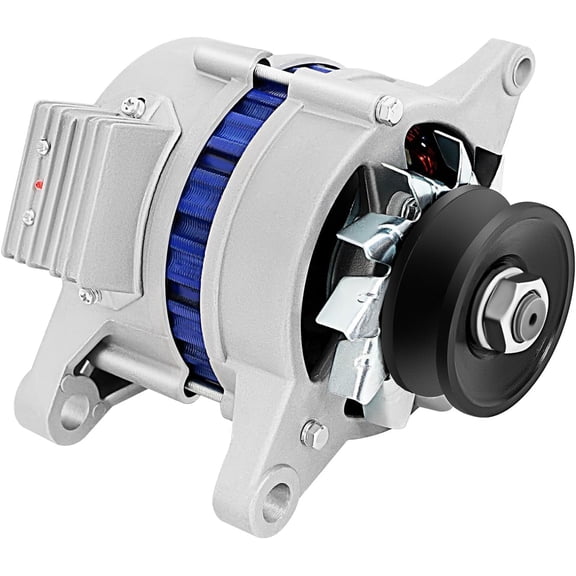











About Tractor Alternators in Tractor Ignition Parts - Walmart.com
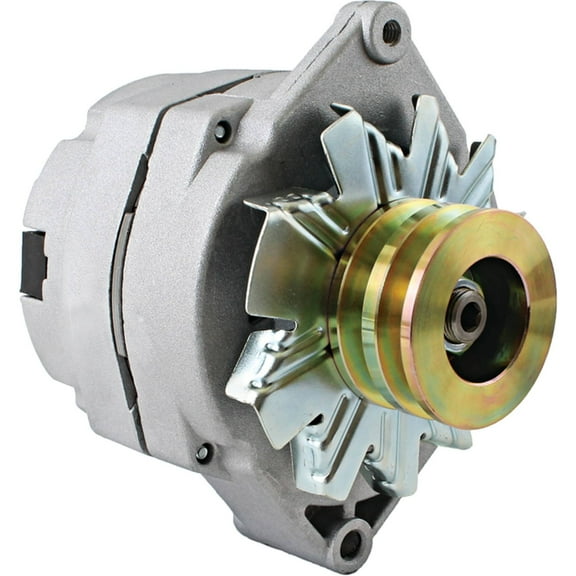
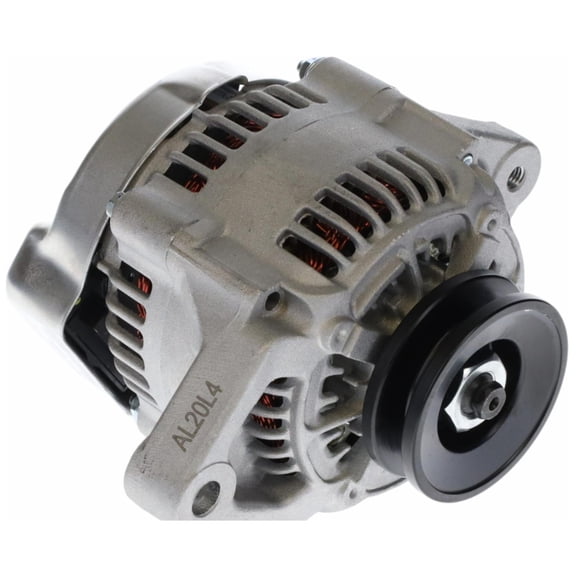
Tractor alternators help you keep your machine ready for fieldwork, mowing, and hauling. You can compare voltage, amperage, brand fitment, and regulator type in one place.
When you need a dependable charging setup, you should start with compatibility instead of guesswork. You’ll want the right mounting points, pulley style, and wiring layout for your tractor.
How to choose tractor alternators
You should match tractor alternators to your system voltage first. You’ll usually choose a 12V or 24V unit based on your tractor’s electrical system.
If you install the wrong voltage, you can create fitment headaches and extra rewiring. You should also compare amperage, because your lights, accessories, and battery charging needs affect output.
Many shoppers also check the OEM part number before they compare pictures. You’ll get a more accurate match when your replacement lines up with your original reference number.
- You should confirm 12V or 24V system compatibility before anything else.
- You should compare 35 amp, 55 amp, 72 amp, and 95 amp output with your tractor’s electrical demand.
- You should check the mounting bracket style so your alternator fits your engine setup.
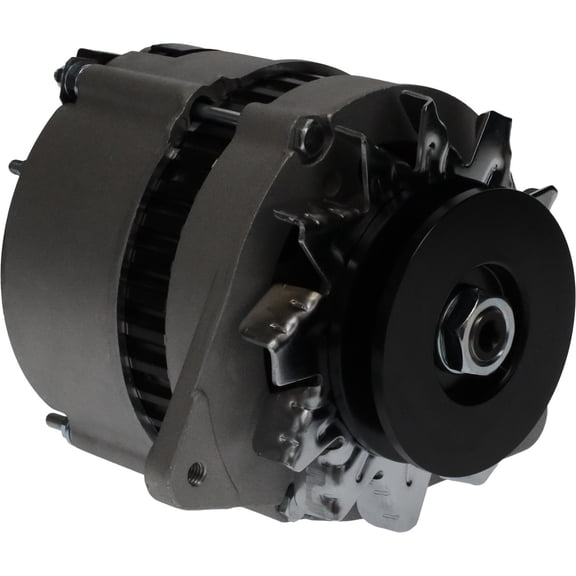
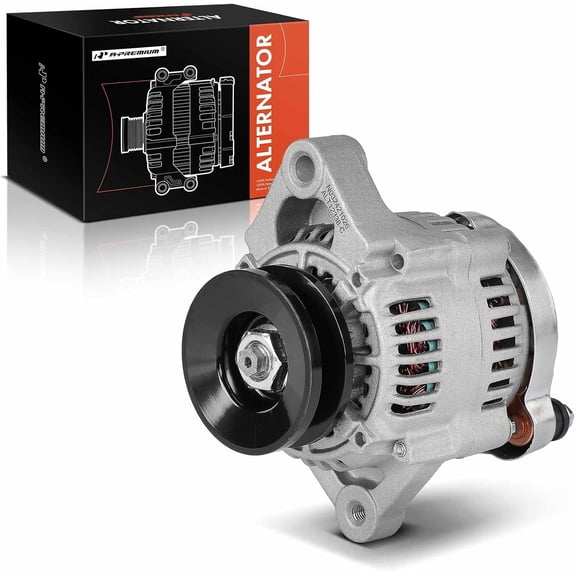
- You should match pulley configuration, including single groove or double groove designs.
- You should review regulator type and wiring connections before installation.
Choosing a 12v tractor alternator or 24V setup
A 12v tractor alternator often fits many common utility and compact tractor systems. You’ll usually see this option when your machine powers standard lighting, ignition, and charging tasks.
If your equipment uses a 24V system, you should keep that setup consistent. You’ll avoid unnecessary changes when your alternator matches your existing electrical design.
Amperage matters after voltage, because output affects how quickly your battery recharges during operation. You should look at 35 amp for simpler systems and higher outputs for added accessories.
When your tractor runs work lights, cab electronics, or extra electrical equipment, you may need 72 amp or 95 amp output. You’ll want that added capacity for steady charging during longer jobs.
Matching replacement tractor alternators by brand and fitment
Replacement tractor alternators make more sense when you narrow your search by tractor brand and model. You should compare fitment details for John Deere, Kubota, Ford, and Massey Ferguson applications.
Even within one brand, you may find different brackets, pulleys, and wiring plugs. You’ll want to verify engine series, model year range, and original part references before you choose.
A universal tractor alternator can help when you’re updating an older setup or replacing a hard-to-find unit. You should still measure mounting ears, pivot spacing, and belt alignment before installation.
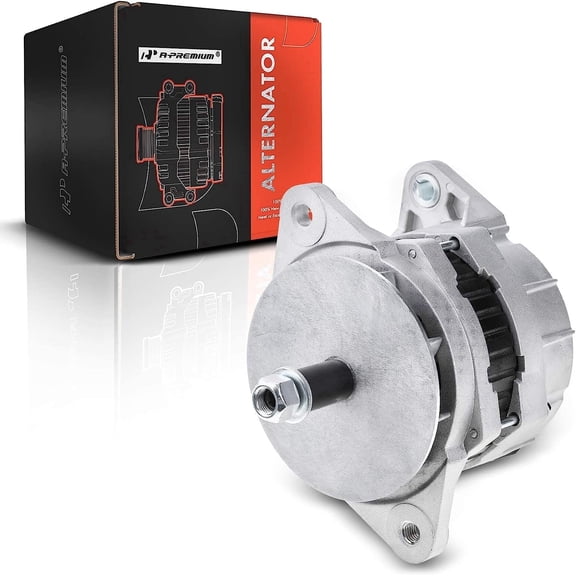
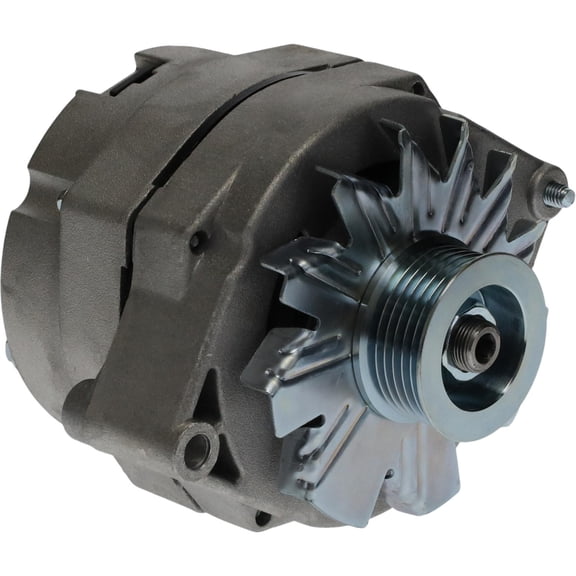
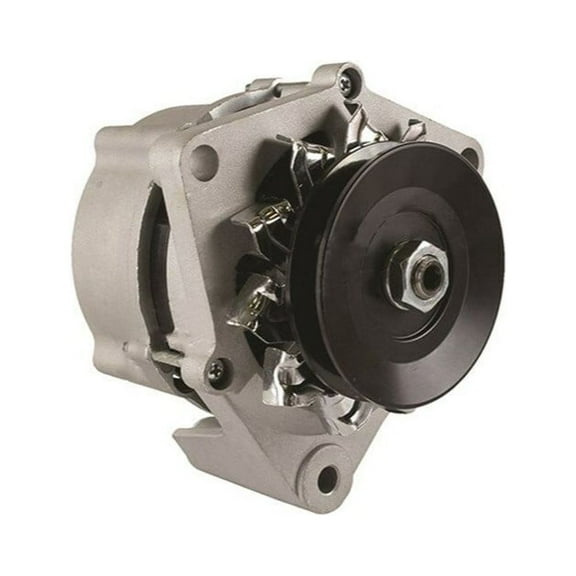
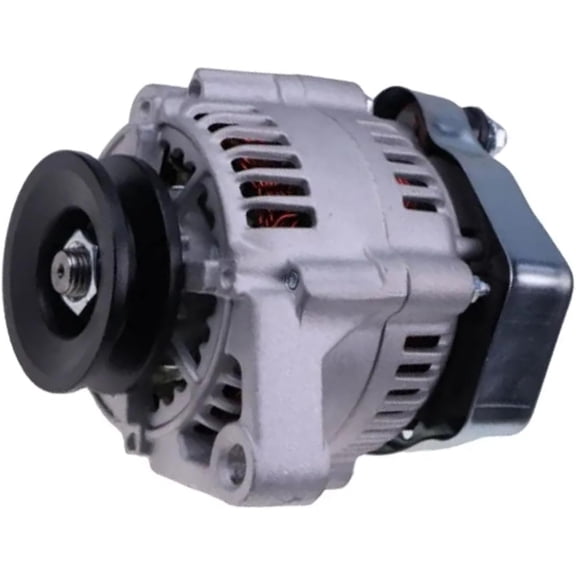
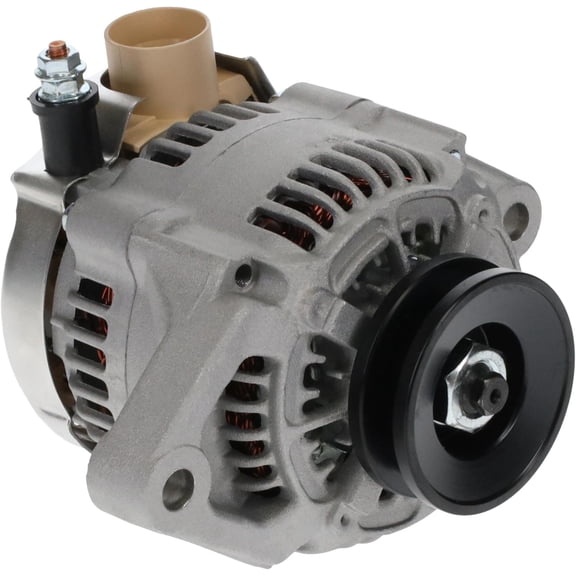
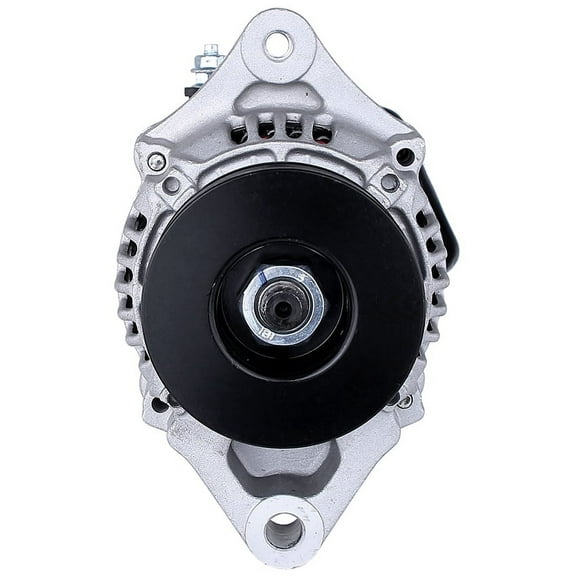
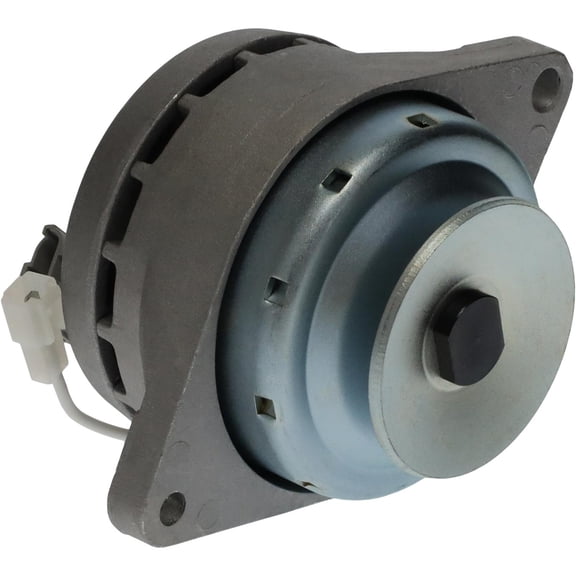
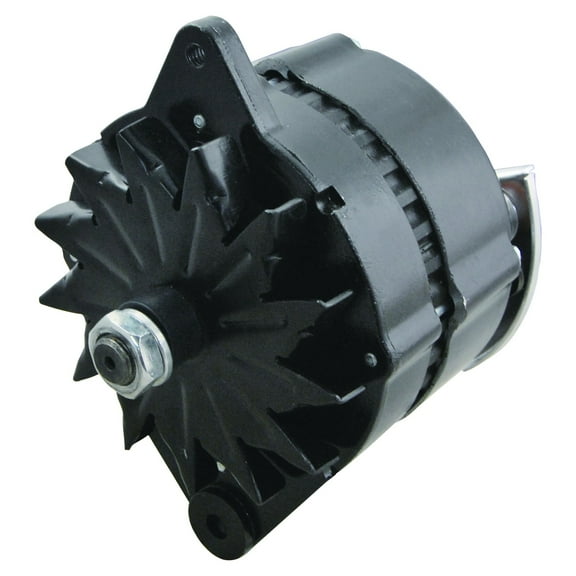
Bracket style is a major fitment detail that shoppers often overlook. You’ll need the alternator body to line up with your tractor alternator bracket and adjustment arm.
Pulley configuration also changes how your replacement performs on the tractor. You should match single groove or double groove pulleys to your belt width and belt count.
Understanding regulator type and tractor alternator wiring
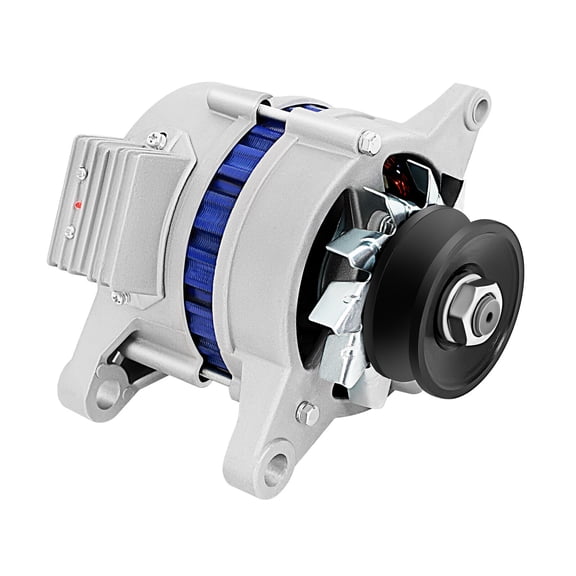
You should compare regulator type before you finalize a tractor alternator replacement. You’ll typically choose an internal regulator or an external regulator design.
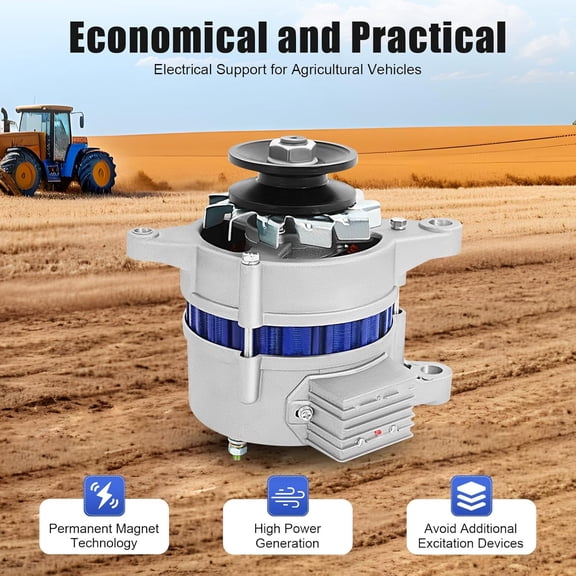
An internally regulated tractor alternator manages voltage within the unit itself. You may prefer this setup when you want a cleaner install with fewer separate components.
An external regulator setup uses a separate control box in the charging system. You should match that design when your tractor already uses that wiring arrangement.
Tractor alternator wiring should match your connector style and terminal layout. You’ll save time when you compare plug shape, post locations, and wire count before installing.
If you’re converting from a generator to an alternator, you should review the wiring path and bracket position carefully. You’ll also want to confirm pulley alignment and belt tension points.
Using tractor alternator replacement parts for real jobs
You may need tractor alternator replacement parts before spring planting, fall cleanup, or routine property work. You’ll notice charging consistency matters when your tractor starts often and runs accessories daily.
For compact tractors, you might choose a 12V unit with moderate amperage and simple wiring. You’ll often get the fit you need by checking model compatibility and pulley style first.
For larger tractors with added lights or cab equipment, you may lean toward higher amperage output. You should compare 72 amp or 95 amp options when your workload includes long operating hours.
If you maintain mixed equipment, you may look for cross-reference details that simplify ordering. You’ll benefit from checking OEM numbers, brand fitment notes, and regulator type together.
When your tractor works in dusty fields or uneven conditions, you should focus on secure fitment and stable belt tracking. You’ll appreciate a matched bracket and pulley setup during repeated use.
With the right tractor alternators, you can match voltage, amperage, fitment, and wiring with less trial and error. You’ll get a charging solution that fits your tractor and supports dependable operation.