




Traction Equipment in Physical Therapy


















![[Gazdag]Neck Stretcher Cervical Traction Cervical Neck Traction Device for Home Use Over The Door Neck Traction Portable Neck Pain Relief Physical Therapy AIDS for Neck Decompression Device](https://i5.walmartimages.com/seo/Neck-Stretcher-Cervical-Traction-Cervical-Neck-Traction-Device-Home-Use-Door-Neck-Traction-Portable-Neck-Pain-Relief-Physical-Therapy-AIDS-Neck-Decom_0b3a891b-27e7-4908-90f8-75b3401f82f5.d32ad47587d94d6a24d20c383890a5ba.jpeg?odnHeight=576&odnWidth=576&odnBg=FFFFFF)




About Traction Equipment in Physical Therapy - Walmart.com
Cervical traction at home helps you compare neck and back support equipment with clearer decision points. You can sort by device type, target area, and operation style, so your setup fits your space and routine.
How to choose cervical traction at home equipment
When you compare traction equipment, you should start with the area you want to support. You can narrow your options between cervical designs for your neck and lumbar designs for your lower back.
You should also consider how much setup you want for each session. If you want a simpler routine, you may prefer an at home traction device with fewer parts.
Another key choice is how the device creates pull and positioning. You can compare static tension, manual pump systems, and pneumatic decompression to match your comfort level.
Why these traction devices work for home routines
You can build a more consistent routine when your equipment matches your room, schedule, and preferred setup steps. You may find that a simpler format helps you repeat sessions with less interruption.
Your comfort can also improve when you compare padding, strap design, and contact points before choosing. You can focus on options that feel balanced around your head, jaw, neck, or back.
You’ll also notice that storage and portability shape daily use more than you might expect. You can keep travel-friendly options in a drawer, while larger units fit a dedicated space.
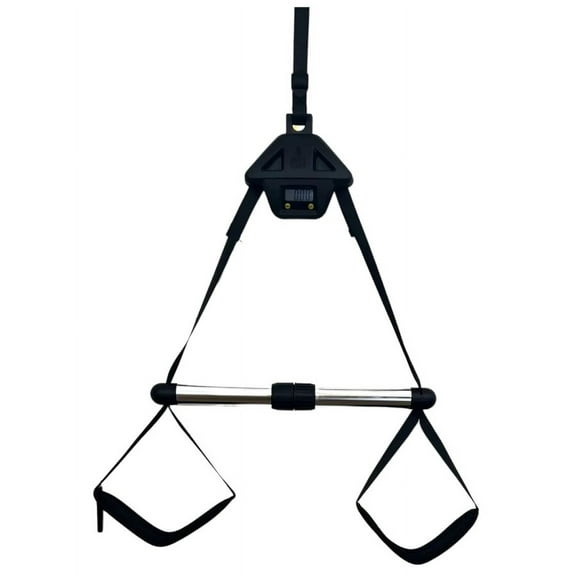
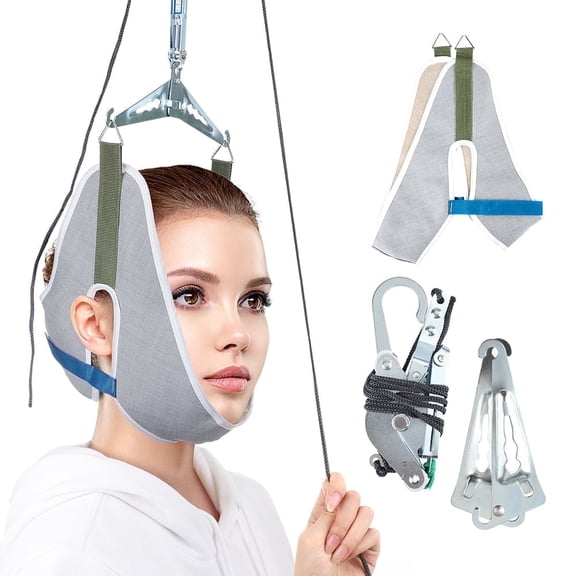
- You can choose over-door designs when you want doorway setup and compact storage.
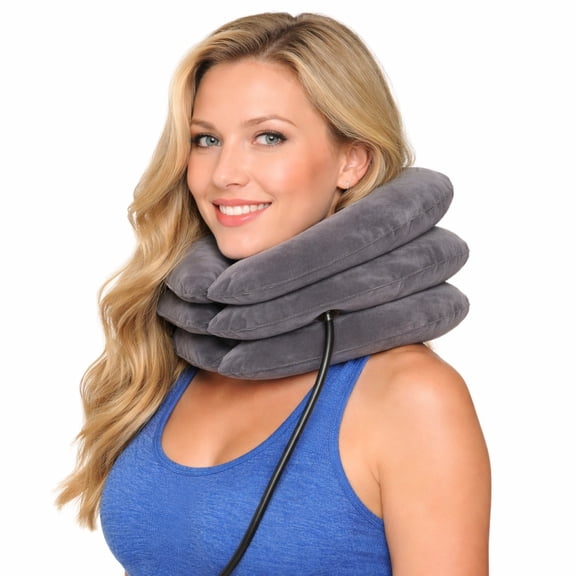
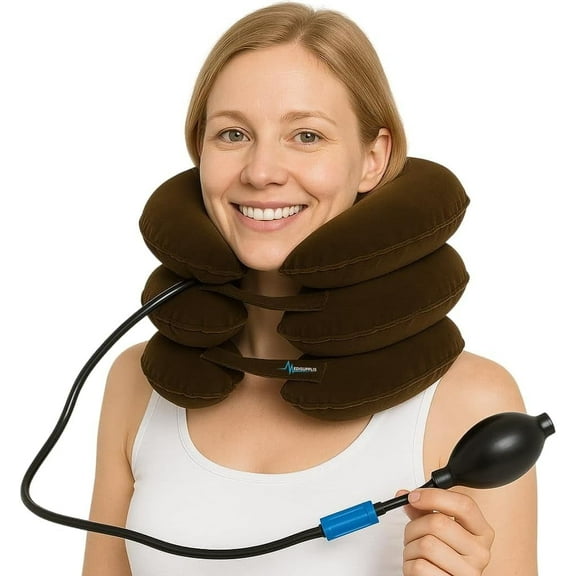
- You can choose inflatable collars when you want a travel-friendly neck traction device for home use.
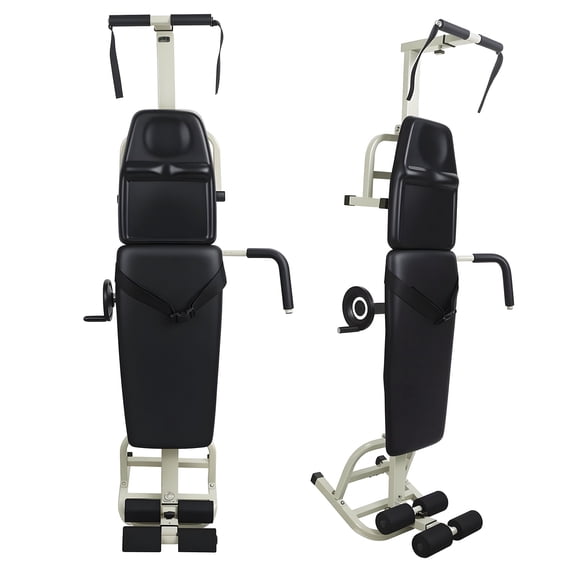
- You can choose table or posture styles when you want a flatter setup surface and guided positioning.
- You can compare each traction apparatus by space needs, setup steps, and comfort details.
Choosing between traction devices by type and target area
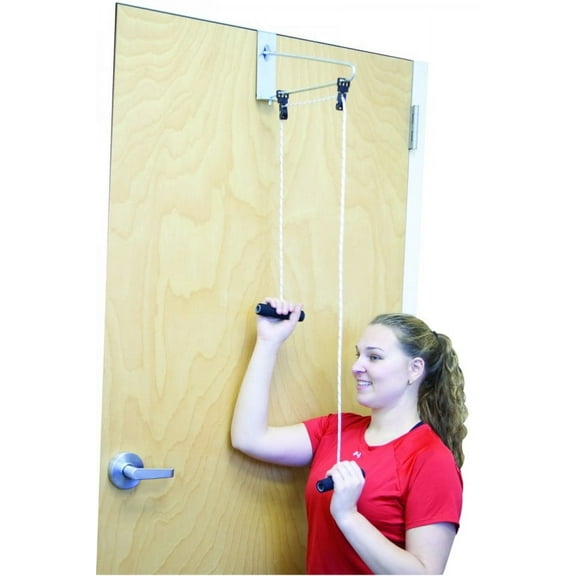
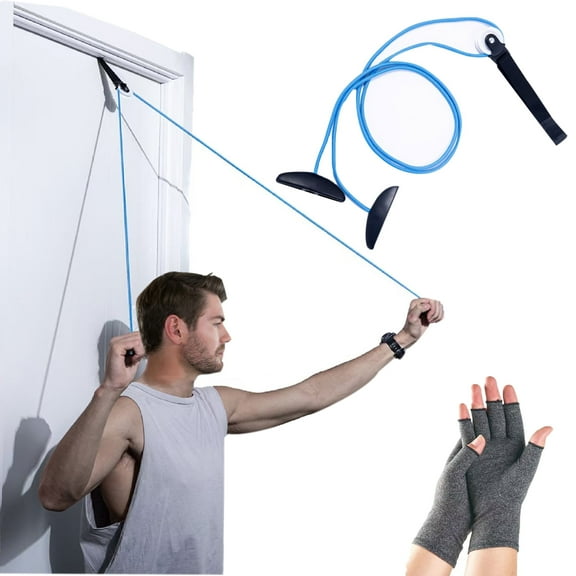
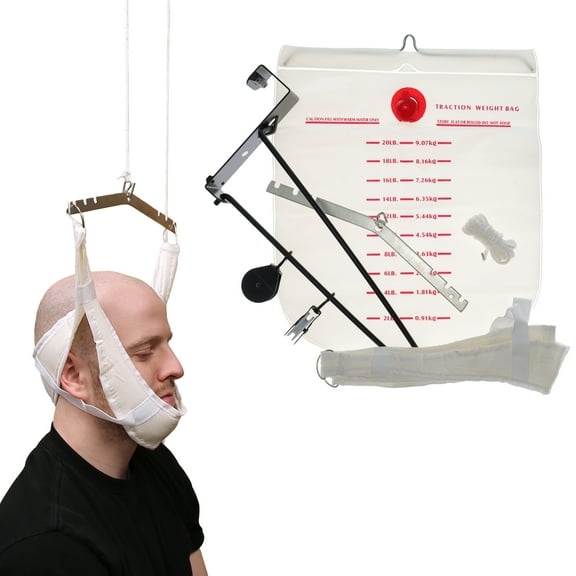
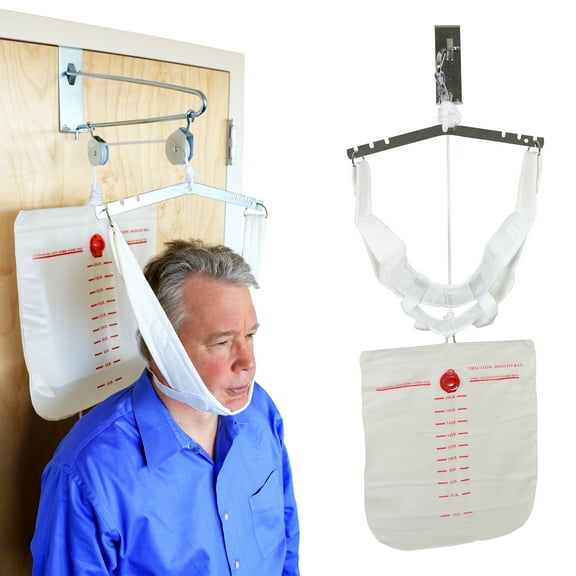
Over-door traction devices work well when you want a compact setup that hangs in a standard doorway. You can use that style when you prefer a vertical pull and easy storage between sessions.
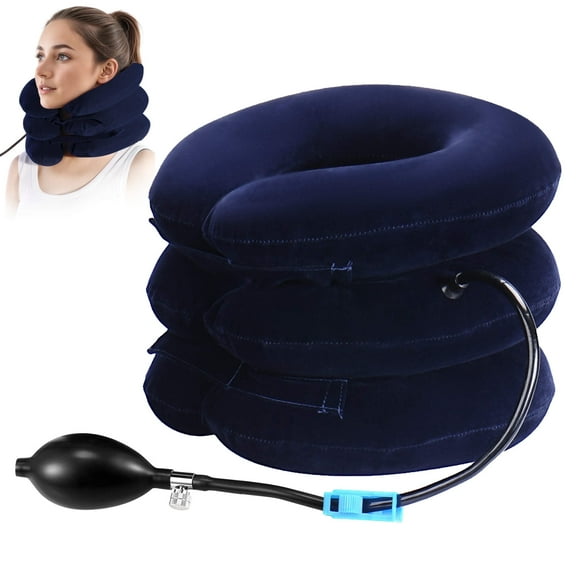
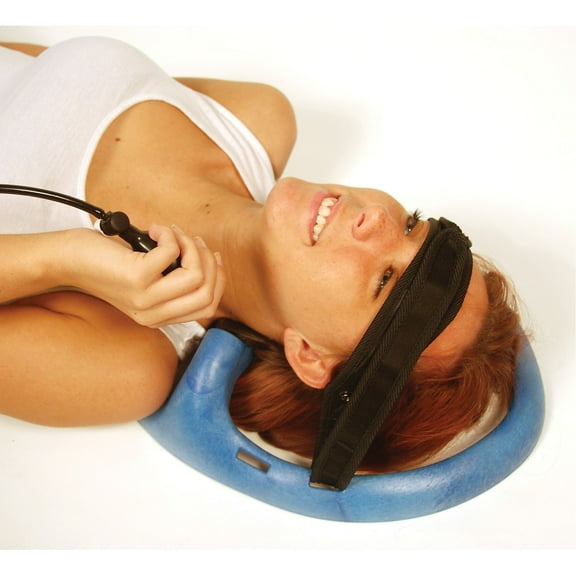
An inflatable collar gives you a smaller home neck traction device that travels easily and stores in a drawer. You may like that format when you want quick setup and a lighter footprint.
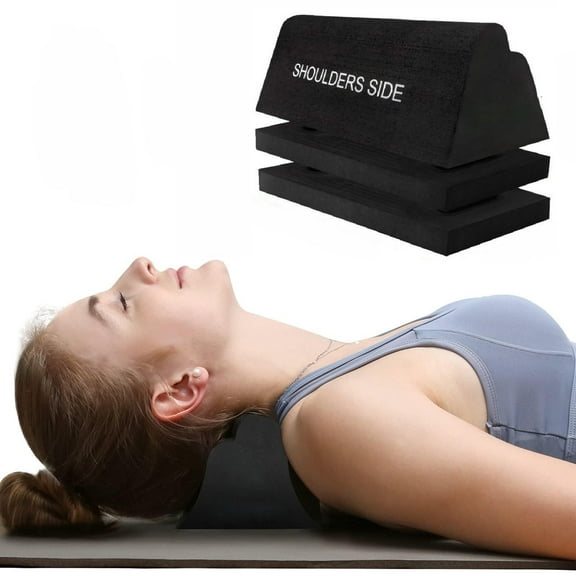
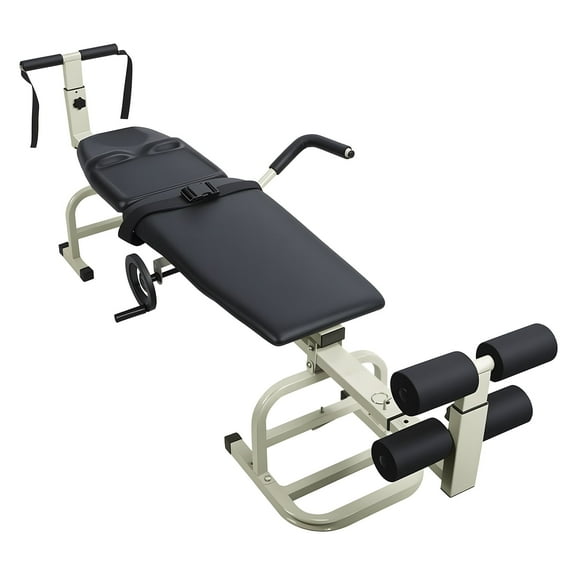
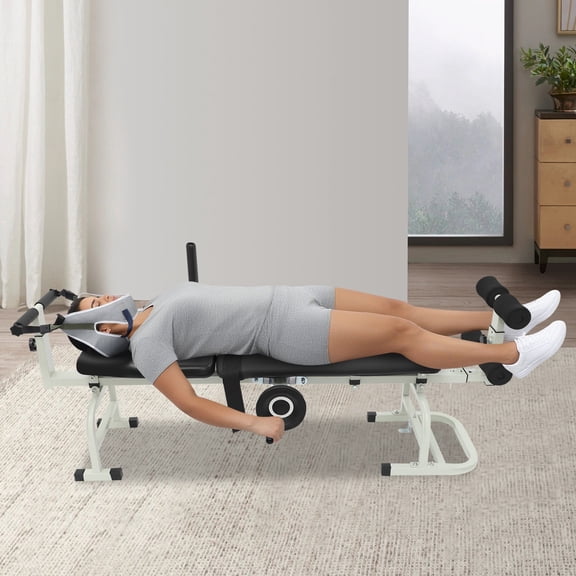
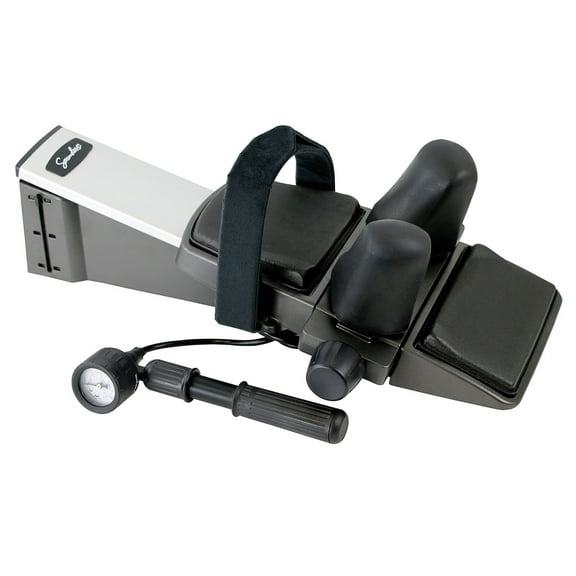
Mechanical table styles and posture pump options give you a floor or surface-based setup. You can compare these choices when you want more positioning support during cervical traction for home use.
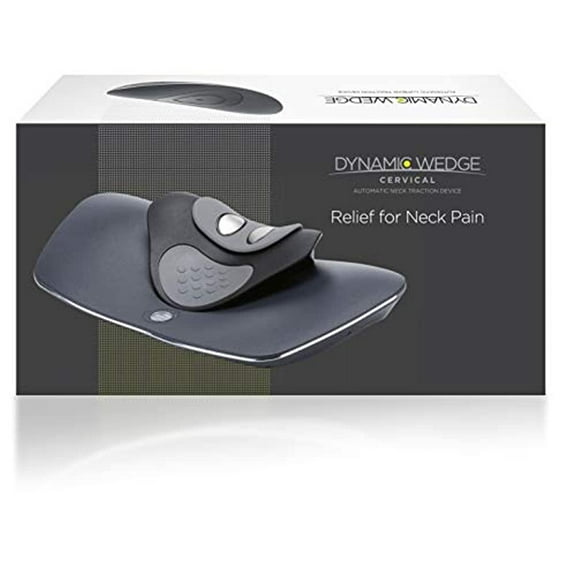
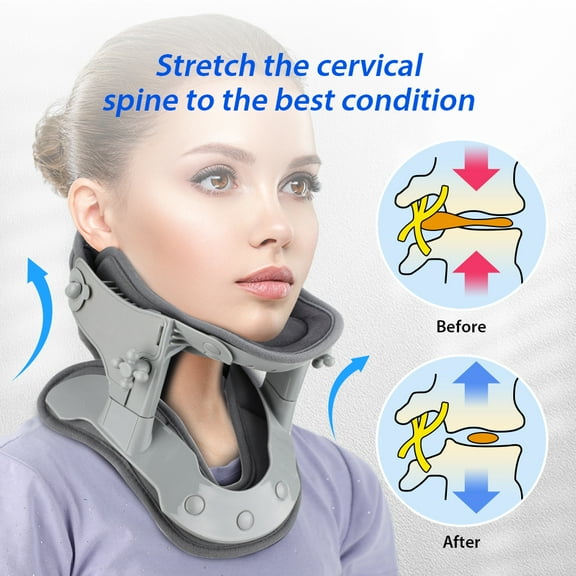
If you want cervical traction at home, you should check whether the device supports neck positioning and angle control. You may notice that cervical options focus on head support, chin placement, and controlled pull direction.
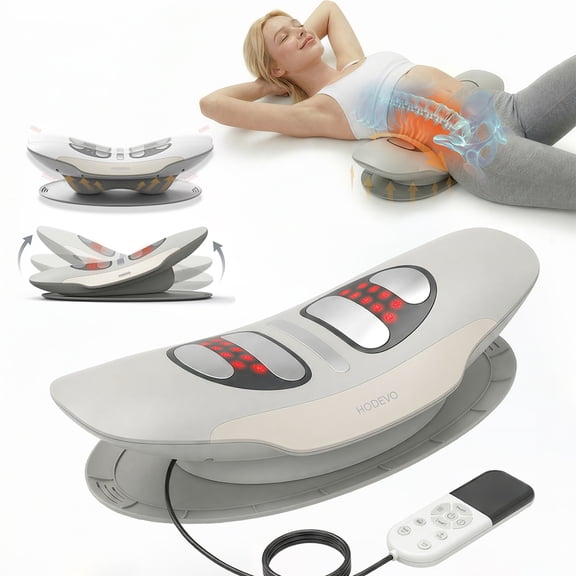
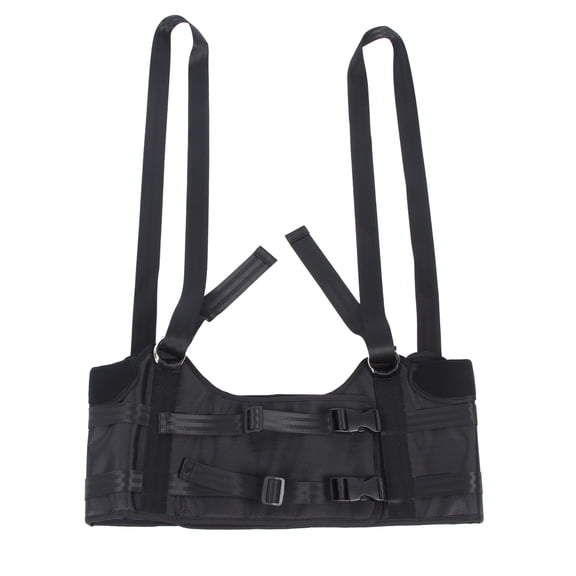
If you want lower back support, you should compare lumbar-focused home traction devices with different body positions. You can look for formats that fit a floor, bed, or table depending on your routine.
What to look for in traction machine features
You should check tension range before you choose a traction machine. A clear poundage or tension limit helps you compare models with more confidence and clearer setup expectations.
Traction angle matters because you want the pull direction to match your intended positioning. You can compare designs that let you adjust height, incline, or strap placement more precisely.
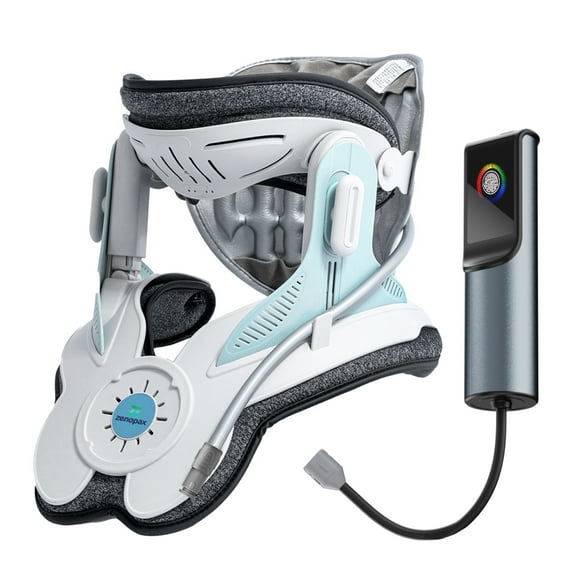
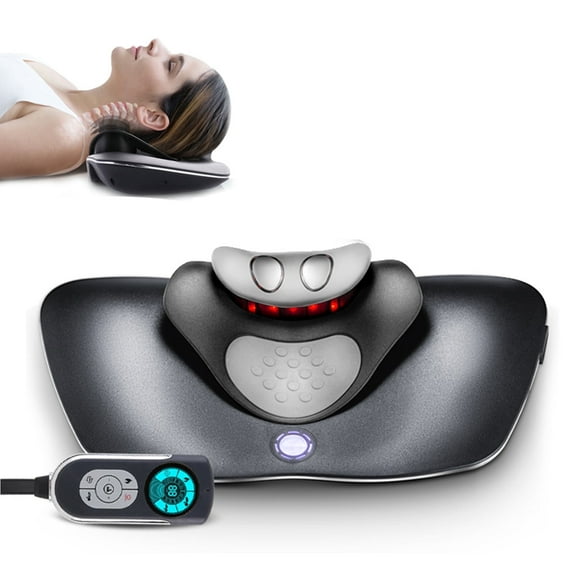
Manual pump systems let you control pressure in small steps during use. You may prefer that mechanism when you want to fine-tune your neck decompression device at home.
Static tension systems use hanging weight or fixed pull to create steady traction. You can consider that style when you want a simple routine with fewer moving parts.
Pneumatic decompression styles often use air pressure for gradual adjustment. You can compare that option when you want smoother changes during your home traction unit sessions.
Setup style can change your daily routine as much as the mechanism does. You may find over-door systems fit vertical spaces, while floor-based units fit bedrooms, living rooms, or therapy corners.
You should also consider how easily you can position the device by yourself. A neck traction device for home with simpler straps, handles, or pumps can make repeat sessions easier.
Matching home traction devices to your space and routine
Comfort often comes down to how the device contacts your head, jaw, or back. You can compare foam padding, chin supports, and broader contact points for a more balanced feel.
Some shoppers prefer wider cushioning that spreads pressure across more surface area. You may prefer softer contact materials when you want longer sessions to feel more manageable.
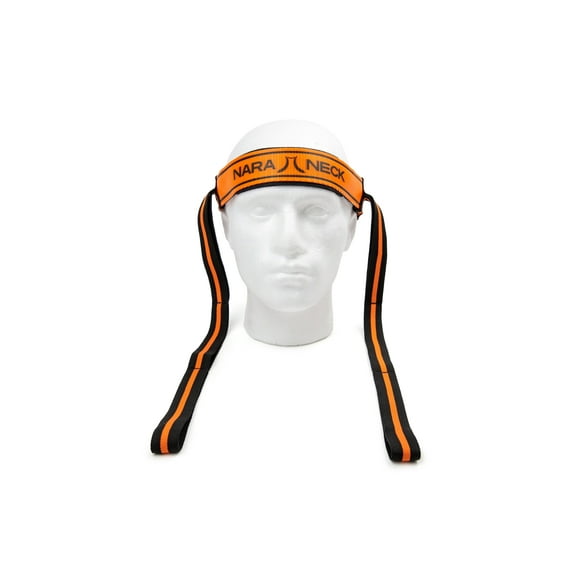
You should also look at strap design and adjustability before choosing a neck traction machine. Smaller adjustments can help you create a more secure and consistent fit.
If you share equipment with another household member, you may want a traction apparatus with flexible sizing. You can compare adjustable features that help different users create a personalized setup.
Travel-friendly options work well when you want traction equipment that packs into a bag or drawer. You can keep that format ready for trips, office storage, or smaller homes.
A home-use unit usually gives you a balance between setup support and everyday convenience. You may prefer that category when you want a regular routine without dedicating much floor space.
Professional-style options tend to be larger and more structured in design. You can compare those options when you want a sturdier footprint and more guided positioning features.
Storage matters if you want your device accessible without cluttering your room. You should measure your doorway, shelf, or floor area before choosing a cervical traction device for home use.
If you want a compact neck setup, you may choose an inflatable collar with manual adjustment. You can keep that option nearby when portability and fast storage are your priorities.
If you want a more anchored routine, you may choose over-door traction devices for upright use. You can compare those designs when you have a consistent doorway and a repeatable setup area.
If you want broader body positioning support, you may prefer a table-style traction machine or posture pump. You can use that style when surface stability matters during setup.
If you want a cervical traction device for home use with simpler self-administration, you should compare fewer-step systems. You can focus on handles, pumps, and strap layouts that feel easier to repeat.
When you compare cervical traction at home options carefully, you can choose equipment that fits your space, positioning needs, and routine. You’ll get a clearer path to consistent setup and more confident daily use.