

Play Workbenches & Tools in Pretend Play




























About Play Workbenches & Tools in Pretend Play - Walmart.com
You can spark hands-on play with toy workbenches and tools that fit your child’s age, space, and favorite building routines. You’ll also find choices with realistic parts, simple setup details, and tool assortments that make pretend projects feel more complete.
How to choose toy workbenches and tools by age
You should start with age suitability because bench height, part size, and play style change across early childhood. You’ll usually want a toddler tool bench for shorter reach, larger pieces, and simple motions.
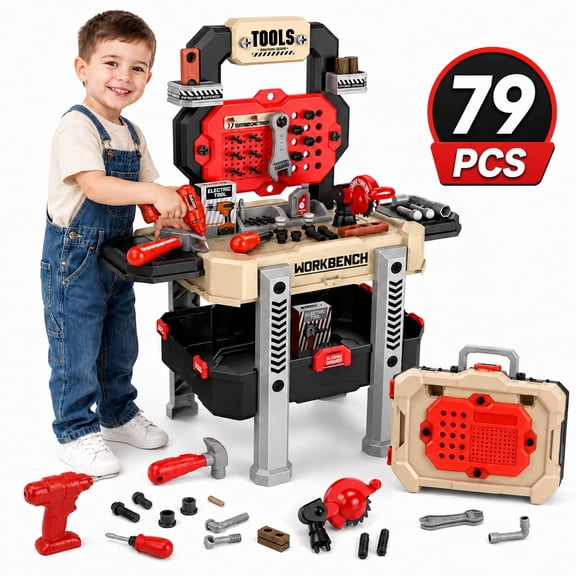
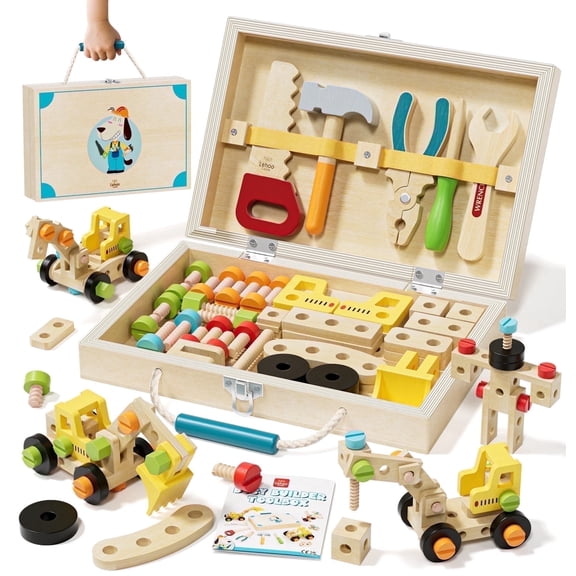
If your child is in the preschool stage, you may prefer a toy workbench with more parts to sort, stack, and attach. You’ll often see pretend play tools like hammers, screwdrivers, and bolts that support longer play sessions.
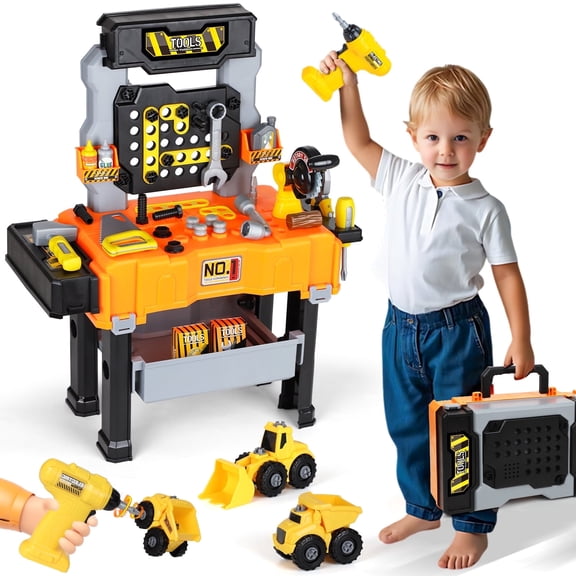
For older kids, you can compare larger stations with more storage, extra surfaces, and activity zones. You’ll get a play workshop feel that supports building sequences, sorting pieces, and repeating favorite pretend repair jobs.
What to look for in a kids tool set
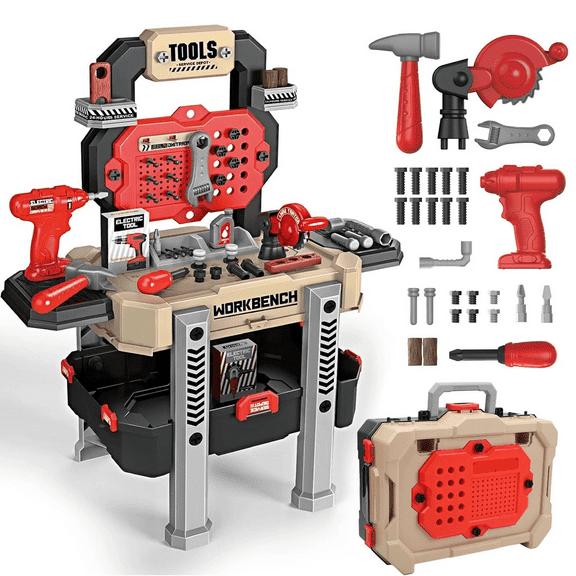
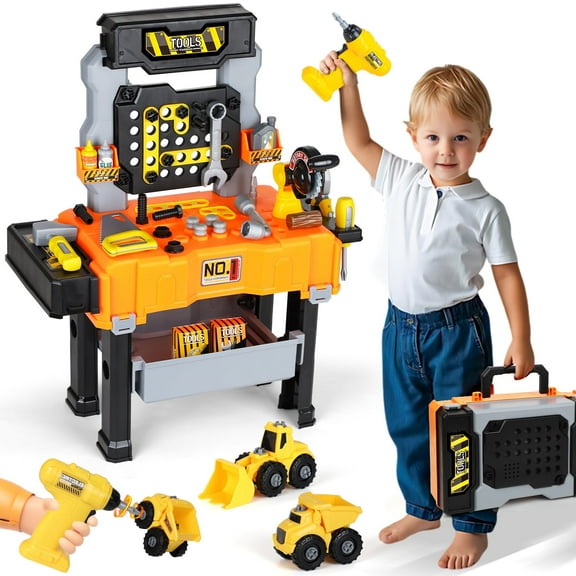
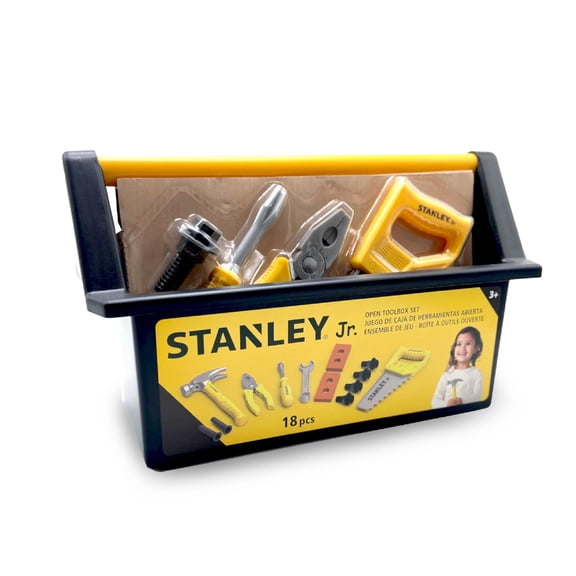
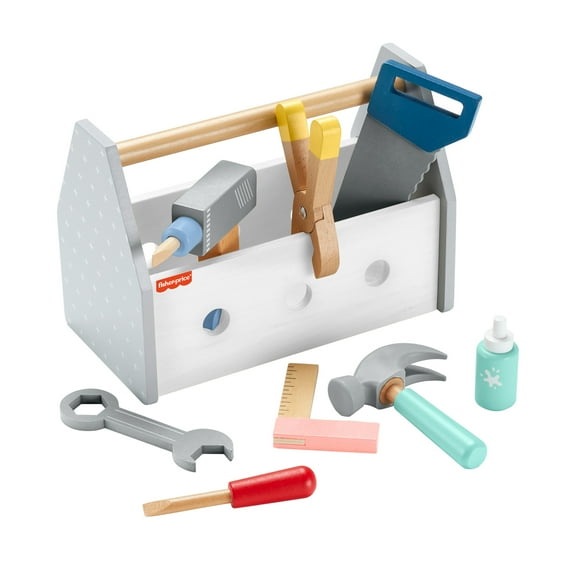
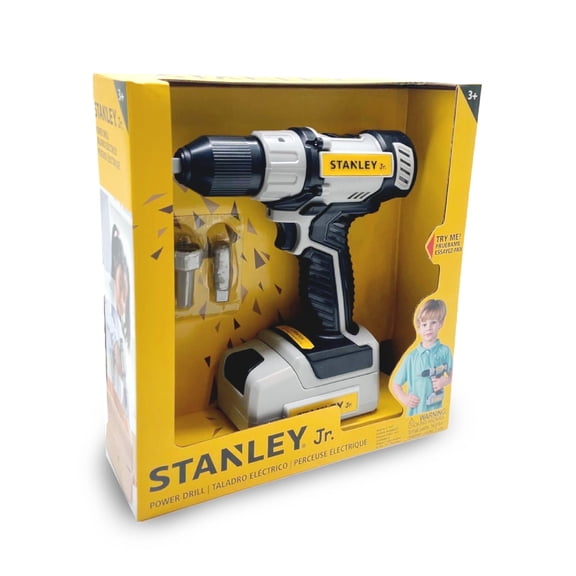
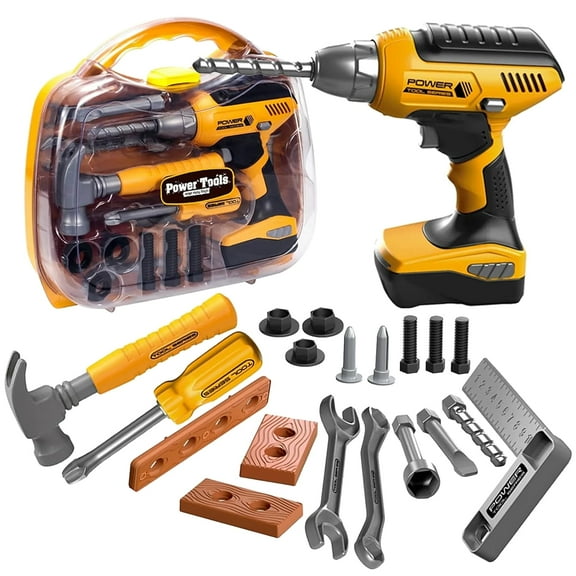
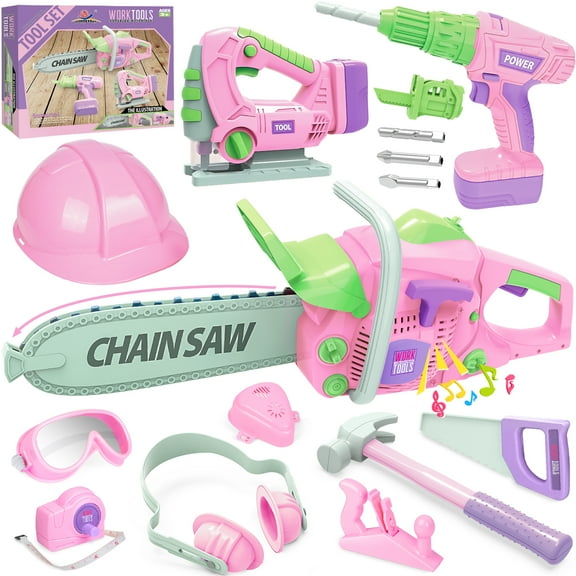
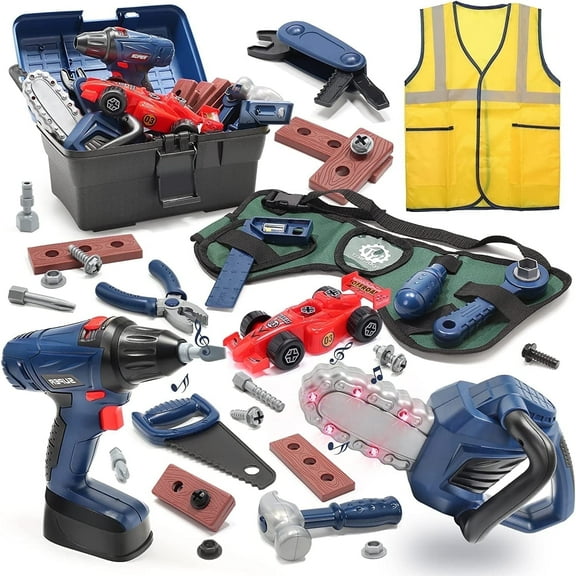
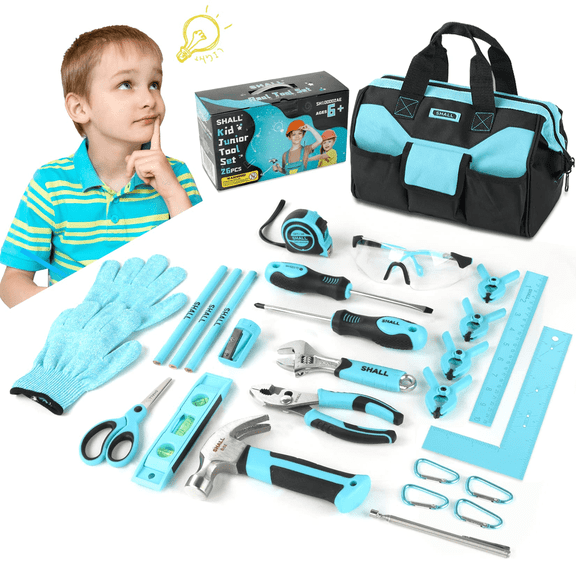
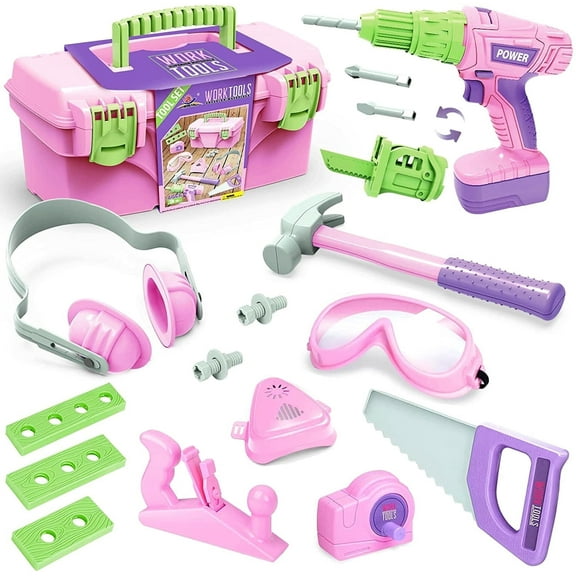
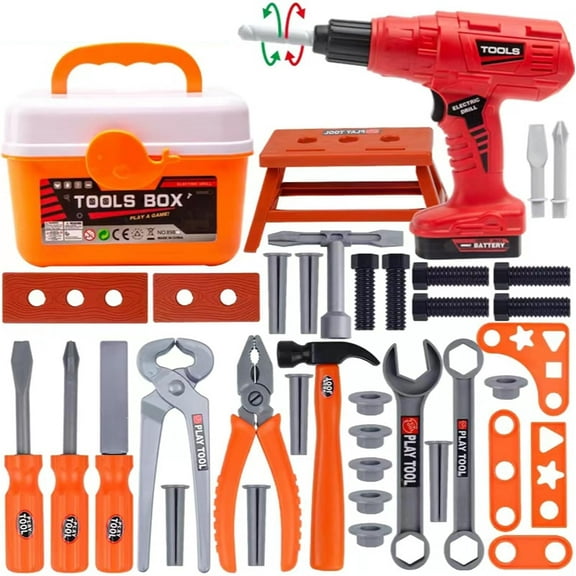
You should compare tool variety first because the included pieces shape how many play scenarios your child can invent. You’ll often find a kids tool set with toy drills, toy hammers, screwdrivers, and wrenches.
- You can choose simple assortments for quick grab-and-go play.
- You can pick broader sets when your child likes sorting nuts, bolts, and fasteners.
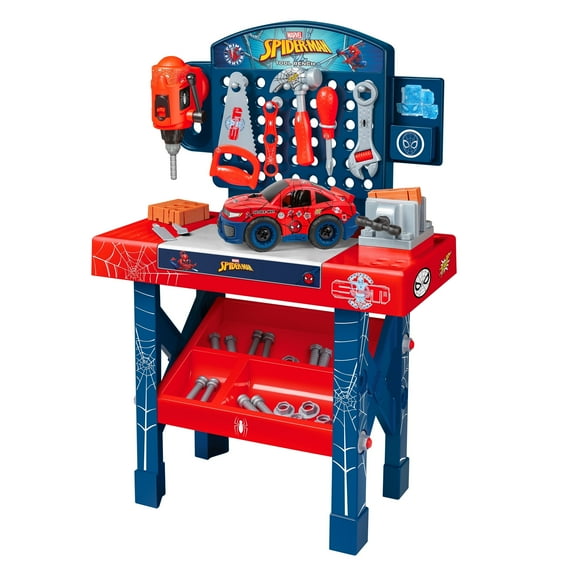
- You can look for storage trays or pegboard space to keep pieces together.
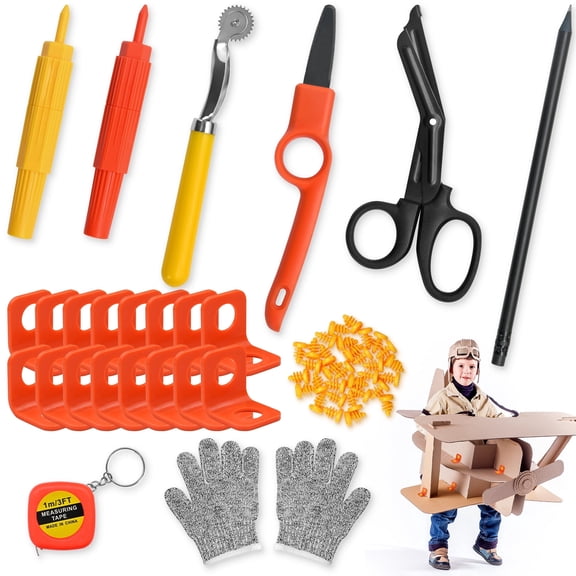
- You can check whether extra accessories support pretend building, fixing, and measuring play.
When you compare assortments, you should think about how your child actually plays at home. You may want more fastening pieces for seated floor play, or more hand tools for standing bench play.
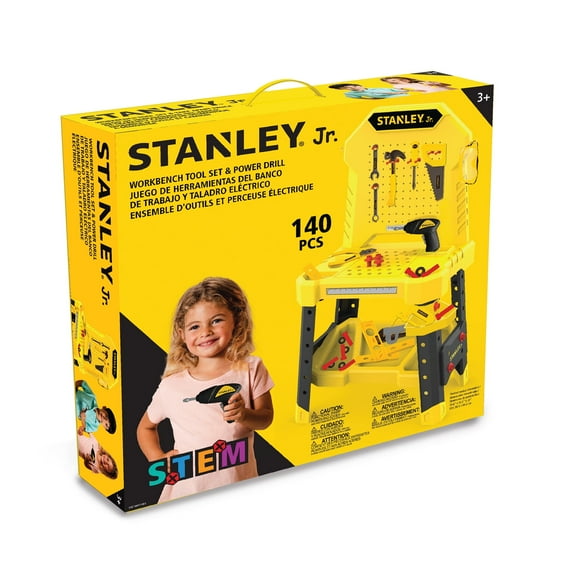
You can also check whether a set includes a toy workbench surface or only handheld tools. You’ll make a clearer choice when you match the format to your room size and your child’s routine.
Choosing materials and safety details
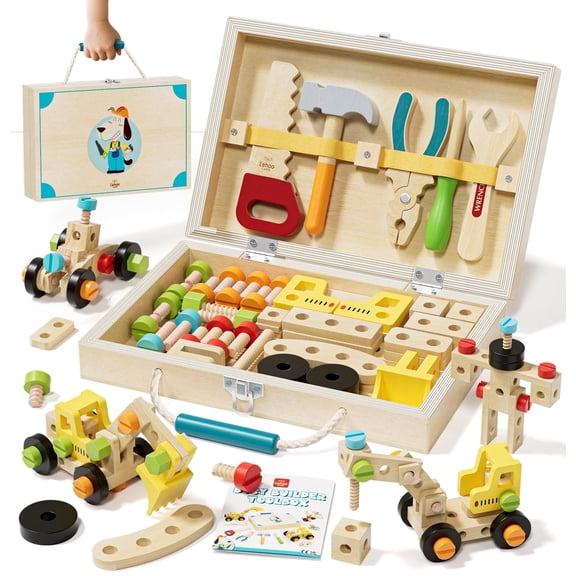
You should compare material types because wooden, plastic, and foam options feel different during daily play. You’ll often choose wooden styles for a classic look, plastic styles for lighter handling, or foam pieces for softer playroom setups.
You can look for smooth edges, rounded corners, and sturdy connections that hold up through repeated pretend building. You should also check product details for material composition and age guidance before you decide.
If you want easier carrying, you may prefer lighter pieces that your child can move between rooms. If you want a more fixed station, you may lean toward a bench with a steadier frame.
Comparing interactive toy workbench features
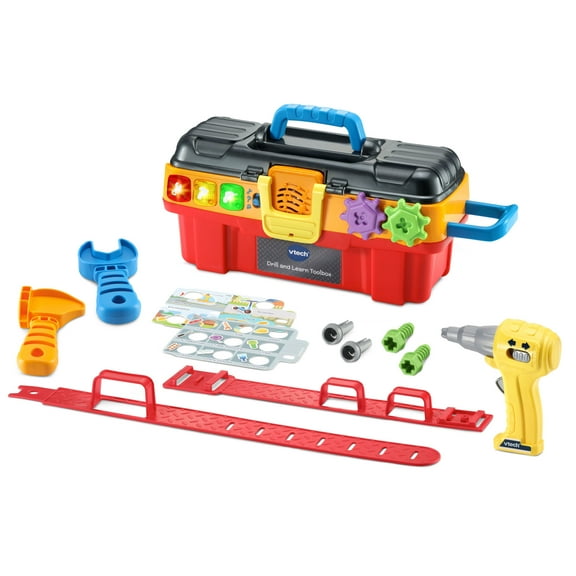
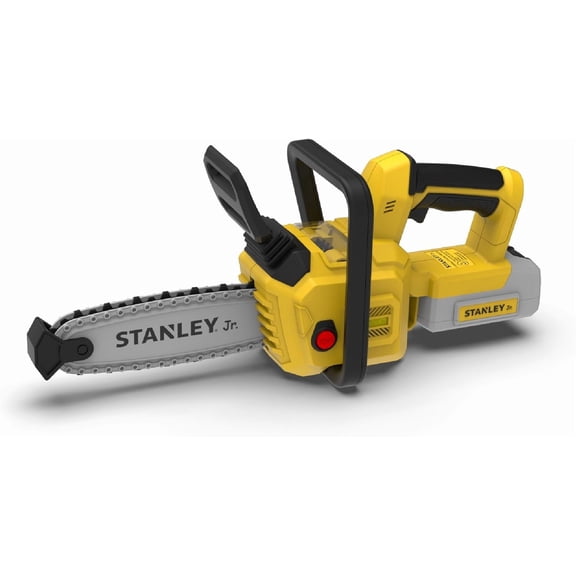
You should consider interactive features when your child enjoys cause-and-effect play and repeated motions. You’ll often see sound effects, working lights, moving parts, and realistic motion that make pretend repairs feel active.
A toy drill with spinning action can keep little hands busy during solo play. Clicking knobs, sliding vises, and turning gears can also give your child more ways to stay engaged.
You can compare these extras by asking how much movement and feedback your child enjoys. You may want quieter pretend play tools for shared spaces, or more active features for dedicated play areas.
Checking size, space, and assembly needs
You should measure your floor space before you choose a bench, especially if you’re fitting it into a bedroom or play corner. You’ll want enough room for your child to stand, turn, and reach side accessories comfortably.
You can also compare height and tabletop depth so the station matches your child’s stage. A toy workbench for toddlers usually suits shorter reach, while larger setups support older kids and more accessories.
Assembly matters too, so you should check whether hardware is included and how many steps the setup requires. You’ll appreciate clear instructions and a straightforward build when you want playtime ready with less hassle.
Matching toy workbenches and tools to everyday play
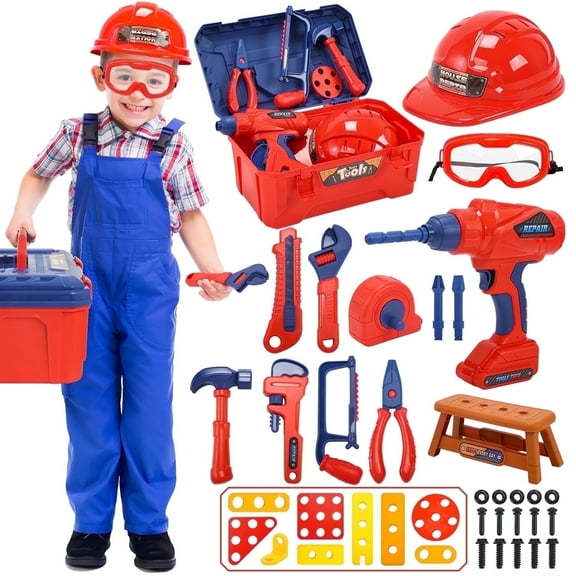
You can use these sets for pretend home repairs, building routines, and role play that mirrors what your child sees every day. You’ll also have options that pair well with dress-up play, building toys, and other creative stations.
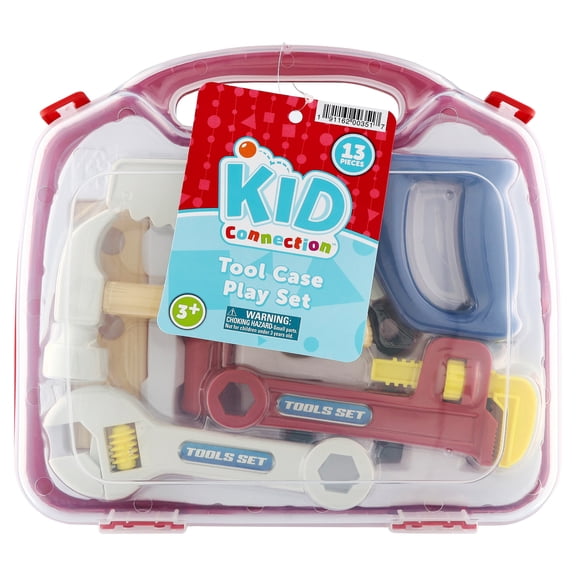
If your child likes imitating fix-it jobs, you may choose a bench with bolts, panels, and a pretend drill. If your child prefers portable play, you may choose toy tools for kids that store in a case.
For younger children, you can focus on a toddler tool bench with larger shapes and simple actions. For mixed-age households, you may prefer broader sets that let siblings share tools and rotate roles.
You’ll feel more confident when you compare age fit, materials, tool variety, and interactive details before you choose. With the right setup, you can give your child a play space that supports focused, hands-on pretend building.