

Vise & Bench Vises for Woodworking & Metalworking



















![Riousery Mini Table Vice Bench Clamp Aluminum Alloy Flat Vise Drill Press Tool for Handheld Crafting Black 4.9 inches / 12.5 cm[cite: 1]](https://i5.walmartimages.com/seo/Riousery-Mini-Table-Vice-Bench-Clamp-Aluminum-Alloy-Flat-Vise-Drill-Press-Tool-for-Handheld-Crafting-Black-4-9-inches-12-5-cm-cite-1_d2c350d8-30df-4d71-a1c0-040c3d556ca1.f872af142786f66531444d7e623bd136.jpeg?odnHeight=576&odnWidth=576&odnBg=FFFFFF)
About Vise & Bench Vises for Woodworking & Metalworking - Walmart.com
Vises help you hold wood, metal, and small parts steady while you cut, drill, shape, or assemble. You can compare bench vises, woodworking styles, and drill press options here to match your workspace and project size.
If you build, repair, or tune parts at home, you need a secure grip that stays put under pressure. You can simplify your choice when you focus on vise type, jaw width, base design, material, and duty level.
How to choose vises by type and task
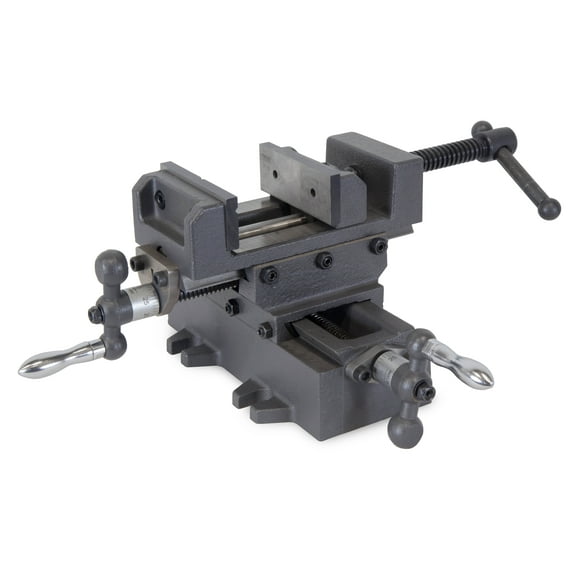
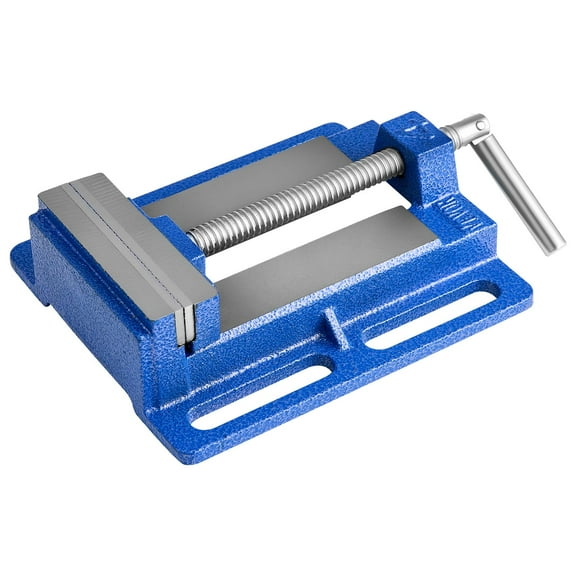
You should start with the kind of work you do most often. You can use bench vises for general shop work, while drill press vises help you keep stock aligned on a machine table.
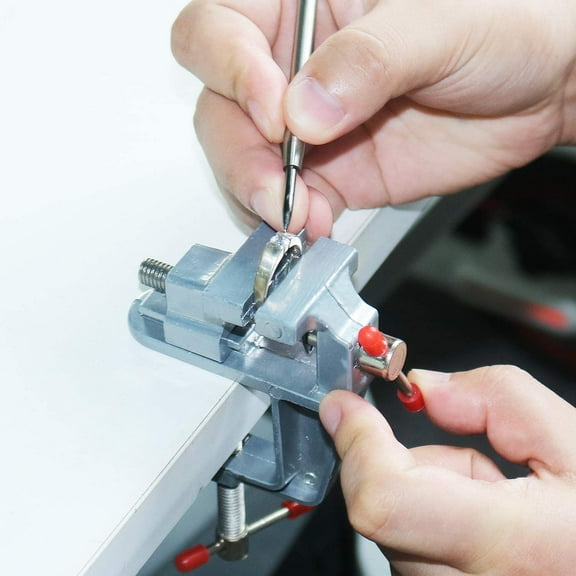
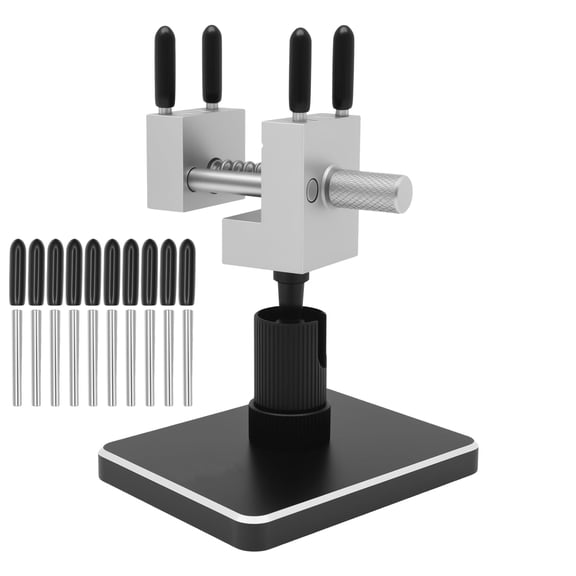
When you handle boards and joinery, you may prefer woodworking vises that support wider faces and cleaner clamping surfaces. If you handle tiny parts, you can use a hand vise for detail work, touch-ups, and small hardware.
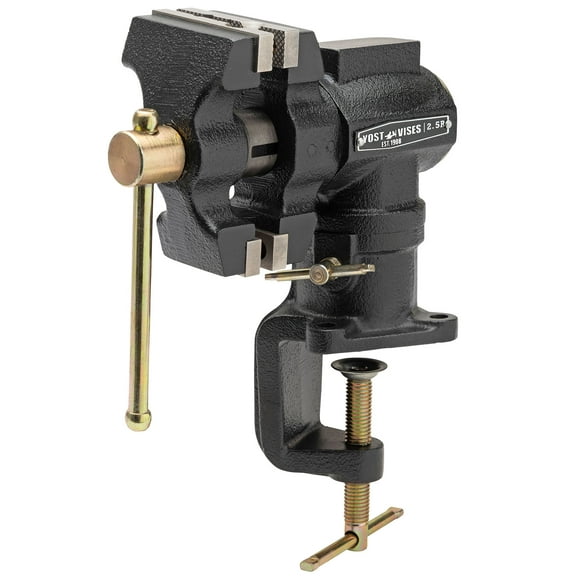
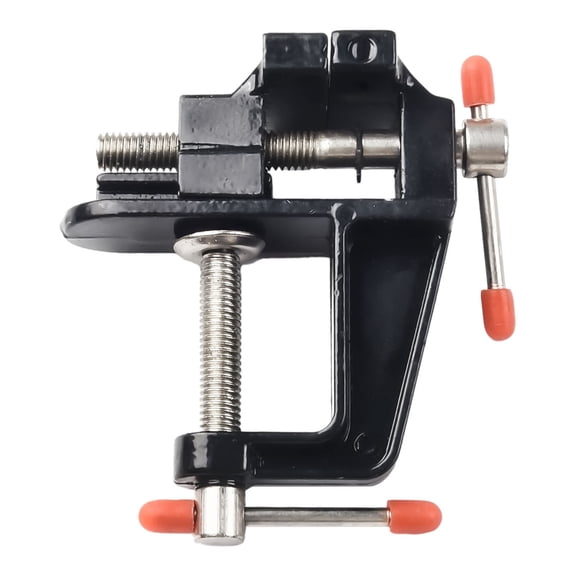
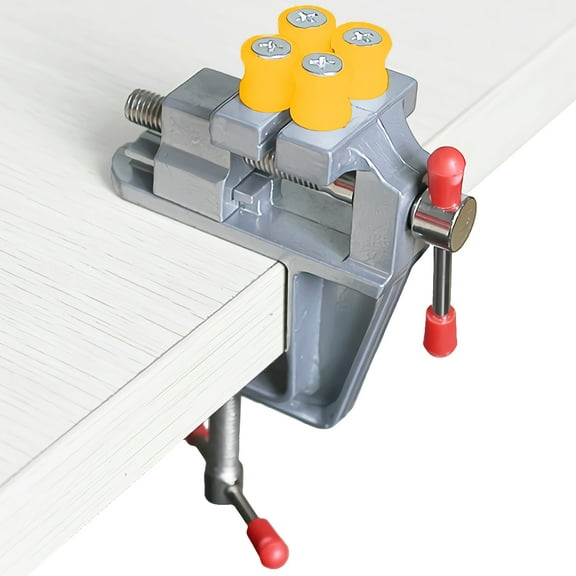
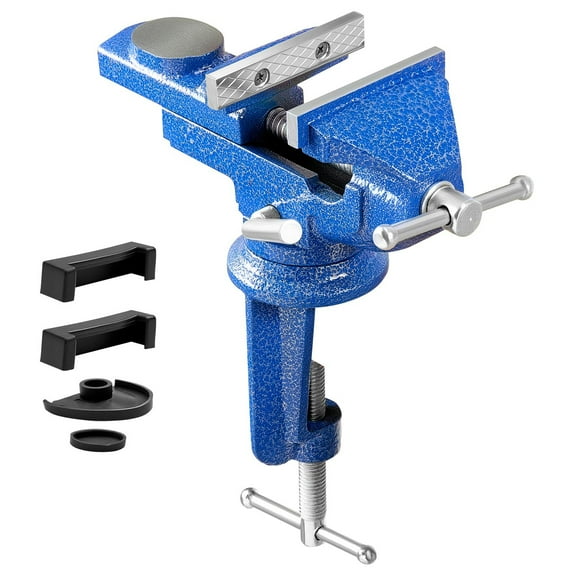
You can use a table vise or clamp on vise when you want holding power without a permanent bench setup. That choice helps you work on temporary stations, hobby tables, or shared garage surfaces.
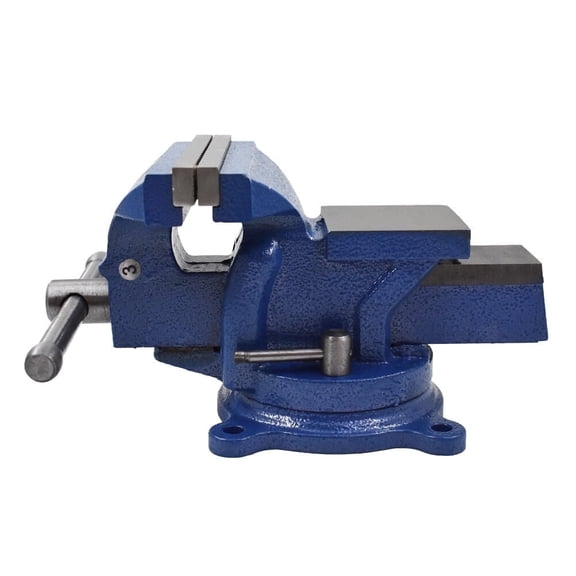
- You can use bench vises for filing, sawing, bending, and general repair jobs.
- You can choose woodworking vises when your projects need flat support and controlled pressure on boards.
- You can pick drill press vises when you want steadier positioning during repetitive drilling tasks.
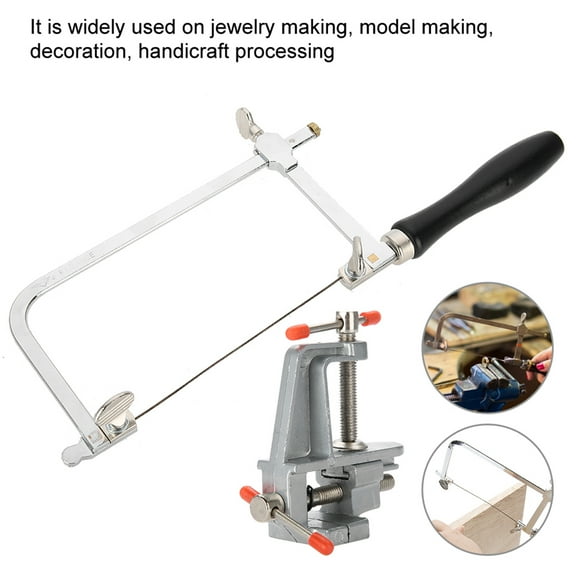
- You can select a hand vise for jewelry parts, model pieces, and other small components.
Choosing bench vises and the right jaw width
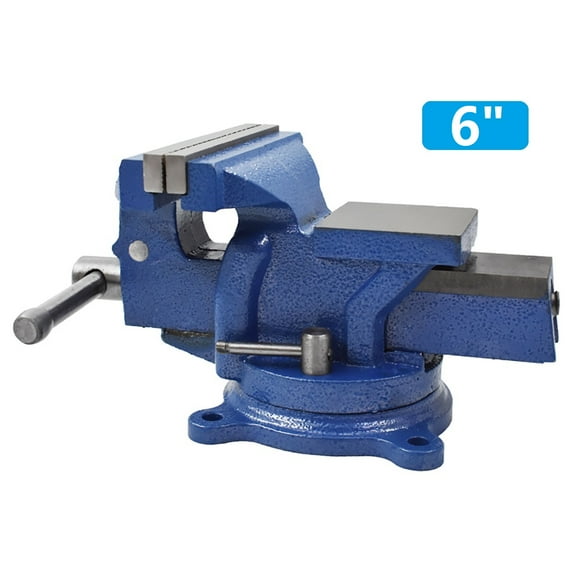
You should match jaw width to the size of the parts you clamp most often. A 3-inch or 4-inch model can suit lighter repairs, while 5-inch and 6-inch sizes fit broader stock.
You also need to think about opening capacity, not just jaw width. If you clamp pipe, brackets, or thicker blocks, you need enough travel to fit the piece comfortably.
For occasional home projects, you may only need a compact table vise with modest capacity. For larger stock and repeat use, you may want bench vises with wider jaws and a more stable footprint.
Comparing swivel base and fixed base options
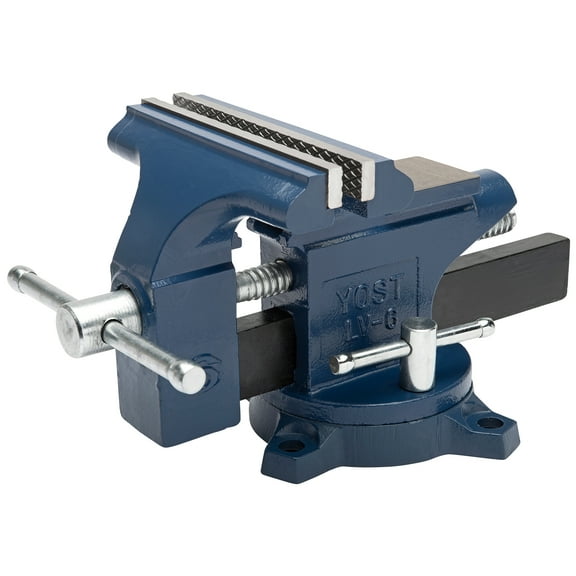
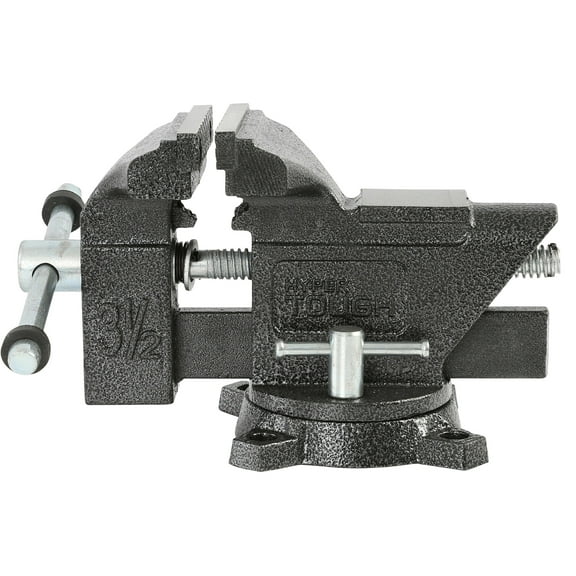
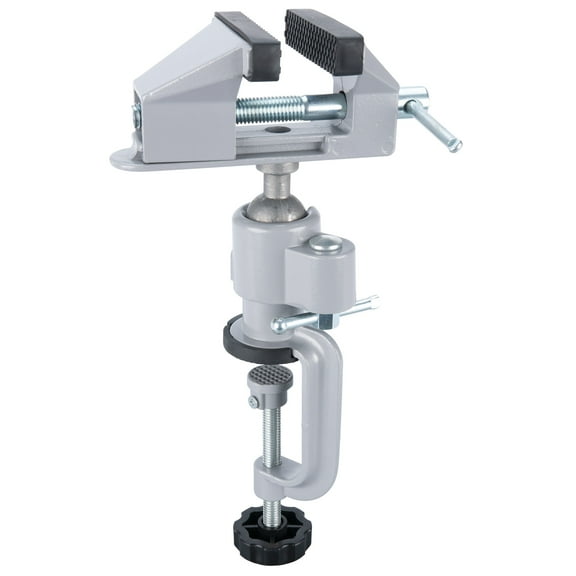
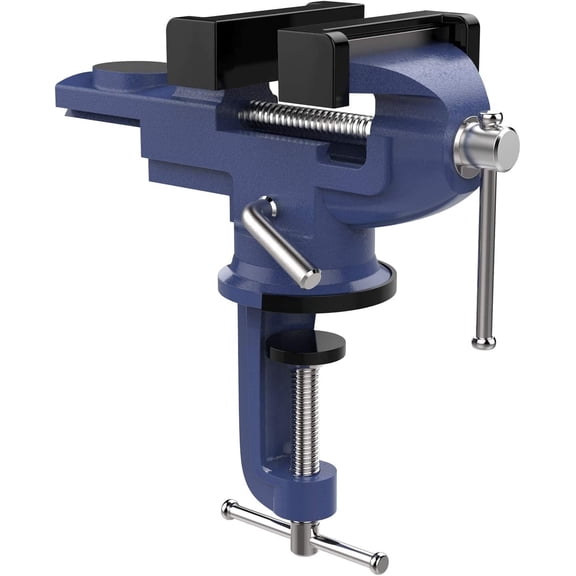
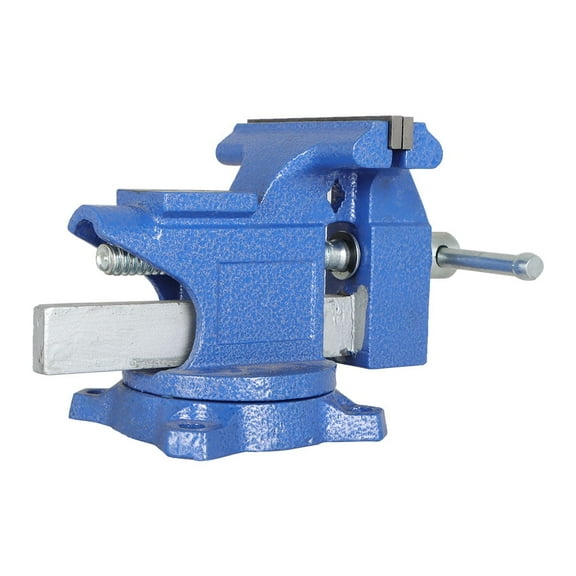
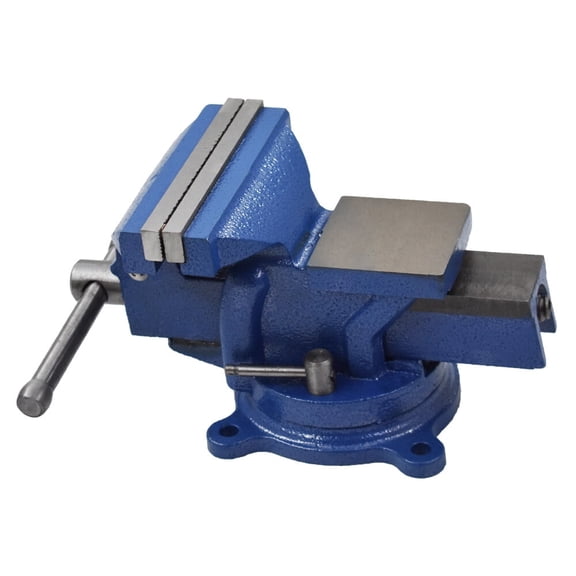
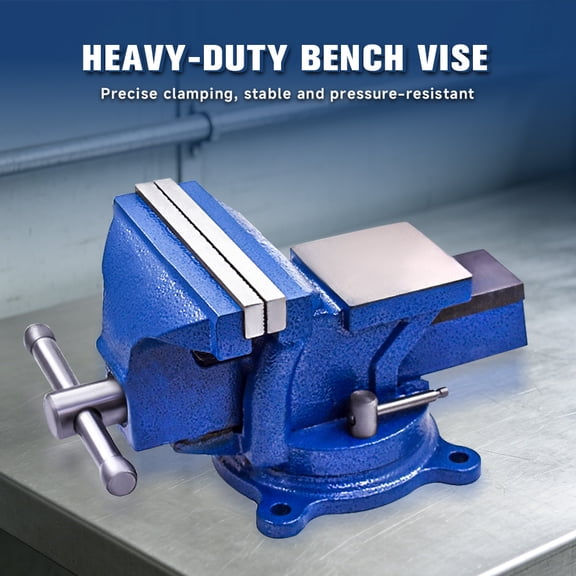
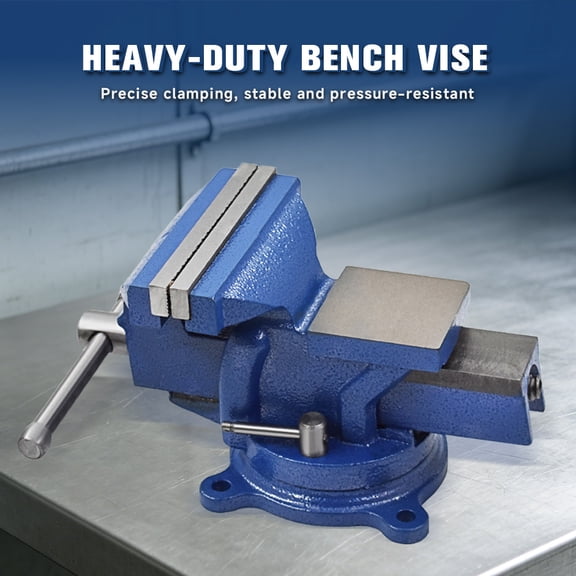
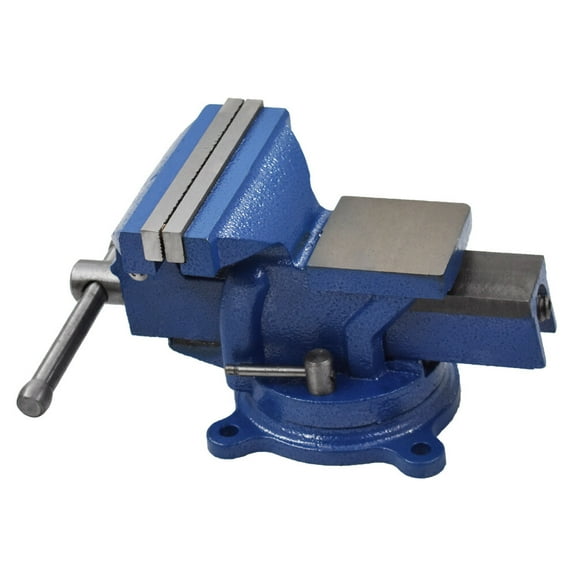
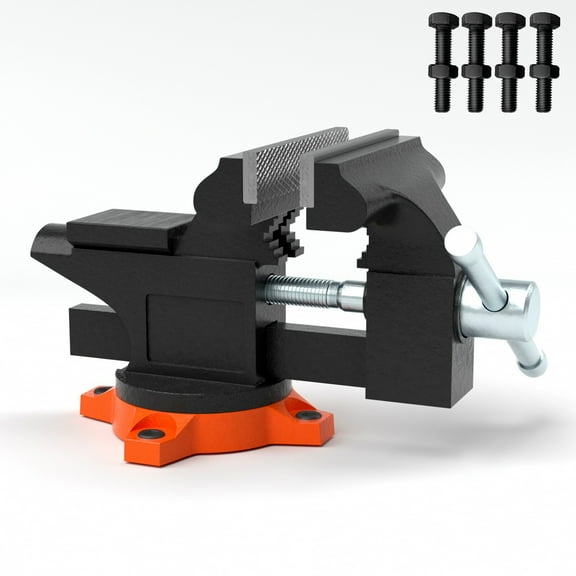
You should decide how often you need to reposition your work during a task. A swivel base vise lets you rotate the clamped piece, which can help you reach edges without remounting it.
If you want straightforward setup, you may prefer a fixed base for a direct, stable hold. That design can make sense when your workbench already gives you the angle and access you need.
You can also find vacuum base and clamp-on styles for lighter tasks and flexible placement. Those options can help when you want portability or when you can't bolt a vise to a bench.
Before you choose, you should check how your vise will mount to your workbench. Bolt-down mounting suits permanent stations, while clamp-on setups fit temporary benches and shared work areas.
What heavy duty vises and materials mean for your projects
You should compare cast iron, ductile iron, and forged steel based on how hard you plan to push your tools. A cast iron vise can suit common shop tasks, while forged steel fits frequent, demanding use.
If you want added toughness for repeated clamping, you may look at ductile iron designs. That material can make sense when your projects involve steady shop use and heavier parts.
You should also match the duty rating to your routine. Light duty works for occasional fixes, medium duty suits regular household projects, and heavy duty vises fit tougher shop demands.
When you work with metal stock or stubborn fasteners, you need a body and base that feel steady under force. That makes material choice important, especially if your vise stays mounted full time.
Using woodworking vises, drill press vises, and specialty styles
You can choose woodworking vises when you build cabinets, shape edges, or hold boards for sanding and joinery. Those tasks call for steady face support and even clamping across wider material.
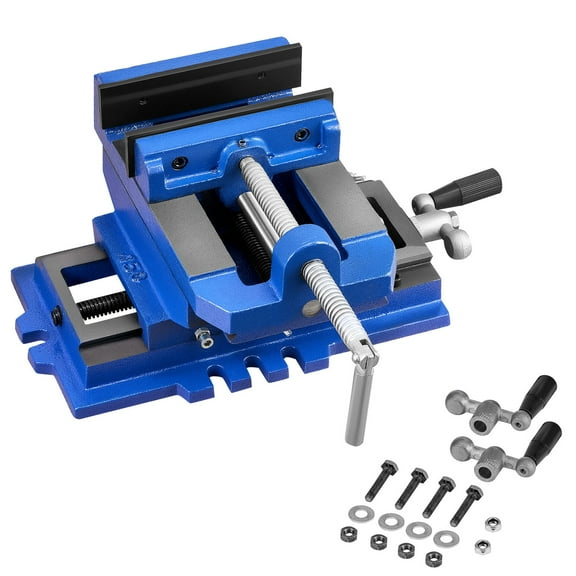
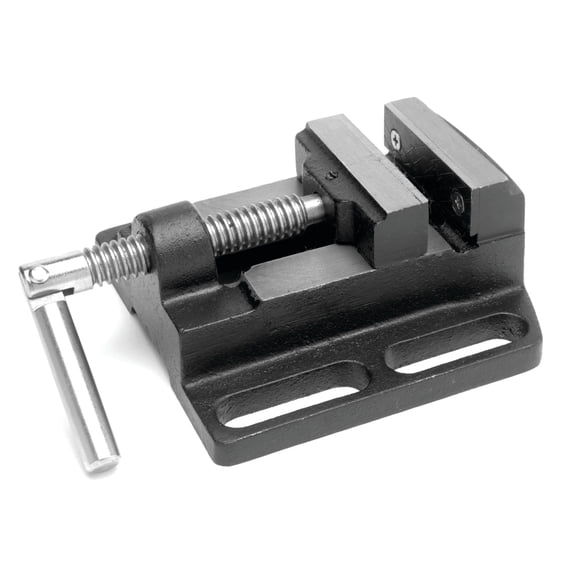
If you run a drill press, you can use drill press vises to keep smaller workpieces positioned on the table. That setup helps you repeat holes and align parts with more control.
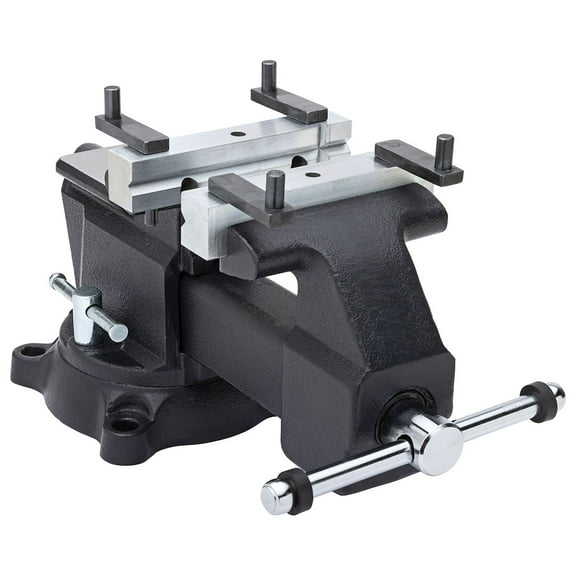
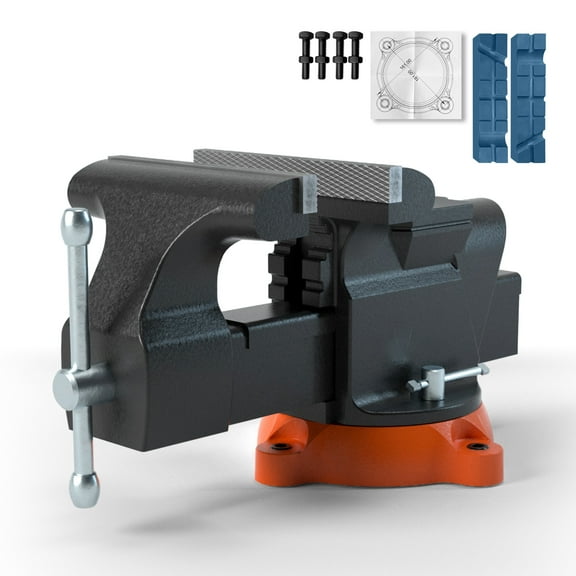
You may want heavy duty vises for garage fabrication, metal shaping, or frequent repair work. You can also consider a cast iron vise or swivel base vise when your projects mix holding strength with easier positioning.
For apartment workshops, school projects, or occasional hobbies, you might prefer a clamp on vise that stores easily. For a dedicated bench, you may want a larger bolt-down model that stays ready for every task.
How to match vises to your workspace
You should measure your bench depth, top thickness, and mounting area before you choose. That step helps you confirm whether a fixed base, swivel base, or clamp-on design fits your setup.
You can also think about where your handle will swing during use. If your bench sits near a wall, you need enough clearance to turn the screw and reposition long materials.
When your projects vary from wood trim to metal brackets, you may want one versatile bench model. If your work stays specialized, you can focus on a dedicated style that fits your routine more closely.
With the right vise type, jaw width, base configuration, and material, you can hold work more securely and finish tasks with steadier results. You gain cleaner cuts, more controlled drilling, and a workspace that feels ready for the job.